
Discover the ideal plants to cultivate in your U.S. garden during late spring. This guide features a diverse selection of 20 plants, from vegetables to herbs to flowers, each suited to thrive in the warmth of this season.
Whether you’re an experienced gardener or a beginner, these plants will brighten your garden and provide a rewarding harvest. Begin your gardening journey with confidence, and enjoy the vibrant colors and flavors of late spring.
1. Tomatoes
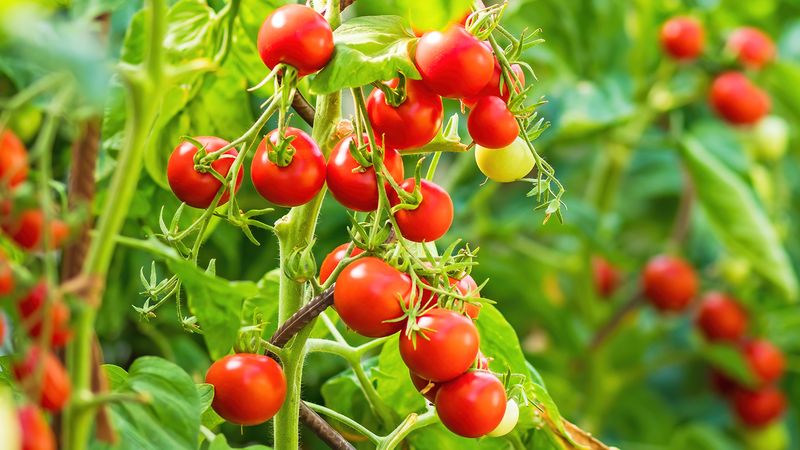
Tomatoes, with their vivid red and yellow hues, thrive under the late spring sun. These warm-season staples offer options in determinate and indeterminate varieties. Plant them now to enjoy a fresh, juicy harvest come summer. Whether you prefer slicing them for salads or cooking them into sauces, tomatoes are a versatile addition to any garden.
Choose the right variety based on your space availability. Determinate tomatoes grow to a fixed size, while indeterminate ones continue to grow and produce until the frost. With the right care, these plants will flourish and reward you with abundant fruit.
2. Peppers (Bell, Hot, and Sweet)
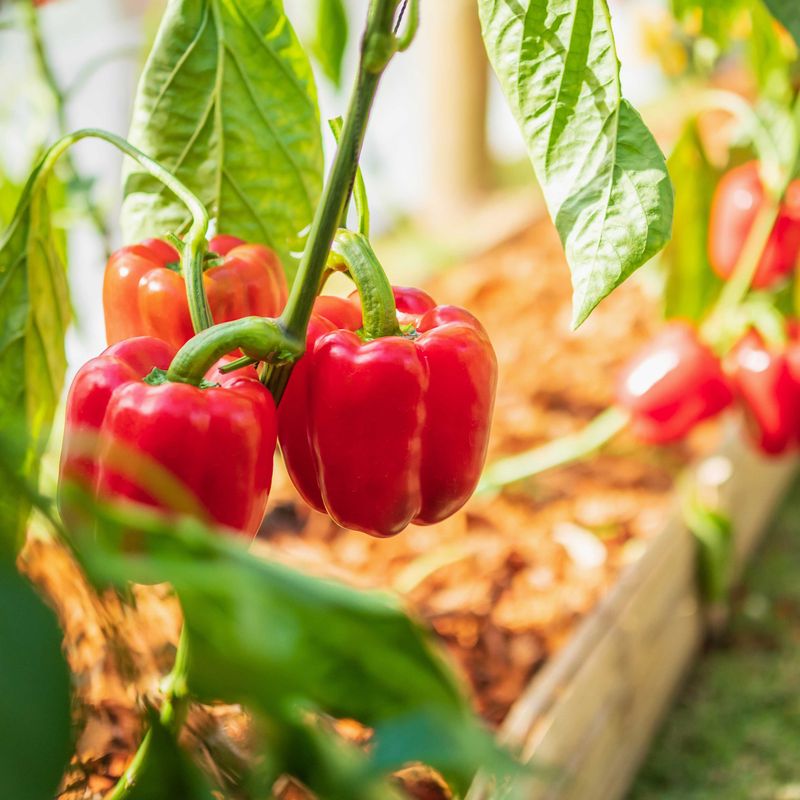
Peppers, whether bell, hot, or sweet, relish the heat of late spring. Plant them now for a rainbow of colors and a spectrum of flavors throughout the summer. These versatile plants can spice up any meal or add a sweet, crunchy bite.
Select from a variety of pepper types based on your culinary preferences. As they mature, watch as their colors change from green to bright red, yellow, or even purple. With proper sunlight and water, your pepper plants will be a fruitful addition to your garden, offering a vivacious display.
3. Cucumbers
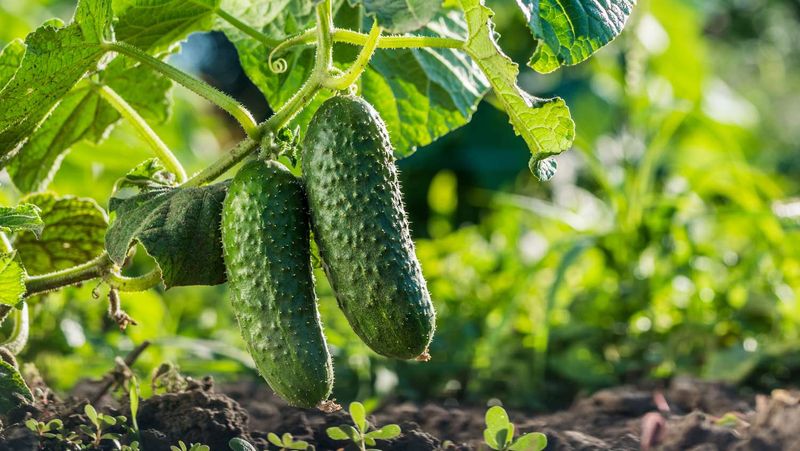
Cucumbers are quick-growing and perfect for trellising or letting sprawl across the garden. Late spring is an ideal time to plant these refreshing vegetables. They are fantastic for pickling or slicing fresh for salads and sandwiches.
With the warmth of the sun, cucumbers will flourish, offering a crisp texture and cool flavor. When planning your garden, ensure you have enough space for these vines to grow. Trellised cucumbers can save space and make harvesting easier. Enjoy the freshness and versatility cucumbers bring to your table.
4. Squash (Zucchini and Summer Squash)
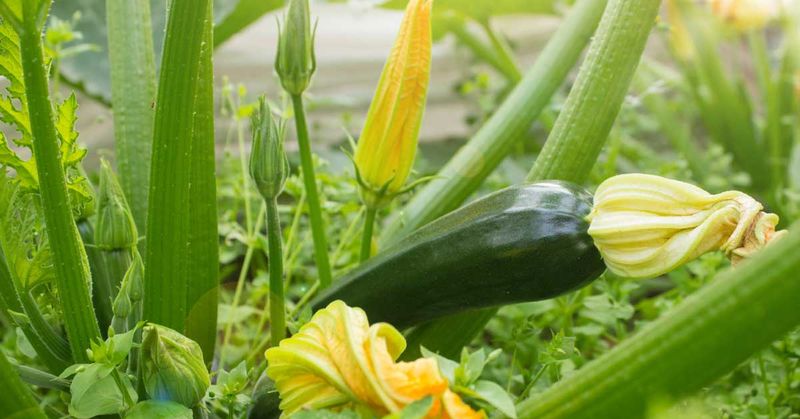
Squash, including zucchini and other summer varieties, are perfect for planting in late spring. They grow rapidly and provide a bountiful harvest by mid-summer. Their tender flesh is ideal for grilling, baking, or sautéing.
These plants need plenty of room to spread out, so ensure proper spacing in your garden layout. With consistent watering and sunlight, squash plants can produce a prolific yield. Watch as they develop from small, delicate flowers into robust vegetables, ready to enhance your culinary creations.
5. Beans (Bush and Pole)
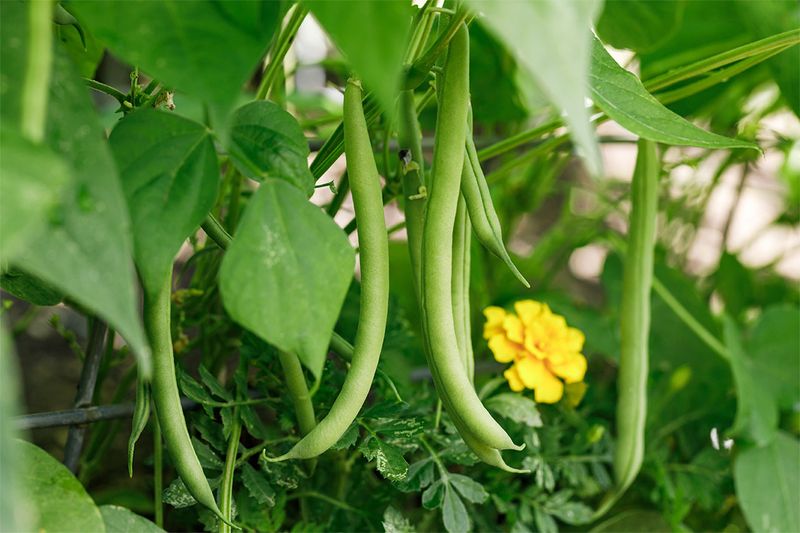
Beans, whether bush or pole, are fast-growing and ideal for late spring planting. The pole varieties will climb upwards, making great use of vertical space, while bush beans remain compact. Both types are excellent for providing a steady supply of fresh beans throughout the season.
These legumes enrich the soil with nitrogen, benefiting future crops. Plant them now, and enjoy their tender pods in various dishes, from salads to stir-fries. With minimal care, beans will thrive and offer a rewarding harvest, perfect for any garden enthusiast.
6. Corn
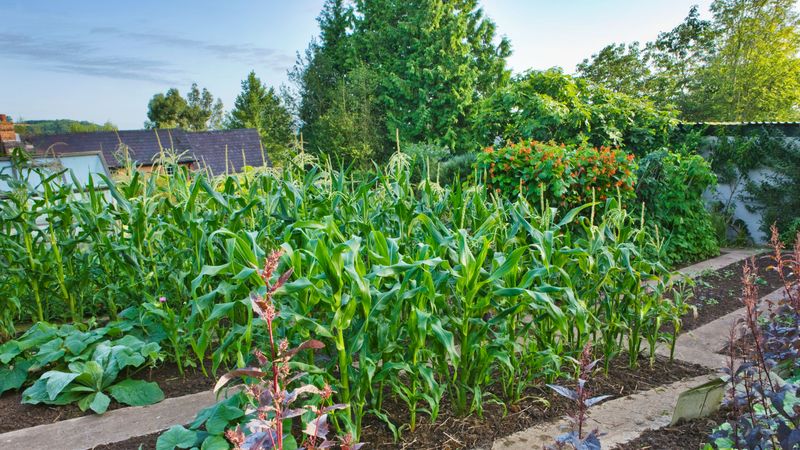
Corn, a classic warm-weather crop, is best sown in late spring. For optimal pollination, plant corn in blocks rather than rows. This ensures that the plants can produce robust ears filled with sweet kernels.
Corn’s height and vibrant green leaves create a picturesque backdrop in any garden. As the plants grow, they transform the landscape, signaling the onset of summer. With its sweet taste and versatility, corn is a valuable addition to your garden, perfect for grilling or boiling.
7. Basil
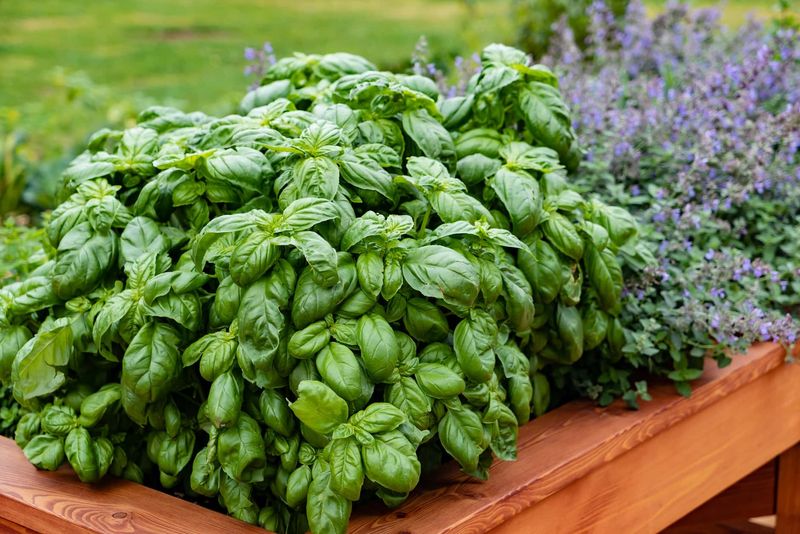
Basil is a heat-loving, quick-growing herb that flourishes in late spring. Known for its aromatic leaves, it is a staple in many culinary dishes, from pesto to pasta sauces. Basil’s fresh scent and flavor make it an essential addition to any herb garden.
Plant basil in a sunny location, ensuring it has well-draining soil. Regular pinching back of the leaves encourages bushier growth and prevents flowering. With minimal effort, basil will provide a continuous supply of fragrant leaves throughout the summer months.
8. Cilantro
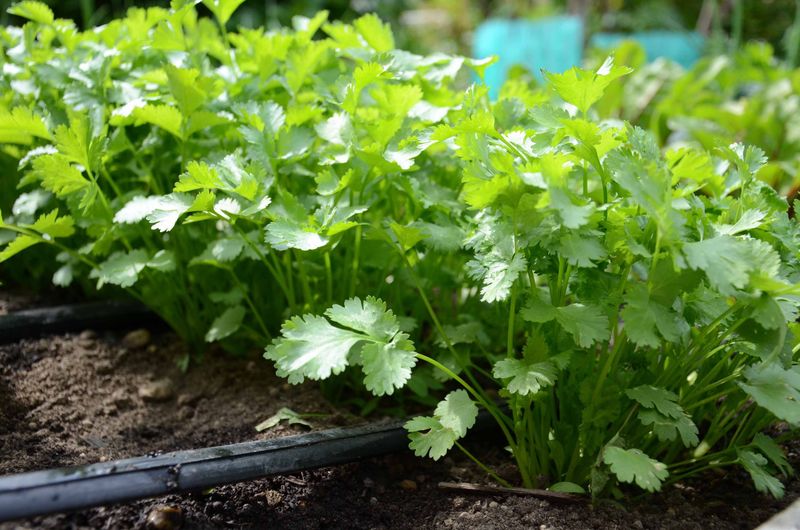
Cilantro, best planted early in the late spring window, is known for its fresh, citrusy flavor. This herb is a favorite in many cuisines, especially in Mexican and Asian dishes. However, timing is crucial to prevent it from bolting.
Cilantro thrives in cooler temperatures, so plant it where it receives morning sun and afternoon shade. This will extend its growth period before it starts to seed. Enjoy its vibrant leaves in your cooking, adding a burst of flavor to your meals.
9. Oregano & Thyme
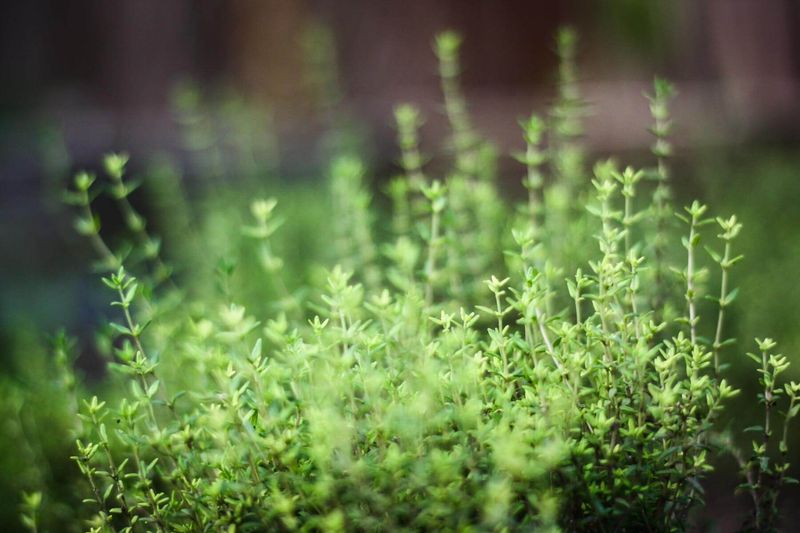
Oregano and thyme are hardy Mediterranean herbs that love the sun and well-drained soil. These perennials are ideal for late spring planting and work well in a variety of dishes, bringing earthy flavors to your culinary repertoire.
These herbs are low-maintenance and can thrive in garden beds or containers. Their aromatic leaves not only add flavor but also attract beneficial insects. With minimal care, oregano and thyme will flourish, providing fresh herbs for your kitchen year-round.
10. Dill
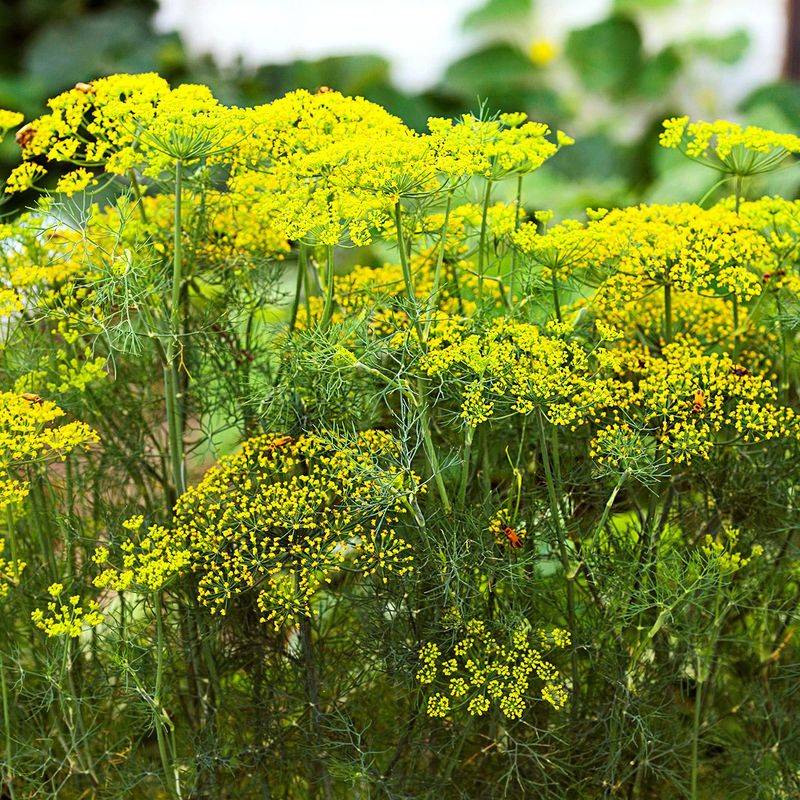
Dill, with its feathery leaves and distinctive flavor, is easy to grow and attracts beneficial pollinators like butterflies and bees. It is perfect for late spring planting, providing a fresh, tangy taste to dishes. Use it in salads, soups, or to enhance pickles.
Plant dill in a sunny spot with well-draining soil. This herb will quickly establish itself in your garden, offering both flavor and beauty. The sight of pollinators visiting its yellow flowers adds a lively touch to any garden space.
11. Zinnias
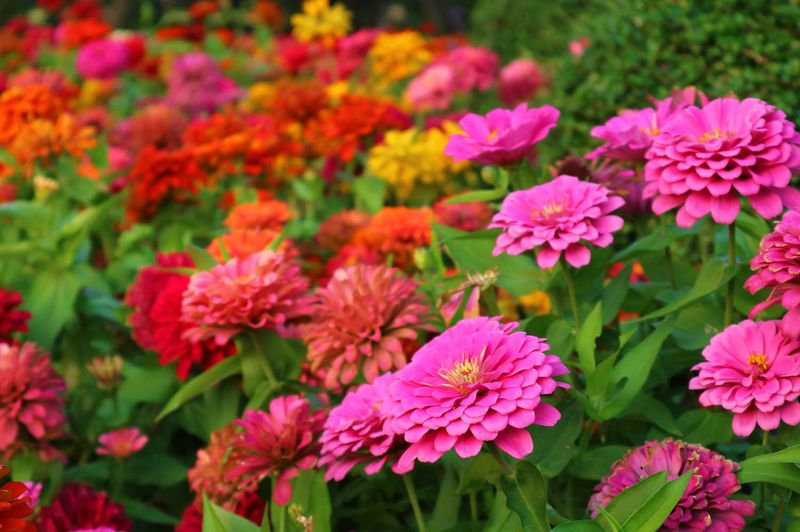
Zinnias are fast-growing annuals that bloom all summer, inviting butterflies to your garden with their bright, cheerful colors. These flowers are perfect for late spring planting, offering a long-lasting display of beauty.
With minimal care, zinnias grow prolifically, providing continuous blooms until the first frost. They are excellent for cutting, allowing you to bring their vibrant charm indoors. Plant zinnias in a sunny spot, and watch as they create a lively and colorful garden space.
12. Marigolds
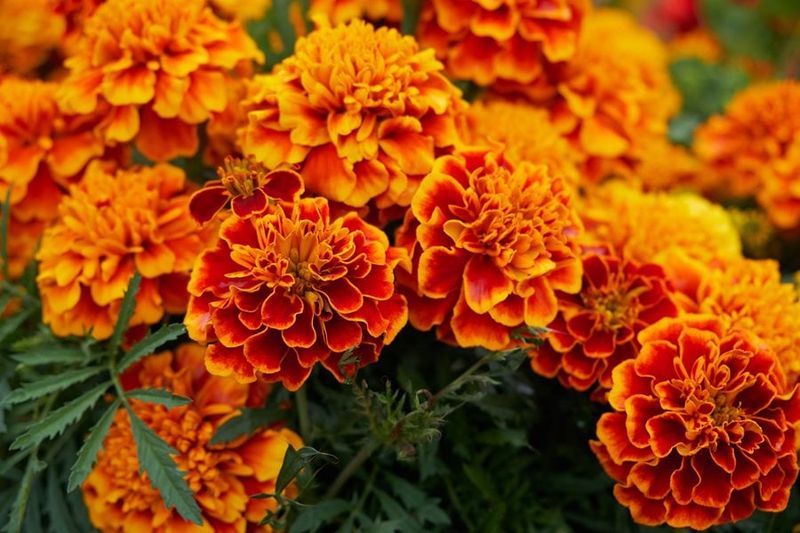
Marigolds are known for their pest-repelling prowess, making them invaluable companions in vegetable gardens. With their bright orange and yellow hues, they add vibrancy while protecting crops.
These hardy plants thrive in sunny locations and are easy to grow. Their scent deters many garden pests, making them a natural choice for eco-friendly gardening. Plant marigolds alongside your vegetables and enjoy their beauty and protective benefits throughout the growing season.
13. Sunflowers
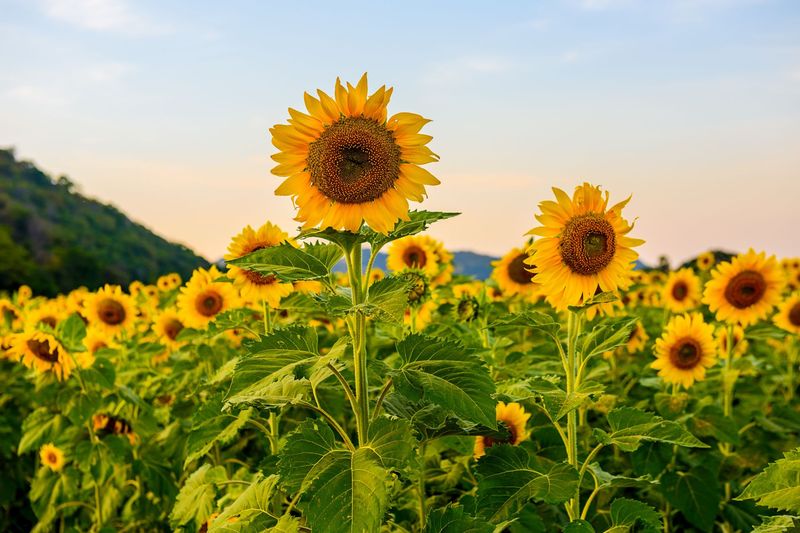
Start sunflower seeds in late spring for towering blooms by mid-to-late summer. These majestic flowers are great for pollinators and add a spectacular backdrop to any garden. Sunflowers are known for their ability to turn and follow the sun, a phenomenon called heliotropism.
Plant them in sunny spots with well-draining soil, ensuring enough space for their roots to grow. As they bloom, enjoy watching birds attracted to their seeds, completing the garden’s ecosystem.
14. Cosmos
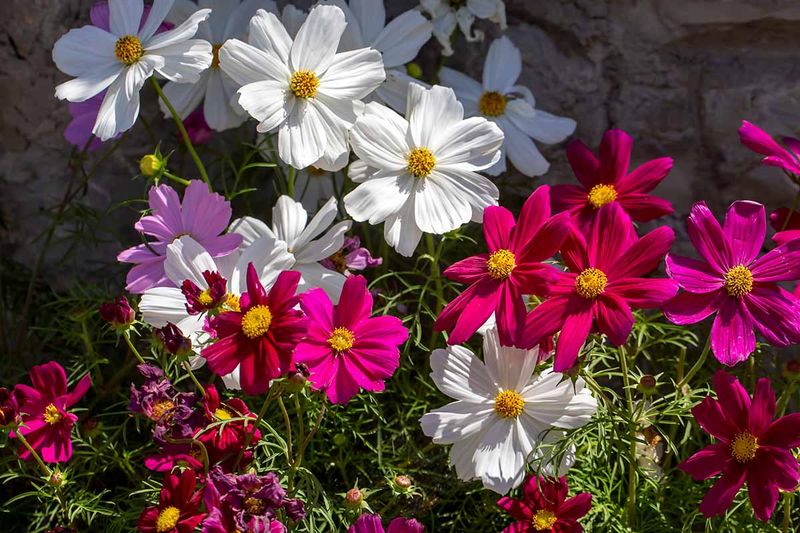
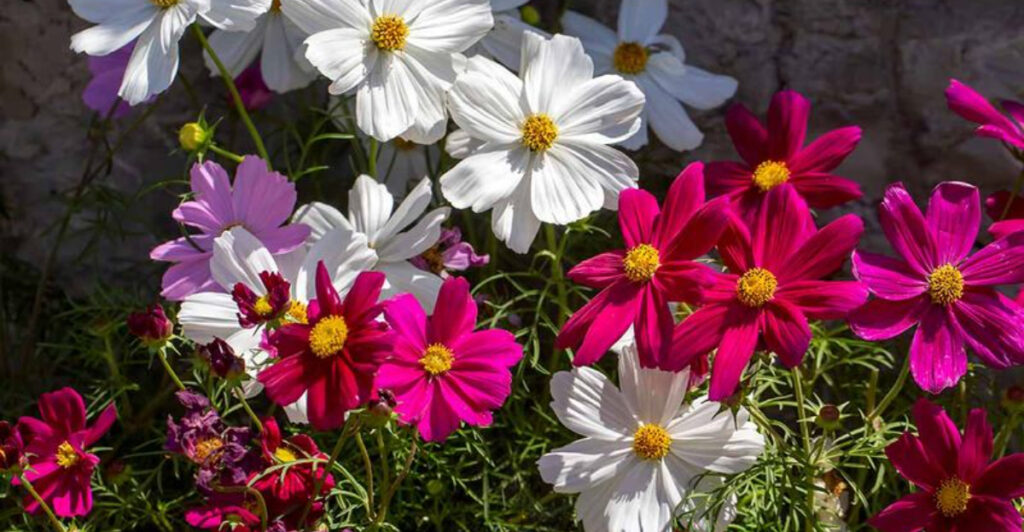
Cosmos are easy-care flowers that bloom in abundance, thriving in the heat of late spring. Their delicate, daisy-like petals bring a sense of whimsy and charm to gardens. These flowers are not only beautiful but also attract butterflies, adding life and movement to your garden.
Plant cosmos in well-draining soil and enjoy their vibrant display from late spring through summer. They require little maintenance, making them perfect for gardeners looking for low-effort beauty. Use cosmos to fill garden spaces with color and grace.
15. Strawberries (Bare Root or Potted)
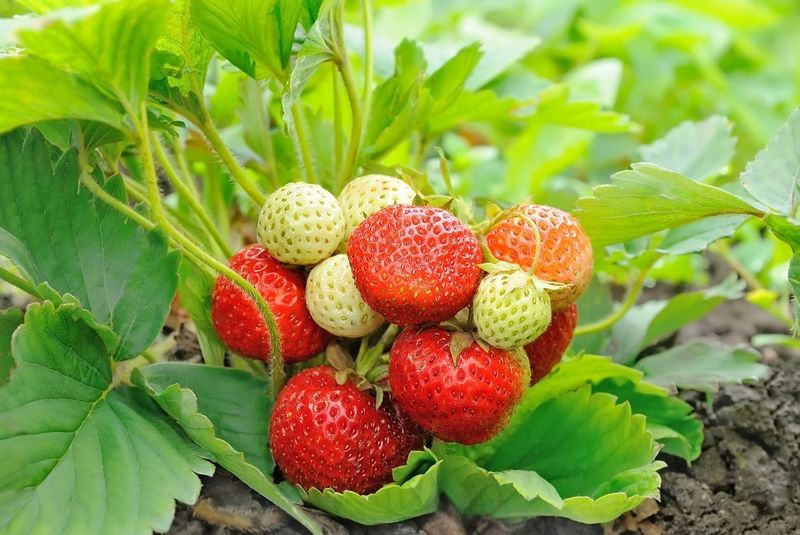
For a taste of summer, plant strawberries—either bare root or potted—in late spring. Everbearing varieties will provide fruits throughout the season, offering sweet, juicy berries for snacking or desserts.
Ensure strawberries have plenty of sun and well-draining soil. They can be grown in garden beds or containers, making them versatile for any space. With proper care, your strawberry plants will flourish, rewarding you with a delightful and continuous harvest.
16. Melons (Cantaloupe, Watermelon)
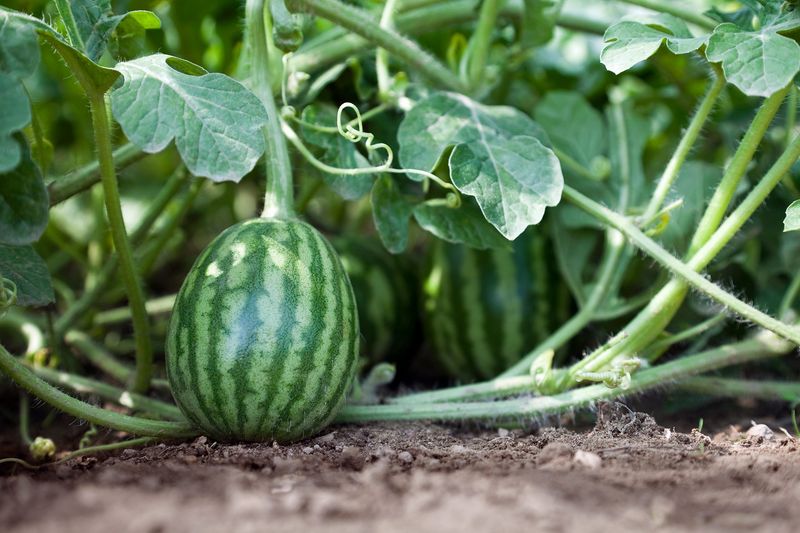
Melons, such as cantaloupe and watermelon, are heat-loving plants that need space and sunshine. Plant them in late spring to enjoy their sweet, refreshing fruits by summer’s end. These sprawling vines require ample room to grow, making them ideal for larger garden spaces.
Select a sunny spot with rich soil, and watch as the vines spread, producing juicy melons. The fruit’s sweet, hydrating taste is a summer favorite, perfect for picnics and desserts. Enjoy the satisfaction of growing your own melons, knowing they embody the essence of summer.
17. Blueberries (in cool climates)
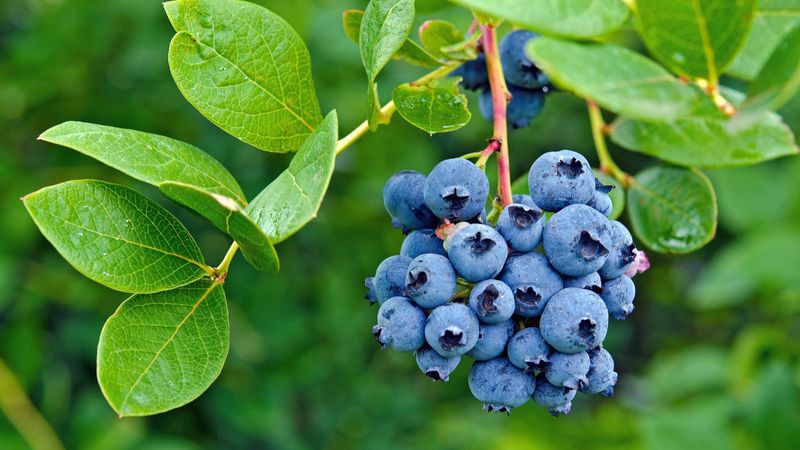
In cool climates, late spring is still an appropriate time to plant blueberry shrubs. Ensure the soil has the right acidity and drainage to promote healthy growth. These bushes produce sweet, antioxidant-rich berries, perfect for snacking or culinary uses.
Blueberries require patience but reward gardeners with a bountiful harvest once established. Their lush, green foliage provides beauty even before the berries ripen. Plant them in well-drained, acidic soil and enjoy the benefits of home-grown blueberries for years to come.
18. Milkweed
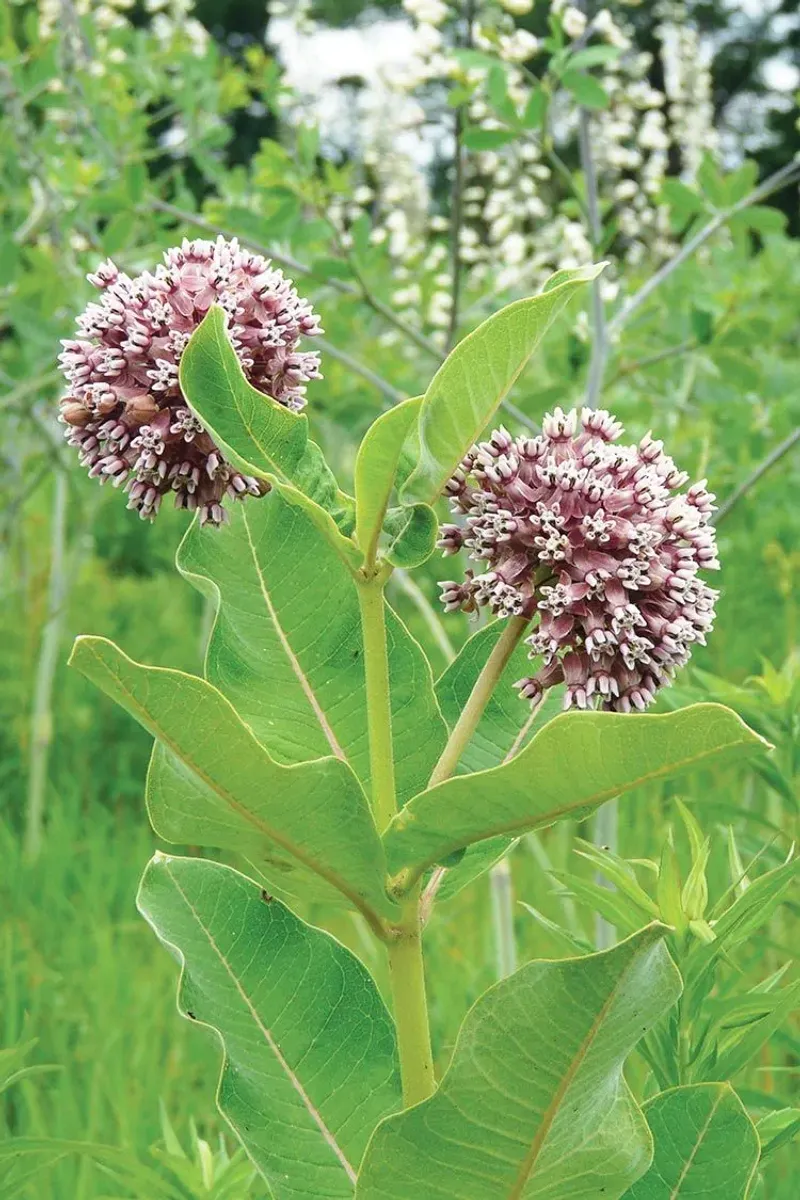
Milkweed is essential for monarch butterflies, providing critical habitat and food for their larvae. Planting milkweed in late spring helps support this endangered species while adding beauty to your garden.
These hardy plants thrive in sunny spots and are ideal for naturalizing borders or wildflower gardens. Milkweed’s striking flowers and feathery seeds create a dynamic display, making it a valuable addition for conservation-minded gardeners. Enjoy the satisfaction of supporting wildlife as milkweed attracts a variety of pollinators.
19. Bee Balm (Monarda)
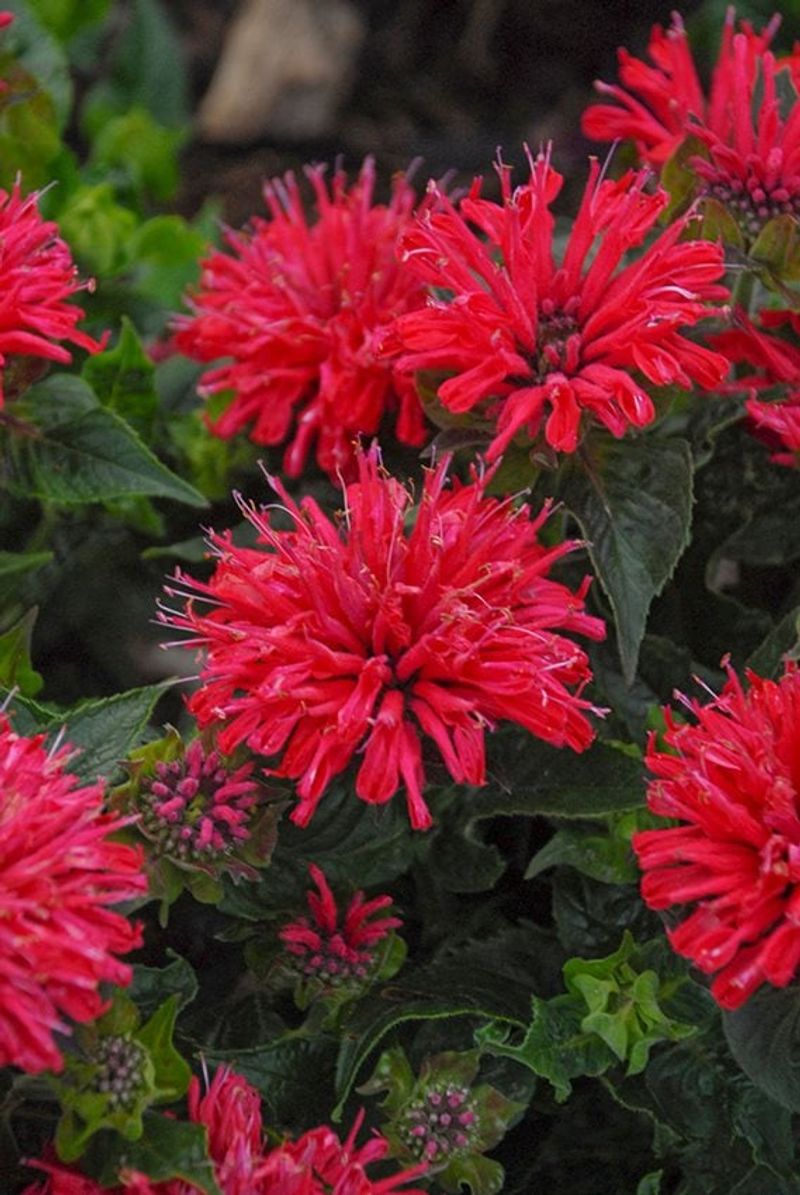
Bee Balm, also known as Monarda, is a beautiful and aromatic plant that attracts hummingbirds and bees alike. Plant it in late spring to enjoy its vibrant flowers throughout the summer. Bee Balm’s striking blooms add color and drama to gardens, making it a favorite among gardeners.
This perennial prefers sunny locations and well-draining soil. Its aromatic leaves can also be used for herbal teas. By planting Bee Balm, you’ll create a lively and colorful garden that supports pollinators and provides visual delight.
20. Echinacea (Coneflower)
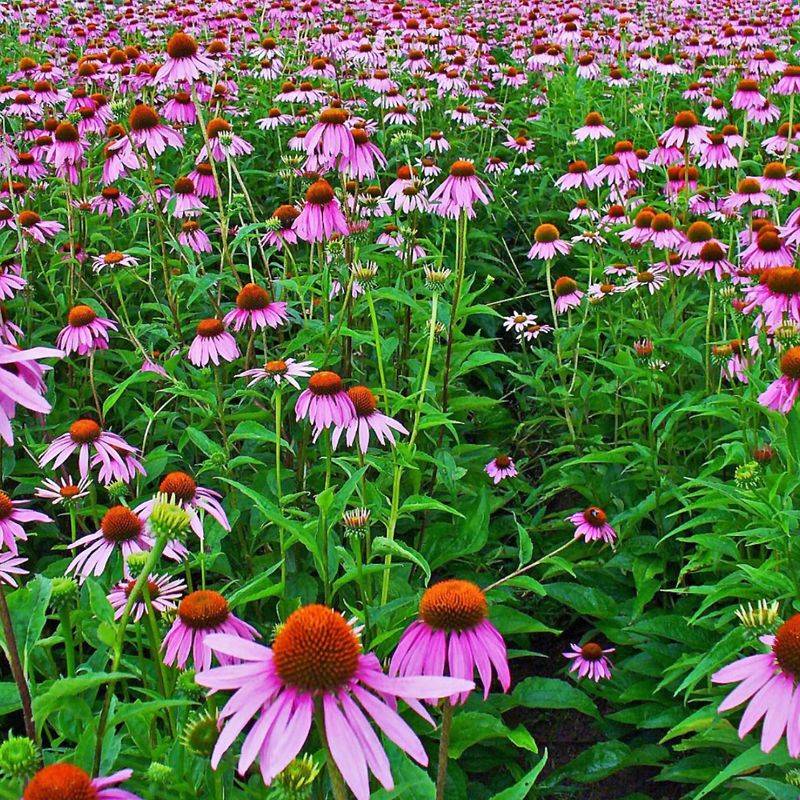
Echinacea, or coneflower, is a tough, drought-resistant native plant that adds color and supports pollinators. Perfect for late spring planting, this perennial is known for its large, daisy-like flowers with spiky centers.
Echinacea thrives in sunny locations with well-drained soil. It attracts bees and butterflies, making it a key player in ecological gardening. The plant’s resilience and beauty make it a staple for both novice and experienced gardeners, offering a stunning display that lasts throughout the growing season.