
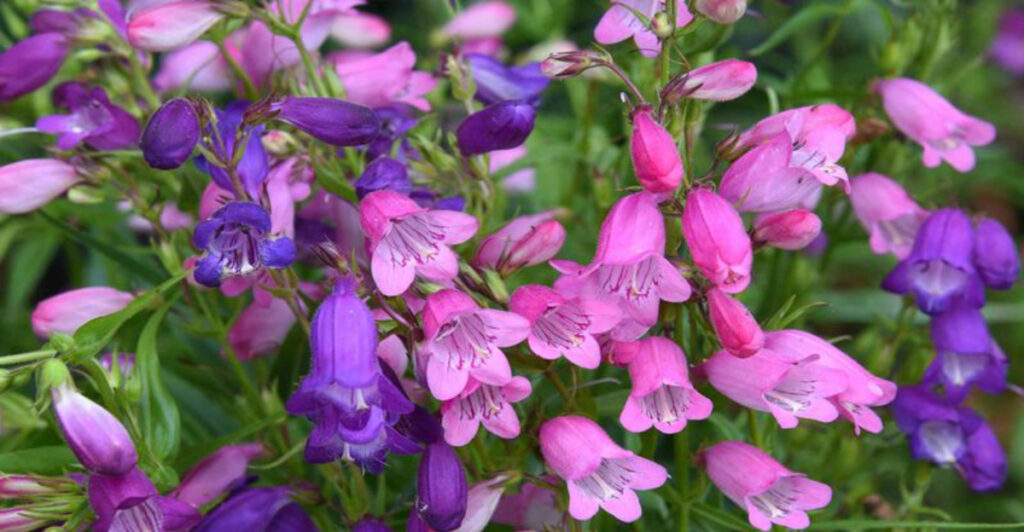
Penstemon, also known as beardtongue, is a stunning perennial that can light up your garden with vibrant colors. Known for their resilience and striking blooms, these plants are a favorite among gardeners.
With over 250 species, mastering the art of growing penstemons can transform your garden into a vibrant haven.
Here are 10 expert tips to help you cultivate penstemon like a pro, ensuring long-lasting blooms and minimal maintenance.
1. Choose the Right Variety
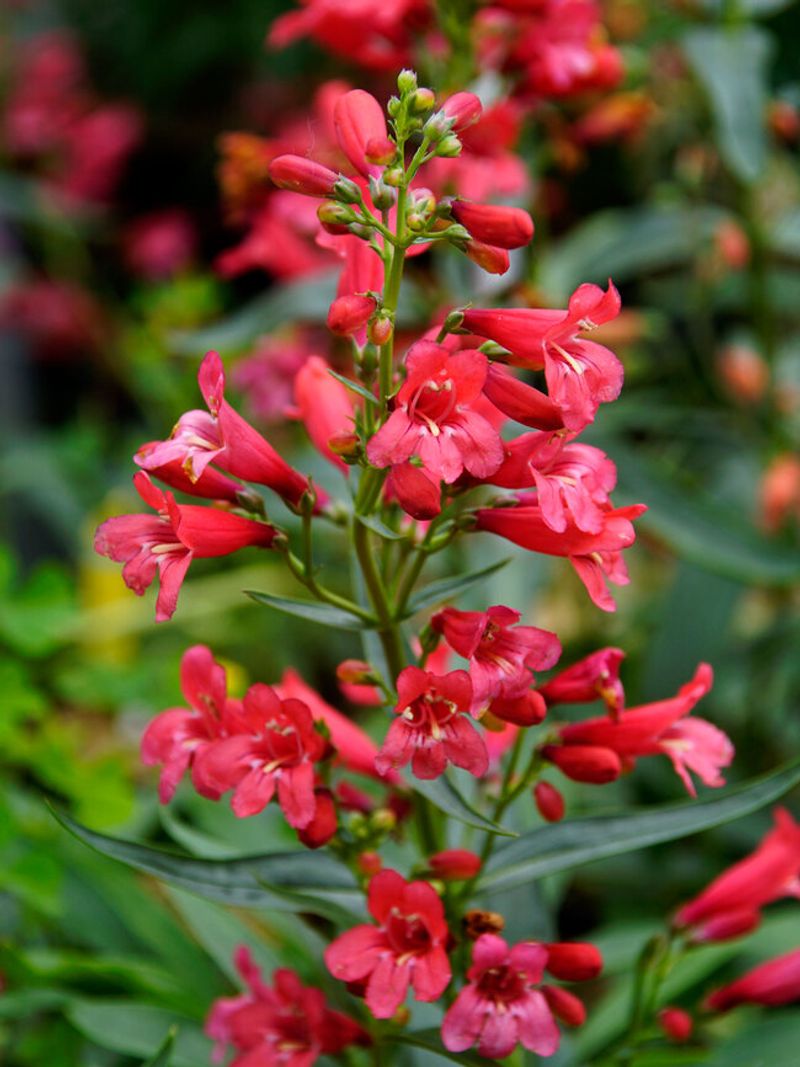
Selecting the right penstemon variety is crucial for success. With over 250 species, choices abound. Varieties like Penstemon digitalis offer pale pink blooms, while Penstemon barbatus attracts hummingbirds with red flowers. Penstemon heterophyllus dazzles with electric blue. Choose varieties suited to your climate and soil type for optimal growth. Whether you’re in a dry or humid zone, there’s a penstemon for every garden. Consider your garden’s design and intended use, be it a showy border or a subtle groundcover. Your choice will greatly influence your garden’s aesthetic and floral diversity.
2. Plant in Full Sun
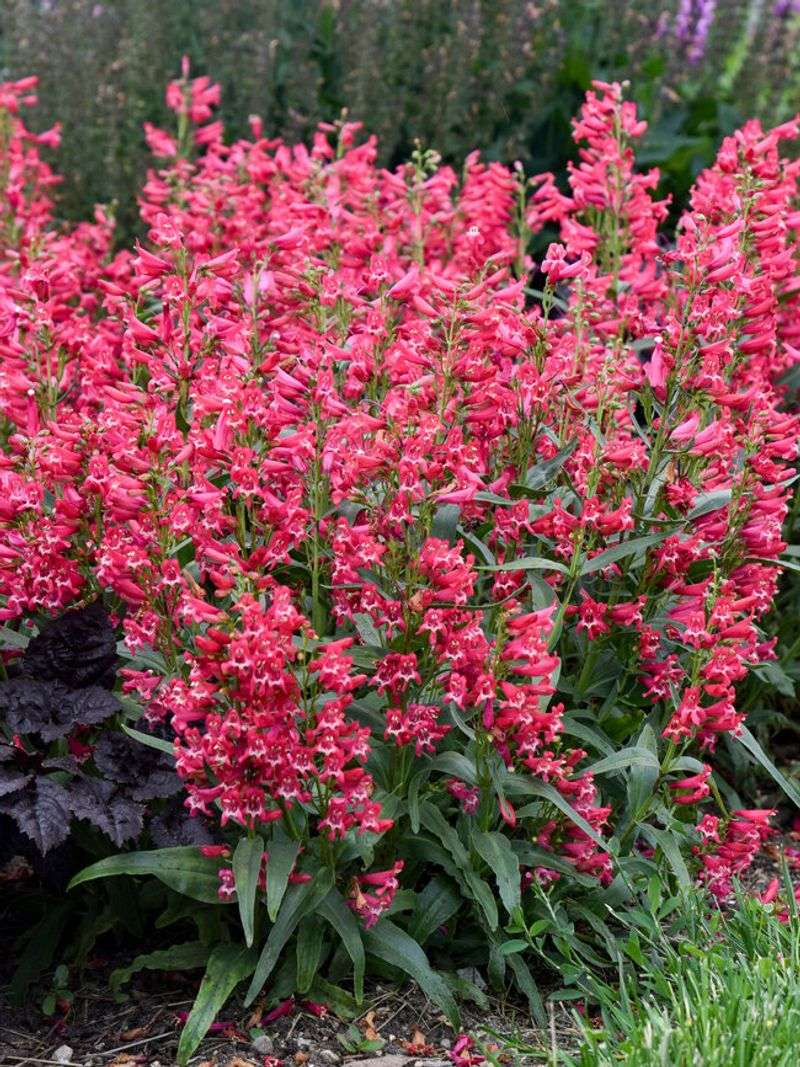
Sunshine is the best friend of penstemons. They flourish when bathed in full sun for at least six hours daily. Planted in the right spot, their blooms become brighter and more abundant. Although partial sun is tolerable, it may lead to fewer flowers. Position them strategically in your garden for maximum sunlight exposure. This simple yet effective step can drastically enhance their flowering potential. The sun not only boosts bloom size but also strengthens stems. Harness the sun’s energy to ensure your penstemons thrive and create a lively garden atmosphere.
3. Provide Well-Drained Soil
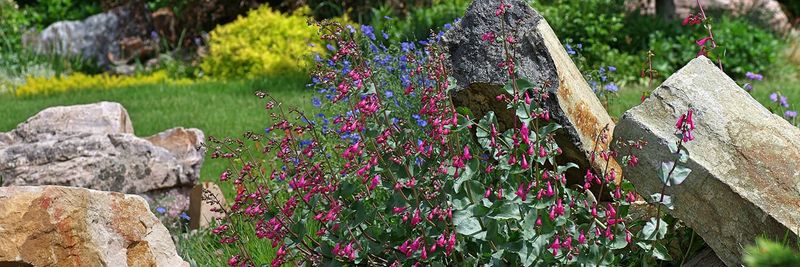
Penstemon roots prefer breathing space. They excel in well-drained, slightly sandy soils, avoiding sogginess at all costs. Amend clay-heavy soils with compost or grit for better drainage. In their natural habitat, penstemons thrive in rocky terrains. Mimic these conditions to promote robust growth. An airy soil mix prevents root rot, a common problem with waterlogged soils. Ensure your planting site allows for quick moisture escape. These conditions mirror the plant’s native environment, fostering health and longevity. A well-drained base is foundational to a thriving penstemon display.
4. Water Sparingly
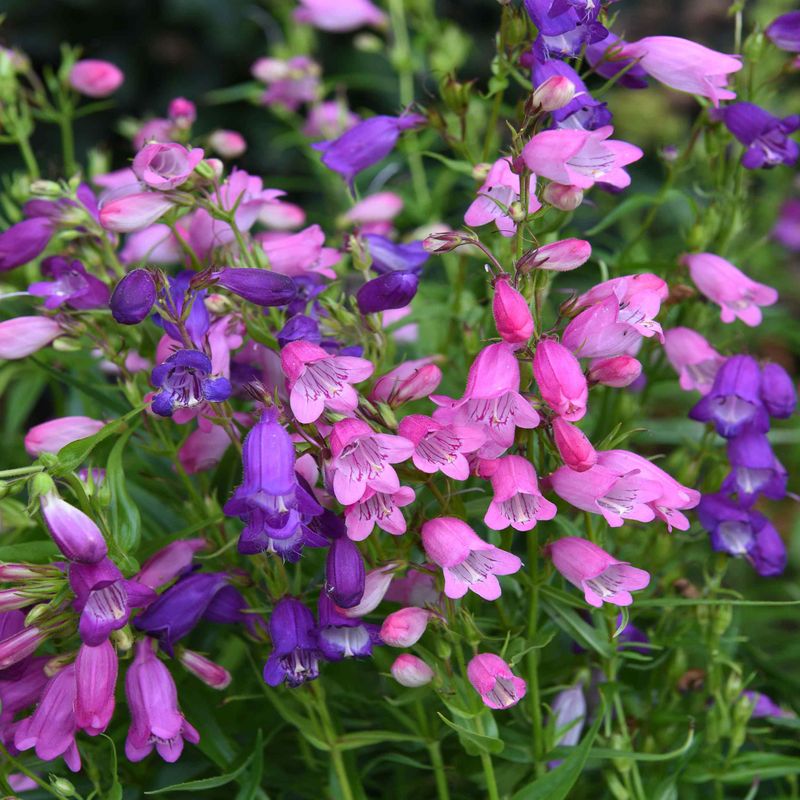
Watering penstemons is an art of balance. Once established, they are remarkably drought-resistant, requiring minimal moisture. Initially, water deeply to help roots establish, then gradually reduce frequency. Overwatering can lead to root rot, so moderation is key. These plants prefer a dry over a wet environment. Learn to read your garden’s needs; only water when the soil feels dry to touch. By adopting a conservative watering schedule, you contribute to healthier, more resilient plants. Mastering this technique ensures your penstemons remain vibrant and lush throughout the season.
5. Deadhead for More Blooms
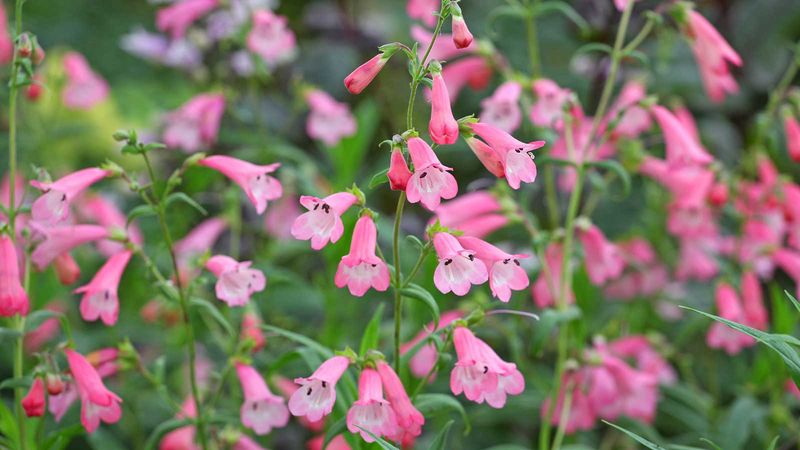
Deadheading is your ticket to continuous penstemon blooms. Removing spent flowers redirects energy towards new growth rather than seed production. This practice can lead to abundant summer flowering and even reblooming in some varieties. Incorporate deadheading into your routine to enjoy a prolonged blooming period. It’s a simple task that yields great rewards, keeping your garden looking fresh and vibrant. Regular maintenance not only enhances aesthetics but also promotes plant health. Adopt this practice to maximize your penstemon’s flowering potential and enjoy a colorful garden display.
6. Cut Back in Late Fall or Early Spring
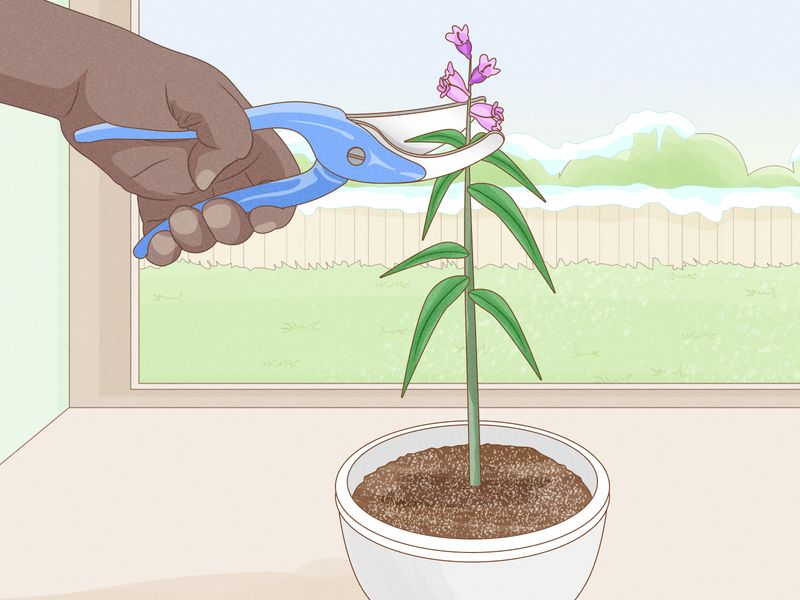
Timing is everything when cutting back penstemons. Allow seed heads to remain after the first frost for winter interest or reseeding. In early spring, cut stems back to the base to stimulate fresh growth. This practice rejuvenates the plants, preparing them for a new blooming season. Leaving seed heads also provides food for birds during winter. The dual benefit of this approach lies in aesthetic appeal and ecological support. Proper timing ensures a robust start to the growing season with healthy, vigorous plants. This technique is vital for sustainable garden maintenance.
7. Mulch Lightly (If at All)
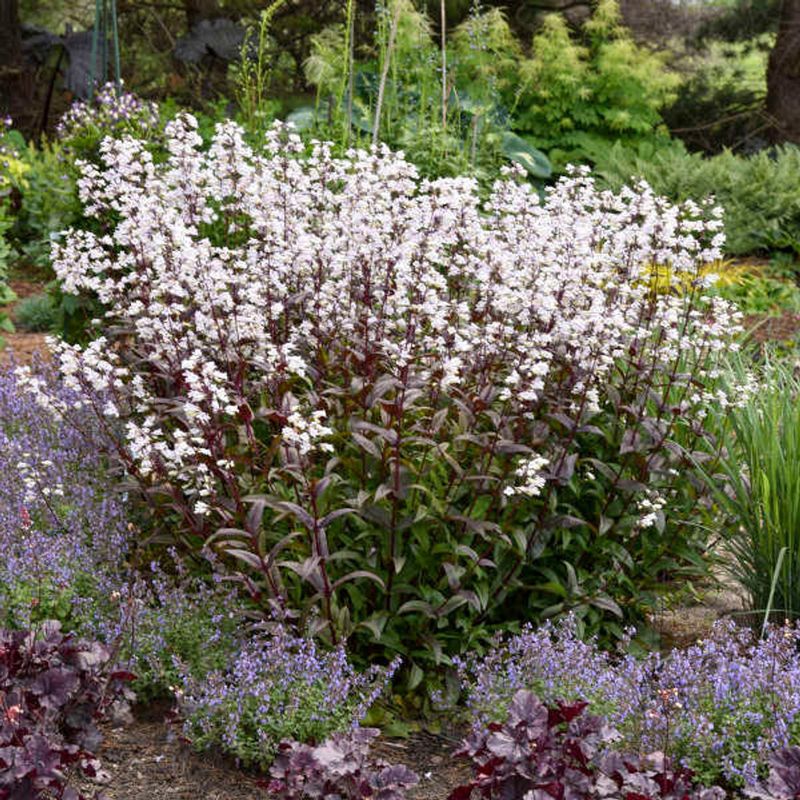
Mulching penstemons requires a delicate touch. In damp climates, heavy mulch can trap moisture, risking rot. Opt for a light application or gravel mulch to protect roots while promoting drainage. This approach mimics their natural habitat, creating a xeriscape setting. Avoid excessive coverage, especially near the crown, to prevent moisture buildup. A minimalistic approach ensures the soil remains breathable and dry. Mulching, when done correctly, contributes to a healthier plant environment. By understanding their needs, create conditions that bolster growth, making your penstemon garden thrive.
8. Don’t Over-Fertilize
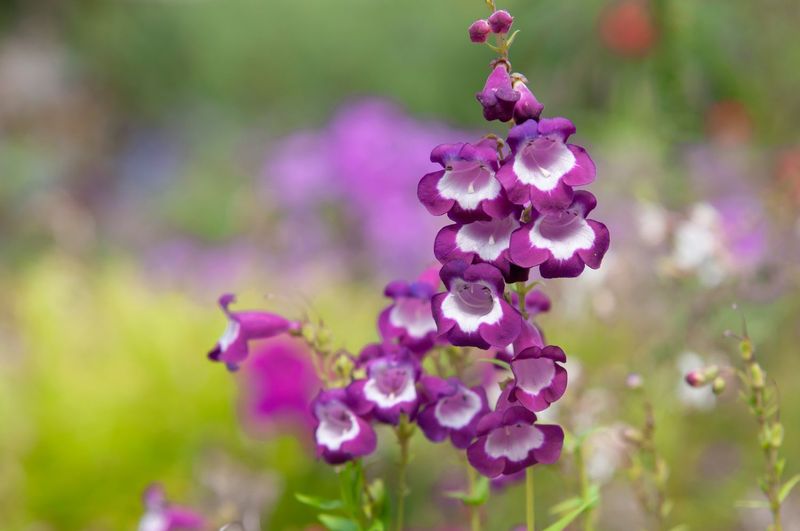
Penstemons thrive in modestly fertile soil. Over-fertilizing leads to soft, floppy growth and fewer blooms. A light top-dressing of compost in spring suffices. This natural amendment enhances soil health without overwhelming the plant. Excess nitrogen from fertilizers can harm rather than help. Keep feeding simple yet effective, ensuring your penstemons remain strong and upright. By limiting fertilizer, you’re encouraging a natural growth pattern with more vibrant flowers. This restrained approach aligns with sustainable gardening practices, balancing growth and bloom production perfectly.
9. Propagate by Seed or Division
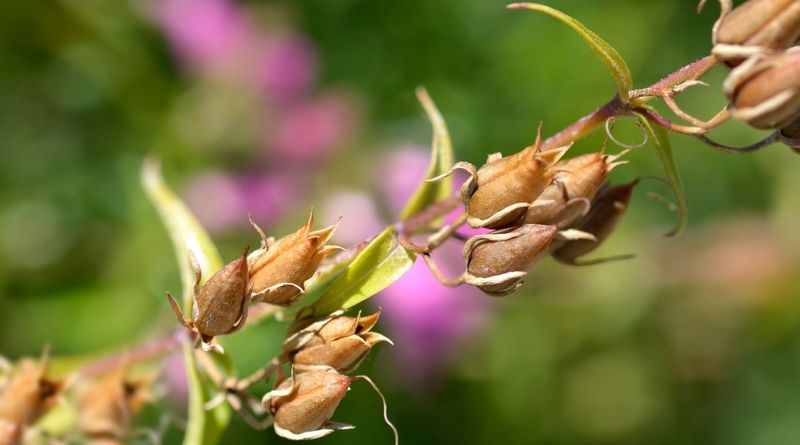
Penstemons offer flexible propagation options. Seeds require cold stratification, simulating natural winter conditions. Alternatively, divide mature clumps every 3–5 years to maintain plant vigor. Some species also take well to cuttings, offering more propagation avenues. These methods not only expand your penstemon collection but also rejuvenate older plants. Division encourages healthier growth in dense clumps. Embrace these techniques for a thriving garden. Propagation is both a practical and rewarding endeavor, fostering a sustainable and flourishing penstemon landscape.
10. Attract Pollinators Naturally
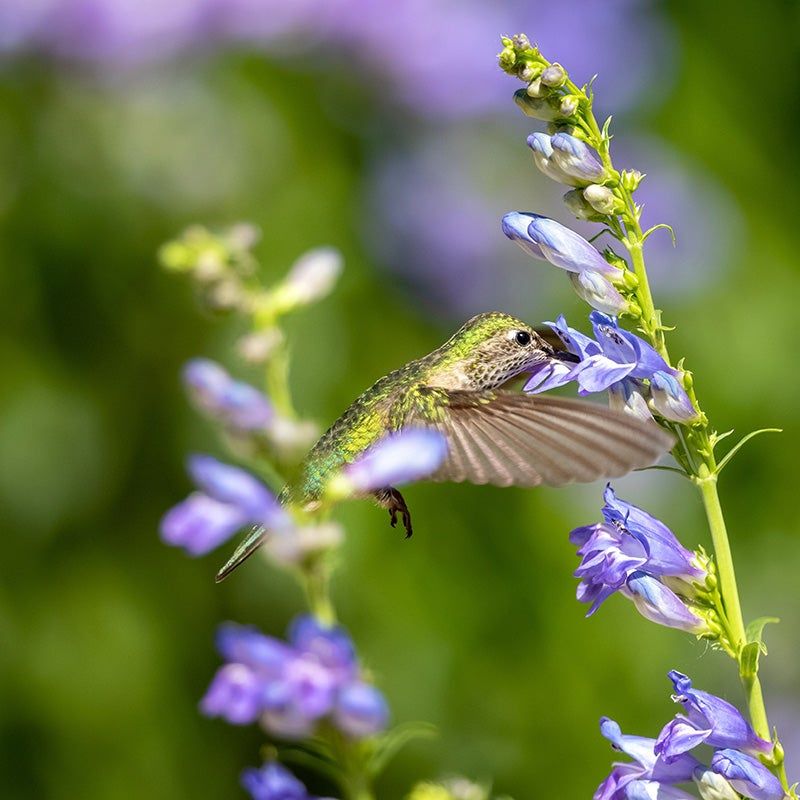
Penstemons are natural pollinator magnets. Their vibrant blooms draw hummingbirds, bees, and butterflies, enriching your garden’s biodiversity. By planting these, you’re creating a haven for essential pollinators. This ecological benefit extends beyond beauty, supporting local wildlife. Encourage a balanced garden ecosystem with penstemons as a focal point. Their presence transforms your space into a lively pollinator-friendly zone. Beyond attracting pollinators, they add a dynamic flair to your garden. Cultivate penstemons not just for their blooms but their role in ecological harmony.