
Mistletoe, often associated with love and tradition, holds a fascinating duality. It not only symbolizes romance but also has intriguing ecological and cultural impacts.
With a history steeped in mythology and biology, mistletoe’s story unfolds across continents and centuries.
1. It’s Not Just One Plant

Did you know mistletoe encompasses over 1,000 species globally? Known scientifically, they belong mainly to the families Viscaceae and Loranthaceae. The holiday mistletoe is typically Viscum album and Phoradendron leucarpum. Despite their festive reputation, these parasitic plants exhibit remarkable diversity across habitats. Some thrive in tropical regions, while others prefer temperate climates. This diversity allows mistletoe to adapt and survive in various ecosystems, contributing to both local biodiversity and cultural traditions worldwide. From Europe to America, mistletoe’s presence has been both a boon and a bane to its environments.
2. It’s a Parasite (But Not a Total Freeloader)

Mistletoe exhibits a unique lifestyle as a hemiparasite. While it attaches to trees and shrubs for water and nutrients, its green leaves allow photosynthesis. This dual strategy enables survival without total dependence. The plant cleverly balances parasitism and autonomy, enhancing its ecological role. Such an approach lets mistletoe contribute to the forest canopy without exhausting its host entirely. This delicate balance showcases nature’s intricate design, where even seemingly parasitic relationships can be nuanced and vital to ecological health.
3. It Can Harm or Kill Trees

Despite its festive charm, mistletoe can be harmful to trees. Heavy infestations weaken or even kill hosts, particularly those under stress. Oaks, apples, maples, and poplars are commonly targeted. The parasitic relationship drains essential nutrients, leaving trees vulnerable to disease and decay. This dark side of mistletoe reveals a complex interplay between survival strategies and environmental impact. While its presence might seem benign, the long-term consequences can be devastating, altering local landscapes and ecosystems.
4. It Grows High Up in Tree Canopies

Mistletoe’s lofty abode high in tree canopies is no accident. Birds often deposit its seeds on branches, where germination into tree bark occurs. This clever strategy ensures mistletoe’s successful propagation. The resulting green clumps become a distinctive sight, providing ecological niches for numerous species. Perched high above, mistletoe not only thrives but also supports wildlife, contributing to forest biodiversity. Its presence in the canopy underscores nature’s interdependencies, where one plant’s elevation enriches the community below.
5. Its Name Has an Odd Origin

The name ‘mistletoe’ carries a curious history. Derived from Old English mistel (dung) and tan (twig), it reflects the plant’s seed dispersion via bird droppings. Such an etymology highlights the interconnection between flora and fauna. This linguistic journey offers insight into human observation of nature’s processes. While modern associations lean toward romance, its name roots hint at a more humble, organic beginning. The term ‘dung twig’ reminds us of the plant’s earthy origins and its role in the ecosystem.
6. Birds Love Its Berries

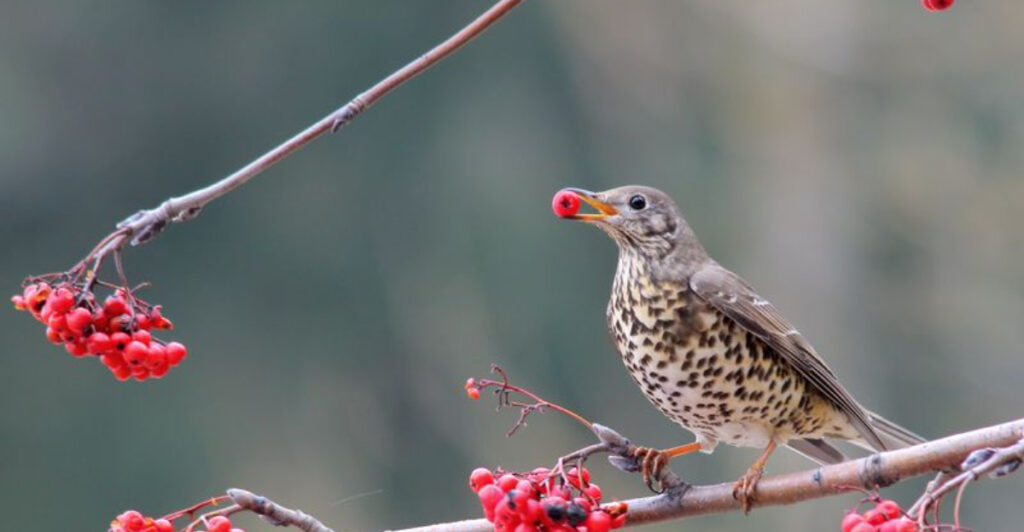
Mistletoe’s berries, toxic to humans and pets, are a vital winter food source for birds like the mistle thrush. These avian allies distribute seeds, ensuring mistletoe’s proliferation. The relationship between birds and mistletoe exemplifies ecological symbiosis, where both parties benefit and thrive. This interaction not only sustains bird populations during harsh winters but also aids in forest regeneration. The berries’ appeal highlights an intricate web of life, where even toxic elements find their place in the circle of existence.
7. It Plays a Role in Forest Biodiversity
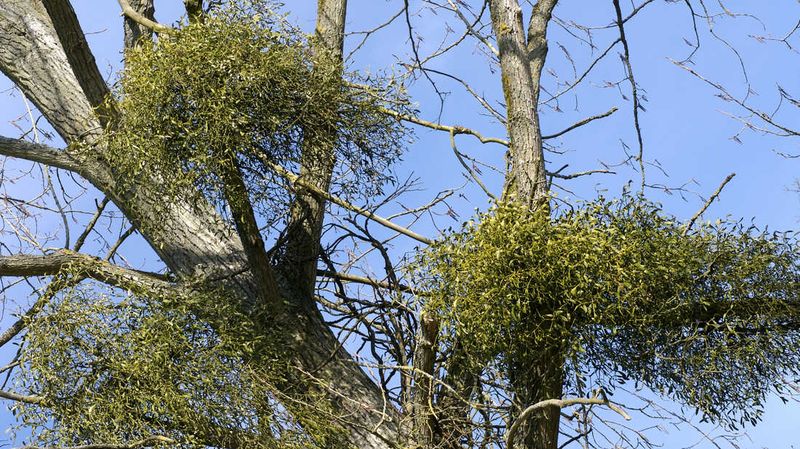
As a keystone species, mistletoe supports diverse life forms. Its presence in forests fosters biodiversity, offering food and habitat for birds, insects, and mammals. These relationships emphasize mistletoe’s ecological importance beyond its parasitic nature. In some ecosystems, mistletoe’s role as a resource draws numerous species, enriching the area’s biological tapestry. This multifaceted role in promoting biodiversity underscores how even seemingly detrimental plants can harbor unexpected ecological benefits.
8. It’s Steeped in Ancient Traditions

Mistletoe’s sacred status stretches back to ancient times. Druids revered it, especially on oaks, while Norse myths linked it to love and resurrection. These traditions birthed the kissing custom. The plant’s mystique lies in its dual symbolism—both life-affirming and otherworldly. Over centuries, these narratives have woven mistletoe into cultural celebrations, blending the mystical with the mundane. Such rich lore reveals the deep-seated human fascination with mistletoe as a bridge between worlds, embodying both natural and supernatural elements.
9. It’s Still Used in Herbal Medicine

Despite its toxicity, mistletoe finds use in herbal medicine. European mistletoe, or Viscum album, features in folk remedies and cancer research. Its application reflects a nuanced understanding of nature’s dualities, where poison transforms into potential cure. Such uses echo an ancient wisdom, balancing caution with curiosity. The medical exploration of mistletoe underscores a broader search for healing within nature. It highlights humanity’s enduring quest to unlock nature’s secrets, viewing mistletoe not just as a holiday symbol, but a botanical enigma.
10. The Kissing Tradition Was Reinvented by the Victorians
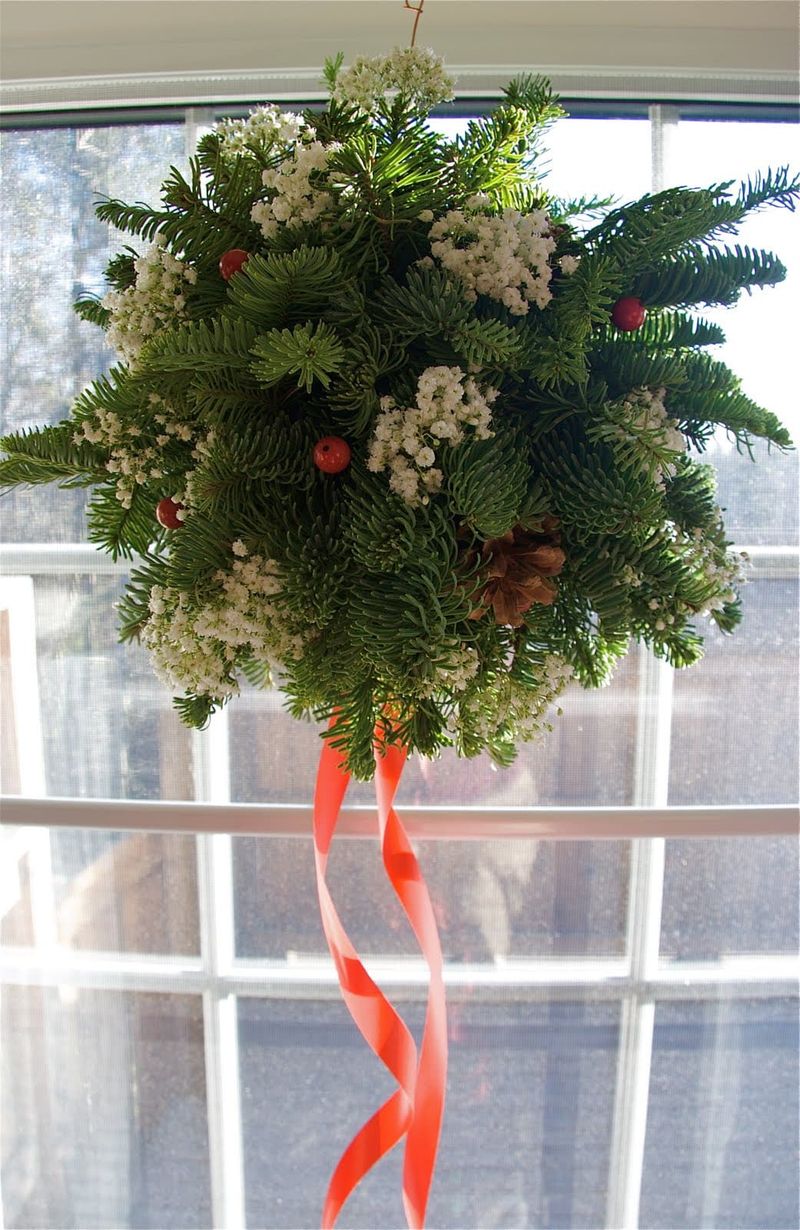
Victorian England reimagined mistletoe’s role, popularizing the kissing tradition. Symbolizing romance, luck, and the festive spirit, mistletoe became a staple of holiday decor. This reinvention mirrored Victorian values, infusing old customs with new meanings. While its roots trace back to ancient myths, the Victorians gave mistletoe a distinctly modern twist. Such cultural evolution demonstrates how traditions adapt over time, reflecting societal changes and preserving continuity. Mistletoe’s enduring allure lies in this blend of history and innovation, binding past and present with a simple kiss.