
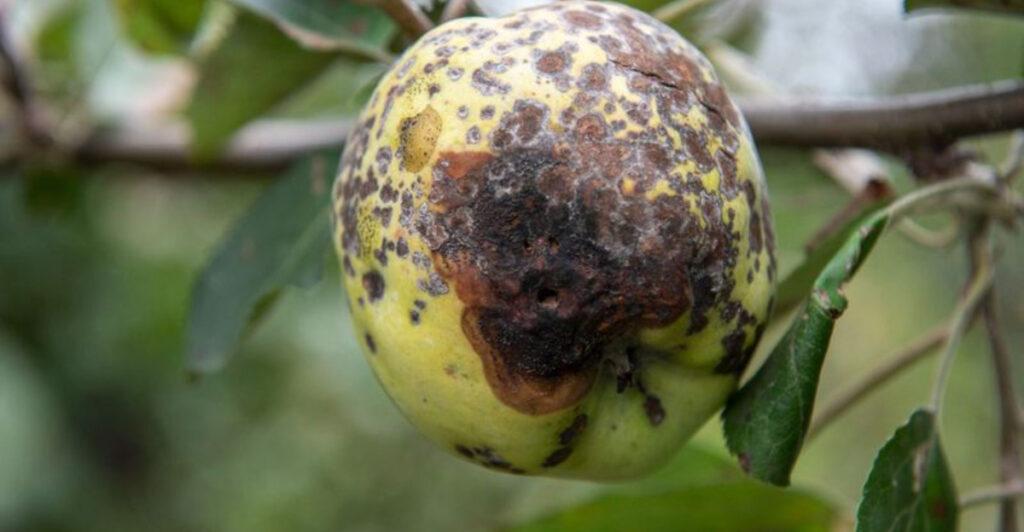
Apple scab is a widespread disease that affects apple trees, causing unsightly blemishes on leaves and fruit.
Understanding how to identify, prevent, and treat apple scab is essential for maintaining healthy fruit trees.
This guide provides ten essential tips to help gardeners and orchardists manage this common problem effectively.
1. Leaf Spots
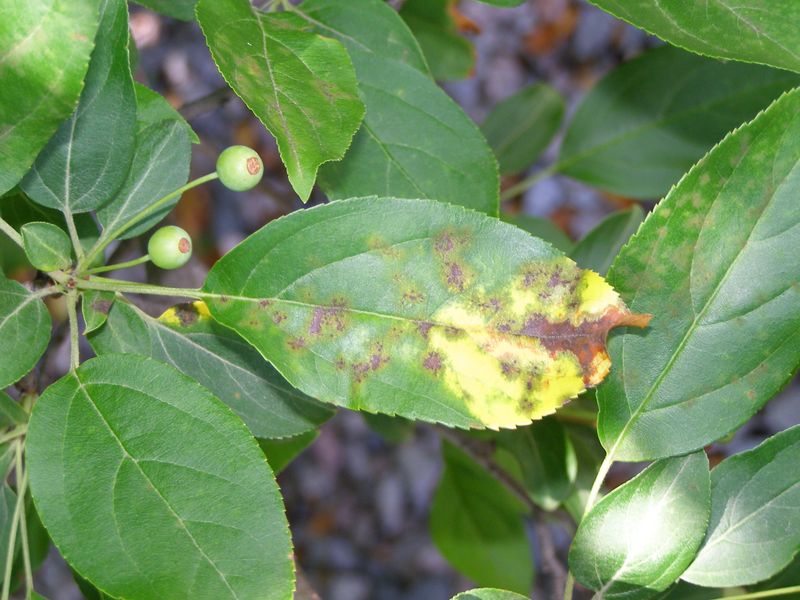
In the cool embrace of spring, apple leaves reveal olive-green to brown spots that gradually enlarge into a velvety or sooty texture. These spots, a harbinger of apple scab, dance across the leaf’s surface in an unsettling yet fascinating pattern. As the disease tightens its grip, leaves turn yellow and drop prematurely, leaving trees looking forlorn. This early defoliation weakens the tree, reducing its vigor and fruit yield. Curious about these spots? They house spores, ready to leap onto new growth. It’s a delicate ballet between nature and disease that requires vigilant observation and action.
2. Fruit Lesions
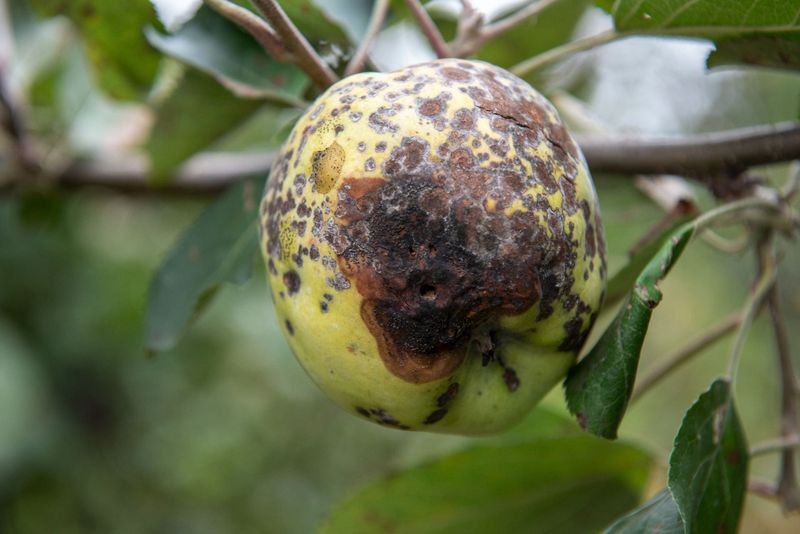
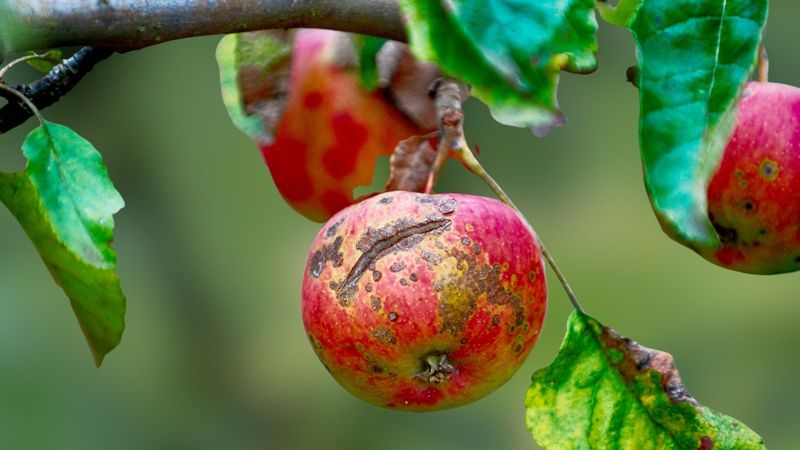
Imagine biting into a luscious apple, only to find its skin marred by dark, sunken spots. These fruit lesions, characteristic of apple scab, start as small blemishes but grow into corky, cracked scabs that distort the apple’s natural form. The affected fruit may fall prematurely or fail to ripen properly, leaving the orchard with an unsettling sense of loss. The visual transformation speaks to the persistent nature of this disease, one that challenges growers to act swiftly and decisively. Can such beauty be reclaimed? Prevention and timely intervention hold the key.
3. Twig Infections (Less Common)
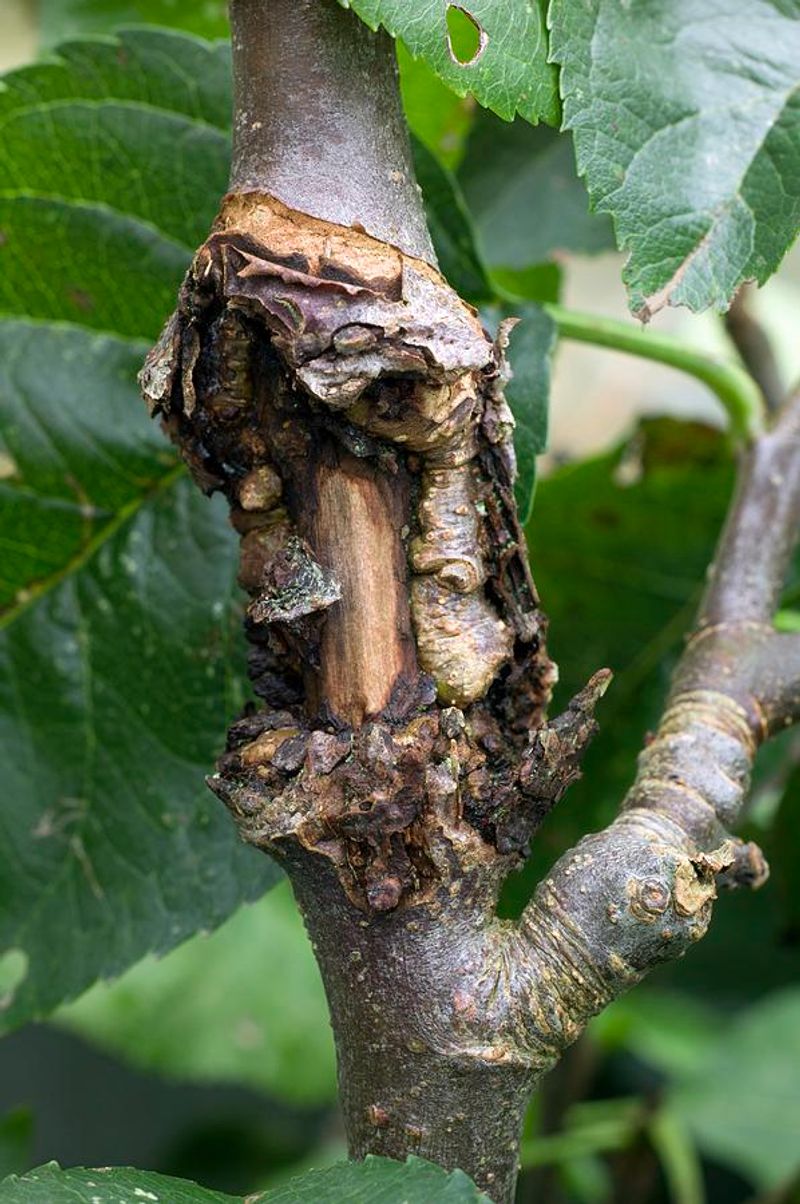
In the shadowed corners of an orchard, where sunlight gently kisses the young shoots of apple trees, a less common adversary lurks. Twig infections manifest as small cankers or scabby lesions on these tender young stems. Though not as prevalent as leaf or fruit scabs, these manifestations can still impact the tree’s health. The cankers serve as a reminder of the disease’s tenacity, willing to exploit any weakness. For the vigilant gardener, recognizing these signs early can prevent further spread, ensuring the tree’s continued vitality and productivity.
4. Choose Resistant Varieties
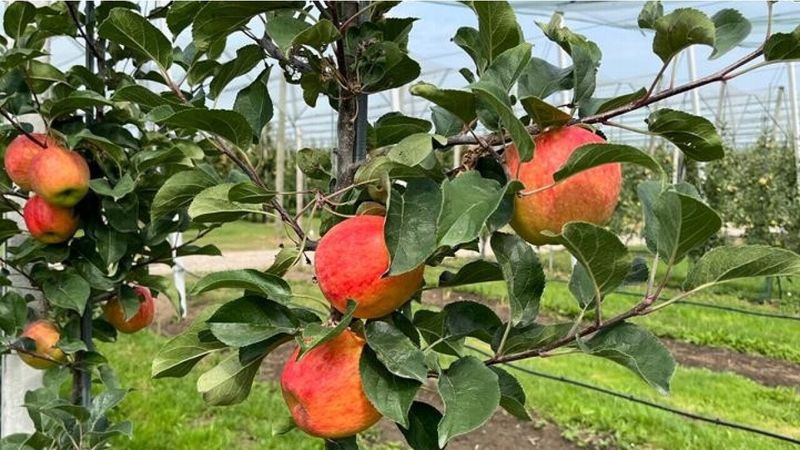
Amidst the challenge of apple scab, a beacon of hope shines through in the form of resistant varieties. Cultivars like Liberty, Enterprise, and GoldRush offer natural defenses, standing resilient against the disease’s advances. These trees flourish, their leaves untouched by scabs, their fruits unblemished. In the realm of crabapples, varieties such as Adams and Sugar Tyme also exhibit robust resistance. Choosing these varieties is a strategic decision, a nod to nature’s ingenuity in breeding resilience. It’s a path to cultivating beauty and abundance, unmarred by disease.
5. Rake and Remove Fallen Leaves
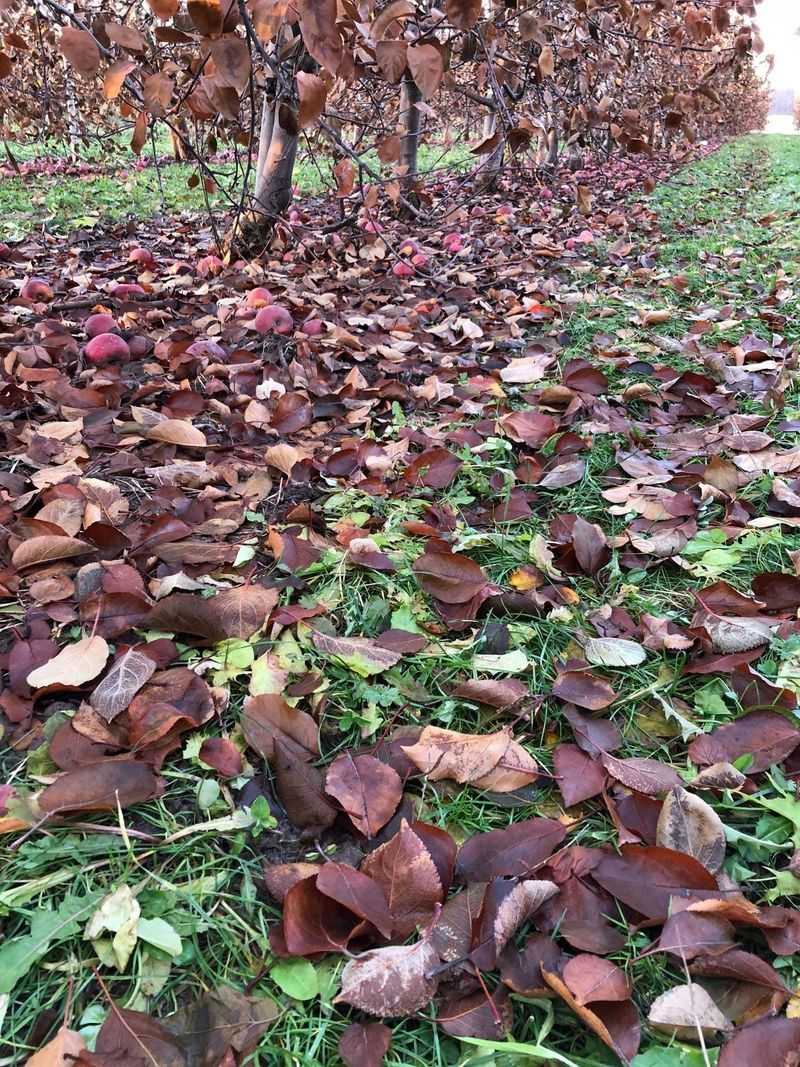
With autumn’s arrival, the orchard floor becomes a mosaic of fallen leaves, each one a potential harbinger of future disease. Raking and removing these leaves disrupts the overwintering of apple scab spores, reducing the threat come spring. It’s a simple yet effective practice, one that echoes the rhythms of nature’s cycles. As the gardener’s rake moves with purpose, it symbolizes the anticipation of a healthier future. This act of care and diligence is a testament to the symbiotic relationship between grower and tree, one rooted in mutual benefit.
6. Prune for Good Airflow
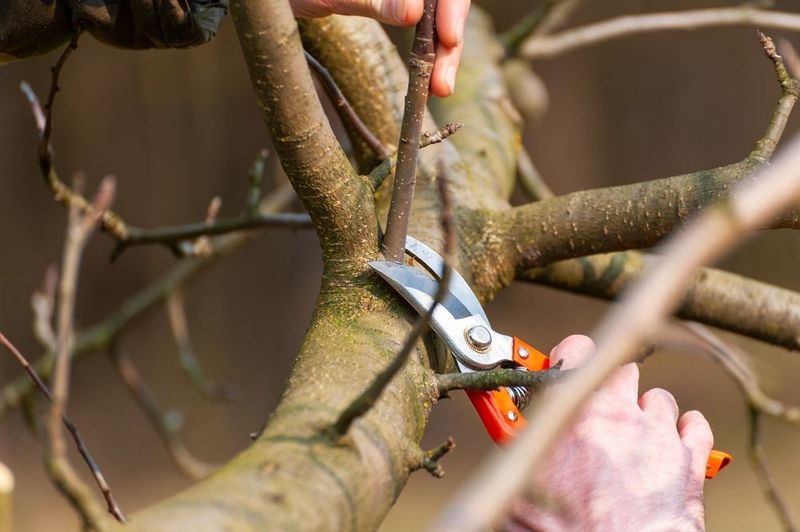
In the dance of branches and leaves, the quest for space and light takes center stage. Pruning becomes an art form, sculpting the tree to allow good airflow and sunlight penetration. By removing crowded, crossing, or inward-growing branches, the tree breathes easier, reducing humidity that can harbor apple scab. Each cut made is a deliberate act of caretaking, ensuring that the tree’s form supports its health. The open canopy not only enhances the tree’s beauty but also fortifies it against disease, a testament to the gardener’s vision and skill.
7. Apply Mulch to Suppress Spores
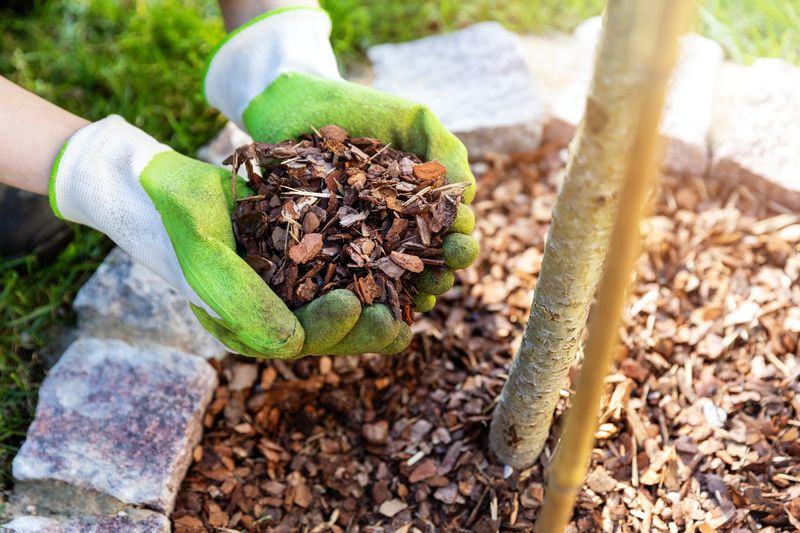
As the seasons change, the ground beneath apple trees transforms with the addition of a thick layer of organic mulch. This mulch serves as a barrier, preventing infected spores from splashing up onto leaves during rains. It’s a nurturing blanket that offers more than just protection; it enriches the soil, retains moisture, and supports beneficial organisms. The act of mulching is a commitment to holistic tree care, where prevention meets enhancement. It’s a subtle yet powerful strategy, embodying the gardener’s dedication to a thriving, scab-free orchard.
8. Apply Fungicides (If Needed)
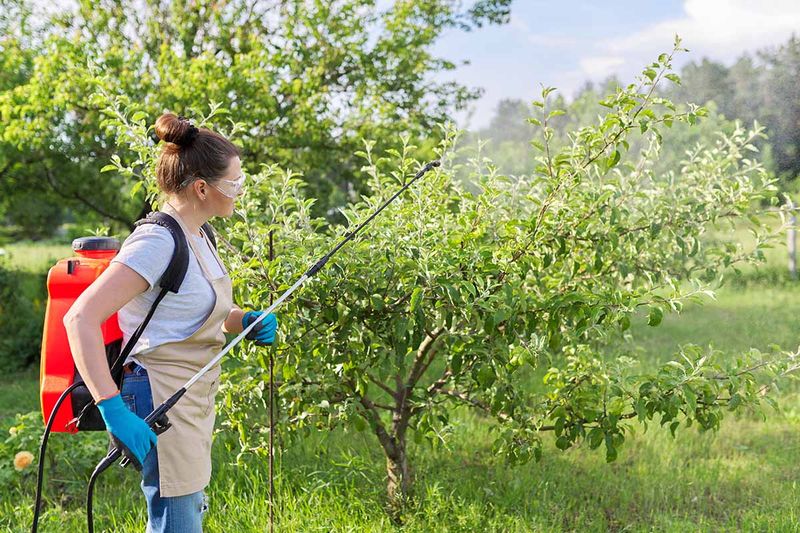
In the battle against apple scab, fungicides can be a valuable ally, especially during vulnerable stages like bud break and early leaf expansion. The choice of fungicide, whether organic options like sulfur and potassium bicarbonate or conventional ones like Captan, requires careful consideration. Donning protective gear, the grower applies these treatments with precision and care, aware of the intricate balance between control and environment. It’s a tactical maneuver in the broader strategy of disease management, where knowledge and timing are key to preserving the orchard’s well-being.
9. Avoid Overhead Watering
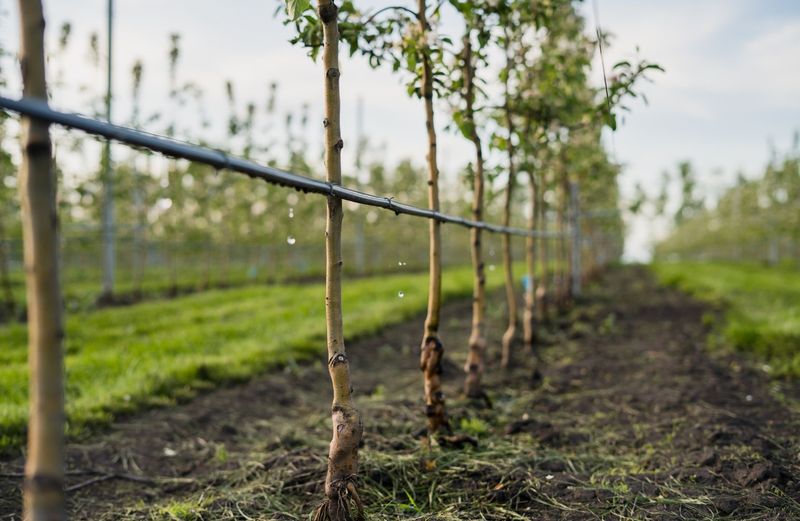
Within the delicate ecosystem of an orchard, watering practices play a crucial role in disease management. Overhead watering can inadvertently splash scab spores onto new growth, amplifying the problem. Instead, opting for drip irrigation or watering early in the day allows foliage to dry quickly, minimizing the risk. It’s a mindful approach that respects the tree’s natural processes, aligning care with prevention. This choice underscores the interconnectedness of actions within the orchard, each decision weaving into the tapestry of health and productivity.
10. Stay Consistent with Treatment
Persistence pays off in the fight against apple scab. Once the disease appears, consistent treatment over several seasons may be required to regain control. It’s a commitment to a long-term strategy, combining cultural practices with chemical interventions for the best results. The gardener, steadfast in their efforts, applies each treatment with dedication and hope. This ongoing relationship between grower and tree fosters resilience and recovery, transforming challenges into opportunities for growth. The orchard, under such vigilant care, becomes a testament to enduring partnership and perseverance.