 Complete Gardening
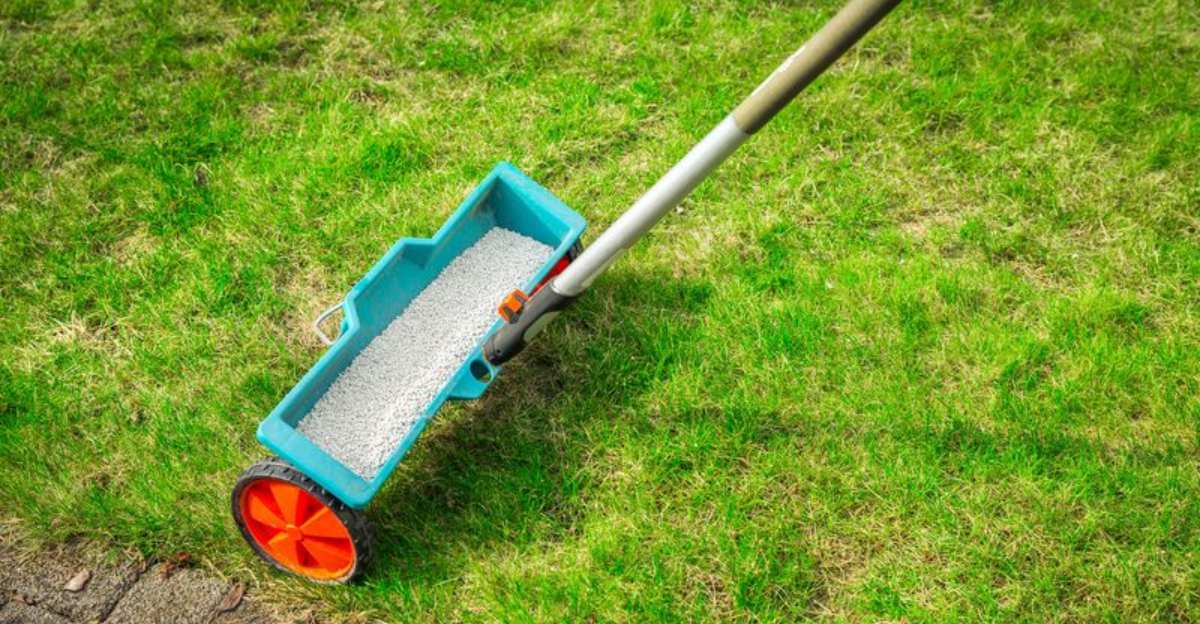
Fertilizing your lawn is a delicate process that requires both knowledge and care. Making mistakes during this process can lead to adverse effects on the health and appearance of your lawn. This guide outlines 31 crucial things you should never do when fertilizing your lawn. Each item in this list provides insights and tips to ensure your lawn remains lush and green.
1. Using the Wrong Fertilizer Type
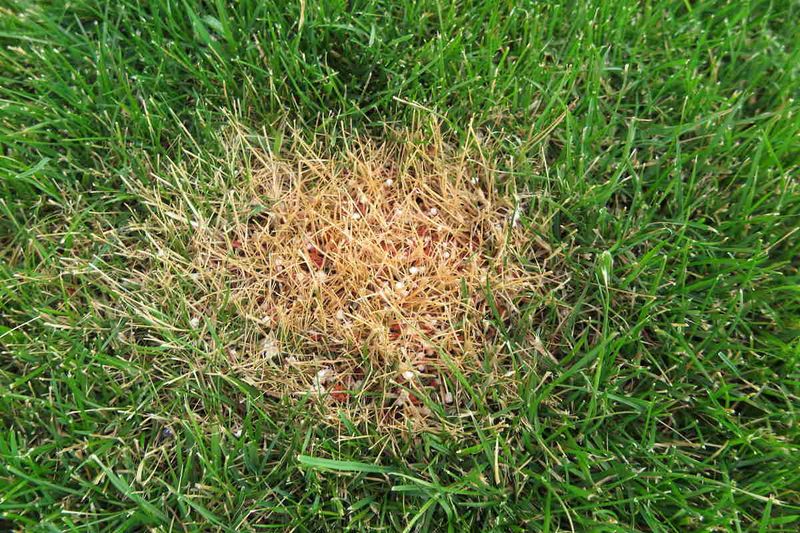
Choosing the wrong type of fertilizer can have dire consequences for your lawn. For instance, using a fertilizer with high nitrogen content may lead to rapid growth but can weaken the grass over time. If your lawn is showing signs of yellowing or thinning, it could be due to an imbalance in the nutrients your fertilizer is supplying.
Not all grasses are the same, and each type requires specific nutrients. It is essential to understand what your lawn needs before making a decision. Consulting with a lawn care expert can help tailor the right fertilizer for your specific lawn type.
2. Ignoring Soil Test Results
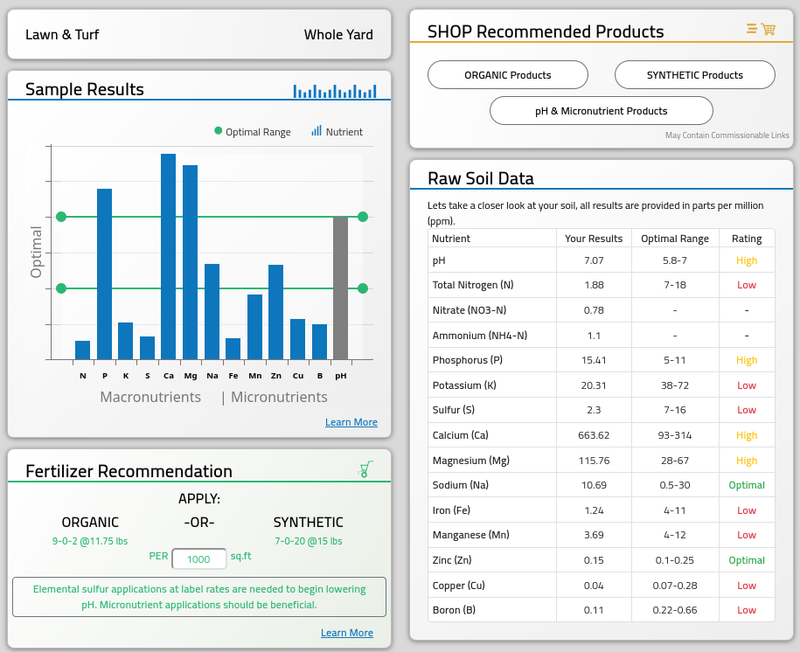
Ignoring soil test results is like driving without a map. Soil tests provide critical information about the nutrient levels and pH balance in your soil. If you skip this step, you may end up applying a fertilizer that doesn’t address your lawn’s specific needs.
Without knowing your soil’s condition, you risk over-application or under-application of essential nutrients. Conduct a soil test every couple of years to ensure you are providing the right nutrients. This proactive step can save time and resources in the long run, while promoting healthy growth.
3. Over-Fertilizing in Hot Weather
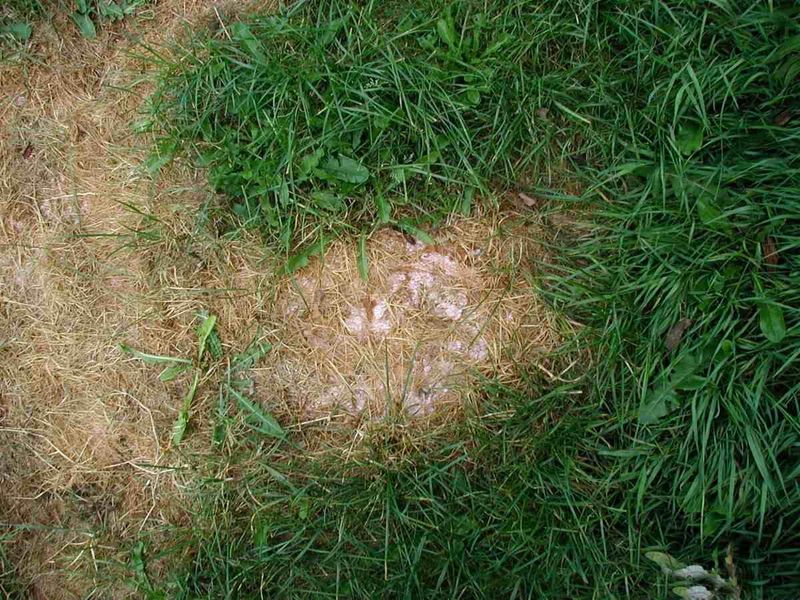
Over-fertilizing during hot weather can scorch your lawn. The intense heat amplifies the effects of fertilizer, potentially causing chemical burns that manifest as unsightly brown patches.
It’s crucial to understand the effects of temperature on fertilizer application. Timely application during cooler periods can mitigate these risks. Monitor weather forecasts and avoid fertilizing when a heatwave is predicted. Instead, aim for early morning or late evening when temperatures are milder, ensuring your lawn absorbs nutrients without stress.
4. Applying Fertilizer Before Rain
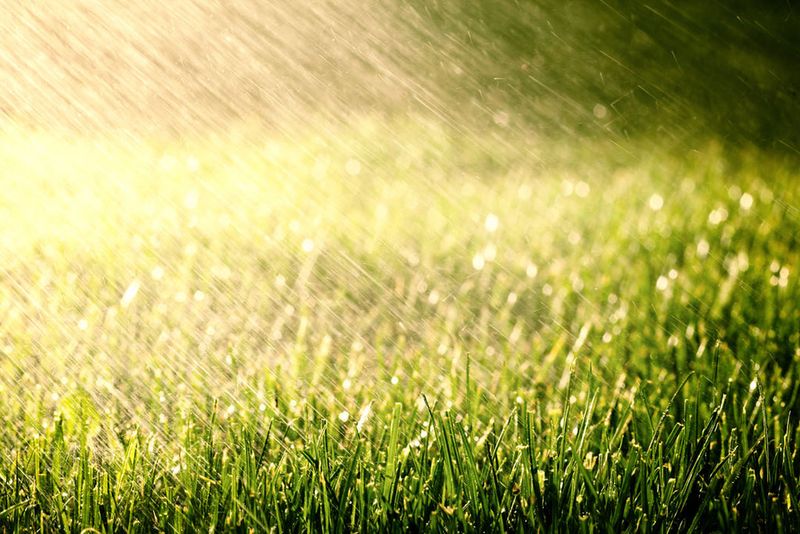
Applying fertilizer before rain might seem convenient, but it can lead to nutrient runoff. Heavy rainfall can wash away the fertilizer before it has a chance to be absorbed, wasting both time and money.
Moreover, runoff can end up polluting nearby water bodies, causing environmental harm. To avoid this, check the weather forecast ahead of time and plan your fertilizing schedule accordingly. Ideally, apply fertilizer after the rain or during a dry spell, ensuring maximum nutrient absorption and minimal wastage.
5. Ignoring Watering Schedule
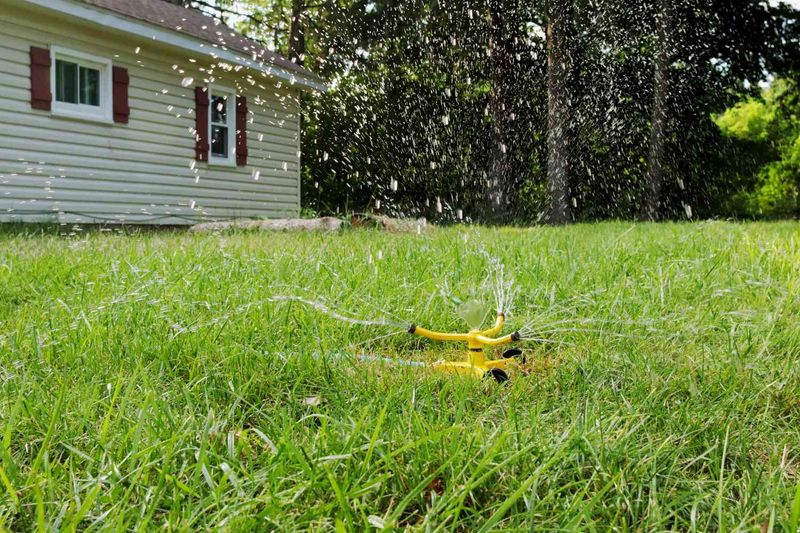
Neglecting to follow a proper watering schedule can heavily impact fertilizer effectiveness. Fertilizer needs the right amount of moisture to dissolve and be absorbed by the grass. Without adequate water, it can lead to chemical burns or uneven growth.
The timing is crucial; watering right after fertilizing can wash away nutrients, while watering too late might not allow them to penetrate the soil.
Aim to water your lawn according to local climate and soil type, ensuring that your fertilizer investment yields lush, green results.
6. Applying Fertilizer to Wet Grass
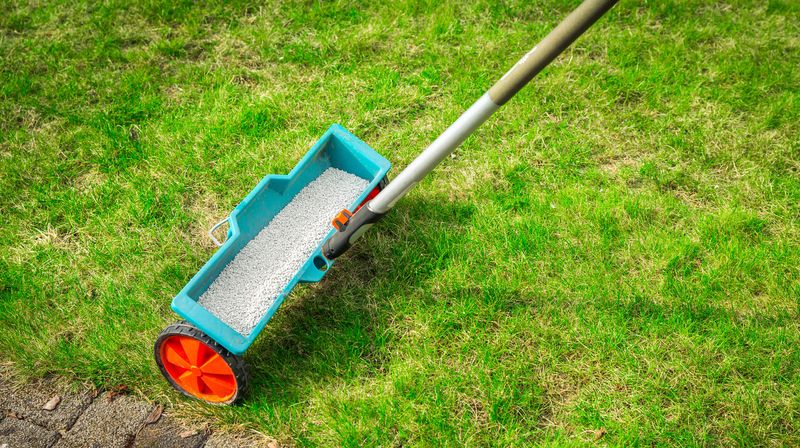
Applying fertilizer to wet grass can cause the granules to stick to blades instead of reaching the soil. This may lead to uneven nutrient distribution and even burning of the grass blades.
Grass blades are more susceptible to damage when they are wet, especially with chemical fertilizers. Allow the grass to dry before application to ensure even coverage.
Take special care during humid conditions or after rain, when moisture levels are naturally higher.
7. Using Expired Fertilizer

Expired fertilizer might not only be ineffective, but it also risks harming your lawn. Chemical formulations can break down over time, leading to inconsistent nutrient supply.
Checking expiration dates ensures that you’re providing your lawn with potent and reliable nourishment.
Store your fertilizers properly—away from moisture and sunlight—to maintain their effectiveness over time.
8. Skipping Seasonal Adjustments

Every season brings unique needs for your lawn, and failing to adjust your fertilization routine can hinder growth. Spring might require a rich nitrogen boost, while fall is optimal for phosphorus.
Without these adjustments, your lawn might suffer from nutrient deficiencies or excesses.
Consult seasonal guides or local gardening experts to tailor your fertilizing practices to the changing climate demands.
9. Ignoring Local Climate
Climate plays a significant role in how and when to fertilize. Ignoring local climate conditions may lead to a mismatch in fertilization times and types.
Warm climates might require more frequent applications, while cooler climates need different nutrient ratios.
Understanding your local climate ensures that you’re giving your lawn what it needs at the right time for optimal health.
10. Not Calibrating Your Spreader
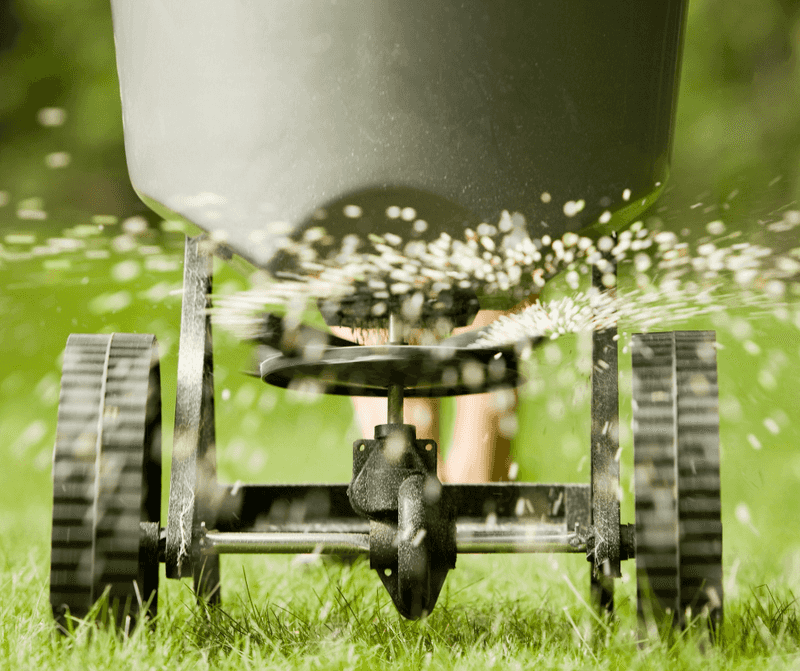
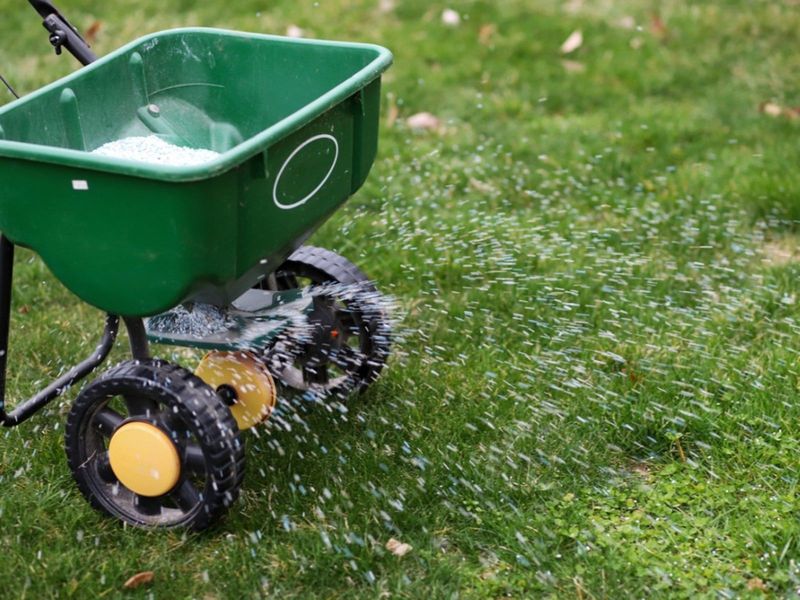
A poorly calibrated spreader can lead to uneven nutrient distribution. Calibration ensures that the correct amount is applied, avoiding the risk of over or under-fertilizing.
Consistency is key in maintaining a uniform lawn color and texture.
Refer to your spreader’s manual or local gardening resources to ensure accurate settings before each application.
11. Disregarding Grass Type
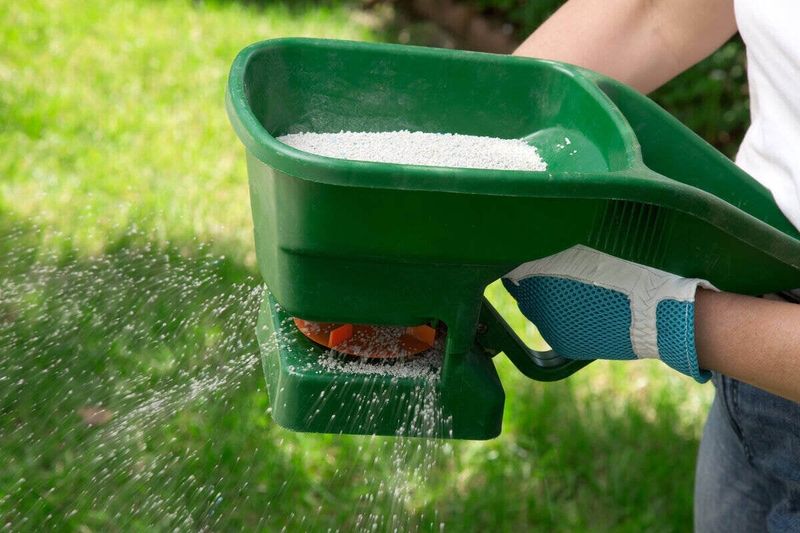
Different grass types have unique nutrient needs, and disregarding this can lead to poor lawn health. Cool-season grasses thrive on a different nutrient mix compared to warm-season grasses.
Research your grass type to determine the best fertilizing strategy.
Consulting with local gardening experts or a dedicated lawn care guide can provide tailored advice for your specific grass variety.
12. Using a Single Fertilizer Type
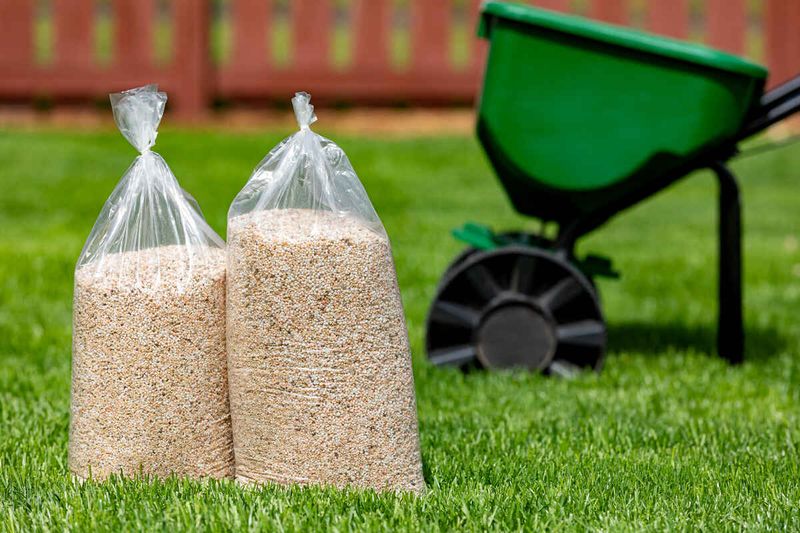
Relying solely on one type of fertilizer limits nutrient diversity and can lead to imbalances over time. Different fertilizers offer varied nutrient compositions, essential for comprehensive lawn health.
Switching between types ensures a more balanced supply of nitrogen, phosphorus, and potassium.
Consider an integrated approach or slow-release options to cater to your lawn’s evolving needs throughout the year.
13. Skipping Weed Control Steps
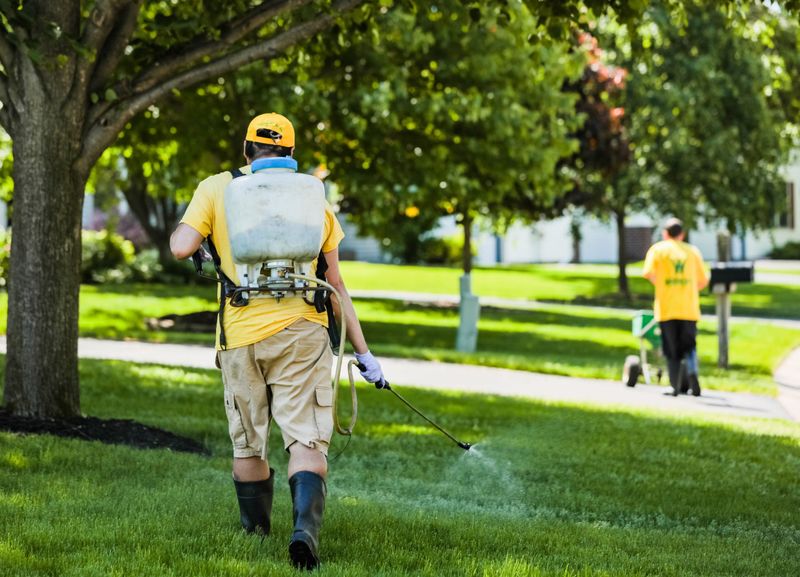
Fertilizing a lawn overrun with weeds can exacerbate the issue, as weeds compete for nutrients. Neglecting weed control allows them to thrive, overshadowing your grass.
Incorporate weed management into your fertilizing routine to ensure grass gets the nutrients it needs.
Identify weeds early and apply appropriate treatments to maintain a lush, weed-free lawn.
14. Not Testing Fertilizer Spreader First
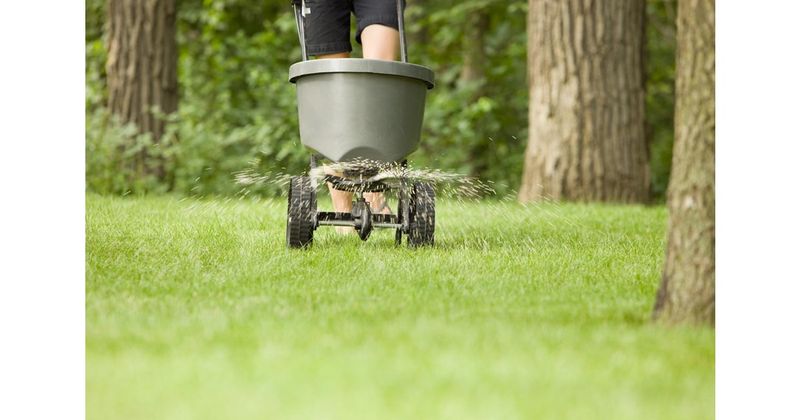
Testing your fertilizer spreader on a small section of lawn can prevent widespread application errors. This step ensures the spreader is working correctly and distributing evenly.
Skipping this can lead to patchy areas or nutrient overload.
Regular maintenance and testing of your spreader will lead to a more even and effective fertilization process.
15. Applying Fertilizer On Windy Days
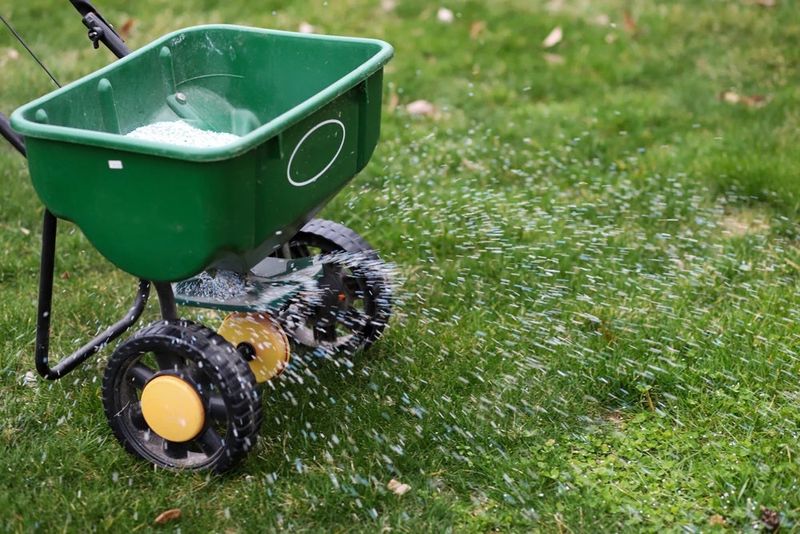
Windy conditions can cause fertilizer particles to drift, leading to uneven coverage and potential wastage. This can result in some lawn areas being over-fertilized while others receive too little.
Aim to fertilize on calm days to ensure precise application.
If unavoidable, use a drop spreader to minimize wind interference during application.
16. Ignoring Lawn Compaction
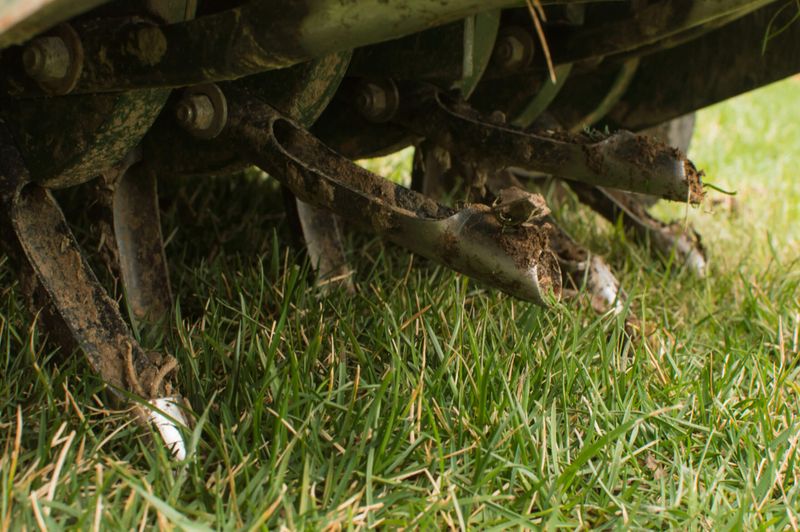
Compacted soil restricts root growth and nutrient absorption. Ignoring this can make fertilization efforts futile, as nutrients can’t penetrate the hard surface.
Regular aeration can alleviate compaction, allowing roots to access essential nutrients and water.
Consider aerating your lawn before applying fertilizer to enhance its effectiveness and promote healthier grass.
17. Applying Fertilizer Unevenly
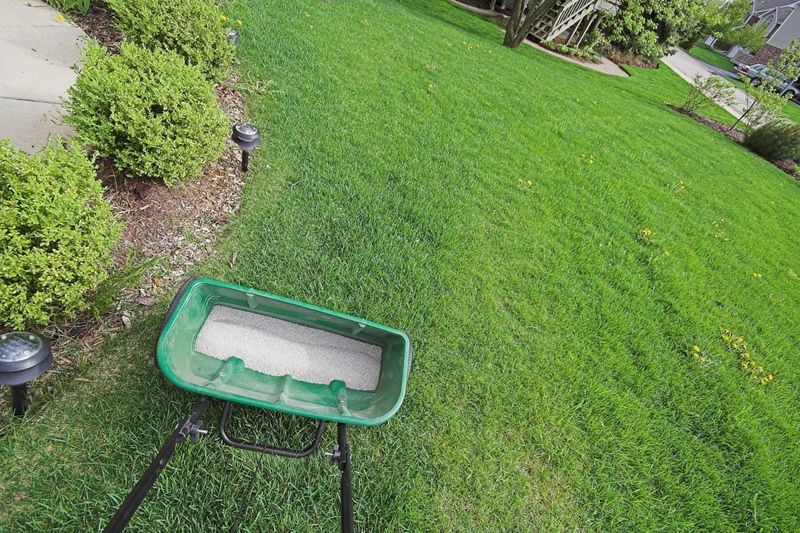
Uneven fertilizer application creates patchy growth, leading to unsightly lawn spots. It can happen due to incorrect spreader settings or rushed application.
Ensure even distribution by overlapping passes and following a grid pattern.
Careful application will result in a lush, consistent lawn appearance, enhancing curb appeal.
18. Not Considering Lawn Size
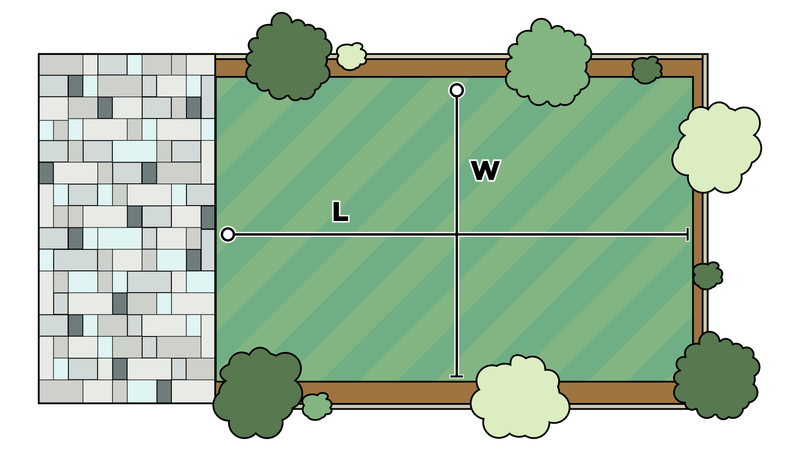
Failing to measure your lawn size can lead to applying too much or too little fertilizer. This can either burn your grass or leave it undernourished.
Accurate measurements help in purchasing the right amount of product and ensuring precise application.
Use tools or apps to calculate your lawn’s area for efficient fertilizer use.
19. Ignoring Soil pH Levels
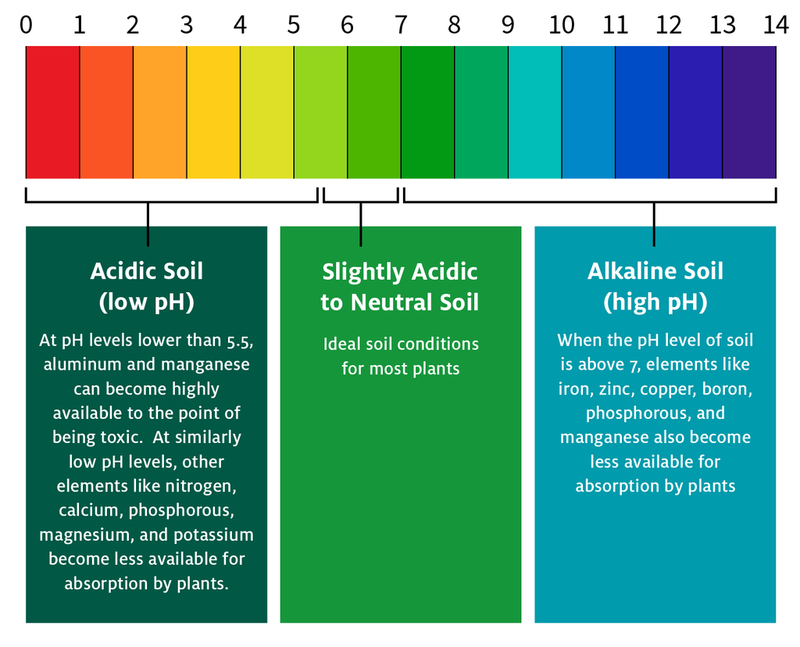
Soil pH influences nutrient uptake, and ignoring it can render fertilization efforts ineffective. Most grasses prefer slightly acidic to neutral pH levels.
Conduct a soil test to determine pH and adjust if necessary for optimal nutrient absorption.
Amend the soil with lime or sulfur based on test results to support healthy grass growth.
20. Not Wearing Protective Gear

Fertilizer contains chemicals that can be harmful if mishandled. Not wearing protective gear like gloves and masks exposes you to risks.
These chemicals can irritate skin or respiratory systems upon contact or inhalation.
Always prioritize safety by donning appropriate gear, ensuring you can enjoy a healthy lawn without compromising personal well-being.
21. Applying Fertilizer in Shade
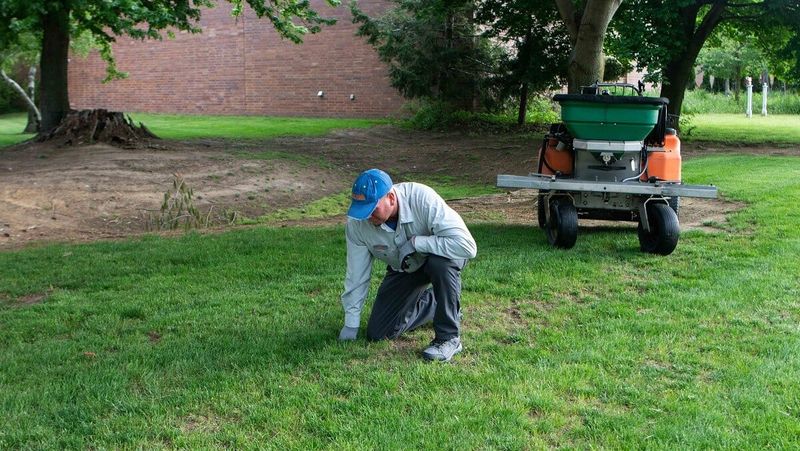
Grass in shaded areas grows more slowly and requires less fertilizer. Applying standard amounts can lead to over-fertilization and weak grass.
Adjust your fertilization strategy by reducing applications in shaded spots.
This tailored approach prevents nutrient build-up and keeps your lawn looking balanced and healthy even in low-light areas.
22. Ignoring Pest Infestations
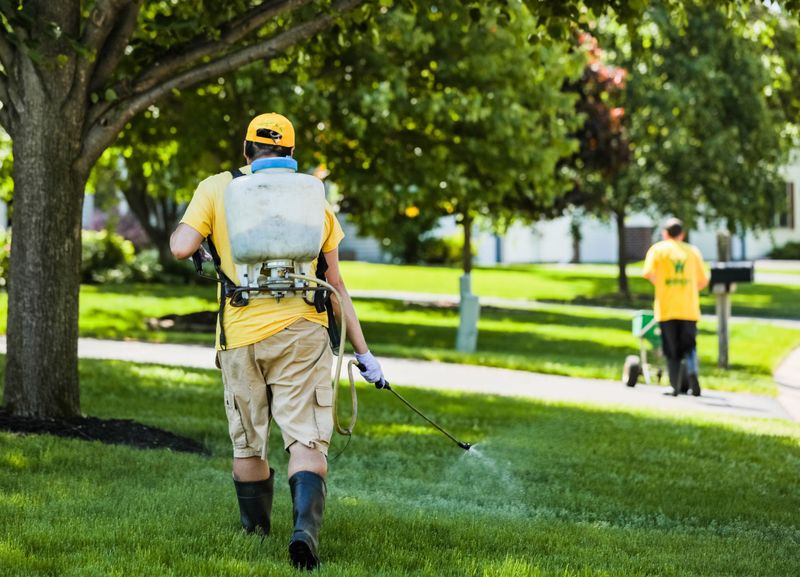
Pests can undermine fertilization efforts by damaging grass and consuming nutrients. Ignoring infestations might lead to a struggling lawn despite proper fertilization.
Regular pest inspections and treatments are vital to protect your lawn.
Integrate pest control with fertilization to ensure that nutrients benefit the grass rather than pests.
23. Not Considering Grass Age
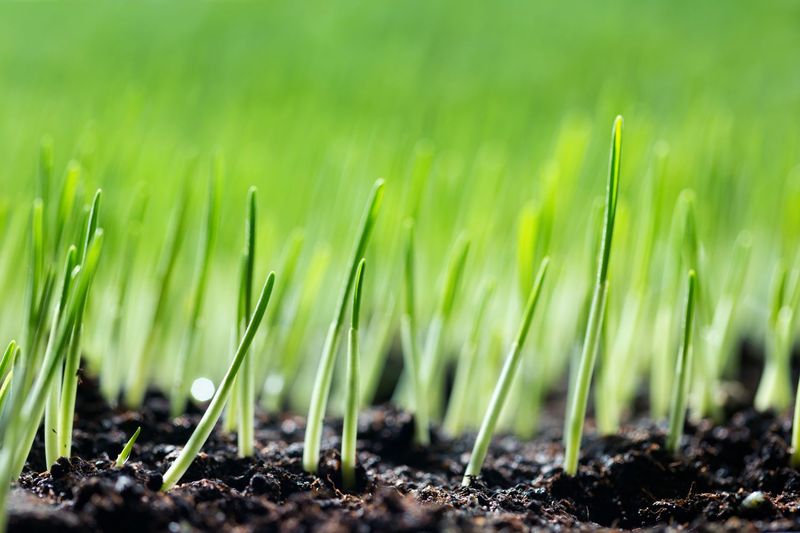
Young grass has different nutrient needs than mature lawns. Applying the wrong fertilizer can hinder its development.
Newly seeded lawns require gentler, balanced nutrients for healthy growth.
Adapt your fertilization approach to match the age and development stage of your lawn for optimal results.
24. Misjudging Fertilizer Quantity
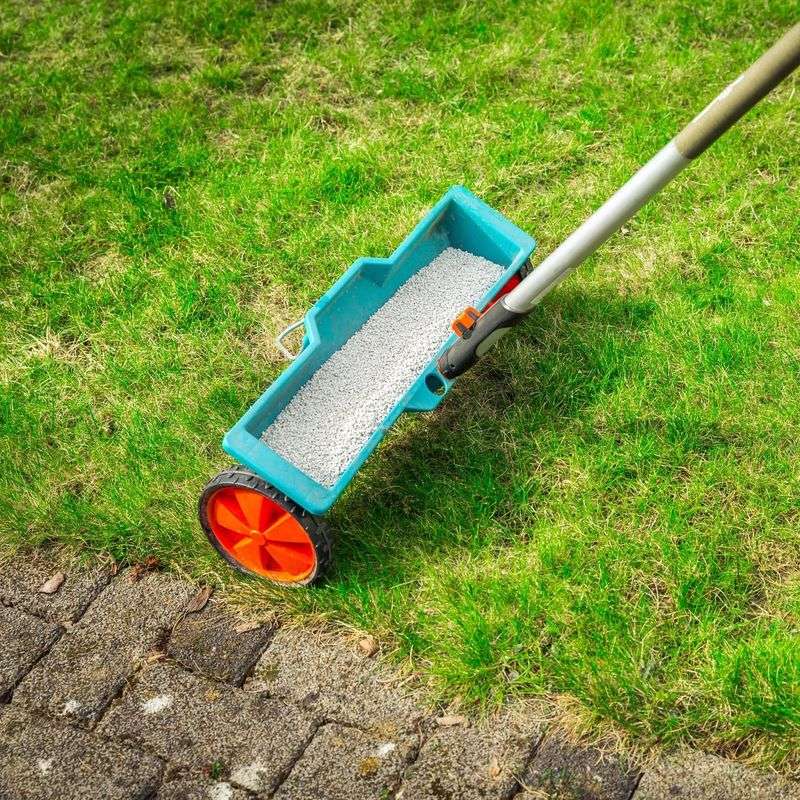
Using too much or too little fertilizer can harm the lawn, leading to nutrient deficiency or chemical burns. Misjudging quantity often stems from not reading product instructions or miscalculating lawn size.
Always follow manufacturer guidelines and measure your lawn accurately.
This ensures you apply the right amount, supporting healthy, vibrant grass growth.
25. Applying Fertilizer at Wrong Time of Day

The time of day impacts fertilizer effectiveness. Early morning is ideal, as dew helps dissolve fertilizer, while midday heat can cause evaporation.
Evening application risks moisture retention overnight, promoting disease.
Schedule fertilizing for cooler parts of the day to maximize nutrient absorption and lawn health.
26. Disregarding Wind Chill
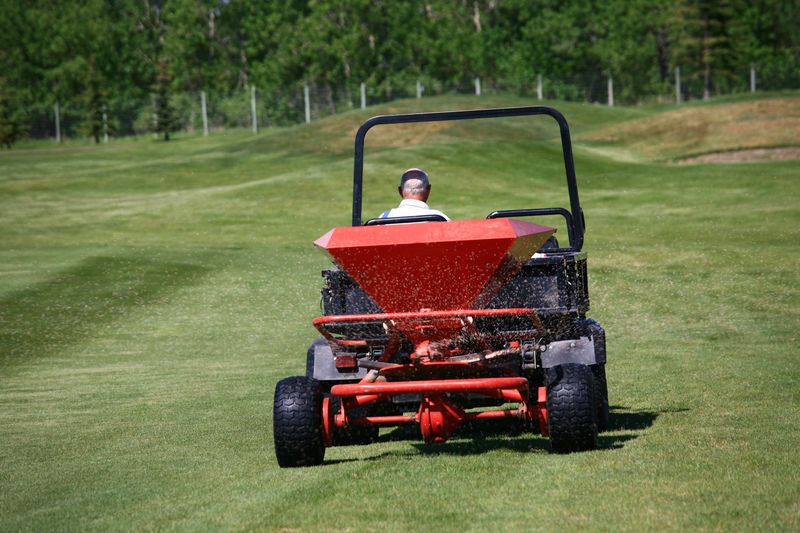
Wind chill affects how fertilizer behaves on your lawn. Cool breezes can cause particles to scatter and land unevenly.
This results in a patchy, inconsistent lawn appearance.
Always check the weather forecast and choose a calm day for fertilization to ensure even nutrient spread and lawn vitality.
27. Not Rotating Fertilizer Types
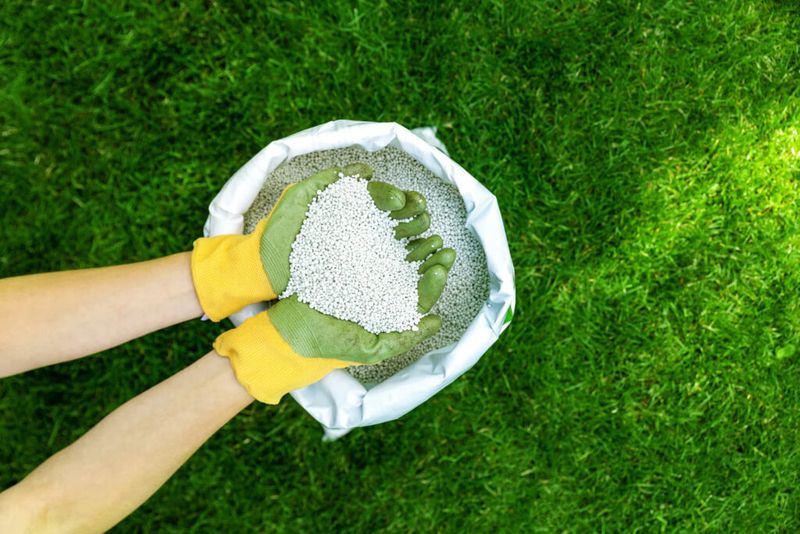
Sticking to one fertilizer type can lead to nutrient imbalances over time. Rotating between different types promotes a more balanced nutrient supply.
This practice prevents nutrient excesses or deficiencies, fostering healthier grass growth.
Explore different formulas throughout the year to cater to evolving lawn needs and maintain robust health.
28. Ignoring Neighboring Plants

Fertilization affects not only grass but neighboring plants as well. Overspill or wind-drift can harm sensitive species.
Consider the needs of surrounding plants when fertilizing your lawn.
Use barriers or targeted application techniques to protect the broader ecosystem and support harmonious garden growth.
29. Using Homemade Fertilizers Without Testing
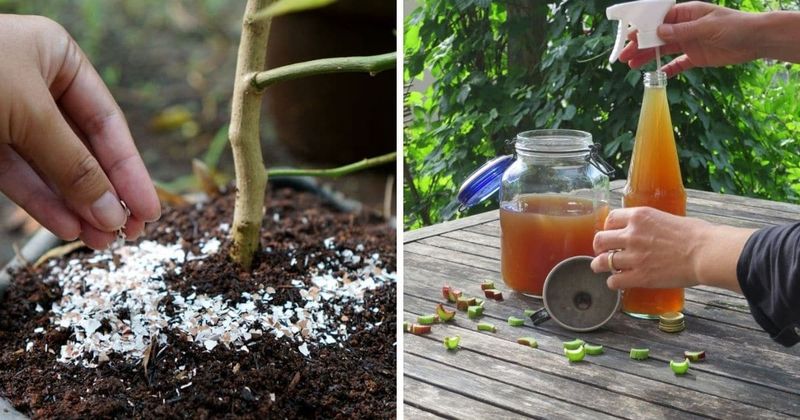
Homemade fertilizers can offer natural benefits, but without testing, they risk imbalances or contamination. Improper mixtures might lack essential nutrients or introduce harmful elements.
Test your homemade blends to ensure they support lawn health without negative effects.
Laboratory analyses can guide adjustments for a safe, effective homemade fertilization approach.
30. Applying Fertilizer Too Frequently
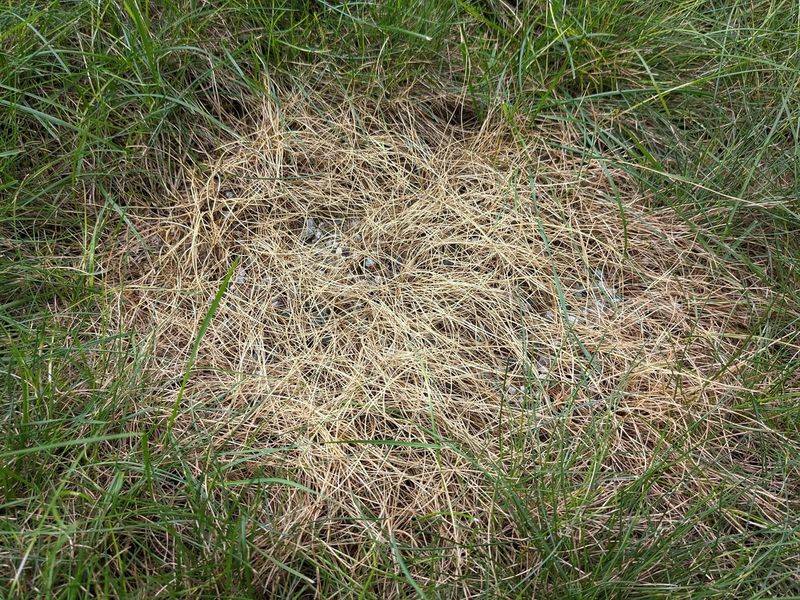
Frequent fertilization might seem beneficial but can lead to nutrient overload and lawn burn. This often results from misunderstanding grass needs or overzealous care.
Stick to recommended schedules to balance nutrient supply and prevent stress.
A disciplined approach ensures sustainable lawn health, avoiding the pitfalls of excessive fertilization.
31. Ignoring Wildlife Habits

In the early morning light, a vibrant lawn can become a haven for local wildlife. Ignoring the habits of these creatures during fertilization might disrupt their natural ecosystem. When applying fertilizer, consider the impact on birds and small mammals that frequent your yard.
These animals can be sensitive to chemicals and may even be harmed by certain fertilizers. By choosing wildlife-friendly products and timing your applications to minimize disruption, you can preserve the delicate balance between a thriving lawn and a safe habitat for these visitors.
Did you know? Some fertilizers contain ingredients that are harmful to local fauna. Always read the labels!