
Exploring the world of indoor plants brings joy, but some plants pose risks when kept inside our homes. Safety, toxicity, and invasiveness are key factors to consider when selecting indoor greenery. This guide highlights ten plants best left outside due to potential hazards. Let’s explore these selections and discover safer alternatives for your indoor garden.
1. Oleander (Nerium oleander) 🌺
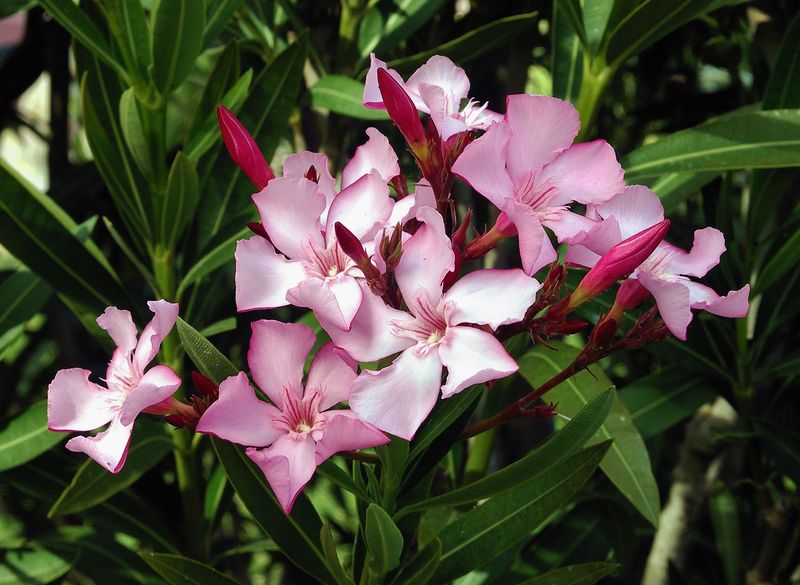
The allure of Oleander comes from its vibrant blooms and robust presence. However, keeping it indoors poses significant risks. Every part of this plant is highly toxic, and accidental ingestion can be fatal, particularly for children and pets. Its toxicity isn’t just a theoretical concern; even a small amount can have dire consequences.
For those who admire its bright colors, consider opting for a Hibiscus plant instead. Hibiscus offers a similar visual appeal without the deadly risks. Its blossoms bring the tropics indoors, making it a safer choice for households with curious kids or pets.
2. Dumb Cane (Dieffenbachia) ☠️
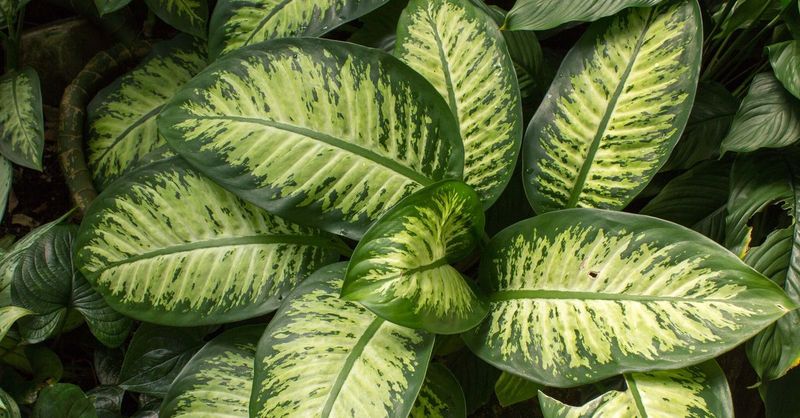
With its striking leaves and intriguing patterns, Dumb Cane is often chosen for indoor decor. Despite its beauty, it harbors a secret danger. The plant contains calcium oxalate crystals, which can cause intense discomfort if chewed. Symptoms include swelling, burning sensations, and even temporary speech loss.
For a safer alternative, consider the Chinese Evergreen. It offers a similar appearance but poses less risk. Its easygoing nature and adaptability make it an ideal choice for indoor environments, especially those shared with children and pets.
3. English Ivy (Hedera helix) 🕷️
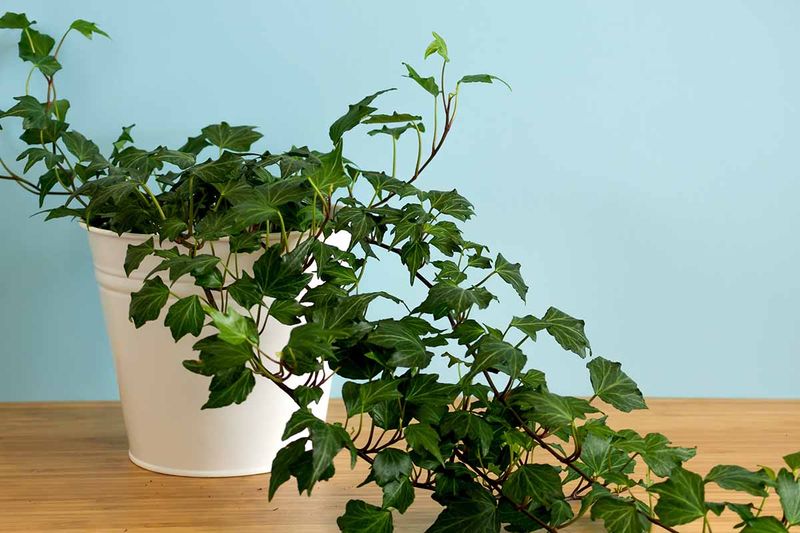
English Ivy exudes a classic charm with its trailing vines, but indoors, it can quickly become a nuisance. Known for its invasiveness, it attracts pests like spider mites, which can be a headache for indoor gardeners. Beyond pests, its leaves may cause skin irritation and vomiting if ingested.
Instead, try growing Pothos. This plant provides a similar cascading effect without the invasiveness. Pothos is hardy, easy to care for, and far less troublesome, making it a superior choice for those who want trailing greenery.
4. Ficus Trees (Ficus benjamina) 🍂
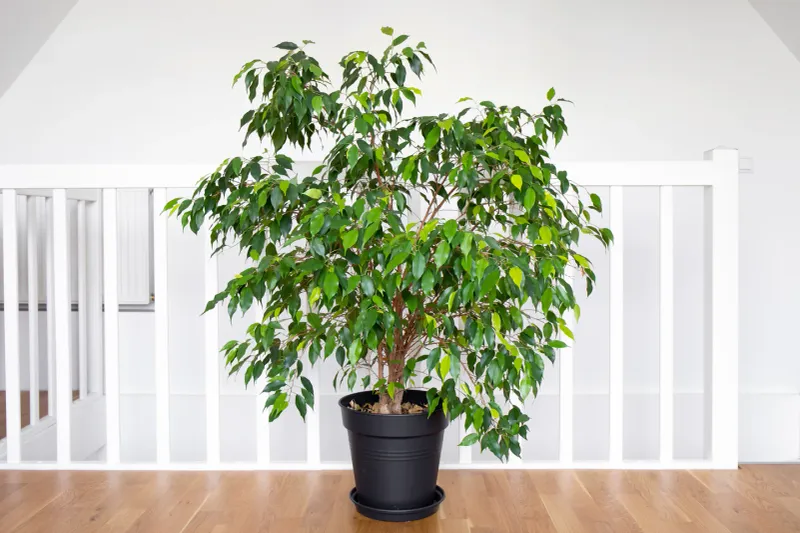
Ficus Trees bring an elegant touch to indoor spaces, but they require a high level of care. These plants are notorious for dropping their leaves if conditions aren’t just right. Additionally, their sap can irritate sensitive skin, making them a tricky choice for busy households.
For those seeking a less demanding plant, consider the Rubber Plant. With its glossy leaves and robust nature, it offers the elegance of a Ficus without the fuss. Its ability to thrive in less-than-ideal conditions makes it a lovely addition to any indoor space.
5. Euphorbia (e.g., Crown of Thorns, Pencil Cactus) 🌵
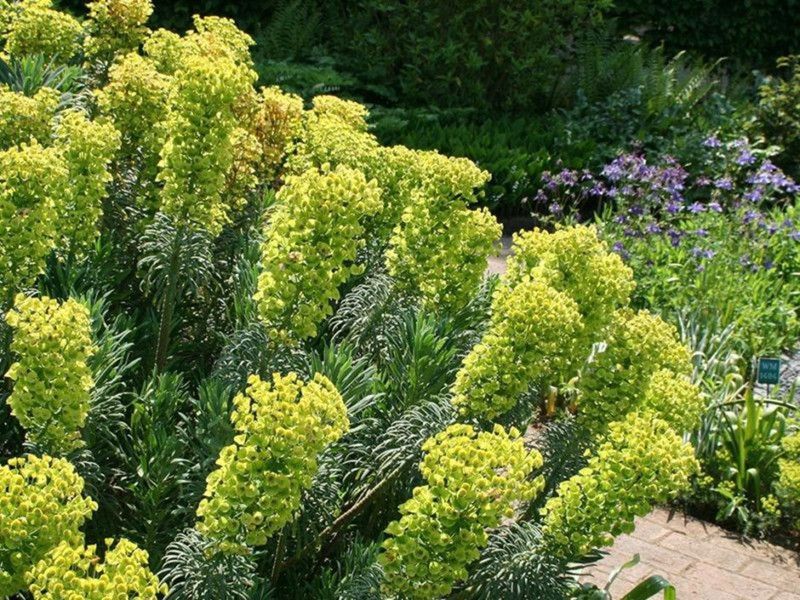
The diverse forms of Euphorbia can fill any room with unique shapes and textures, but they come with a serious warning. The milky sap of these plants is toxic and corrosive, capable of causing burns or even blindness if it comes into contact with eyes.
If you desire a distinctive plant without the risks, consider a Haworthia. This small succulent offers intriguing patterns and is entirely safe. Its modest size and easy maintenance make it an excellent choice for plant enthusiasts seeking something special without the danger.
6. Peace Lily (Spathiphyllum) ❌🐱🐶
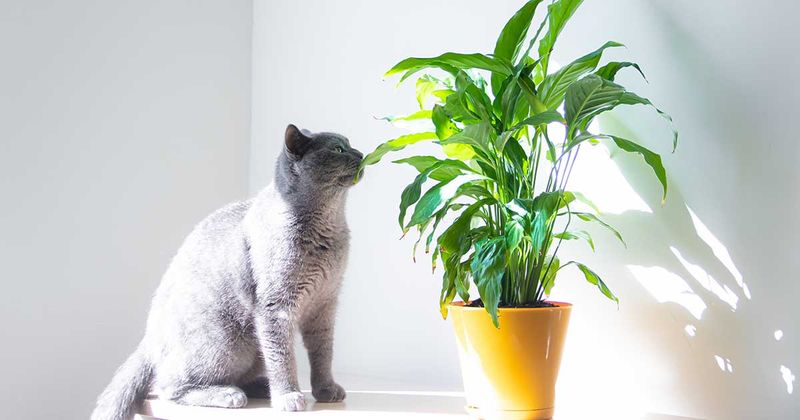
Peace Lilies are celebrated for their air-purifying ability and graceful white flowers. However, they present a hidden threat to pets. Ingesting parts of the plant can lead to mouth irritation and more severe health issues like kidney problems in cats and dogs.
To maintain a pet-friendly environment, consider the Boston Fern. Not only does it add lush greenery to your space, but it also thrives in humid conditions. Its non-toxic nature makes it a wonderful alternative for homes with furry family members.
7. Bamboo (Running Varieties, e.g., Phyllostachys) 🏃♂️
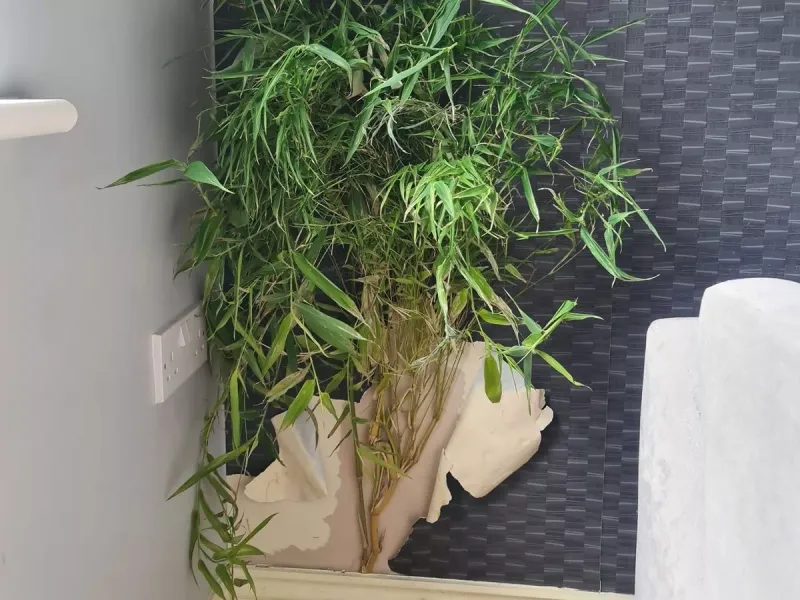
Bamboo’s towering stalks and lush foliage can transform any indoor space. However, running varieties have aggressive root systems that can crack pots and even invade floors and walls. These characteristics make them more suited for outdoor cultivation where they can spread freely.
For those who love the look of bamboo but want to avoid the chaos, Lucky Bamboo is an excellent alternative. Despite its name, it’s not a true bamboo and remains neatly contained, making it perfect for indoor settings.
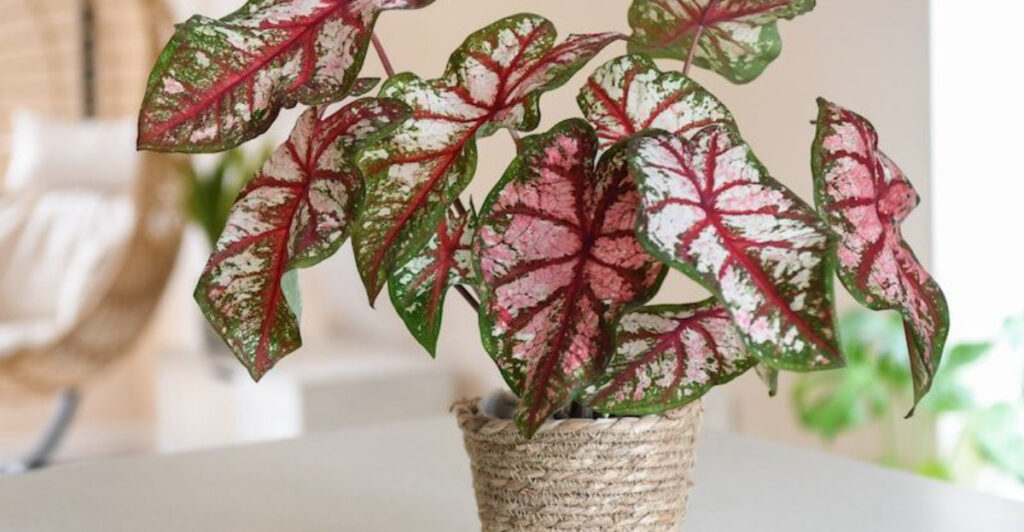
8. Caladium (Elephant Ear Varieties) 🐘

Caladium captivates with its heart-shaped leaves and vibrant colors, but it hides a toxic secret. Ingesting this plant can lead to severe oral irritation and breathing difficulties, posing a danger to both children and pets.
For a dramatic foliage display without the same level of risk, consider Alocasia Polly. While still toxic, it offers a striking appearance with proper care. Handle with caution, but enjoy the visual delight it brings to an indoor setting.
9. Monstera Deliciosa (If You Have Pets) 🐶🐱
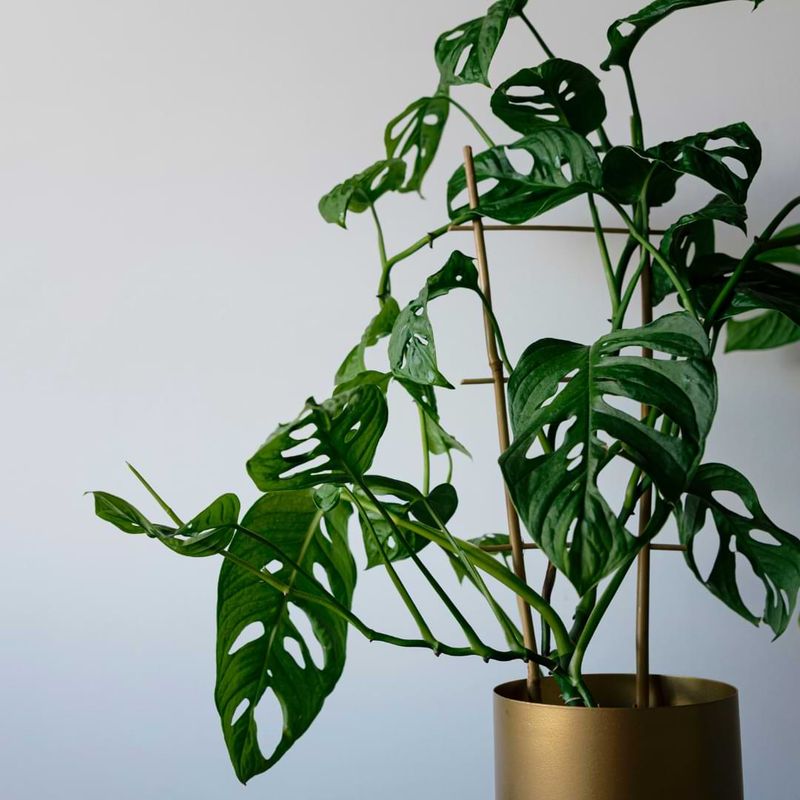
The iconic Monstera Deliciosa, with its large, split leaves, adds a tropical vibe to any room. Unfortunately, it’s not the best choice for pet owners. The presence of oxalates in the plant can cause mouth pain and vomiting in pets if consumed.
For a pet-friendly alternative with a similar lush appearance, try the Bird’s Nest Fern. This plant offers a tropical touch without the pet-related worries. Its spiral of green fronds makes it a captivating and safe addition to pet-loving households.