
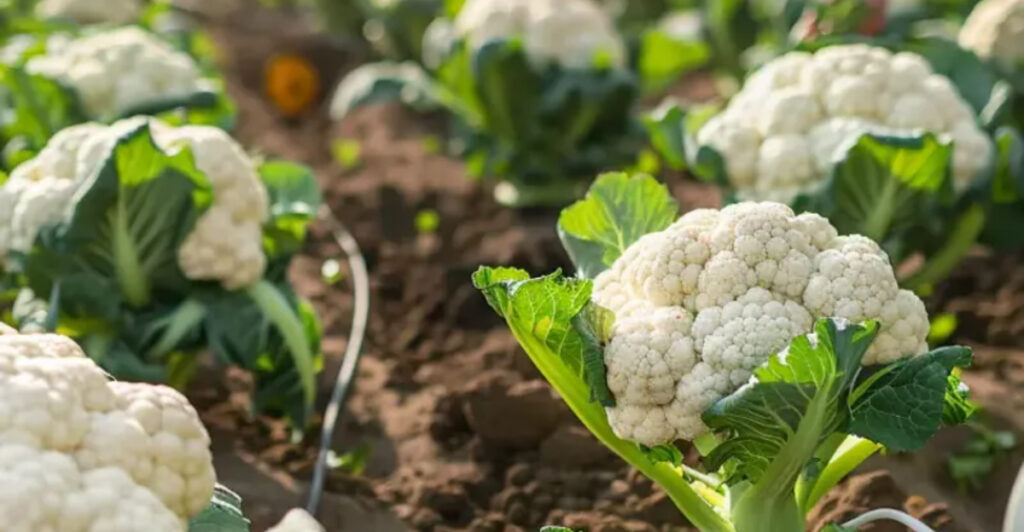
Exploring the resilience and demands of various vegetables, this guide contrasts those that thrive in less-than-ideal soil with those that require meticulous care. Perfect for gardeners aiming to optimize soil conditions, this article offers insights into vegetable cultivation across different environments.
1. Radishes
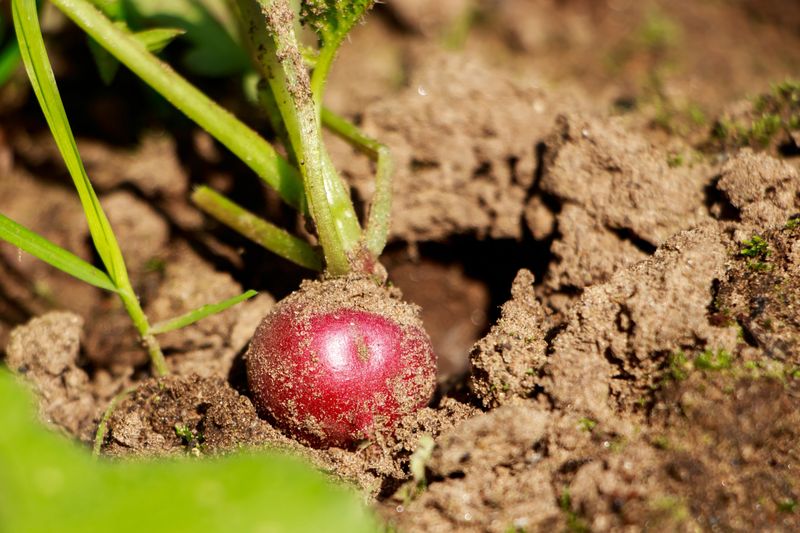
Radishes are the scrappy underdogs of the vegetable world. They thrive in poor soil and have the uncanny ability to loosen compacted dirt, making them ideal for tough gardening conditions. Their fast-growing nature means you can sow and harvest them several times a season, providing a steady supply of crisp, peppery crunch to your salads and dishes.
Radishes don’t demand much in the way of care. They seem to flourish even when neglected, offering a rewarding gardening experience for beginners and seasoned growers alike. Add a little compost, and you’ll see them perform even better.
Fun fact: Radishes were one of the first crops grown in space, showcasing their adaptability in challenging environments.
2. Beans (Bush or Pole)

Beans are nature’s little miracle workers. Whether bush or pole varieties, they have the unique ability to fix nitrogen in the soil, improving its quality as they grow. This makes them a fantastic choice for gardeners working with less-than-ideal soil conditions.
These plants offer both beauty and bounty, with lush green leaves and a plentiful harvest of beans that can be eaten fresh or dried for long-term storage. They thrive in various settings, from small urban gardens to expansive country plots.
Beans are a staple in many cultures for their versatility and nutritional benefits, making them a garden favorite.
3. Kale

Kale is the ultimate survivor in the vegetable kingdom. Known for its tolerance to poor soil, it can thrive in sandy, slightly acidic conditions where other plants might struggle. Its robust nature makes it an excellent choice for beginner gardeners or those with challenging plots.
This leafy green is packed with nutrients, offering a bounty of health benefits with every harvest. Kale’s versatility in the kitchen, from salads to smoothies, ensures it remains a popular choice among health enthusiasts.
Once a humble garnish, kale has transformed into a superfood superstar, earning its place in gardens worldwide.
4. Swiss Chard

Swiss Chard is like the vegetable world’s artist, unfazed by its surroundings. It adapts to clay, sandy, or low-fertility soils with ease, making it an excellent addition to any garden struggling with tough conditions.
Its colorful stalks and lush leaves add visual appeal while providing a nutritious punch in the kitchen. Whether sautéed or used in salads, Swiss chard adds a unique flavor to various dishes.
Historically, it has been a staple in Mediterranean diets, valued both for its taste and its ability to grow where other veggies might not. A true testament to versatility.
5. Potatoes

Potatoes are the dependable workhorses of the garden. They thrive in less-than-ideal soil, such as rocky or infertile ground, as long as there’s no excessive moisture. Their ability to grow in these conditions makes them a must-have for gardeners facing soil challenges.
Their versatility extends to the kitchen, where they can be prepared in countless ways, from mashed to roasted. This staple food crop supports global cuisines and provides essential nutrients.
Interestingly, potatoes were integral to the diet of ancient civilizations, sustaining populations through harsh conditions. Their resilience continues to be celebrated today.
6. Tomatoes

Tomatoes are the divas of the vegetable garden. They demand rich, loamy soil filled with organic matter and thrive only when conditions are just right. Providing such an environment rewards gardeners with vibrant, juicy tomatoes that are the essence of summer flavor.
These plants require consistent care, from watering to pruning, ensuring they receive all the nutrients needed for optimal growth. Their delicate nature means they thrive best in controlled conditions, whether in a greenhouse or a well-tended garden.
Despite their fussiness, tomatoes are worth the effort for their unparalleled taste and contribution to countless dishes.
7. Carrots

Carrots are the precision instruments of the vegetable world. They require deep, loose, stone-free soil to grow straight and sweet. Any deviation from this can result in misshapen roots or underwhelming yields.
This finicky nature demands that gardeners invest time in preparing the soil meticulously before planting. When successful, the reward is a crop that’s both delicious and versatile, fitting into a myriad of dishes, from raw snacks to cooked meals.
Carrots have been cultivated for thousands of years, prized for their sweet flavor and nutritional benefits, making them a staple in kitchens worldwide.
8. Peppers (Bell or Hot)

Peppers, whether bell or hot, thrive on attention and ideal conditions. They require warm, nutrient-rich, and well-drained soil to produce their flavorful fruits. These demands can make them challenging for the casual gardener but rewarding for those willing to meet their needs.
Once established, pepper plants offer a vibrant harvest that can spice up any dish, adding color and flavor. Their sensitivity to temperature and soil conditions means they thrive best in a controlled environment.
Originally from Central and South America, peppers continue to be a beloved addition to gardens for their versatility and zest.
9. Cauliflower
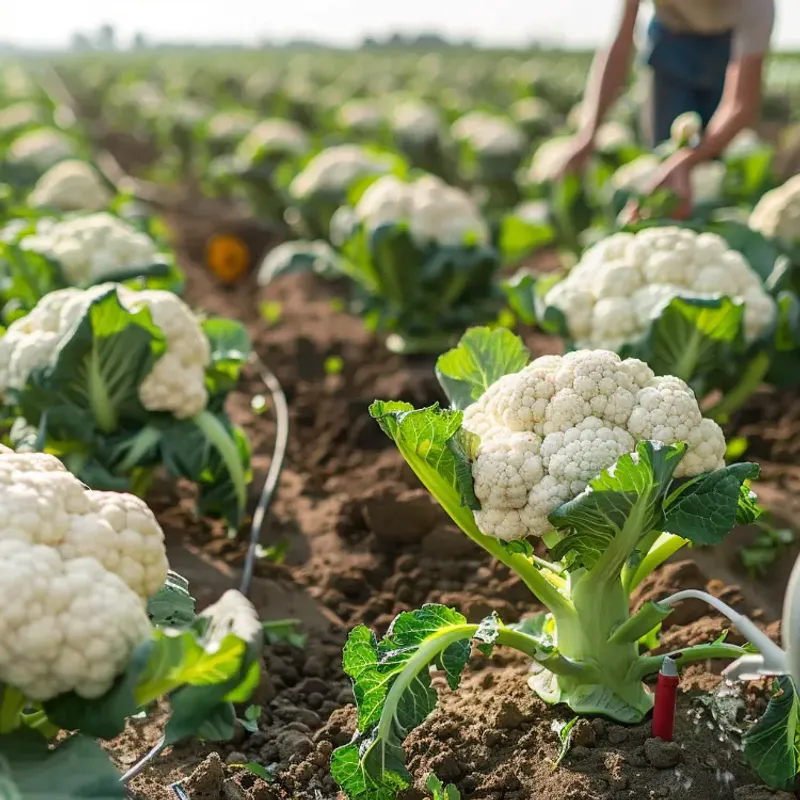
Cauliflower is the prima donna of vegetables, with specific demands on soil pH, nutrients, and moisture levels. Achieving the perfect balance in the garden can be daunting, but the reward is a bountiful yield of crisp, white heads.
This vegetable’s pickiness means it can be a challenge for even experienced gardeners, but its culinary versatility and health benefits make it worth the effort. From cauliflower rice to roasted florets, it has secured a place in modern diets.
Cauliflower’s historical roots trace back to the Mediterranean, where it was cultivated for its unique taste and texture.
10. Eggplant
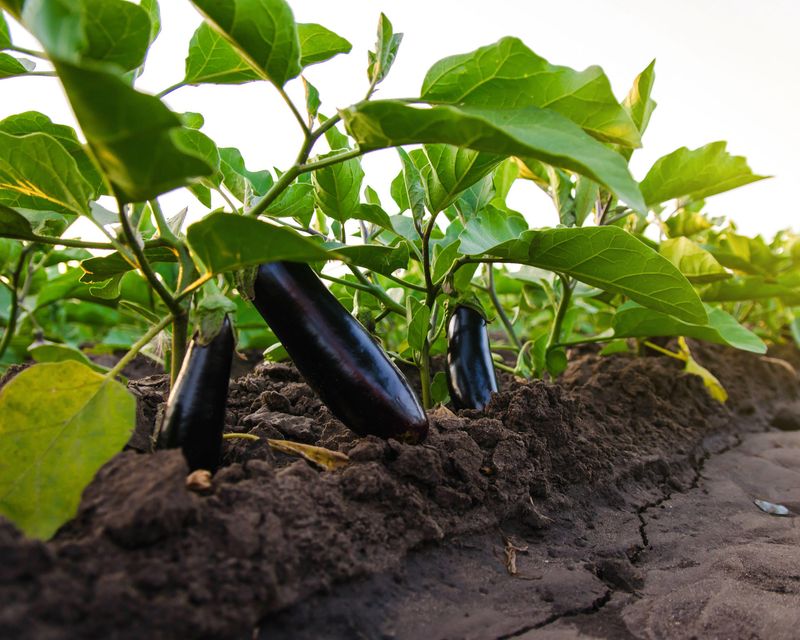
Eggplant demands the best from its environment. Rich, well-drained soil is essential, as it cannot tolerate cold, compacted, or soggy conditions. This makes it a challenging crop for those in temperate climates.
However, those who provide the right conditions will enjoy a rewarding harvest of glossy, purple fruits that are delicious grilled, roasted, or baked. Eggplant’s origins lie in South Asia, but it has become a staple ingredient in cuisines worldwide, from Mediterranean to Asian dishes.
Its unique texture and flavor make it a prized addition to any culinary repertoire, provided its demands are met.