 Complete Gardening
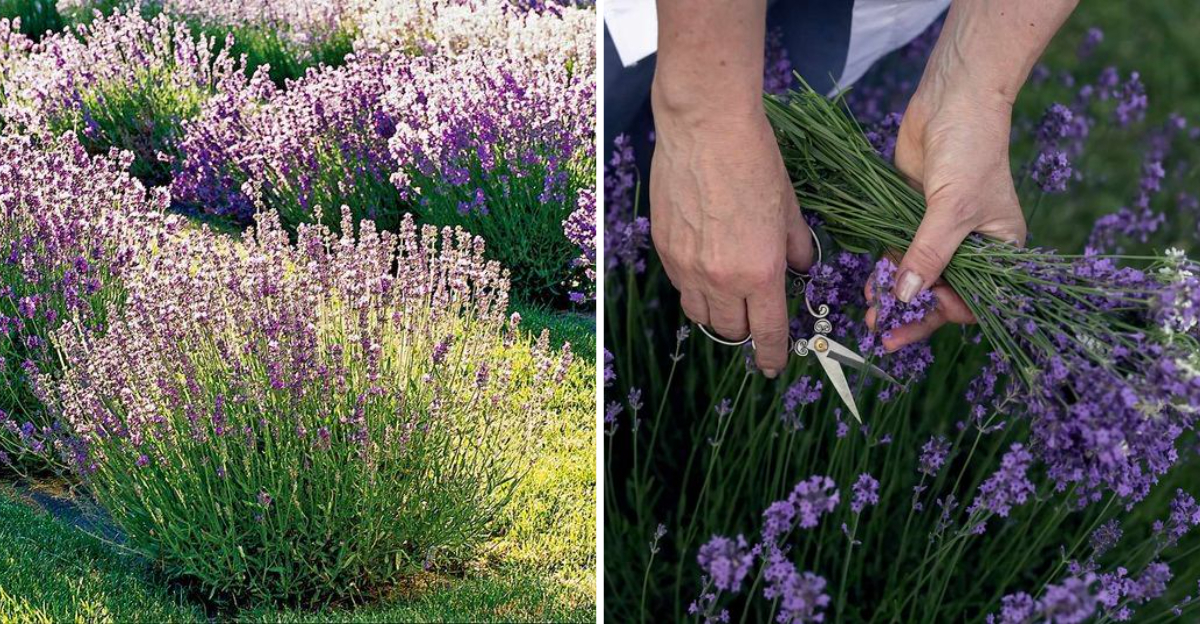
Lavender, an aromatic and vibrant herb, has charmed gardeners and non-gardeners alike with its soothing scent and striking appearance. Before planting this versatile plant, there are several crucial factors to consider to ensure it thrives in your garden. From understanding the right soil requirements to choosing the perfect location, each step plays a pivotal role in your lavender’s success. This guide explores seven essential elements to bear in mind before you start planting lavender, offering insights and practical advice for both novice and experienced gardeners.
Choosing the Right Varieties
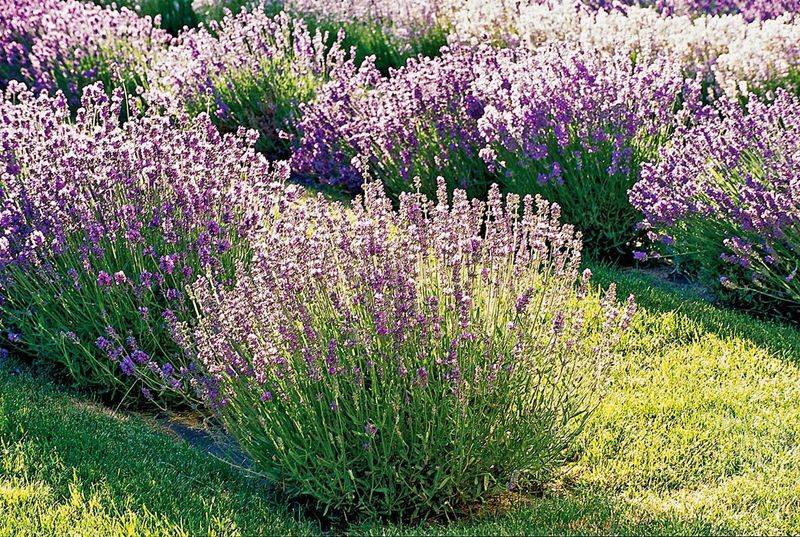
Lavender comes in many forms, each offering unique beauty. Selecting the right variety can be crucial for your garden’s aesthetics and climate compatibility. Consider English lavender for its classic aroma or French lavender if you’re in warmer areas. Each variety has distinct needs, making it essential to match them with your local climate and garden conditions. Did you know? English lavender is more tolerant of cold, while Spanish lavender thrives in heat. This choice will determine not only the appearance but also the maintenance level of your lavender garden.
Understanding Soil Requirements
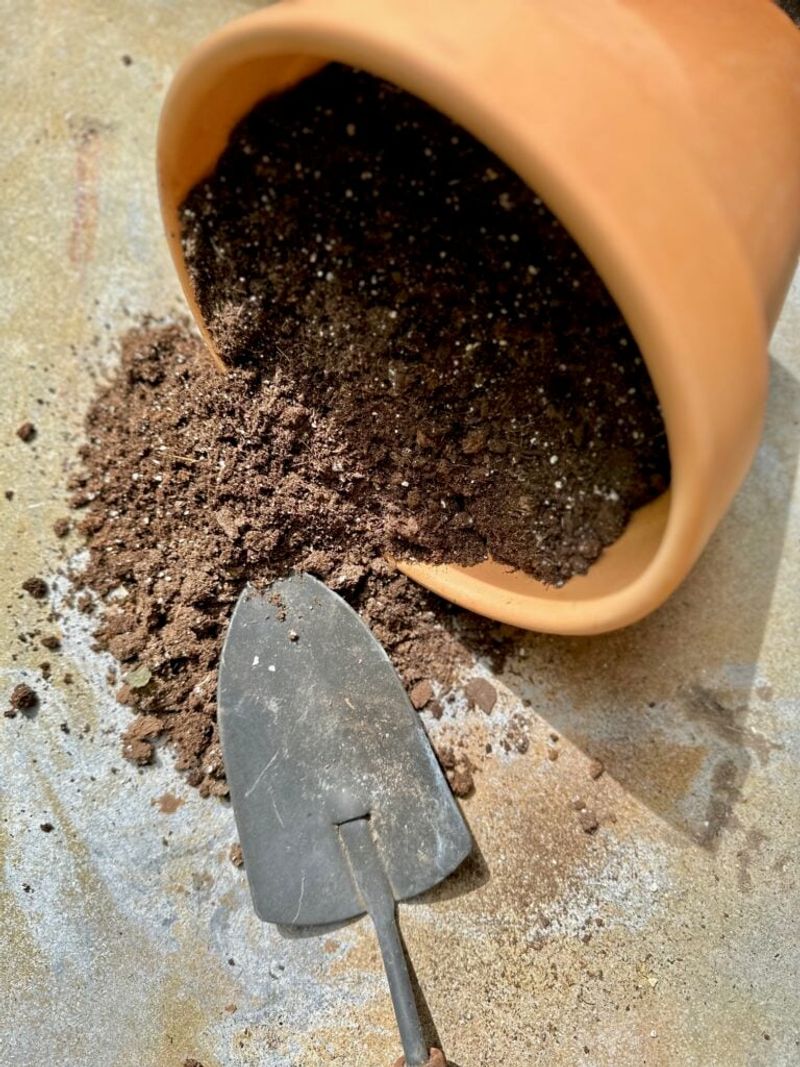
Lavender thrives in well-drained, sandy soil. Rich, heavy soils can lead to root rot. Ensure your garden soil is light, airy, and slightly alkaline. If your soil isn’t naturally suitable, consider amending it with sand or gravel. Fun fact: Lavender’s dislike for rich soil makes it a perfect candidate for rock gardens. Avoid over-fertilizing, as this can lead to excessive foliage growth. Lavender prefers a lean soil diet, focusing its energy on producing fragrant blossoms. Proper soil preparation is key to a vibrant lavender display.
Selecting the Perfect Location
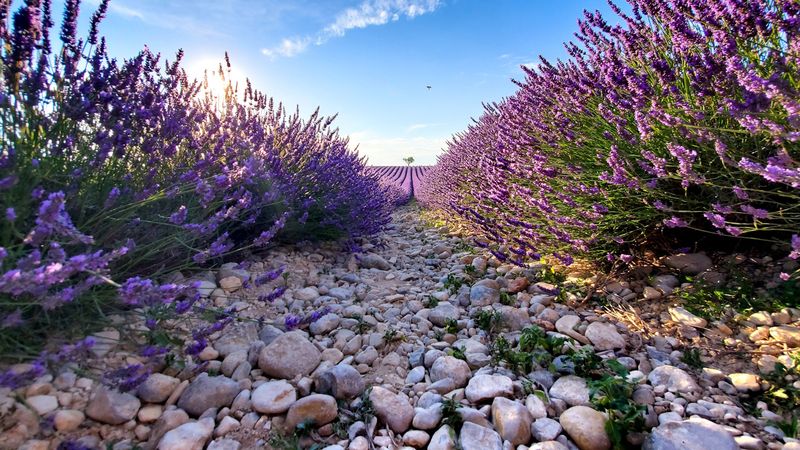
Sunshine is lavender’s best friend. Choose a sunny spot with at least six hours of direct sunlight daily. Shaded areas can lead to leggy growth and fewer blooms. Lavender’s love for sun helps concentrate its essential oils, intensifying its fragrance. Consider positioning lavender near pathways, allowing its aroma to greet guests. Did you know? Lavender’s scent is stronger under direct sunlight. Planting in raised beds can also enhance drainage, mimicking its native Mediterranean habitat. Location is vital for healthy, blooming lavender.
Watering Wisely
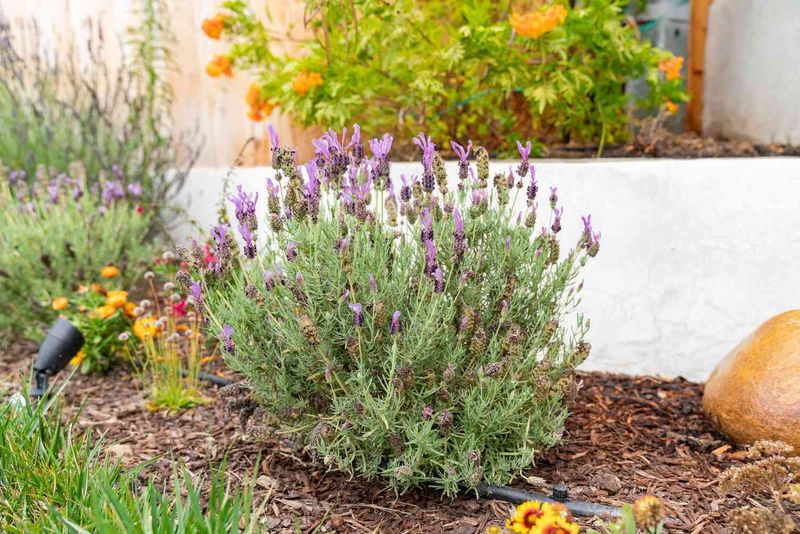
New lavender plants require regular watering, but mature ones prefer dry conditions. Establishing lavender needs consistent moisture without waterlogging. Once settled, it thrives with minimal watering, relying on rainfall. Over-watering can be detrimental, leading to mold or root issues. An oddity: Lavender’s deep roots allow it to access hidden moisture. Monitor weather conditions and adjust watering accordingly. During dry spells, occasional deep watering is beneficial. Understanding lavender’s water needs ensures resilient, flourishing plants.
Pruning for Growth
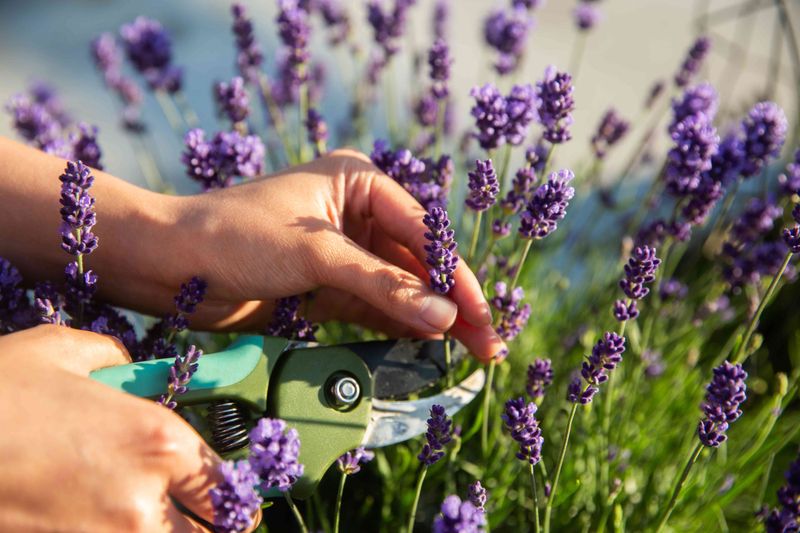
Pruning is essential for lavender’s health and longevity. Trim your lavender plants annually to remove spent blooms and encourage new growth. Cutting back too far can damage the plant, so be gentle and precise. Fun fact: Pruned lavender bushes are more resistant to wind and heavy rain. Timing is crucial; after the flowering season is ideal. Pruning also prevents the plant from becoming woody at the base, maintaining its appealing form. Regular pruning ensures a robust, aromatic lavender garden.
Protecting Against Pests
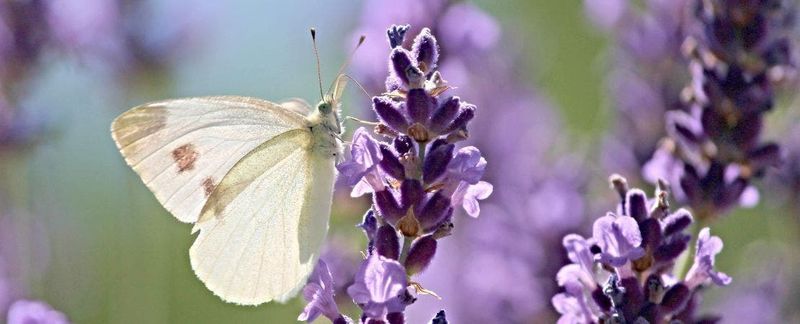
Lavender’s aromatic oils naturally deter many common garden pests. However, some threats like aphids or lavender beetles may still appear. Regular inspection helps catch issues early. Oddly enough, while lavender deters many, bees are attracted to its blooms, aiding pollination. Use organic sprays or introduce beneficial insects to control infestations. Maintaining plant health through proper care is the best defense. Did you know? Lavender’s scent is a natural mosquito repellent. Vigilant care keeps your lavender thriving pest-free.
Harvesting for Use
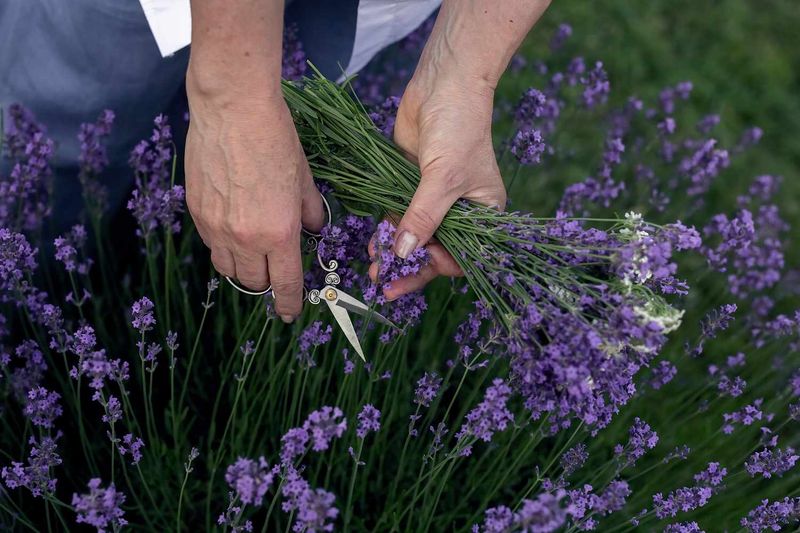
Lavender’s uses extend beyond the garden, offering aromatic and culinary delights. Harvesting at the right time is key; when half the buds are open, it ensures peak fragrance. Use clean scissors to cut stems, leaving some foliage intact for regrowth. A charming fact: Dried lavender retains its scent for months. Store harvested lavender in a cool, dry place to preserve its aroma. Whether for sachets, oils, or teas, timely harvesting maximizes lavender’s benefits. Enjoy the versatile pleasures of this wonderful herb.
Timing for Planting
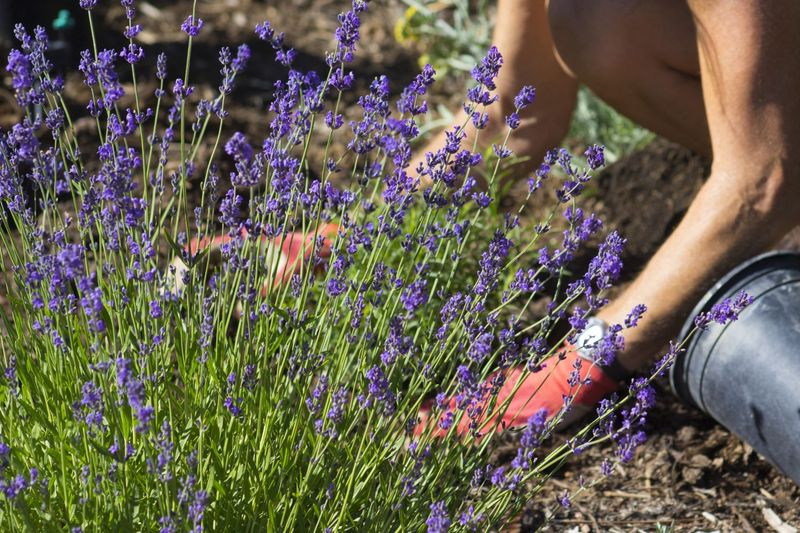
When planning to plant lavender, timing is crucial. Early spring is often the ideal time, giving the plants the entire growing season to establish their roots. However, in milder climates, fall planting might be suitable, allowing roots to grow before winter.
Be sure to check your local frost dates to avoid planting too early or late. Planting at the right time not only aids in healthy growth but also maximizes flowering potential. By choosing the correct planting time, lavender can flourish, enhancing the garden with its beauty and fragrance.
Understanding Climate Needs
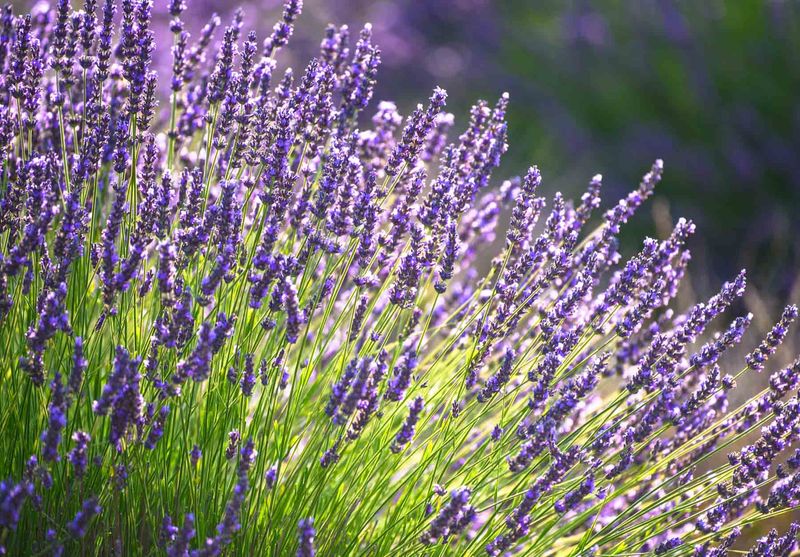
Lavender thrives best in Mediterranean climates, characterized by hot, dry summers and mild, wet winters. This plant loves sun, so ensure it has access to at least six to eight hours of sunlight daily.
In cooler climates, lavender might need added protection during the cold months. Meanwhile, in excessively damp regions, proper drainage becomes imperative to prevent root rot. Understanding these climatic preferences helps in deciding whether lavender will thrive in your region or if special accommodations must be made.
Companion Planting Benefits
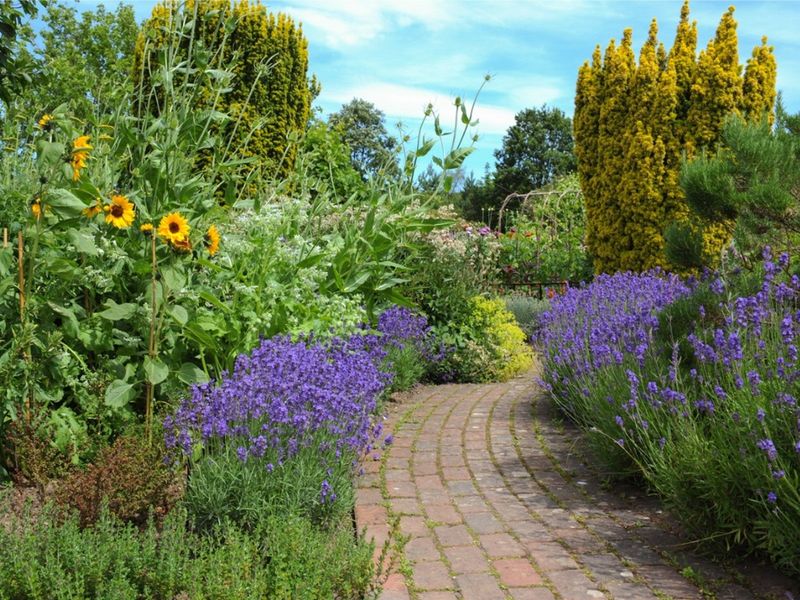
Lavender makes for a wonderful companion plant, not just for its beauty but for its ability to repel pests naturally. Planting it near vegetables or among other aromatic herbs like rosemary and sage can enhance growth and deter harmful insects.
Moreover, lavender attracts pollinators, benefiting the entire garden ecosystem. By incorporating lavender into your garden with complementary plants, you create a balanced and thriving environment, full of life and productivity.
Mulching Techniques
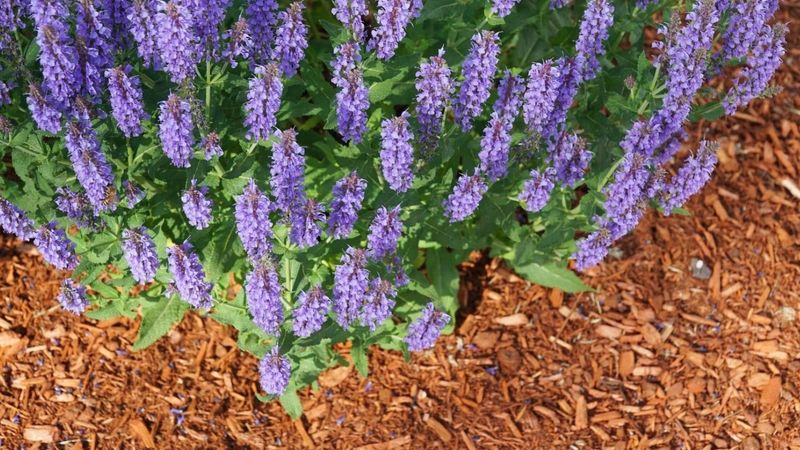
Mulching around lavender plants can help retain moisture and suppress weeds, crucial for healthy growth. Organic mulches like bark chips add nutrients as they decompose, though they might increase moisture levels too much.
Alternatively, gravel or small stones can be used around lavender, providing excellent drainage and reflecting sunlight to keep the soil warm. Each mulching method has its pros and cons, and choosing the right one depends on your climate and garden needs.
Importance of Spacing
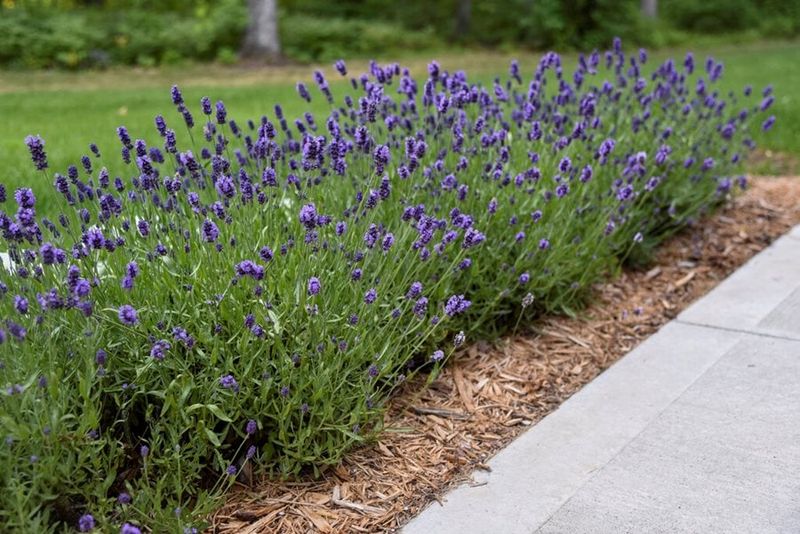
Spacing is a vital consideration when planting lavender, as overcrowding can lead to poor air circulation and increased risk of disease. Depending on the variety, plants should be spaced between 12 to 24 inches apart.
This distance not only ensures adequate airflow but also allows each plant enough room to grow to its full potential. Thoughtful spacing promotes healthier plants, abundant blooms, and a more appealing garden layout.
Seasonal Care Adjustments
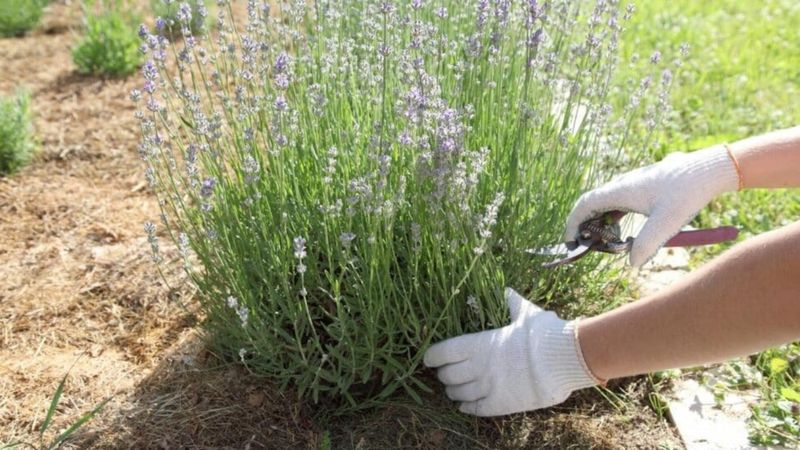
Lavender care varies with the seasons. During summer, the focus is on watering and monitoring for pests. As autumn approaches, pruning prepares the plant for winter.
In winter, protection from extreme cold may be needed, especially in non-Mediterranean climates. Spring calls for soil checks and new growth encouragement. By adjusting care practices throughout the year, lavender can be maintained in optimal condition, ready to thrive each season.
Drainage Solutions

Good drainage is essential for lavender health. Raised beds or adding sand and gravel to the soil can significantly improve drainage, preventing waterlogged conditions that harm roots.
Evaluate your garden’s natural drainage and make necessary amendments. Proper drainage solutions not only support healthy root systems but also enhance lavender’s natural fragrance and blooming capabilities. Ensuring the soil drains well is a step towards long-term lavender success.
Using Lavender in Landscaping
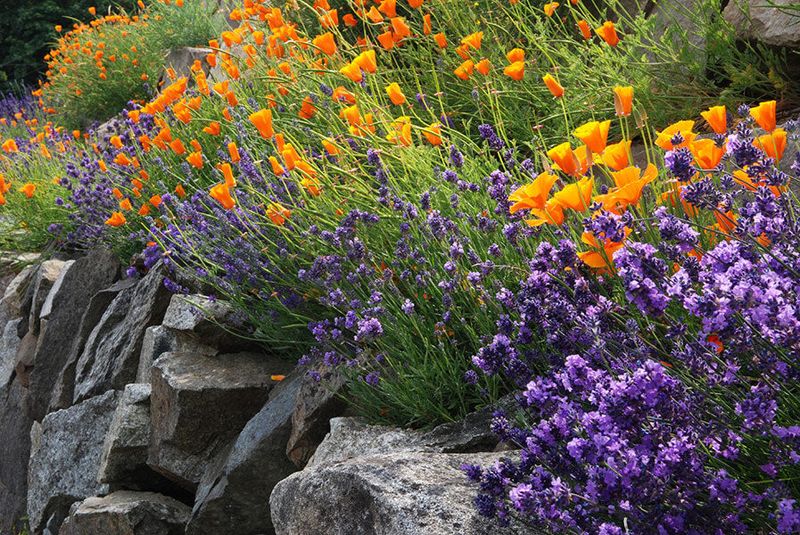
Lavender isn’t just a plant; it’s a landscaping asset. Its vibrant colors and pleasant aroma make it perfect for borders, pathways, and rock gardens. Lavender can transform ordinary spaces into elegant, soothing retreats.
Consider using it to define garden edges or as a fragrant focal point in rock gardens. Besides its aesthetic appeal, lavender’s low maintenance and drought tolerance make it a practical choice for sustainable gardening.
Signs of Overwatering
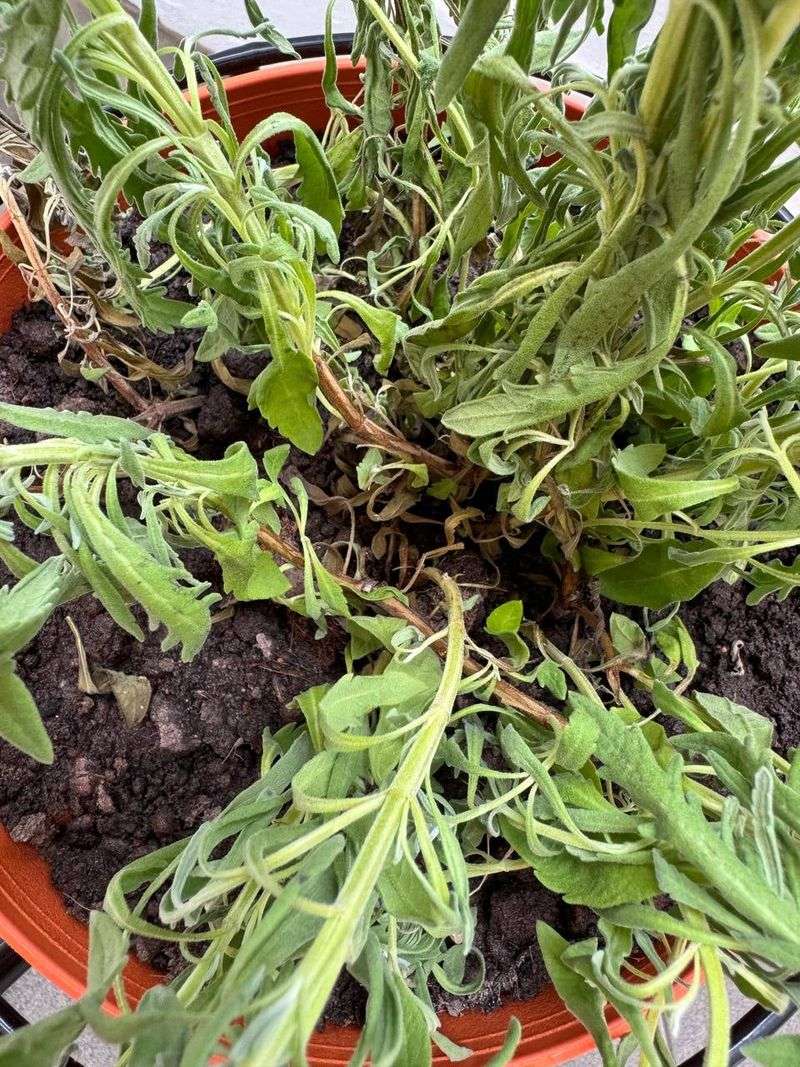
Lavender is drought-tolerant, so overwatering can be detrimental. Signs include yellowing leaves, wilting, and stunted growth. It’s crucial to recognize these symptoms early to adjust watering practices.
Check the soil moisture before watering, ensuring it’s dry at least an inch below the surface. Once corrected, the plant can recover, restoring its vigor and flowering ability. Understanding these signs helps maintain a healthy lavender garden.
Fertilization Practices
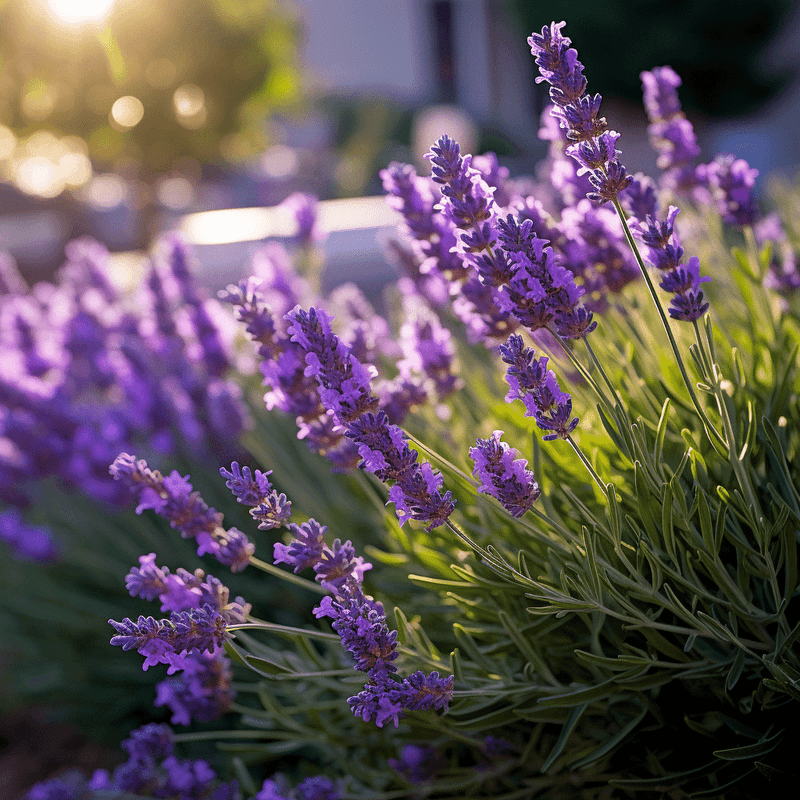
Lavender does not demand much fertilization; however, a little boost now and then can enhance growth and blooms. Opt for organic options like compost or a balanced slow-release fertilizer in spring.
Excessive fertilization can lead to fewer flowers and more leafy growth. By providing nutrients sparingly and wisely, lavender can achieve a harmonious balance between lush foliage and vibrant blooms, contributing to a thriving and beautiful garden.