

Growing your own vegetables not only provides fresh produce but also offers numerous health benefits. This guide explores 36 must-grow vegetables that can significantly enhance your well-being and diet.
1. Spinach
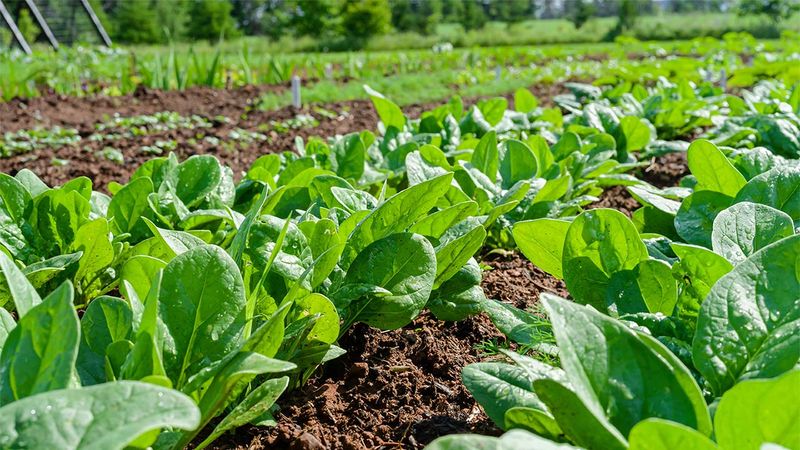
Spinach stands as a powerhouse of nutrition. Rich in iron, calcium, and vitamins A and C, it supports bone health and boosts your immune system. Imagine a vibrant garden where these lush, dark green leaves flourish – a sight that promises both beauty and health.
Incorporate spinach into smoothies, salads, or simply sauté it for a quick, nutritious side dish. It’s a versatile vegetable that fits seamlessly into various meals.
Did you know? Spinach was made famous by the animated character Popeye, who attributed his super strength to this leafy green.
2. Kale
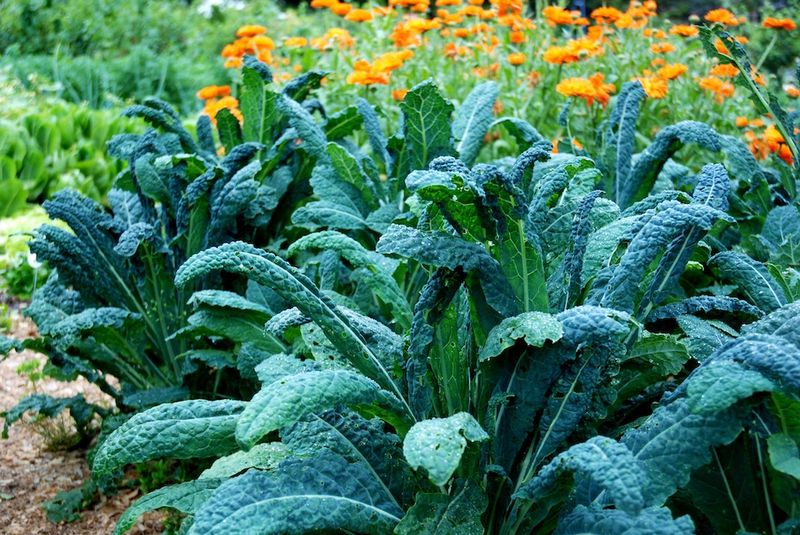
Kale is known for its exceptional health benefits and robust flavor. Packed with antioxidants, fiber, and vitamins K, A, and C, it supports heart health and aids in digestion. Picture a garden brimming with these curly, dark green leaves, offering a feast of nutrition.
This hardy green can be tossed into salads, blended into smoothies, or baked into crispy kale chips. Its versatility makes it a favorite among health enthusiasts.
Fun fact: Kale was one of the most common green vegetables in Europe until the end of the Middle Ages.
3. Carrots
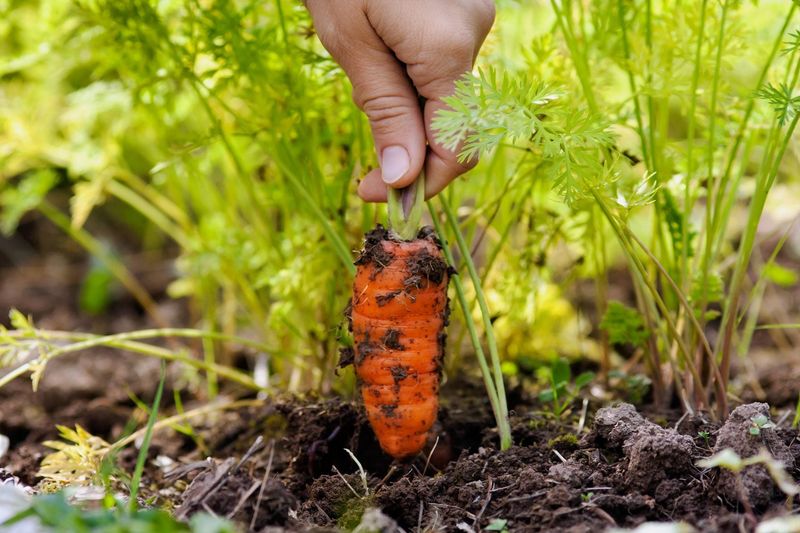
Carrots, with their vibrant orange hue, are not only visually appealing but also packed with nutrients. High in beta-carotene, which converts to vitamin A, they are essential for good vision and immune function.
Imagine pulling fresh, sweet carrots from the earth, their crisp texture ready to enhance any dish. Carrots can be enjoyed raw, roasted, or juiced, offering a sweet addition to your diet.
Interesting tidbit: Ancient Greeks called carrots ‘Philtron’ and believed they could make people fall in love.
4. Broccoli
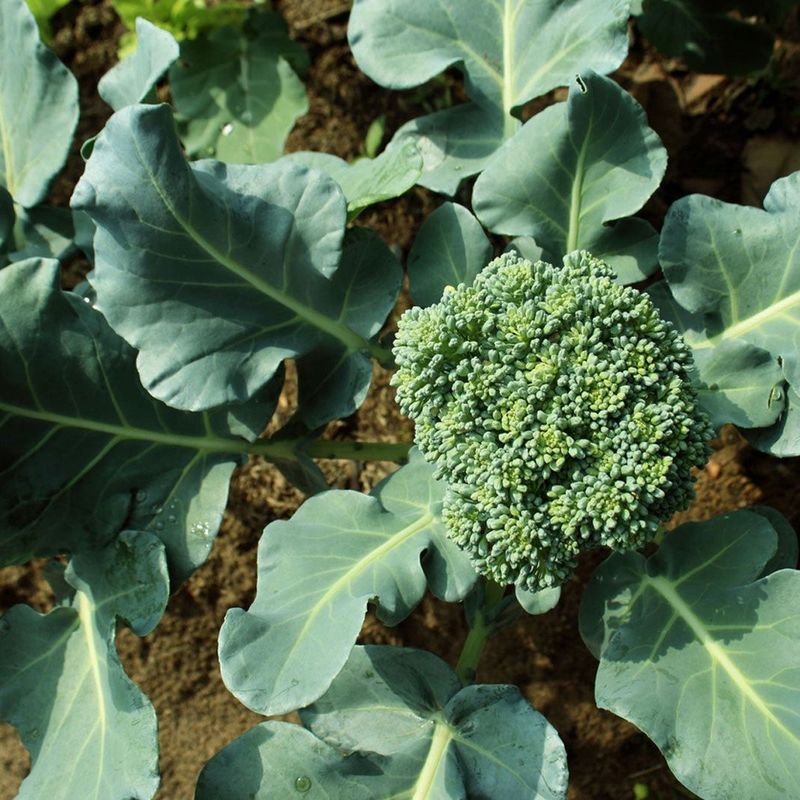
Broccoli is a staple in healthy eating, known for its high vitamin C and K content. Its antioxidants fight inflammation and support the immune system. Picture a garden where these green crowns flourish, promising a bounty of nutrients.
Broccoli can be steamed, roasted, or added to stir-fries, making it a versatile vegetable for any meal. Its slightly bitter taste is complemented well with various seasonings and sauces.
Did you know? Broccoli consumption has been linked to improved digestion and reduced risk of certain cancers.
5. Beets
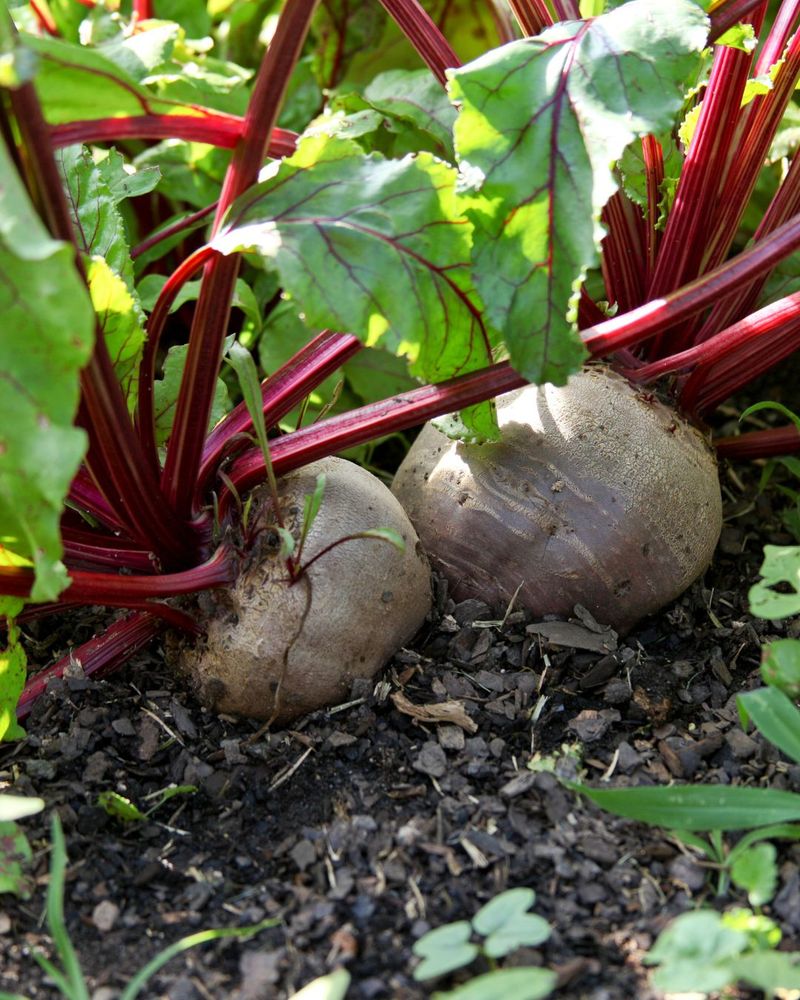
Beets are celebrated for their earthy flavor and health benefits. Rich in folate, fiber, and nitrates, they support heart health and improve blood flow. Envision a garden filled with these deep red, nutrient-packed roots, a testament to nature’s bounty.
Roast them for a sweet, caramelized treat or add them to salads for a pop of color. Beets are as versatile as they are nutritious.
Quirky fact: Beets were used in ancient Roman times as an aphrodisiac, highlighting their esteemed status in history.
6. Sweet Potatoes

Sweet potatoes are a versatile and nutritious vegetable, rich in fiber, vitamins A and C, and antioxidants. Their natural sweetness and creamy texture make them a delightful addition to any meal.
Picture a garden where these orange tubers thrive, their green vines winding gracefully around. Whether baked, mashed, or roasted, sweet potatoes offer a comforting, healthy option.
Fun fact: Sweet potatoes are often confused with yams, but they are distinct and offer different nutritional benefits.
7. Tomatoes
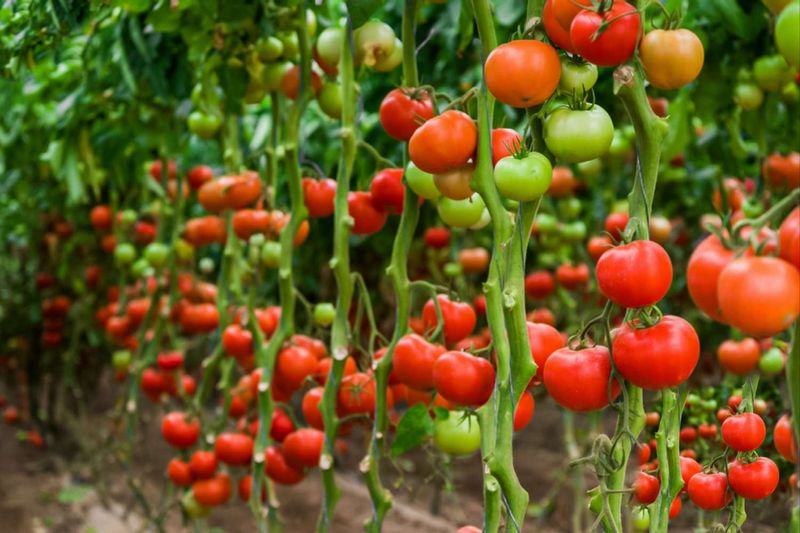
Tomatoes are a garden favorite, offering both flavor and nutrition. High in vitamin C, potassium, and the antioxidant lycopene, they promote heart health and reduce the risk of cancer.
Imagine plucking these juicy, red fruits straight from the vine, their sweet and tangy flavor ready to enhance any dish. From salads to sauces, tomatoes are incredibly versatile.
Did you know? Botanically, tomatoes are fruits, but they are commonly used as vegetables in culinary contexts.
8. Lettuce
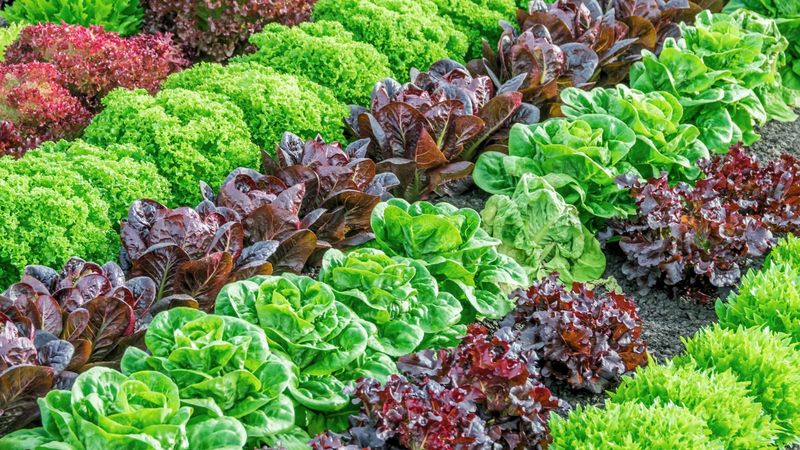
Lettuce is a staple in salads and sandwiches, offering a low-calorie option packed with vitamins A and K. It’s a refreshing addition to any meal, providing hydration and a mild, crisp texture.
Visualize a garden bed teeming with various types of lettuce, each leaf a testament to the diversity of this humble vegetable. Whether you prefer Romaine, Iceberg, or Leaf, lettuce is a garden essential.
Fun trivia: Lettuce was considered a sacred plant in ancient Egypt, symbolizing fertility and rejuvenation.
9. Peppers
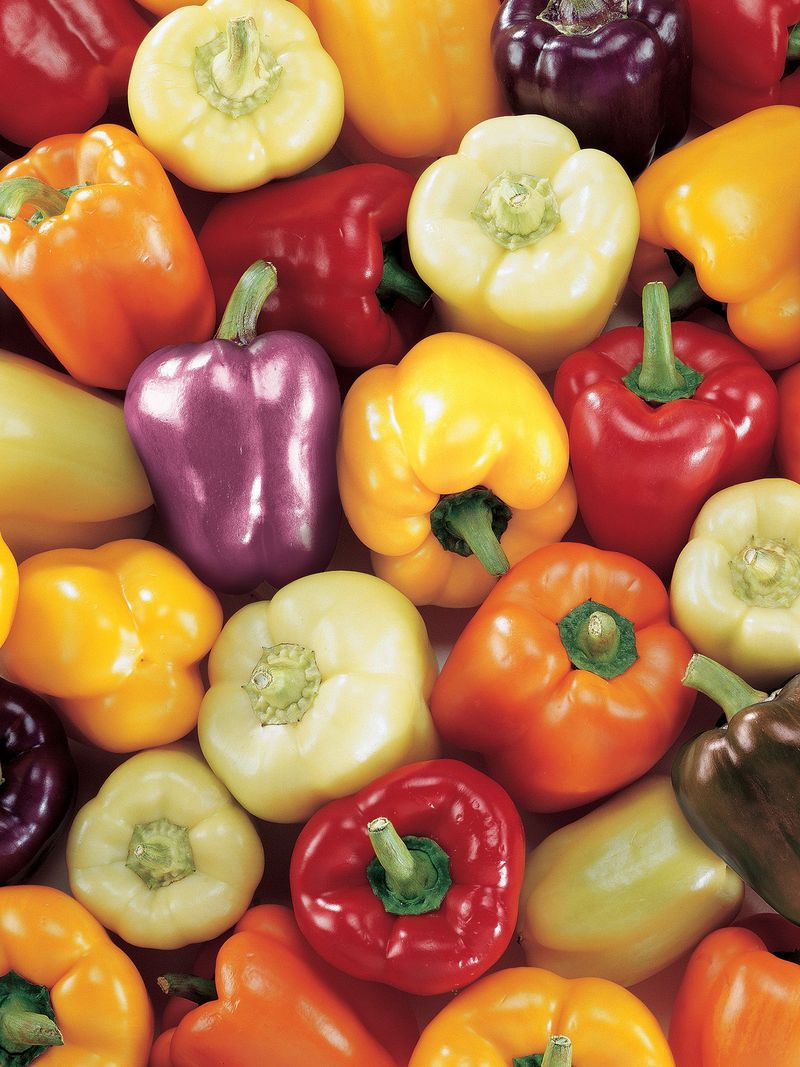
Peppers add a burst of color and flavor, whether sweet or spicy. Rich in vitamin C and antioxidants, they support immune health and reduce inflammation.
Imagine a garden filled with these colorful gems, their shiny skins catching the sunlight. From salads to stir-fries, peppers can enhance any dish with their crisp texture and bold flavors.
Did you know? Red bell peppers are simply ripened green peppers, offering a sweeter taste and more nutrients.
10. Cucumbers

Cucumbers are known for their refreshing taste and high water content. Low in calories, they provide hydration and support skin health.
Picture a garden where these long, green vegetables dangle from vines, ready to be sliced into salads or infused into water. Their crisp, cool taste is perfect for hot summer days.
Fun fact: Ancient Egyptians believed cucumbers had cooling properties and used them to soothe sunburns.
11. Swiss Chard
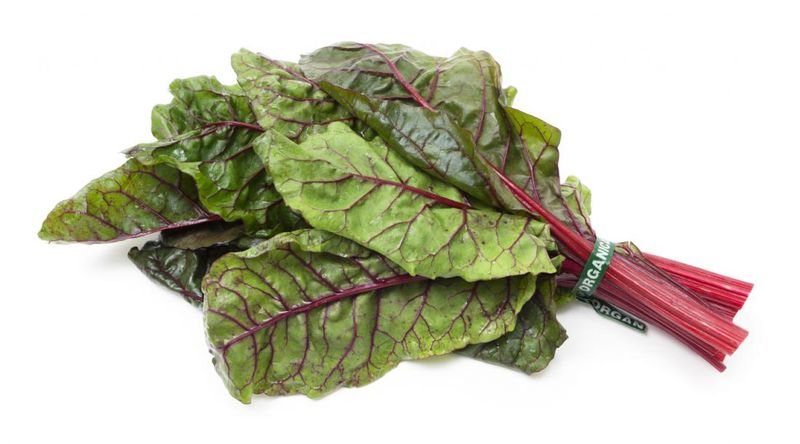
Swiss Chard, with its colorful stalks and lush leaves, is a powerhouse of nutrients. It’s packed with vitamins A, C, and K, as well as magnesium and potassium.
This leafy green supports bone health and helps regulate blood sugar levels. Its slightly bitter taste adds depth to salads and sautés.
Did you know? Swiss Chard has been cultivated for centuries and was prized by the ancient Greeks! A versatile addition to any garden, this vegetable thrives in cool weather and can be harvested multiple times during the growing season.
12. Zucchini
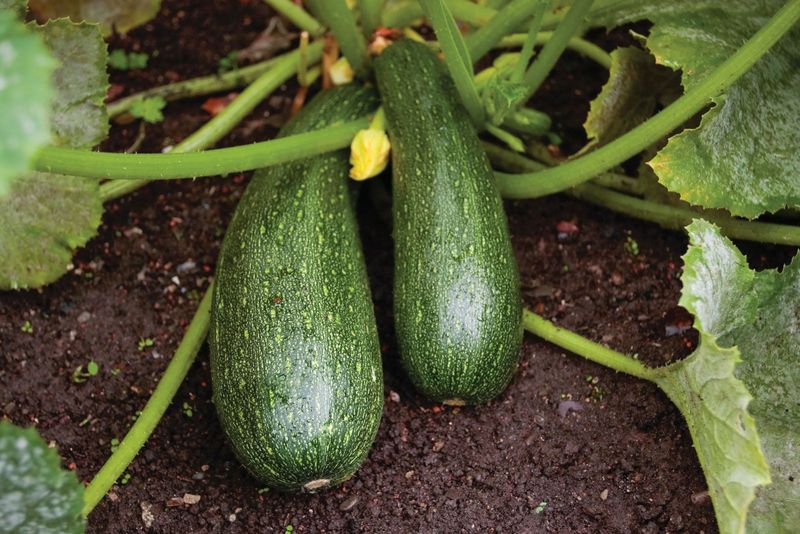
Zucchini is a summer squash that grows abundantly and is easy to care for. Rich in vitamin C, potassium, and fiber, it contributes to a healthy digestive system and boosts immunity.
Its mild flavor makes it perfect for grilling, baking, or spiralizing into noodles. Zucchini plants are prolific, producing plenty of fruit throughout the growing season.
Fun fact: Zucchini flowers are edible too and can be stuffed or fried for a delightful treat. Incorporating zucchini into your garden offers both culinary versatility and health benefits.
13. Brussels Sprouts
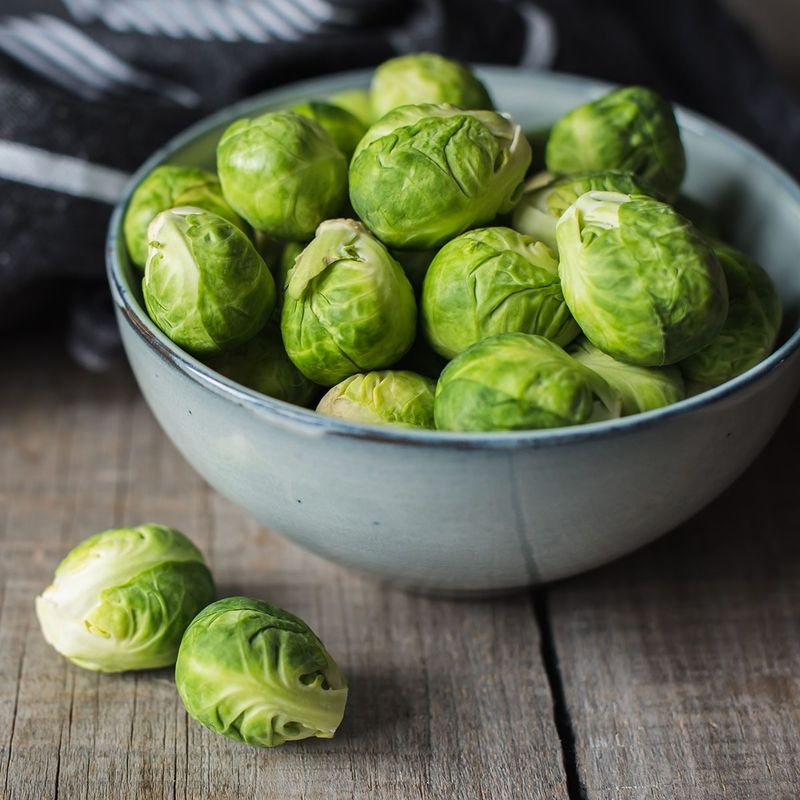
Brussels sprouts, resembling tiny cabbages, are rich in vitamins K and C, fiber, and antioxidants. These nutrients help reduce inflammation and support heart health.
Their slightly bitter taste becomes sweet and nutty when roasted. Brussels sprouts grow best in cool climates and are a great choice for fall planting.
Did you know? Brussels sprouts are named after Brussels, Belgium, where they have been grown since the 16th century. Adding them to your garden provides a delicious, health-boosting vegetable to your meals.
14. Eggplant
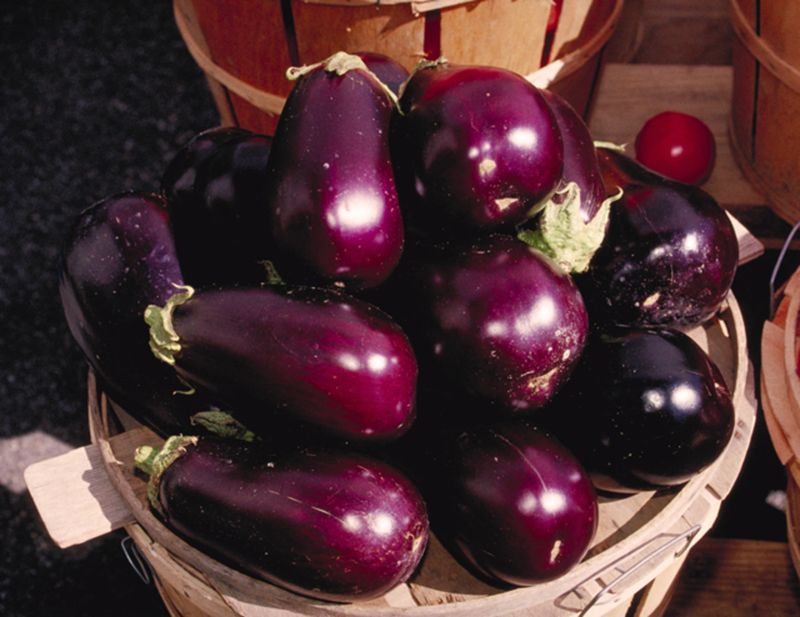
Eggplants, with their shiny purple skin, are a staple in Mediterranean and Asian cuisines. They are low in calories but high in fiber, vitamins, and minerals.
This vegetable helps promote heart health and may reduce blood sugar levels. Eggplants thrive in warm, sunny climates and are perfect for grilling or baking.
Quirky tidbit: In Italy, eggplants are affectionately known as “melanzane,” which means “crazy apple.” Growing eggplants in your garden can add a touch of international flair to your dishes.
15. Radishes

Radishes, with their crisp texture and peppery flavor, are a quick-growing vegetable rich in vitamin C, fiber, and potassium. They support immune function and digestion.
Radishes can be eaten raw, pickled, or roasted. They are perfect for spring and fall planting as they mature rapidly.
Interesting fact: Radishes were one of the first vegetables cultivated in space by NASA! Including radishes in your garden adds a crunchy, zingy element to your salads and dishes.
16. Bok Choy
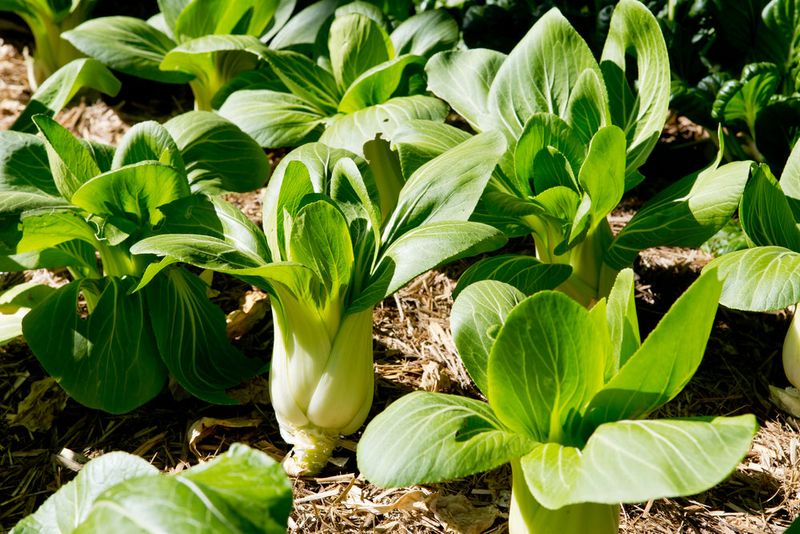
Bok Choy, or Chinese cabbage, is a leafy vegetable rich in vitamins A, C, and K, along with calcium and antioxidants. It promotes strong bones and a healthy immune system.
With a mild, sweet flavor, bok choy is versatile in stir-fries and soups. It thrives in cool climates and is relatively easy to grow.
Did you know? Bok choy has been a staple in Chinese cuisine for over 1,500 years. Its ability to enrich your garden and meals makes it a valuable addition.
17. Asparagus
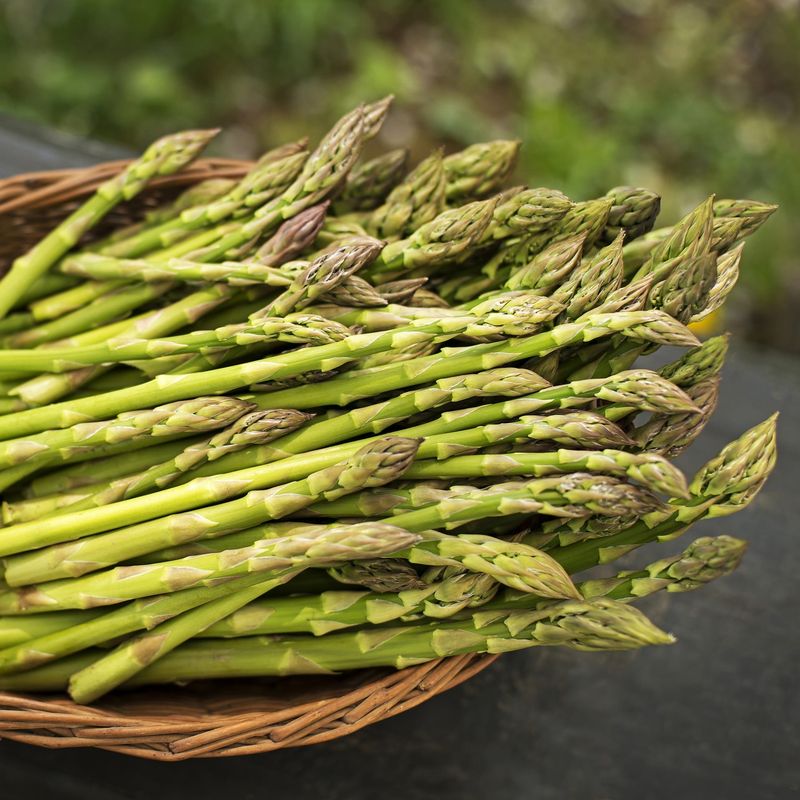
Asparagus, with its distinct spears, is a perennial vegetable packed with vitamins A, C, E, and K, as well as folate and fiber. It supports healthy digestion and reduces inflammation.
Asparagus thrives in well-drained soil and requires patience, as it takes a few years to establish. Once it does, it provides a bountiful harvest each spring.
Fun fact: Ancient Egyptians considered asparagus a delicacy and offered it to the gods. Adding asparagus to your garden allows you to enjoy a seasonal treat with numerous health benefits.
18. Cauliflower
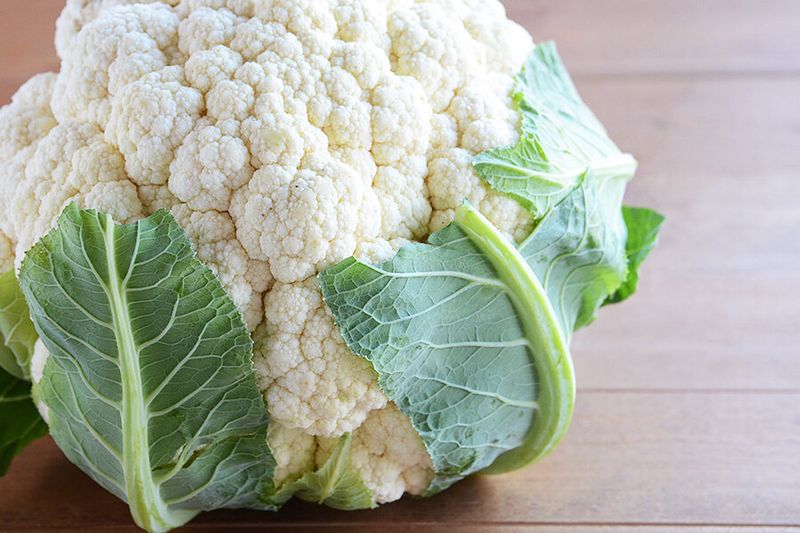
Cauliflower is a versatile cruciferous vegetable rich in vitamins C and K, fiber, and antioxidants. It supports brain health and reduces the risk of chronic diseases.
This vegetable can be roasted, steamed, or mashed as a low-carb alternative to potatoes. Cauliflower thrives in cooler temperatures, making it ideal for spring and fall gardens.
Interesting tidbit: Cauliflower has gained popularity as a pizza crust substitute. Growing your own ensures a fresh supply for creative culinary experiments.
19. Artichokes
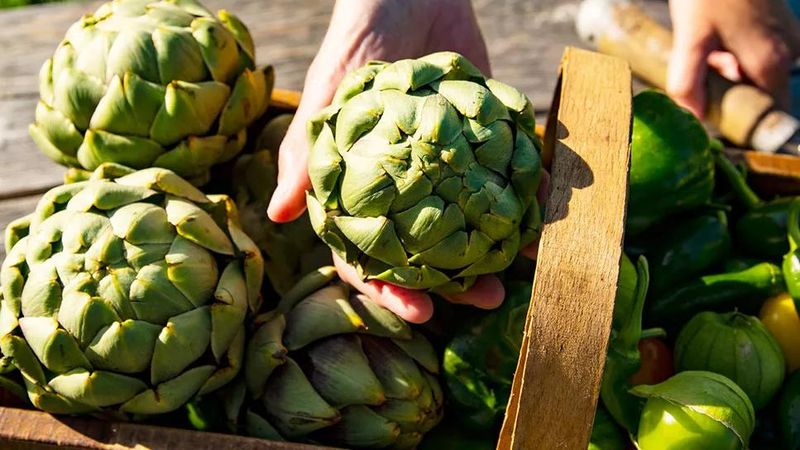
Artichokes are unique vegetables with spiky leaves and tender hearts. They are rich in fiber, vitamin C, and antioxidants, supporting liver health and digestion.
Known for their earthy flavor, artichokes can be steamed, roasted, or grilled. They require well-drained soil and a sunny spot in the garden.
Quirky fact: In ancient Greece, artichokes were thought to be an aphrodisiac! Growing artichokes in your garden adds a touch of history and flavor to your meals.
20. Leeks
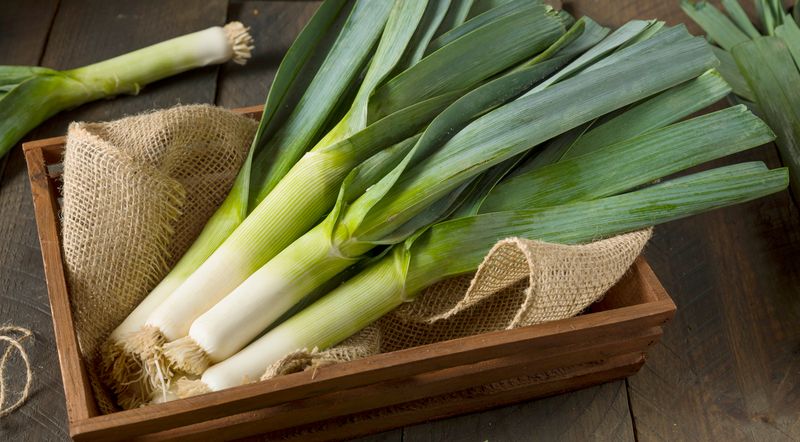
Leeks, with their mild, onion-like flavor, are a versatile vegetable rich in vitamins A, C, and K, as well as folate and fiber. They support heart health and aid digestion.
Leeks can be added to soups, stews, or sautéed as a side dish. They thrive in well-drained soil and require consistent moisture for optimal growth.
Did you know? Leeks are a national symbol of Wales and have been celebrated in Welsh culture for centuries. Including leeks in your garden brings both flavor and tradition to your table.
21. Collard Greens
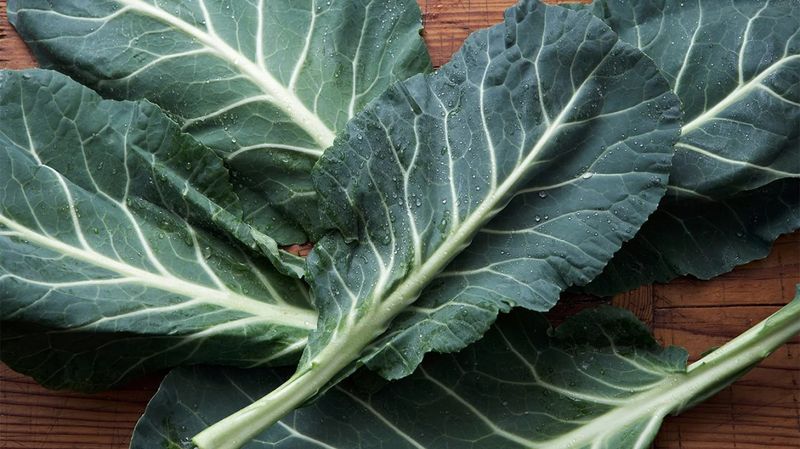
Collard greens, with their hearty leaves, are rich in vitamins A, C, and K, as well as calcium and fiber. They support bone health and aid in detoxification.
This Southern staple is delicious when sautéed or added to soups. Collard greens thrive in cooler climates and are frost-tolerant, making them perfect for fall gardens.
Fun fact: Collard greens have been cultivated for over 2,000 years and were a staple in ancient Rome. Growing them in your garden adds nutritious greens to your culinary repertoire.
22. Fennel
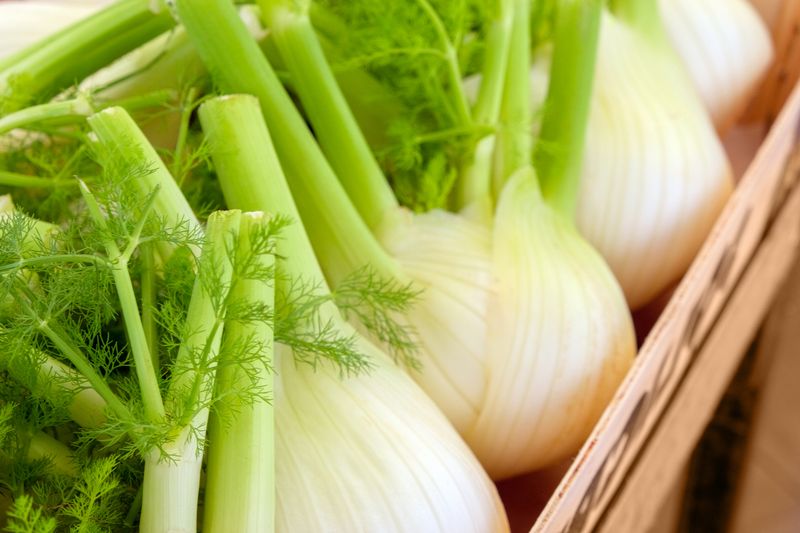
Fennel, with its aromatic flavor and crunchy texture, is a unique vegetable rich in vitamin C, fiber, and potassium. It supports digestion and reduces inflammation.
Fennel bulbs can be eaten raw or cooked, adding a sweet, licorice-like flavor to dishes. It thrives in well-drained soil and a sunny spot in the garden.
Did you know? Fennel has been used in traditional medicine for centuries to treat a variety of ailments. Adding fennel to your garden offers both culinary and therapeutic benefits.
23. Turnips
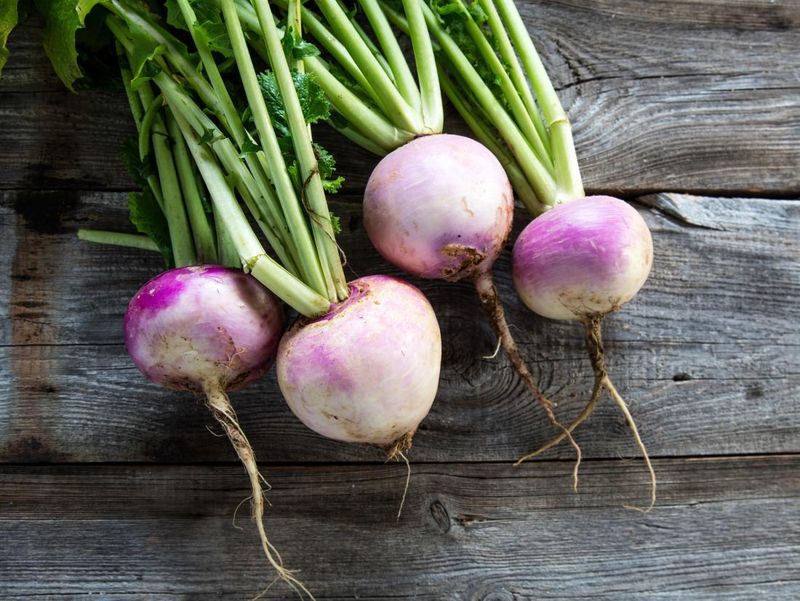
Turnips, with their peppery taste, are a root vegetable rich in vitamin C, fiber, and antioxidants. They support immune health and may help regulate blood sugar levels.
Turnips can be roasted, mashed, or added to stews. They are easy to grow and thrive in cool temperatures, making them ideal for spring and fall gardens.
Interesting tidbit: Turnips were once carved into lanterns for Halloween in parts of the British Isles. Growing turnips in your garden adds history and nutrition to your meals.
24. Rutabaga
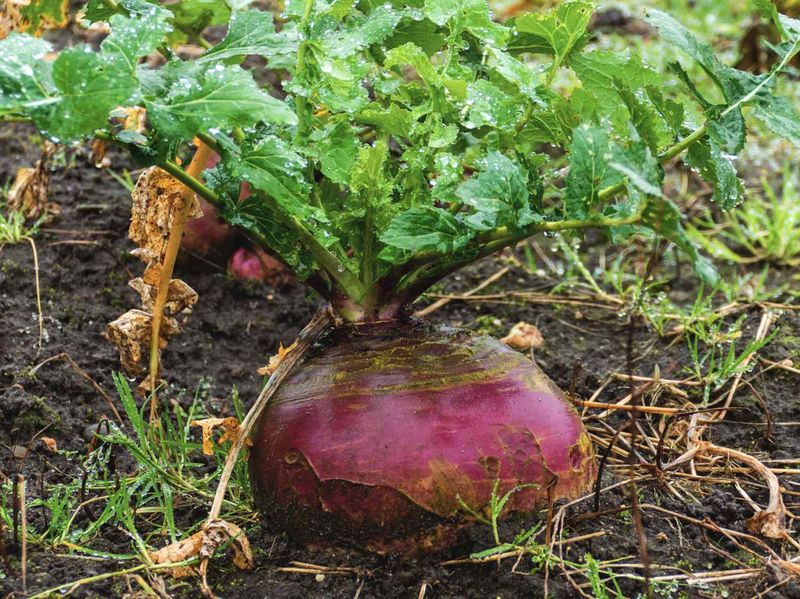
Rutabaga, also known as “Swede,” is a root vegetable rich in vitamin C, potassium, and fiber. It supports immune function and may help improve digestion.
With a sweet, earthy flavor, rutabagas can be roasted, mashed, or added to soups. They thrive in cool climates and are a great choice for fall planting.
Fun fact: Rutabaga is a cross between a cabbage and a turnip! Growing rutabagas in your garden provides a unique, flavorful vegetable for your culinary adventures.
25. Sorrel
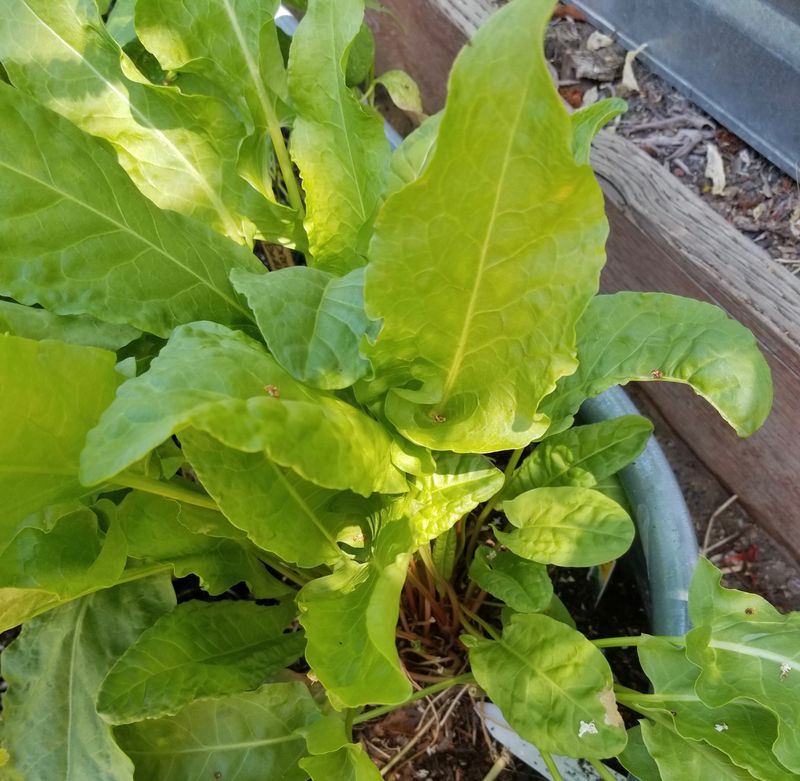
Sorrel, with its tangy, lemony flavor, is a leafy green packed with vitamins A and C, as well as iron and calcium. It supports eye health and boosts immunity.
Sorrel leaves can be added to salads, soups, or sauces for a zesty kick. It thrives in well-drained soil and prefers partial shade.
Did you know? Sorrel has been used in European cuisine for centuries, particularly in French cooking. Adding sorrel to your garden brings a touch of European flair to your dishes.
26. Kohlrabi
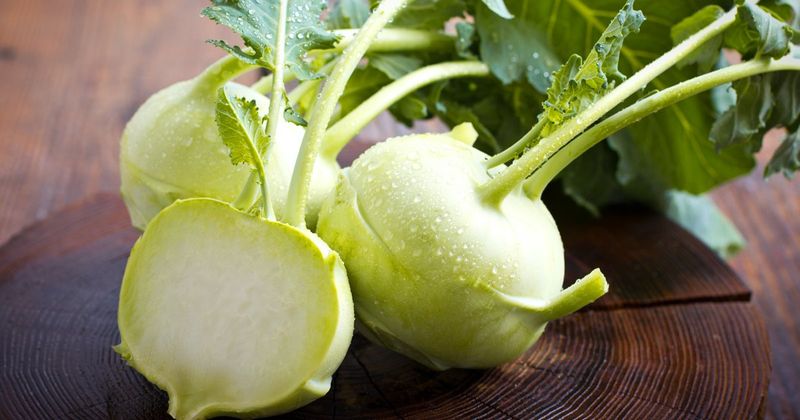
Kohlrabi, with its unique appearance, is a member of the cabbage family rich in vitamin C, potassium, and fiber. It supports immune health and aids digestion.
Kohlrabi can be eaten raw, roasted, or added to slaws. It grows well in cool climates and is perfect for spring and fall gardens.
Quirky fact: The name “kohlrabi” comes from the German words for cabbage (kohl) and turnip (rabi). Growing kohlrabi in your garden adds a crunchy, nutritious vegetable to your meals.
27. Celery
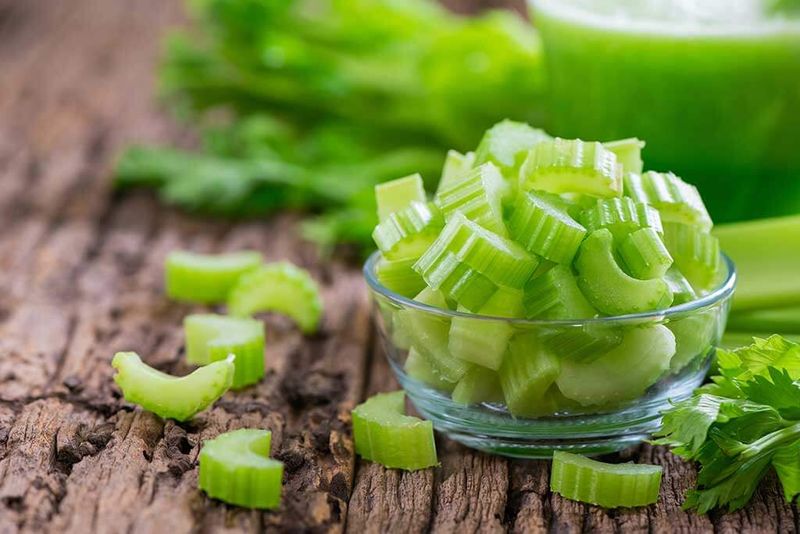
Celery, with its crisp stalks, is a low-calorie vegetable rich in vitamins A, K, and C, as well as fiber. It supports hydration and aids in digestion.
Celery can be eaten raw, added to soups, or used as a base for juices. It thrives in well-drained soil and requires consistent moisture for optimal growth.
Did you know? Celery was first used as a medicinal plant by ancient civilizations. Including celery in your garden ensures a fresh supply for healthy snacks and meals.
28. Chard
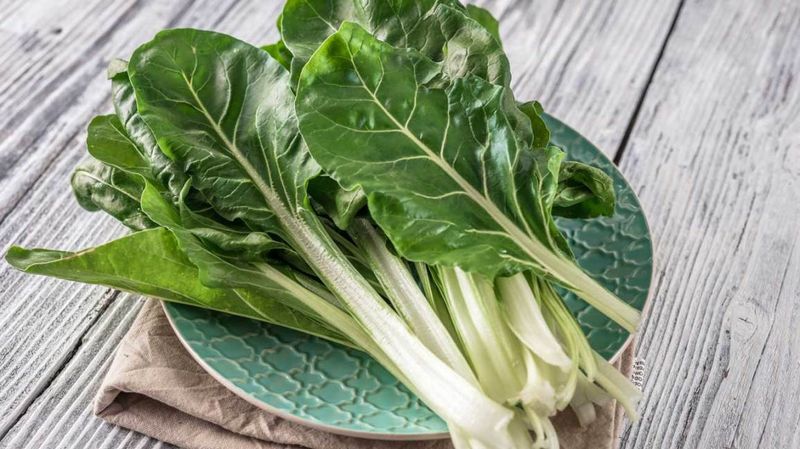
Chard, often called “rainbow chard,” is a nutrient-dense vegetable rich in vitamins K, A, and C, as well as magnesium and iron. It supports bone health and boosts immunity.
With its slightly bitter taste, chard is perfect for sautés and salads. It thrives in cool weather and can be harvested multiple times during the growing season.
Fun fact: Chard was prized by ancient Greeks and Romans for its medicinal properties. Growing chard in your garden adds both color and nutrition to your meals.
29. Endive
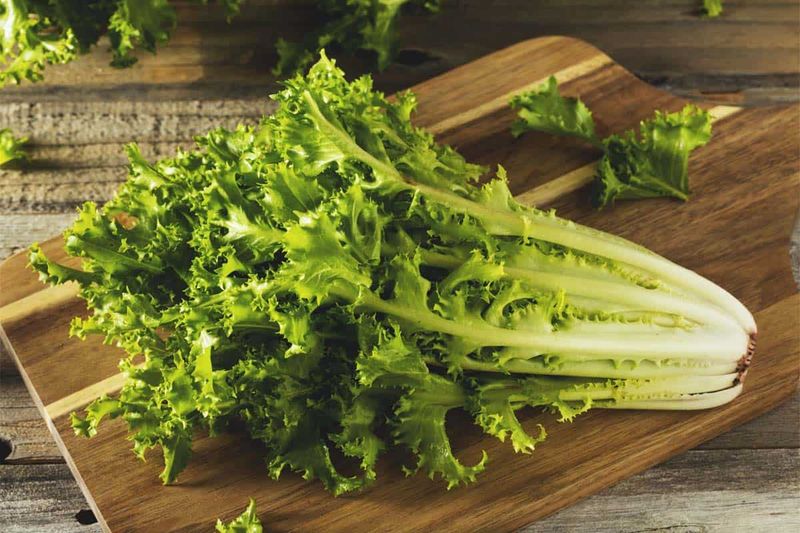
Endive, with its crisp texture and slightly bitter flavor, is a leafy green rich in vitamins A, C, and K, as well as fiber. It supports digestive health and boosts immunity.
Endive leaves are great for salads or as a crunchy addition to sandwiches. It thrives in cool climates and is perfect for fall planting.
Did you know? Endive is part of the chicory family and has been cultivated since the 16th century. Growing endive in your garden offers a nutritious, flavorful green for your dishes.
30. Okra
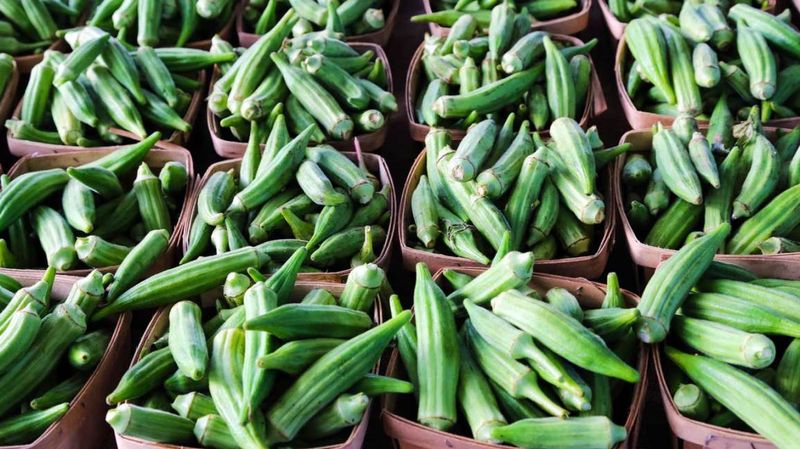
Okra, also known as “lady’s finger,” is a warm-season vegetable rich in vitamins C and K, folate, and fiber. It supports heart health and aids digestion.
With its unique texture, okra can be fried, pickled, or added to stews. It thrives in warm climates and requires full sun for optimal growth.
Fun fact: Okra was brought to the Americas by enslaved Africans and has since become a staple in Southern cuisine. Growing okra in your garden adds both history and flavor to your meals.
31. Parsnips
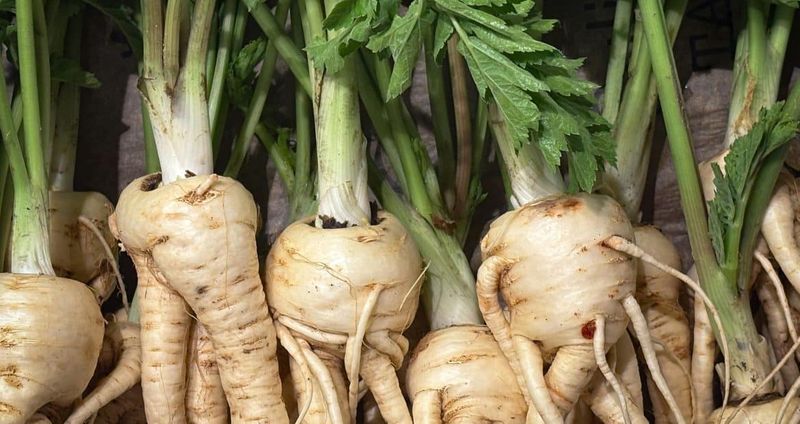
Parsnips, with their sweet, nutty flavor, are a root vegetable rich in vitamins C, K, and folate. They support heart health and aid in digestion.
Parsnips can be roasted, mashed, or added to soups. They thrive in cool climates and are a great choice for fall planting.
Did you know? Parsnips were once a European staple before the potato was introduced. Growing parsnips in your garden offers a delicious, nutritious alternative to potatoes.
32. Mustard Greens
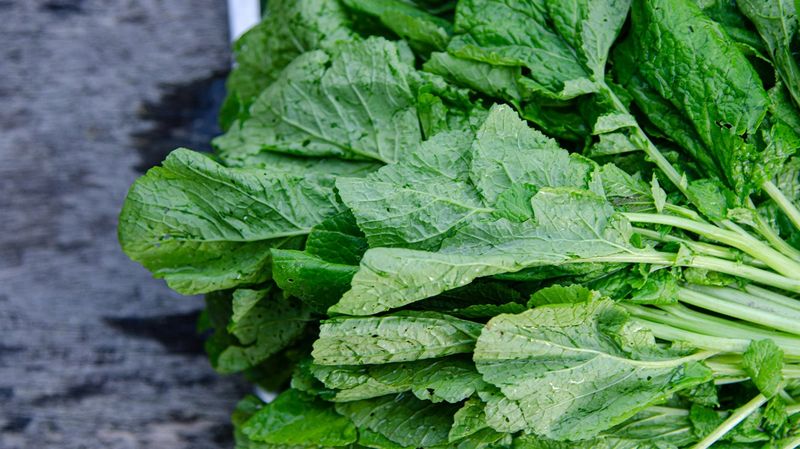
Mustard greens, with their peppery flavor, are nutrient-rich leafy greens high in vitamins A, C, and K, as well as calcium and antioxidants. They support bone health and boost immunity.
Perfect for salads or sautés, mustard greens thrive in cool climates and are frost-tolerant, making them ideal for fall gardens.
Fun fact: Mustard greens have been used in Asian cuisine for thousands of years and are a staple in Southern cooking. Adding them to your garden brings both flavor and nutrition to your dishes.
33. Watercress

Watercress, with its peppery taste, is a leafy green rich in vitamins A, C, and K, as well as calcium and iron. It supports bone health and boosts immunity.
Watercress can be added to salads, sandwiches, or soups for a zesty kick. It thrives in wet environments, making it perfect for a garden near water.
Interesting fact: Watercress was a staple in the diets of ancient Greeks and Romans. Including watercress in your garden adds a nutritious, historical green to your meals.
34. Dandelion Greens
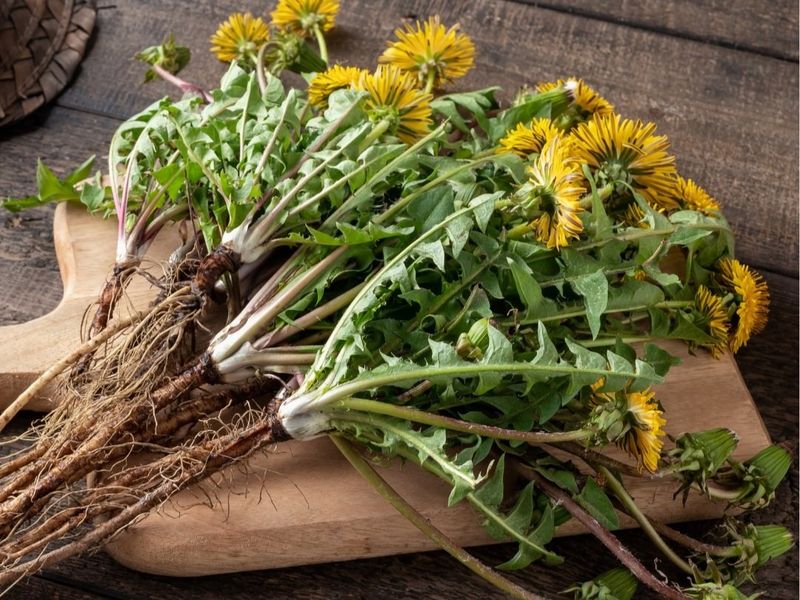
Dandelion greens, often considered weeds, are nutrient-rich leafy greens packed with vitamins A, C, and K, as well as calcium and iron. They support liver health and aid in detoxification.
With their bitter flavor, dandelion greens can be added to salads or smoothies. They grow easily in various environments and can be harvested throughout the growing season.
Did you know? Dandelions have been used in traditional medicine for centuries. Adding dandelion greens to your garden offers a unique, health-boosting option for your meals.
35. Jerusalem Artichokes
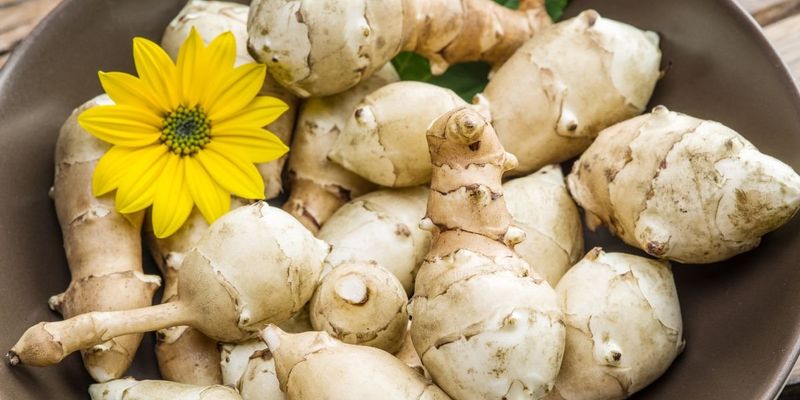
Jerusalem artichokes, also known as “sunchokes,” are tuberous vegetables rich in iron, potassium, and fiber. They support digestive health and help regulate blood sugar levels.
With their nutty flavor, Jerusalem artichokes can be roasted, sautéed, or added to soups. They thrive in well-drained soil and full sun.
Fun fact: Despite their name, Jerusalem artichokes are native to North America. Growing them in your garden provides a unique, nutritious addition to your culinary creations.
36. Mizuna
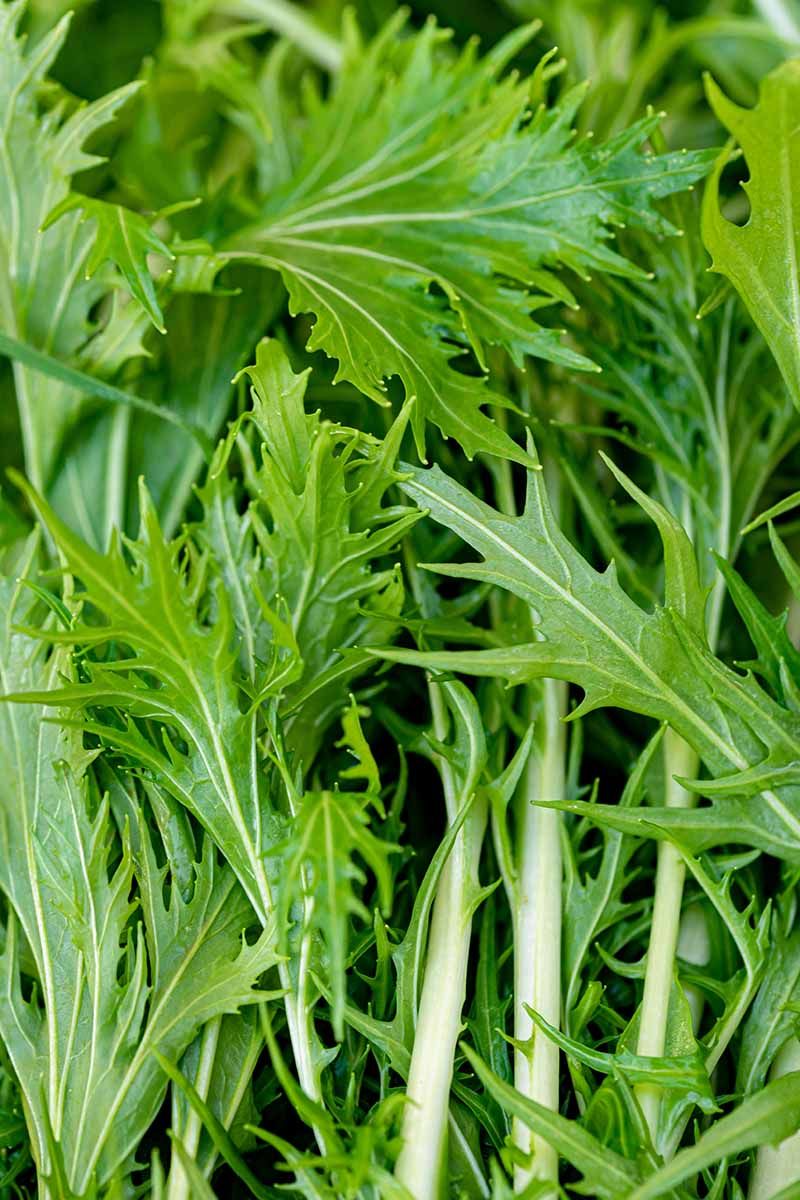
Mizuna, often overshadowed by its leafy counterparts, is a hidden gem in the garden. With its peppery taste and crisp texture, it offers a delicious twist to salads and stir-fries. Packed with antioxidants like vitamin C and beta-carotene, Mizuna supports immune health and skin vitality.
Rich in folate and iron, it aids in red blood cell production and boosts energy levels. Mizuna is also low in calories, yet high in fiber, making it an excellent choice for those looking to maintain a healthy weight.
Did you know? Mizuna is a staple in Japanese cuisine, often found in soups and hot pots, bringing a burst of health to every meal.