
In the world of gardening, certain plants are hailed as pest-resistant champions. However, appearances can be deceiving. While some plants are almost universally avoided by garden pests, others touted for their pest-repelling properties can still fall victim to critters. This list explores six plants that, despite their reputation, often become pest snacks, and four that truly keep bugs at bay.
1. Marigolds
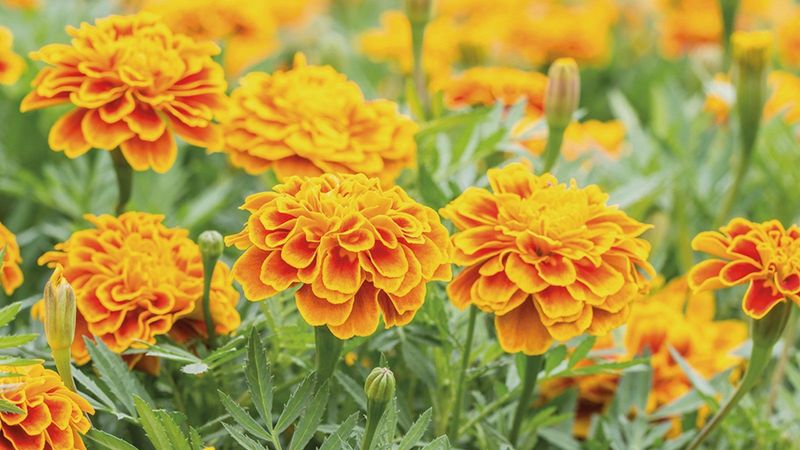
Marigolds are often celebrated for their pest-repelling abilities, particularly against nematodes, aphids, and whiteflies. However, they are not completely invincible. In reality, these bright blooms can attract slugs, snails, and spider mites.
The irony lies in their supposed invincibility, as these pests see marigolds as a delightful snack. Planting marigolds as trap crops can redirect pests away from more vulnerable plants.
Interestingly, marigolds thrive in sunny areas and can brighten any garden, but their allure to certain pests remains a challenge for gardeners.
2. Lavender
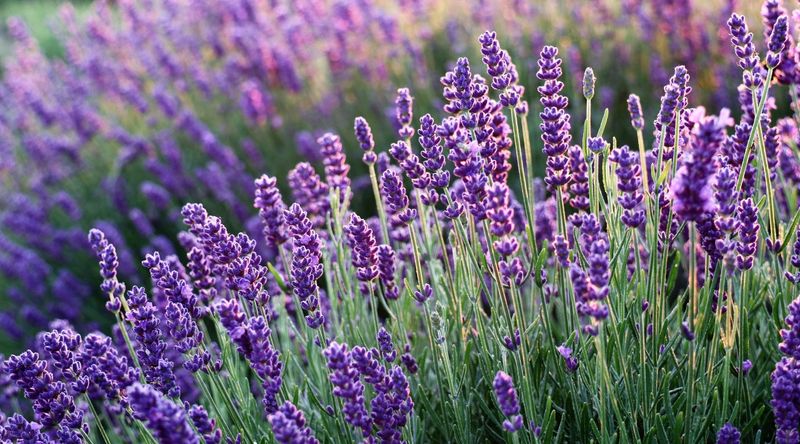
Lavender is cherished for its soothing scent and pest-repelling reputation. Known to deter mosquitoes, moths, and fleas, it’s often seen as a safeguard in gardens. Yet, during dry seasons, lavender can fall prey to hungry rabbits and deer.
Its aromatic allure becomes its downfall when these animals seek moisture-rich plants. Despite this, lavender remains a garden favorite due to its calming fragrance and vibrant purple blooms.
Its dual nature of attraction and repulsion adds an intriguing element to its presence in any landscape.
3. Rosemary
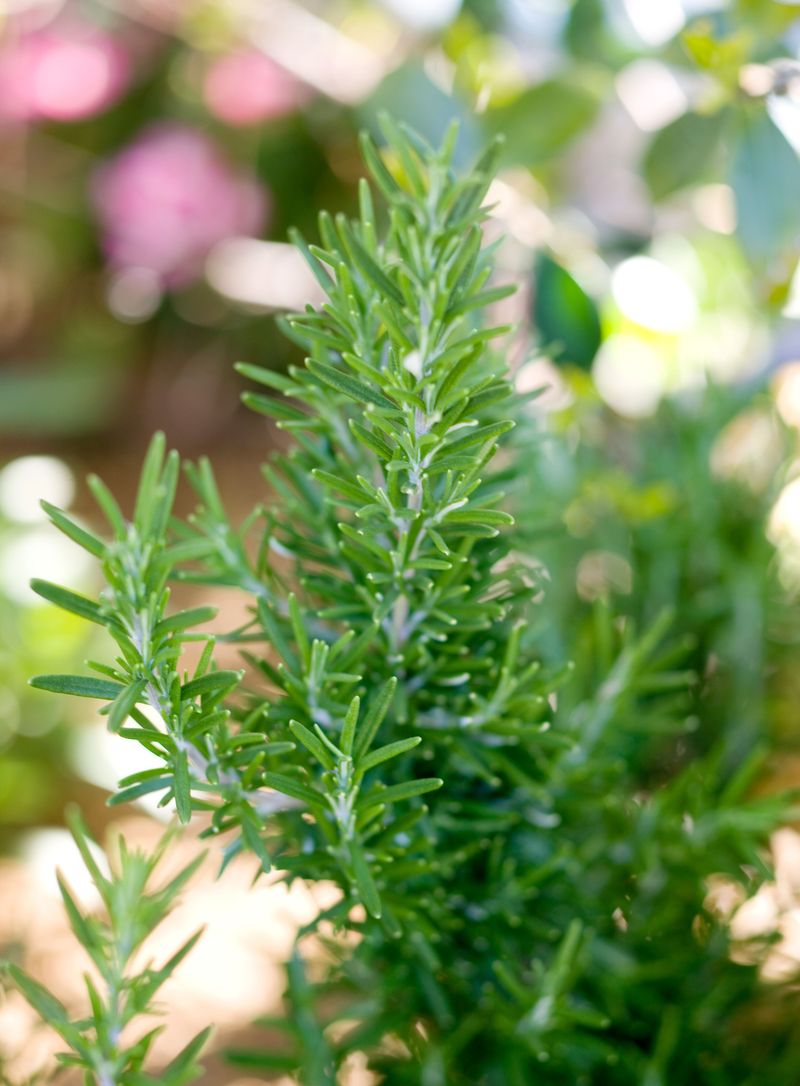
Rosemary’s robust aroma is a known deterrent for carrot flies and cabbage moths. However, in hot, dry weather, this Mediterranean herb becomes susceptible to spider mites and whiteflies.
What starts as a fortress of fragrance can quickly become a target for these persistent pests. Rosemary thrives in well-drained soil, making it a staple in culinary and ornamental gardens.
Its resilience is admirable, yet its vulnerability in specific climates is a reminder of nature’s unpredictability.
4. Basil
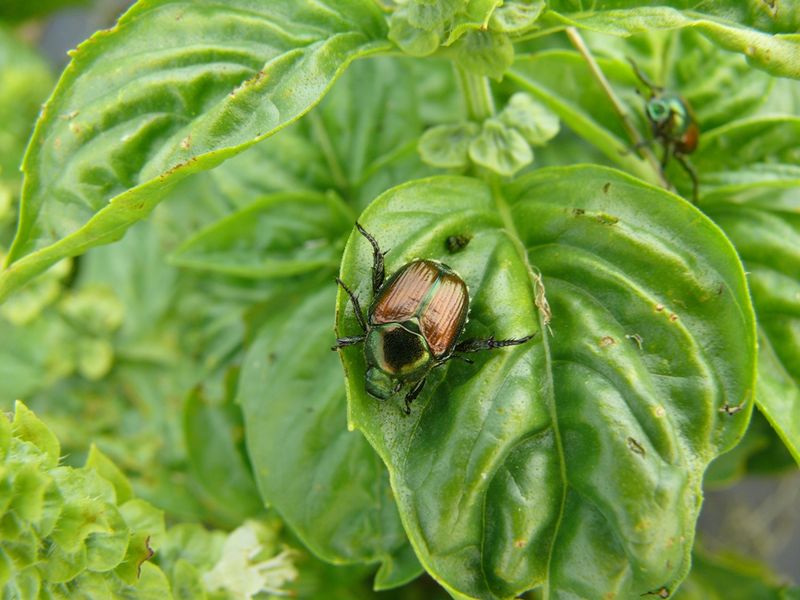
Basil, with its fragrant leaves, is a beloved herb in kitchens and gardens alike. Known to repel thrips, mosquitoes, and tomato hornworms, it seems a gardener’s ally. However, Japanese beetles and slugs find basil irresistible.
This contradiction becomes apparent as these pests feast on its vibrant leaves. Basil’s aromatic charm is undeniable, yet its appeal to certain insects presents an ongoing challenge.
Growing basil requires vigilance, ensuring that its lush growth remains unblemished by its unexpected admirers.
5. Mint
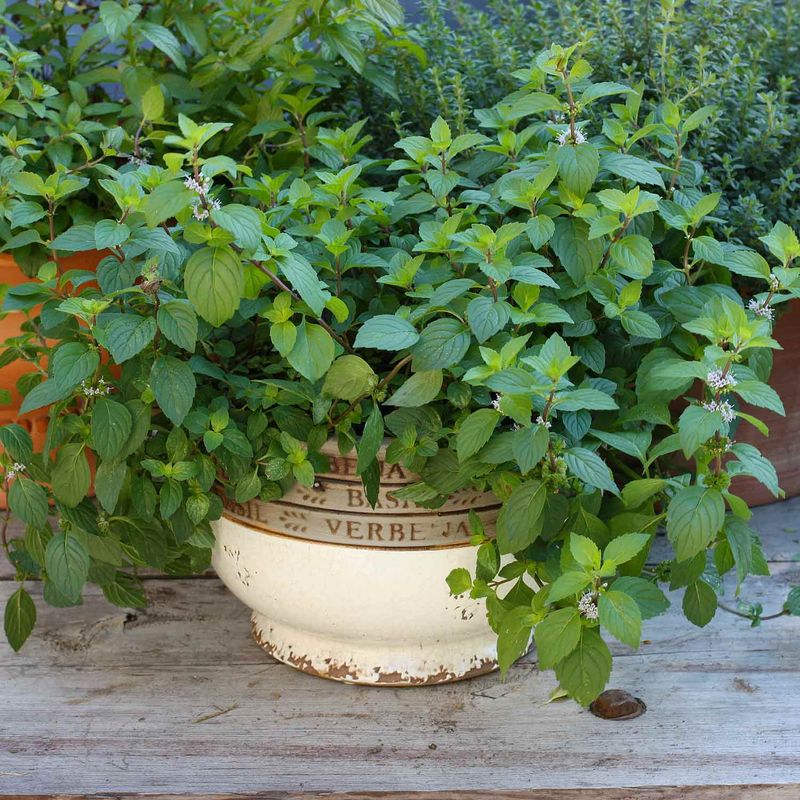
Mint is famously robust, often recommended for repelling ants, mice, and fleas. Its aggressive growth, however, is matched by its susceptibility to aphids and spider mites.
This dynamic creates a paradox where mint, despite its deterrent status, becomes an inviting target. Cultivating mint involves managing its spread to prevent garden domination.
The refreshing scent and culinary versatility of mint maintain its popularity, though gardeners must remain vigilant against its unexpected visitors.
6. Nasturtiums
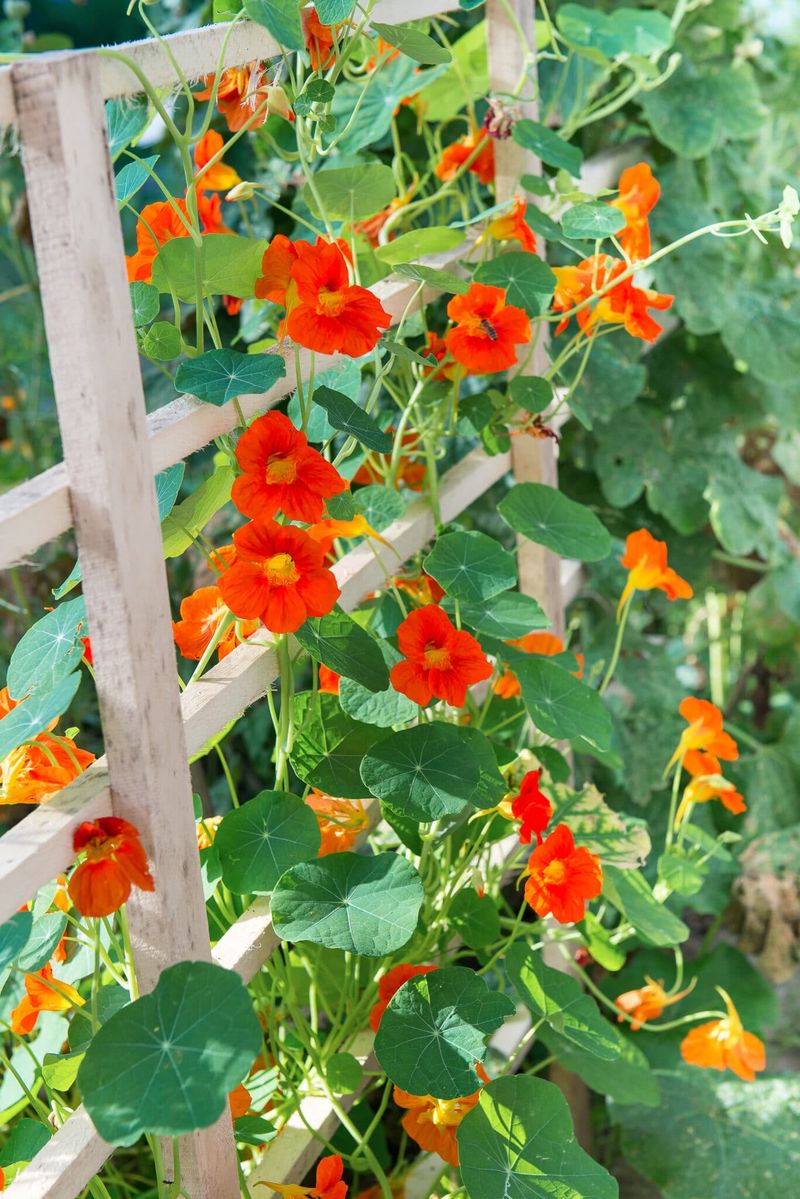
Nasturtiums are adored for their vibrant colors and ability to repel squash bugs and whiteflies. Yet, aphids are inexplicably drawn to them.
This attraction turns nasturtiums into effective trap plants, diverting pests from more vulnerable crops. In a garden, nasturtiums add a splash of color while playing a strategic role in pest management.
Their dual function as both repellent and lure embodies the complex interactions within a garden ecosystem.
1. Garlic
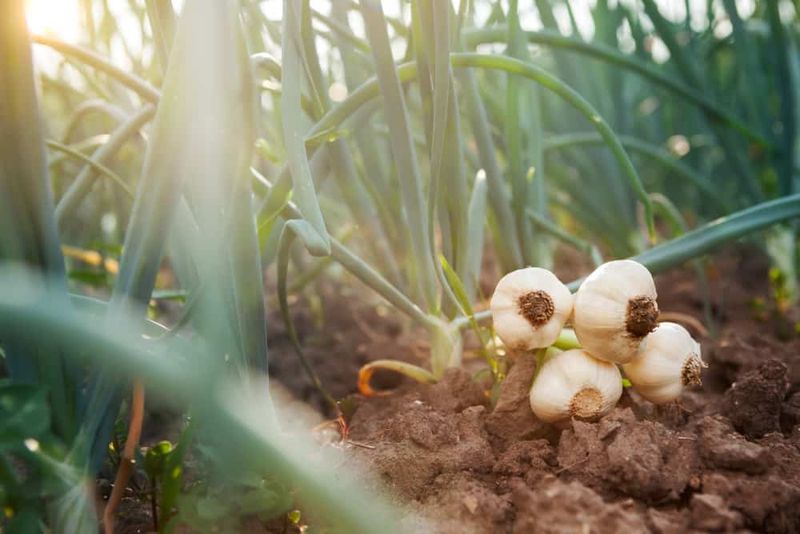
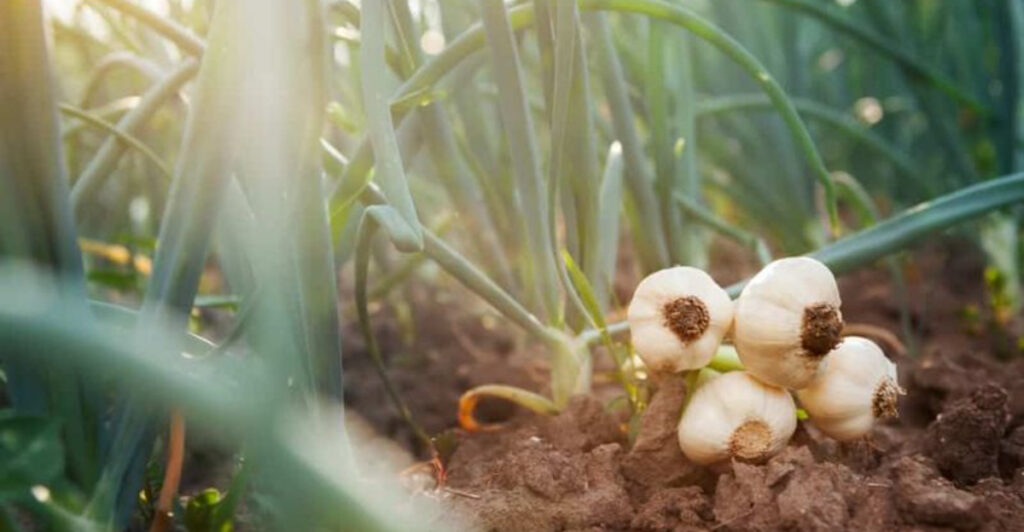
Garlic is a powerhouse in pest prevention, effectively repelling aphids, Japanese beetles, and root maggots. Its pungent aroma acts as a natural shield, providing a protective barrier for nearby plants.
When planted near roses, garlic can help deter black spot fungus, adding another layer of defense. This versatile plant is as beneficial in the garden as it is in the kitchen.
Its storied history and multipurpose use make garlic an essential component of sustainable gardening practices.
2. Chives
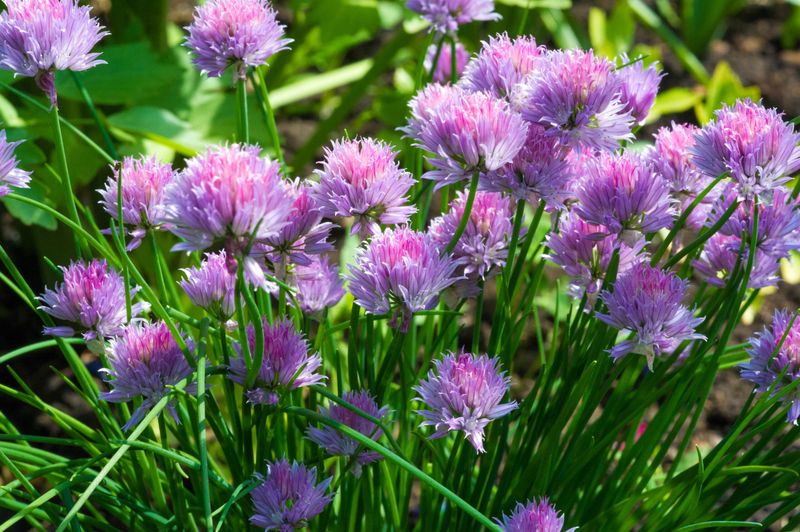
Chives, with their onion-like aroma, repel carrot flies, Japanese beetles, and aphids. This hardy plant not only deters pests but also attracts pollinators with its charming blooms.
The dual functionality of chives enhances garden biodiversity, supporting both plant health and pollinator activity. Its presence in a garden offers a dynamic balance between repelling harmful insects and attracting beneficial ones.
Chives’ culinary and ornamental appeal make them a versatile choice for any gardener seeking natural pest control solutions.
3. Lemongrass
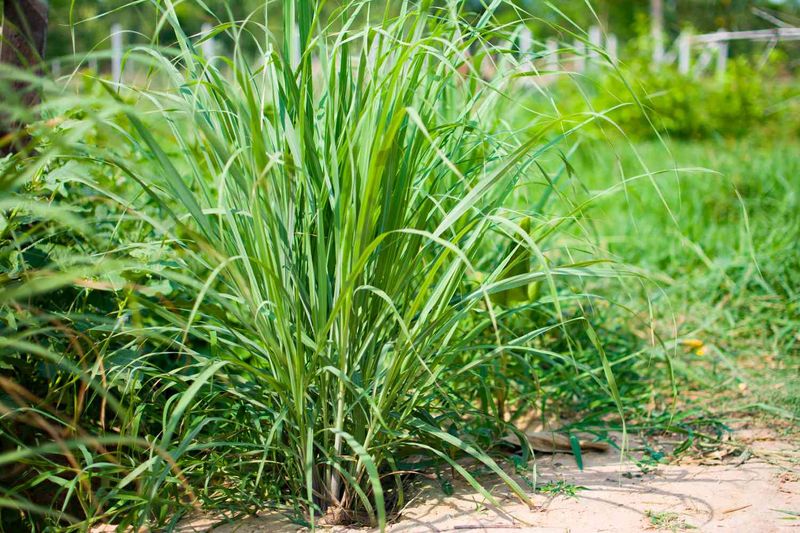
Lemongrass is celebrated for its citronella oil, a natural mosquito repellent. Thriving in heat, it doubles as a culinary herb with a refreshing citrus aroma.
Its tall, lush stalks create a natural barrier against unwanted insects, making it a staple in tropical gardens. Despite its defensive properties, lemongrass requires regular care to maintain its health.
This plant’s dual role in cuisine and pest management reflects its versatility, making it a valuable addition to any eco-conscious garden.
4. Wormwood (Artemisia)
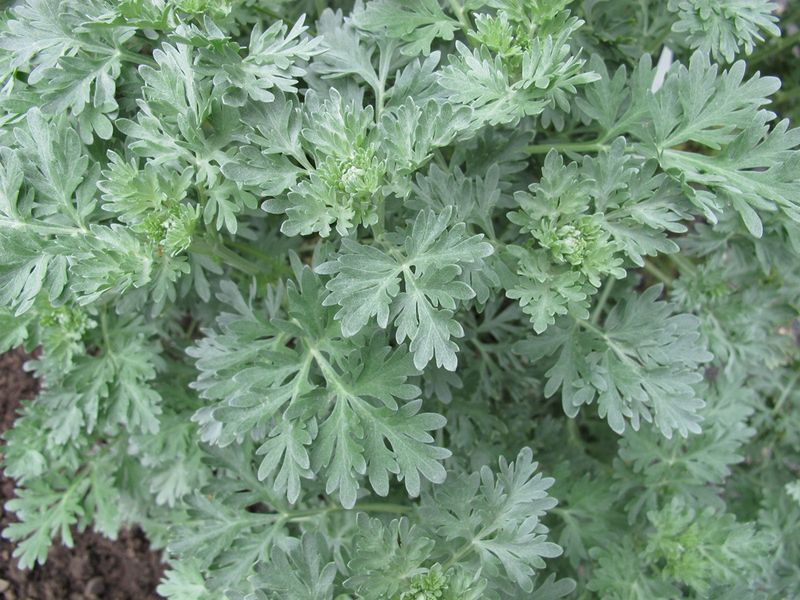
Wormwood, known for its silvery leaves, effectively repels moths, slugs, and flea beetles. Its bitter aroma acts as a natural deterrent, safeguarding surrounding plants.
However, wormwood is toxic if ingested, necessitating caution around pets and livestock. Its ornamental appeal is complemented by its protective qualities, making it a unique addition to any garden.
The dual nature of wormwood, both alluring and repellent, highlights its complex role in pest control and plant aesthetics.