
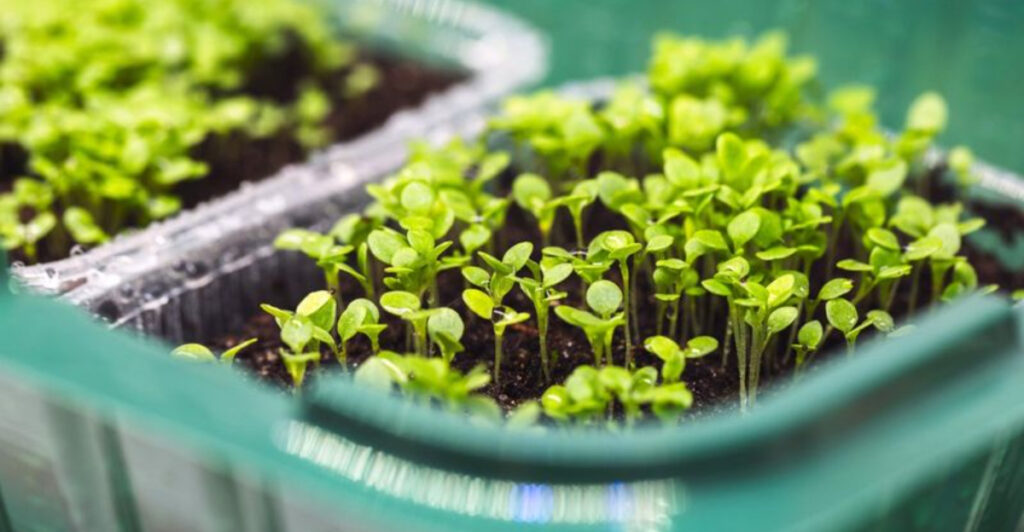
Starting seeds indoors can be both an exciting and challenging endeavor for gardening enthusiasts. However, many common mistakes can hinder success and even prevent seeds from sprouting. In this article, we’ll explore seven critical seed-starting mistakes and how to avoid them, ensuring your plants get the best possible start.
1. Using Old or Poor-Quality Seeds
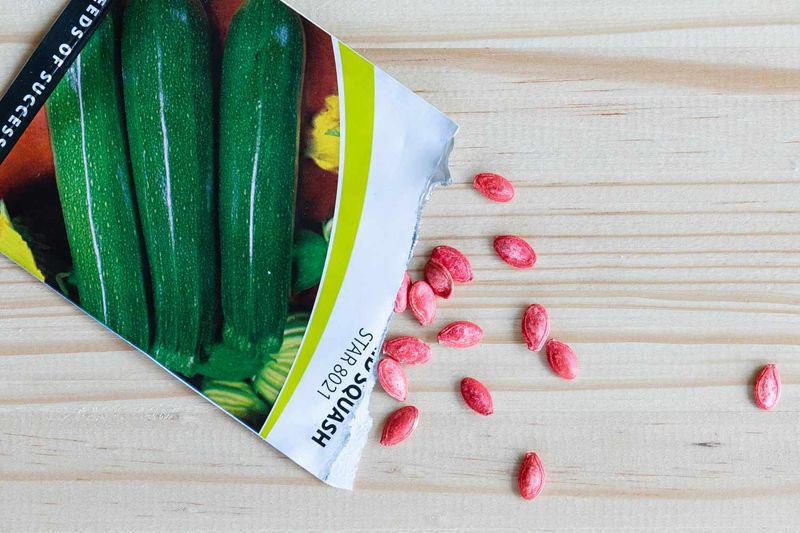
Over time, seeds lose their vitality. Imagine planting, only to be met with empty pots. Check the ‘packed for’ date on your seed packets; most seeds last between one to three years. To test older seeds, place ten seeds between damp paper towels. If fewer than five sprout, consider buying fresh seeds. Keep your seeds viable by storing them in a cool, dry place.
2. Planting Too Deep (or Too Shallow)
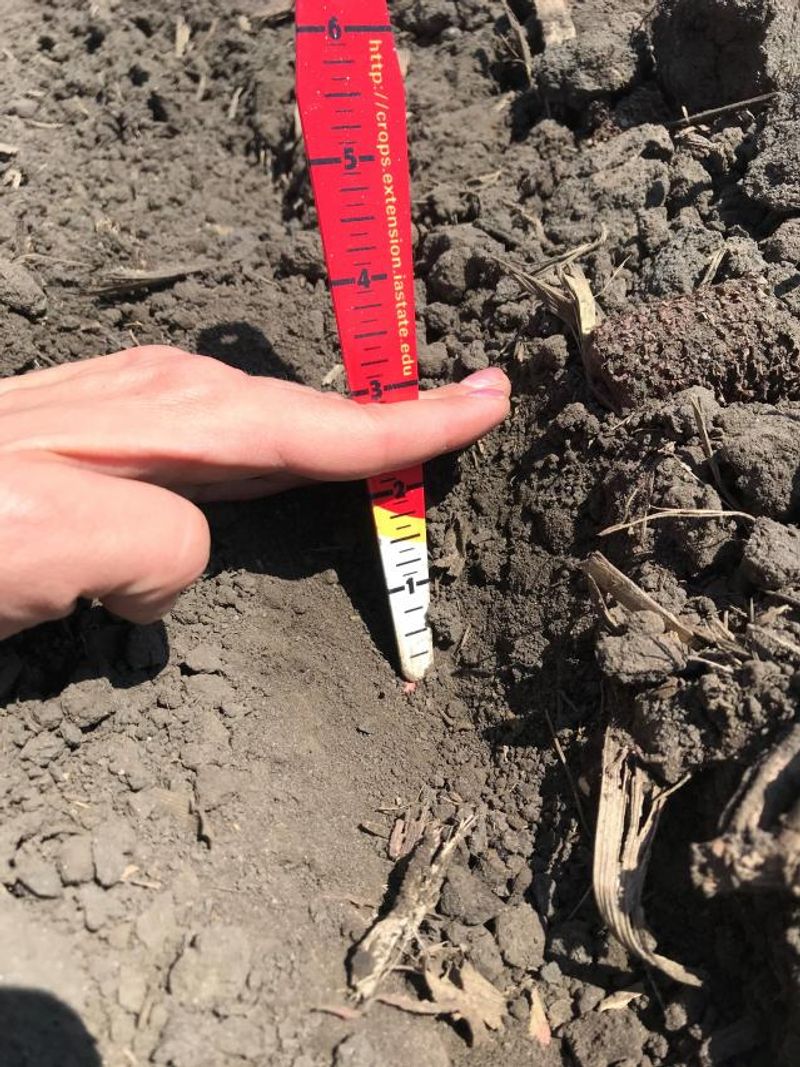
Seed planting depth is crucial. If too deep, seeds may suffocate; too shallow, they risk drying out. A good rule? Plant seeds at twice their diameter. Tiny lettuce seeds should be barely covered, while larger beans can go an inch deep. Visualize seeds cozy, not cramped.
3. Overwatering (Drowning the Seeds)
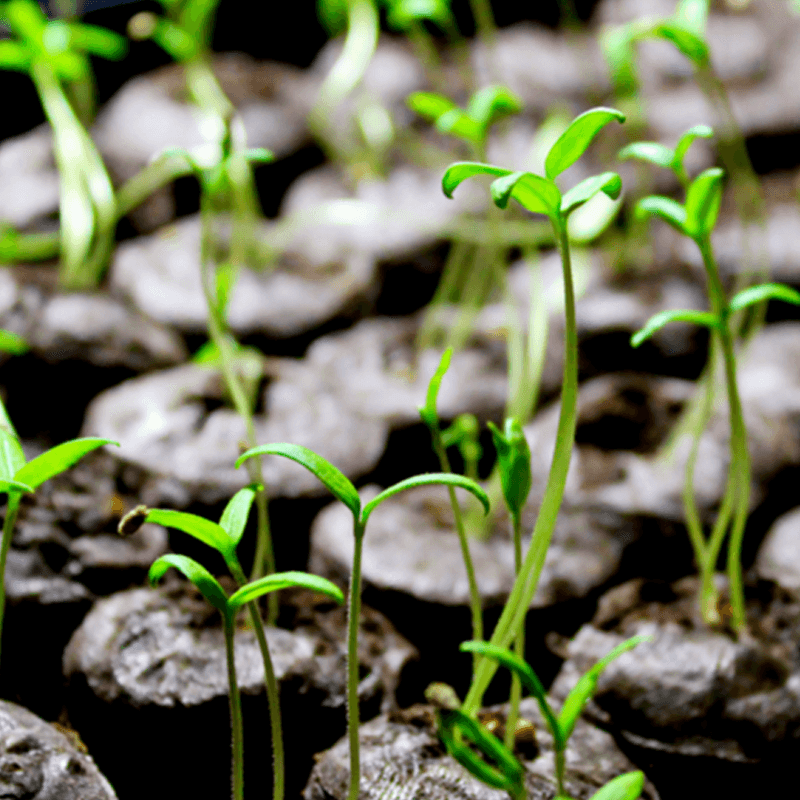
Watering is an art. Too much, and seeds rot; too little, they parch. At planting, water lightly. Thereafter, mist to maintain moisture, avoiding sogginess. A spray bottle works wonders, offering control. Bottom-watering trays are also effective, preventing surface saturation. Remember, moderation is key.
4. Not Enough Light (Spindly, Weak Seedlings)
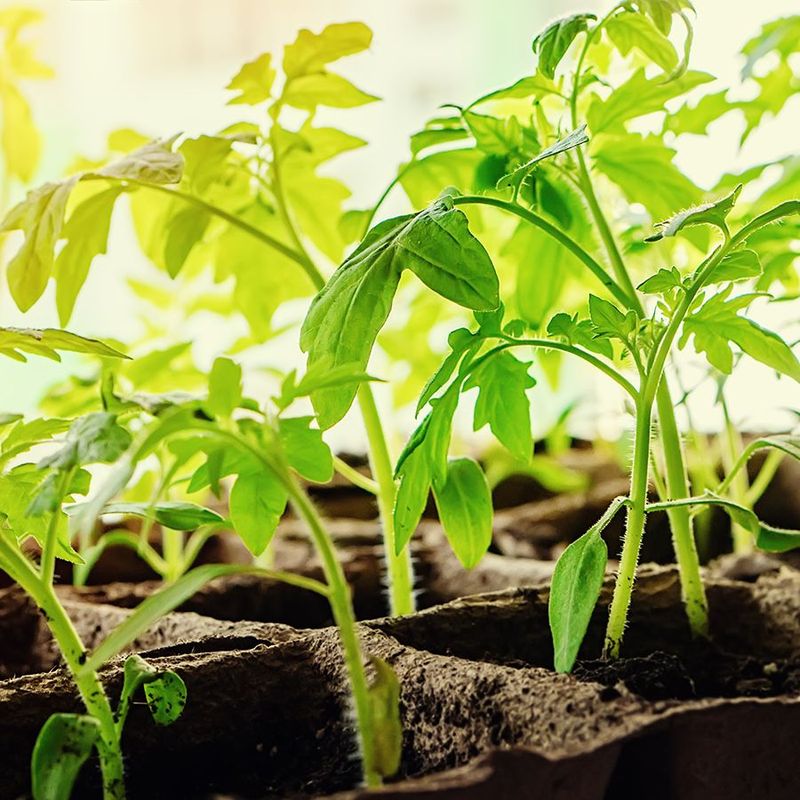
Light is life for seedlings. Without it, they stretch towards the sun, becoming weak and leggy. Ensure bright, direct light, either from a south-facing window or grow lights positioned 2-4 inches above plants. Keep them lit for 14-16 hours daily. This nurtures robust growth and vitality.
5. Skipping Heat Mats for Warm-Season Crops
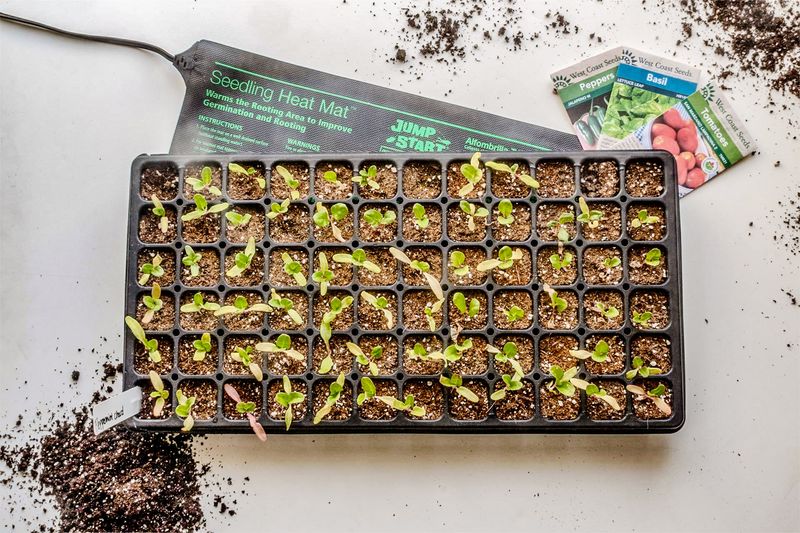
Heat-loving crops like peppers, tomatoes, and eggplants need warmth to thrive. Picture seeds in chilly soil, struggling to germinate. A seedling heat mat provides the needed warmth, maintaining soil temperatures between 75-85°F. This simple step can make all the difference in emergence success.
6. Crowding Seeds (Competition = Weaklings)
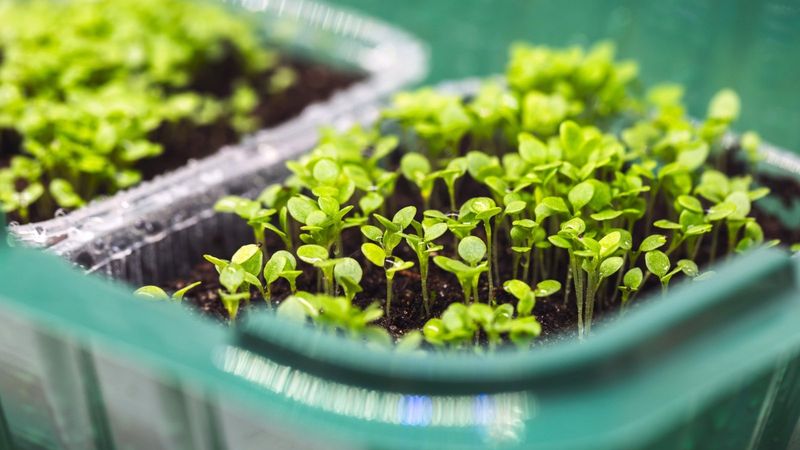
Crowded conditions lead to competition for light and nutrients. Roots entangle, seedlings suffer. Follow spacing guidelines or be ruthless with thinning. Picture individual plants flourishing, not jostling for survival. Proper spacing fosters healthy growth and strong plants.
7. Ignoring Hardening Off (Transplant Shock)
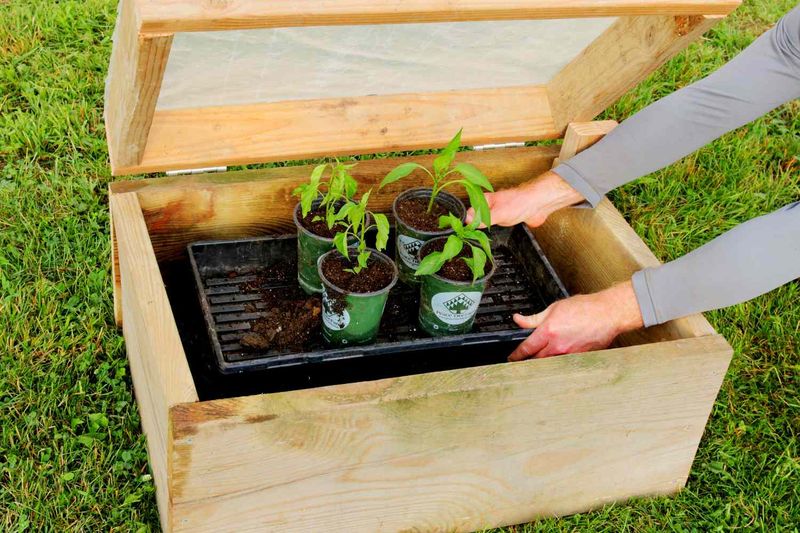
Sudden outdoor exposure can shock tender seedlings. Transition gradually by hardening off. Start with an hour in the shade, increasing sun exposure daily over 7-10 days. Visualize robust plants, acclimated and ready to face the elements.