 Complete Gardening
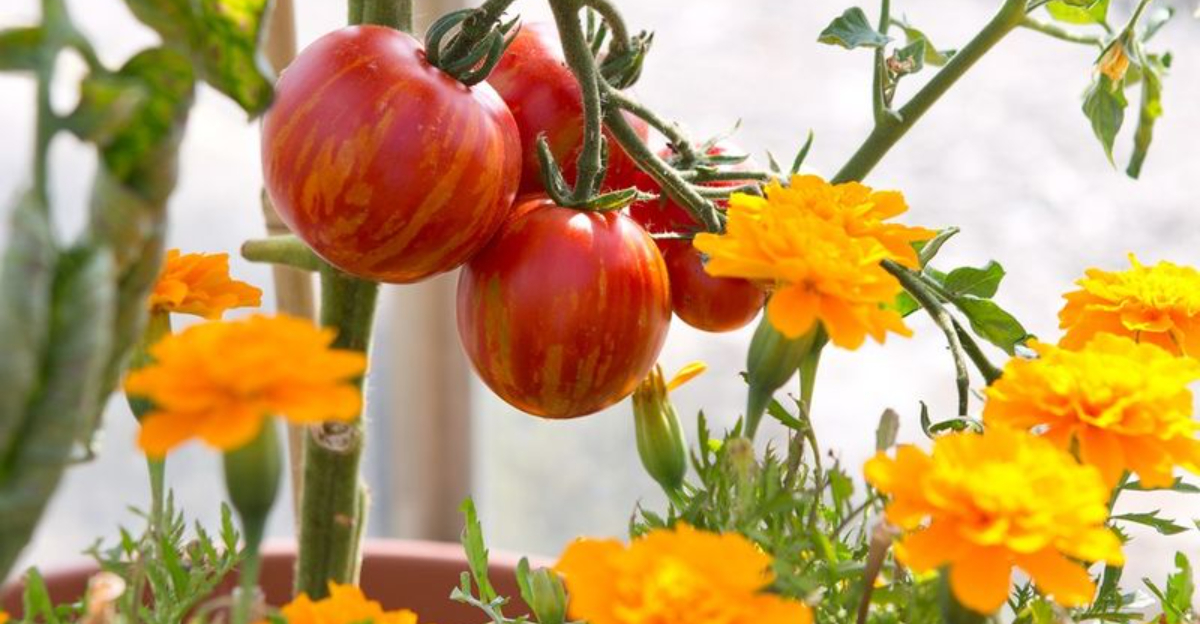
Explore effective and ineffective natural pest control methods. Discover 15 proven tricks to keep pests away using natural methods, from diatomaceous earth to attracting birds. Also, learn about 5 so-called remedies that actually don’t work and could waste your time.
1. Diatomaceous Earth
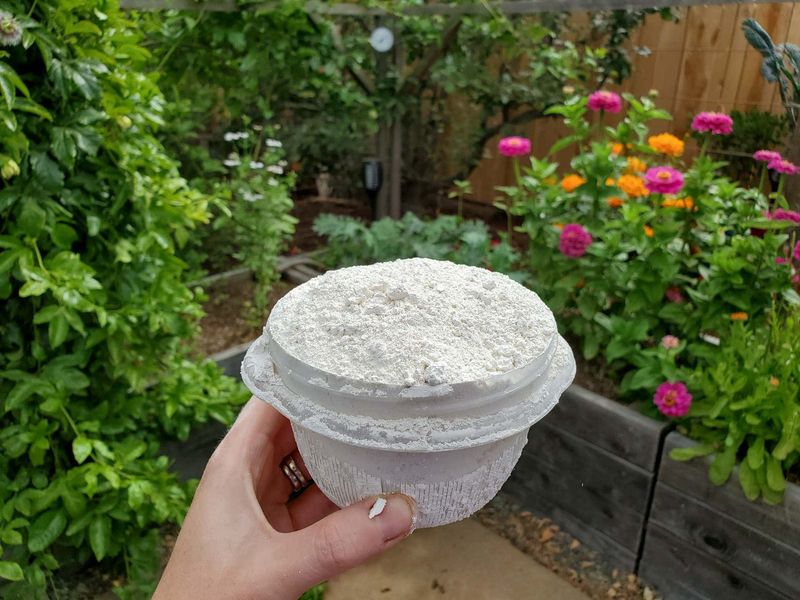
With tiny, sharp particles, diatomaceous earth is nature’s answer to pesky soft-bodied bugs like ants, slugs, and aphids. It works by physically cutting through their exoskeletons, causing dehydration. The trick lies in reapplying it after rain, as water neutralizes its effectiveness. Sprinkle this powder around the garden for a simple, natural barrier against unwanted visitors. Not only is it non-toxic to humans and pets, but it also enriches the soil as it breaks down. A hidden gem in organic gardening, it provides both protection and nourishment, making it a favorite among eco-conscious gardeners.
2. Neem Oil Spray
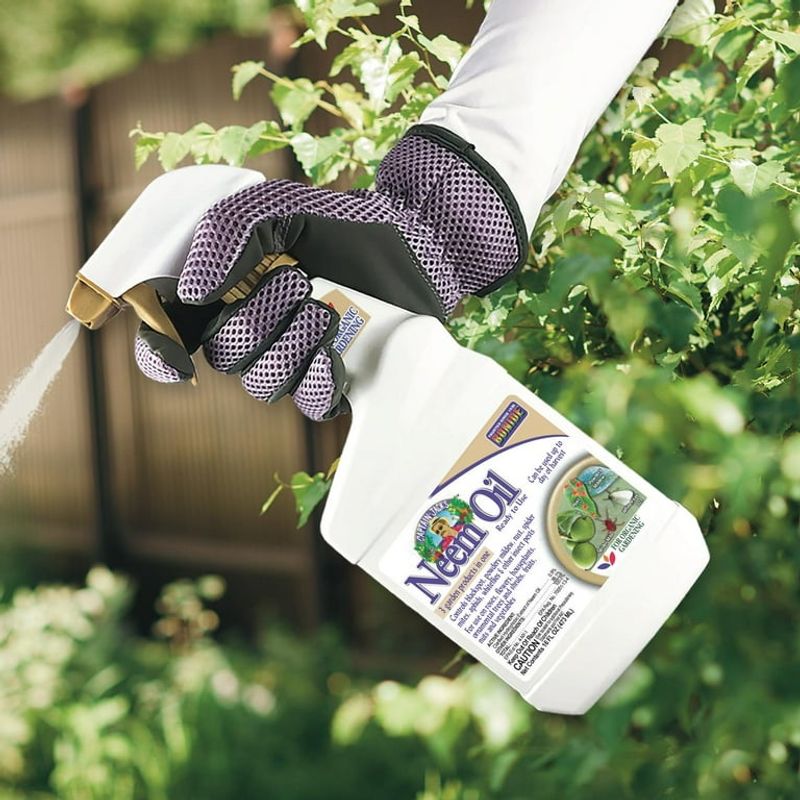
Neem oil, derived from the seeds of the Neem tree, is a powerhouse against over 200 insect species. It disrupts their hormonal balance, preventing them from feeding and reproducing. Mixing one teaspoon of neem oil with a liter of water and a drop of dish soap creates an effective spray. Apply this concoction to affected plants, ensuring thorough coverage. As a trusted weapon in organic gardening, neem oil offers a sustainable way to combat pests. It’s a versatile tool in the gardener’s arsenal, safe for beneficial insects when applied carefully.
3. Beer Traps for Slugs
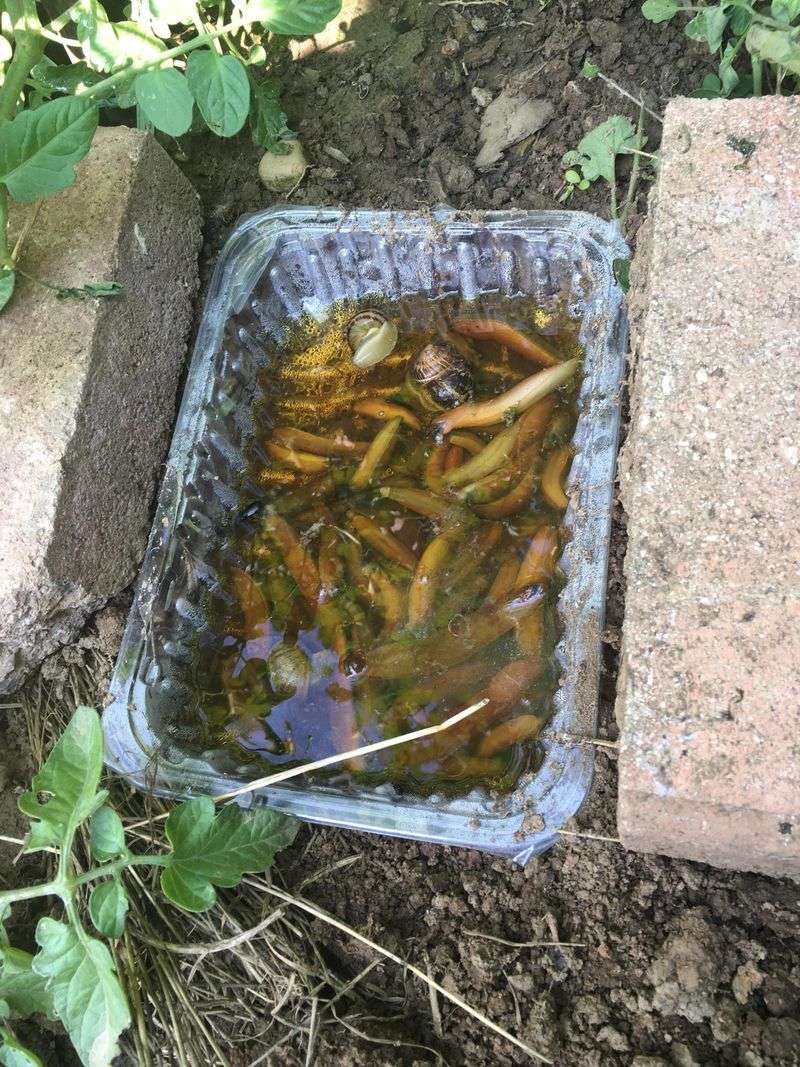
Slugs, the notorious garden gluttons, can’t resist the allure of beer. By burying a cup filled with beer in the garden, you’re setting a trap they can’t escape. The smell attracts them, and they’ll crawl in, ultimately drowning. It’s an oddly effective method that requires minimal effort and expense. Set it at night and let the magic happen. This old-time trick continues to win the hearts of gardeners worldwide, proving that sometimes, the simplest solutions are the most effective in managing garden pests.
4. Ladybugs
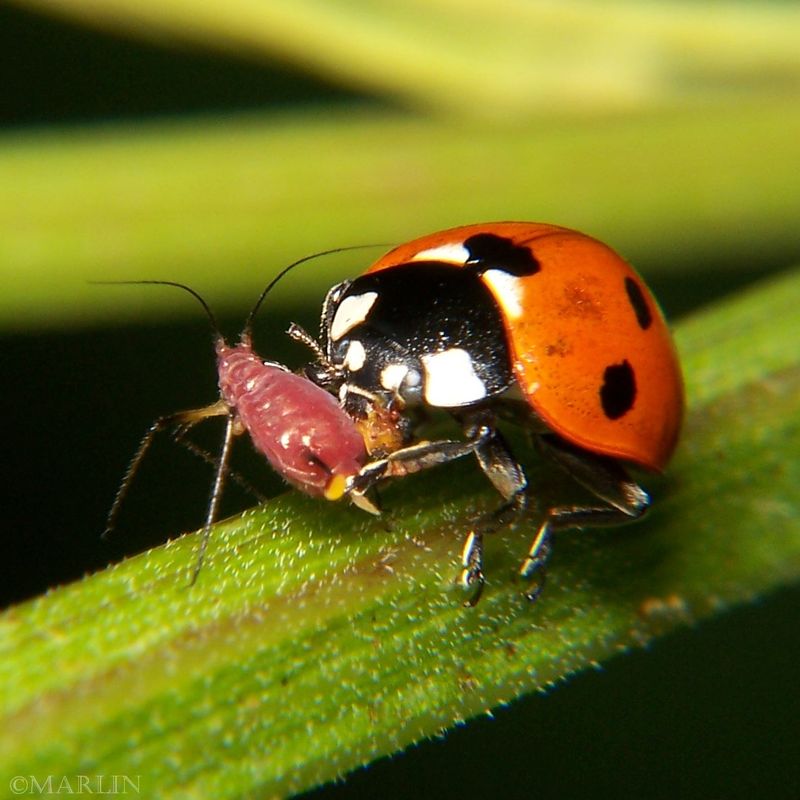
The charming ladybug, a gardener’s best friend, acts as a natural aphid exterminator. With the ability to consume up to 5,000 aphids in its lifetime, releasing ladybugs in your garden means fewer aphid infestations. Ladybugs are not only effective but also delightful to watch as they patrol plants. They symbolize a holistic approach to pest control, where nature balances itself. Encouraging ladybugs enhances biodiversity, attracting even more beneficial insects to your garden. A living testament to the power of nature’s own pest control squad.
5. Row Covers
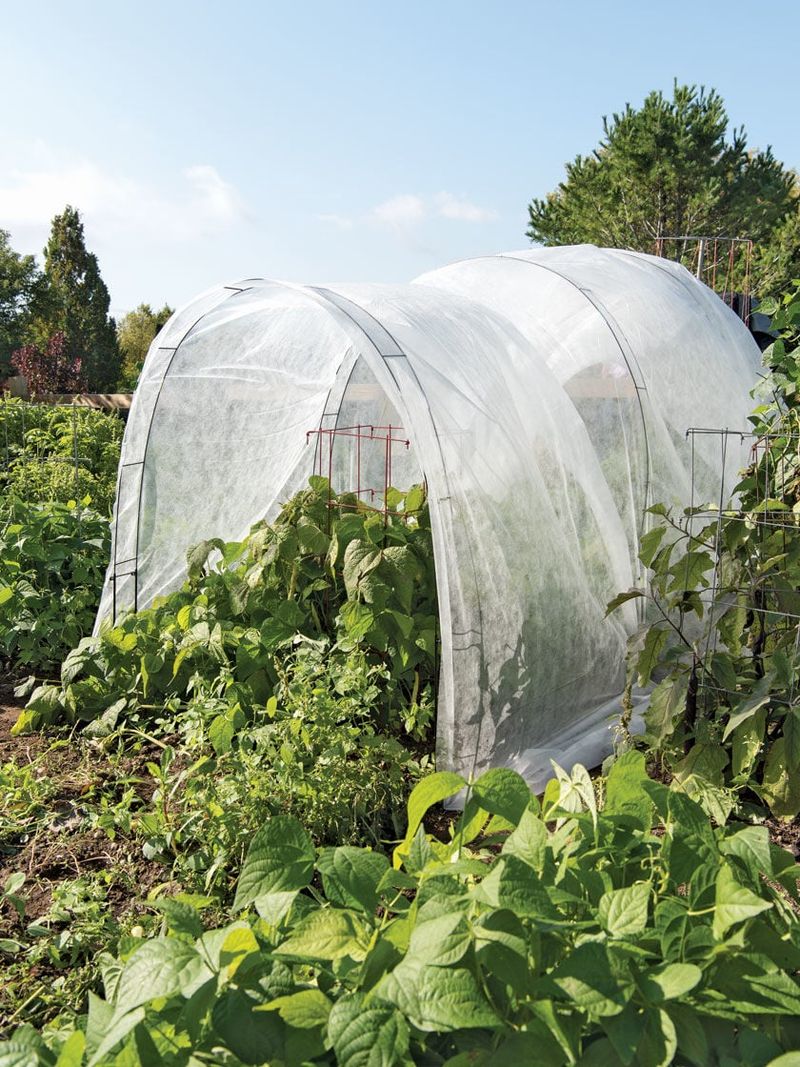
Row covers act as a shield, preventing moths and beetles from reaching your cherished plants. These lightweight fabrics allow sunlight and water to penetrate, ensuring plants continue to thrive. By creating a physical barrier, row covers block pest invasion while fostering a healthy growing environment. They’re a sustainable, reusable solution that fits seamlessly into organic gardening practices. Whether you’re a novice or seasoned gardener, row covers are an essential tool for protecting crops without chemicals, making them a staple in eco-friendly pest management.
6. Garlic/Chili Spray
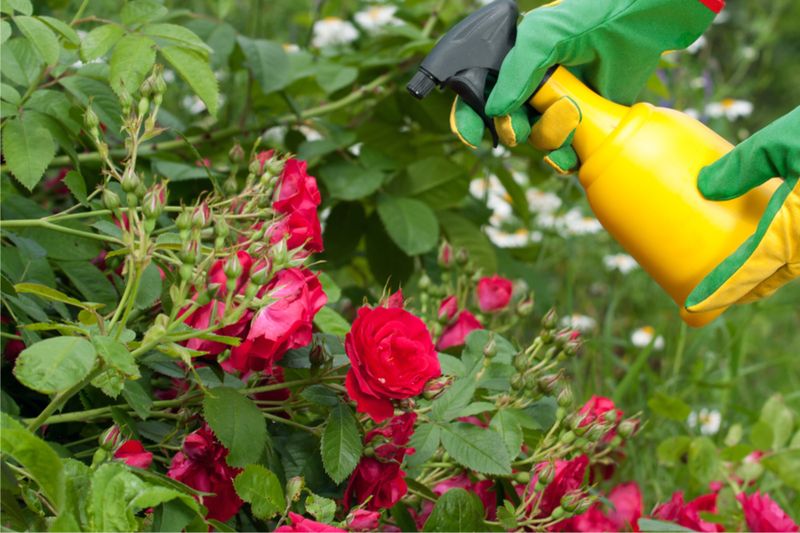
Harness the pungent power of garlic and chili peppers to deter beetles from your garden. This homemade spray is simple to concoct: blend two garlic bulbs and one chili pepper with water, strain, and spray on affected plants. The aroma repels pests, making it a natural alternative to chemical solutions. As an added benefit, it’s safe for beneficial insects and won’t harm the environment. This fiery mixture is a testament to the effectiveness of natural ingredients in protecting your garden, offering a spicy twist to pest control.
7. Companion Planting
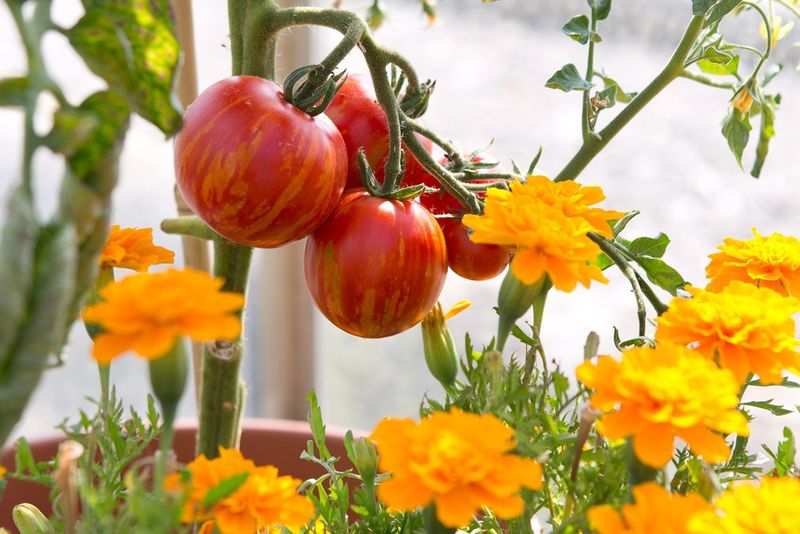
Companion planting, a time-honored tradition, involves strategically pairing plants to bolster pest resistance. Marigolds, with their bright blooms, deter nematodes, while aromatic basil wards off tomato hornworms. This method enhances biodiversity and plant health, creating a balanced ecosystem. By understanding plant relationships, gardeners can reduce the need for chemical interventions. Companion planting isn’t just functional; it also adds visual appeal to gardens. With a little planning, it’s possible to cultivate a harmonious space that thrives naturally, embodying the essence of sustainable gardening practices.
8. Coffee Grounds
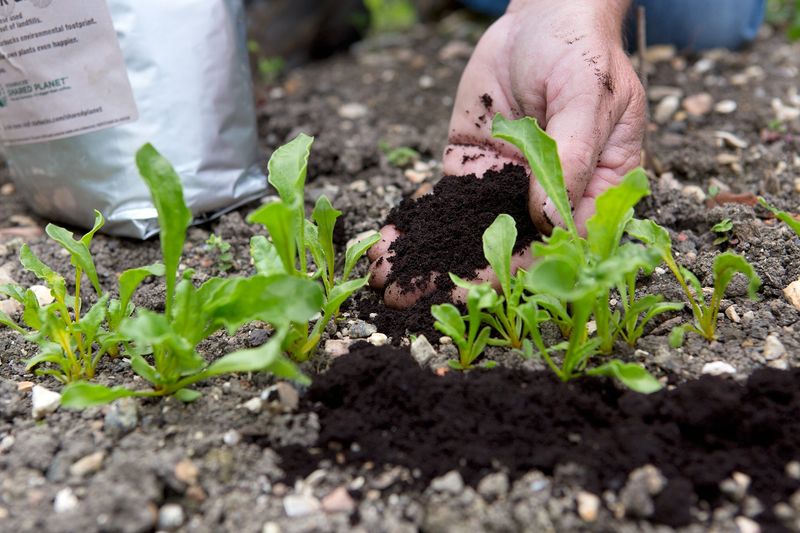
Used coffee grounds aren’t just for the compost bin. When sprinkled around plants, they create a barrier that deters ants and slugs. The abrasive texture is unpleasant for these pests, keeping them at bay. As a bonus, coffee grounds add nitrogen to the soil, promoting healthy plant growth. This dual-purpose solution is a favorite among eco-conscious gardeners seeking to recycle kitchen waste. By repurposing coffee grounds, you’re contributing to a sustainable gardening practice that benefits both your plants and the environment.
9. Yellow Sticky Traps
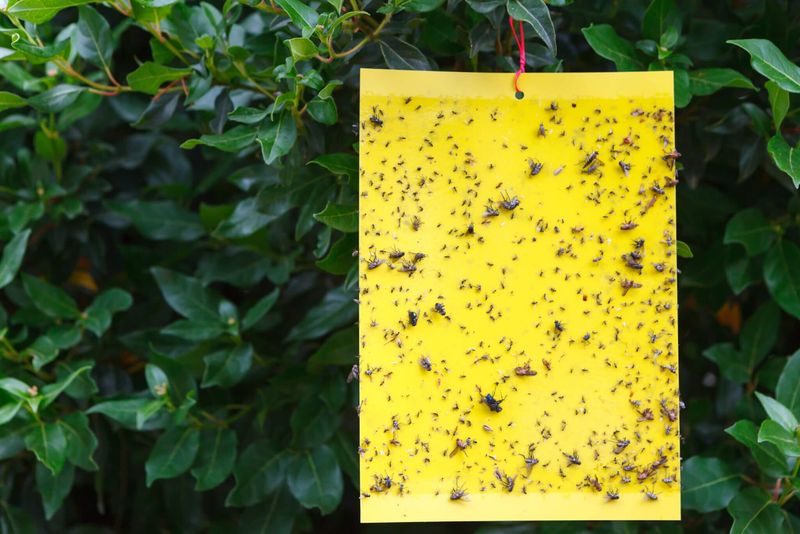
Yellow sticky traps are a simple yet effective method for controlling small flying insects like whiteflies, fungus gnats, and thrips. These traps work by attracting pests with their bright color and trapping them on a sticky surface. Strategically placing these traps around your garden can significantly reduce pest populations. Easy to use and chemical-free, they are an excellent option for those looking to manage pests naturally. Yellow sticky traps offer a visual indicator of pest activity, helping gardeners monitor and adjust their pest control strategies as needed.
10. Beneficial Nematodes
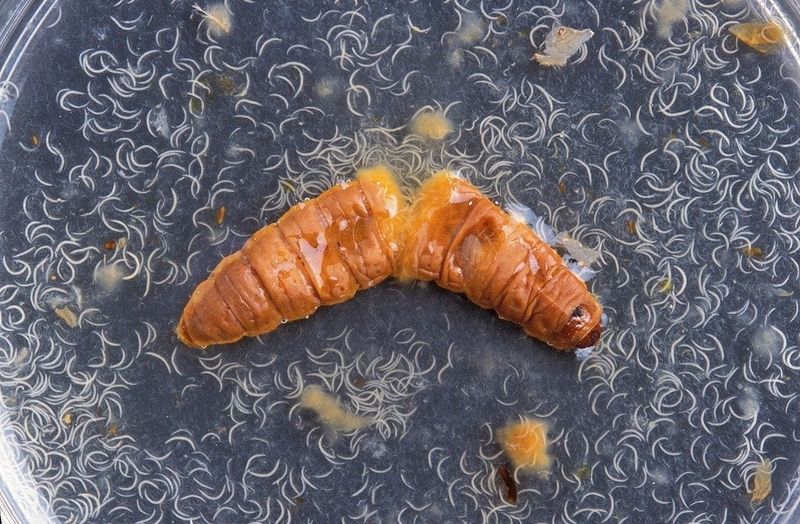
Beneficial nematodes, microscopic warriors in the garden, target and eliminate soil-dwelling grubs. These tiny organisms burrow into pests, releasing bacteria that kill them. Easily ordered online, nematodes are safe for humans, pets, and plants. They offer a natural solution to grub problems, enhancing soil health as they work. Their introduction into the garden creates a dynamic system, reducing the need for chemical pesticides. As a cornerstone of integrated pest management, beneficial nematodes are a high-impact, low-effort option for eco-friendly pest control.
11. Hand-Picking
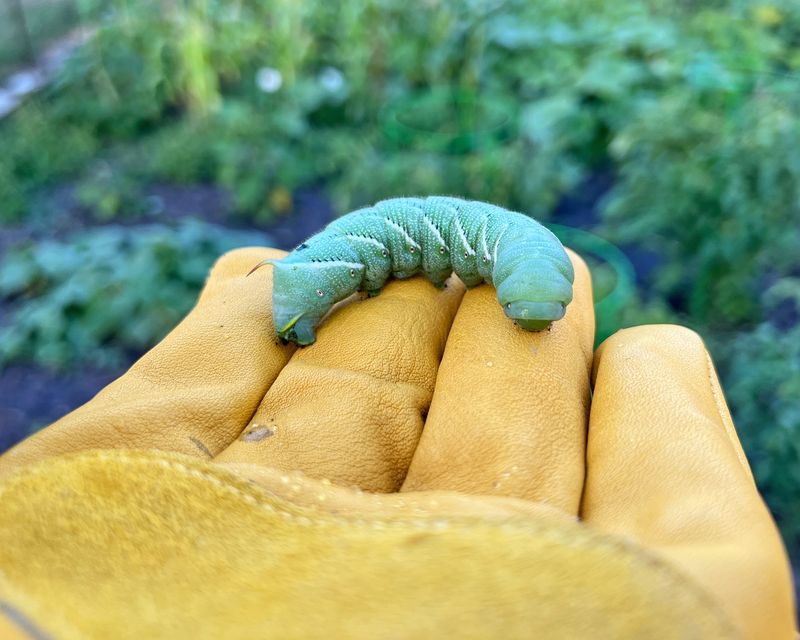
Sometimes, the old-fashioned method of hand-picking is the best approach to tackling tomato hornworms. These large, green caterpillars can quickly devour tomato plants if left unchecked. While the task may seem unpleasant, it’s effective and immediate. Armed with a bucket of soapy water, gardeners can easily remove and dispose of these pests. This method requires vigilance and a keen eye, but offers a chemical-free solution. Hand-picking fosters a deeper connection with your garden, encouraging regular monitoring and nurturing a healthy, balanced ecosystem.
12. Soap Spray
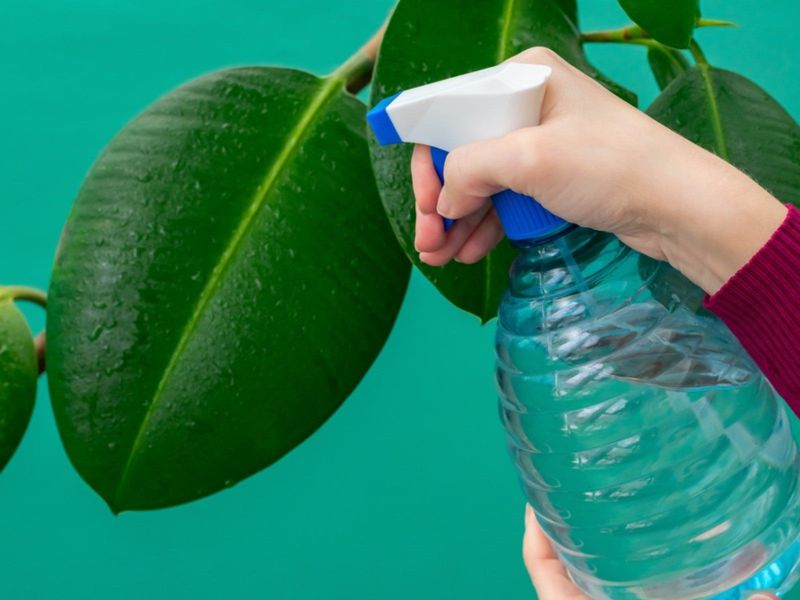
A simple mixture of Castile soap and water creates an effective spray to smother soft-bodied pests like aphids and mites. Just one tablespoon of soap per liter of water suffices. Before widespread application, testing on a few leaves ensures plant safety. This gentle solution disrupts the pests’ cell membranes, leading to dehydration. Safe for most plants and non-toxic to humans and pets, soap spray is a gardener’s ally in natural pest control. Its simplicity and effectiveness make it a staple in eco-friendly gardening practices.
13. Copper Tape
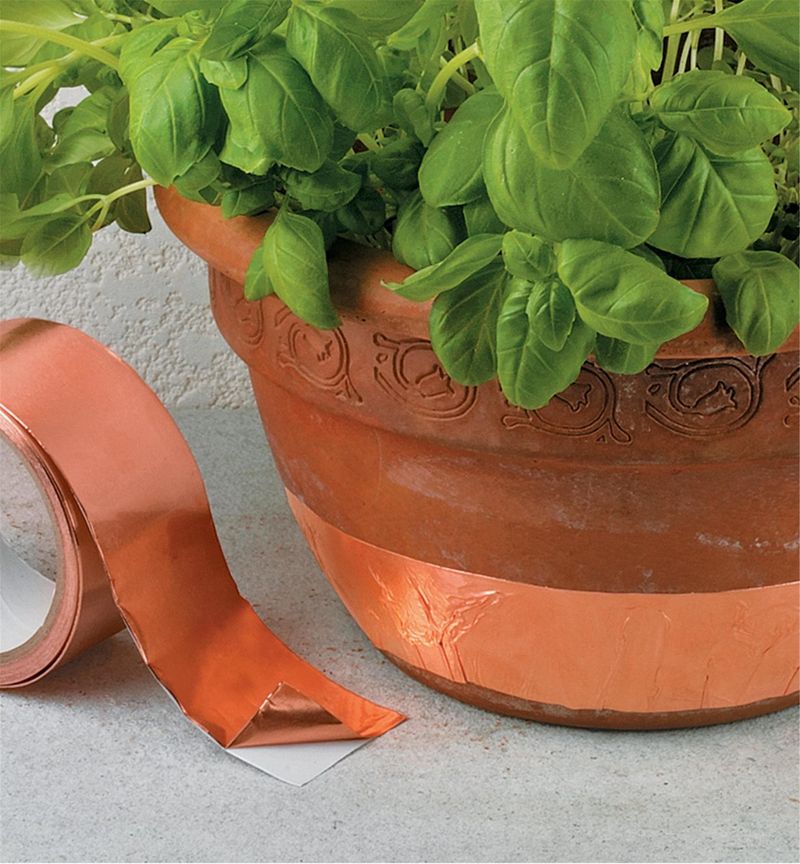
Copper tape is a clever tool for deterring slugs and snails. When these pests attempt to cross the tape, a tiny electric charge is created, prompting them to turn away. This non-lethal method protects plants without harming the environment. Easy to apply, copper tape can be wrapped around pots, raised beds, or garden borders. It’s a long-lasting solution that requires minimal maintenance. Gardeners who value innovation and sustainability will appreciate how copper tape integrates seamlessly into their pest control strategies, offering protection with a spark of ingenuity.
14. Attract Birds
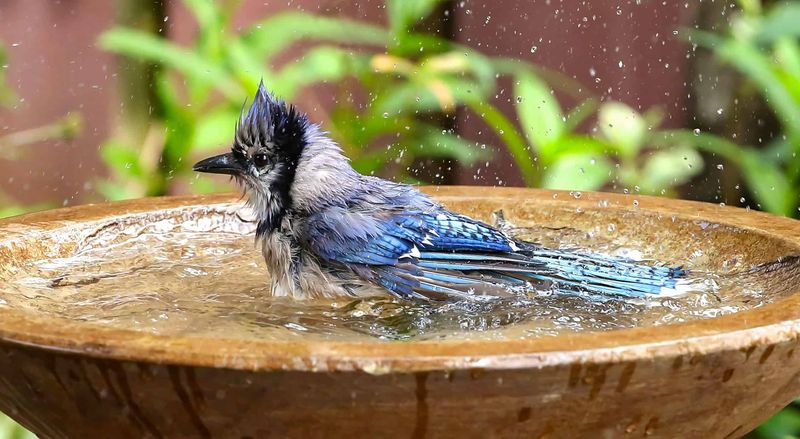
Inviting birds into your garden is a natural way to control pests. Installing a birdbath encourages species like chickadees, which feast on caterpillars and beetles. Birds play a crucial role in maintaining ecological balance, acting as free pest control agents. By fostering a bird-friendly environment, you’re supporting biodiversity and reducing the need for chemical interventions. The presence of birds enhances the garden’s aesthetic and auditory appeal, creating a serene space. This harmonious approach nurtures a thriving garden ecosystem, where nature takes care of itself.
15. Crop Rotation
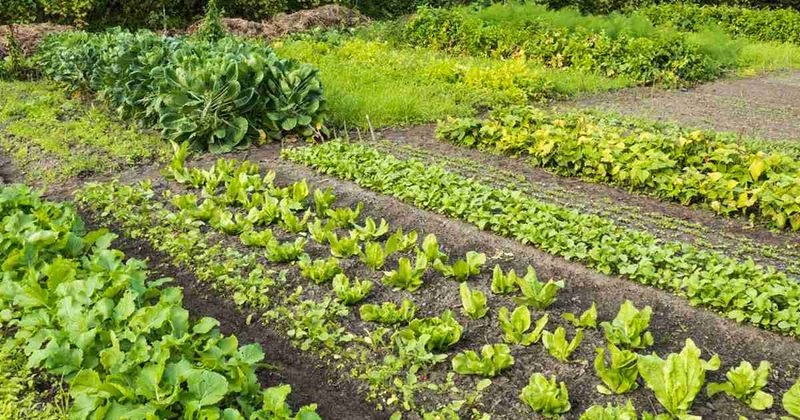
Crop rotation, an age-old agricultural practice, prevents soil-borne pests from establishing. By varying the types of crops grown in a specific area each season, pest life cycles are disrupted. This method enhances soil fertility and health, reducing reliance on chemical pesticides. Implementing crop rotation requires planning but yields long-term benefits. It’s a sustainable approach that fosters resilience and productivity in gardens and farms alike. Gardeners embracing this technique contribute to a legacy of earth-friendly practices, ensuring a healthier environment for future generations.
1. Eggshells for Slugs – Myth: They crawl right over them. Use copper tape instead.
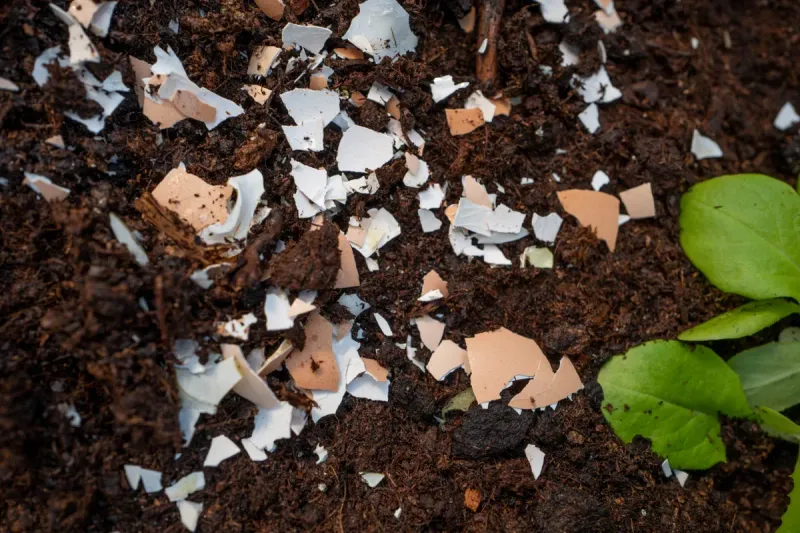
The belief that eggshells deter slugs is a common garden myth. In reality, slugs can crawl over eggshells without any hindrance. While eggshells do benefit soil by adding calcium, they are ineffective as a pest barrier. For slug control, copper tape is a more reliable option. It’s important to distinguish between garden myths and facts to ensure effective pest management. Understanding which methods work can save time and resources, allowing gardeners to focus on proven strategies that enhance plant health and productivity.
2. Banana Peels for Aphids – Attracts more pests (like fruit flies) than it repels.
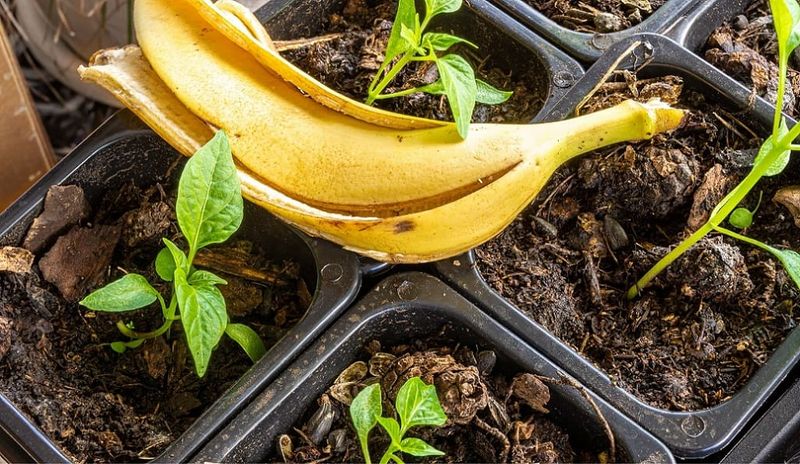
Using banana peels to deter aphids is an ineffective remedy that often backfires. Instead of repelling pests, banana peels attract others, like fruit flies, creating more problems. This misguided approach highlights the importance of relying on tested methods for pest control. While banana peels can enrich soil, they should be composted rather than used as a direct pest deterrent. By understanding the limitations of certain remedies, gardeners can focus on techniques that genuinely support garden health, ensuring a productive and harmonious ecosystem.
3. Epsom Salt for Everything – No proven pest control benefit (it’s a magnesium supplement, not a repellent).
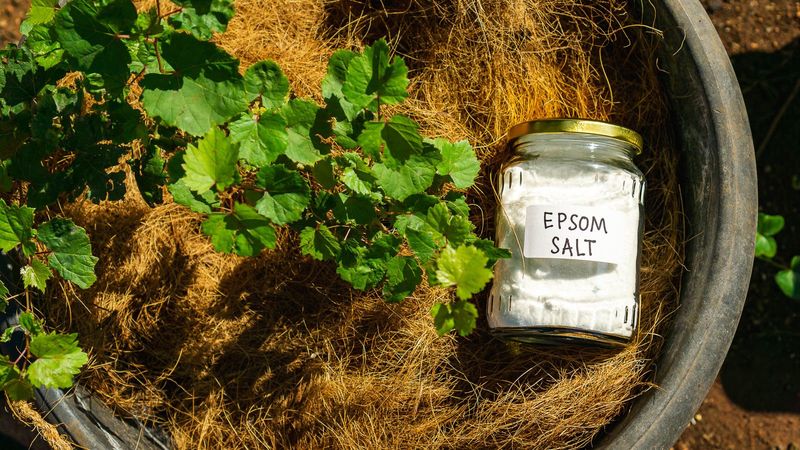
Epsom salt is often touted as a miracle garden remedy, but it lacks proven pest control benefits. Its primary use is as a magnesium supplement, supporting plant growth but not deterring pests. This misconception can lead to ineffective pest management strategies. For genuine pest control, gardeners should rely on well-researched methods that target specific pests. Understanding the true role of Epsom salt ensures its appropriate use, contributing to a balanced approach to garden care that prioritizes plant health and resilience over unfounded claims.
4. Cinnamon as a Fungicide – Might slow mold but won’t stop pests.

Cinnamon is often suggested as a natural fungicide, but its effectiveness against pests is overstated. While it may slow mold growth, it does not repel or eliminate pests. Relying on cinnamon for pest control can result in unchecked infestations. Gardeners should prioritize proven techniques that address both pests and plant health. Using cinnamon as a supplement rather than a primary solution ensures a comprehensive approach to garden management, supporting long-term sustainability and productivity. Understanding its limitations helps maintain realistic expectations in pest control efforts.
5. Ultrasonic Pest Repellers – Studies show zero effect on garden insects.
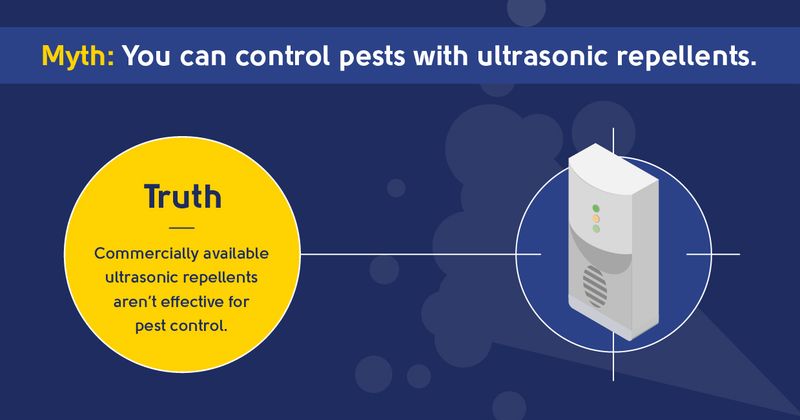
Ultrasonic pest repellers, despite their popularity, have no proven efficacy against garden insects. Studies indicate that these devices do not deter pests, making them an unreliable solution. This misconception can lead to wasted resources and continued infestations. For effective pest management, gardeners should invest in methods backed by evidence, focusing on strategies that align with ecological principles. Understanding the limitations of ultrasonic repellers allows for informed decision-making, prioritizing approaches that genuinely support garden health and pest control. Awareness of such myths is crucial for successful gardening.