
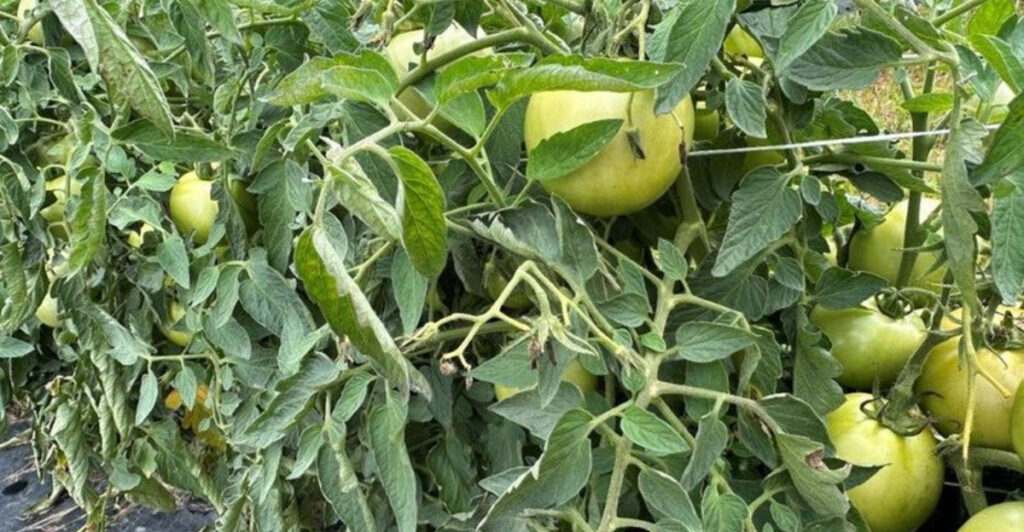
Tomato plants wilting can be alarming for any gardener. Understanding the root causes is crucial to bring them back to life. Here are seven surprising reasons why your tomato plants may be wilting, along with effective fixes to restore their health.
1. Underwatering (Or Overwatering!)
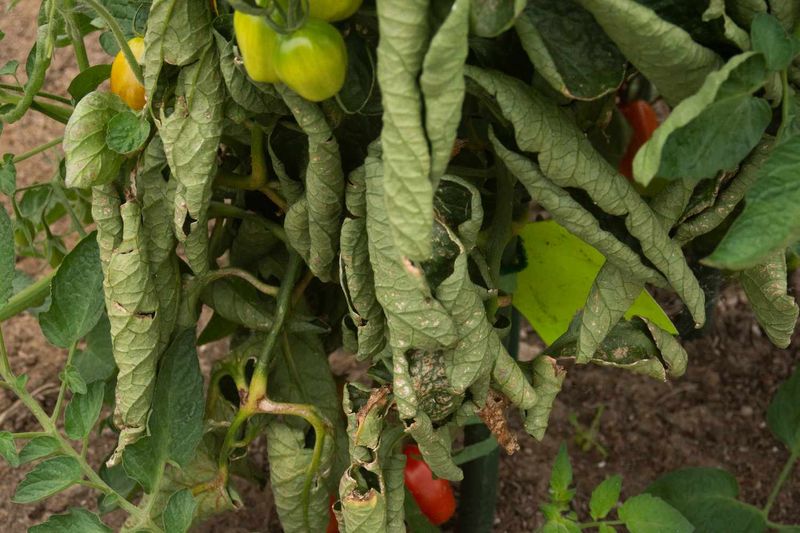
Underwatered plants cling to life with crispy leaves and dry soil, while overwatered ones suffer in silence with yellowing foliage. The soil tells tales—dry and cracked or soggy and foul-smelling.
To revive these plants, test the soil by inserting a finger 1-2 inches deep. Provide water only if the soil feels dry. Adding compost or creating raised beds can improve drainage, striking a balance between parched and drowned.
2. Fusarium or Verticillium Wilt (Fungal Diseases)
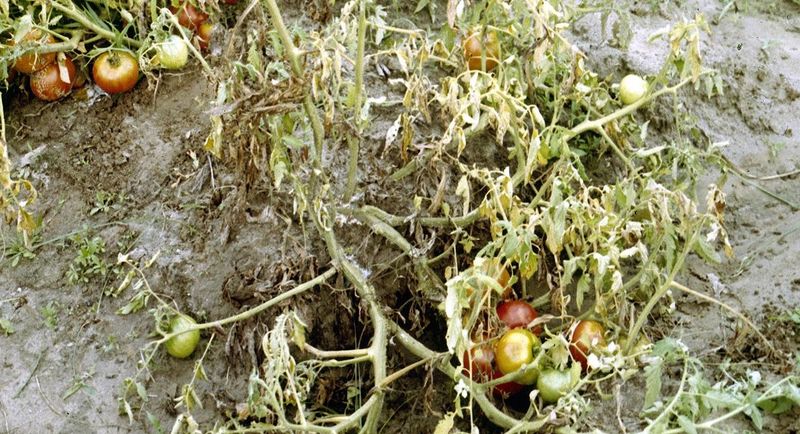
Silent invaders lurk in the soil, wreaking havoc on unsuspecting tomato plants. Fusarium and Verticillium wilt cause bottom leaves to yellow and stems to bear brown streaks. Despite moist soil, wilting persists.
To combat these fungal foes, remove infected plants immediately to halt their spread. Look forward to next year’s garden by opting for resistant tomato varieties marked with ‘F’ or ‘V’. These steps protect future harvests from the same fate.
3. Bacterial Wilt

In a thriving garden, a sudden collapse leaves a gaping void. Bacterial wilt strikes with speed, leaving once-vibrant plants defeated. Check the stems; a white ooze is the telltale sign of this relentless disease.
Unfortunately, there is no remedy. Uproot affected plants and refrain from planting tomatoes or peppers in the same soil for at least two years. This preventive measure is crucial to avoid future heartbreak.
4. Tomato Spotted Wilt Virus (TSWV)
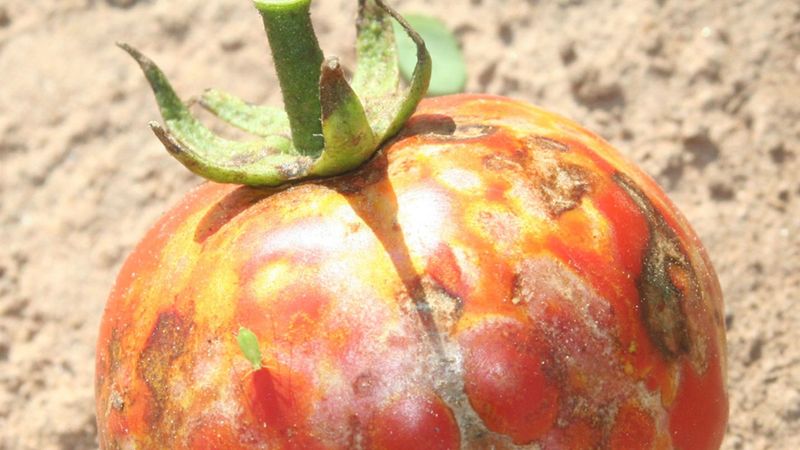
A vibrant garden suddenly turns eerie with bronzed and purple-spotted leaves. The Tomato Spotted Wilt Virus (TSWV) takes hold, stunting growth and tarnishing vibrant greens. Thrips, tiny pests, are the virus’s vehicle.
Swift action is required—remove infected plants immediately. For future safety, employ row covers and use insecticidal soap to ward off thrips, ensuring next season’s bounty remains untouched by this silent invader.
5. Root-Knot Nematodes

Beneath the surface, unseen foes attack—root-knot nematodes deform and weaken tomato roots. Once healthy plants now struggle with swollen roots and yellowing leaves. The battle begins underground.
To fight back, solarize the soil by covering it with plastic during peak summer heat to eliminate nematodes. Introduce marigolds nearby, as they naturally repel these pests. These strategies safeguard your plants, restoring them to their former glory.
6. Heat Stress
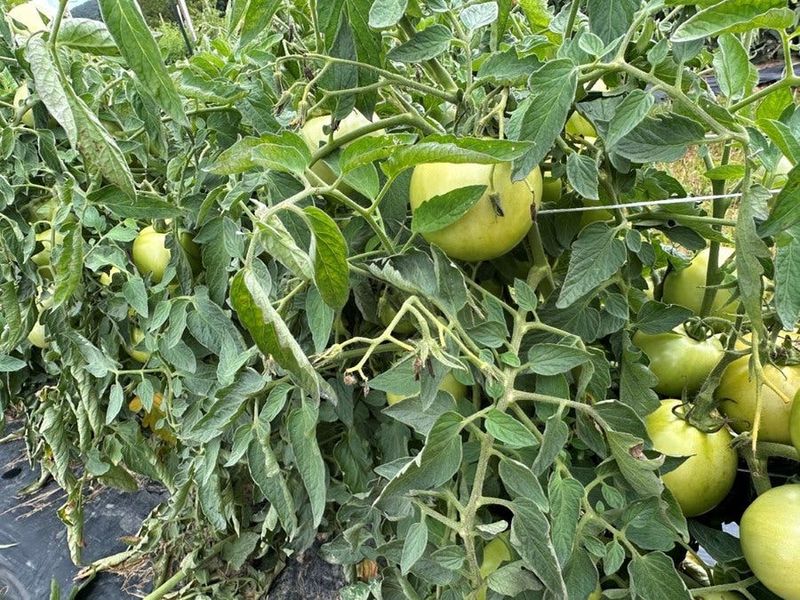
Under the harsh glare of the midday sun, tomato leaves droop and wilt. Heat stress takes its toll, but relief comes with the night. The cycle repeats, stressing the plants day after day.
To protect your tomatoes, use shade cloth during the intense midday heat—especially when temperatures soar above 90°F. Mulching around the base keeps roots cool, offering a reprieve from the relentless sun.
7. Transplant Shock

New beginnings can be tough, especially for tomato plants experiencing transplant shock. Freshly moved, these plants droop under the strain, yearning for stability.
Help them settle in by watering with a diluted seaweed solution, which encourages root recovery. To avoid aggravating the stress, transplant during cooler parts of the day, steering clear of full sun and high temperatures. These simple steps pave the way for thriving growth.