 Complete Gardening
Discover the wonders of perennials that offer impressive growth and instant impact in your garden. From those that triple in size to others that provide immediate beauty, these plants are essential for any garden enthusiast.
1. Russian Sage (Perovskia atriplicifolia)
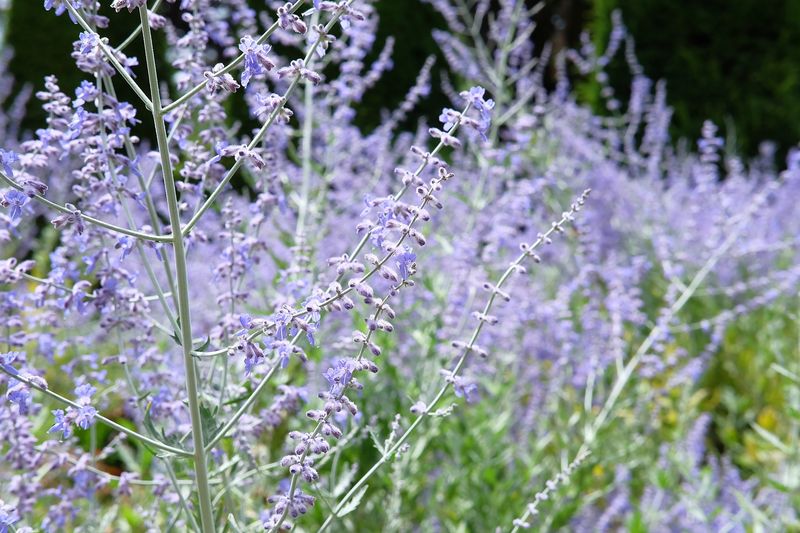
Russian Sage is known for its impressive growth, reaching up to 3-4 feet in one season. Its lavender-blue flowers and silvery foliage add a striking contrast to any garden. This drought-tolerant and deer-resistant perennial is perfect for sunny spots, providing vibrant color throughout the summer. Gardeners appreciate its low-maintenance nature and ability to attract pollinators. Imagine a garden filled with the gentle sway of its delicate blooms. Historically, this plant has been used in traditional medicine for its soothing properties. Its resilience and beauty make it a garden staple.
2. Black-Eyed Susan (Rudbeckia hirta)
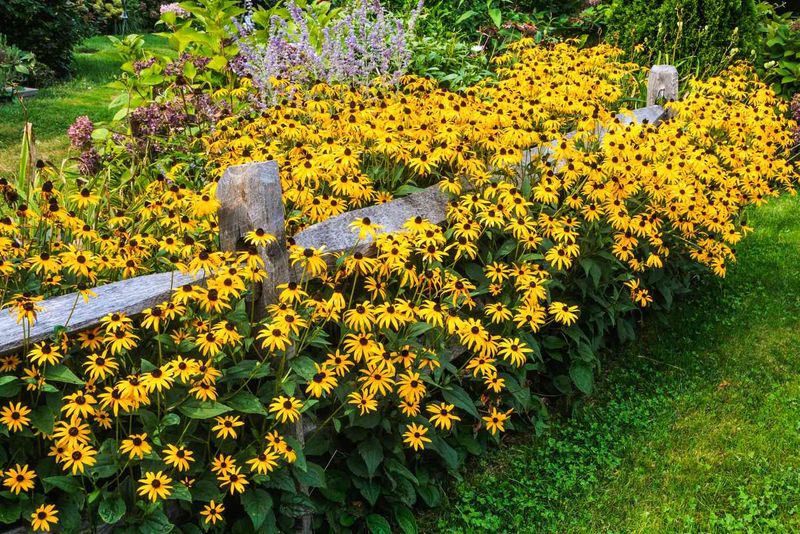
Black-Eyed Susans bring cheer to gardens with their sunny yellow blooms and contrasting dark centers. Growing 2-3 feet tall and wide in one season, they quickly fill garden spaces with color. These heat-tolerant flowers are a favorite among butterflies and bees, making them an ecological asset. Known for their long blooming period, they provide continuous joy throughout the summer. Historically, Black-Eyed Susans symbolize encouragement and justice. Their vibrant presence and ease of care make them a popular choice for both novice and experienced gardeners.
3. Joe Pye Weed (Eutrochium purpureum)
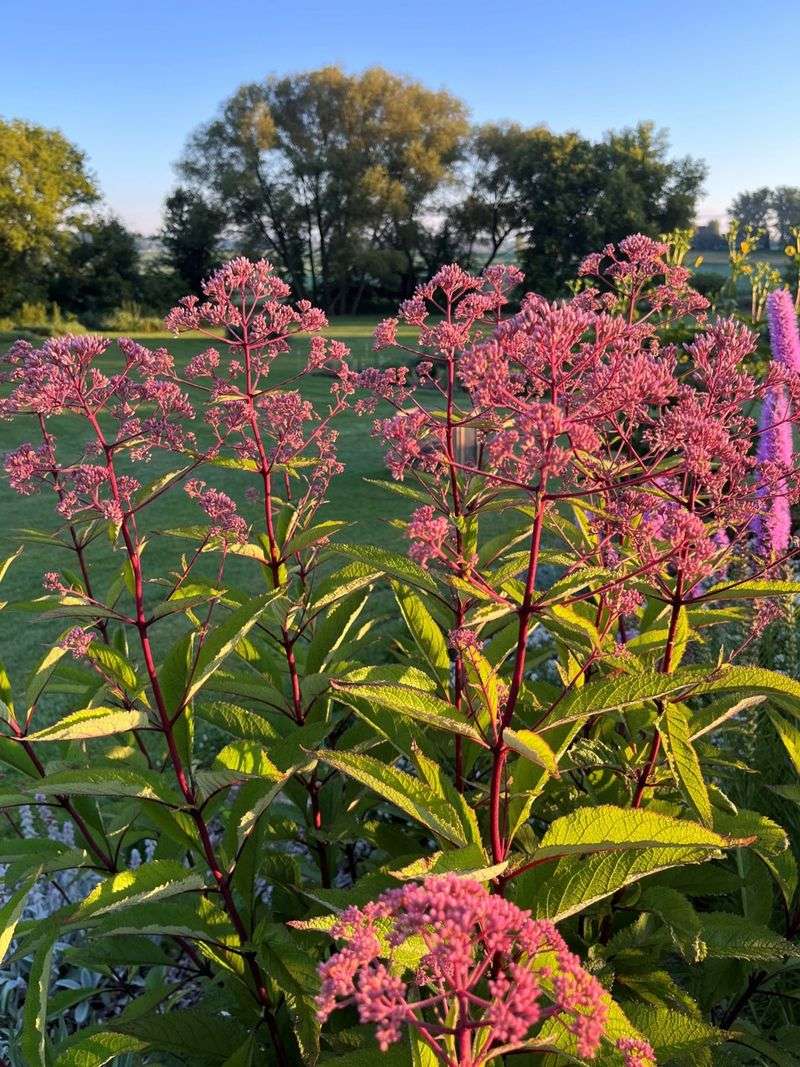
Towering at 5-7 feet in a single season, Joe Pye Weed is a majestic addition to any garden. Its large clusters of pink flowers attract butterflies, adding movement and life. This perennial thrives in moist conditions, making it ideal for water gardens or damp areas. Beyond its beauty, the plant carries a rich history; it was named after a Native American herbalist who used it for medicinal purposes. Its impressive stature and ecological benefits make it a garden favorite, providing drama and elegance.
4. Catmint (Nepeta spp.)
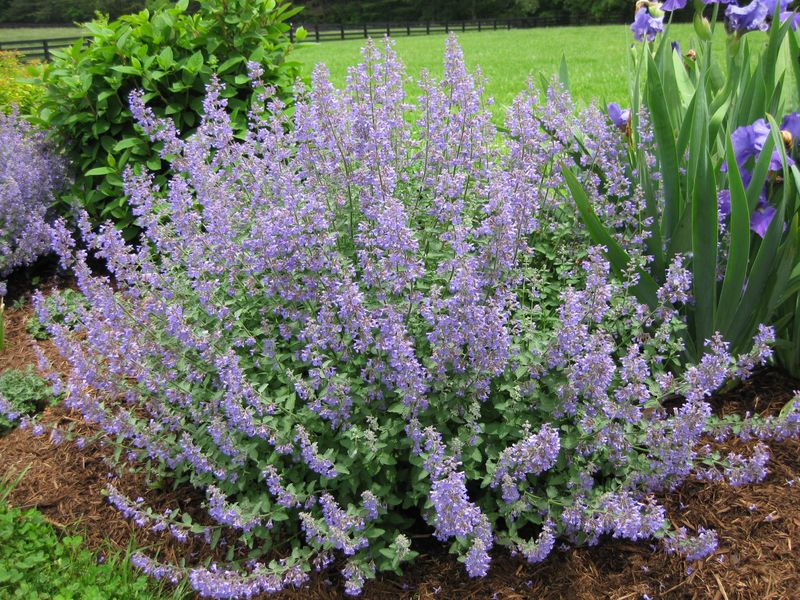
Catmint, with its aromatic foliage and soft lavender flowers, is a garden gem. Growing 2-3 feet wide, it sprawls gracefully, creating a soothing silver-green carpet. Loved by bees, it’s a pollinator’s paradise. This hardy perennial is drought-tolerant and blooms for an extended period, offering color and fragrance. Historically, Catmint was used in teas for its calming effects. Its low-maintenance nature and ability to thrive in various conditions make it a favorite for borders and cottage gardens.
5. Daylilies (Hemerocallis)
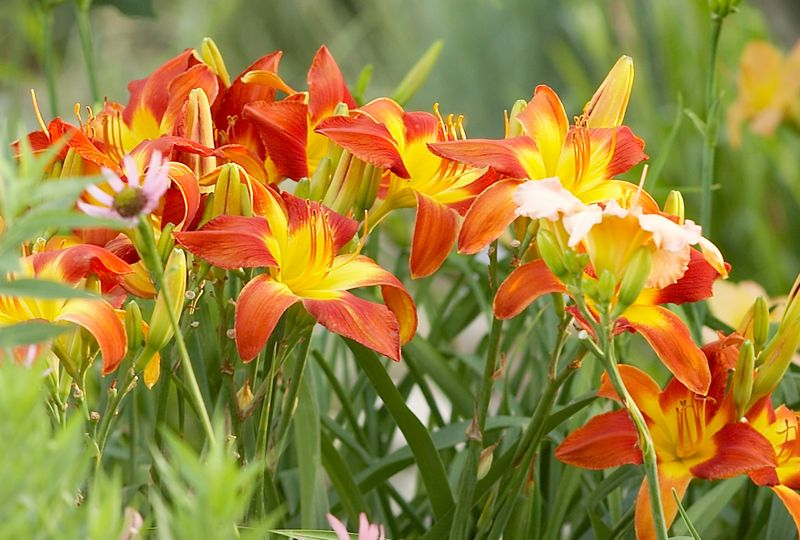
Daylilies are the epitome of resilience and beauty. These hardy perennials double in clump size each year, providing a colorful display with minimal effort. With blooms that last for weeks, they fill gardens with bright oranges, yellows, and reds. Adaptable to various soil types, Daylilies are perfect for any garden landscape. They have a rich history in traditional Chinese medicine and are symbolic of motherhood. Their vibrant blooms and adaptability make them a beloved choice for gardeners seeking low-maintenance beauty.
6. Ornamental Grasses (Miscanthus, Pennisetum)
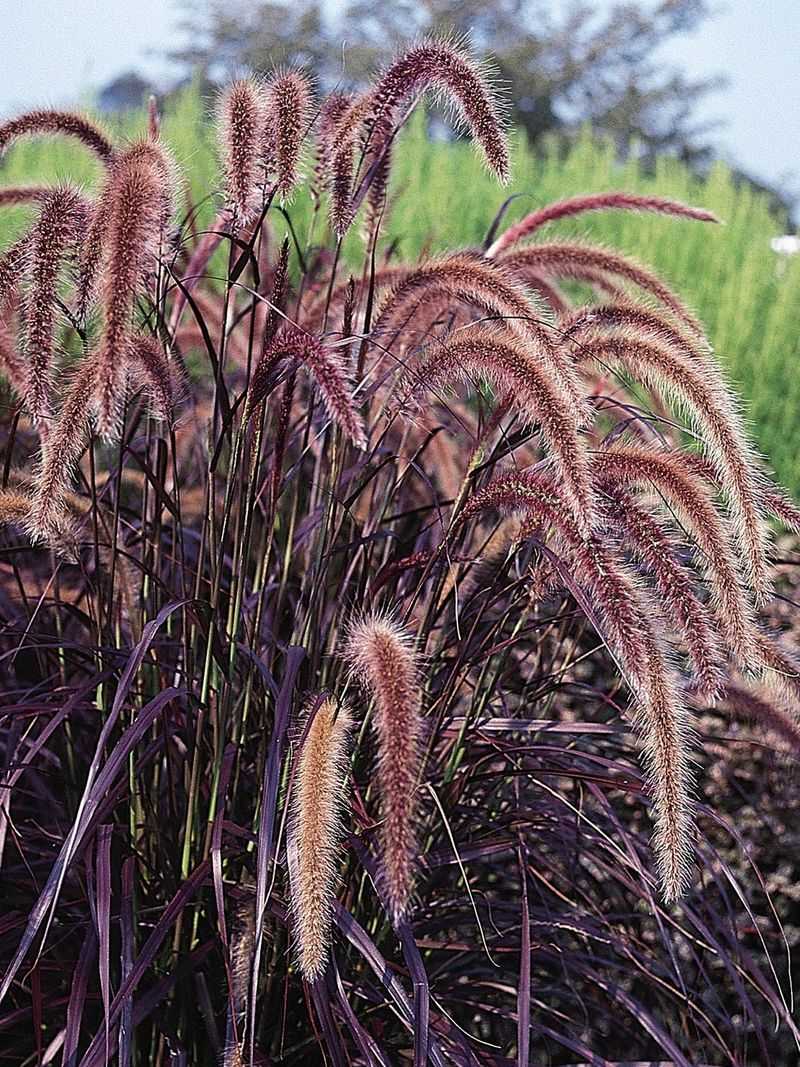
Ornamental grasses, such as Miscanthus and Pennisetum, bring texture and elegance to gardens. Growing 3-5 feet in a season, they add height and movement. Their feathery plumes and arching blades create a dynamic look, perfect for borders or as focal points. These grasses are low-maintenance and thrive in a variety of conditions. Historically used in traditional crafts, they add both aesthetic and functional value to gardens. Their graceful presence and versatility make them a gardener’s delight, transforming landscapes.
7. Coneflower (Echinacea purpurea)
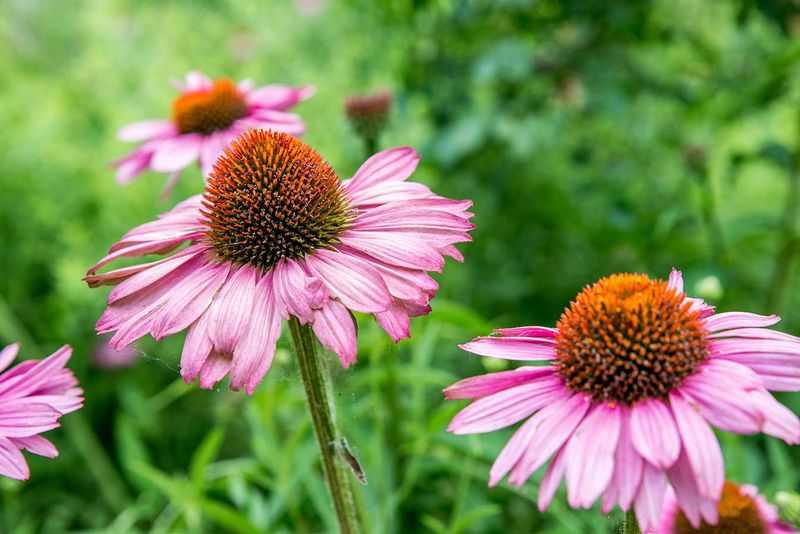
Coneflowers, with their distinctive purple petals and spiky centers, are a must-have for any pollinator-friendly garden. Growing 2-3 feet tall in one year, they offer long-lasting blooms that attract bees and butterflies. Known for their medicinal properties, Coneflowers have been used historically to boost the immune system. Their vibrant color and easy care make them a popular choice for both experienced and novice gardeners. Whether planted in borders or wildflower gardens, they bring color and life.
8. Shasta Daisy (Leucanthemum x superbum)
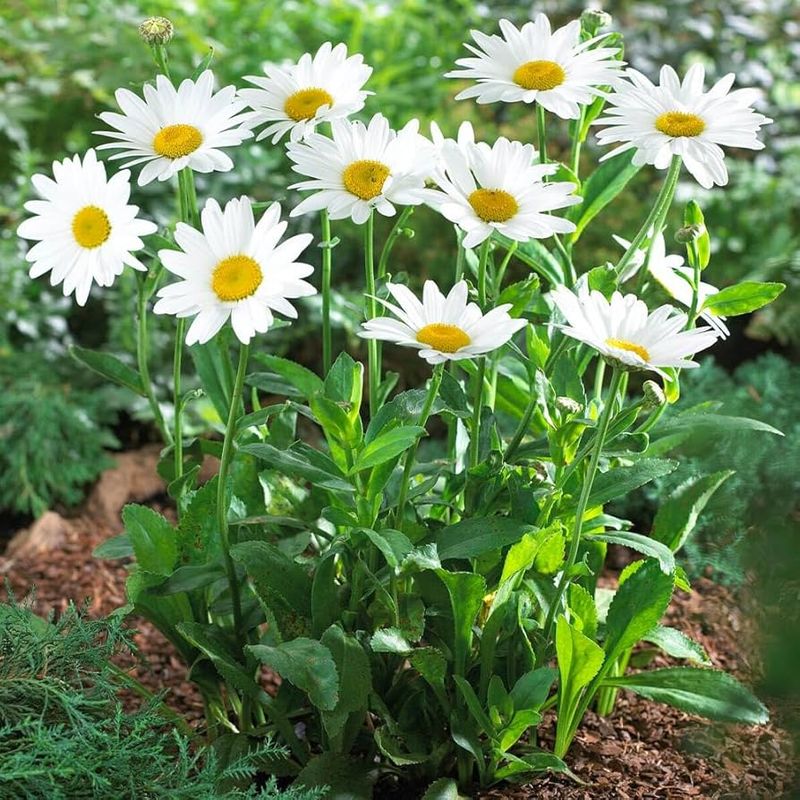
Shasta Daisies are the epitome of classic garden beauty. Growing 2 feet tall and wide in a season, they fill gardens with their cheerful white petals and yellow centers. These perennials are low-maintenance and thrive in full sun, making them ideal for sunny borders. With a name derived from California’s Mount Shasta, they have a rich history of garden cultivation. Their timeless appeal and ease of care make them a favorite for bringing charm and brightness to any garden setting.
9. Sedum (Autumn Joy’)
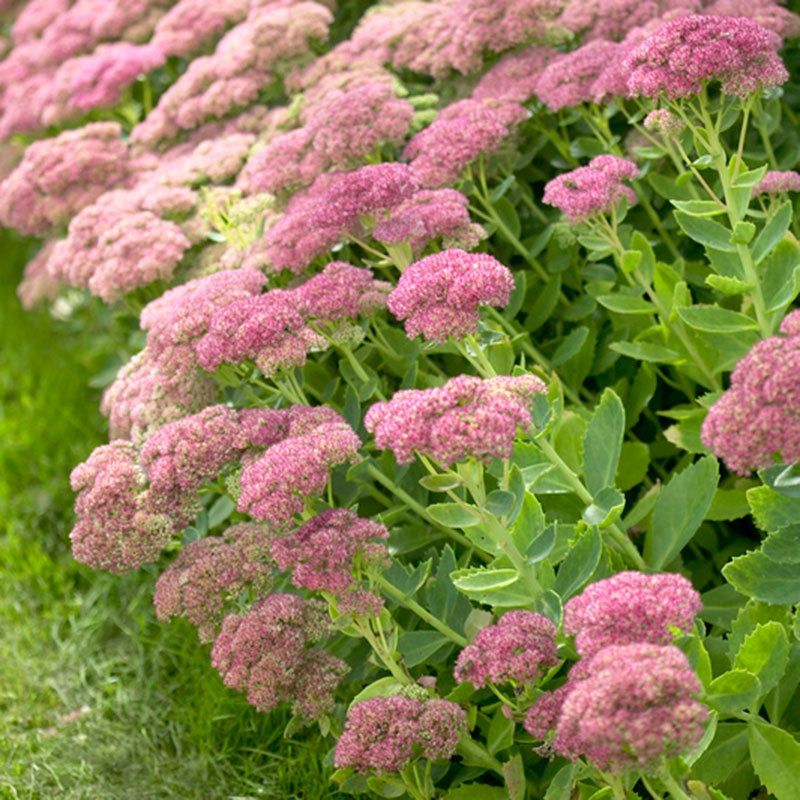
Sedum ‘Autumn Joy’ is a garden favorite, known for its succulent-like leaves and rosy pink flower clusters. Growing 18-24 inches in a year, it offers both texture and color. This drought-proof perennial thrives in poor soil, making it versatile and easy to care for. Its blooms change from pink to copper as the season progresses, providing fall interest. Historically used for its medicinal properties, Sedum is a resilient and attractive choice for any garden. Its changing hues and durability make it a standout.
10. Lamb’s Ear (Stachys byzantina)
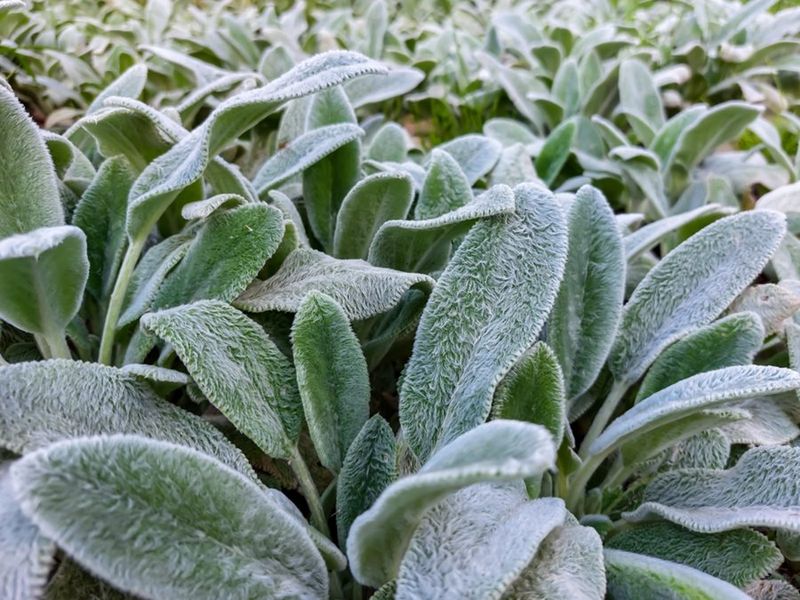
Lamb’s Ear, with its velvety leaves, adds a unique texture to gardens. Spreading 1-2 feet per year, it creates a soft, silvery carpet ideal for borders. This perennial thrives in poor soil and sunny locations, making it a low-maintenance addition. Historically, its leaves were used as bandages for their antibacterial properties. Lamb’s Ear’s tactile appeal and resilience make it a favorite for sensory gardens. Its calming presence and gentle appearance offer a touch of whimsy and softness to garden landscapes.
11. Bee Balm (Monarda didyma)
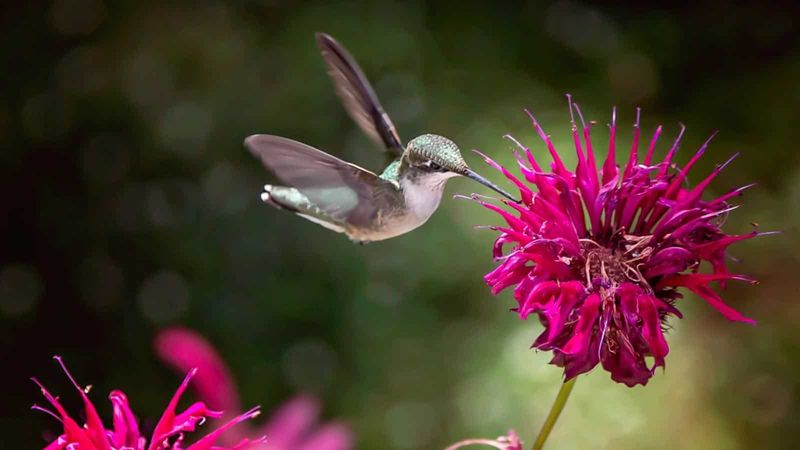
Bee Balm, with its fiery red or pink flowers, is a magnet for hummingbirds and bees. Growing 3-4 feet in one season, it adds height and vibrant color to gardens. This aromatic perennial is perfect for borders and cottage gardens. Historically, Bee Balm was used by Native Americans for its medicinal properties. Its bright, showy blooms and ability to attract pollinators make it a must-have for wildlife enthusiasts. Whether adding color or supporting wildlife, Bee Balm is a garden star.
12. Yarrow (Achillea millefolium)
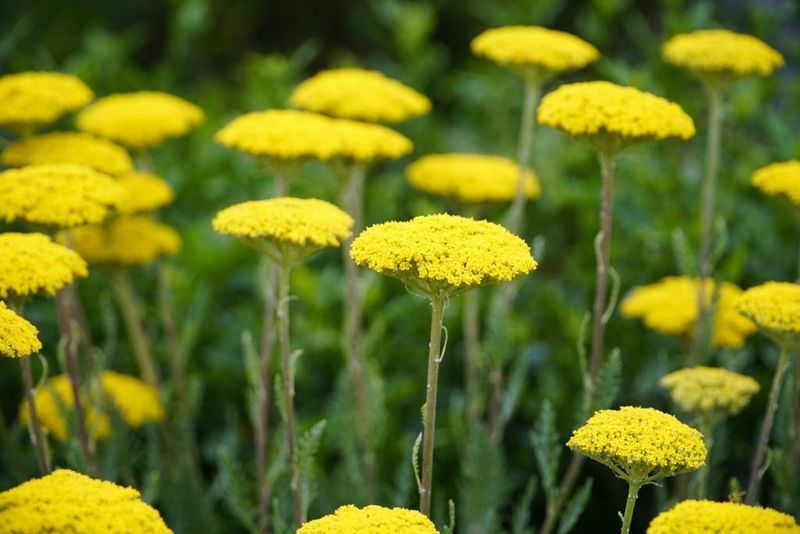
Yarrow, with its clusters of tiny flowers and feathery foliage, spreads 2-3 feet wide in a year. This drought-resistant perennial is perfect for sunny gardens and is favored for cut flower arrangements. Known for its medicinal properties, Yarrow has been used historically to stop bleeding and heal wounds. Its adaptability and ease of care make it a popular choice for wildflower gardens. With its bright blooms and history of use, Yarrow adds both beauty and utility to garden spaces.
13. Hosta (‘Sum and Substance’)
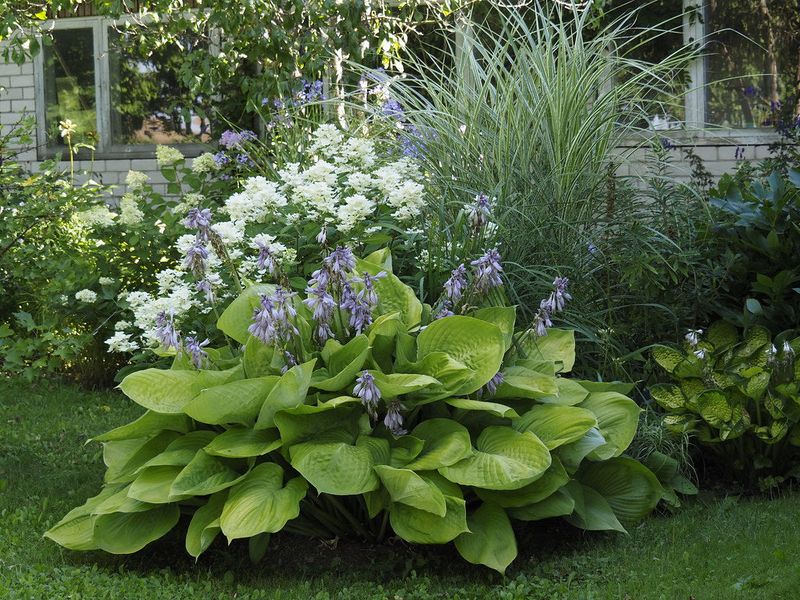
Hosta ‘Sum and Substance’ is a giant among hostas, with its large, textured leaves providing lush greenery. Thriving in shade, it quickly fills empty garden spots with vitality. Hostas are known for their resilience and ability to thrive in a variety of conditions. Historically, they have been cultivated in Japan for centuries, celebrated for their ornamental value. ‘Sum and Substance’ stands out with its impressive size and presence, making it a focal point in shade gardens. Its grandeur and adaptability make it a top choice.
14. Goldenrod (Solidago spp.)
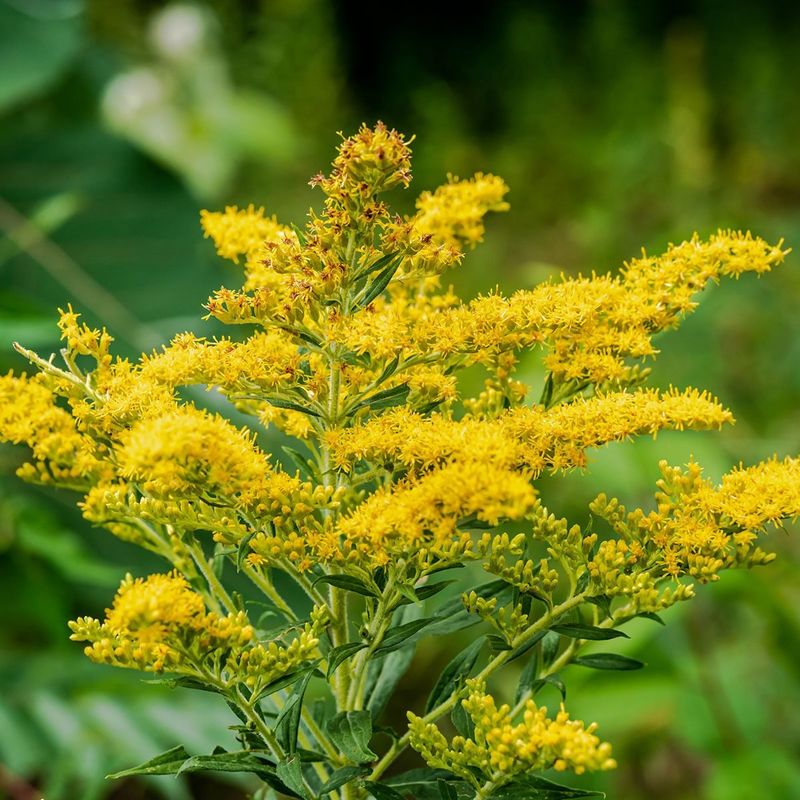
Goldenrod, with its cheerful yellow plumes, grows 3-5 feet tall in a year, adding height and late-season color to gardens. Often misunderstood as a cause of allergies, it’s actually a beneficial plant for pollinators. Historically used in herbal medicine, Goldenrod supports biodiversity by attracting bees and butterflies. Its vibrant blooms and ecological benefits make it a popular choice for natural gardens. Whether adding color or supporting wildlife, Goldenrod is a valuable addition, bringing life and vibrancy to garden spaces.
15. Gooseneck Loosestrife (Lysimachia clethroides)
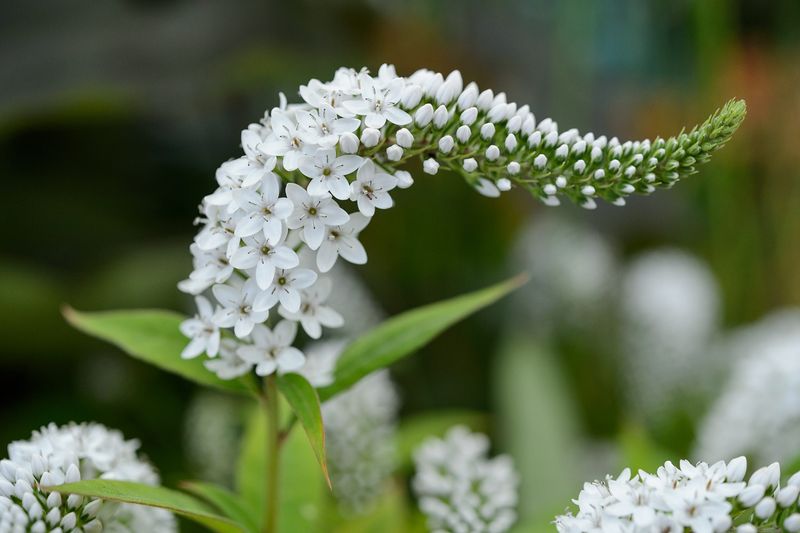
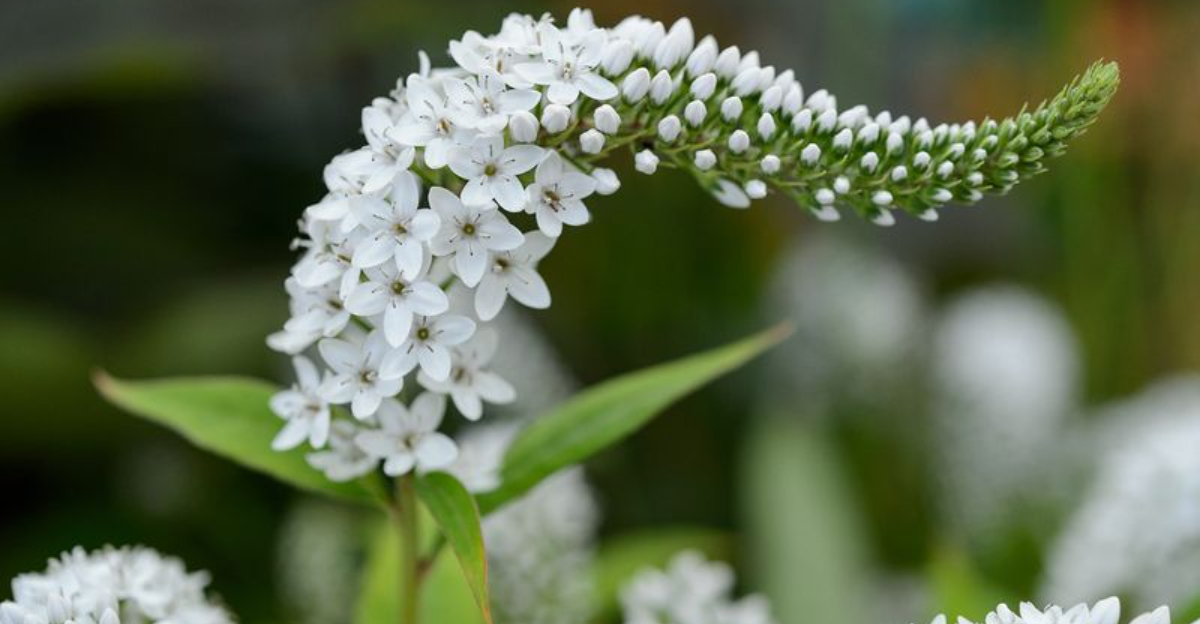
Gooseneck Loosestrife is known for its unique white flower spikes that elegantly arch, resembling a goose’s neck. This perennial spreads aggressively, so it’s best planted with caution. Perfect for moist conditions, it adds interest and texture to gardens. Historically, it has been used in traditional medicine for its healing properties. Its striking appearance and rapid growth make it an intriguing choice for gardeners seeking something different. The graceful arch of its blooms adds a whimsical touch to garden landscapes.
1. Astilbe (Astilbe spp.)
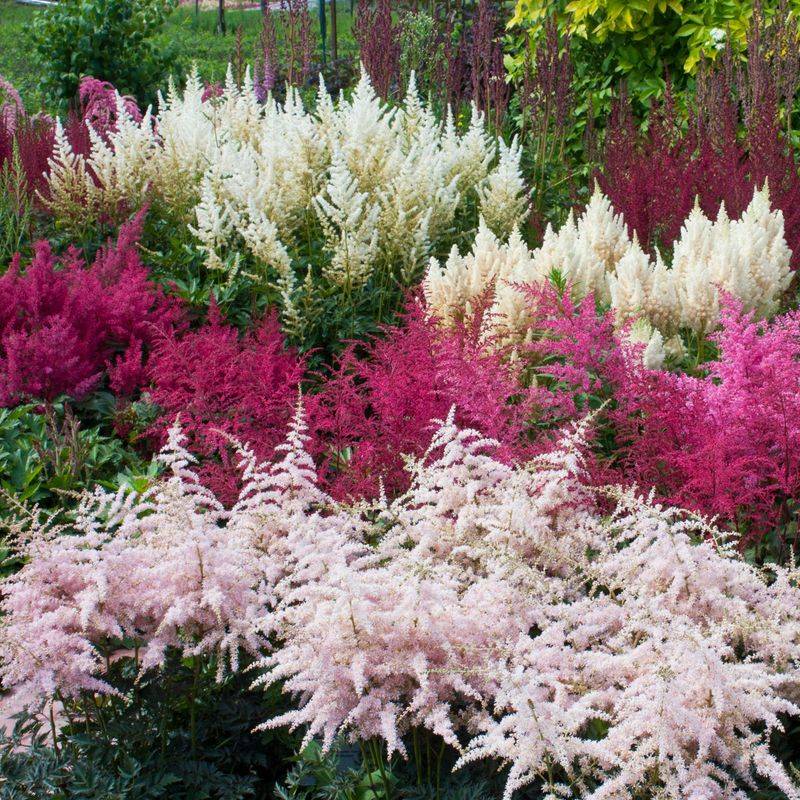
Astilbe, with its feathery plumes, provides immediate impact in shaded gardens. Known for its rapid growth, it offers lush blooms in pink, white, and red tones. This perennial thrives in moist, shaded areas, making it a perfect choice for woodland gardens. Historically, Astilbe has been a symbol of patience and dedication in flower symbolism. Its vibrant colors and adaptability to shady conditions make it a delightful addition to garden spaces. Astilbe adds elegance and texture, transforming shaded areas into vibrant displays.
2. Coral Bells (Heuchera)
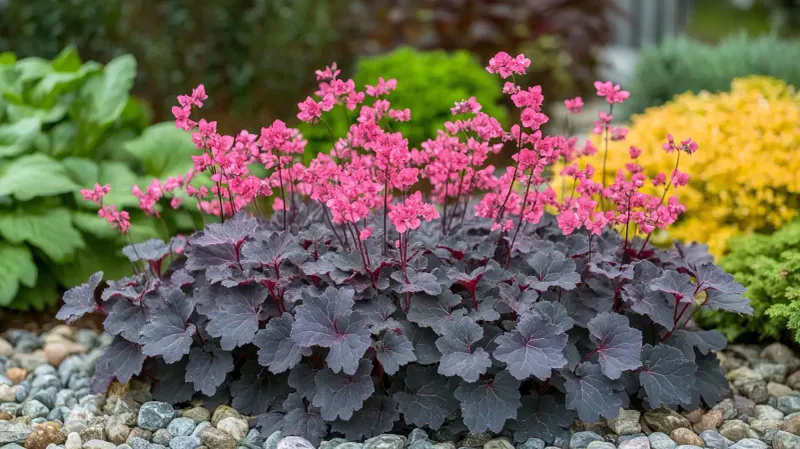
Coral Bells are known for their colorful foliage, ranging from deep reds to vibrant greens. With blooms appearing in the first year, they add immediate charm to gardens. These perennials thrive in shady to partially sunny conditions, making them versatile and easy to grow. Historically, Heuchera was used by Native Americans for medicinal purposes. Their striking leaf patterns and delicate flower spikes provide visual interest throughout the season. Coral Bells are perfect for adding color and contrast to garden borders.
3. Bleeding Heart (Dicentra spectabilis)
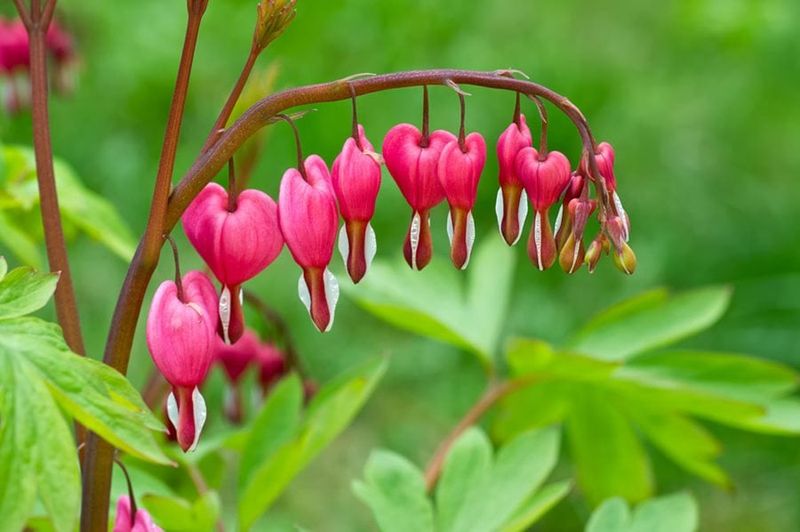
Bleeding Heart enchants with its romantic, heart-shaped flowers dangling from gracefully arching stems. Blooming in the first spring after planting, it brings a touch of nostalgia to shaded gardens. This perennial prefers cool, moist conditions and thrives in woodland settings. Historically, it has been a symbol of undying love in floral traditions. Its delicate appearance and unique flower shape make it a standout. Bleeding Heart adds elegance and a romantic feel, transforming shaded areas into enchanting retreats.
4. Hellebore (Lenten Rose)
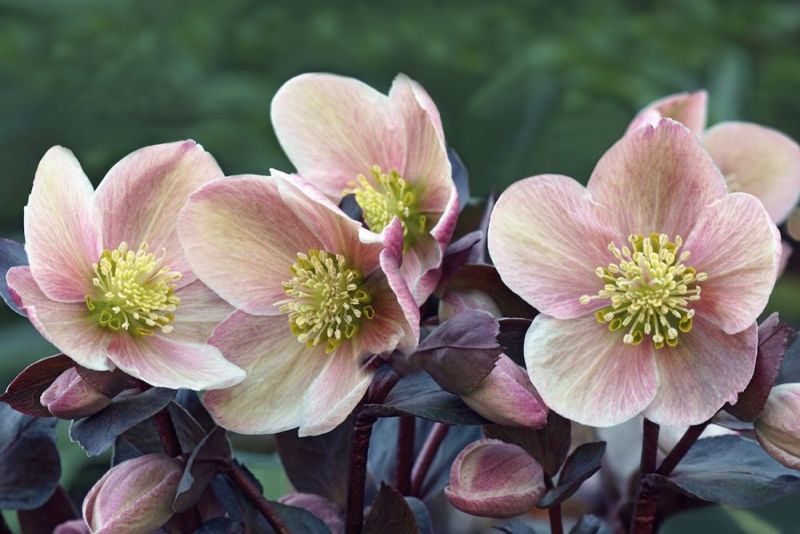
Hellebore, also known as Lenten Rose, is a winter garden jewel with its evergreen foliage and early spring blooms. Thriving in shade, it provides color when little else does. Known for its hardiness, Hellebore blooms even in snow, offering a hint of spring’s promise. Historically, it has been used in traditional medicine despite its toxicity. Its ability to bloom in harsh conditions and its lush foliage make it a prized plant for winter interest. Hellebore adds mystery and elegance to shaded gardens.
5. Salvia (‘May Night’)
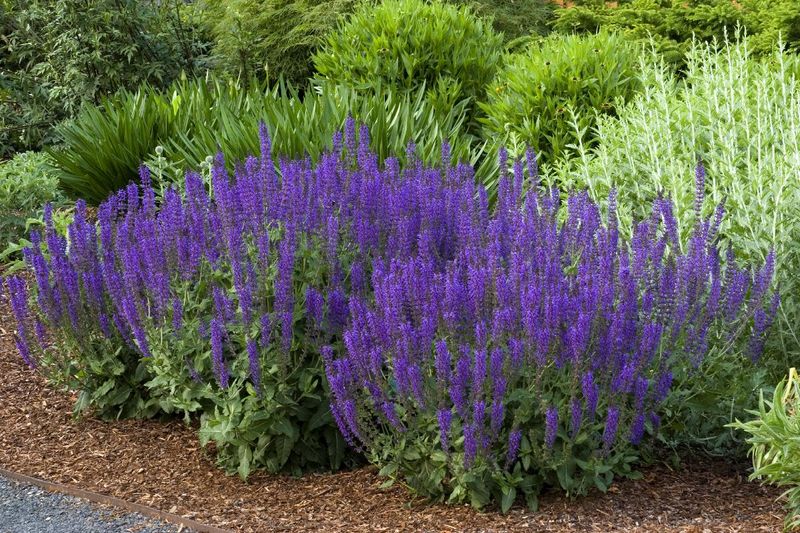
Salvia ‘May Night’ captivates with its spikes of deep purple flowers, offering stunning color and form to gardens. Blooming in the first year, it’s drought-tolerant and perfect for sunny spots. This perennial is loved by bees and butterflies, enhancing garden biodiversity. Historically, Salvia has been revered for its healing properties and use in rituals. Its vibrant blooms and resilience make it a favorite for borders and perennial beds. Salvia ‘May Night’ brings life and color, creating a lively garden atmosphere.