 Complete Gardening
Explore the world of organic pest control with these 21 effective methods. Each approach offers a unique way to protect your garden and home from unwanted pests without harmful chemicals. Embrace nature’s solutions and discover how you can maintain a healthy balance in your environment.
1. Neem Oil
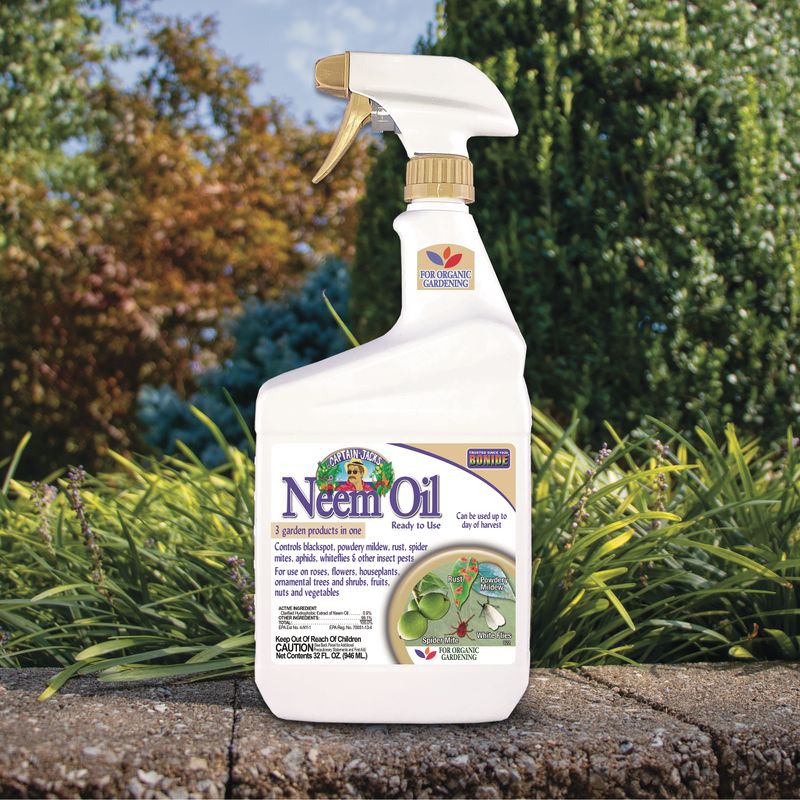
Neem oil, derived from the seeds of the neem tree, acts as an all-natural insecticide. Its strong odor and unique compounds disrupt the life cycle of pests at various stages. In gardens, it’s effective against a broad range of insects, including aphids and mites.
Gardeners appreciate its versatility, as it can be used on vegetables, flowers, and herbs. Moreover, neem oil is safe for beneficial insects like bees when applied correctly.
It’s important to dilute neem oil with water before application, ensuring that plants are thoroughly misted. Regular application is key for optimal results.
2. Diatomaceous Earth
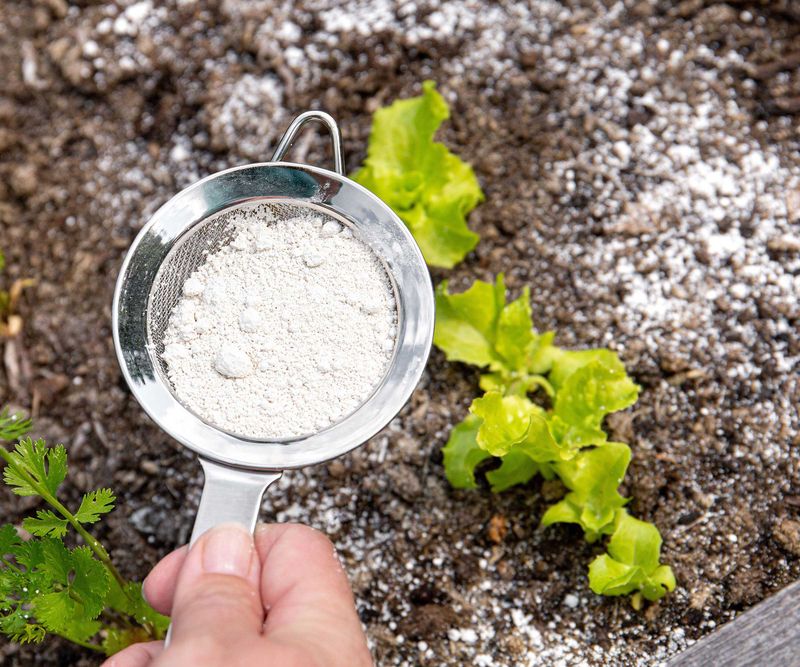
Diatomaceous Earth (DE) is composed of fossilized remains of tiny aquatic organisms called diatoms. This fine powder provides a mechanical method to control pests, as it dehydrates insects through physical contact.
Gardeners often sprinkle DE around plants to deter slugs, beetles, and other unwanted bugs. Since it’s non-toxic to pets and humans, it’s a preferred option for many.
However, it must remain dry to be effective. After rainfall, reapplication is necessary to ensure continuous protection. DE works well both indoors and outdoors, making it a versatile choice.
3. Companion Planting

Companion planting is the art of growing different plants together to enhance growth and deter pests. For instance, marigolds are known to repel nematodes, while basil can ward off mosquitoes and flies, benefiting adjacent crops.
This strategy promotes biodiversity and a natural balance in the garden. It also saves space and maximizes yield by combining compatible plant species.
Gardeners often experiment with various combinations to discover what works best for their specific environment. Over time, one can develop a thriving ecosystem that naturally reduces pest issues without chemicals.
4. Garlic Spray

Garlic spray serves as a potent deterrent against many garden pests. The strong aroma and sulfur compounds present in garlic repel insects such as aphids, spider mites, and caterpillars.
Making the spray involves blending garlic cloves with water, then straining and bottling the mixture. This homemade solution is easy to prepare and cost-effective.
Apply the spray during cooler parts of the day to minimize plant stress. It’s important to test on a small area of the plant first to ensure there’s no adverse reaction. Regular reapplication boosts its effectiveness.
5. Beneficial Nematodes
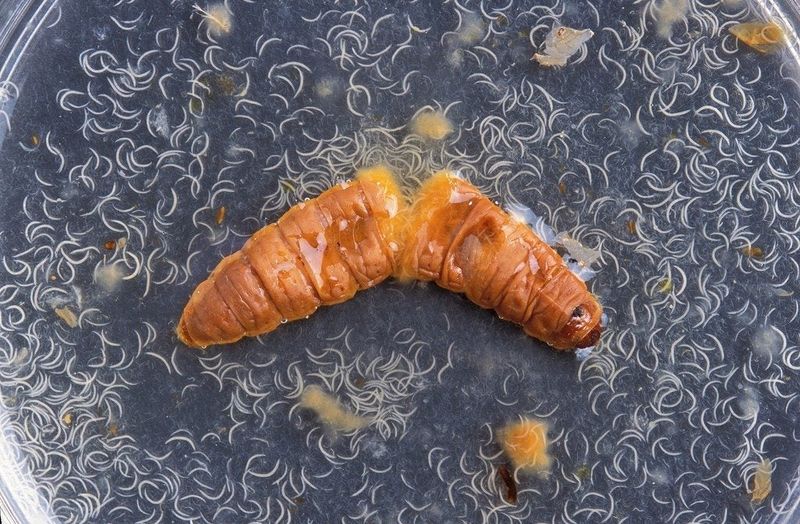
Beneficial nematodes are microscopic worms that target and eliminate soil-dwelling pests. These nematodes invade pests such as grubs and larvae, releasing bacteria that kill them within days.
Gardeners value this method for its specificity, as it does not harm beneficial insects or plants. They are easy to apply by mixing with water and distributing over affected areas.
The process is straightforward, and results can often be seen quickly. By using nematodes, one can naturally control pests below the soil surface, maintaining a healthy garden ecosystem.
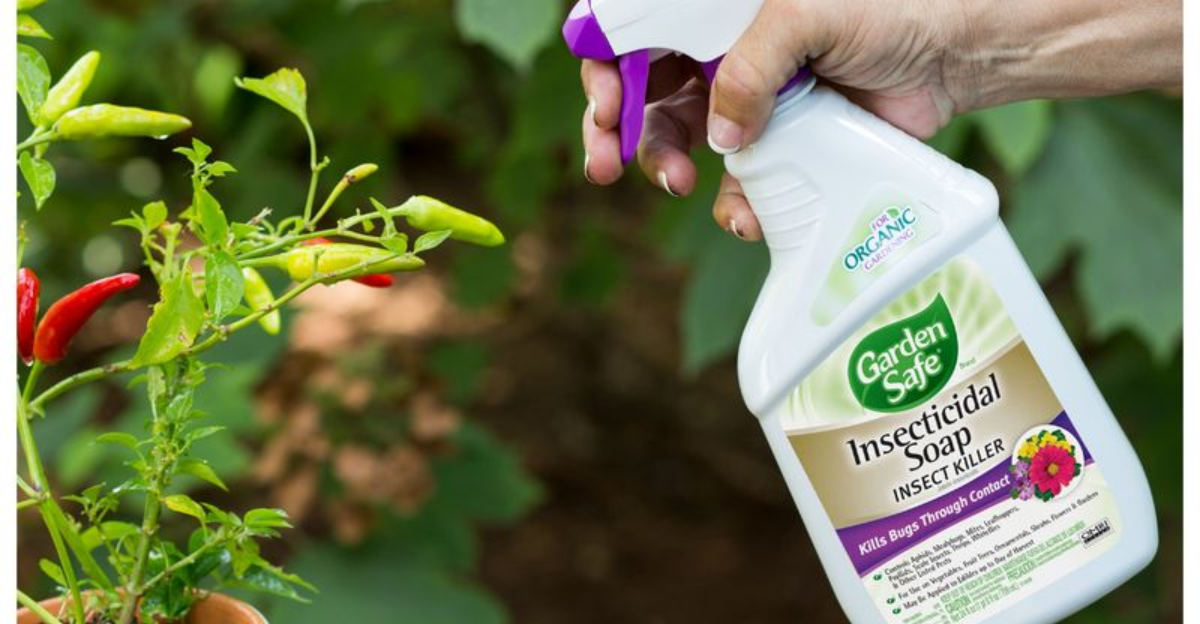
6. Insecticidal Soap
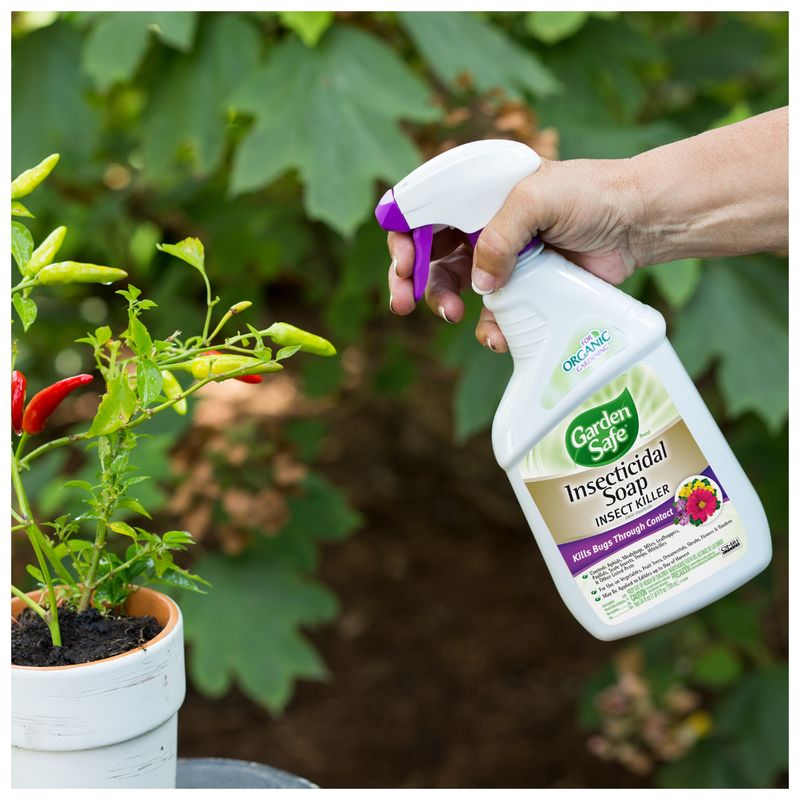
Insecticidal soap, made from natural oils and fats, offers a non-toxic way to combat soft-bodied insects like aphids, scales, and whiteflies. Its mode of action involves disrupting the cell membranes of pests, leading to dehydration and death.
This soap is gentle on plants but tough on unwanted bugs, making it a favorite among organic gardeners. It’s crucial to ensure thorough coverage for the soap to be effective.
Since it leaves no harmful residue, insecticidal soap is safe for vegetables and ornamental plants. Repeated applications enhance its impact and sustainability.
7. Floating Row Covers
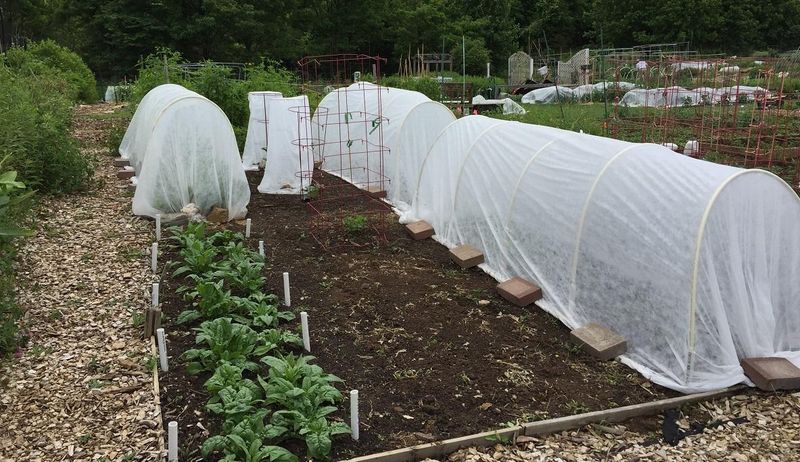
Floating row covers are lightweight fabrics that protect crops from pests and harsh weather. These covers act as a physical barrier, preventing insects from reaching plants while allowing sunlight and rain to penetrate.
They’re particularly useful for shielding vegetables like cabbages and lettuce from caterpillars and beetles. Easy to set up and adjust, they offer flexibility in garden management.
The covers also help in extending the growing season by providing warmth and reducing evaporation. Regularly check underneath for trapped pests to maintain a healthy environment.
8. Peppermint Oil
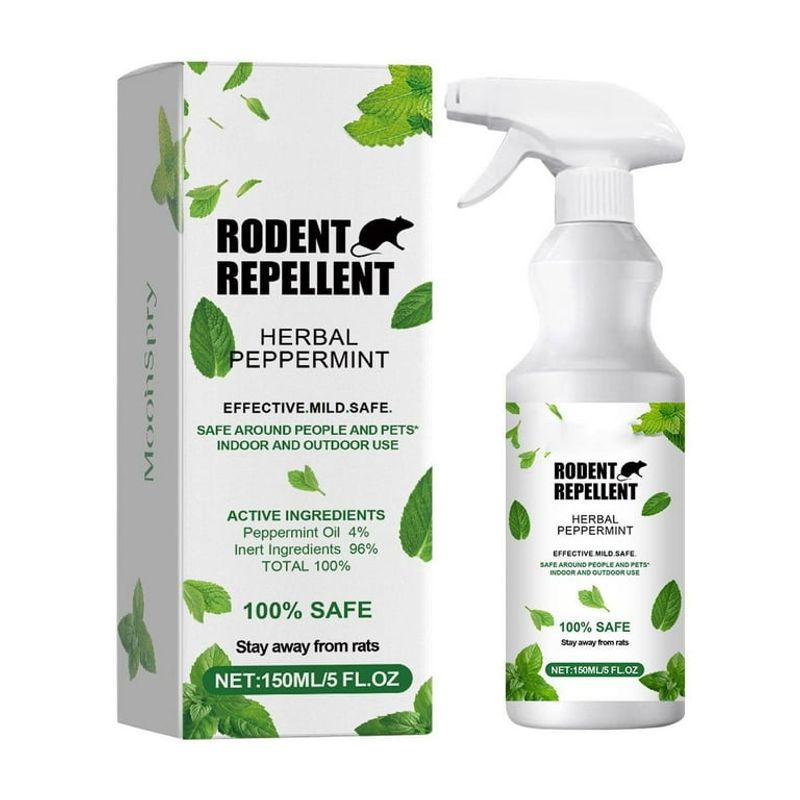
Peppermint oil’s refreshing scent is not only invigorating for humans but also repels a variety of pests. Ants, spiders, and mosquitoes are deterred by the strong aroma, making it a popular choice for households.
Mixing peppermint oil with water creates a potent spray for both indoor and outdoor use. This natural solution is safe around pets and children, adding to its appeal.
Apply the spray regularly, especially in areas prone to infestations. Its pleasant fragrance and effectiveness make peppermint oil a staple in organic pest control arsenals.
9. Beer Trap for Slugs
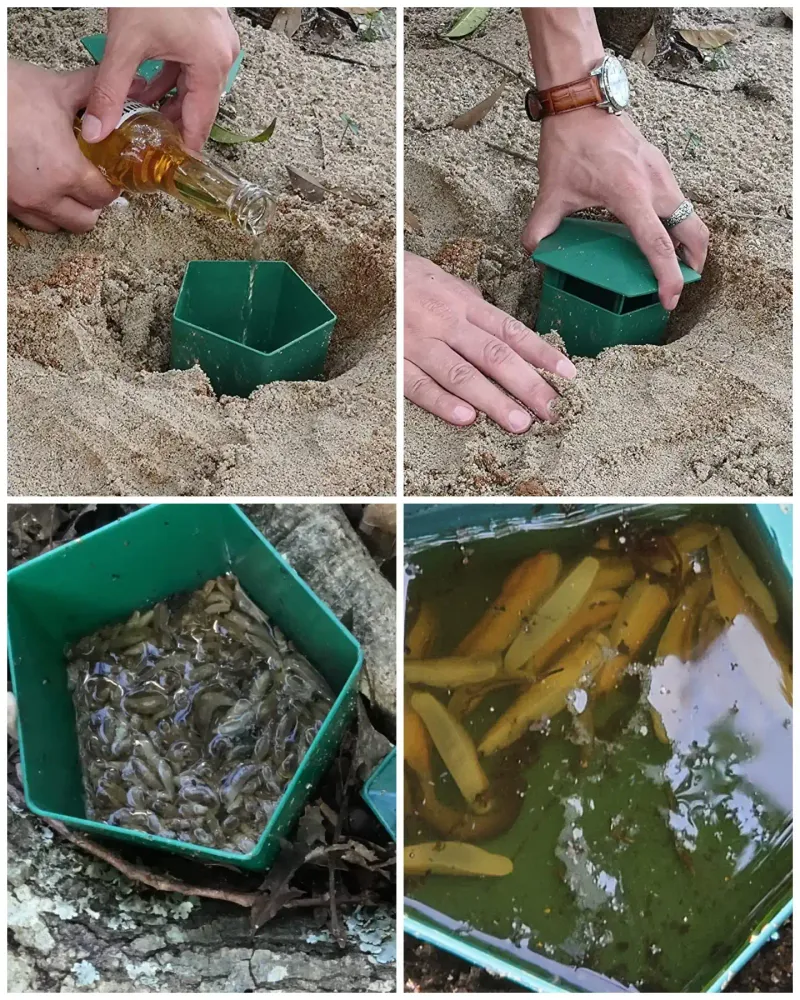
Beer traps offer a clever and eco-friendly method to control slug populations. Attracted by the yeast and sugar in beer, slugs crawl into shallow containers and drown.
Setting up these traps involves burying a container at ground level and filling it with beer. The method is straightforward and requires minimal effort.
Gardeners love this technique for its simplicity and effectiveness. Regularly empty and replenish the traps to maintain their allure. By using beer traps, you can significantly reduce slug damage to your precious plants.
10. Essential Oil Blends
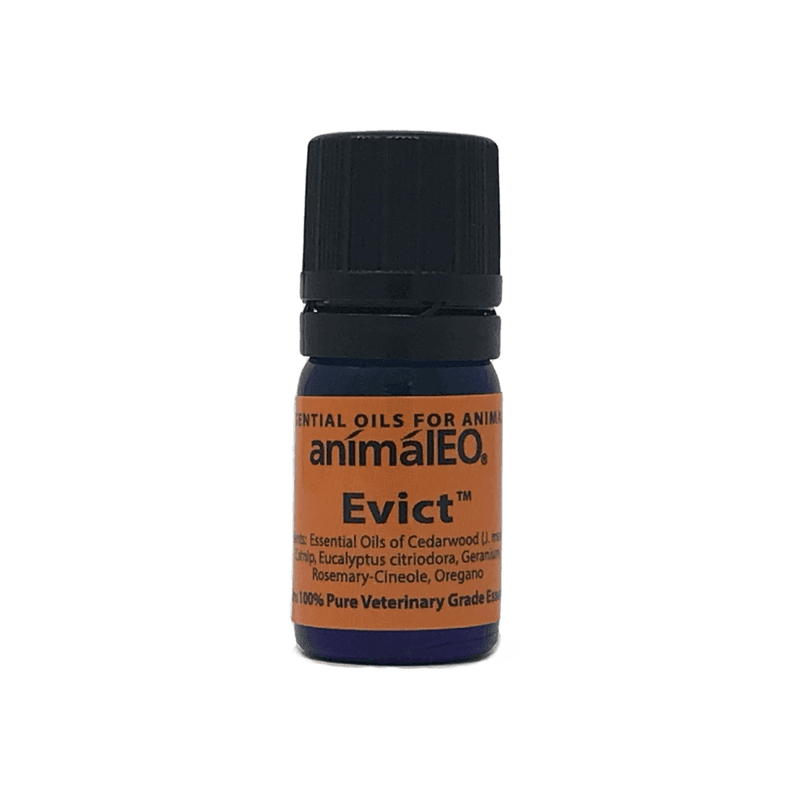
Essential oil blends are a powerful tool in organic pest control. Combining oils like lavender, rosemary, and eucalyptus creates a fragrant shield against insects.
These oils can be mixed with water and sprayed in gardens or homes, providing a pleasant aroma while safeguarding against pests. The versatility of essential oils lies in their ability to target different pests depending on the blend.
Gardeners enjoy experimenting with combinations to find their ideal mix. This method is environmentally friendly, safe, and can be tailored to specific needs.
11. Eucalyptus Spray
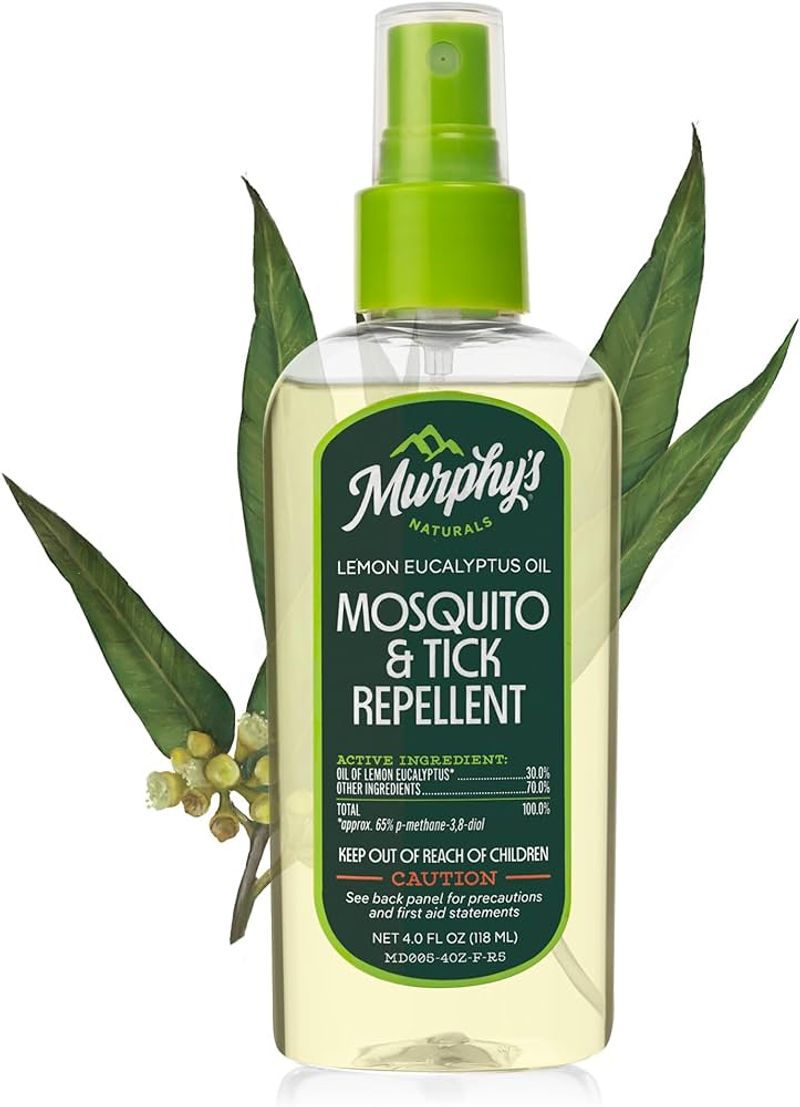
Eucalyptus spray harnesses the power of natural compounds found in eucalyptus leaves to repel pests like mosquitoes and fleas. The distinct aroma acts as an effective deterrent while offering a refreshing fragrance.
Creating this spray involves steeping eucalyptus leaves in hot water and straining the liquid. This DIY approach is cost-effective and simple to execute.
Apply the spray to areas where pests are prevalent, ensuring optimal coverage. As it’s safe for plants and humans, eucalyptus spray is a practical alternative for those seeking natural pest control solutions.
12. Chrysanthemum Extract
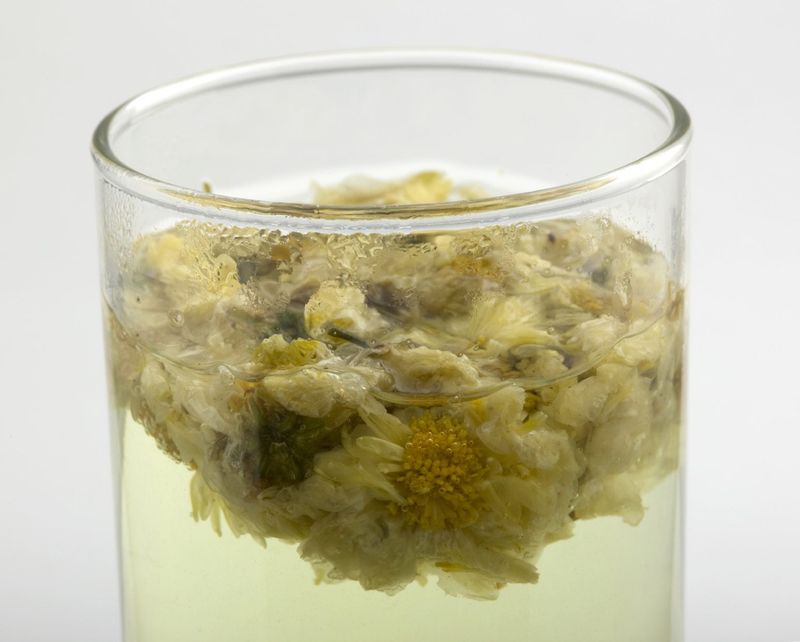
Chrysanthemum extract contains pyrethrins, natural compounds that target a wide range of insects. This extract is celebrated for its fast-acting and broad-spectrum capabilities.
Gardeners often use it to control aphids, thrips, and beetles, making it a versatile addition to pest management. Pyrethrins break down quickly, reducing long-term environmental impact.
Diluting chrysanthemum extract with water and applying it with a sprayer yields best results. It’s an excellent choice for those who want effective pest control without lingering residues.
13. Citrus Peels

Citrus peels offer more than just zest; they serve as a natural pest deterrent. The oils in the peels repel insects like ants and mosquitoes, providing a fragrant barrier.
Scattering citrus peels around plants or near entry points creates an aromatic shield. Additionally, peels can be blended with water to make a potent spray.
Gardeners appreciate this method for its simplicity and dual-purpose benefits. Not only do citrus peels repel pests, but they also enrich compost piles, making them a multifaceted choice.
14. Boric Acid
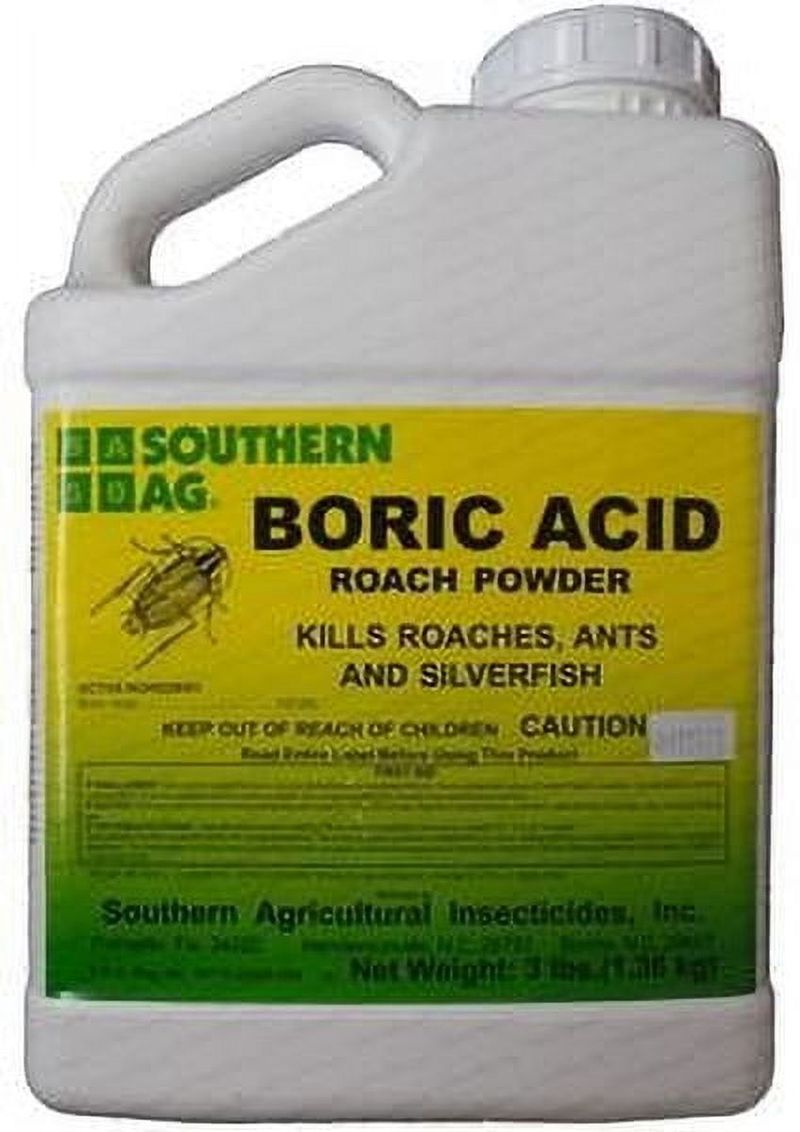
Boric acid is a tried-and-true method for controlling household pests like cockroaches and ants. This substance works by targeting the exoskeletons of insects, leading to dehydration and death.
Sprinkling boric acid in cracks and crevices creates an effective barrier against unwanted invaders. It’s crucial to apply a thin layer for optimal results.
Though potent, boric acid is safe when used correctly, making it a staple in many homes. Regular monitoring and reapplication ensure continuous protection without resorting to harsh chemicals.
15. Vinegar Spray
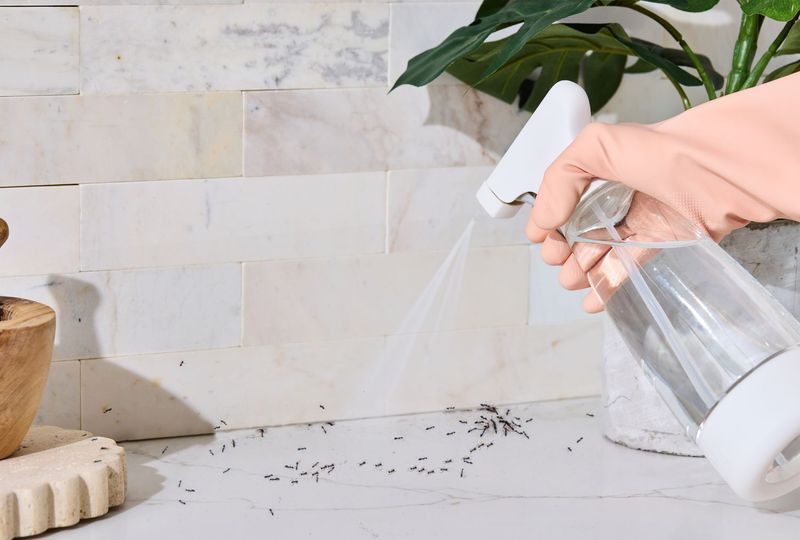
Vinegar spray is a versatile tool in pest control. Its acidic nature disrupts the bodily functions of insects like ants and fruit flies.
Creating a vinegar spray involves mixing equal parts water and vinegar, offering an easy-to-make solution. This spray can be applied around windowsills, doorways, or any area prone to infestations.
Gardeners and homeowners value vinegar spray for its affordability and accessibility. As a bonus, it’s safe for humans and pets. Regular use keeps pests at bay while maintaining a chemical-free environment.
16. Cayenne Pepper Repellent

Cayenne pepper repellent employs the heat of capsaicin to deter pests. When sprinkled around plants, its fiery sensation repels insects and animals.
Creating a spray by mixing cayenne pepper with water extends its use to larger areas. This spicy solution is a favorite among gardeners who prefer natural deterrents.
Regular application ensures effective protection as the strong scent deters intruders. Cayenne pepper repellent offers a simple and efficient way to safeguard gardens without synthetic chemicals.
17. Soap and Baking Soda Mix
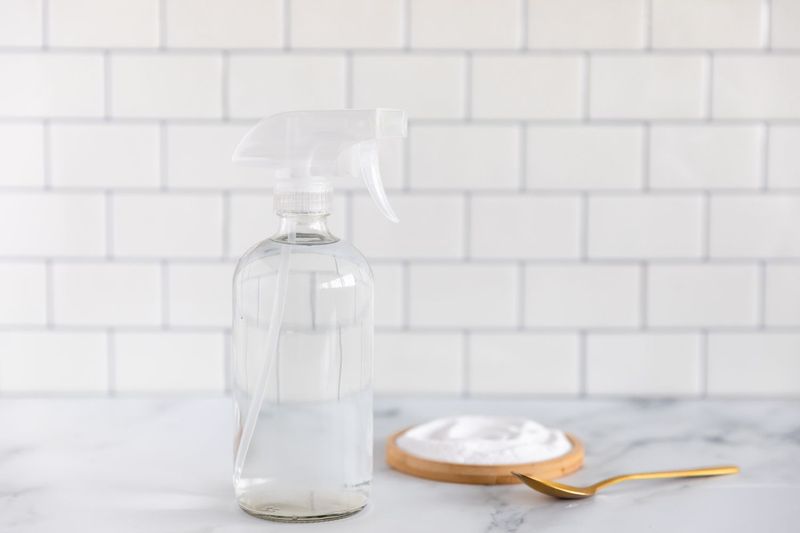
Soap and baking soda mix provides a simple yet effective way to combat fungal diseases and pests. This blend disrupts the cell membranes of fungi and soft-bodied insects, leading to their demise.
Combining dish soap with baking soda and water creates a powerful spray. Gardeners often use this mix on roses and vegetables to prevent powdery mildew and aphid infestations.
It’s essential to apply the mixture during cooler periods to avoid plant stress. This eco-friendly method is a testament to the power of household ingredients in pest control.
18. Coffee Grounds
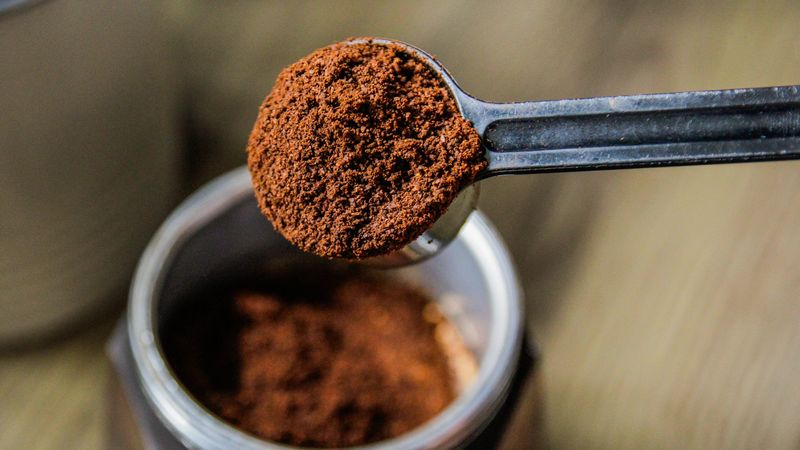
Coffee grounds, a common kitchen waste, double as a pest deterrent. The distinct aroma repels slugs and ants, adding an extra layer of protection to plants.
Sprinkling grounds around garden beds enriches the soil and wards off pests. Coffee grounds also attract worms, which aerate the soil, benefiting overall plant health.
This sustainable approach utilizes waste while enhancing garden vitality. Regular application ensures continuous protection and soil enrichment, making coffee grounds a valuable resource.
19. Onion and Garlic Companion Planting
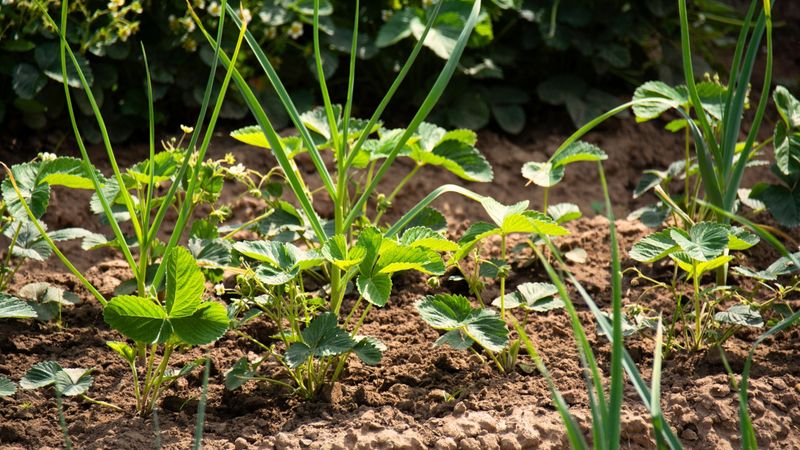
Onion and garlic companion planting harnesses the natural repellent properties of these aromatic plants. Their pungent scent deters pests like aphids and beetles, benefiting neighboring crops.
Planting onions and garlic strategically throughout the garden creates a natural defense system. Gardeners often interplant them with tomatoes and peppers to maximize protection.
This method not only reduces pest pressure but also enhances the flavor profile of the produce. Embracing companion planting fosters biodiversity and natural pest management.
20. Lavender Sachets

Lavender sachets provide a fragrant and effective way to repel household pests. The soothing scent of lavender deters moths and silverfish when placed in closets and drawers.
These sachets are easy to craft, using dried lavender flowers and fabric pouches. They’re a charming addition to the home, combining aesthetics with functionality.
Refreshing the sachets periodically maintains their potency. By incorporating lavender sachets, you can enjoy a pest-free home filled with calming aromas.
21. Eggshell Barrier
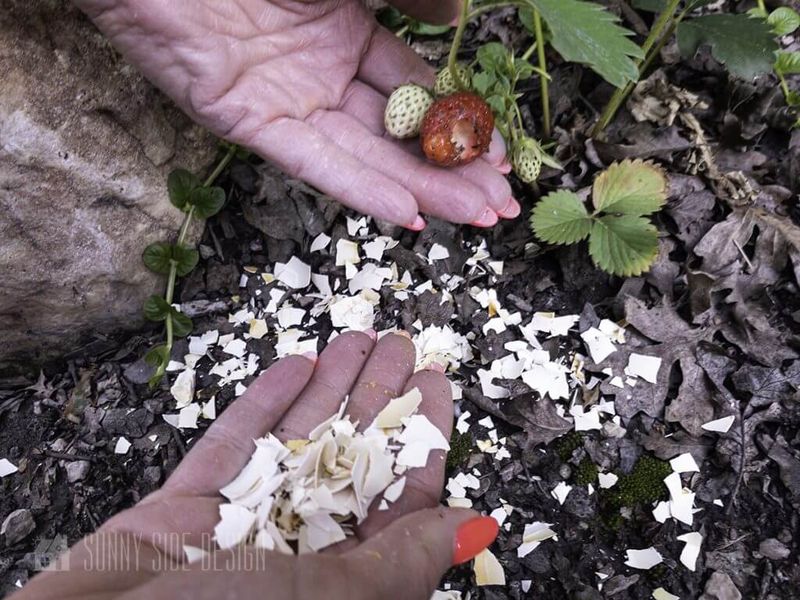
Imagine a simple household waste transforming into a formidable pest deterrent. Crushed eggshells, with their sharp edges, act as a natural barrier against soft-bodied insects like slugs and snails. Scatter them generously around your plant bases.
The calcium content enriches the soil, providing an additional nutritional boost to your plants. As these shells break down, they integrate into the earth, promoting soil health.
This method is not only cost-effective but also eco-friendly, turning kitchen waste into a gardening ally. Try this sustainable practice and watch your garden flourish without the hassles of invasive pests.