 Complete Gardening
Gardens are evolving spaces, constantly shaped by trends, climate, and personal tastes. Traditional gardening rules often emphasized symmetry, uniformity, and predictability. However, the modern gardener is more adventurous, embracing plants that defy these norms. Today’s gardens are filled with plants that surprise and delight, each challenging conventional wisdom in its own way. Whether through shape, color, growth habits, or unexpected benefits, these plants refuse to conform to expectations. This article explores 16 such plants that are redefining what it means to cultivate a garden, inviting us to break away from the ordinary and celebrate the extraordinary.
1. Purple Pitcher Plant
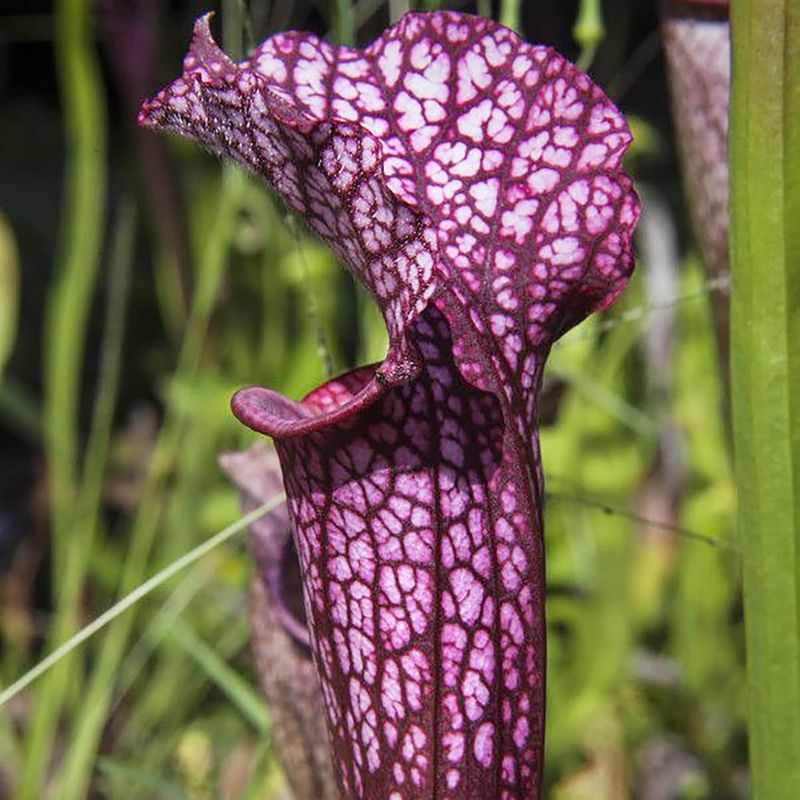
Imagine a plant that’s not just a feast for the eyes but a predator in disguise. The Purple Pitcher Plant lures insects into its deep, tubular leaves with a sweet nectar. Once inside, the plant’s trap ensures no escape, slowly digesting its prey over time. This carnivorous lifestyle makes it a fascinating addition to any garden, especially for those intrigued by nature’s more bizarre adaptations.
Considered both beautiful and sinister, it challenges the idea that all garden plants must be gentle. Nestled among more traditional flora, it adds intrigue and surprises visitors with its dramatic presence.
2. Rainbow Eucalyptus
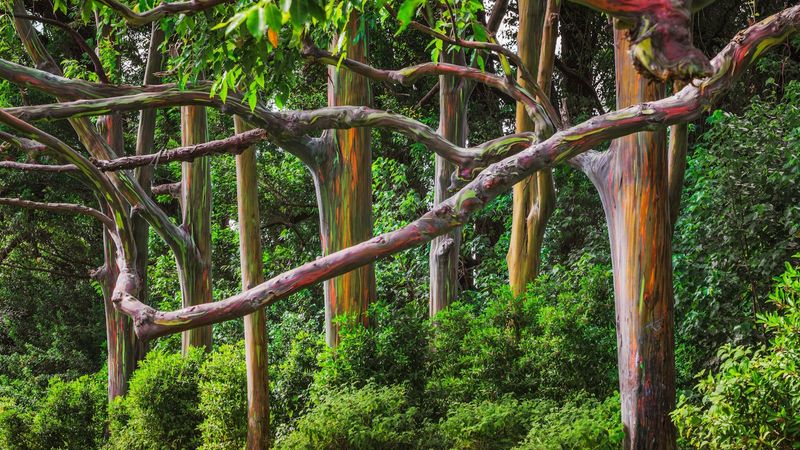
With its bark peeling away to reveal a spectrum of vibrant colors, the Rainbow Eucalyptus is like a living art installation. Each layer of bark exposes blues, greens, oranges, and purples, making it a striking focal point. Found naturally in the Philippines, it thrives in warm, humid climates, which might be more challenging for temperate zone gardeners.
Despite its exotic looks, it’s relatively easy to grow with the right conditions. This tree defies the conventional notion that trees should be uniformly colored, inviting gardeners to celebrate diversity and color in unexpected places.
3. Lithops
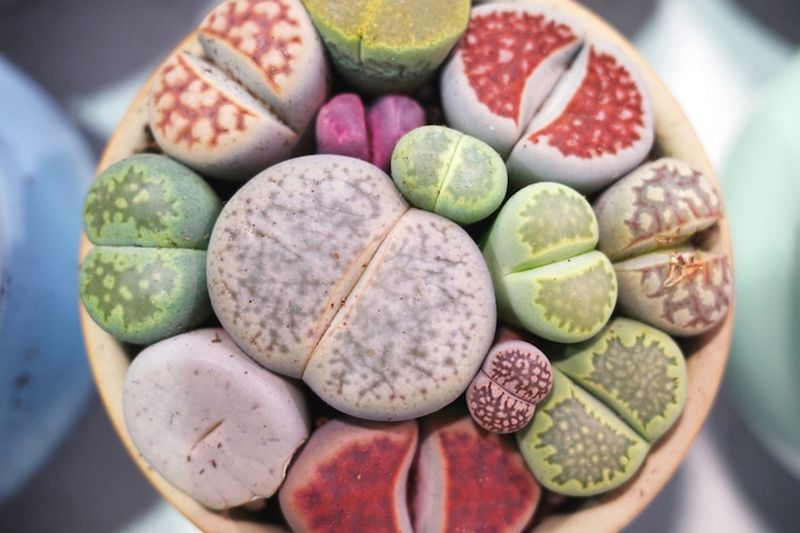
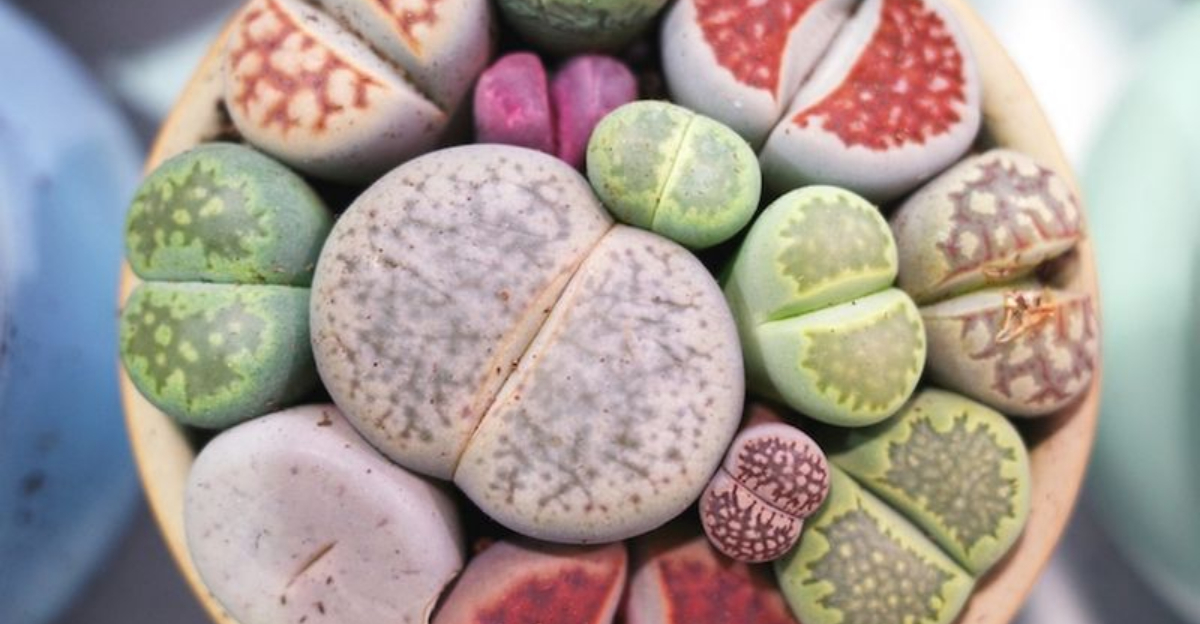
Lithops, often called ‘living stones,’ are succulents that mimic the appearance of small stones or pebbles. This unique camouflage helps them survive in harsh, arid environments by avoiding detection by herbivores. They come in various colors and patterns, adding an element of surprise for those who look closely.
Growing these intriguing plants challenges the traditional garden aesthetic of lush greenery. Instead, they celebrate subtlety and the beauty found in resilience. Gardeners can appreciate the slow and steady growth of lithops as they break the mold of what a plant should look like.
4. Corpse Flower
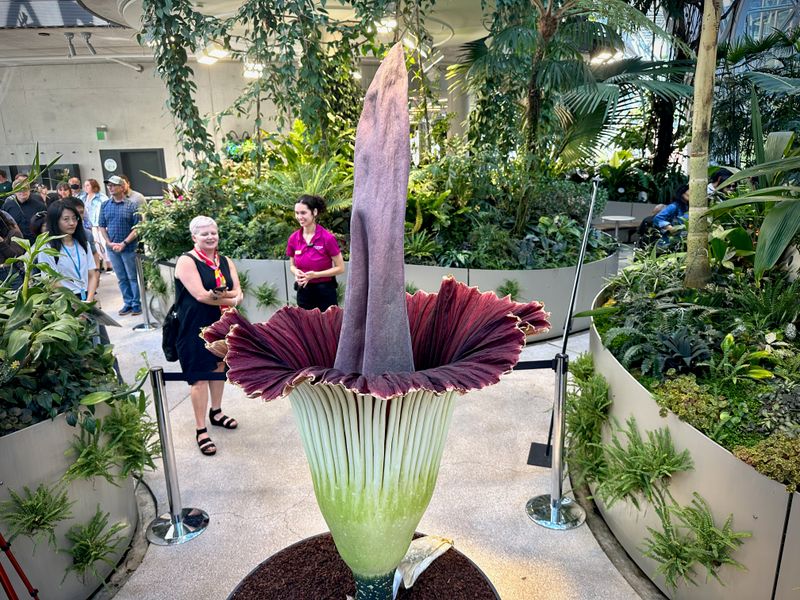
Known for its overpowering aroma and infrequent blooms, the Corpse Flower is as notorious as it is spectacular. This plant’s odor mimics rotting flesh, attracting pollinators like flies. Its rare blooming cycle makes it a centerpiece of excitement for botanical gardens around the world.
While not for the faint-hearted, its sheer size and dramatic presence defy the idea that flowers must be delicate and fragrant. Offering an unforgettable experience, it’s perfect for gardeners and plant enthusiasts who enjoy a touch of the unusual and are willing to wait years for its stunning display.
5. Ghost Pipe
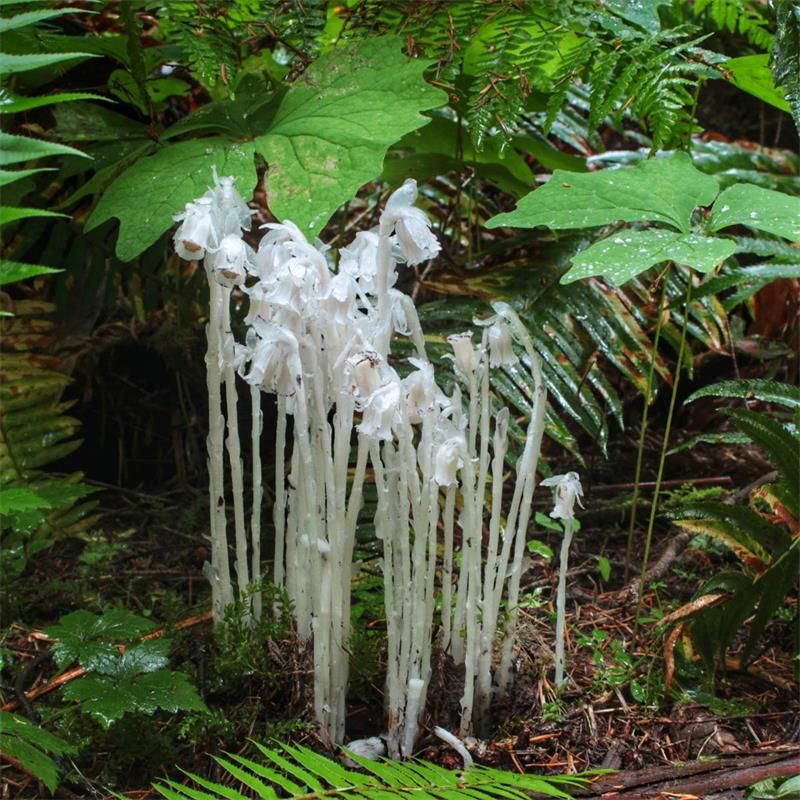
Ghost Pipe plants are ethereal and mysterious, thriving in the shadowy parts of forests. Unlike most plants, they lack chlorophyll, giving them a ghostly, translucent appearance. They engage in a complex relationship with fungi and trees to obtain nutrients, which defies standard plant growth models.
Their otherworldly presence and unusual feeding habits make them a talking point for any garden. Perfect for shaded areas, they challenge the notion that all plants need sunlight to thrive. Ghost Pipes remind us that beauty in the garden can come from the most unexpected sources.
6. Cobra Lily
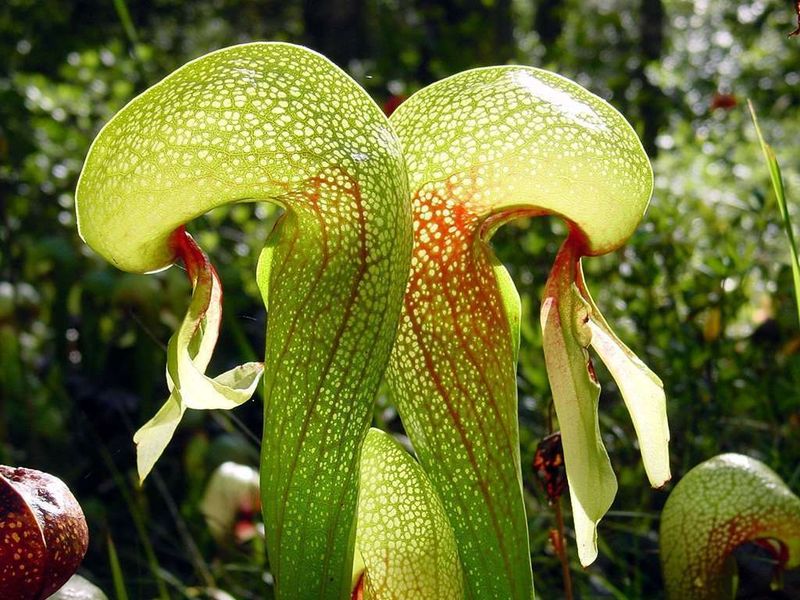
The Cobra Lily, with its serpentine appearance, captivates with a form reminiscent of a cobra poised to strike. Its unique shape serves a functional purpose, helping it trap insects for sustenance. Adapted to grow in wet, boggy conditions, it breaks the rule that gardens need dry, well-drained soil.
Its curious form and carnivorous habit make it a topic of intrigue and admiration among plant enthusiasts. Cobra Lilies bring an element of the wild into cultivated spaces, proving that gardens can be both beautiful and functionally diverse.
7. Sensitive Plant
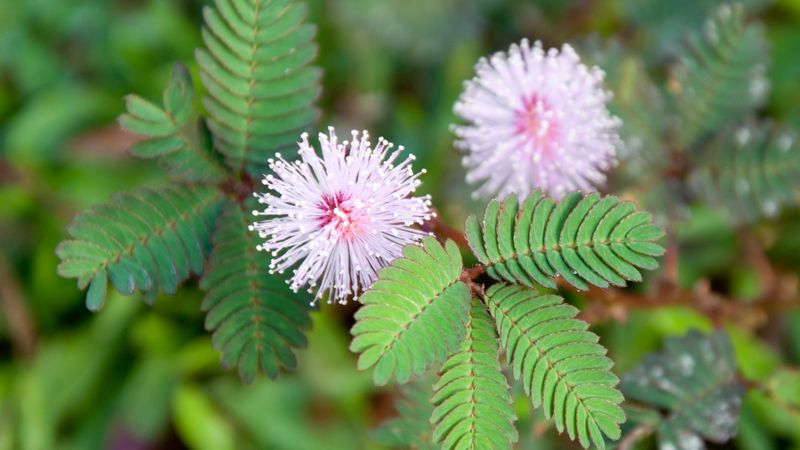
The Sensitive Plant offers a whimsical touch to any garden. Its leaves close up swiftly in response to touch or heat, a defense mechanism against predators. This characteristic fascinates children and adults alike, providing a playful element to horticulture.
Beyond its interactive nature, the plant’s delicate, feathery foliage and small pink blooms add charm and interest. By engaging physically with its environment, the Sensitive Plant challenges the idea that plants are passive elements of the garden. It invites gardeners to interact, observe, and enjoy nature’s responsive wonders.
8. Welwitschia
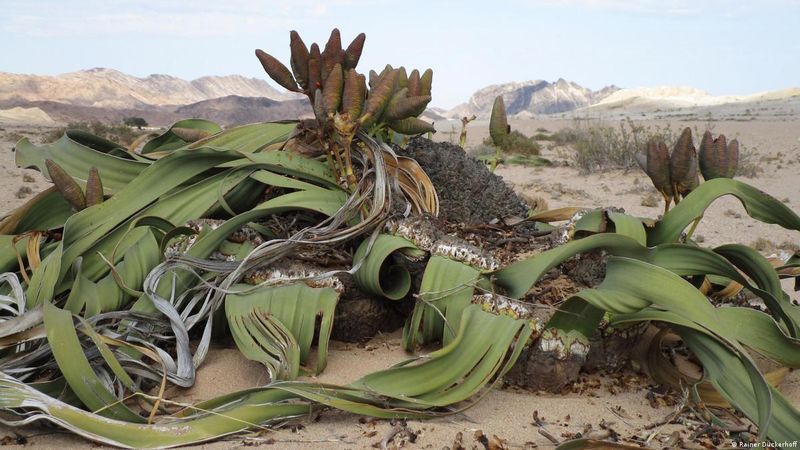
Welwitschia is a plant that defies age and expectation. With just two leaves that grow continuously over centuries, it thrives in the harsh Namib Desert. Its resilience and longevity are legendary, challenging the notion that gardens are ephemeral.
This plant’s ancient, rugged aesthetic intrigues botanists and garden enthusiasts alike. Welwitschia brings a piece of prehistory into modern gardens, proving that survival and adaptation can be the key to beauty. It’s a testament to life’s persistence in the most unforgiving environments.
9. Resurrection Plant
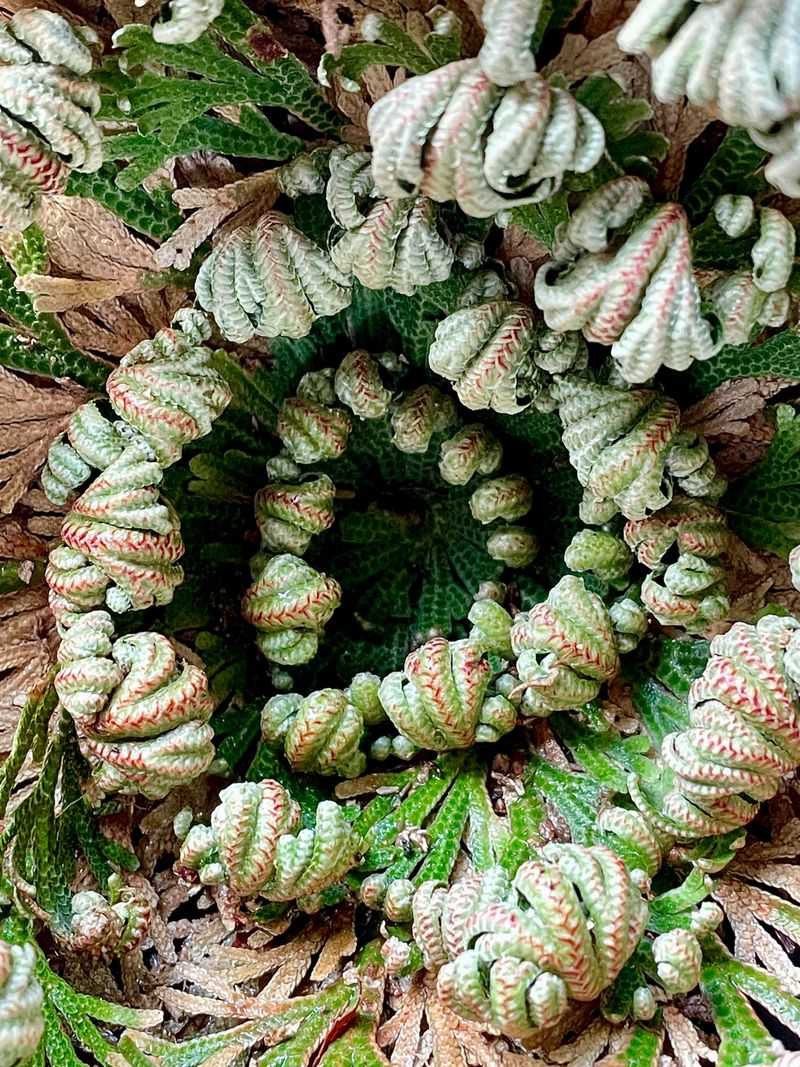
The Resurrection Plant, also known as the ‘Rose of Jericho,’ showcases nature’s incredible ability to bounce back. This plant can survive years in a desiccated, dormant state, only to revive with exposure to moisture.
Its transformative journey from dry to lush green challenges the traditional idea that beauty is constant. Instead, it celebrates change and resilience. Perfect for those who value symbolism in their gardens, the Resurrection Plant offers a living metaphor for renewal and hope, appealing to garden enthusiasts seeking both inspiration and innovation.
10. Gunnera
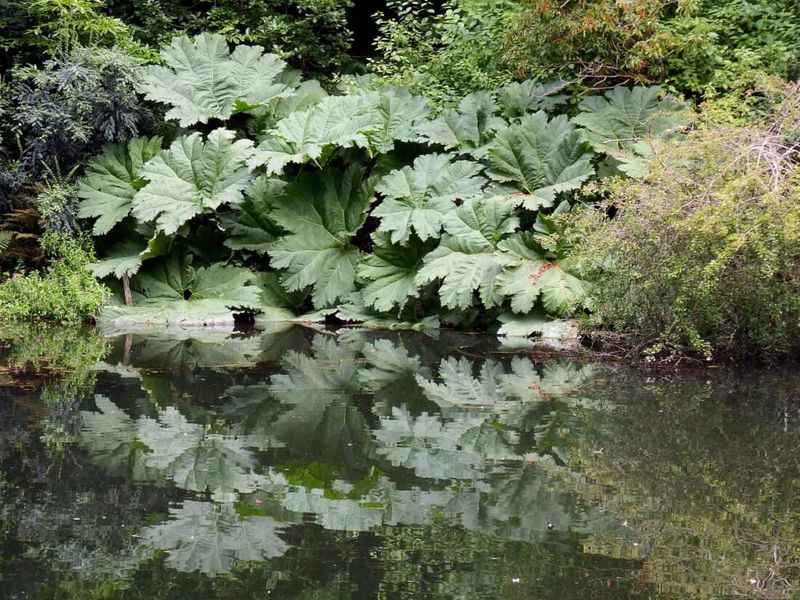
Gunnera plants transport you to prehistoric times with their gigantic leaves, sometimes spanning over six feet across. Often referred to as “giant rhubarb,” they thrive near water, where their monumental size creates dramatic, lush landscapes.
These plants defy the traditional garden notion of small, orderly plantings, instead embracing chaos and scale. Gunnera is perfect for gardeners willing to let nature take center stage, adding a touch of the primeval to contemporary settings. It offers a visual impact that few plants can match, transforming ordinary spaces into exotic retreats.
11. Venus Flytrap
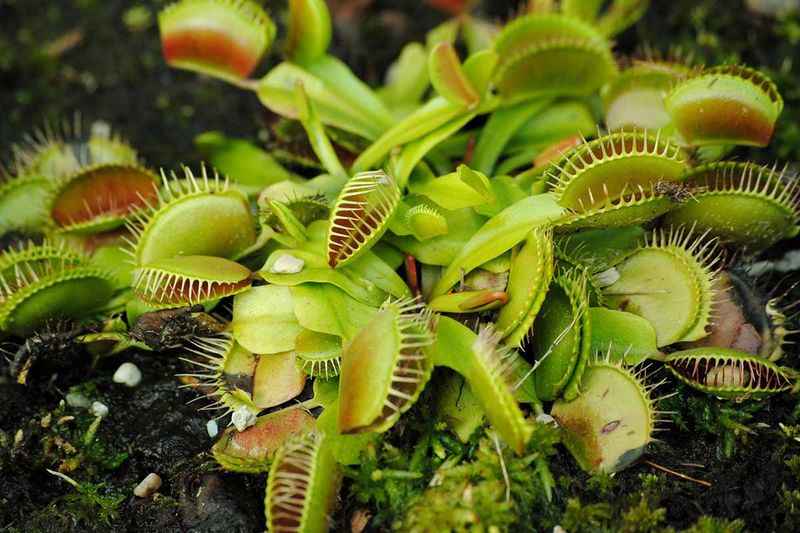
The Venus Flytrap is a captivating, carnivorous plant known for its jaw-like leaves that snap shut on unsuspecting insects. This iconic plant’s rapid movement challenges the conventional idea that plants are slow and passive.
Perfect for those who appreciate a touch of drama, the Venus Flytrap offers a glimpse into the dynamic interactions within the plant kingdom. Beyond its fascinating nature, it invites questions about survival and adaptation in challenging environments. It’s a conversation starter for any garden, drawing curious visitors into its tiny, captivating world.
12. Baobab

Baobab trees are known for their enormous trunks and sparse branches, often described as looking like they’re planted upside-down. These iconic trees are symbols of life and longevity in African landscapes, capable of storing vast amounts of water.
They defy the typical garden tree profile with their unique form and survival strategies. Gardeners who choose baobabs embrace the extraordinary and ancient, bringing a piece of the African savannah to their own backyards. These trees are a testament to the beauty found in resilience and adaptation.
13. Bleeding Heart
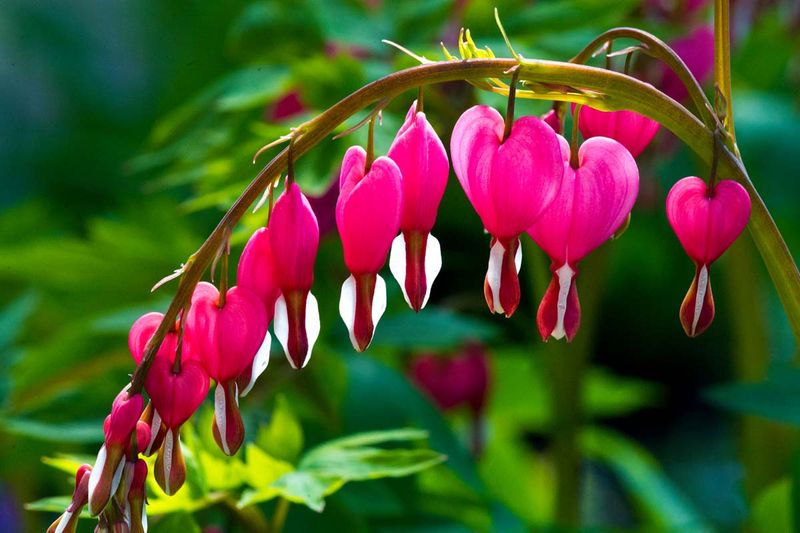
Bleeding Heart plants are celebrated for their unique, heart-shaped flowers that dangle gracefully from arching stems. This plant breaks the mold with its romantic blossoms, often evoking stories of love and emotion in folklore.
Growing well in shaded areas, it defies the notion that gardens must be sunlit to be beautiful. Instead, it offers a tender, poetic touch to any garden setting. The Bleeding Heart is perfect for those seeking a connection between nature and storytelling, offering beauty and meaning in every petal.
14. Tillandsia (Air Plant)
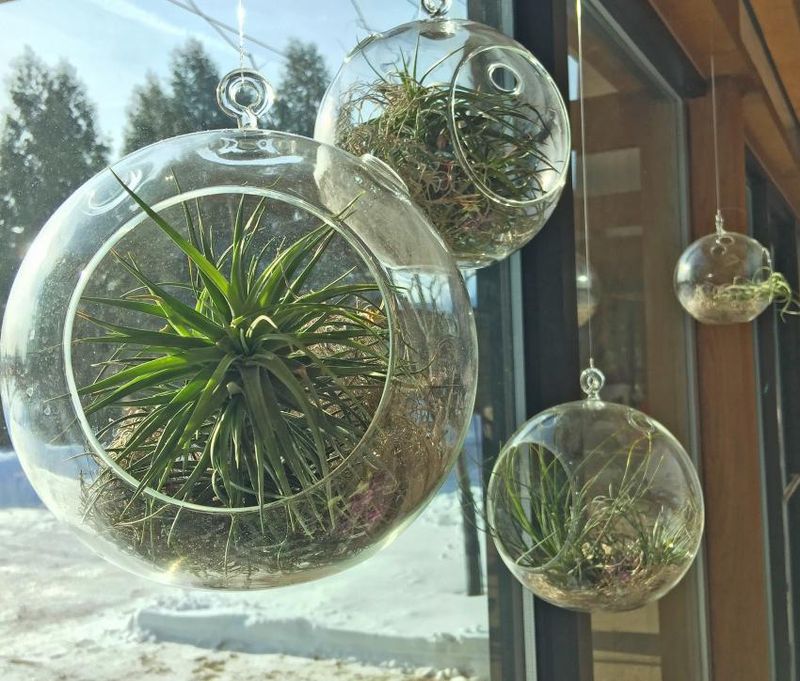
Tillandsia, commonly known as Air Plants, redefine how we think about plant needs. These plants draw moisture from the air, requiring no soil to thrive. Their minimalist care requirements and ability to grow in diverse environments make them popular in modern, urban settings.
Air Plants challenge the conventional garden by thriving without a traditional root system. They invite us to rethink how and where greenery can exist, offering endless possibilities for creative displays. Perfect for those limited on space, they bring a touch of innovation to contemporary design.
15. Dragon’s Blood Tree
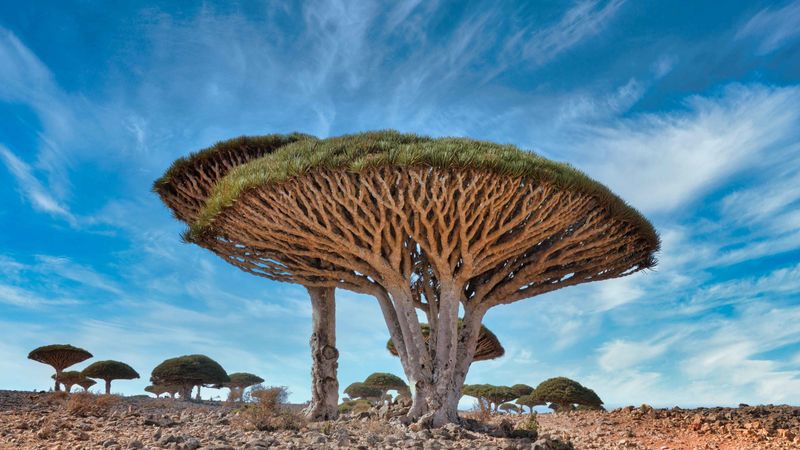
The Dragon’s Blood Tree is iconic for its umbrella-like canopy and crimson sap, often referred to as ‘dragon’s blood.’ Found on Socotra Island, it thrives in harsh, rocky conditions, breaking the rule that lush environments are necessary for tree growth.
This tree’s striking appearance makes it a focal point in any garden, symbolizing resilience and exotic beauty. Gardeners drawn to the dramatic and unusual will find the Dragon’s Blood Tree a perfect fit, adding a sense of mystery and legend to their outdoor spaces.
16. Walking Palm
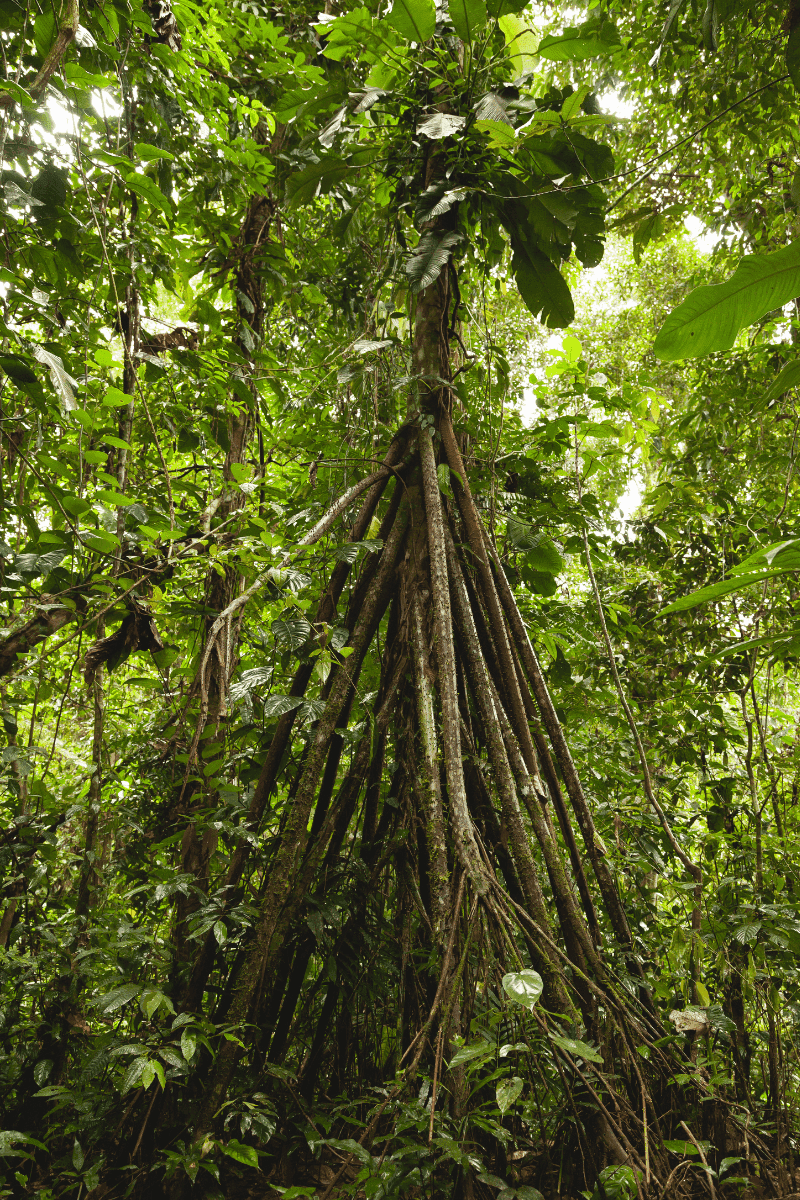
Imagine a tree that can walk! The Walking Palm, native to Central and South America, is renowned for its unusual stilt roots. These roots allow the tree to “move” toward sunlight by growing new roots in one direction while letting the others die off. This fascinating adaptation helps it compete for sunlight in dense rainforests.
Its leaves provide an umbrella-like canopy that shelters the forest floor. Some locals even believe it walks to find better soil. Whether myth or reality, the Walking Palm captivates with its curious mobility and architectural elegance.