 Complete Gardening
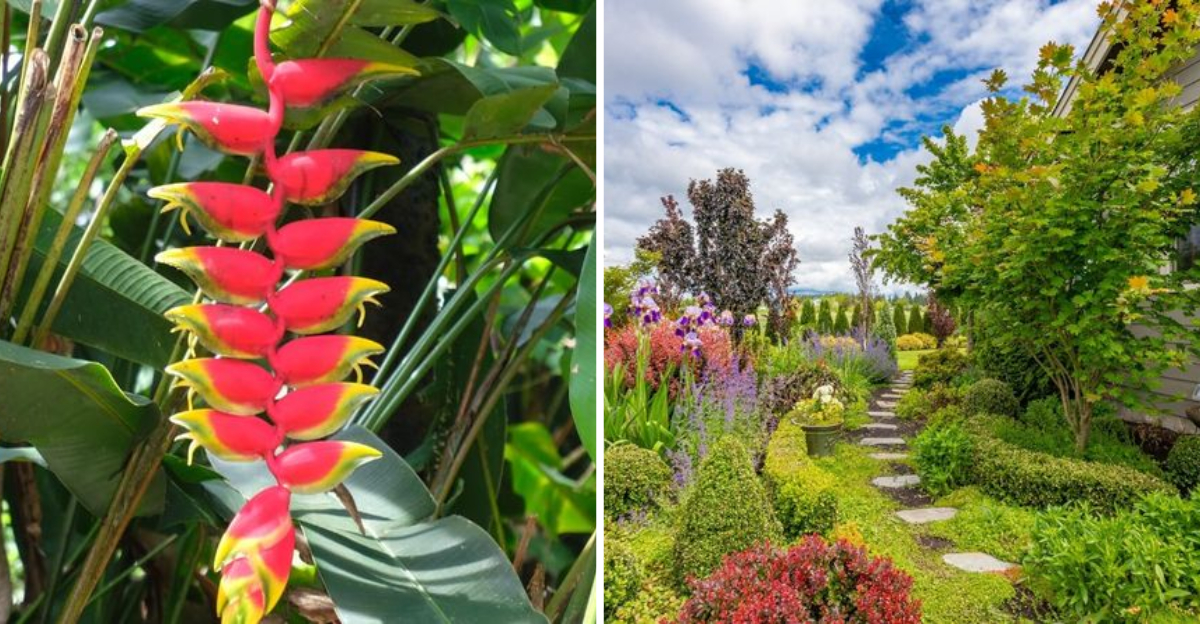
As we move into 2025, it’s time to rethink our gardens and move away from outdated styles that have dominated the landscape for far too long. From monochromatic plantings to overly formal layouts, some garden trends are ready to be retired. Instead, embrace new options that offer sustainability, biodiversity, and visual appeal. Below are 15 garden styles to leave behind and what to plant instead, ensuring your outdoor space is both modern and environmentally friendly.
1. Monochromatic Gardens
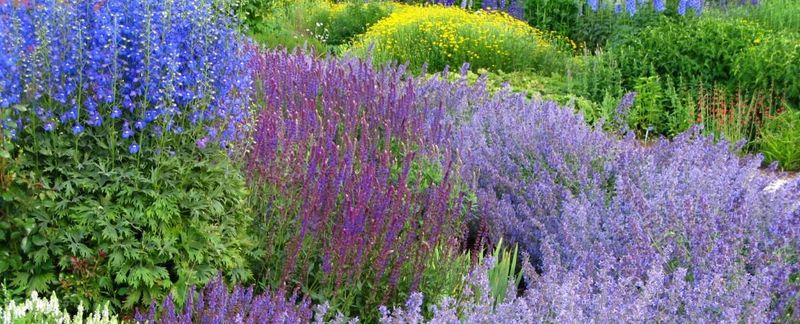
Monochromatic gardens, though once considered chic, lack diversity and can feel dull. The reliance on a single color palette limits the plant variety, often resulting in gardens that fail to thrive or adapt to changing conditions. In 2025, it’s time to embrace gardens that feature a riot of colors, like a wildflower meadow, offering a feast for the eyes and a haven for pollinators.
This approach not only enhances visual interest but also supports biodiversity, providing habitats for various species. A diverse garden is more resilient, adapting to pests and climate shifts with ease.
2. Overly Formal Layouts
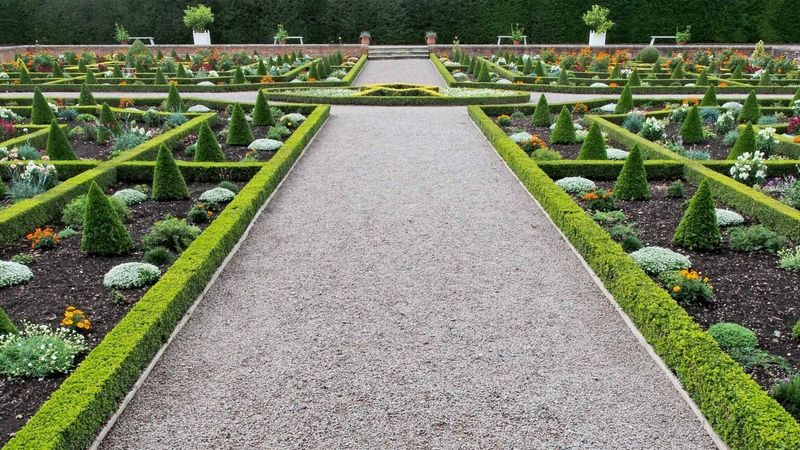
The overly formal garden, with its rigid lines and symmetrical designs, speaks of a bygone era. Such gardens often require extensive maintenance and offer little in terms of ecological benefits. As we look to 2025, consider adopting a more naturalistic approach, allowing plants to grow in organic shapes and forms.
This style not only reduces maintenance time but also encourages a more sustainable interaction with the environment. Naturalistic gardens support local wildlife, creating a dynamic ecosystem that changes with the seasons, bringing life and movement to your outdoor space.
3. Lawns as Dominant Feature
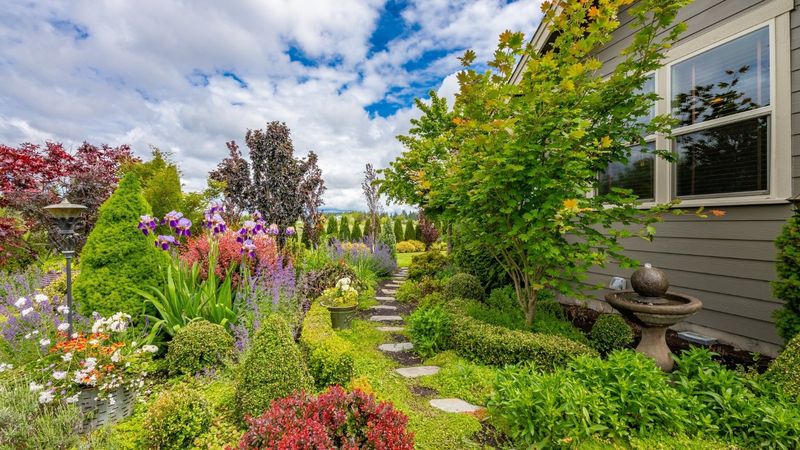
Expansive lawns, once a suburban staple, are now seen as water-guzzling and low in biodiversity. Maintaining a perfect lawn takes time, resources, and chemicals that can harm the environment. In 2025, replace lawns with native grasses or groundcovers that require less water and are better for local ecosystems.
A thriving yard with a mix of plants provides food and shelter for wildlife while reducing your environmental footprint. Native plants, adapted to local conditions, offer natural beauty and interest throughout the year, proving that diversity is indeed strength.
4. Exotic Plant Obsession
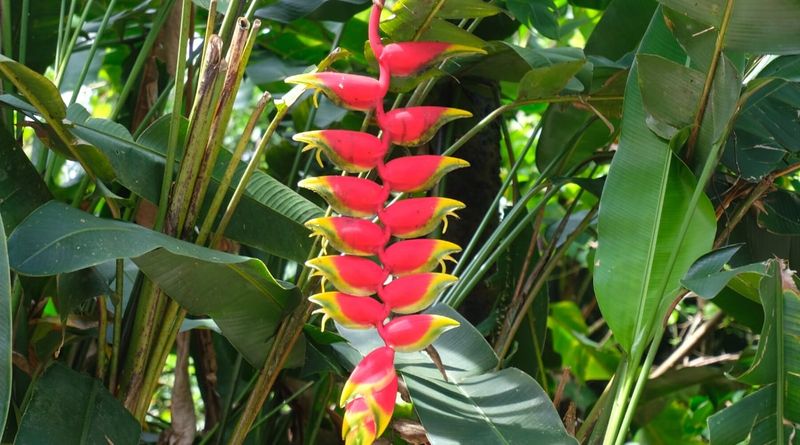
An obsession with exotic plants can lead to gardens that are not only high maintenance but also environmentally unfriendly. These plants often require more resources, such as water and fertilizers, to thrive in non-native climates. In 2025, focus on native plants that are adapted to your local environment, ensuring sustainability.
Native plants support local ecosystems, attract pollinators, and require less care. By choosing native flora, you create a garden that flourishes naturally, reducing the need for interventions and allowing nature to take the lead, resulting in a harmonious outdoor retreat.
5. Hedge Borders
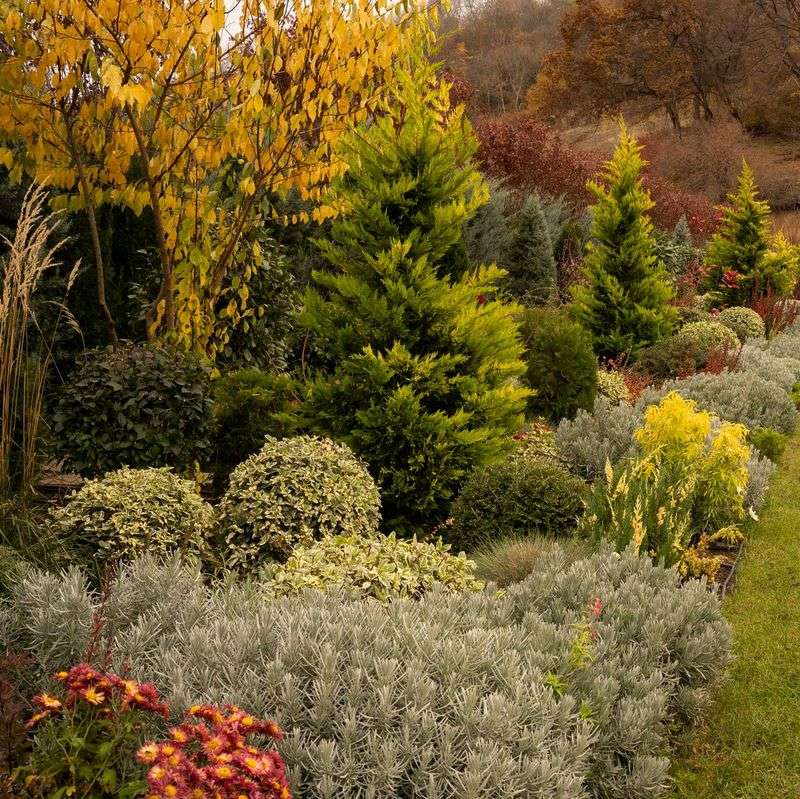
Hedge borders, while offering privacy, often create an enclosed, static environment with little ecological benefit. In 2025, consider replacing them with mixed shrub borders for a more dynamic landscape. These alternatives provide seasonal interest and habitats for wildlife, encouraging biodiversity.
Mixed borders can incorporate flowering shrubs, evergreens, and perennials, creating a layered effect that changes through the year. This approach not only enhances your garden’s aesthetic appeal but also its ecological value, transforming your outdoor space into a living, breathing part of nature’s tapestry.
6. Ornamental Grass Overuse
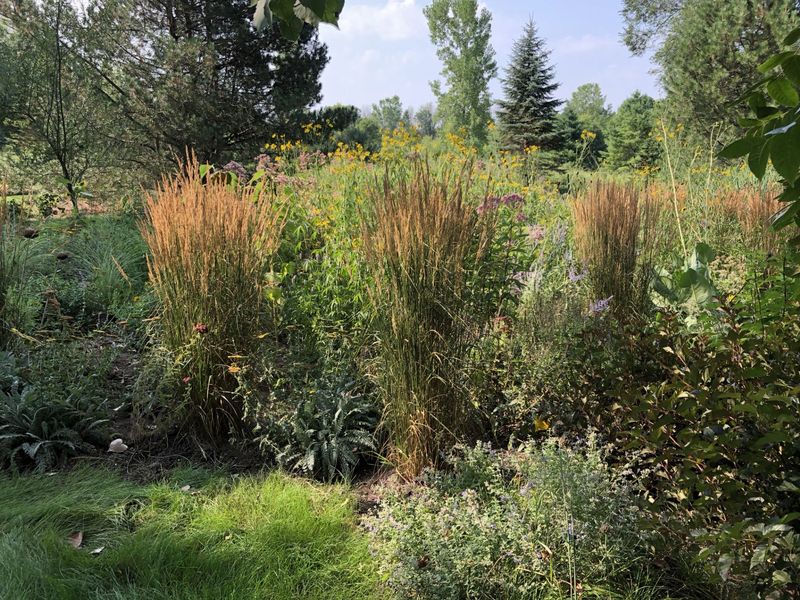
Ornamental grasses have been a popular choice for adding texture, but an overreliance can lead to a garden that feels monotonous. In 2025, diversify your plantings with a mix of perennials, annuals, and shrubs to keep the landscape vibrant and engaging.
By incorporating plants with different heights, colors, and bloom times, you create a garden that offers interest throughout the seasons. This diverse approach not only enhances visual appeal but also supports a wider array of pollinators and wildlife, turning your garden into a thriving ecological hub.
7. Rock Gardens in Inappropriate Climates
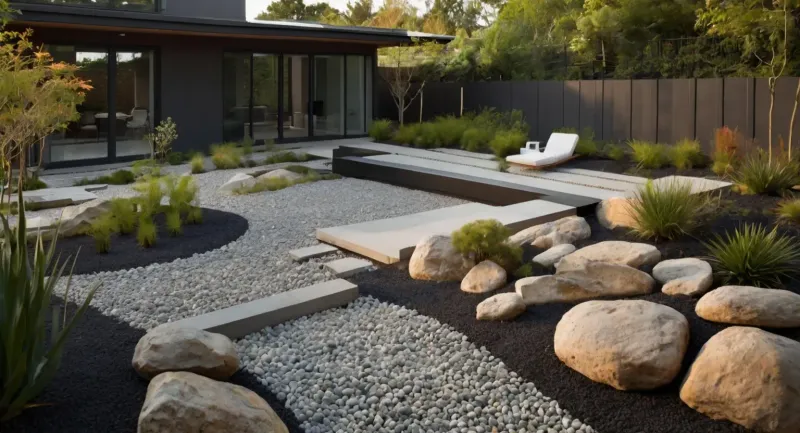
Rock gardens, while striking, can look out of place in inappropriate climates. They are often more suited to arid regions, where rocks and drought-tolerant plants thrive naturally. For 2025, consider a rain garden if you’re in a wetter climate, featuring moisture-loving native plants.
Rain gardens manage stormwater runoff and provide habitats for aquatic and terrestrial life. By embracing plants suited to your local climate, your garden will not only look natural but also contribute to the health of the local ecosystem, making your garden both practical and beautiful.
8. Topiary Gardens
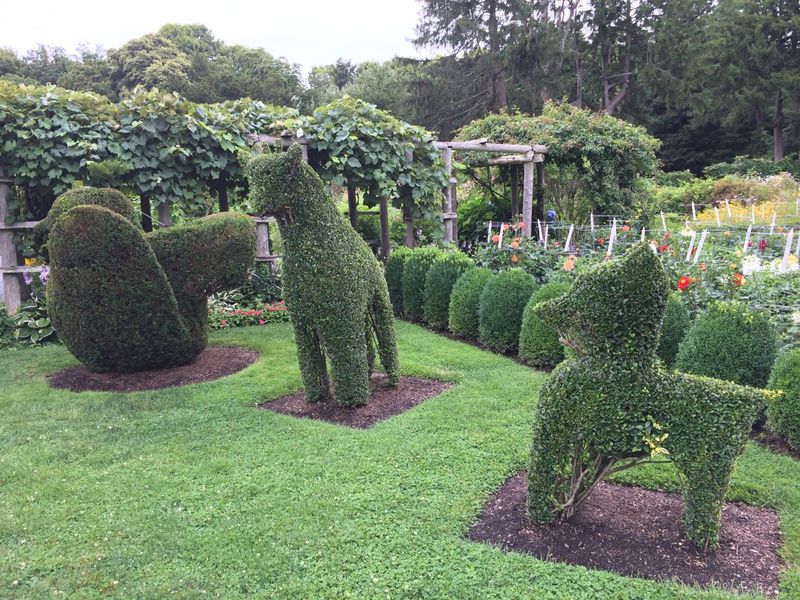
Topiary gardens, with their whimsical shapes, can feel both outdated and labor-intensive. Maintaining such intricate designs demands significant time and resources. In 2025, encourage a more relaxed aesthetic with a cottage garden, blending perennials, herbs, and vegetables in a charming, informal layout.
Cottage gardens celebrate abundance and diversity, providing habitats for pollinators and a feast for the senses. This style promotes a harmonious coexistence with nature, requiring less maintenance while supporting ecological health, making your garden a joyful and sustainable sanctuary.
9. Plastic Decorations
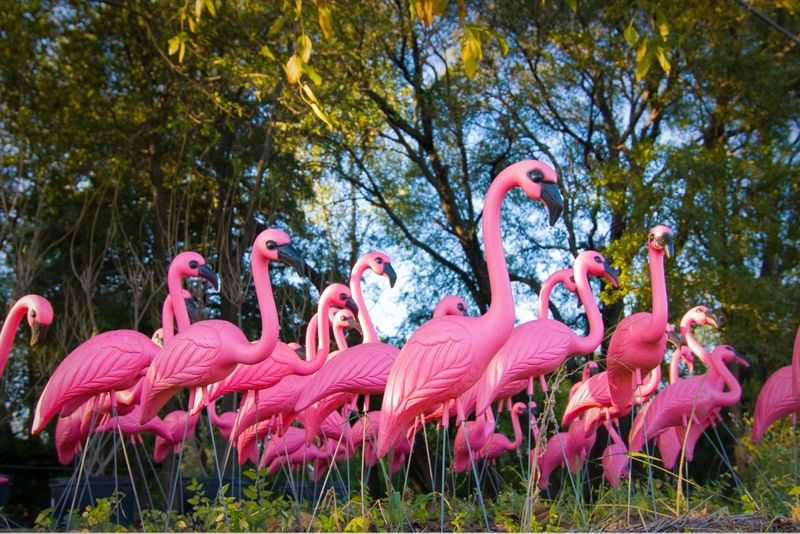
Plastic garden decorations, though whimsical, often contribute to environmental waste and detract from the garden’s natural beauty. In 2025, opt for art that enhances rather than distracts, such as sculptures made from sustainable materials like wood, metal, or stone.
These alternatives not only reduce plastic waste but also add artistry and character to your garden. Choosing natural materials helps integrate the art into the landscape, creating a harmonious and eco-friendly environment that invites reflection and enjoyment without harming the planet.
10. Overly Symmetrical Planting
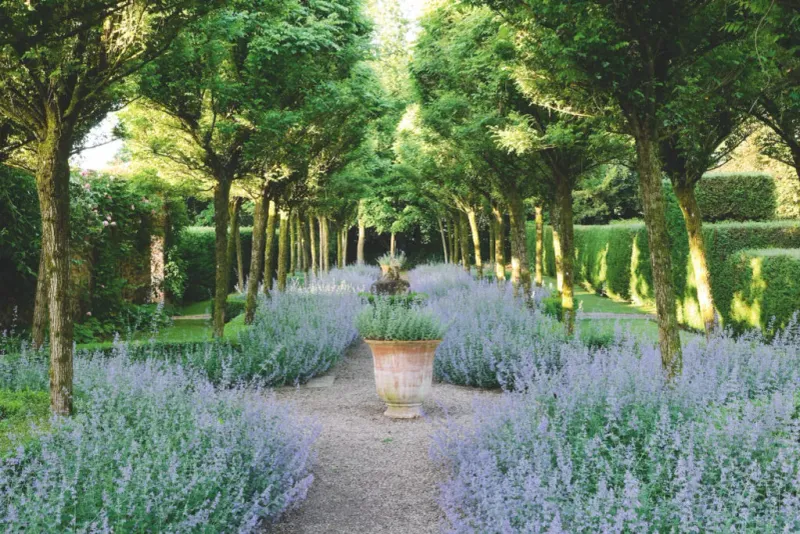
Overly symmetrical planting, while pleasing to the eye, can feel rigid and uninspired. Such designs leave little room for creativity or the unexpected joys of nature. For 2025, adopt an asymmetrical approach, mixing plant types, sizes, and colors for a more dynamic landscape.
This method fosters a garden that evolves organically, offering surprise and delight throughout the seasons. An asymmetrical garden encourages biodiversity, attracting a wider range of pollinators and wildlife, turning your space into a lively and ever-changing canvas of natural beauty.
11. Artificial Turf
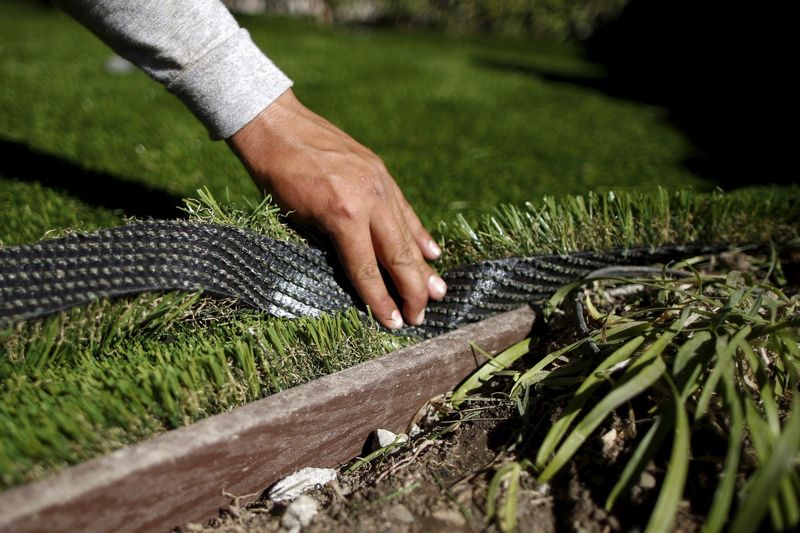
Artificial turf, while low maintenance, lacks the benefits of living plants and can heat up, harming local wildlife. As we step into 2025, embrace low-maintenance groundcovers or native grasses that offer ecological benefits without the upkeep.
Living plants cool the environment, support insect and animal life, and contribute to soil health. By choosing natural alternatives, you create a garden that’s vibrant and alive, offering beauty and sustainability in equal measure, and ensuring your outdoor space is a haven for all living creatures.
12. Zen Gardens in Urban Spaces
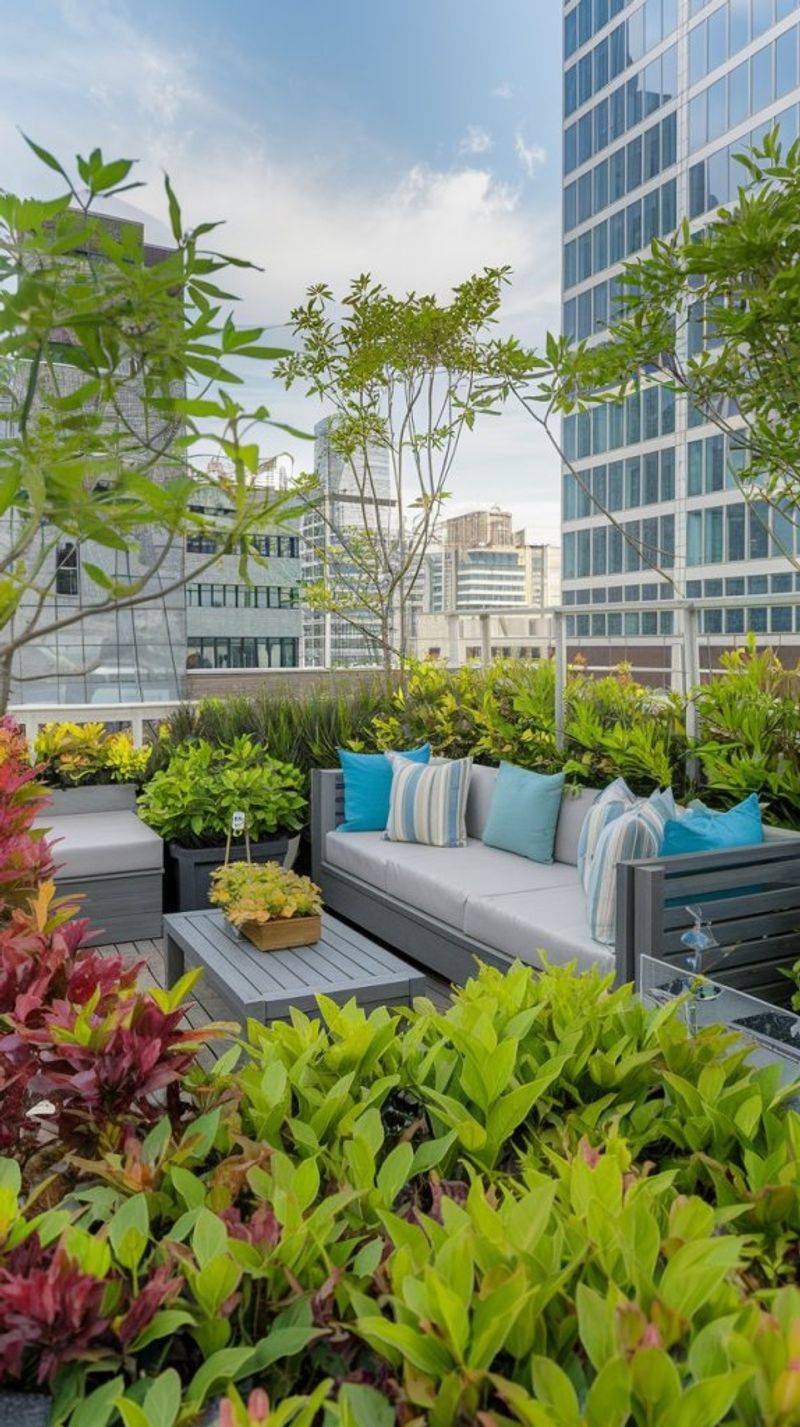
Zen gardens, with their tranquil beauty, can feel lost in bustling urban environments. The minimalist design often contrasts sharply with their surroundings. In 2025, try incorporating green walls or rooftop gardens, adding lushness and life to urban spaces.
These innovative solutions not only enhance urban aesthetics but also improve air quality and promote mental well-being. By introducing greenery into cities, you foster a connection with nature, transforming concrete jungles into vibrant, living spaces that nurture both the environment and the human spirit.
13. Concrete Jungle Gardens
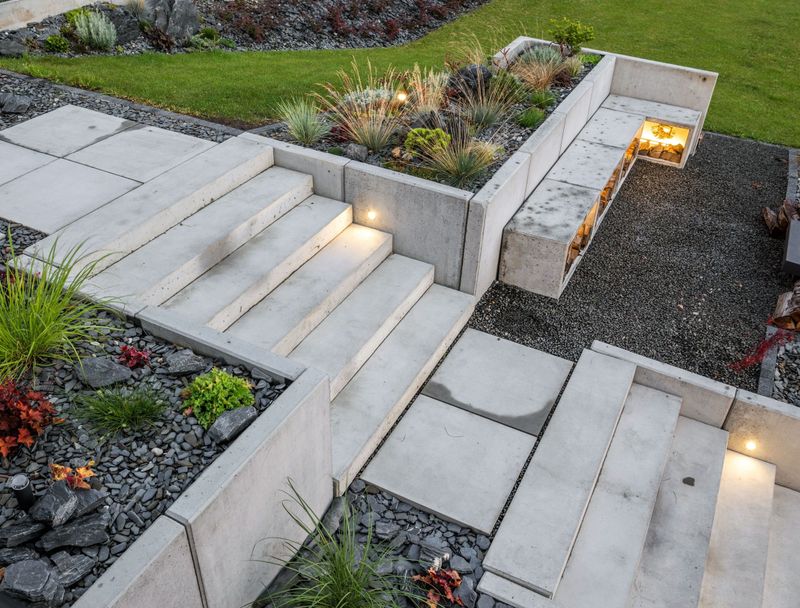
Concrete-heavy gardens, though modern, can feel cold and lifeless, lacking the warmth and vibrancy of nature. In 2025, infuse your garden with lush plantings and organic materials to create a welcoming retreat.
Incorporating plants in varied textures and hues softens hard surfaces, adding depth and color. Green elements bring a sense of tranquility and relaxation, transforming stark urban gardens into inviting sanctuaries. This approach not only enhances your garden’s aesthetic appeal but also supports local ecosystems, making your space a vibrant extension of the natural world.
14. Single-Use Plantings
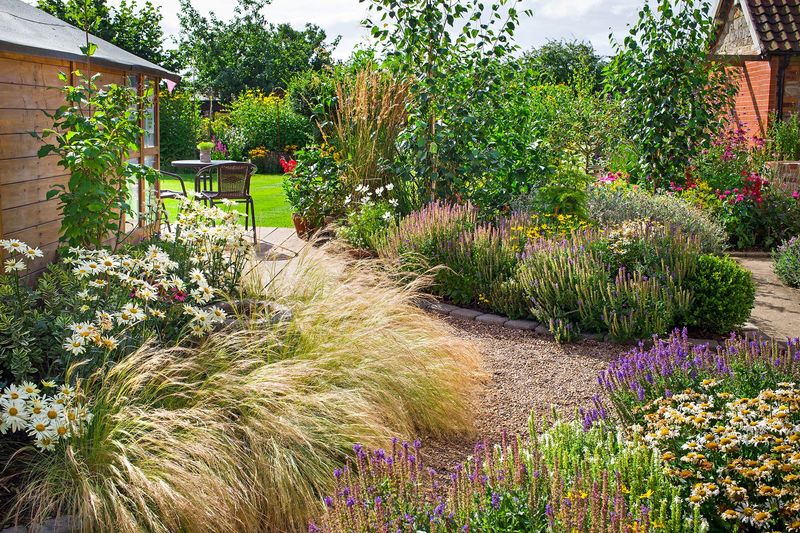
Single-use plantings, relying on one type of plant, often fail to capture the imagination. They offer little in terms of seasonal change or biodiversity. In 2025, cultivate a garden that celebrates variety, mixing perennials, annuals, and shrubs to create an engaging tapestry.
Such diversity not only pleases the eye but also supports a wide range of wildlife, enhancing your garden’s ecological value. A varied planting scheme ensures that your garden remains interesting and vibrant throughout the year, offering new delights with every season, and making your outdoor space a living work of art.
15. Water-Hungry Gardens
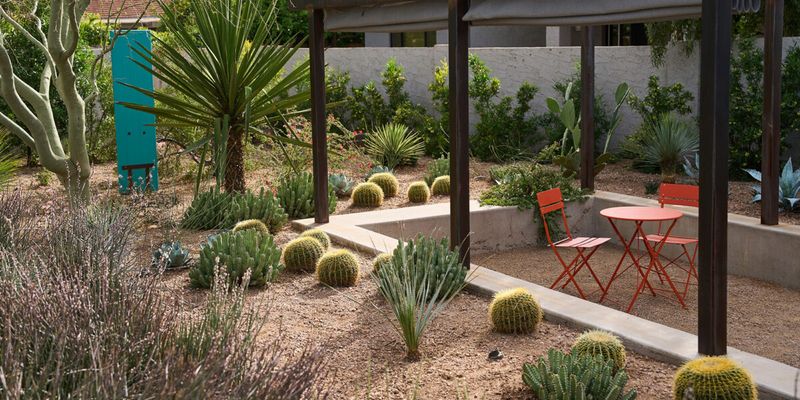
Imagine a garden where every drop of water is a precious resource. Water-hungry gardens, once a symbol of lush prosperity, are now an unsustainable luxury. With climate change affecting water availability, it’s crucial to shift towards drought-tolerant landscapes.
Instead of traditional thirsty blooms, opt for succulents, xerophytes, and native grasses that thrive in dry conditions. These plants require minimal watering and bring an exotic charm to your garden.
Did you know? Succulents store water in their leaves, allowing them to survive in harsh climates. Embrace sustainability by choosing low-water alternatives.