 Complete Gardening
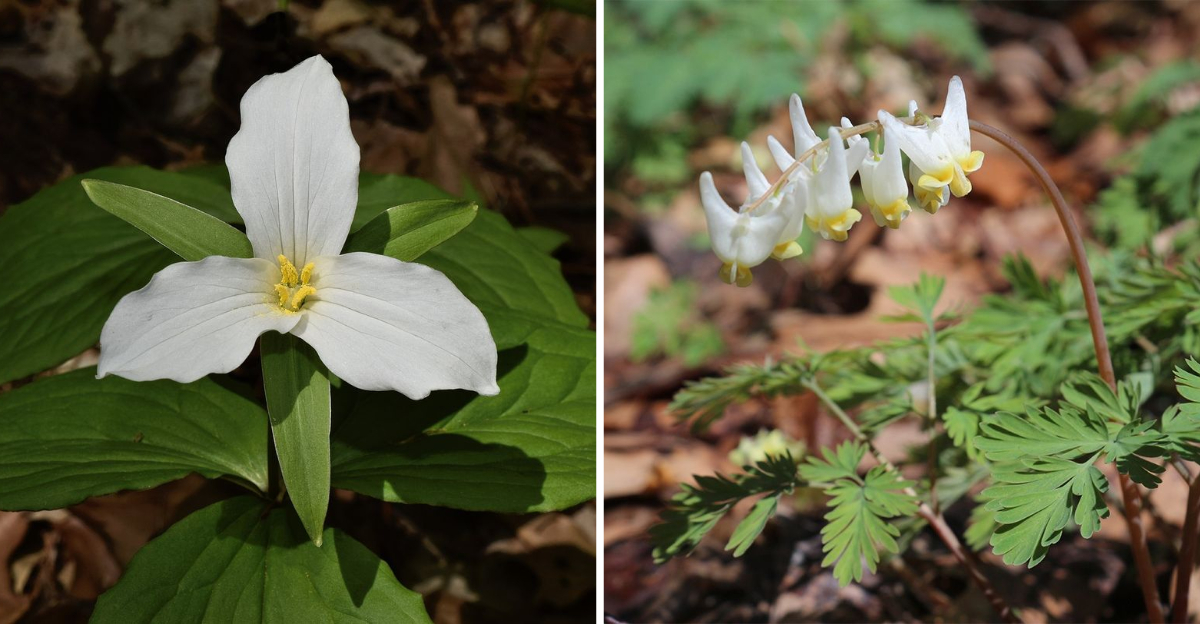
Discover the beauty and fleeting nature of border plants that captivate gardens with their blooms and foliage, only to disappear by the heart of summer. These plants, while short-lived, provide a burst of life and color, leaving a lasting impression in early garden landscapes. Each of these 16 plants has its unique charm, adding texture and vibrancy to any border before their seasonal departure. This guide delves into the allure of these ephemeral garden delights.
1. Bleeding Heart
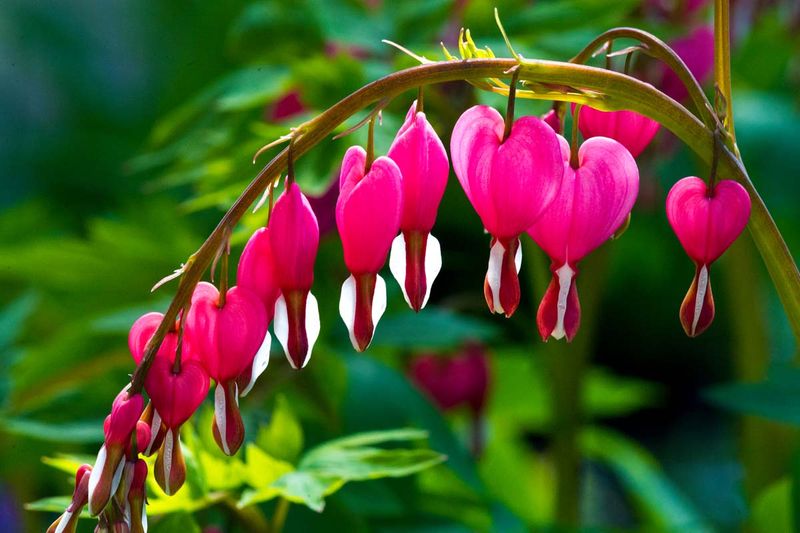
Bleeding Heart, or Dicentra spectabilis, graces gardens with its delicate heart-shaped flowers. These pink-and-white blooms dangle elegantly from arching stems, capturing the essence of romantic spring gardens. Bleeding Hearts thrive in shaded borders, disappearing as summer heat intensifies.
These perennial wonders are often gone by July, leaving behind lush foliage that eventually retreats. Their ephemeral beauty makes them a favorite in woodland gardens. The plant’s fleeting presence invites anticipation for its next seasonal return. Known for their graceful appearance, Bleeding Hearts symbolize undying love and are treasured by gardeners worldwide.
A beloved classic, Bleeding Hearts offer fleeting elegance.
2. Dutchman’s Breeches
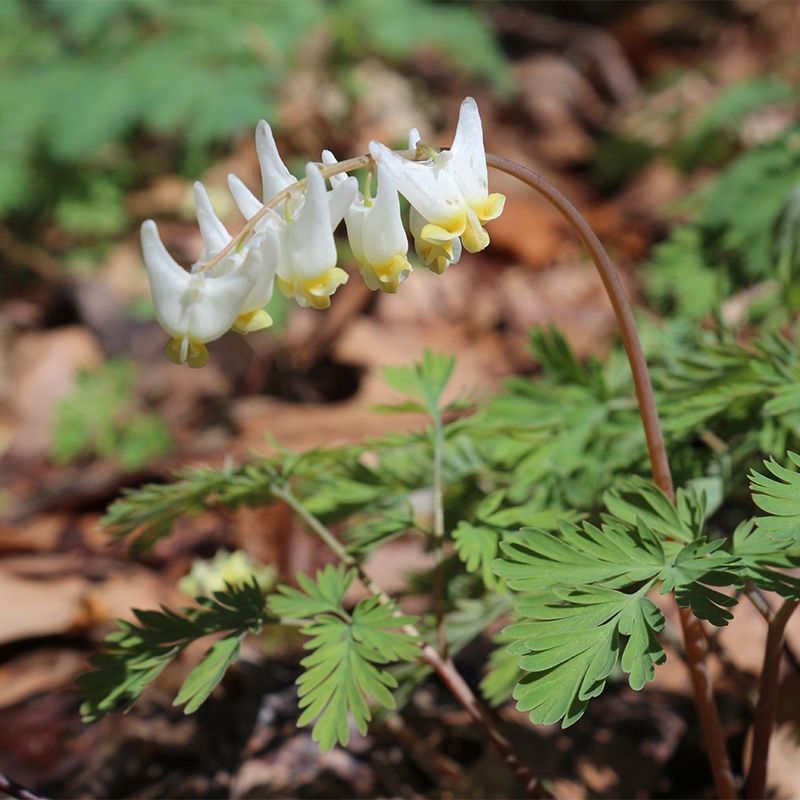
Dutchman’s Breeches, named for its unique pant-like flowers, adds whimsy to spring gardens. The white blooms, resembling miniature trousers, hang charmingly from delicate stems. This plant is a woodland native that thrives in shaded or dappled light areas.
By mid-summer, Dutchman’s Breeches vanishes, leaving only memories of its quirky display. Its disappearance is as sudden as its arrival, marking the shift in the garden’s seasonality. The plant’s foliage, a soft feathery green, provides a gentle contrast to its stark flowers.
Dutchman’s Breeches delights those who appreciate nature’s quirky artistry.
3. Virginia Bluebells
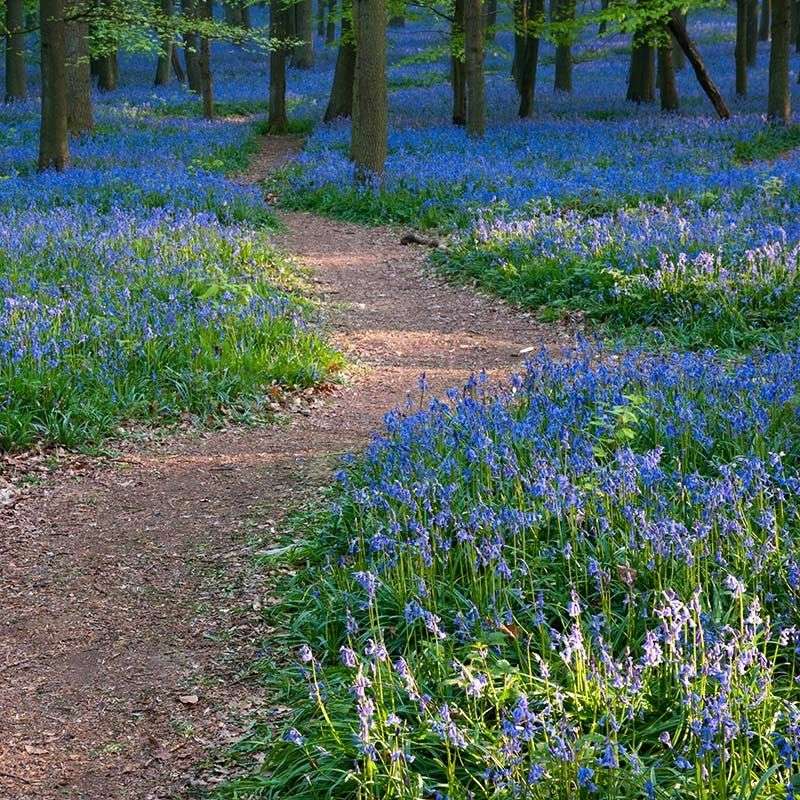
Virginia Bluebells, known for their enchanting blue trumpet-shaped flowers, create a sea of color in springtime woodlands. These perennials start as pink buds, gradually turning into vivid blue as they mature. Their transformation is a sight to behold.
By July, these blue beauties recede, making way for summer’s flora. Their fleeting presence adds a sense of anticipation each spring. Standing tall in shaded areas, Virginia Bluebells are adored for their vibrant hues.
As they vanish, they leave behind vibrant memories of their brief but magical appearance. These plants are a true springtime treasure.
4. Trillium
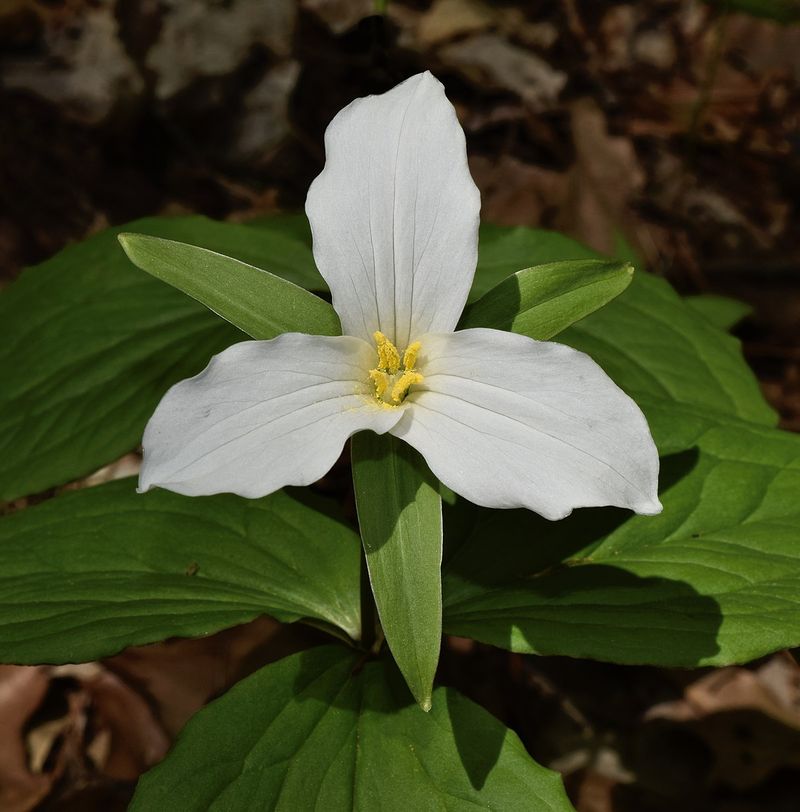
Trillium, often called “wake robin,” heralds the arrival of spring. Its distinctive three-petaled flowers are a woodland gem, thriving in shady, moist environments. Trillium’s elegant simplicity captivates nature enthusiasts and gardeners alike.
As summer approaches, Trillium’s flowers fade and foliage retreats, leaving the forest floor bare. This fleeting beauty is a reminder of nature’s transient moments. The plant holds cultural significance, especially in regions where it’s a native symbol.
Trillium’s graceful departure marks the transition from spring to summer, providing a natural rhythm to garden landscapes. It’s a perennial favorite for spring displays.
5. Lady’s Mantle
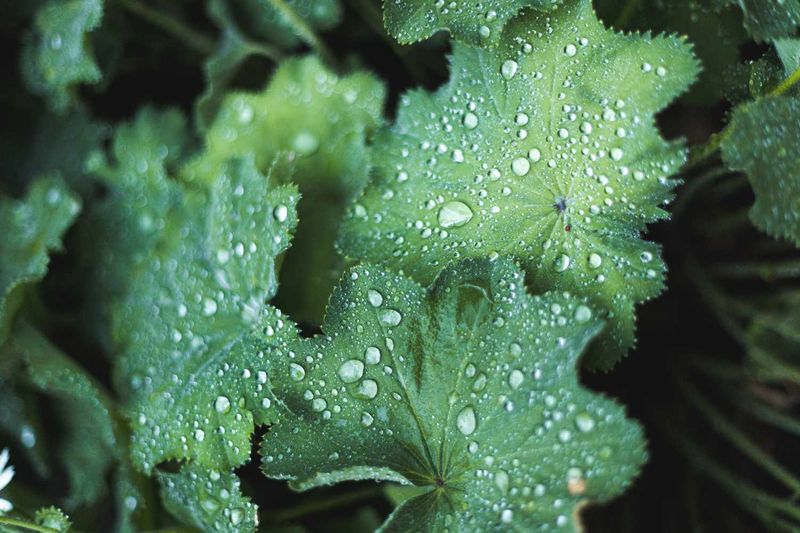
Lady’s Mantle, with its dew-catching leaves, adds a touch of enchantment to garden borders. The scalloped foliage glistens in the morning light, while clusters of lime-green flowers offer a subtle yet striking display.
This plant thrives in partial shade, providing a lush ground cover. By the warmth of July, Lady’s Mantle’s flowers and foliage start to retreat, making room for peak summer plants. Its brief presence is cherished for the texture and color it brings.
Gardeners value Lady’s Mantle for its resilience and unique appearance, often pairing it with other shade-loving species.
6. Pasque Flower
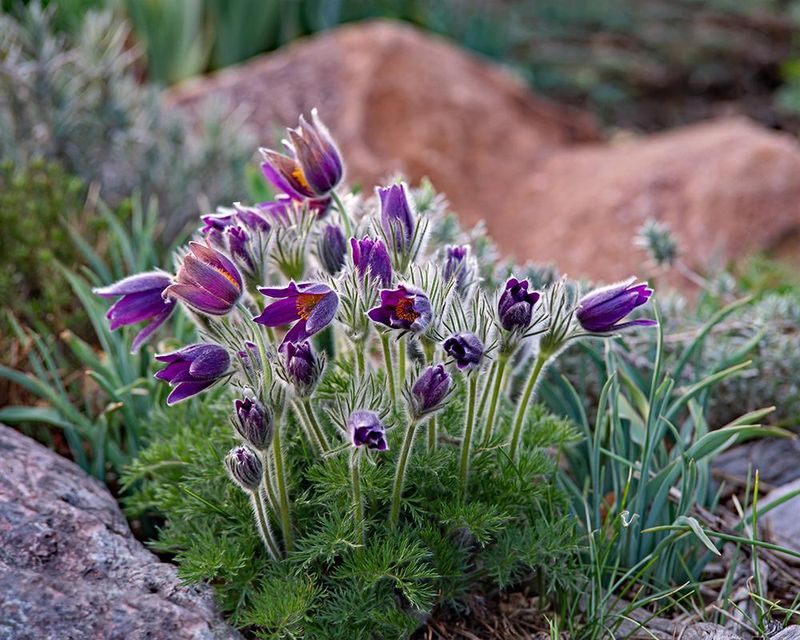
Pasque Flower, or Pulsatilla vulgaris, heralds early spring with its vibrant purple blooms and feathery foliage. These bell-shaped flowers emerge even in harsh conditions, symbolizing resilience and new beginnings.
As summer takes hold, Pasque Flower retreats, leaving no trace of its earlier splendor. The plant’s uniqueness lies in its fuzzy stems and seed heads that glisten in the sun. It’s a favorite in rock gardens, bringing charisma to rugged landscapes.
Gardeners treasure Pasque Flower for its early bloom and distinctive charm, adding diversity to spring displays.
7. Fritillaria
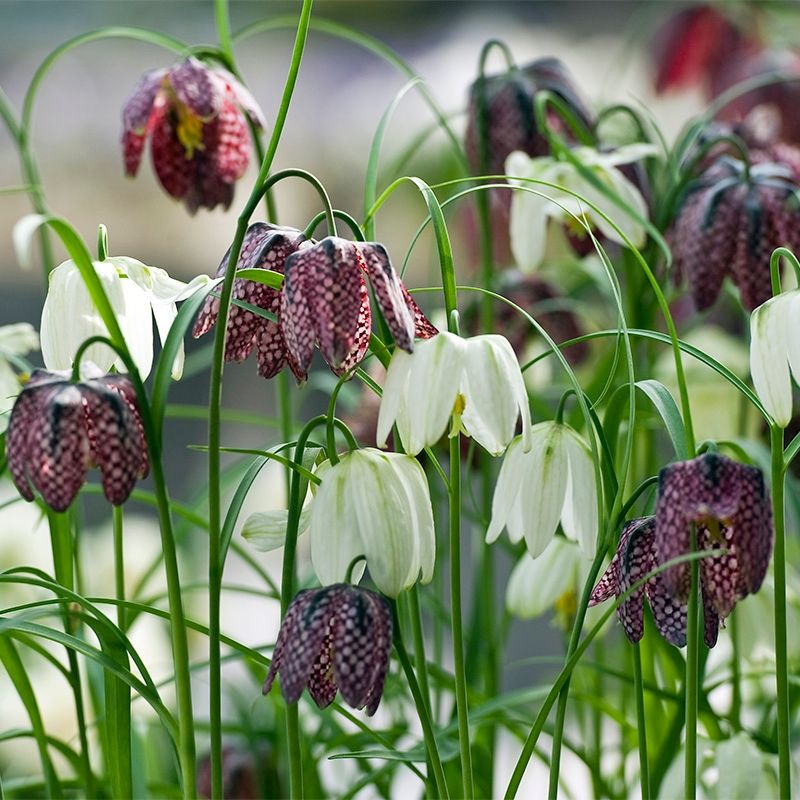
Fritillaria, known for its checkerboard-patterned petals, captivates gardeners with its unusual appearance. The nodding bell-shaped flowers, in hues of purple and white, create a mesmerizing effect in spring landscapes.
Despite their striking beauty, Fritillaria flowers fade by mid-summer, leaving only their intricate seed pods behind. They thrive in well-drained soil and full to partial sunlight, making them a versatile border plant.
Fritillaria’s curious pattern and elegant form make it a conversation starter, celebrated for the unique aesthetic it brings to any garden setting.
8. Lungwort
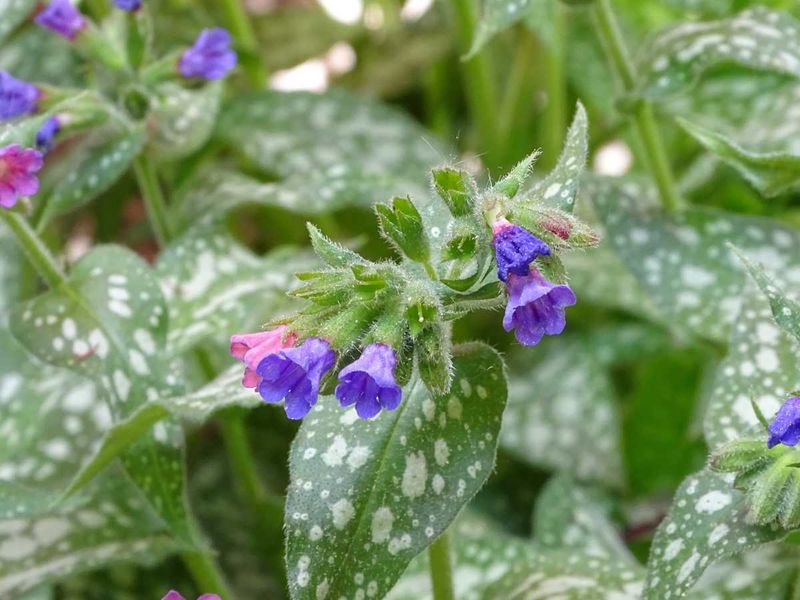
Lungwort, or Pulmonaria officinalis, dazzles with its speckled leaves and dual-colored flowers. This plant’s blooms transition from pink to blue, offering a dynamic spring display. Lungwort thrives in moist, shaded areas, adding vibrancy to woodland gardens.
By July, Lungwort’s blooms and leaves retreat, leaving only their memory. Its brief appearance is marked by its unique leaf patterns and vivid hues. The plant’s name is derived from its lung-shaped leaves, historically used in herbal remedies.
Gardeners appreciate Lungwort for its hardiness and striking foliage, a cherished addition to springtime borders.
9. Foamflower
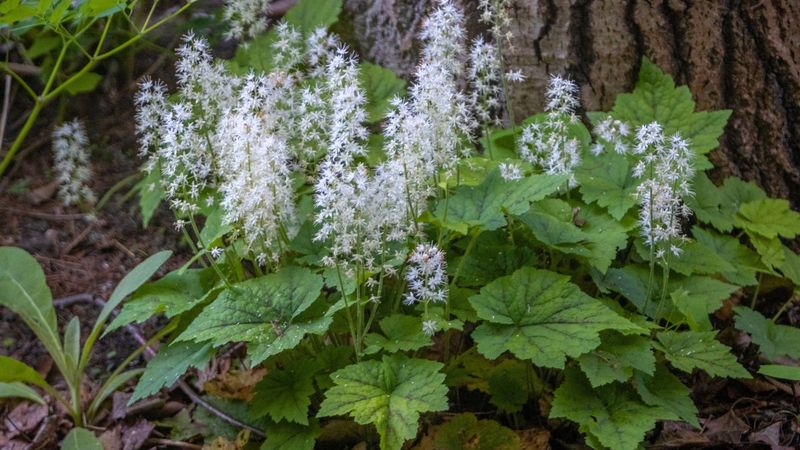
Foamflower, or Tiarella cordifolia, enchants with its frothy white blossoms that resemble delicate foam. These flowers rise above heart-shaped leaves, creating a captivating layer of texture and color in shaded gardens.
As summer advances, Foamflower’s blooms recede, allowing other perennials to shine. This plant’s ephemeral nature adds a sense of anticipation to garden landscapes. Its foliage, often tinged with burgundy, remains a decorative feature.
Gardeners favor Foamflower for its low maintenance and charming appearance, making it a staple in shady border plantings.
10. Solomon’s Seal
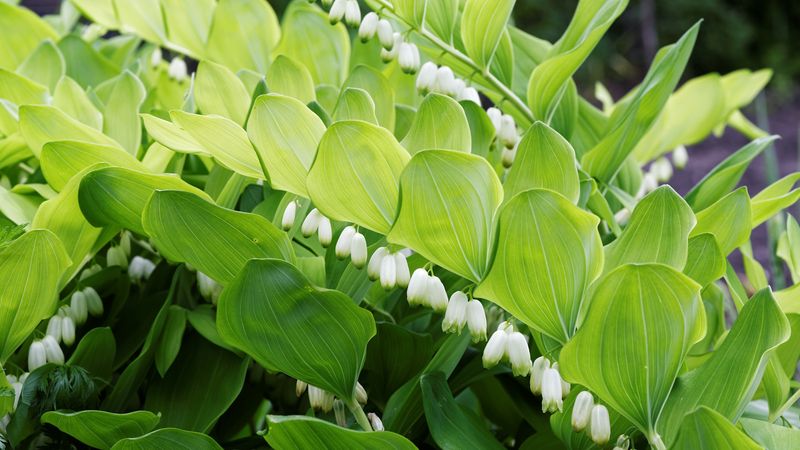
Solomon’s Seal, with its graceful arching stems, is a woodland favorite. The plant’s white bell-shaped flowers dangle beneath its lush green leaves, offering a serene elegance to shaded borders.
By July, Solomon’s Seal retreats, leaving behind a subtle, yet lasting impression. Its seasonal disappearance marks a transition in garden dynamics, making it a beloved choice for early-year interest.
Historically, Solomon’s Seal has been used in traditional medicine, adding a layer of intrigue to its allure. Gardeners cherish it for its timeless beauty and adaptability.
11. Celandine
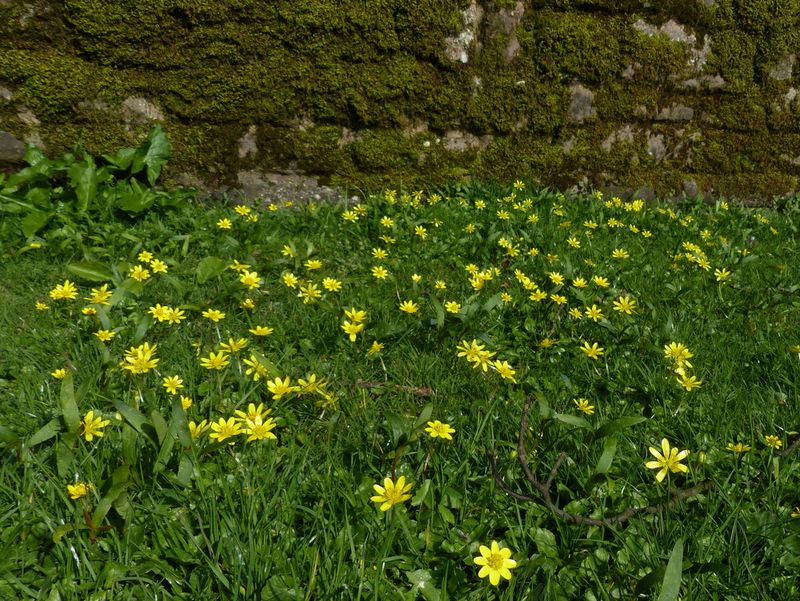
Celandine, or Ranunculus ficaria, brightens early spring with its glossy yellow flowers. Its cheerful blooms carpet the ground, heralding warmer days ahead. Celandine thrives in moist, shaded areas, often found along woodland paths.
As summer approaches, Celandine’s flowers and foliage disappear, leaving behind only the memory of its golden display. Its transient nature is a hallmark of its charm.
Gardeners appreciate Celandine for its ability to fill bare spots with color and life, bringing an early burst of energy to any landscape.
12. Snowdrop
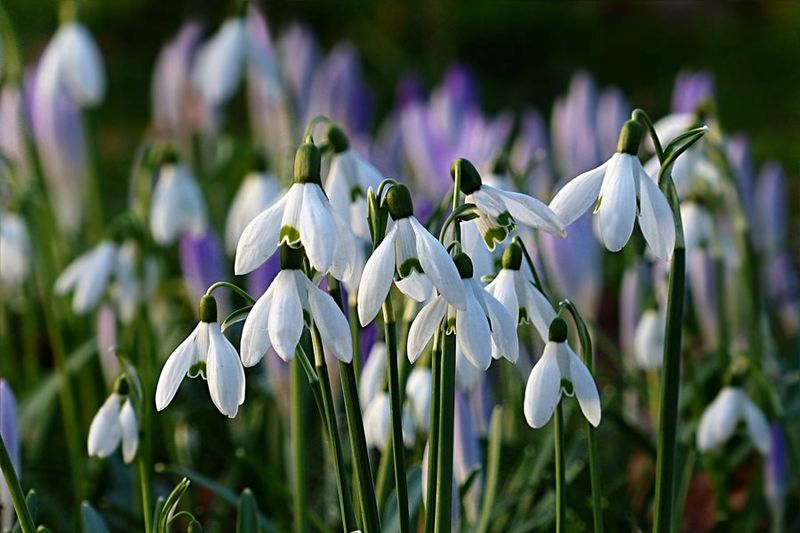
Snowdrop, or Galanthus nivalis, is a herald of spring, pushing through the snow with its delicate white blooms. These flowers signal the end of winter, offering hope with their graceful, nodding heads.
By mid-summer, Snowdrops retreat underground, their work for the year complete. This early bloomer is cherished for its ability to thrive in cold conditions, bringing cheer to barren landscapes.
Historical lore speaks of Snowdrops as symbols of hope and rebirth. Gardeners treasure them for their resilience and purity, making them a beloved choice for borders.
13. Bluebells
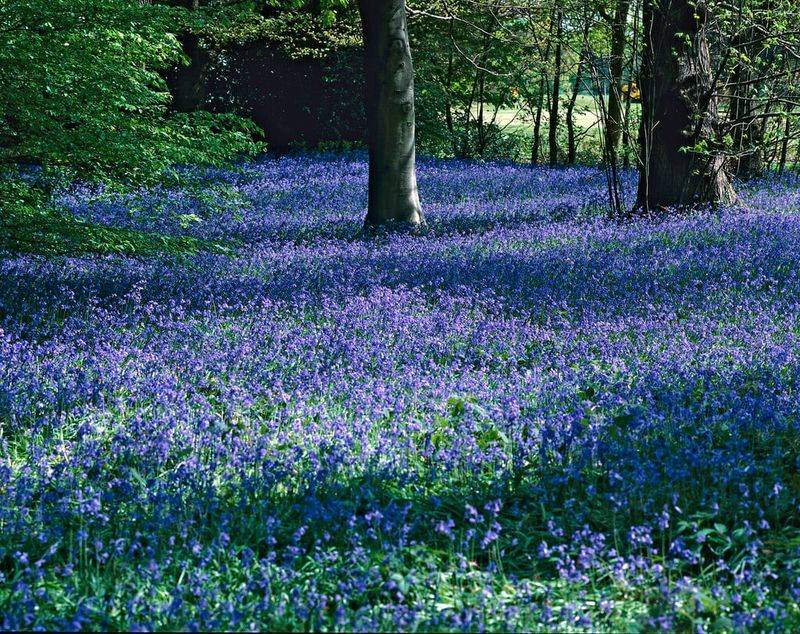
Bluebells, or Hyacinthoides non-scripta, create stunning carpets of blue in spring woodlands. These bell-shaped flowers sway gently in the breeze, capturing the essence of tranquility and renewal.
By July, Bluebells withdraw, leaving a wistful reminder of their brief yet impactful presence. This plant’s iconic blooms are celebrated in folklore and art, symbolizing constancy and gratitude.
Gardeners eagerly anticipate Bluebells’ return each year, planting them in drifts for maximum visual impact. Their ephemeral beauty is a timeless addition to any border.
14. Primrose
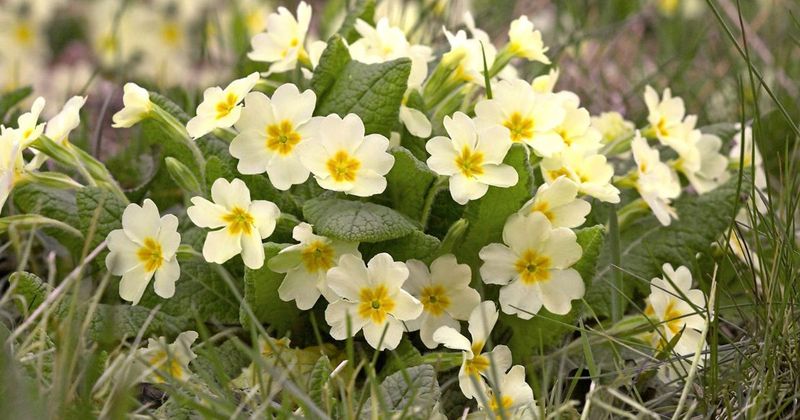
Primrose, or Primula vulgaris, lights up gardens with its soft yellow blooms. These cheerful flowers emerge in early spring, nestled among rosettes of lush green foliage.
As July nears, Primrose fades, making way for summer’s vibrant palette. Known for their sweet fragrance, these flowers attract early pollinators, enriching garden ecosystems.
Gardeners have long adored Primrose for its delicate charm and ease of care. It’s a symbol of youth and renewal, often featured in traditional celebrations of spring’s arrival.
15. Wood Anemone
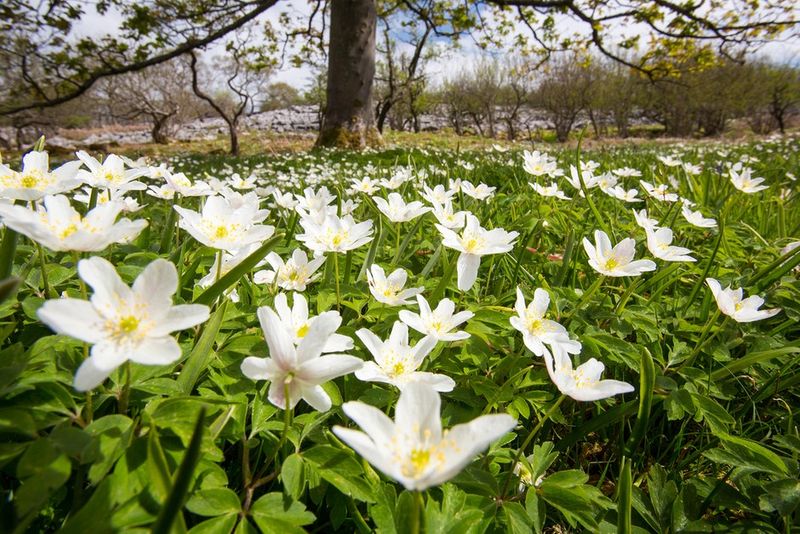
Wood Anemone, or Anemone nemorosa, transforms the forest floor with its starry white flowers. These delicate blooms signal the woodland’s awakening, thriving in dappled sunlight.
Come July, Wood Anemone withdraws, leaving behind only the whisper of its former glory. This plant’s fleeting nature is part of its allure, creating ephemeral carpets of beauty.
Gardeners value Wood Anemone for its low maintenance and naturalistic appeal. It’s a staple in wildflower gardens, bringing a touch of the wild to cultivated spaces.
16. Corydalis
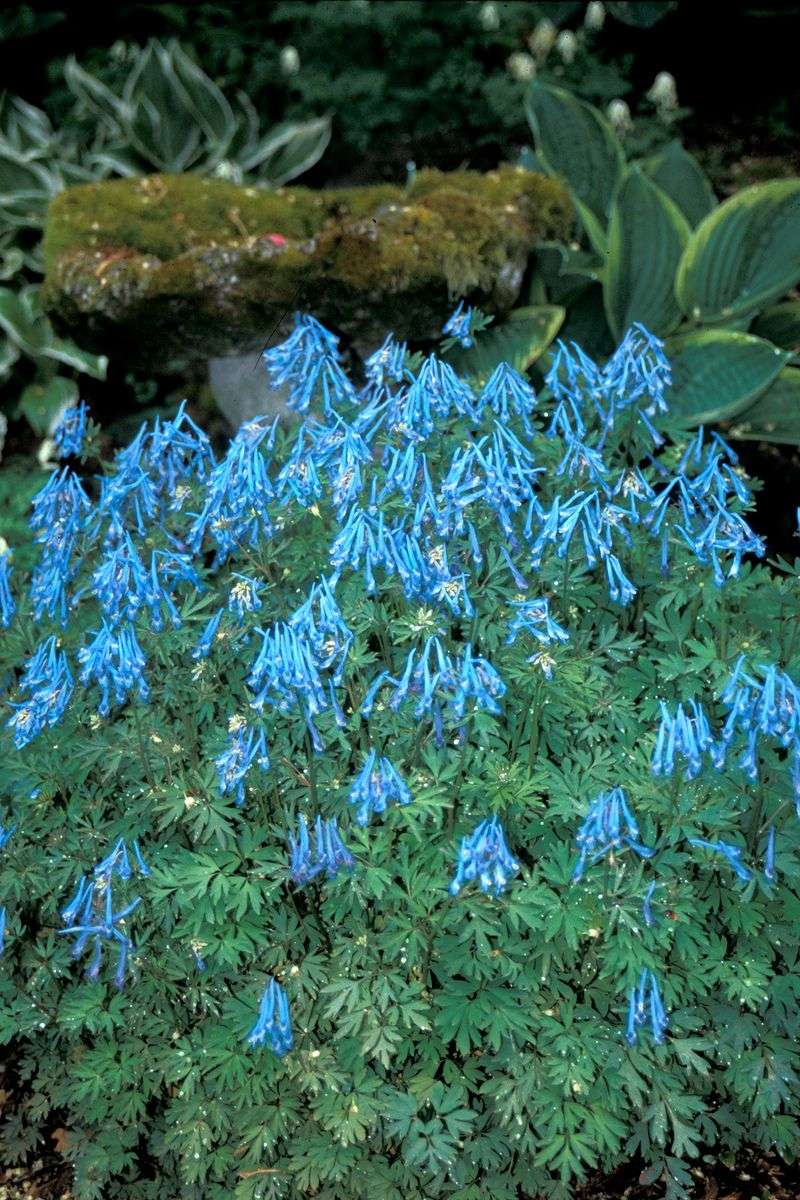
Corydalis, with its striking blue blooms, adds a touch of whimsy to any garden. Its feathery, fern-like leaves provide an intricate backdrop to the delicate flowers. The plant is known for its early burst of color, flourishing in spring before retreating as summer approaches.
This ephemeral beauty prefers cooler climates and thrives in shaded areas, creating a serene atmosphere. Gardeners cherish Corydalis for its ability to bring vibrancy without overwhelming other plants.
A lesser-known fact: Corydalis has been used in traditional medicine for its calming properties, enhancing its allure beyond mere aesthetics.