 Complete Gardening
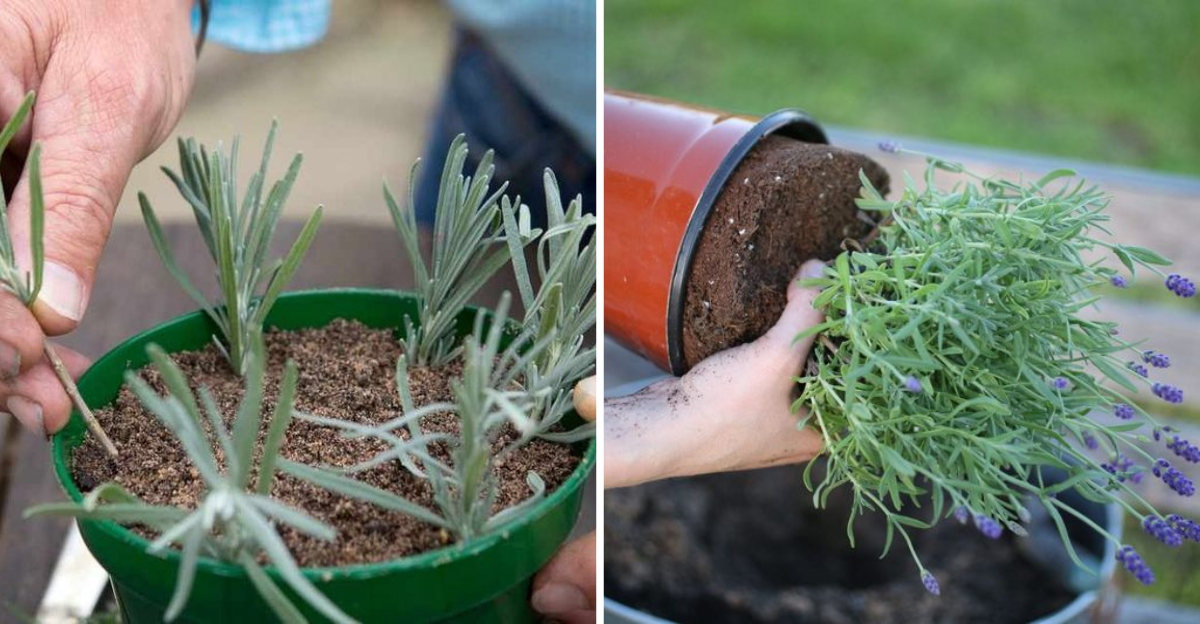
Lavender, with its soothing fragrance and vibrant purple blooms, is a favorite among gardeners. Propagating this plant can be done in soil or water, with each method offering unique advantages and challenges. Understanding these can help you choose the most effective way to propagate this aromatic plant in your garden.
1. Soil Propagation
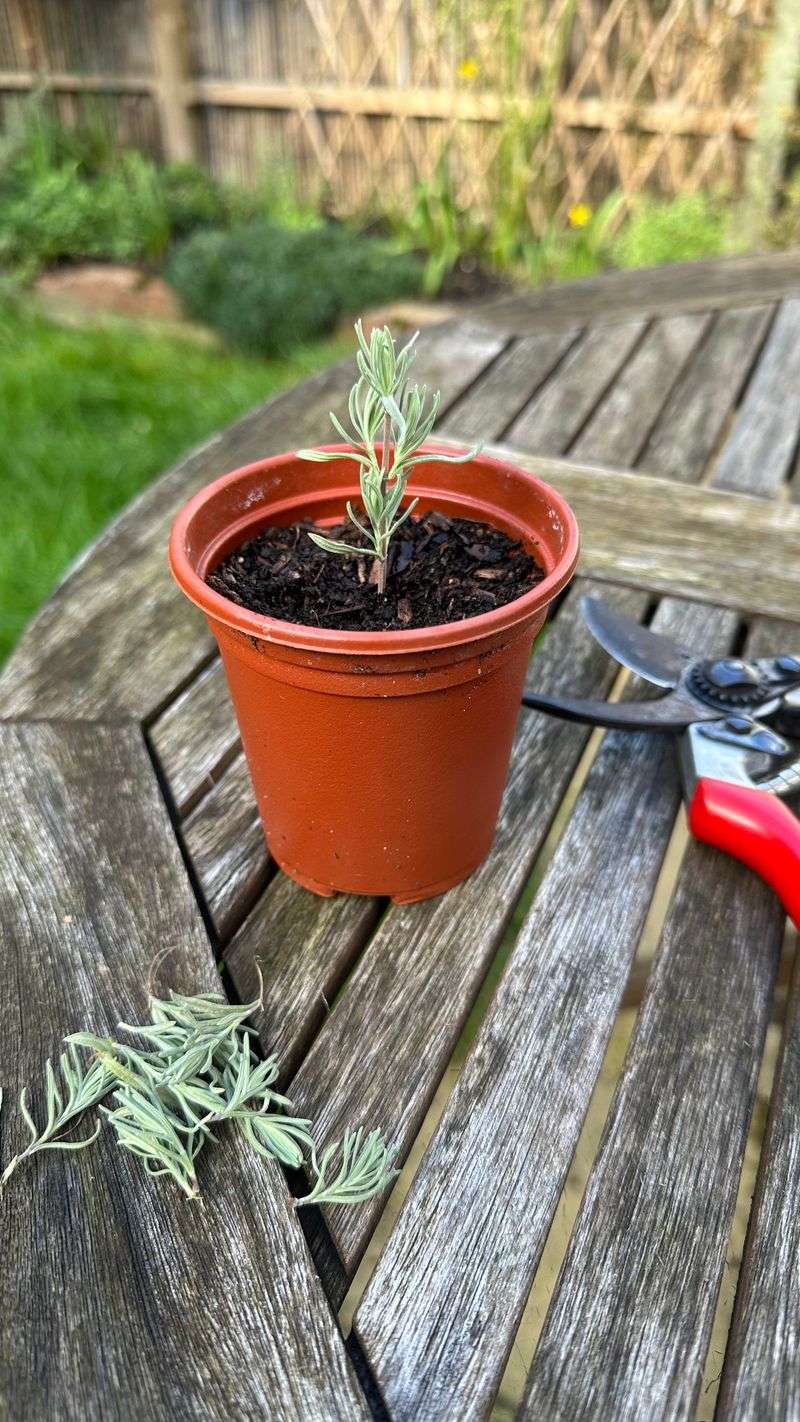
Rooting lavender in soil has charm. It’s a tactile process, connecting you with earth’s nurturing essence. You insert the cutting into moist soil, allowing nature to do its magic. This method provides stability as roots anchor deeply. In a sunlit spot, lavender thrives, crafting a garden symphony. Yet, patience is key. Roots form over weeks, demanding care and attention. A little water, a lot of love, and soon, vibrant lavender emerges, filling your space with fragrance. It’s an ancient technique, cherished by gardeners who relish the slow, rewarding growth.
2. Water Propagation
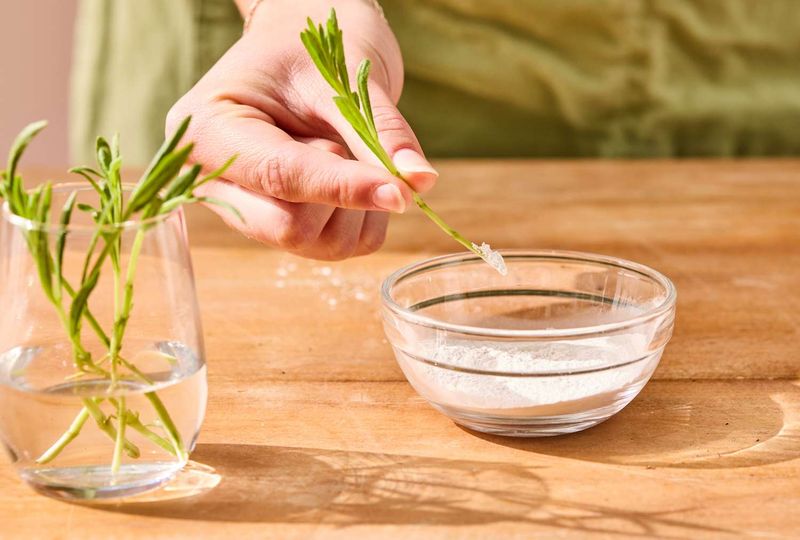
Water propagation is a visual delight. Watching roots sprout in clear water is like witnessing a botanical ballet. You place the cutting in water, and daily, new roots unfurl. It’s a method for those who love to observe nature’s grace. Keep the water fresh, and soon, a web of roots emerges, ready for soil transplantation. It’s quicker, often showing results within days. This technique suits those with little patience but plenty of curiosity, offering a front-row seat to nature’s quiet spectacle.
3. Success Rates Comparison
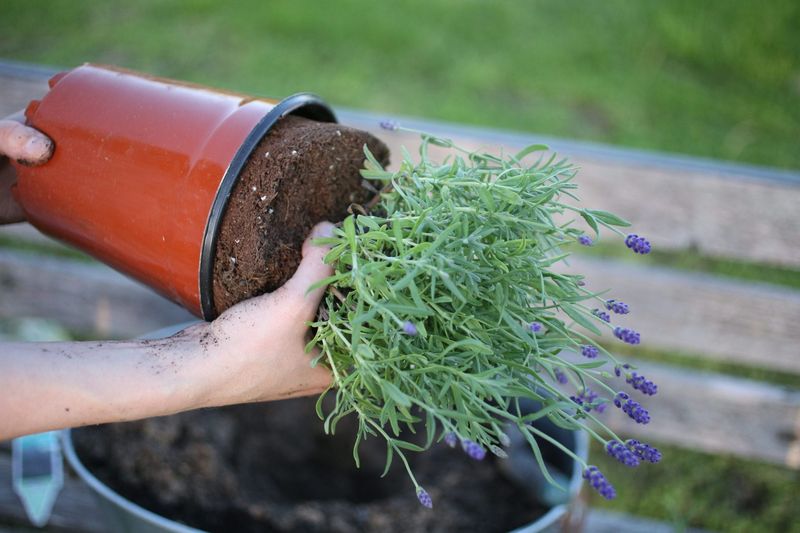
Success rates vary. Water propagation tends to be faster, but soil grows sturdier plants. Statistics reveal that while water propagation shows quicker results, soil propagation yields longer-lasting plants. Each method has devotees, with water propagation appealing to experimental gardeners, and soil propagation favored by traditionalists. Both offer unique insights into lavender’s adaptability, reflecting gardener preferences. This comparison helps decide, balancing speed against plant resilience. Whether you opt for rapid root growth or steady development, lavender’s allure remains. Each path offers its own rewards, harmonizing with your gardening style.
4. Environmental Factors
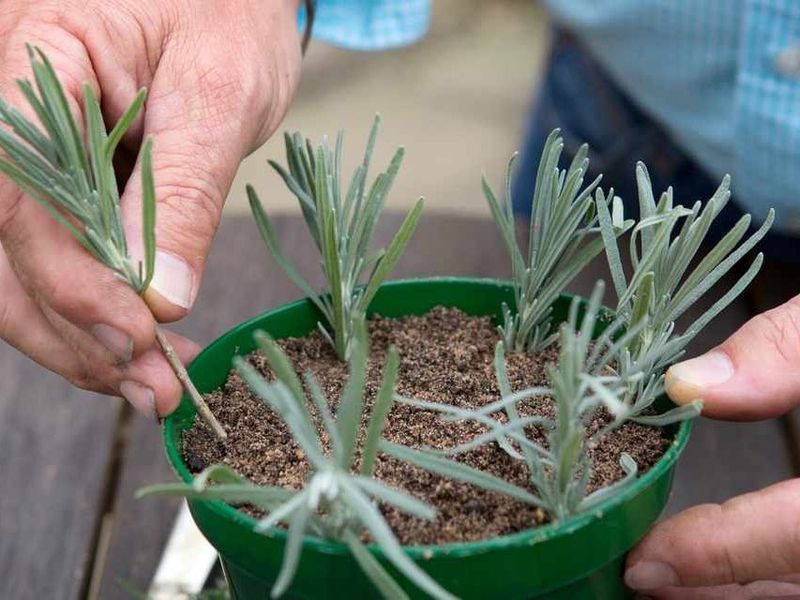
Environmental factors play a crucial role in propagation success. Soil propagation thrives in consistent warmth, while water propagation can adapt to varied conditions. Consider your environment: if the climate is unpredictable, water propagation offers flexibility, adjusting to indoor settings. Conversely, soil propagation benefits from stable, warm conditions, fostering robust growth. Seasonality matters too; spring offers optimal conditions for both methods, enhancing success rates. Understanding your environment ensures you choose the best method, aligning with seasonal changes and climate specifics, optimizing lavender’s growth.
5. Historical Tidbit

Historically, lavender has been cherished for its versatility. Ancient Egyptians used it in embalming, while Romans scented their baths. Propagation methods have evolved, yet the essence remains. Soil propagation reflects traditional wisdom, rooted in generations of gardening practice. Water propagation, though modern, echoes ancient curiosity—observing plants grow. Each method connects us to history, enriching the gardening experience. As you propagate lavender, you nurture a plant steeped in history, linking past practices with contemporary techniques, crafting a fragrant legacy in your garden.
6. Rooting Hormones
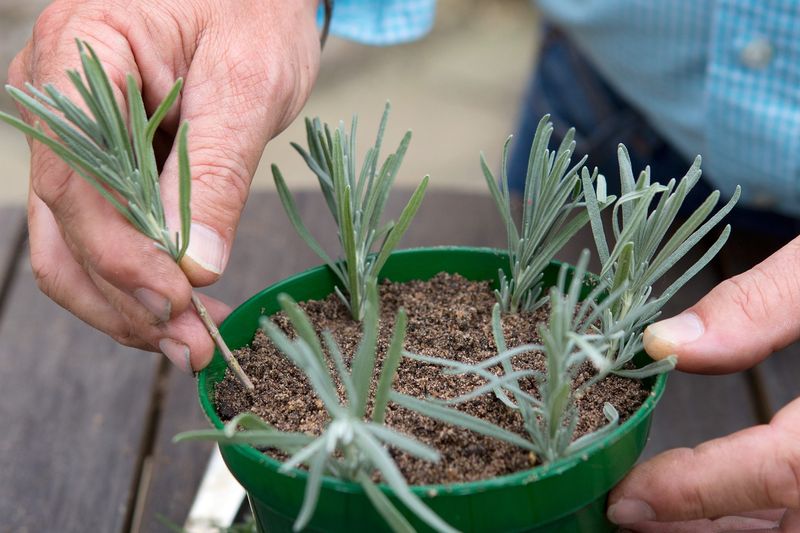
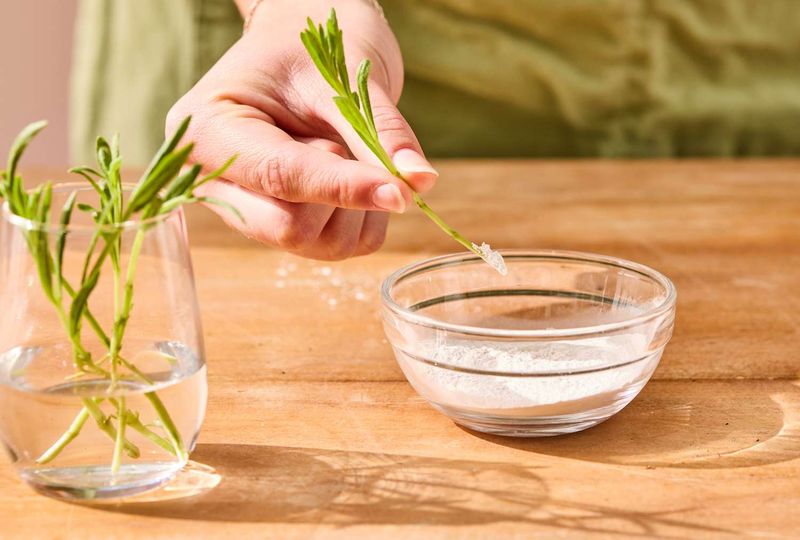
Rooting hormones play a crucial role in enhancing the propagation process. They promote faster and stronger root development, ensuring healthier lavender plants. Starting with a quote from a seasoned gardener, ‘Rooting hormones are like magic dust for plant propagation.’ These products are available in both powder and liquid form, catering to the gardener’s preference.
Using rooting hormones can significantly increase the success rate of lavender cuttings. The choice of hormone type may depend on personal experience and desired outcomes. Incorporating these into your propagation routine could be the secret to thriving lavender.
7. Ideal Container Choice
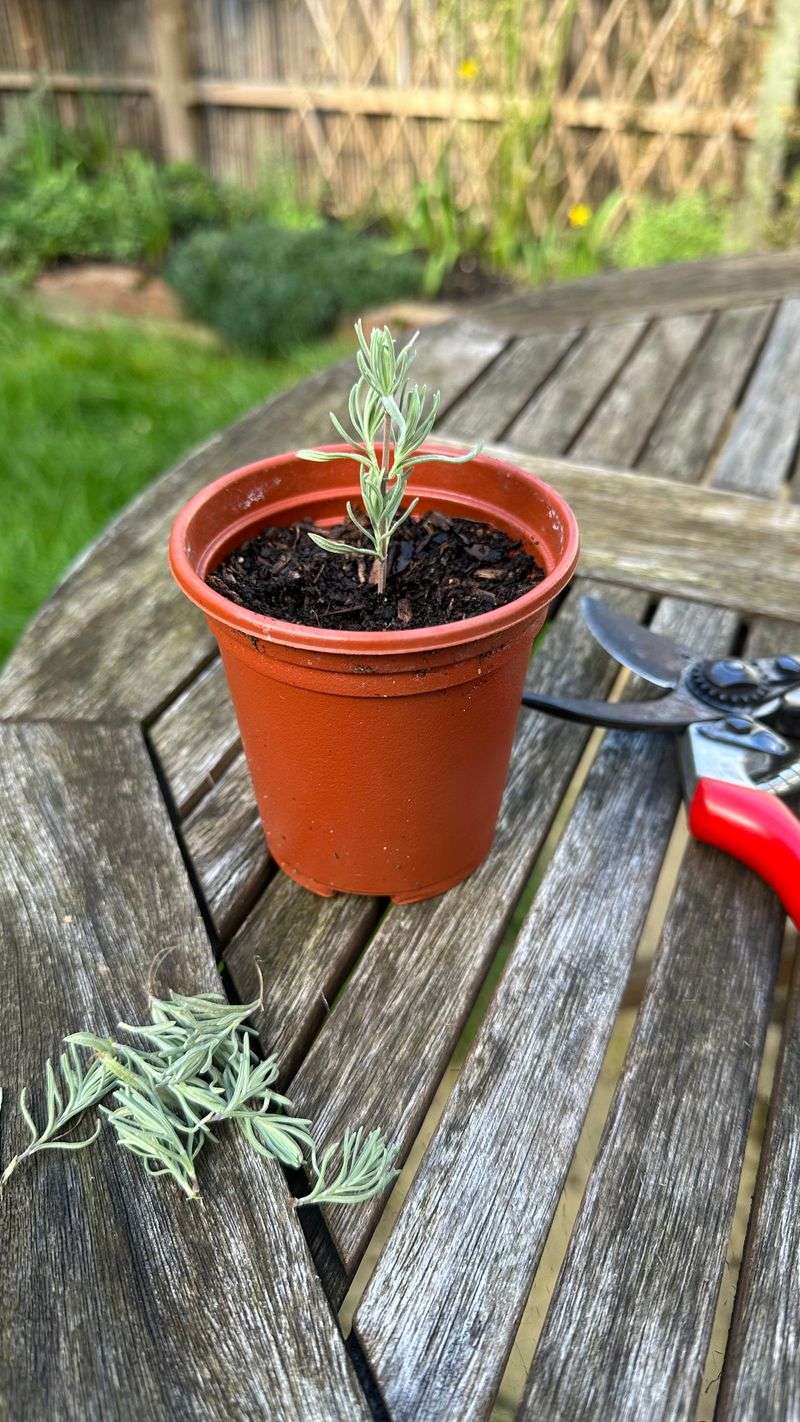
Choosing the right container for lavender propagation is an art in itself. From clay pots to biodegradable options, each offers unique benefits. A playful thought: ‘Does your lavender need a cozy clay home or a sleek plastic pad?’ Containers affect water retention and root aeration, impacting growth.
Different containers can influence the microenvironment around the lavender cuttings. Opt for one that balances moisture and air, ensuring roots develop robustly. The choice depends on factors like space, aesthetics, and environmental considerations. A well-chosen container can elevate the propagation experience.
8. Cutting Length
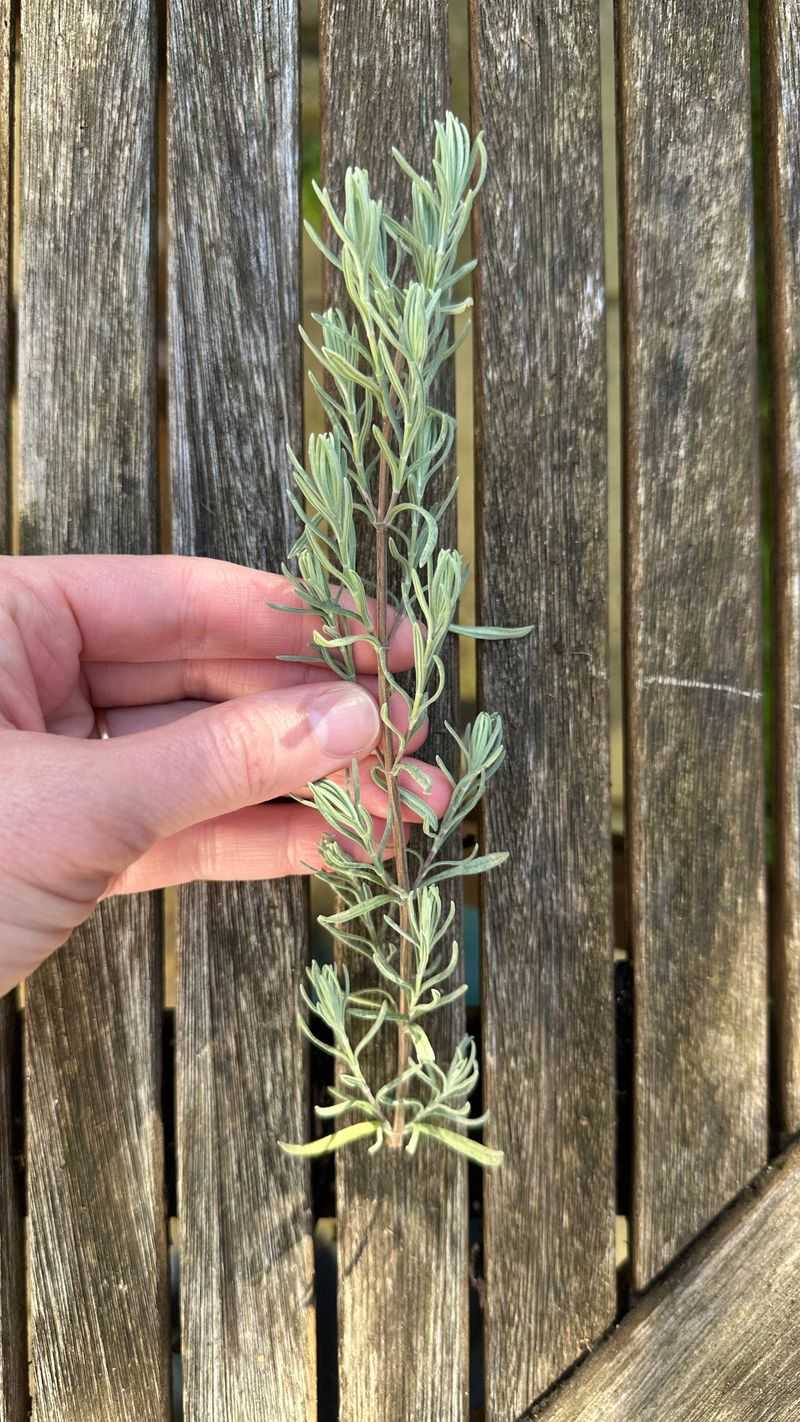
The length of the cutting is pivotal in propagation. An appropriate length ensures optimal nutrient absorption and root development. Imagine this: ‘Think of your cutting as a miniature lavender ready to grow.’ Typically, a six to eight-inch cutting is ideal.
Too short, and it might not sustain itself; too long, and it could struggle to root. Precision in cutting length enhances success rates. The right length facilitates balanced nutrient flow, promising robust growth. Measuring with care can make all the difference in propagation outcomes.
9. Seasonal Timing
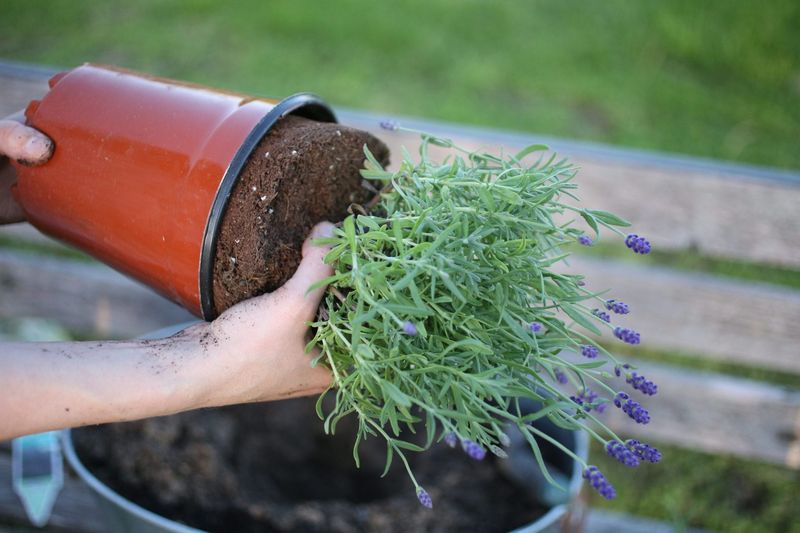
Timing is everything when propagating lavender. Spring and early summer offer the best conditions for cuttings to take root. A whimsical analogy: ‘Springtime is lavender’s favorite growing season, like a child’s eager first day at school.’ The warmth and light of these months nurture new growth effectively.
Propagation during these seasons aligns with the plant’s natural growth cycle. It ensures the cuttings have enough time and resources to establish before winter. Recognizing the right time to propagate can enhance success and yield flourishing plants.
10. Water Quality
The quality of water used in propagation impacts lavender’s rooting potential. Clean, fresh water provides the best environment for cuttings. Ponder this: ‘Would you drink murky water? Neither would your lavender!’ Using distilled or rainwater can prevent potential contaminants.
Water quality affects the overall health of new roots. Ensuring the water is free from pollutants helps the plant to thrive. Regularly changing the water if propagating in water, or ensuring adequate drainage in soil, can maintain the ideal conditions for lavender growth.
11. Temperature Control
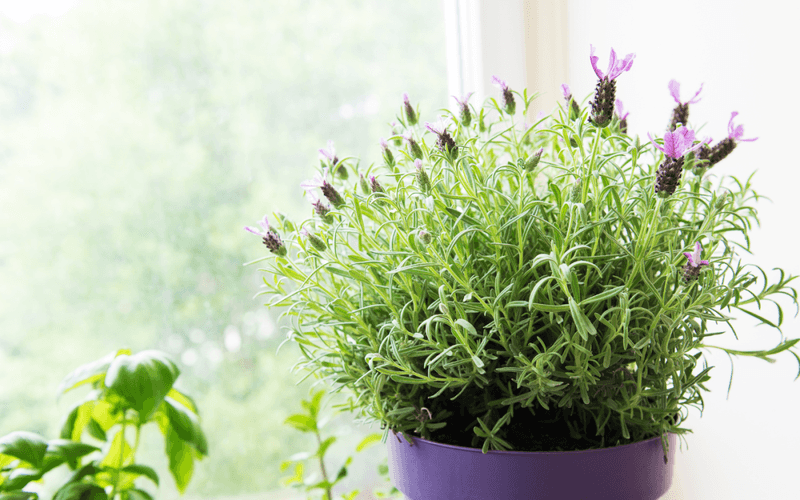
Temperature plays a significant role in lavender propagation success. Maintaining a stable, warm environment encourages root growth. An engaging thought: ‘Think of it as keeping your lavender cozy in a warm blanket.’ Ideal temperatures range from 70 to 75°F.
Consistent temperatures prevent stress, promoting healthier roots and foliage. Whether using a greenhouse or a sunny windowsill, temperature control can make or break the propagation process. Ensuring warmth without overheating is key to nurturing thriving lavender cuttings.
12. Light Exposure
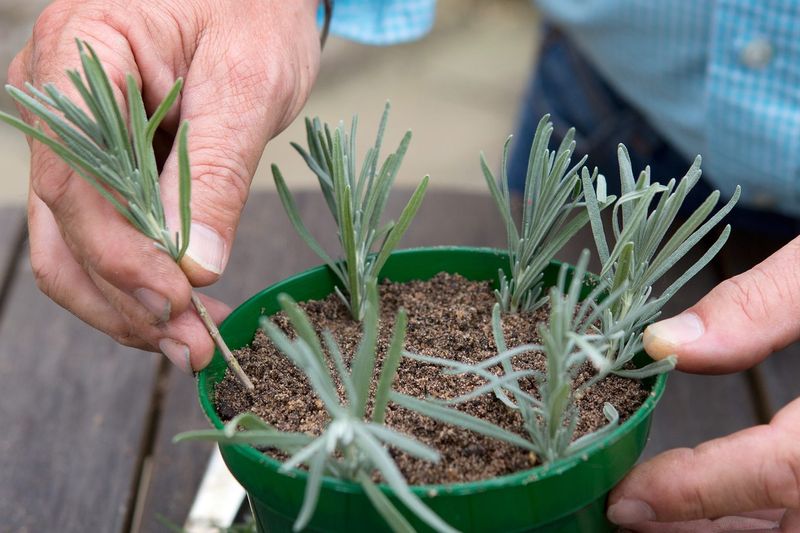
Light is vital for lavender cuttings to photosynthesize and grow strong roots. Yet another gardener’s insight: ‘Let there be light, and let your lavender flourish.’ Providing ample, indirect sunlight ensures cuttings develop robustly.
Too much direct sunlight can scorch, while too little hinders growth. Balancing light exposure fosters healthy development and vibrant plants. Positioning cuttings in a bright location, avoiding harsh midday sun, can optimize their potential. Light is the silent architect of successful propagation.
13. Humidity Levels
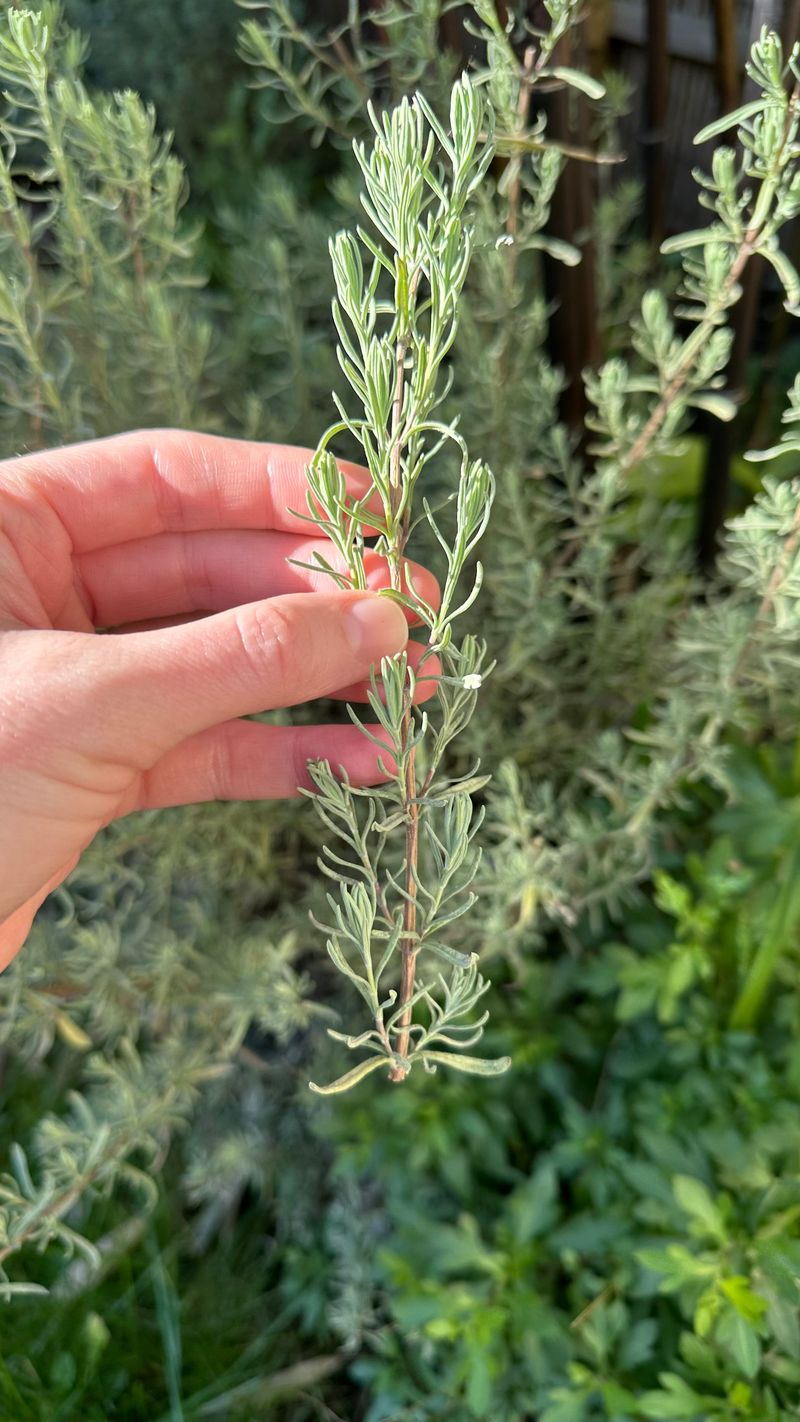
Humidity influences the success of lavender propagation by keeping cuttings hydrated. The right levels prevent wilting and encourage robust growth. Picture this: ‘Humidity is like a gentle hug for your lavender.’ Ideally, maintain humidity levels around 50% to 60%.
Balancing humidity ensures cuttings remain healthy and resilient. Utilizing misting or humidity domes can achieve optimal conditions. Monitoring and adjusting humidity levels can significantly impact the success of lavender propagation, ensuring lush and thriving plants.
14. Nutrient Enhancement
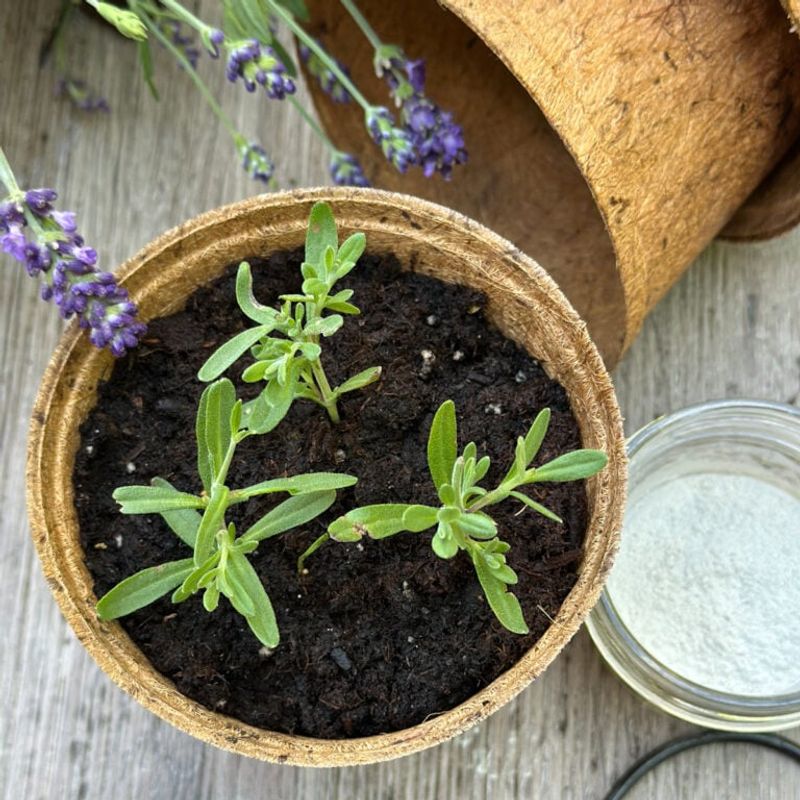
Enhancing nutrients during propagation can lead to healthier lavender cuttings. A quirky analogy: ‘Think of it as a nutrient boost—a spa day for your plants.’ Supplementing with balanced fertilizers supports root and foliage development.
Careful nutrient management promotes strong, vibrant growth. Over-fertilization can harm cuttings, so moderation is crucial. Choosing the right nutrient mix tailored for lavender ensures optimal health. Providing the right nutrients at the right time encourages successful propagation and flourishing plants.
15. Pest Management
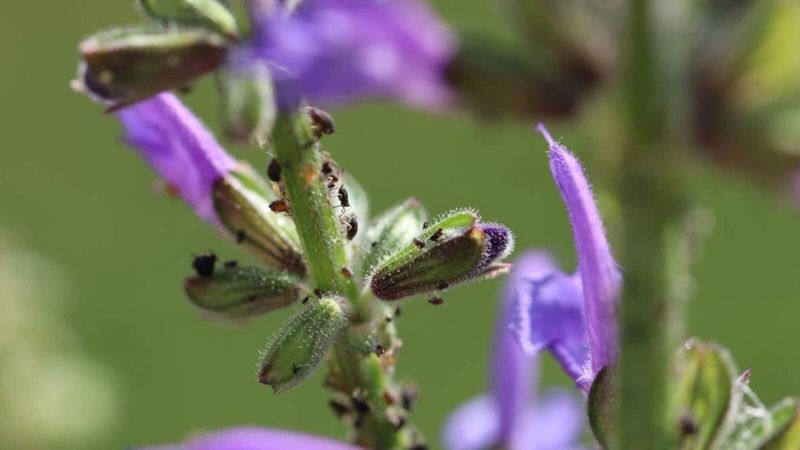
Managing pests is crucial to preventing damage to young lavender cuttings. Reflect on this: ‘A vigilant eye keeps the pests away.’ Regular inspections and natural deterrents protect vulnerable plants.
Pests can hinder growth by damaging leaves and roots. Implementing organic pest control methods ensures healthy propagation. Prevention and timely intervention safeguard the cuttings. Maintaining a pest-free environment nurtures robust and thriving lavender, ready to bloom.