 Complete Gardening
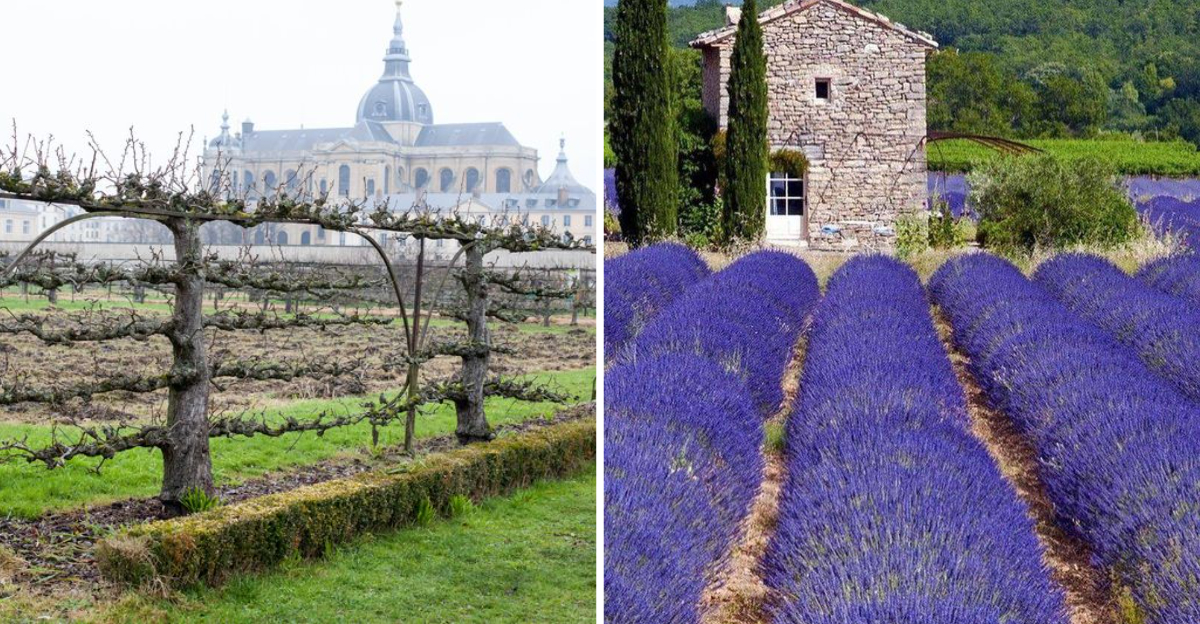
French Potager Gardens are a delightful blend of beauty and utility, offering a feast for both the eyes and the palate. These gardens are known for their aesthetic appeal, combining decorative flowers with edible plants in a harmonious layout. Rooted in tradition, the potager garden represents a quintessential aspect of French gardening, where every element serves a dual purpose—either as nourishment or decoration.
Artichoke
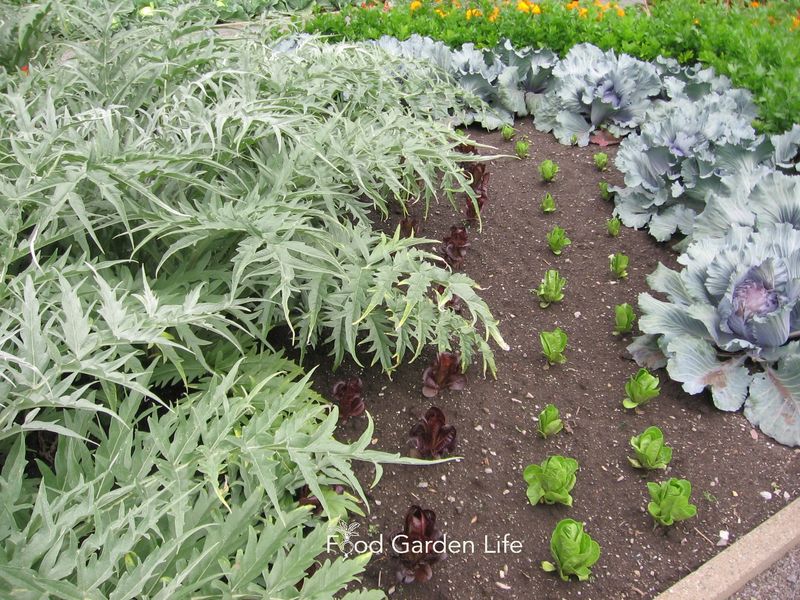
Towering majestically, the artichoke is a striking addition to any French potager garden. Its bold presence, with tall stems and serrated leaves, captures the essence of elegance and utility. Not only is it visually captivating, but it also offers a culinary delight.
Cooks treasure its tender hearts for various gourmet dishes. The artichoke, with its unique architectural form, creates a focal point in the garden. It is both an ornamental and edible treasure, embodying the potager philosophy of beauty and function.
With origins tracing back to the Mediterranean, it thrives in sunny French climates.
Lavender
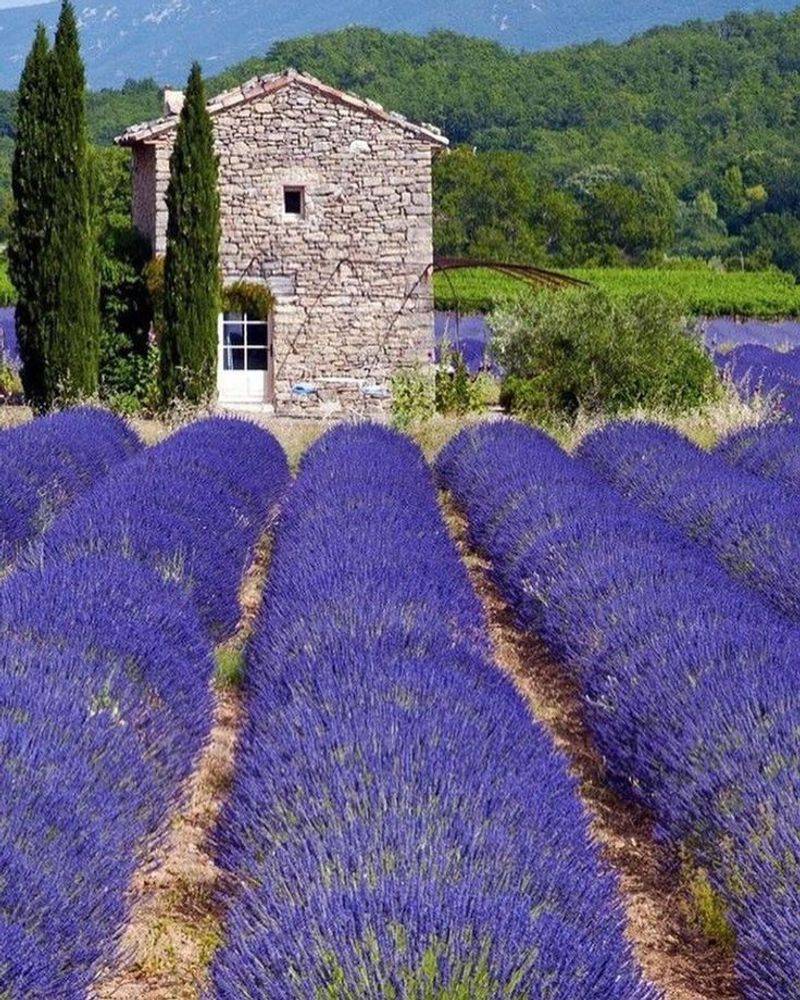
Infusing the air with a calming fragrance, lavender is a beloved staple in French potager gardens. Its vibrant purple blooms are not only visually enchanting but also serve multiple purposes. Lavender is widely known for its aromatic properties, often used in sachets and essential oils.
In the garden, it acts as a natural pest deterrent, protecting other plants from pests. Additionally, its blossoms are edible, adding a subtle flavor to culinary creations.
Lavender’s presence ensures a sensory experience, making it a quintessential element of potager gardens.
Espaliered Apple Trees
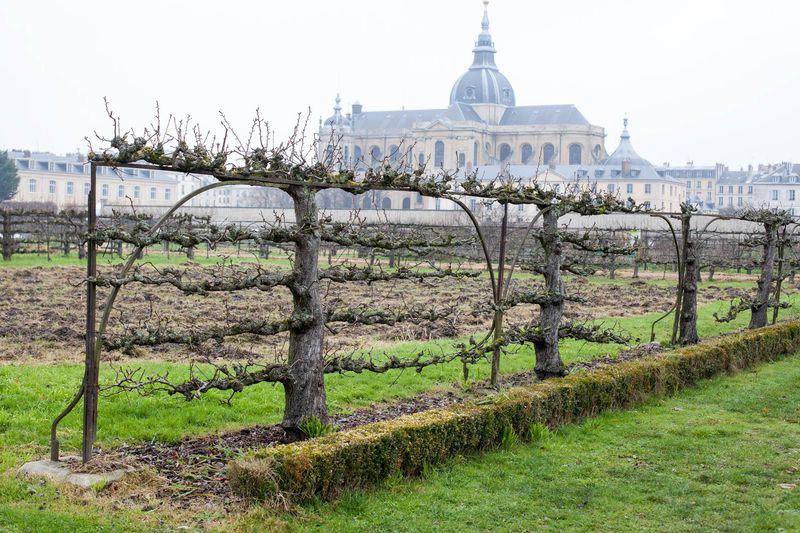
With branches carefully trained against walls, espaliered apple trees epitomize the artistry of French gardening. These trees, while producing delicious fruit, also serve as living sculptures, adding vertical interest to the garden.
Their structured form creates a sense of order and elegance, often seen in historical potager gardens. The practice of espaliering dates back centuries, showcasing both horticultural skill and creativity.
Apples harvested from these trees provide fresh, crisp flavors for delectable French desserts, merging beauty with utility in the potager tradition.
Roses
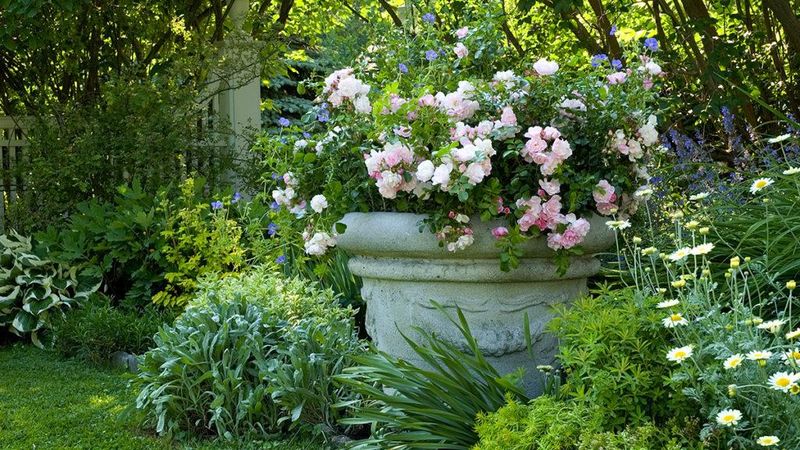
Roses, often considered the queens of the garden, bring an unparalleled allure to French potager gardens. Their diverse colors and fragrances offer a sensory feast, seamlessly blending with vegetables and herbs.
Beyond their beauty, certain varieties of roses are edible, their petals used in salads or as decorative garnishes.
Incorporating roses into the potager garden enhances its charm and diversity, embodying the French aesthetic of combining ornamental and edible elements. Their timeless elegance continues to captivate gardeners worldwide.
Thyme
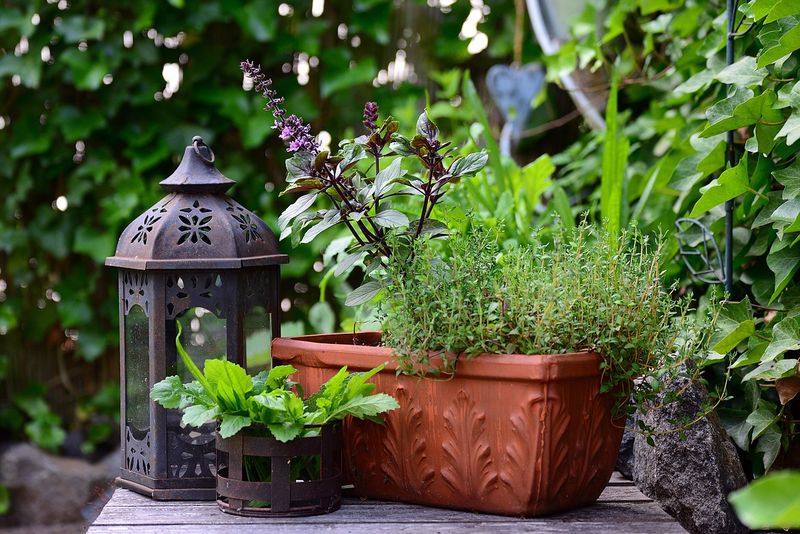
A quintessential herb in French cuisine, thyme is indispensable in potager gardens. This resilient plant thrives in the sunny, well-drained conditions typical of France. Its small, aromatic leaves provide a burst of flavor to numerous dishes.
In the garden, thyme serves as an excellent groundcover, preventing soil erosion and adding greenery.
Its versatility extends beyond the kitchen, as it attracts beneficial insects and deters pests, making it a valuable companion plant. Thyme’s presence in the potager underscores the garden’s dual role as both culinary source and aesthetic delight.
Chard
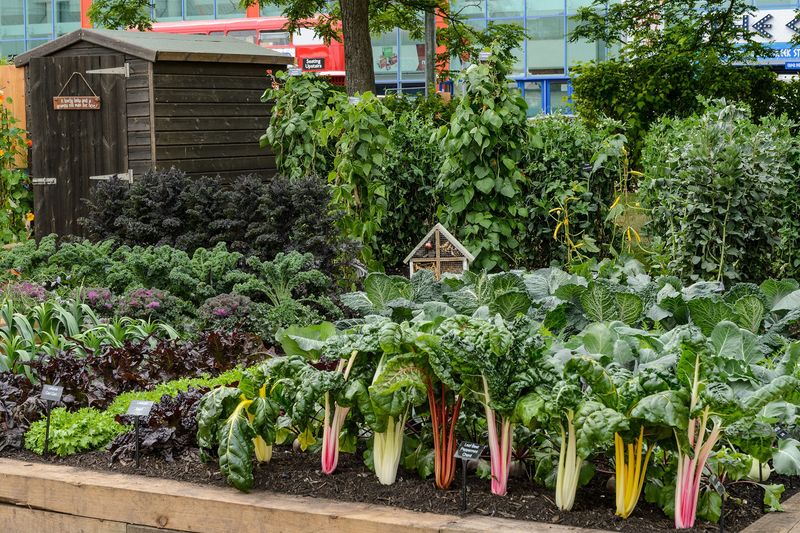
Bursting with color, chard is an aesthetically pleasing and nutritious addition to French potager gardens. Its vibrant stems, ranging from red to yellow, create a stunning visual contrast against lush green leaves.
Chard is rich in vitamins and minerals, making it a healthful choice for salads and sautés. Its fast growth and resilience to varying conditions make it an ideal crop for novice gardeners.
This leafy vegetable embodies the potager ethos of combining ornamental appeal with edible utility, enhancing the garden’s diversity.
Borage
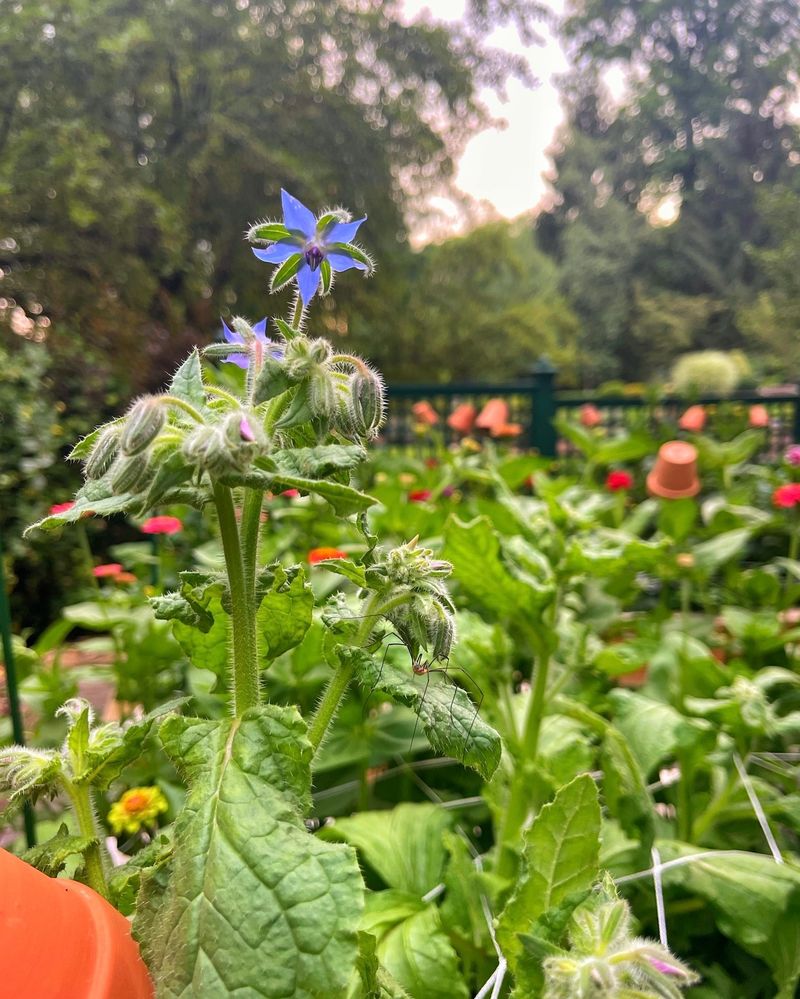
With striking star-shaped blue flowers, borage adds a whimsical touch to French potager gardens. Its blossoms attract bees, promoting pollination for other plants within the garden. Borage’s leaves and flowers are edible, imparting a cucumber-like flavor to salads and drinks.
Traditionally used in herbal remedies, borage has been cherished for its medicinal properties.
Its presence in the potager garden reflects a commitment to biodiversity and ecological balance, enhancing both the visual and functional aspects of the garden.
French Sorrel
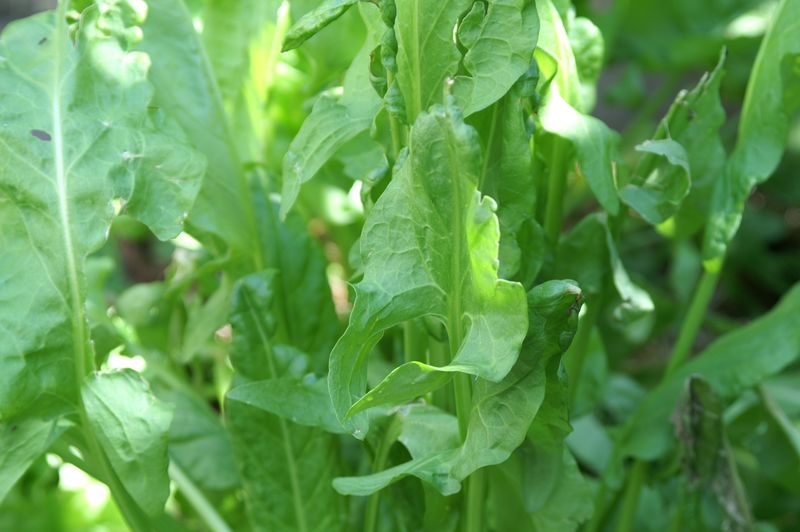
French sorrel, with its lemony tang, is a zestful addition to any potager. Its vibrant green leaves add a splash of color, while the tart flavor enhances salads and soups. This perennial is easy to grow and thrives in well-drained soil, making it a gardener’s delight. A traditional staple in French cuisine, sorrel’s history is rich with culinary tales. Its refreshing taste and aesthetic appeal make it a must-have for lovers of both beauty and flavor.
Dill
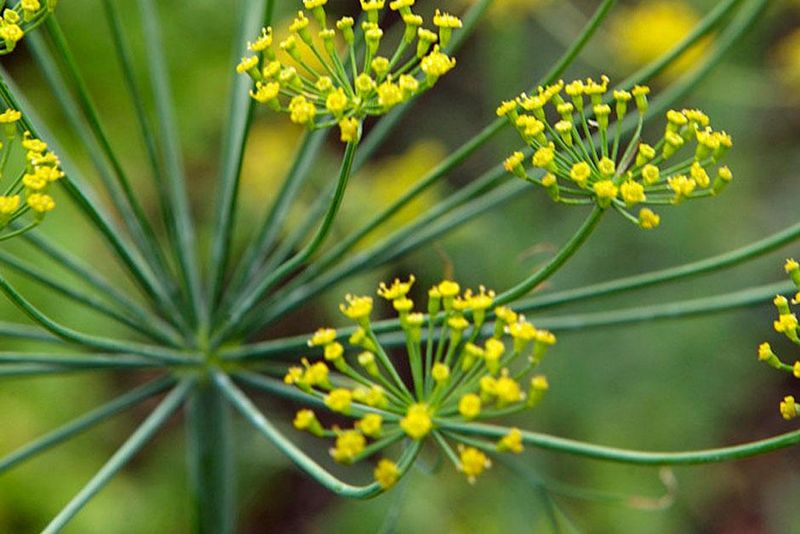
Dill, known for its feathery fronds and aromatic seeds, is an essential component of the potager garden. Its tall, elegant stature provides vertical interest, while the flavor offers a hint of aniseed. Used in pickling and seasoning, dill is both decorative and functional. Its bright yellow flower heads attract beneficial insects, enhancing garden biodiversity. Dill’s versatility in the kitchen and its graceful presence in the garden make it a true favorite.
Marigold
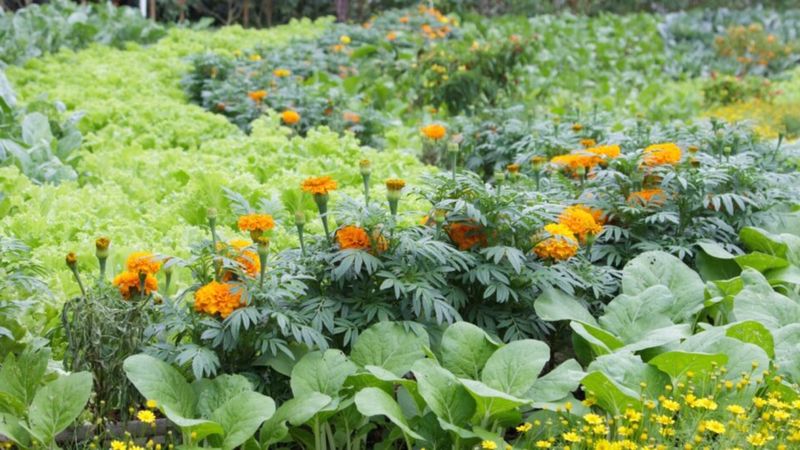
Marigolds bring sunshine to the potager with their radiant blossoms. Known for deterring pests, they are more than just a pretty face. The marigold’s vibrant colors create striking contrasts with lush greens, making them a gardener’s ally. Their peppery scent adds a unique layer to the garden’s aroma profile. Marigolds are symbolic of warmth and creativity, often planted near vegetables to ensure a healthy, thriving garden.
Tarragon
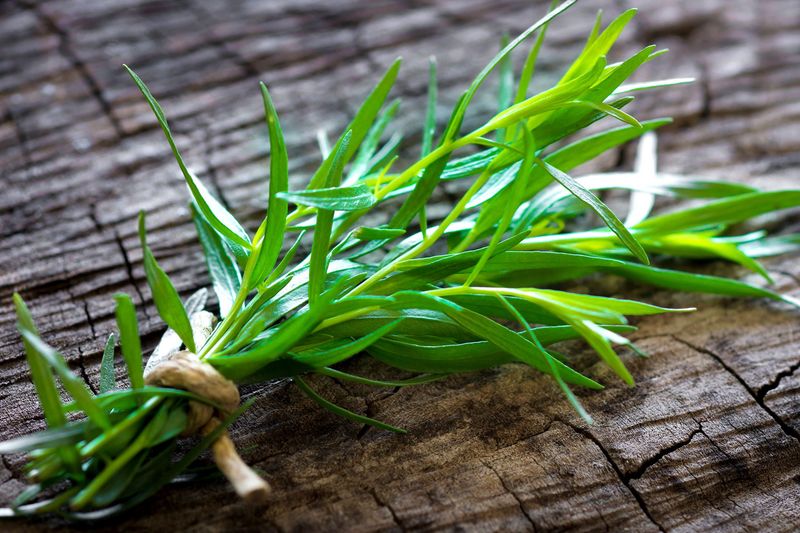
Tarragon, with its licorice-like flavor, is an herb of distinction in French cuisine. Its slender, dark green leaves offer a subtle elegance, perfect for culinary adventures. Typically used in sauces and chicken dishes, tarragon elevates the taste experience. Its presence in the garden adds a sophisticated note, both visually and aromatically. Known as the “King of Herbs” in French cooking, tarragon’s culinary prestige is undeniable.
Zucchini
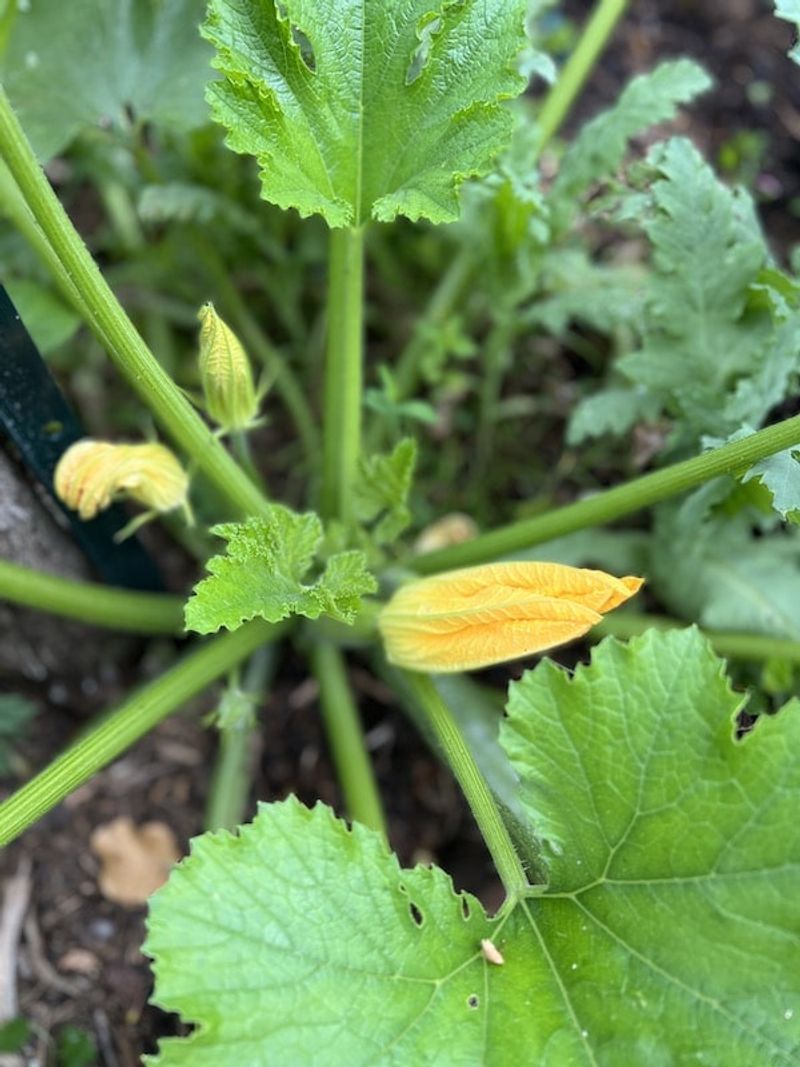
Zucchini is the hidden gem of the potager, offering both beauty and bounty. Its sprawling vines and golden blossoms create a visual spectacle. A versatile vegetable, zucchini can be grilled, stuffed, or baked. The plant’s prolific nature ensures a generous harvest. Its flowers, edible and delicate, are a culinary delight. Zucchini’s ability to blend into a garden’s tapestry makes it both a practical and ornamental choice for gardeners.
Chervil
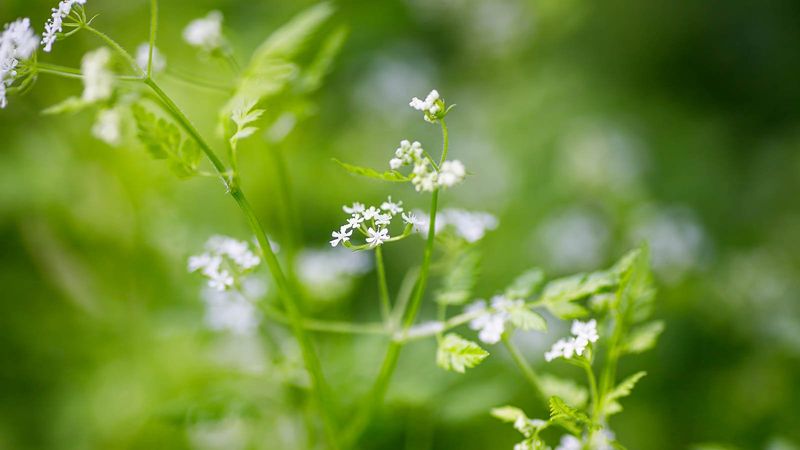
Chervil, often referred to as “gourmet parsley,” brings a subtle anise flavor to dishes. Its delicate leaves and gentle growth habit contribute to the potager’s elegant charm. Used in classic French recipes like fine herbes, chervil is a culinary staple. Its understated beauty and refined taste make it a favorite among chefs and gardeners alike. Chervil’s role in enriching flavors and garden aesthetics is both unique and indispensable.
Sunflower
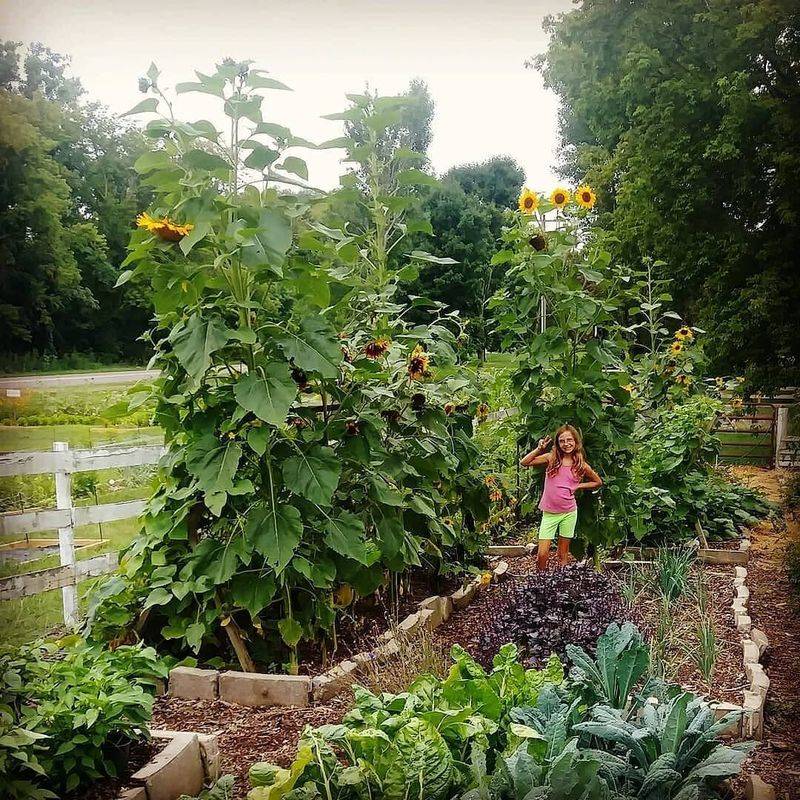
Sunflowers stand tall and proud, adding a touch of whimsy to the potager. Their cheerful demeanor and towering height create a sense of grandeur. Sunflowers are not only visually stunning but also beneficial, attracting pollinators and providing seeds. Their golden faces follow the sun, symbolizing warmth and positivity. In the potager, sunflowers serve as both a backdrop and a focal point, bringing joy to the garden space.
Nasturtium
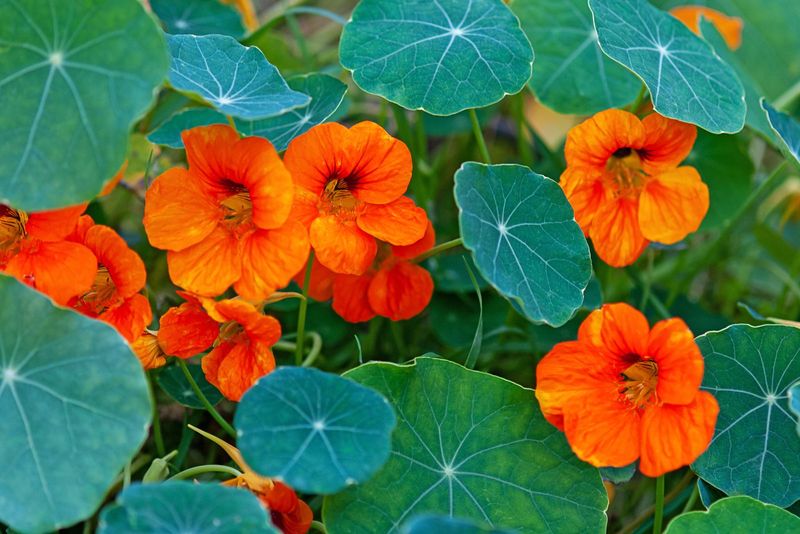
Nasturtiums bring a splash of color with their vivid blooms and peppery leaves. Their climbing or trailing habit makes them versatile in garden design. Known for being edible, both leaves and flowers add a piquant touch to salads. Nasturtiums also deter pests, serving as a natural companion to many vegetables. Their bold hues and culinary uses make them an indispensable part of the potager garden.
Mint
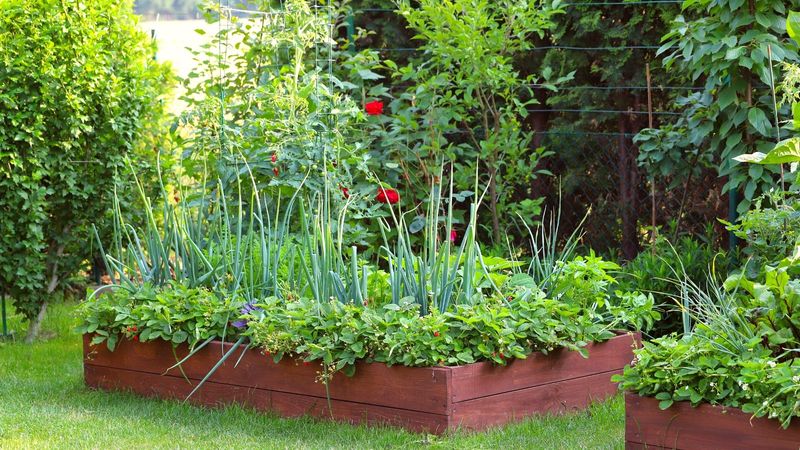
Mint, with its invigorating scent, is a refreshing addition to the potager. Its vibrant green leaves spread quickly, creating a lush carpet of foliage. Ideal for teas and desserts, mint’s versatility is unmatched. However, its vigorous growth requires containment to prevent overrun. The cool aroma and lively presence of mint add a refreshing element to garden and kitchen alike, making it a beloved herb worldwide.
Calendula
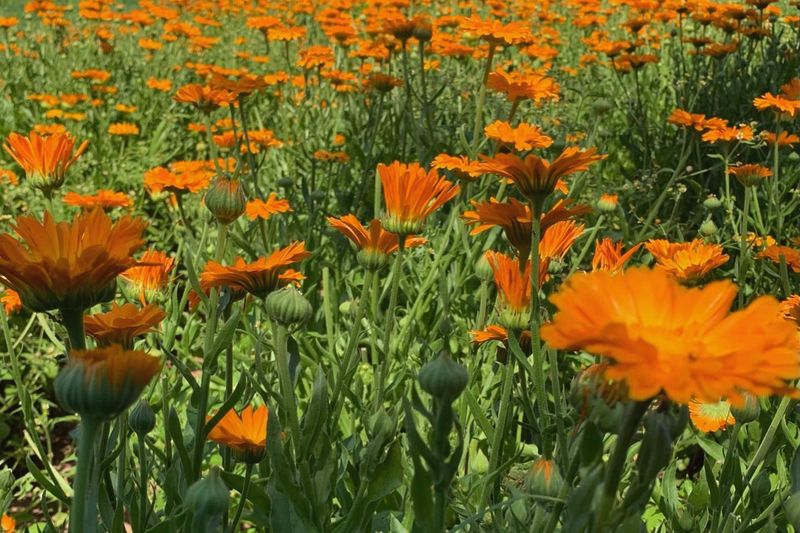
Calendula, known for its healing properties, is a potager favorite. Its sunny blooms not only brighten the garden but also serve medicinal purposes. Often used in lotions and salves, calendula is renowned for soothing skin. In the garden, it acts as a pest deterrent, adding both aesthetic and functional value. The cheerful presence and health benefits of calendula make it a cherished addition to any potager.
Chives
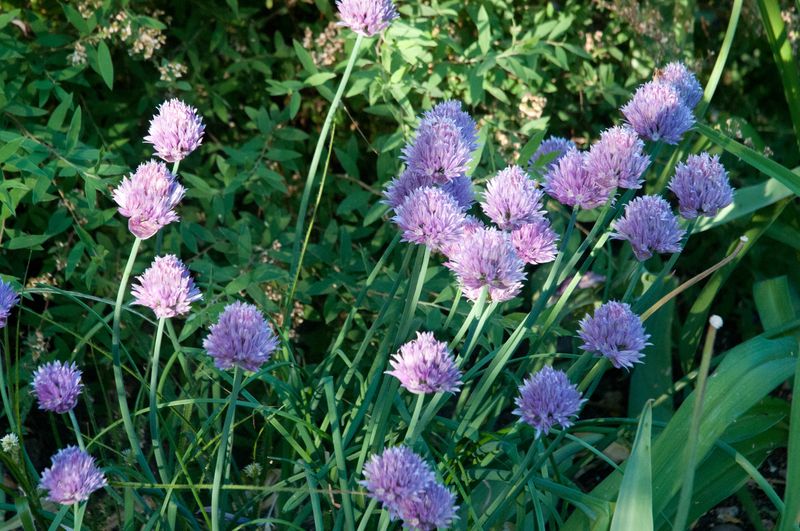
Chives, with their mild onion flavor, are both decorative and delicious. Their purple blossoms add a pop of color, while the green stems offer a subtle taste. Often used in garnishes and salads, chives are a culinary staple. Their compact growth makes them ideal for potager gardens, where space is at a premium. Chives are also known to repel pests, making them a practical choice for an integrated garden ecosystem.
Parsley
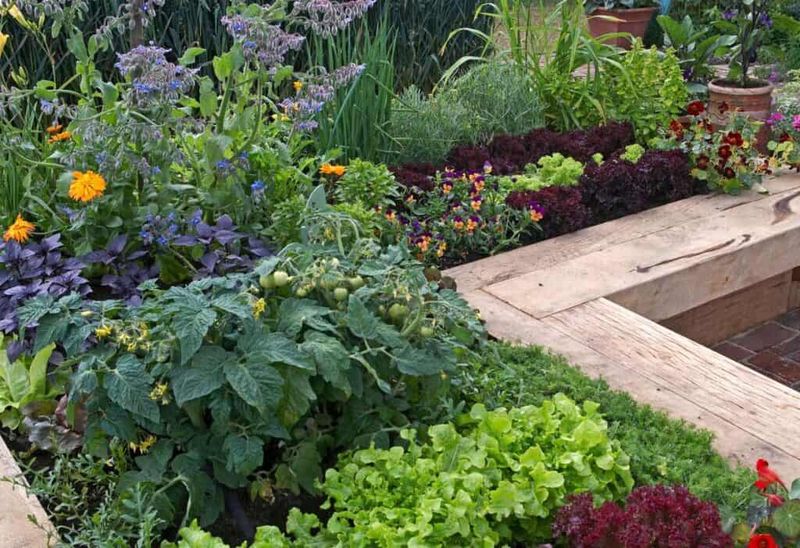
Parsley is the unsung hero of the potager, offering more than just garnish. Its fresh, slightly peppery taste enhances a multitude of dishes. Parsley’s rich green leaves bring vibrancy and life to the garden. Known for its high vitamin content, it’s as nutritious as it is beautiful. The plant’s ability to thrive in various conditions makes it a gardener’s trusted friend. Parsley’s presence is both a culinary and visual delight.