 Complete Gardening
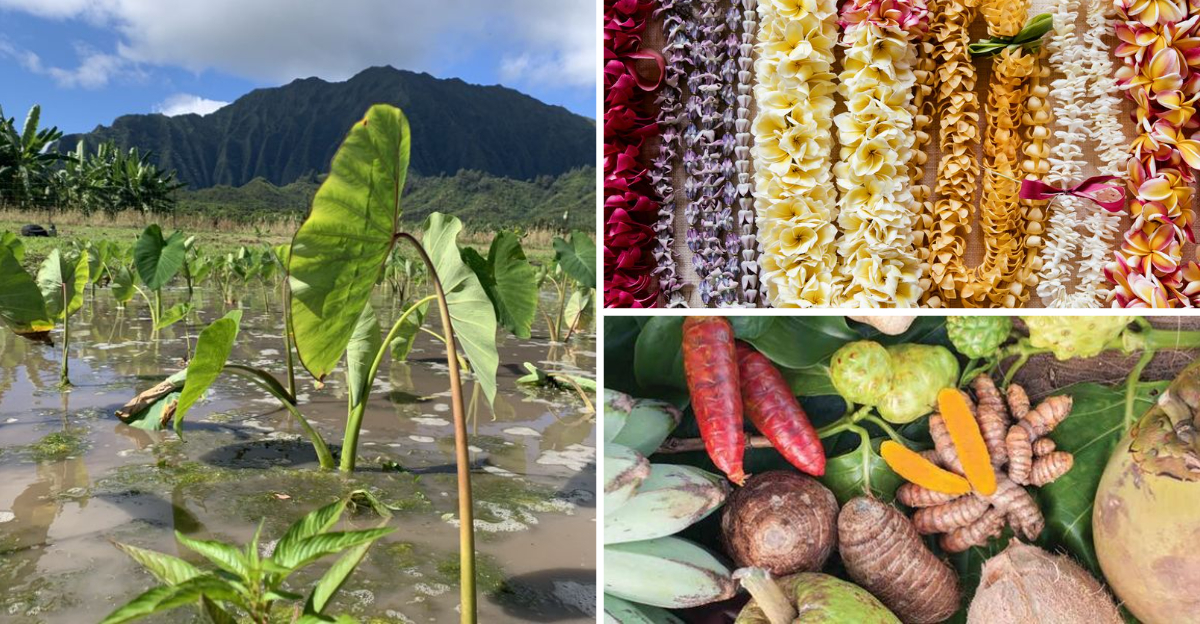
Hawaii, known for its lush landscapes and vibrant flora, offers a rich tapestry of gardening traditions that are both sustainable and spiritually meaningful. These traditions, passed down through generations, provide valuable insights into cultivating plants in harmony with the environment. Embracing these practices not only enhances your garden but also connects you to the deep cultural roots of the islands. Here are five Hawaiian gardening traditions worth exploring, each offering a unique perspective on nurturing nature.
Hawaiian Taro Cultivation
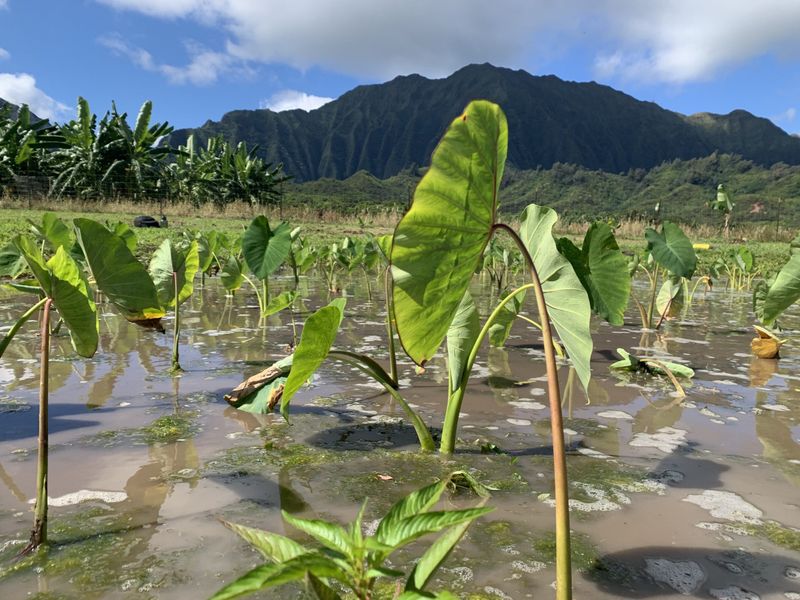
In the heart of Hawaiian agriculture lies taro, a staple revered for both its nutritional value and cultural significance. Known locally as kalo, this crop is often grown in lo’i, or flooded fields, which mimic its natural wetland habitat. The process of cultivating taro is deeply rooted in tradition, requiring careful attention to water levels and soil fertility. Many believe that the spirit of the land is embodied in these plants, making their cultivation a sacred act. Growing taro not only sustains the body but also nurtures the soul, connecting you to Hawaii’s ancestral wisdom.
Lei Flower Gardening
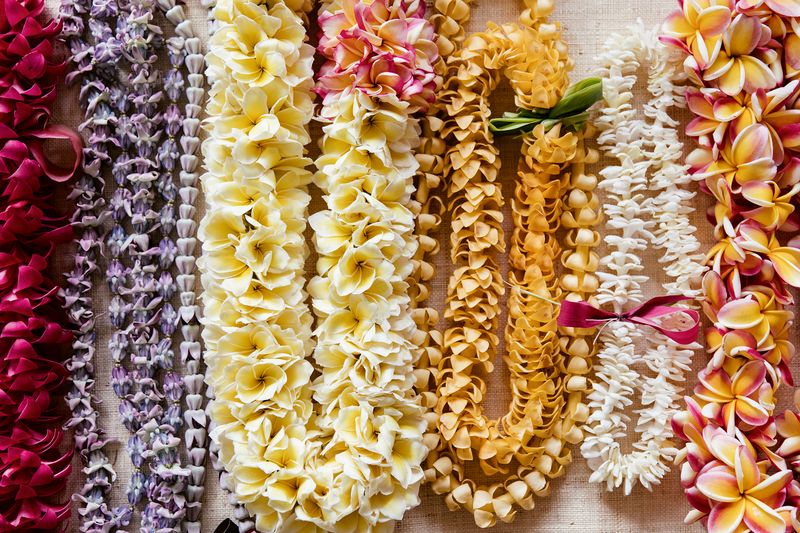
Lei flowers, with their intoxicating fragrances and vibrant colors, are central to Hawaiian celebrations. Traditionally, these garlands are crafted from plumeria, orchids, and other native blooms, each with its own symbolism. Growing a lei garden brings the spirit of Aloha to your home, offering blossoms for every occasion. The delicate art of lei-making transcends simple adornment, symbolizing love, friendship, and respect. By cultivating these flowers, you’re not just planting a garden; you’re fostering a cultural tradition that embodies the warmth and hospitality of the islands.
The Art of Dryland Farming
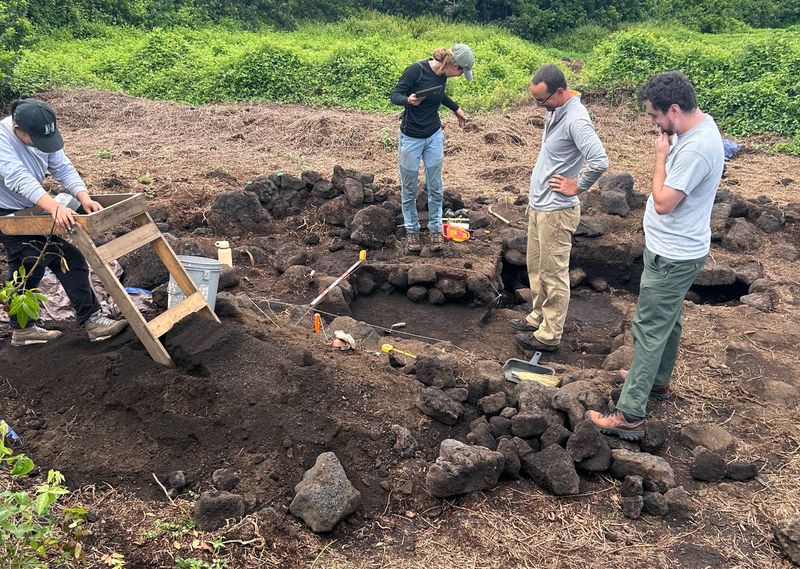
Dryland farming in Hawaii showcases the innovative spirit of ancient Hawaiians, who thrived in challenging environments. This technique involves cultivating crops on sunlit slopes where water is scarce, using methods that maximize soil moisture retention. It’s a testament to human ingenuity and adaptability. Embracing these practices can lead to a more sustainable garden, reducing dependence on water resources. It’s a dance with nature, where every plant tells a story of resilience. By adopting dryland farming, you honor a legacy of environmental stewardship and ingenuity that continues to inspire.
Hawaiian Canoe Plant Gardens
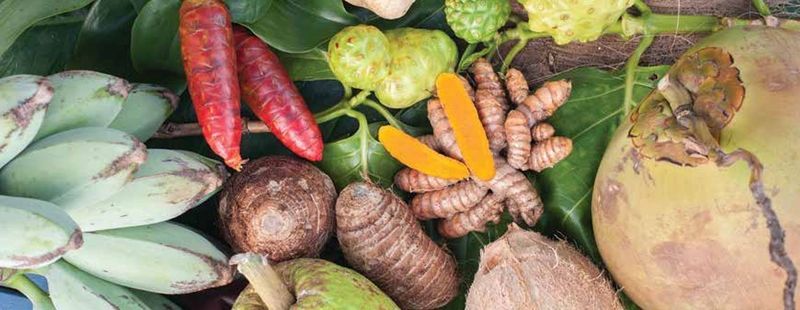
Canoe plants hold a special place in Hawaiian culture, representing the plants brought by Polynesian voyagers. These include staples like taro, sweet potatoes, and bananas, each essential for survival. Creating a canoe plant garden is like curating a living museum of Hawaiian history, where every plant has a story to tell. This garden not only pays homage to the voyaging spirit of the islands but also provides a sustainable source of nutrition. Embrace this tradition to cultivate a deeper connection with the land and the enduring legacy of those who journeyed across the vast Pacific.
Traditional Hawaiian Medicinal Gardens
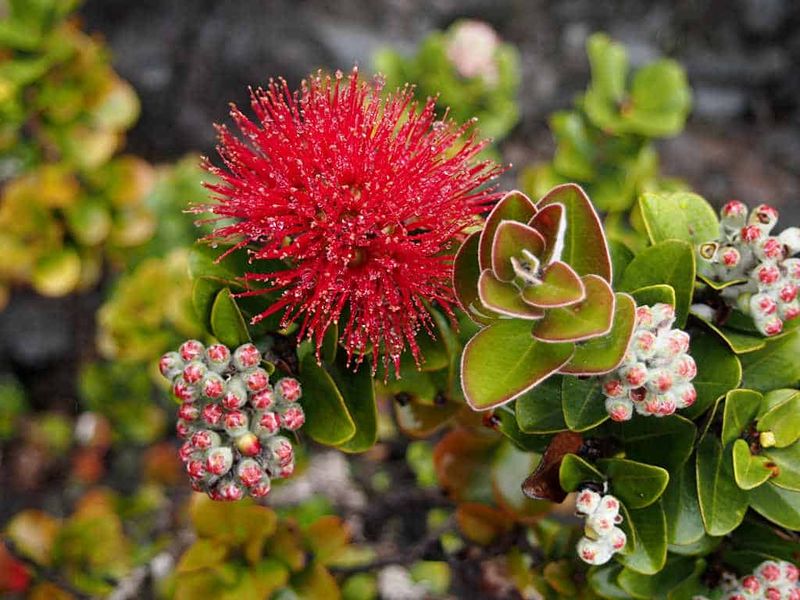
Traditional Hawaiian medicinal gardens are sanctuaries of healing and wisdom. They feature plants like noni and ‘awa, renowned for their therapeutic properties. These plants have been used for centuries by kahuna la’au lapa’au, or traditional healers, to treat various ailments. Cultivating such a garden invites a holistic approach to health, connecting you to ancient practices that prioritize natural remedies. It’s an act of preserving cultural heritage while promoting wellness. With each plant, you embrace a tradition that values harmony between people and the land, offering a path to healing both body and spirit.
Kalo Terracing
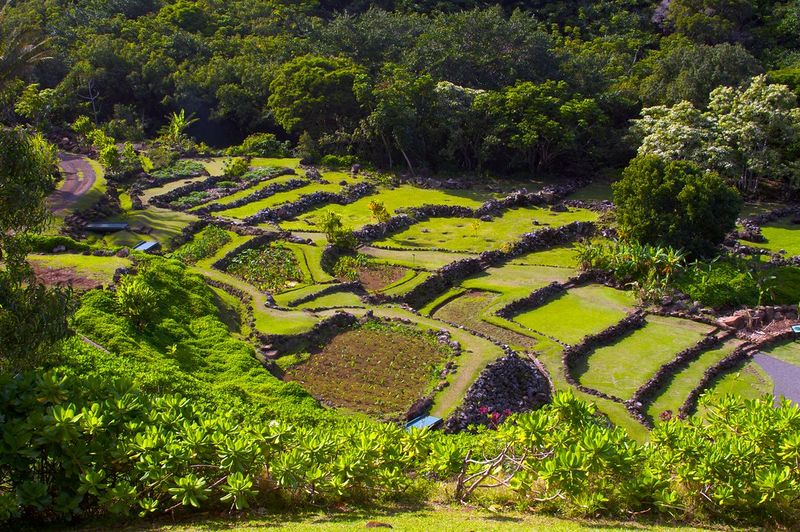
Kalo, or taro, holds a sacred place in Hawaiian culture. Terracing allows for efficient water management and maximizes space. These lush green terraces are not only visually stunning but play a crucial role in sustainable agriculture. On the slopes, water flows gently through these terraces, nurturing the kalo plants. Historically, this technique reflects the ingenuity of early Hawaiian farmers, who turned challenging landscapes into productive fields. Today, terraced kalo fields are a testament to the harmony between people and nature, offering a glimpse into the past while providing sustenance for the future.
The Menehune Fish Ponds
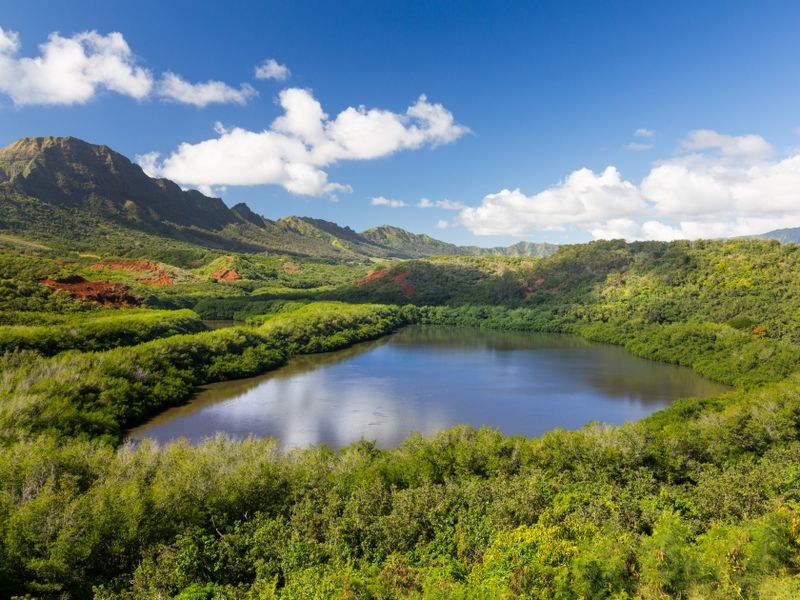
In Hawaiian lore, the Menehune are legendary people known for their skilled craftsmanship. These ancient fish ponds, attributed to them, showcase sophisticated aquaculture techniques. Stone walls enclose these ponds, maintaining a stable ecosystem for fish cultivation. Such ponds were vital for food security, providing a steady supply of fish. Today, the remnants of these ponds are a reminder of the resourcefulness of ancient Hawaiians. Their ability to harmonize aquaculture with nature continues to inspire modern sustainable practices. Exploring these ponds offers insight into a unique aspect of Hawaiian heritage.
Breadfruit ‘Ulu Gardens
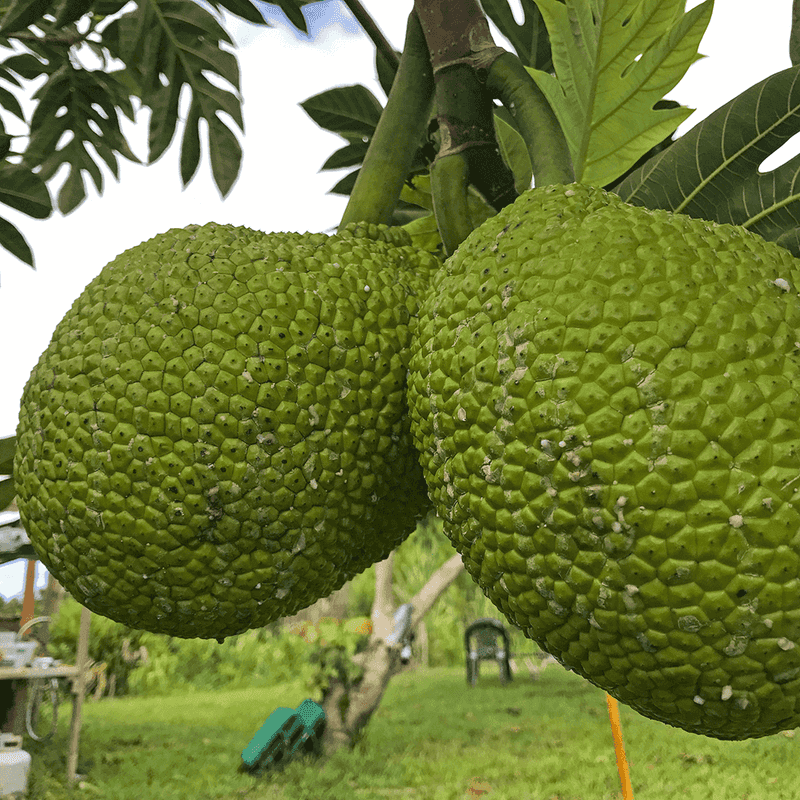
Breadfruit, known as ‘ulu, is a staple in Hawaiian diets and a symbol of abundance. Cultivating ‘ulu involves nurturing these towering trees that produce large, starchy fruits. These gardens thrive in tropical climates, where the trees’ broad leaves provide shade and habitat for native species. Historically, ‘ulu was a primary food source, ensuring food security for island communities. Modern ‘ulu gardens continue this legacy, promoting food sovereignty and ecological diversity. Embracing ‘ulu cultivation connects people to a vital part of Hawaiian agricultural history, fostering a sustainable future.
Sacred Kukui Nut Groves
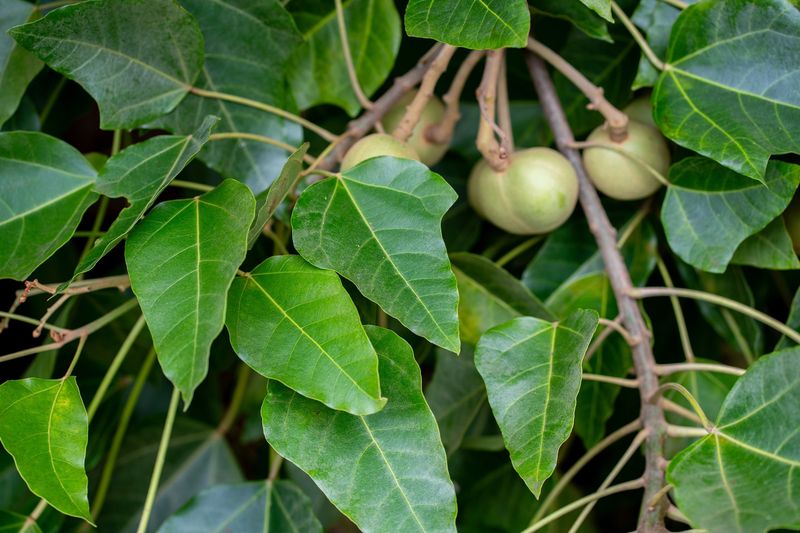
Kukui, the state tree of Hawaii, holds cultural and spiritual significance. These groves of kukui nut trees are sacred spaces, often associated with enlightenment and protection. The silvery leaves and nut-laden branches create a magical atmosphere. In traditional Hawaiian society, kukui nuts were used for lighting, thanks to their oil-rich kernels. Today, kukui nut groves are cherished for their beauty and historical value. They offer a peaceful retreat into nature, allowing visitors to reflect on the interconnectedness of culture, spirituality, and the environment.
Hawaiian Spice Gardens
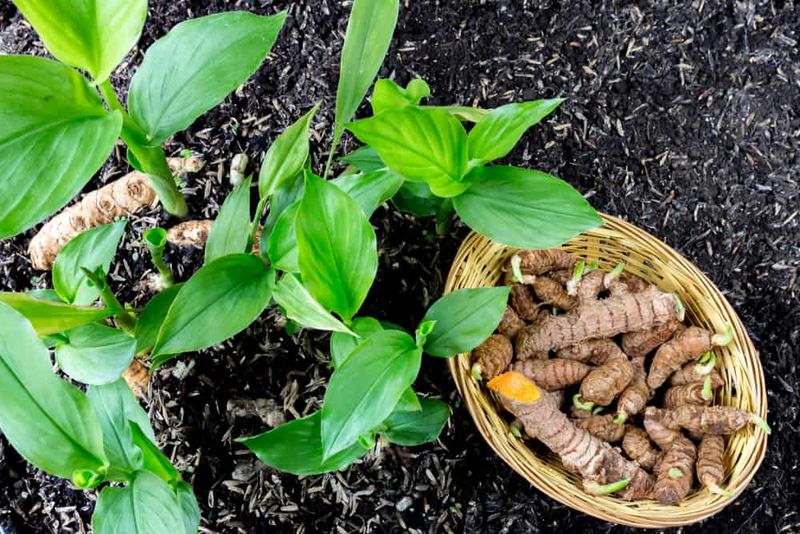
Hawaiian spice gardens are aromatic havens, where spices like ginger, turmeric, and chili peppers flourish. These gardens are not only a feast for the senses but also essential for culinary traditions. The rich volcanic soil of Hawaii supports the growth of these flavorful spices. Historically, spices played a role in medicine and trade, adding value to Hawaiian agriculture. Today, cultivating these spices connects gardeners to a rich heritage, enhancing local cuisine with authentic flavors. Exploring a Hawaiian spice garden offers a sensory journey through the islands’ culinary history.
Native Hawaiian Pollinator Gardens
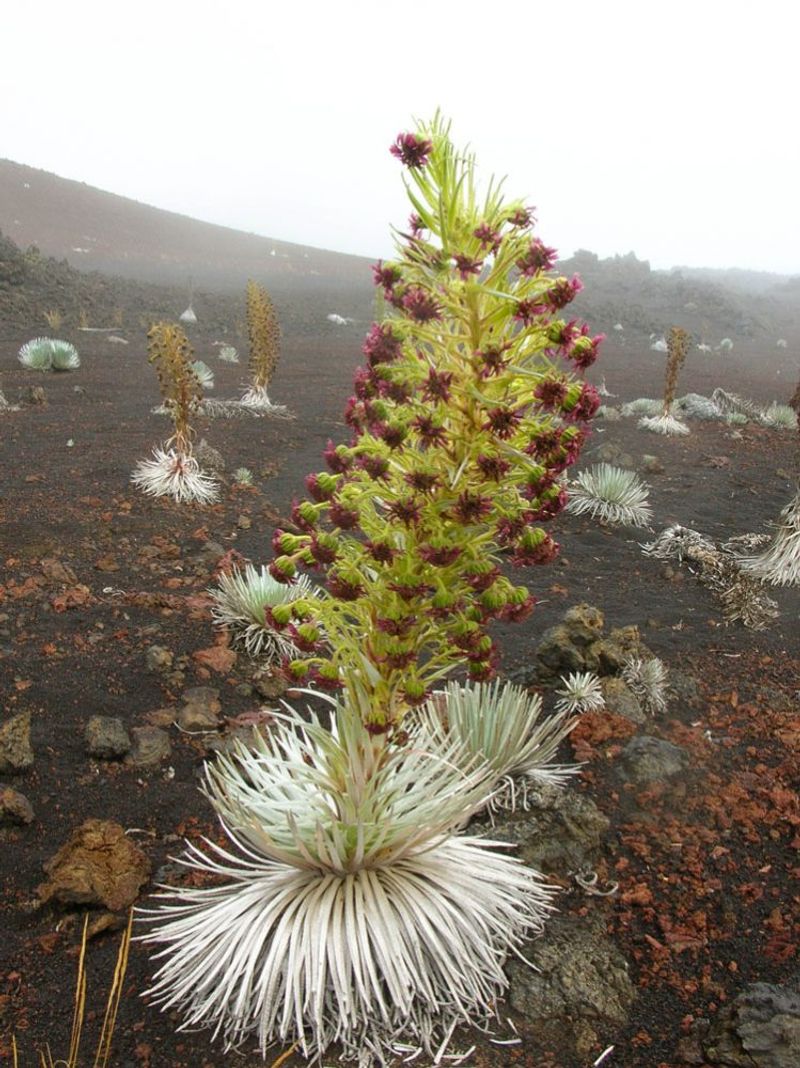
Pollinator gardens celebrate the symbiotic relationship between plants and pollinators. Native Hawaiian plants, such as the silversword and ‘ohia lehua, attract essential pollinators like bees and butterflies. These gardens play a vital role in preserving biodiversity and promoting ecosystem health. In Hawaiian culture, pollinators are considered messengers of the gods, symbolizing life’s interconnectedness. Today’s gardeners cultivate these spaces to support endangered species and foster environmental stewardship. Visiting a native pollinator garden offers an opportunity to witness this intricate dance of life and support conservation efforts.
Coconut Palm Landscaping
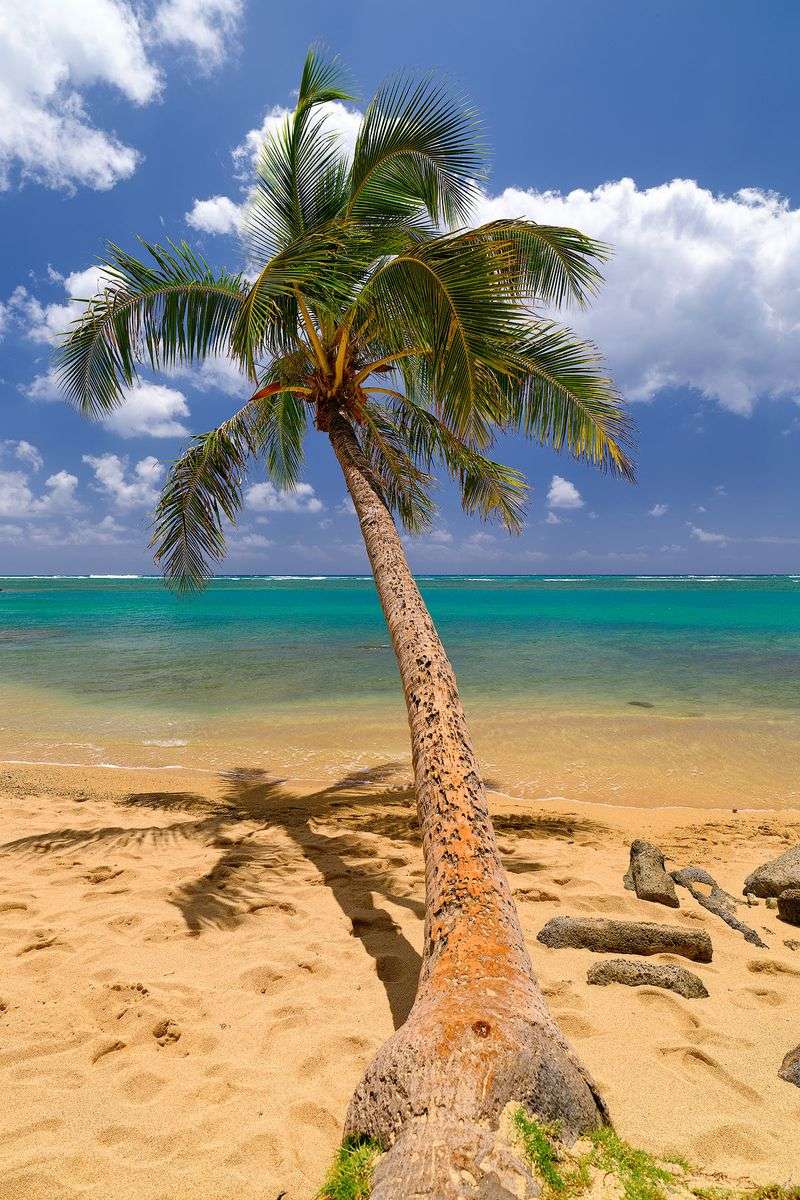
Coconut palms are synonymous with tropical paradise, and their presence in Hawaiian landscapes is iconic. These towering palms provide shade, aesthetic appeal, and resources like coconuts for food and crafts. Coconut palms play a crucial role in traditional Hawaiian life, offering versatile materials for building and sustenance. They symbolize resilience and adaptability, thriving in coastal environments. Today, coconut palm landscaping enhances the natural beauty of Hawaiian gardens and connects people to a sustainable lifestyle. Embracing coconut palms in garden design fosters a sense of island living and environmental harmony.
Hawaiian Fern Gardens
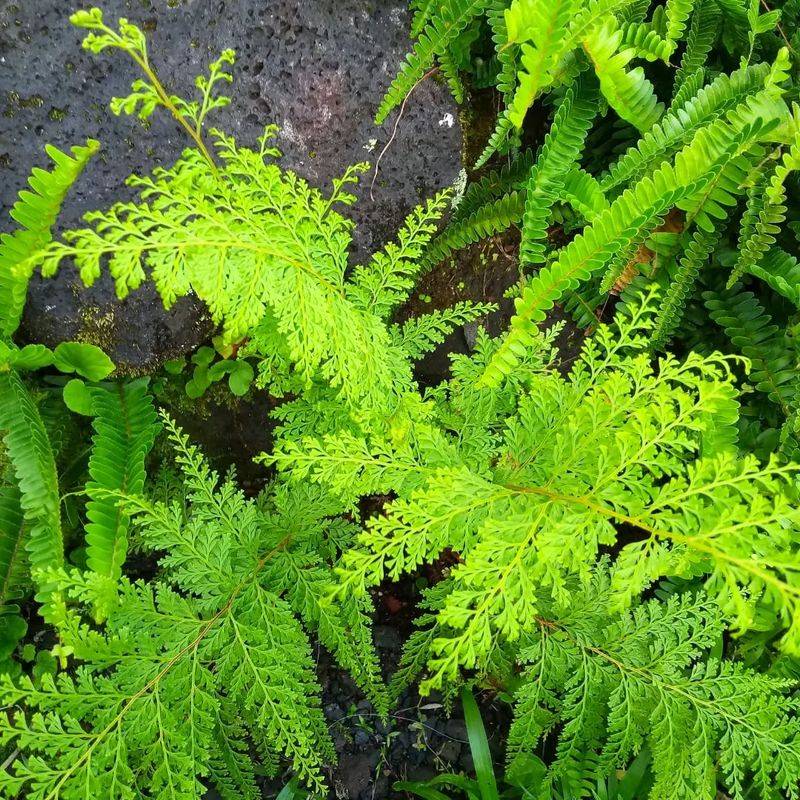
Hawaiian fern gardens are tranquil sanctuaries, showcasing the island’s rich fern diversity. These gardens are home to species like the hapu’u and palapalai, offering a connection to ancient Hawaiian landscapes. Ferns are revered for their graceful forms and ecological significance. In Hawaiian mythology, ferns symbolize resilience and new beginnings. Cultivating fern gardens promotes biodiversity and supports native habitat restoration. Gardeners can explore the beauty and tranquility of these verdant spaces while contributing to conservation efforts. Hawaiian fern gardens offer a peaceful refuge and a chance to reconnect with nature.
Hawaiian Sweet Potato Patches
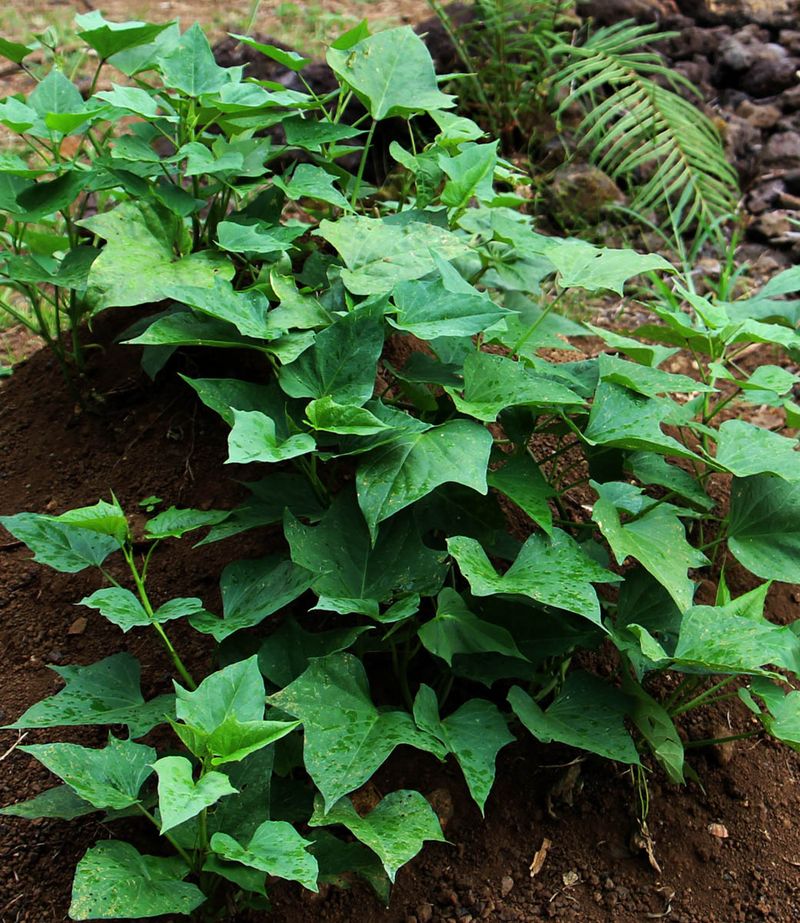
Sweet potatoes, or ‘uala, are a traditional staple in Hawaiian agriculture. These hardy plants thrive in tropical gardens, producing nutritious tubers. Sweet potato patches reflect the ingenuity of ancient Hawaiian farming techniques, utilizing mounding and soil enrichment. The vibrant foliage of purple and green leaves adds visual interest to gardens. Historically, ‘uala was a reliable food source and symbol of sustenance. Today, growing sweet potatoes connects gardeners to Hawaiian heritage and promotes food security. Cultivating ‘uala patches offers a rewarding gardening experience and a taste of tradition.
Hawaiian Bamboo Gardens
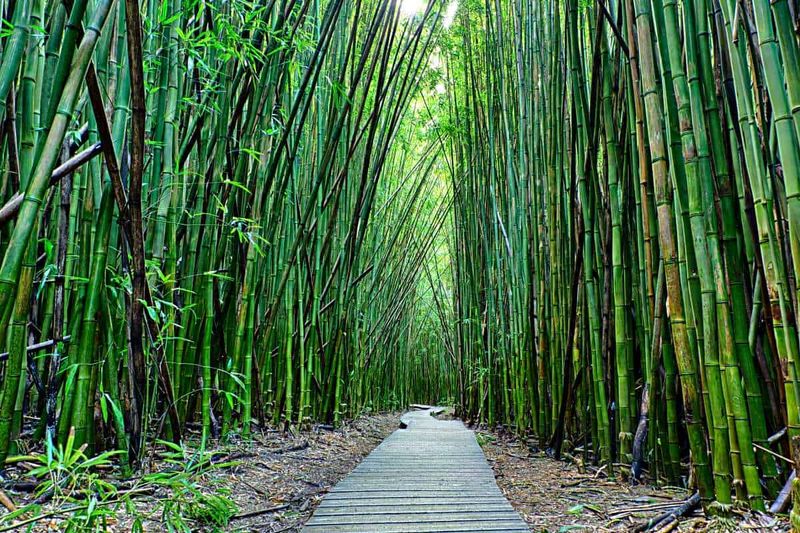
Bamboo, a symbol of strength and flexibility, is integral to Hawaiian culture. Bamboo gardens feature groves of this versatile plant, used for building, crafts, and instruments. The gentle rustling of bamboo leaves creates a calming atmosphere. In Hawaiian tradition, bamboo symbolizes growth and renewal. Cultivating bamboo gardens not only enhances landscape aesthetics but also promotes sustainable practices. These gardens offer a unique opportunity to explore the cultural significance of bamboo while embracing its practical applications. Hawaiian bamboo gardens inspire creativity and a connection to cultural traditions.
Hawaiian Native Tree Planting
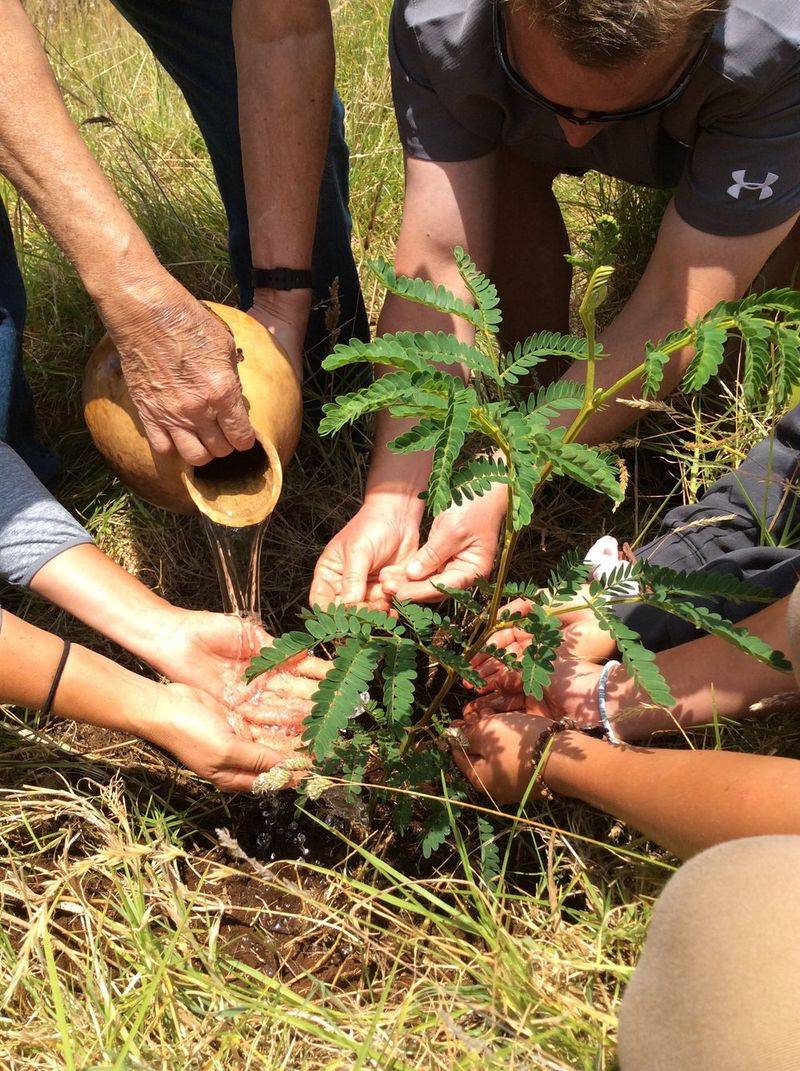
Native tree planting is a vital part of Hawaiian conservation efforts. Species like koa and ohia are central to this practice, supporting ecosystem health and biodiversity. Planting native trees restores habitats and mitigates erosion. These trees hold cultural importance, often featured in Hawaiian chants and stories. Modern conservationists continue this legacy, promoting reforestation to combat environmental challenges. Engaging in native tree planting offers a hands-on way to contribute to Hawaii’s ecological future. It’s a meaningful tradition that balances cultural reverence with environmental responsibility.
Hawaiian Aquaponics Systems
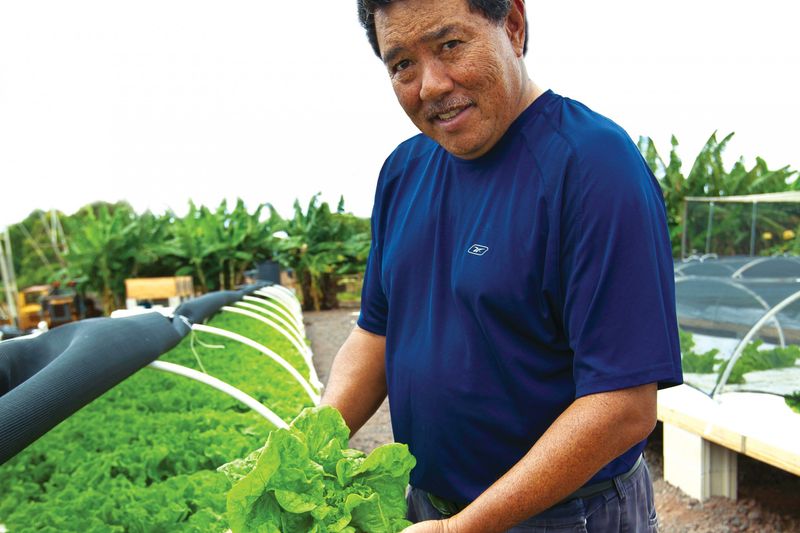
Aquaponics integrates aquaculture with hydroponics, creating a sustainable gardening system. In Hawaii, this practice adapts traditional methods to modern needs, producing fish and plants in a closed-loop ecosystem. Fish waste nourishes plants, while plants purify water for fish. This efficient system maximizes space and resources, ideal for island communities. Hawaiian aquaponics systems draw inspiration from ancient fish ponds, merging old and new techniques. Gardeners embrace aquaponics for its sustainability and productivity, aligning with Hawaii’s commitment to environmental stewardship. It offers a glimpse into the future of gardening.
Hawaiian Coffee Plantations
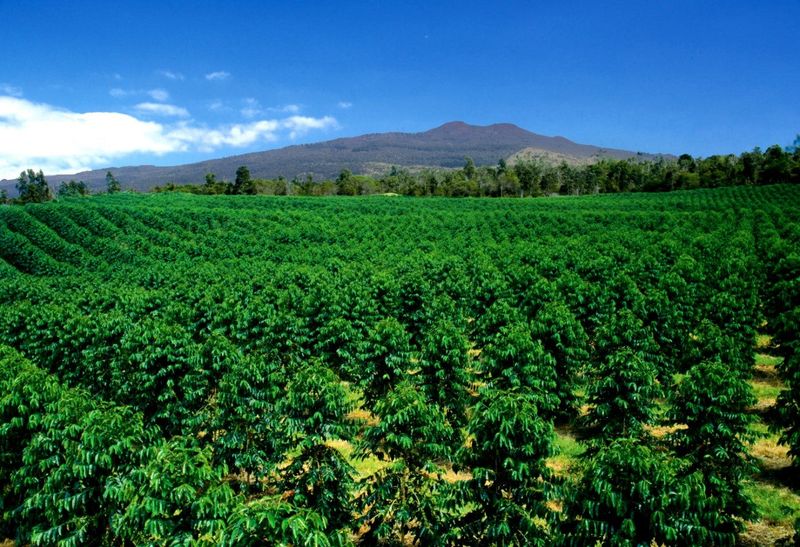
Hawaiian coffee plantations are renowned for producing some of the world’s finest beans. Nestled on volcanic slopes, these plantations benefit from rich soil and ideal climate. Coffee cultivation in Hawaii dates back centuries, becoming a cultural and economic staple. The meticulous care given to coffee plants ensures high-quality harvests. Visitors to these plantations experience the art of coffee-making, from bean to brew. They offer insights into Hawaii’s agricultural heritage and the global coffee industry. Exploring a Hawaiian coffee plantation provides a sensory journey through flavors and landscapes.