 Complete Gardening
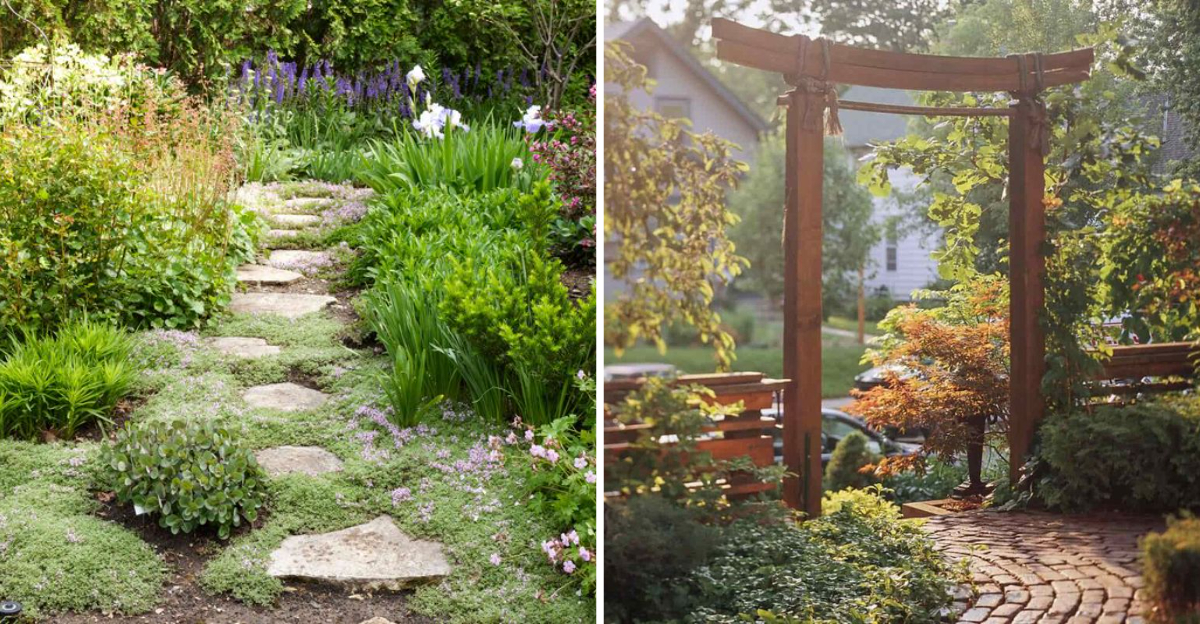
British cottage gardens are a blend of charm and chaos, offering a harmonious mix of colours, textures, and scents. They evoke the pastoral beauty of the English countryside, a landscape of whimsy and wildness. This guide will help you recreate this enchanting style in your own garden.
Rose Borders
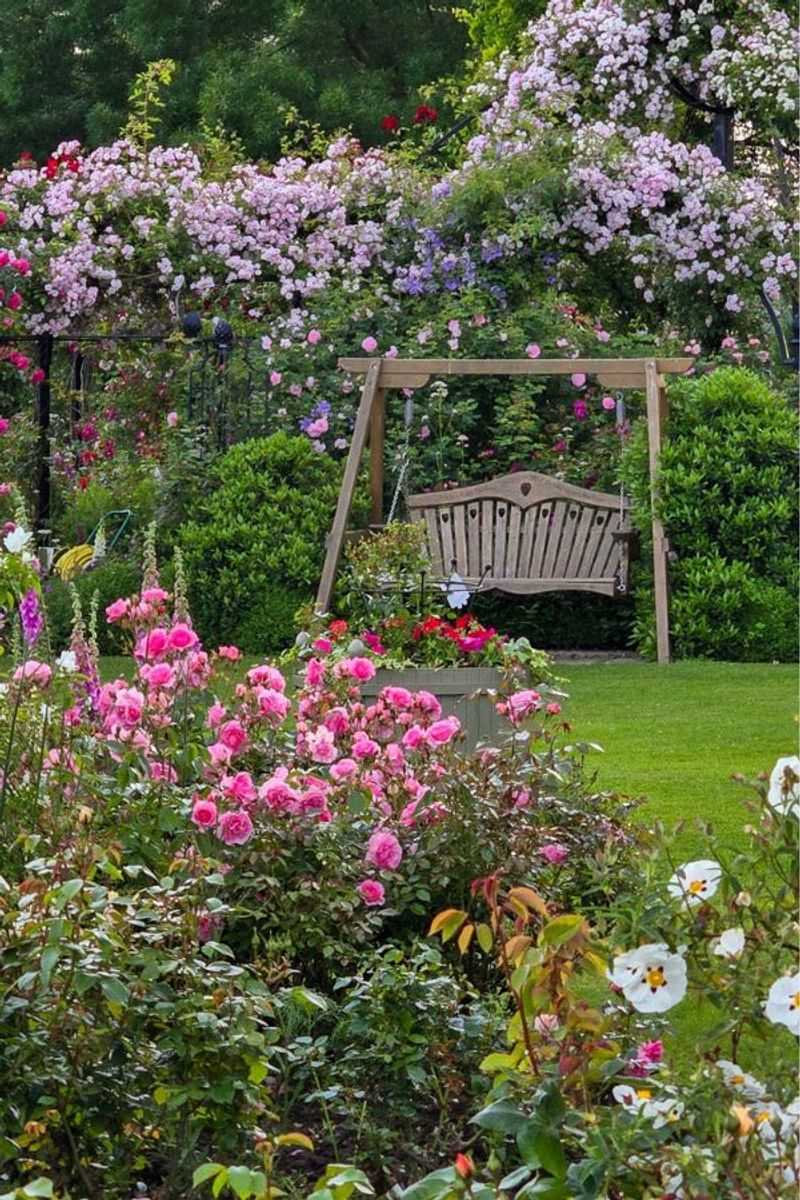
Roses, the quintessential cottage garden flower, have a romantic allure that captivates. With their myriad of colors and intoxicating scent, they are the garden’s crown jewels. Plant them along borders or over arches for a dreamy effect.
Choose varieties like ‘Gertrude Jekyll’ for their robust growth and stunning blooms. Their thorny stems add a touch of wildness, reminiscent of untamed hedgerows. Combine with perennials for a lush display.
Roses thrive in well-drained soil and full sun, rewarding you with blooms from late spring to fall. Prune regularly for continuous flowering.
Herbaceous Perennials
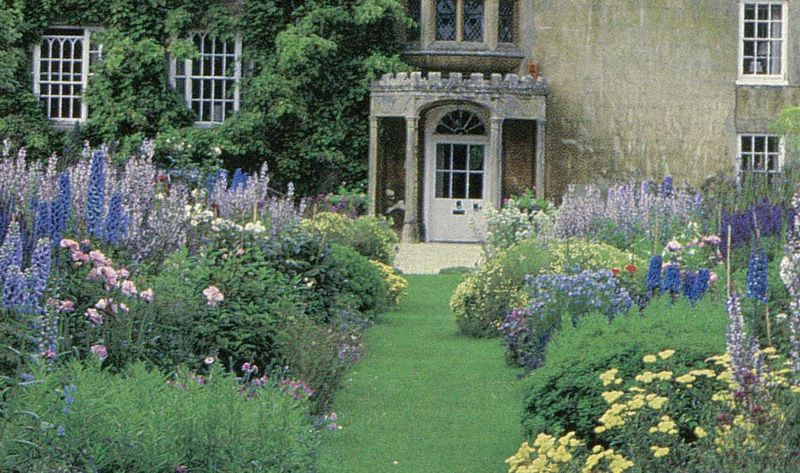
Herbaceous perennials bring a dynamic element to cottage gardens, with blooms that change the scene across seasons. Delphiniums and foxgloves tower majestically, their spikes drawing the eye upwards.
Plant them in drifts to mimic nature’s artistry. Their ephemeral nature means they may die back in winter, only to return resiliently in spring. They provide a tapestry of color and form.
Pair them with airy grasses for movement and texture. These perennials thrive in fertile, moist soil and are beloved by pollinators. Deadhead spent flowers to prolong their spectacular show.
Cottage Garden Paths
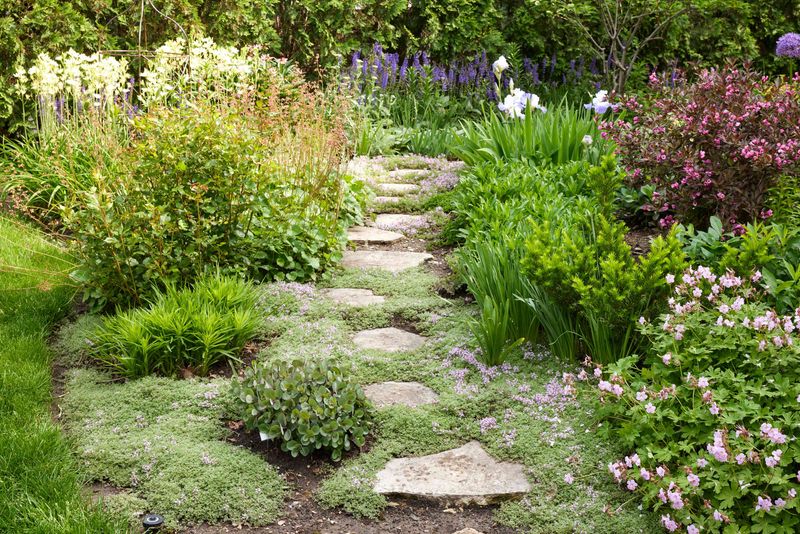
Paths in cottage gardens aren’t just functional; they weave stories through the landscape. Flagstone paths are traditional, inviting exploration and leisurely strolls. Their irregular shapes complement the informal style.
Surround paths with riotous flower beds, allowing petals to spill over edges. The juxtaposition of stone and blooms creates a charming contrast. Opt for gravel or bark paths for a softer, more rustic look.
Include nooks with benches or arbors for relaxation. These paths become conduits for surprise, leading to hidden garden treasures. They should be laid with care, ensuring durability and charm.
Wildlife-Friendly Plants
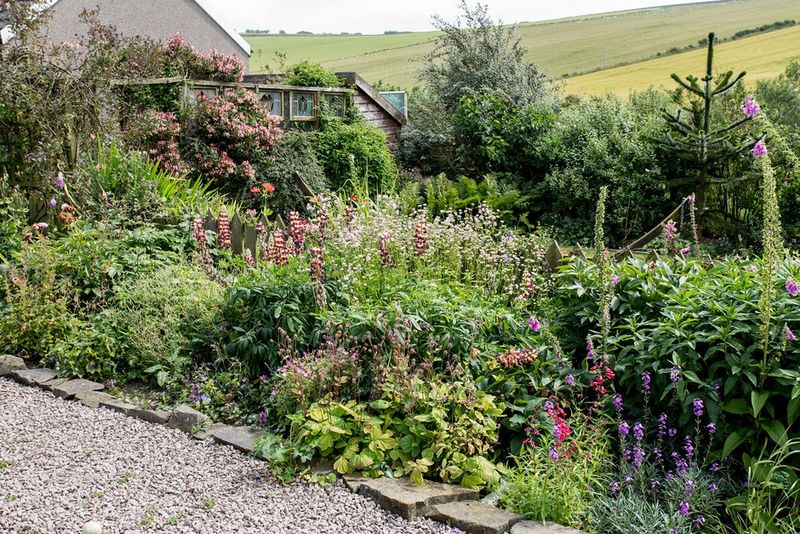
Incorporating wildlife-friendly plants ensures your garden buzzes with life. Lavender and honeysuckle are not only fragrant but also magnets for bees and butterflies, infusing your garden with movement.
Buddleia, known as the butterfly bush, adds vibrant hues and is a favorite among pollinators. These plants contribute to biodiversity, supporting local wildlife. They create a serene ecosystem right in your backyard.
Position them near seating areas to enjoy the spectacle. Many of these plants are low-maintenance, requiring minimal intervention. Their presence transforms your garden into a lively haven.
Cottage Garden Structures
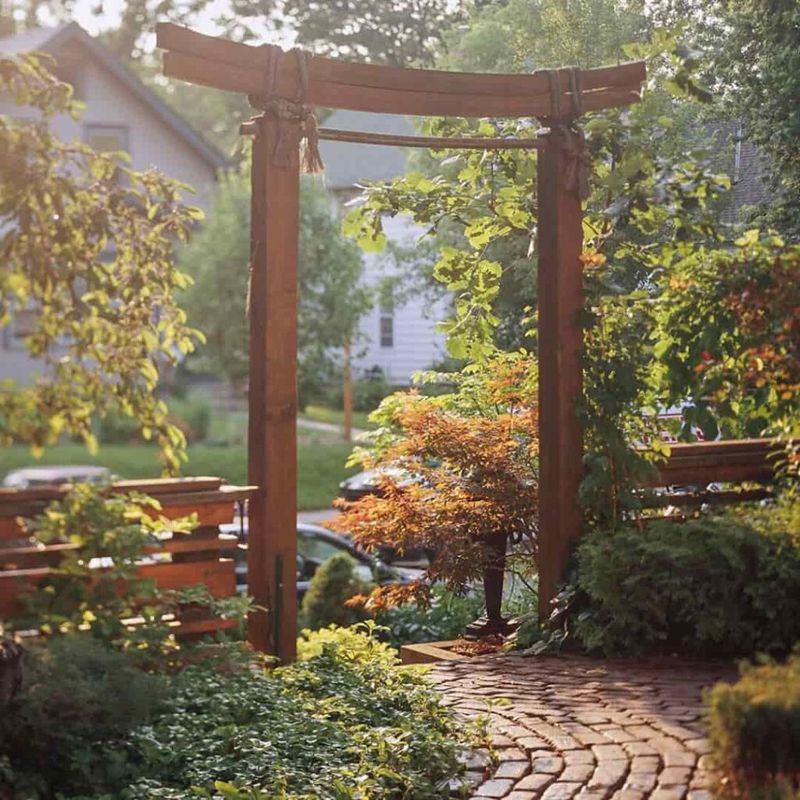
Structures add vertical interest and frame the cottage garden’s beauty. A wooden pergola, draped with climbing roses, offers shade and romantic blooms. It beckons visitors to explore further.
Rustic sheds provide storage while enhancing charm with their quaint appearance. Vintage iron gates serve as portals to secret garden realms, adding mystery and allure.
These elements complement the soft lines of the garden, creating a cohesive look. They are not just decorative; they offer functionality, making them integral to the garden’s design. Choose materials that age gracefully for timeless appeal.
Seasonal Planting
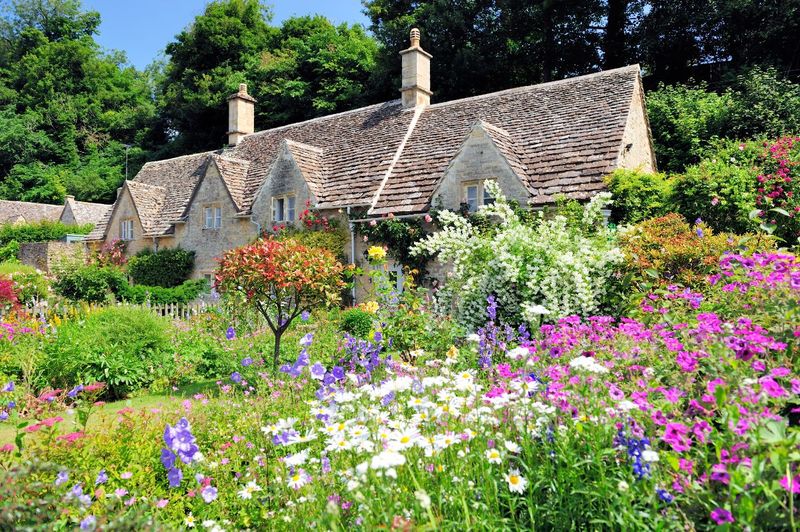
Seasonal planting keeps the cottage garden ever-changing, a living canvas. Spring bulbs like tulips herald the garden’s awakening, while summer blooms splash color across the scene.
Autumn introduces a palette of burnt oranges and deep reds, a visual feast. This succession ensures interest year-round, with each season offering its unique beauty.
Mix in evergreen shrubs for structure during dormant months. The rhythm of seasonal changes reflects nature’s cycles, inviting anticipation and surprise. It’s an enchanting way to engage with your garden throughout the year.
Water Features
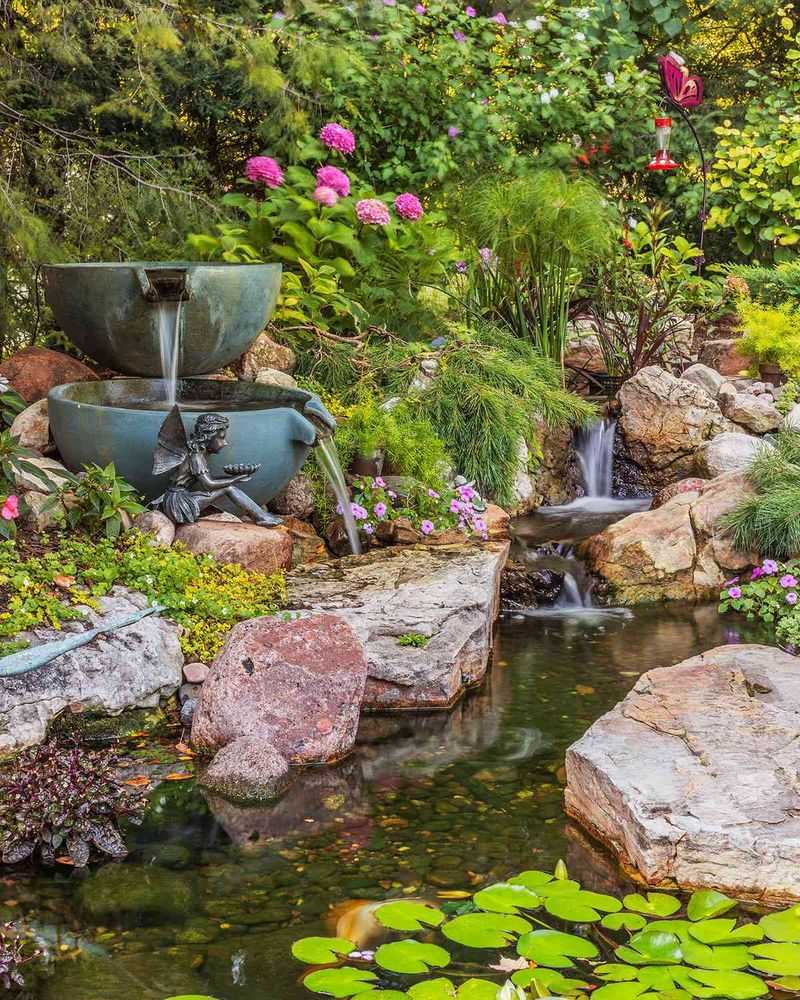
Water features bring tranquility and a sense of calm to cottage gardens. A small pond with lily pads creates a focal point, reflecting the sky and surrounding flora.
Such features attract wildlife, from dragonflies to birds, enriching the garden’s ecosystem. The sound of water adds a soothing dimension, enhancing relaxation. Water features can range from ornate fountains to simple birdbaths.
Integrate them naturally into the landscape, blending with plants and stones. Maintenance is key to ensure clarity and life-supporting conditions. These features offer a peaceful retreat amidst the garden’s gentle chaos.
Topiary Creations
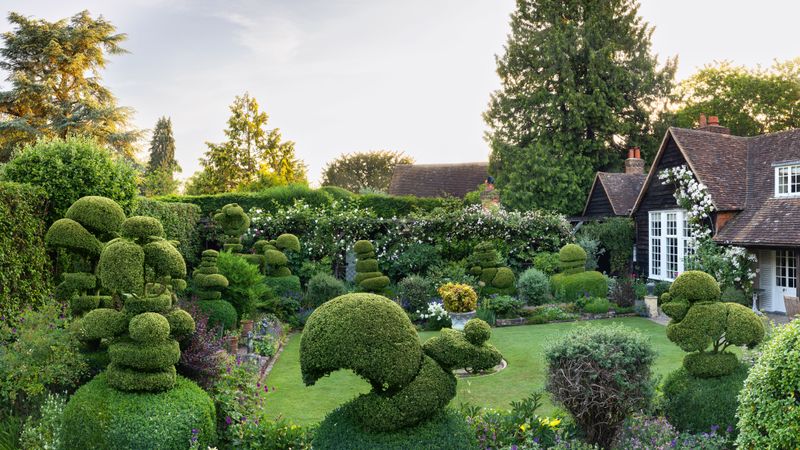
Transform your garden with the art of topiary, a practice that shapes shrubs into delightful silhouettes. Imagine spirals, globes, or even playful animal forms dotting your landscape. A well-crafted topiary serves as a focal point, providing structure amidst the organic chaos of cottage gardens.
Historical records suggest that topiary has been a garden staple since Roman times, evolving through the Renaissance into the charming displays we admire today. With a bit of patience, anyone can master this green craft, adding both elegance and whimsy to their outdoor haven.
Heirloom Vegetables
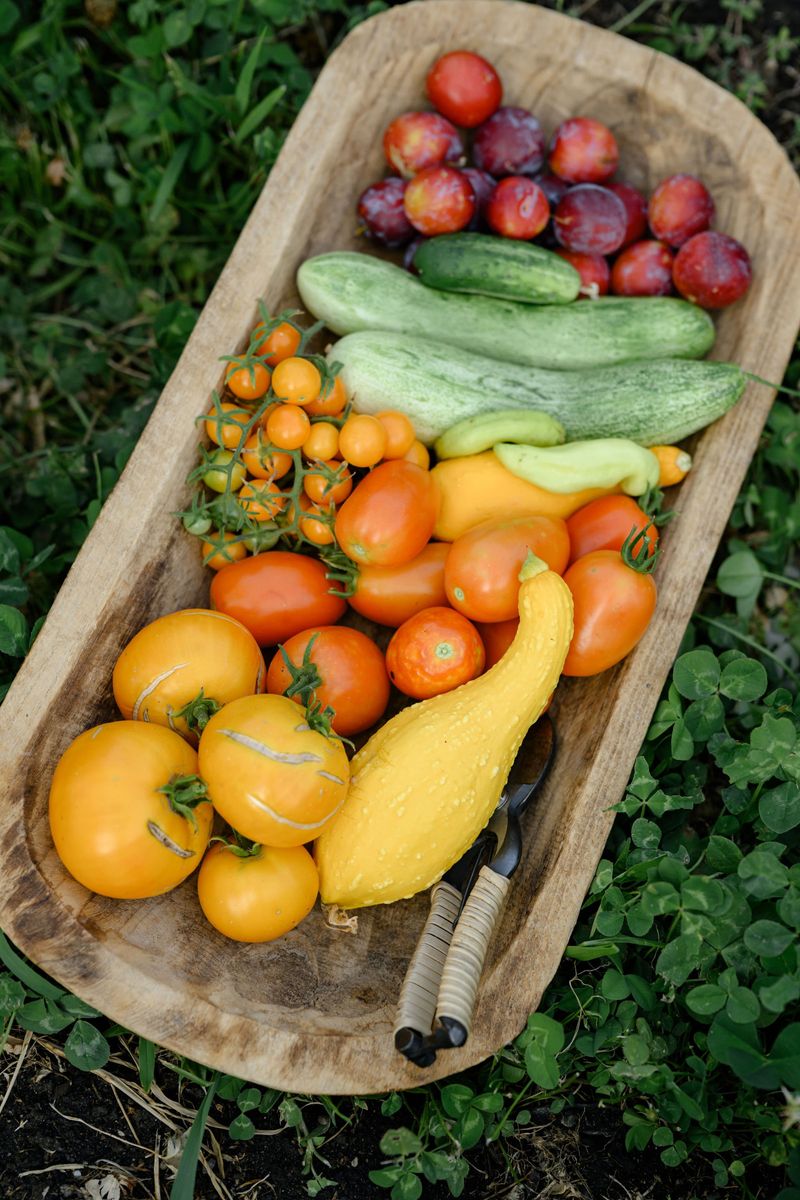
Planting heirloom vegetables ties your garden to the past, celebrating varieties passed down through generations. These veggies, with their unusual shapes and rich flavors, add history and diversity to your plot.
Imagine biting into a juicy, striped tomato or a vibrant purple carrot, knowing you’re tasting a piece of horticultural heritage. Heirloom varieties also support genetic diversity, providing resilience against pests and diseases. By growing them, you’re not just cultivating food; you’re preserving a living legacy.
Bee-Friendly Flowers
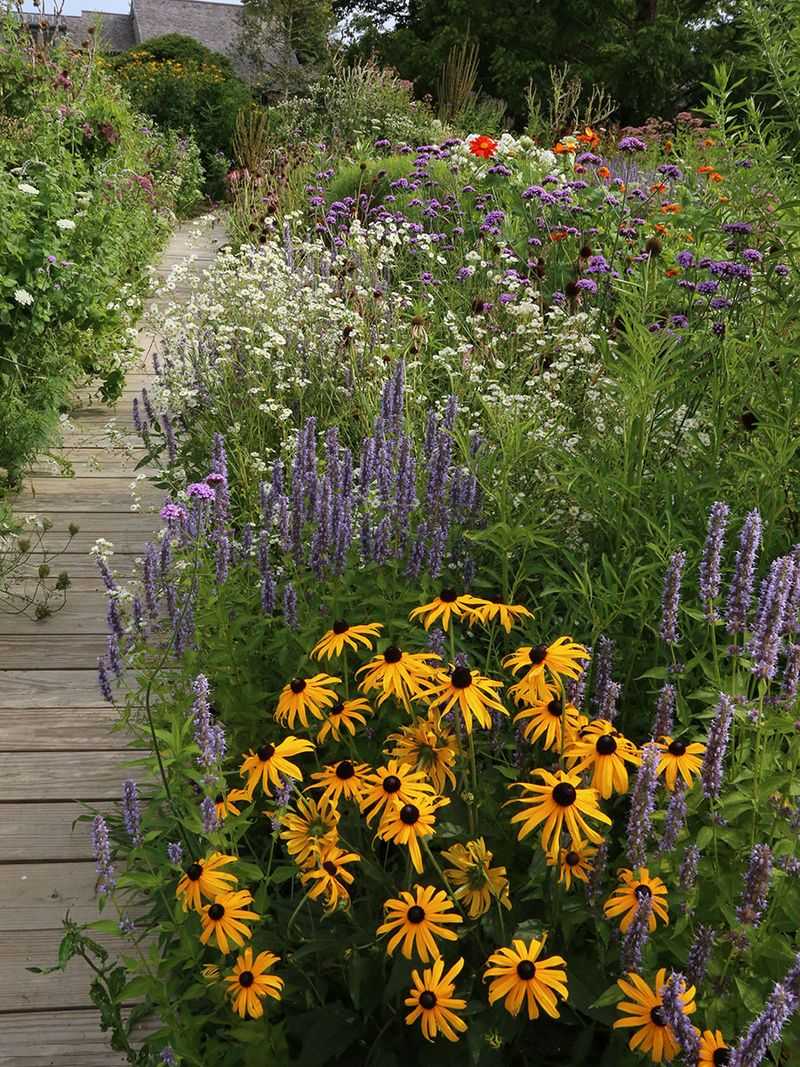
Entice buzzing visitors by planting an array of bee-friendly flowers. Lavender, foxgloves, and borage not only add color but are vital for pollinator support.
Bees play a crucial role in the ecosystem, and your garden can become a sanctuary for these essential creatures. By choosing plants rich in nectar and pollen, you’re ensuring a thriving community of pollinators, which in turn helps your garden flourish. Consider it your small contribution to preserving nature’s balance, one bloom at a time.
Antique Garden Furniture
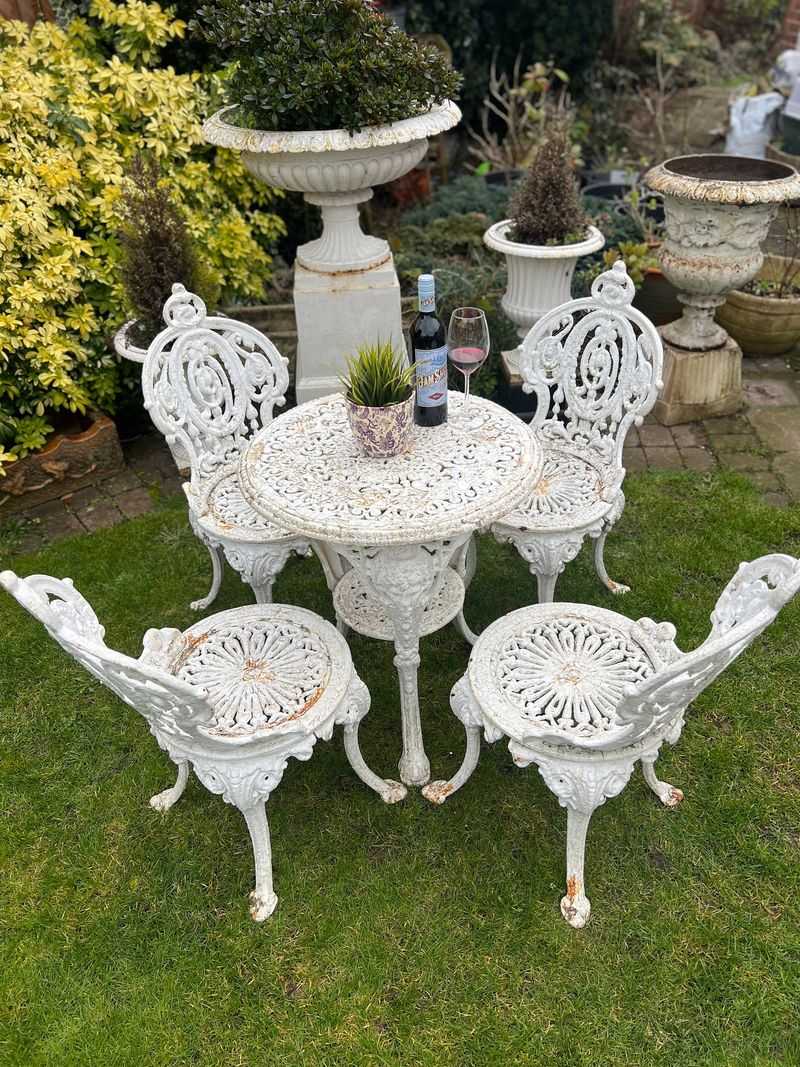
Add character to your garden with antique furniture pieces. Imagine a wrought iron chair, weathered by time, nestled among your plants, offering a quaint spot to sit and enjoy the view.
Each piece tells a story, enhancing your garden’s nostalgic appeal. Whether it’s a bench, a table, or a decorative arch, these antiques blend seamlessly with the cottage aesthetic, offering both form and function. Hunt through flea markets or estate sales to find just the right piece that speaks to your garden’s soul.
Wildflower Meadow
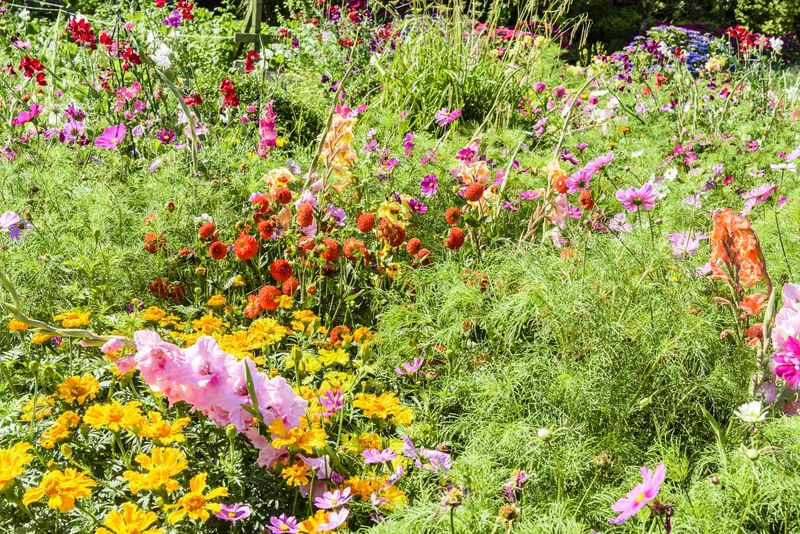
Introduce a wildflower meadow to your garden for a splash of natural beauty. Daisies, poppies, and cornflowers dance in the breeze, creating a painterly scene.
This approach not only enhances visual appeal but also supports local wildlife, offering habitats and food sources. Meadows require less maintenance than manicured lawns, allowing nature to take its course. As you wander through the blossoms, you embrace the wild, untamed spirit that defines cottage gardens.
Fruit Trees and Espaliers
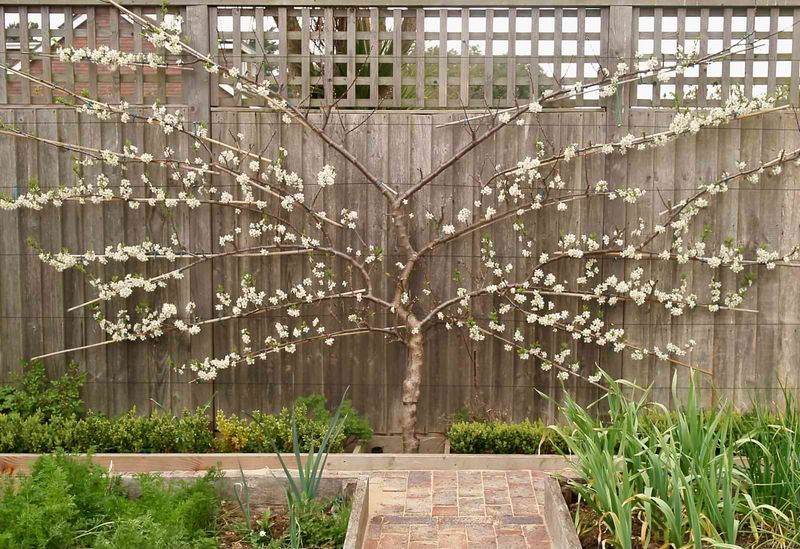
Incorporate fruit trees and espaliers for both beauty and bounty. Picture neat rows of apple and pear trees, branches trained flat against warm brick walls, laden with ripe fruit ready for picking.
Espaliered trees save space and add a formal touch amidst the informal cottage setting. They symbolize patience and skill, as training a tree this way takes time and care. Besides their visual appeal, these trees offer fresh, homegrown fruit, marrying utility with aesthetics in your garden.
Climbing Roses
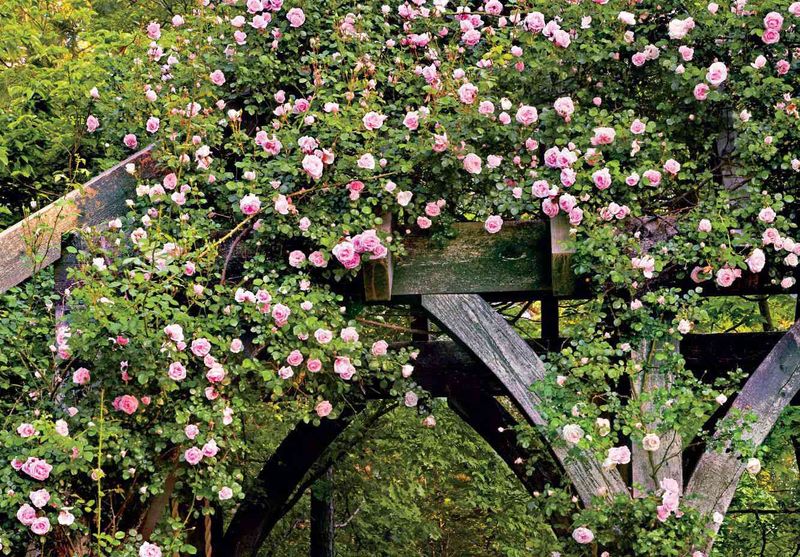
Let climbing roses weave through your garden, their blooms cascading over trellises and arches. These roses, with their heady fragrance and vibrant colors, create vertical splendor.
Climbing roses are a quintessential element of cottage gardens, offering not just beauty but also height and interest. They can transform a plain wall or fence into a floral masterpiece. Easy to train, these roses encourage exploration, inviting visitors to look upwards and admire their delicate display.
Edible Flowers
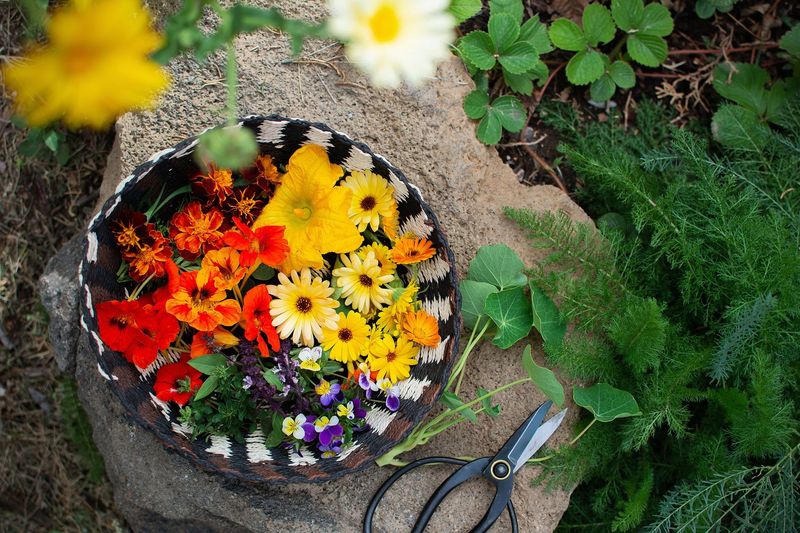
Enhance your garden and your meals with edible flowers. Nasturtiums, violets, and calendulas bring color to garden beds and plates alike.
These blooms offer a delightful way to garnish dishes, infusing flavors and colors that surprise and delight. As you snip a few blossoms for your salad, you partake in a tradition that dates back to medieval times when edible flowers were culinary staples. It’s a practical choice that marries aesthetics with utility, perfect for the cottage gardener.
Garden Statues and Ornaments
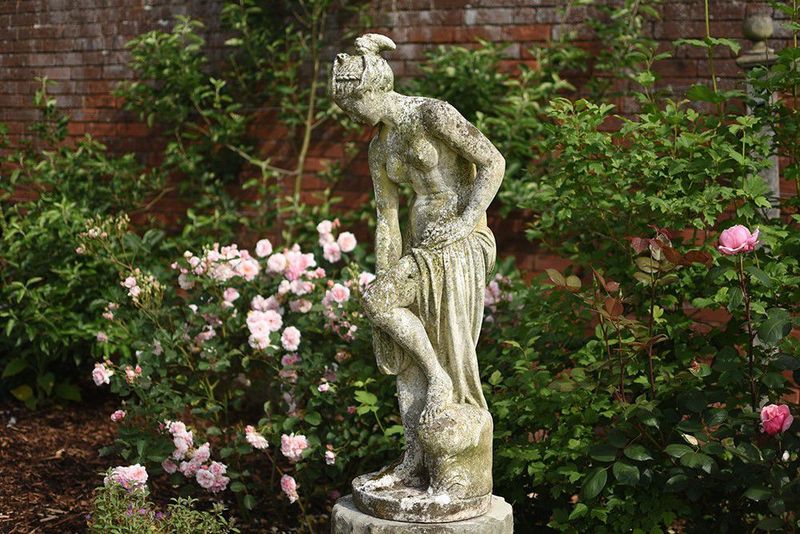
Incorporate garden statues to add an artistic touch. Imagine a stone cherub peeking through the blooms, lending an air of mystery and antiquity.
Ornaments like these punctuate the garden’s softness, creating focal points and sparking curiosity. Whether it’s a whimsical gnome or a classical sculpture, these pieces anchor the garden, providing contrast to the overflow of plant life. Choose statues with personal meaning or historical inspiration to deepen your garden’s narrative.
Heritage Fruit Varieties
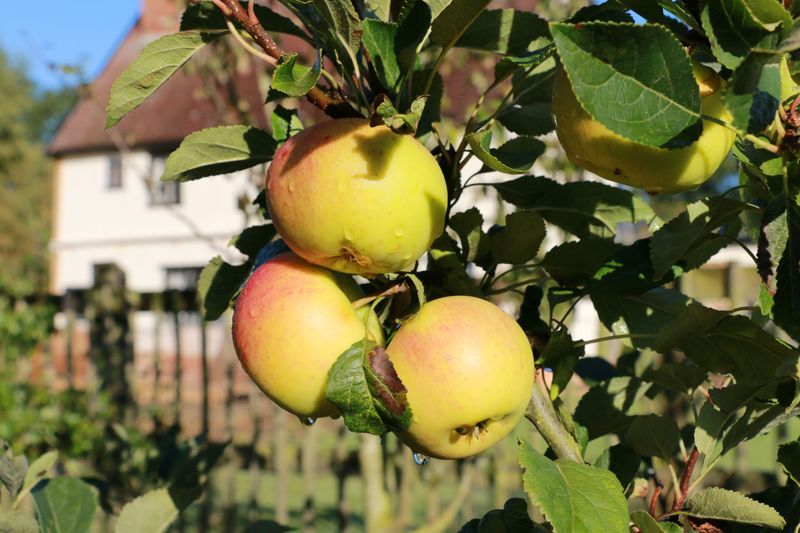
Grow heritage fruit varieties to savor flavors of the past. Cox’s Orange Pippin apples and Victoria plums, for instance, bring sweetness and nostalgia to your harvest.
These fruits, cherished for their taste and history, offer more than modern cultivars. Planting them helps preserve biodiversity and connects you to generations of gardeners who tended the same trees. As you bite into their juicy flesh, you taste a history rich with cultivation and tradition, making each harvest a journey back in time.
Herbaceous Borders
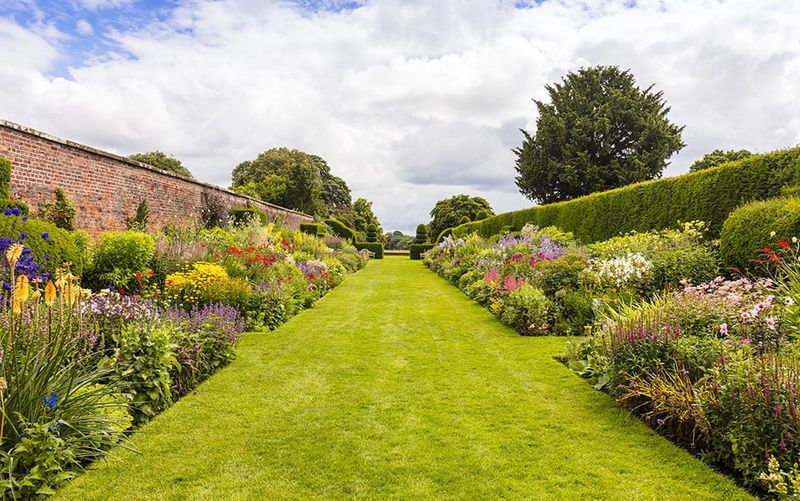
Herbaceous borders are a hallmark of cottage gardens, showcasing a tapestry of colors and textures. Delphiniums, peonies, and lupins create lush displays that change with the seasons.
These borders require careful planning, offering a dynamic backdrop that evolves through spring and summer. As each plant takes its turn to bloom, it contributes to a symphony of colors, inviting passersby to pause and appreciate nature’s artistry. By layering plants of different heights and blooms, your garden gains depth and drama.
Cutting Garden
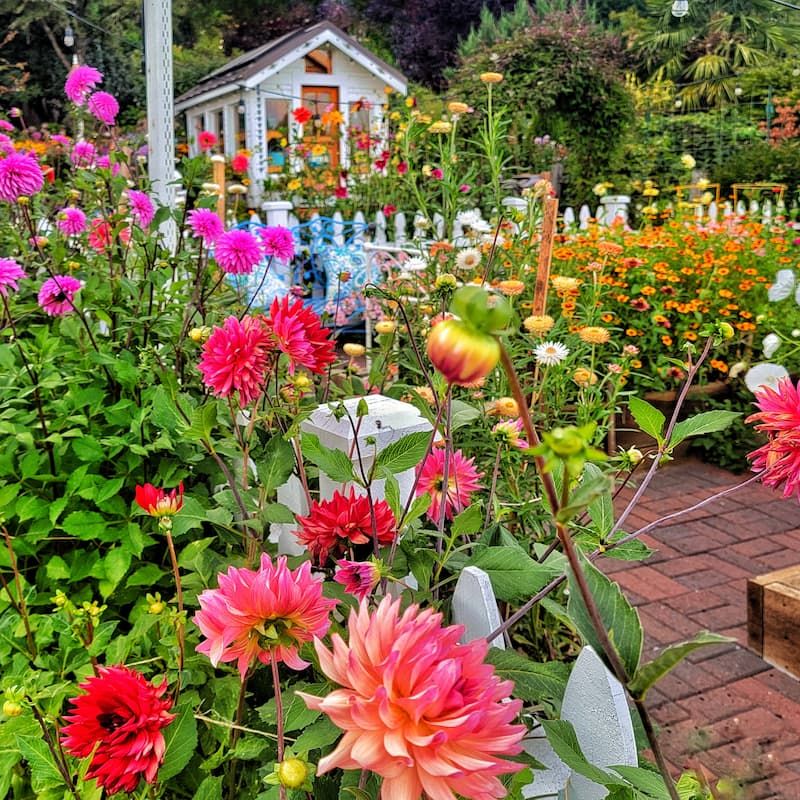
Create a cutting garden to enjoy fresh flowers indoors. Dahlias, sunflowers, and sweet peas offer blooms perfect for vases.
Having a dedicated space for cutting flowers means you can fill your home with the scents and sights of your garden without depleting its beauty. This practice mirrors a time when such gardens were essential for home decoration. As you gather a bouquet, you connect with a tradition of bringing nature inside, celebrating the ongoing cycle of growth and renewal.