
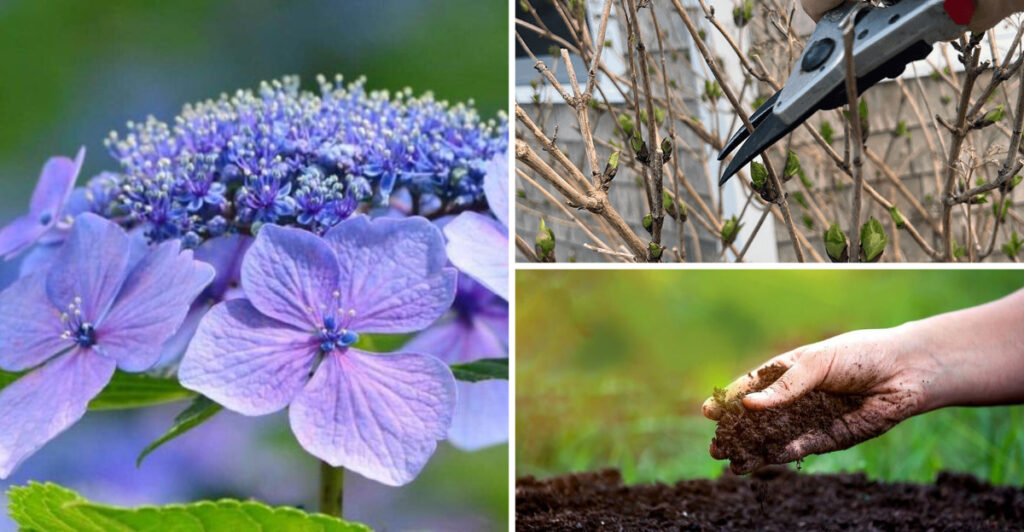
Lacecap hydrangeas are a gardener’s delight. With their exquisite flat flower heads and delicate blooms, they add a touch of elegance to any garden. This guide will walk you through seven essential steps to ensure your lacecap hydrangeas bloom perfectly every season.
Choosing the Right Location
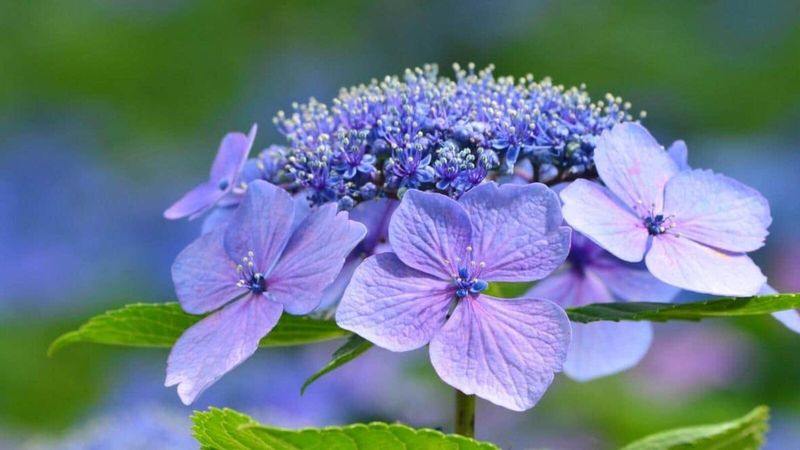
The perfect setting for your lacecap hydrangeas is one of partial shade, where they can bask in gentle morning sun while being shielded from harsh afternoon rays.
This balance prevents leaf scorch and encourages vibrant blooms. Avoid planting them in full shade, as this can lead to fewer flowers and dull foliage.
Strategically place them near taller shrubs or trees to offer protection. Remember, the right location is crucial for these beauties to flourish. Consider using mulch to maintain soil moisture and ensure healthy growth.
Soil Preparation and pH Balance
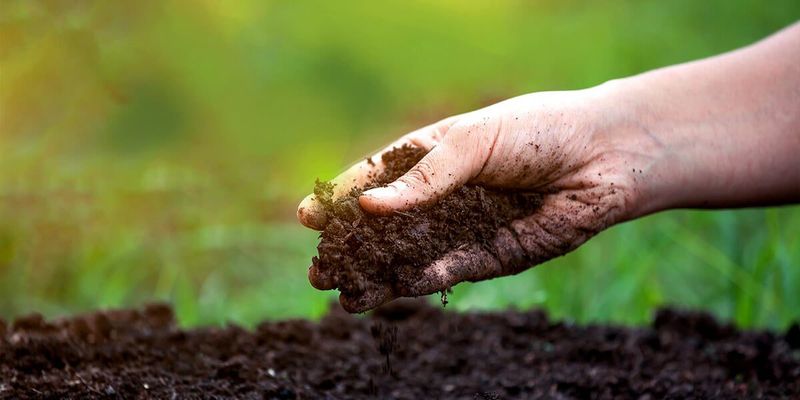
Lacecap hydrangeas thrive in well-draining, rich soil with a slightly acidic pH. A soil pH between 5.5 and 6.5 is ideal.
Incorporate organic matter like compost or well-rotted manure into the soil to enhance its fertility and drainage. This encourages robust root development and flourishing blooms.
Conduct a soil test to determine your garden’s pH, and amend accordingly. Use sulfur to increase acidity or lime to reduce it. Proper soil preparation is a key factor in achieving the perfect lacecap hydrangea bloom.
Watering Techniques
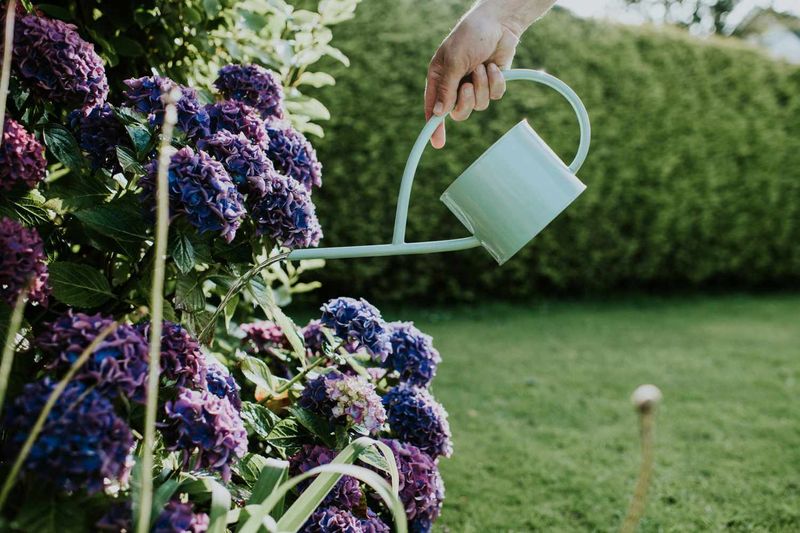
Consistent watering is vital for lacecap hydrangeas. These plants prefer evenly moist soil, particularly during dry spells or hot summer months.
Water deeply at the soil level to encourage deep root growth, which helps withstand drought conditions. Avoid overhead watering as it can lead to fungal issues and leaf spots.
Early morning is the best time to water, reducing evaporation and allowing foliage to dry during the day. Effective watering not only nourishes your hydrangeas but also keeps their blooms vibrant and lasting.
Pruning for Optimal Growth
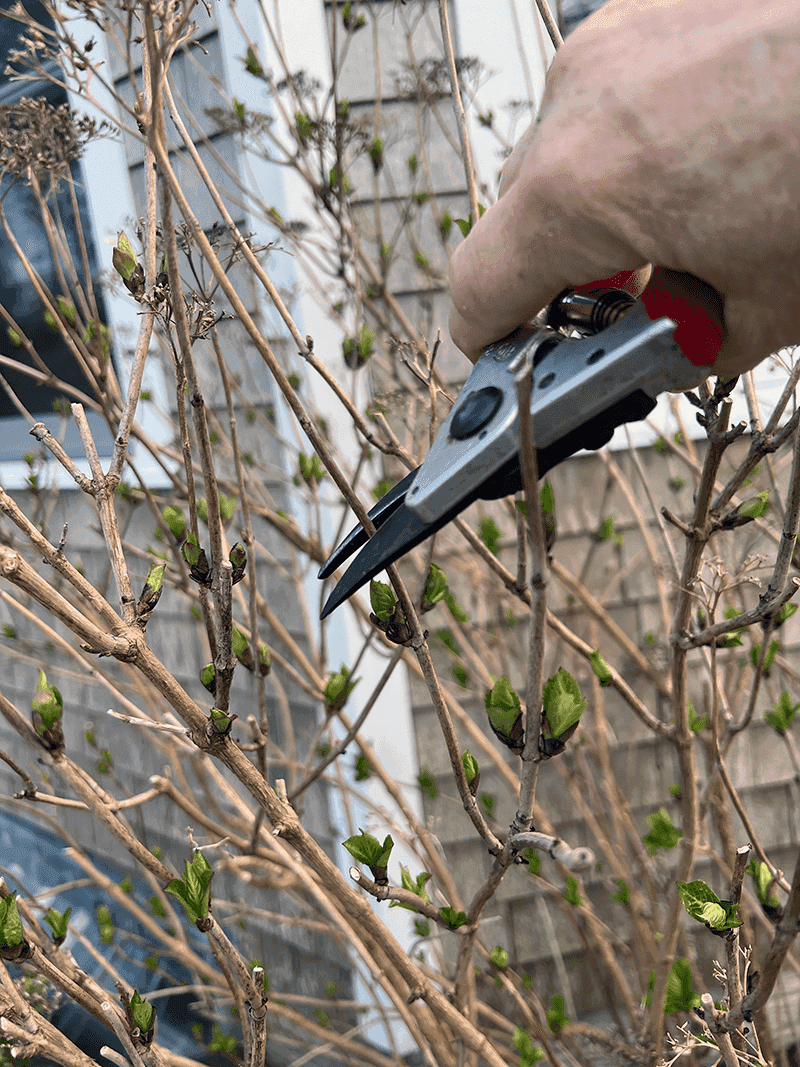
Pruning lacecap hydrangeas is essential to maintain their shape and stimulate new growth. The best time to prune is immediately after flowering, when the blooms start to fade.
Remove old flowers and deadwood to promote healthier growth and more abundant blooms the following season. Avoid cutting into old wood, as this can reduce flowering.
Pruning not only keeps your hydrangeas looking tidy but also ensures they continue to thrive year after year. It is a simple yet vital part of their care regimen.
Protection Against Pests and Diseases
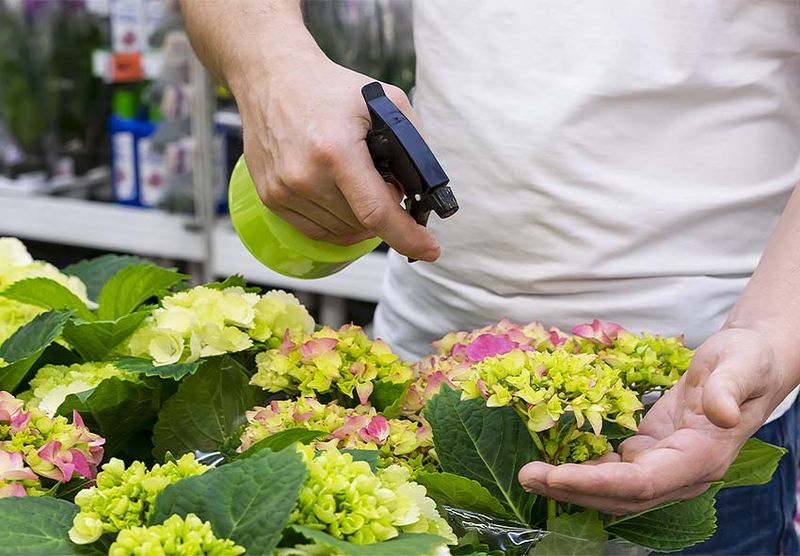
Vigilance against pests and diseases is paramount for healthy lacecap hydrangeas. Common pests include aphids and spider mites, which can be managed with insecticidal soap or neem oil.
To prevent fungal diseases, such as powdery mildew, ensure proper air circulation by spacing plants appropriately.
Regularly check your hydrangeas for signs of distress and act promptly to address any issues. Natural remedies and organic solutions often prove effective, keeping your garden eco-friendly. Healthy plants are more resilient and can offer their breathtaking blooms without interruptions.
Seasonal Care and Maintenance
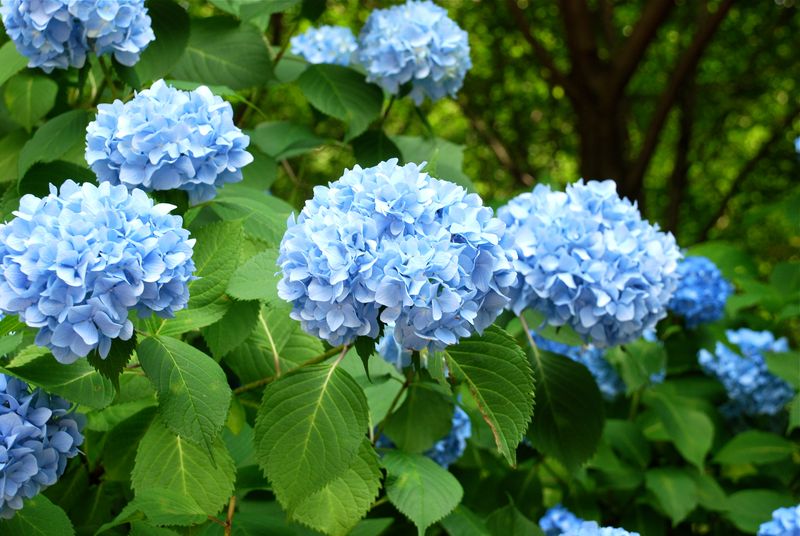
Seasonal care is integral to the well-being of lacecap hydrangeas. In winter, apply mulch to the base to protect roots from freezing temperatures.
As spring arrives, gradually remove the mulch and prepare for new growth. Summer demands regular watering and occasional feeding, while autumn is the time to tidy up the garden.
Understanding the seasonal needs ensures your hydrangeas remain healthy and vigorous. This cyclical care approach not only nurtures beautiful blooms but also promotes a sustainable gardening practice. Each season brings unique tasks that contribute to their thriving.
Companion Planting Magic
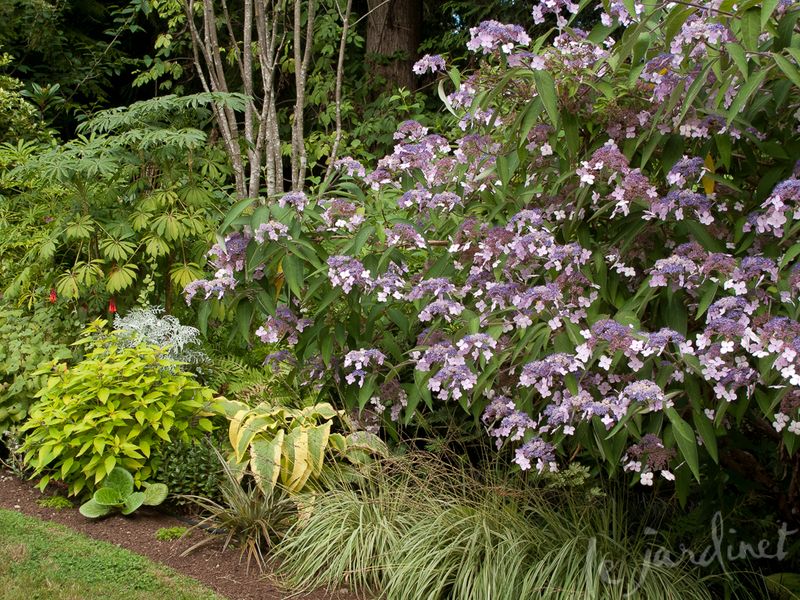
Imagine a garden where lacecap hydrangeas and hostas dance together under the dappled sunlight. Companion planting not only enhances aesthetic appeal but also promotes healthier growth. Pairing hydrangeas with moisture-loving plants such as ferns can create a microenvironment where each plant thrives.
The diverse textures and varying heights add interest and support pollinators. This method helps in moisture retention and weed suppression, resulting in less maintenance. Moreover, the natural beauty of complementary colors and textures can transform any garden into a visual masterpiece, enriching the landscape.
Mulching for Moisture
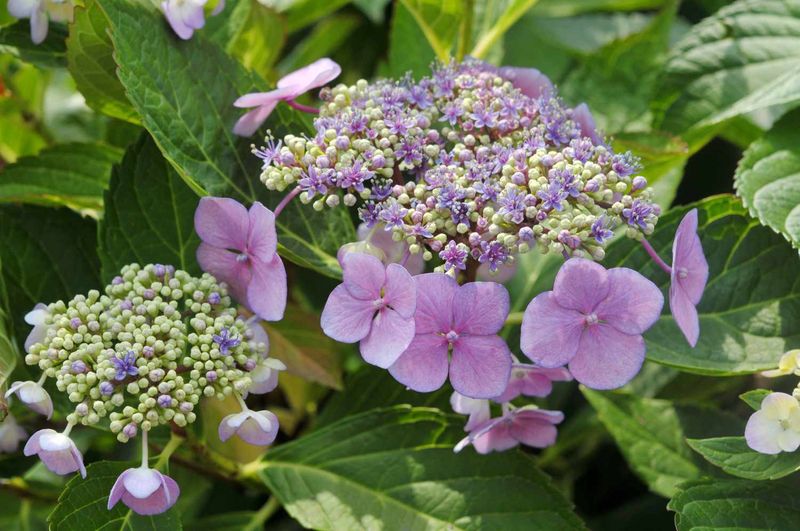
Beneath the beautiful blooms, the secret to robust lacecap hydrangeas often lies in effective mulching. By applying organic mulch like bark or straw around the base, moisture retention is significantly improved.
This practice not only keeps the roots cool but also suppresses weeds and gradually enriches the soil as it decomposes. Mulch acts as a protective blanket, ensuring consistent hydration even during dry spells. A well-mulched hydrangea is more resistant to environmental stressors, showcasing lush, vibrant blooms throughout the season.
Embracing Organic Pest Control
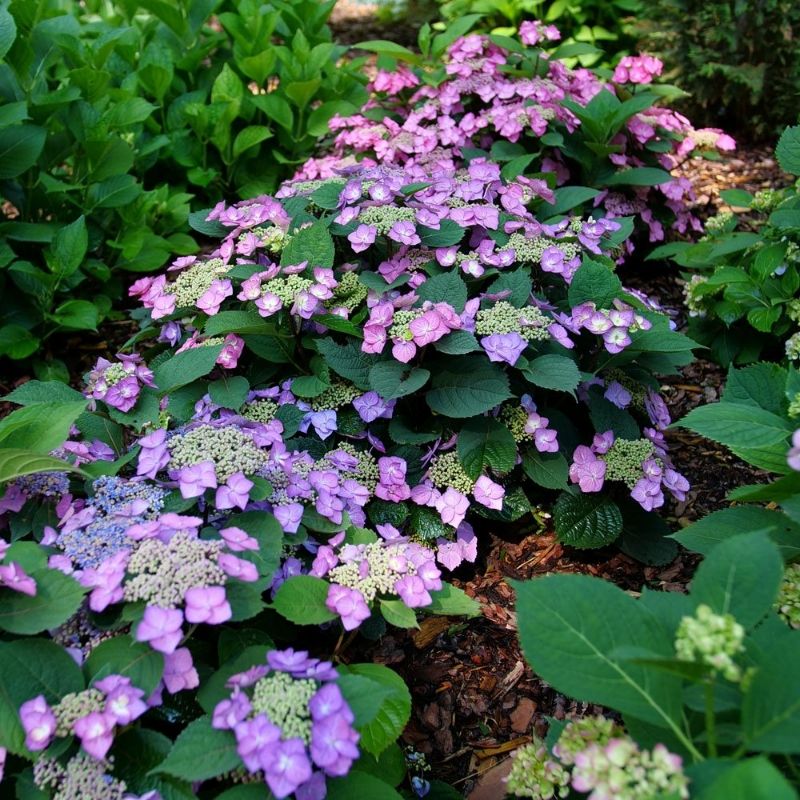
In the world of gardens, lacecap hydrangeas benefit greatly from organic pest control techniques. Encouraging natural predators like ladybugs can keep harmful insects at bay without harsh chemicals.
Using neem oil spray is another effective organic method that deters pests without harming the plants or the environment. This approach supports sustainable gardening practices, promoting a balanced ecosystem. As a result, hydrangeas can focus their energy on growth and bloom production, ensuring healthy, thriving plants.
Wind Protection Strategies
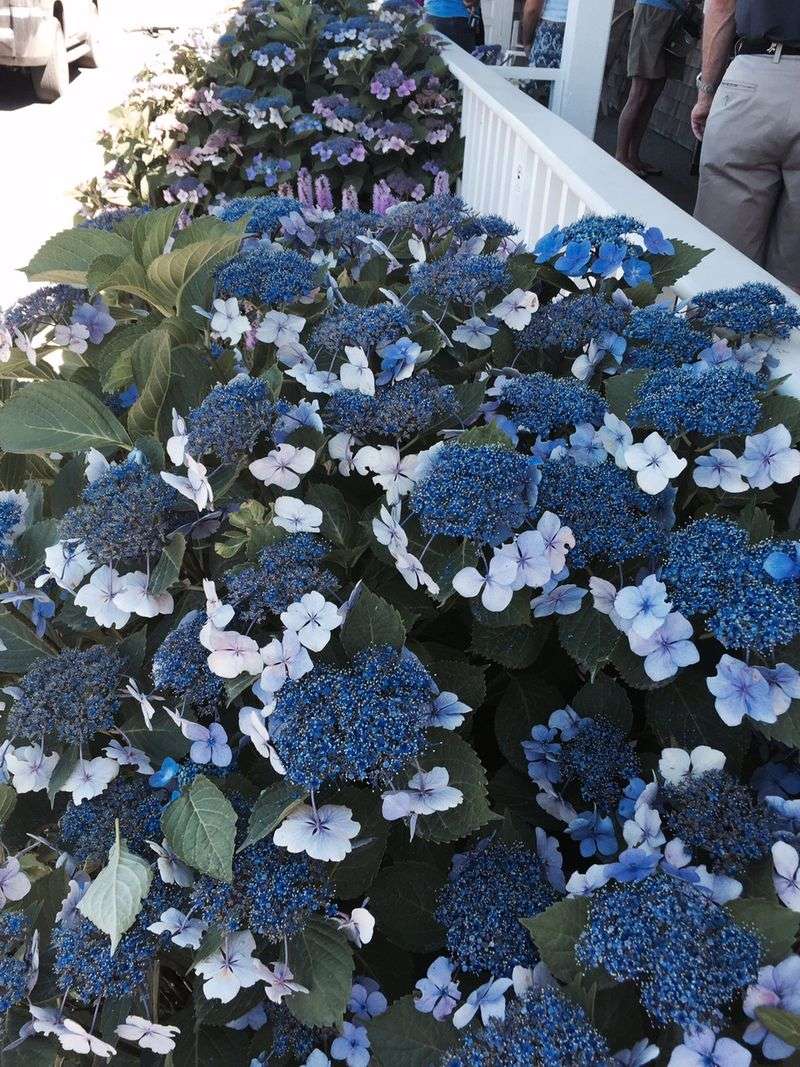
The gentle nature of lacecap hydrangeas makes them sensitive to harsh winds that can damage delicate blooms. Creating windbreaks with natural barriers or decorative fences provides essential protection.
Strategically placed shrubs or hedges can serve as effective shields, reducing wind speed and preventing physical damage to the plants. This protective measure ensures that your hydrangeas remain pristine and vibrant, capable of producing impressive floral displays throughout the growing season.
Temperature Regulation Techniques
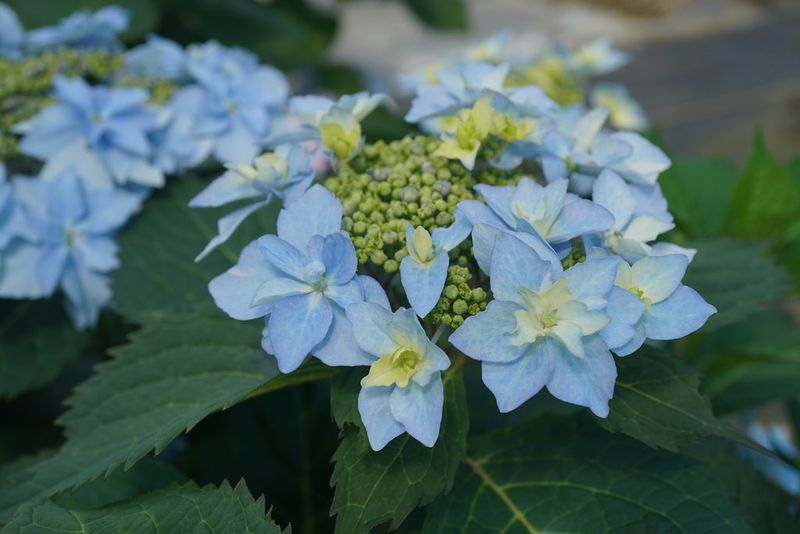
Temperature swings can be challenging for lacecap hydrangeas, affecting their blooming potential. Implementing shading nets or reflective ground covers can help regulate temperature, reducing stress on the plants.
These techniques ensure a stable micro-climate, which is crucial for optimal growth. By moderating the effects of extreme temperatures, hydrangeas are better equipped to produce beautiful and abundant blooms. This investment in temperature control pays off with healthier, more resilient plants.
Encouraging Pollinators
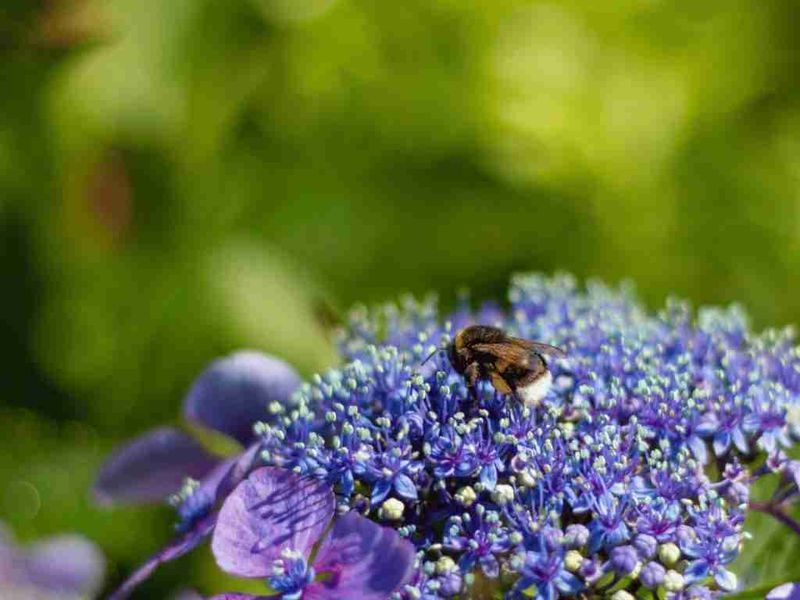
Pollinators play a vital role in the success of lacecap hydrangeas, driving the cycle of bloom and reproduction. Creating a welcoming environment for bees and butterflies can enhance flowering success.
Planting a variety of nectar-rich flowers nearby can attract these beneficial insects, improving pollination rates. Additionally, reduced pesticide use encourages a thriving pollinator population. By fostering this natural partnership, gardeners can enjoy more vibrant blooms and healthier plants.
Proper Plant Spacing
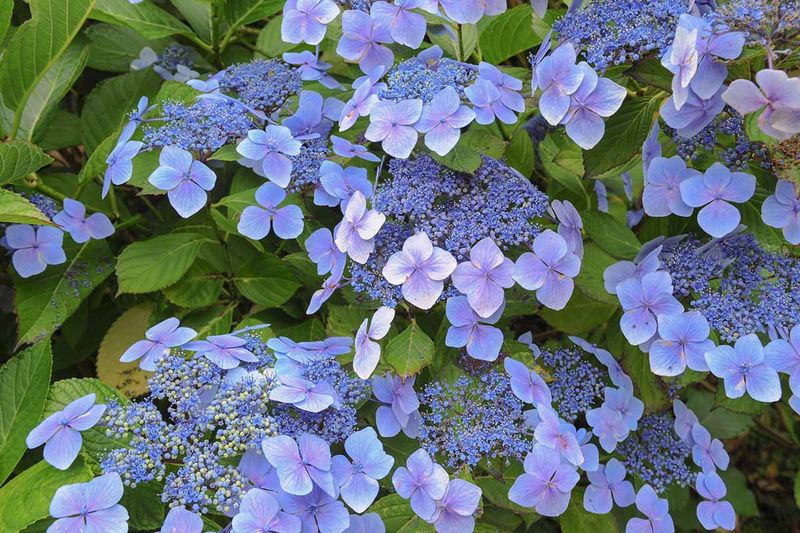
The key to flourishing lacecap hydrangeas often lies in proper spacing. Ensuring adequate distance between plants allows for optimal air circulation, reducing the risk of diseases.
This spacing also provides ample room for growth, preventing overcrowding and competition for resources. Thoughtful garden planning with precise spacing can lead to a healthier, more productive garden, where each hydrangea can reach its full potential, rewarding gardeners with magnificent blooms.
Seasonal Color Variation
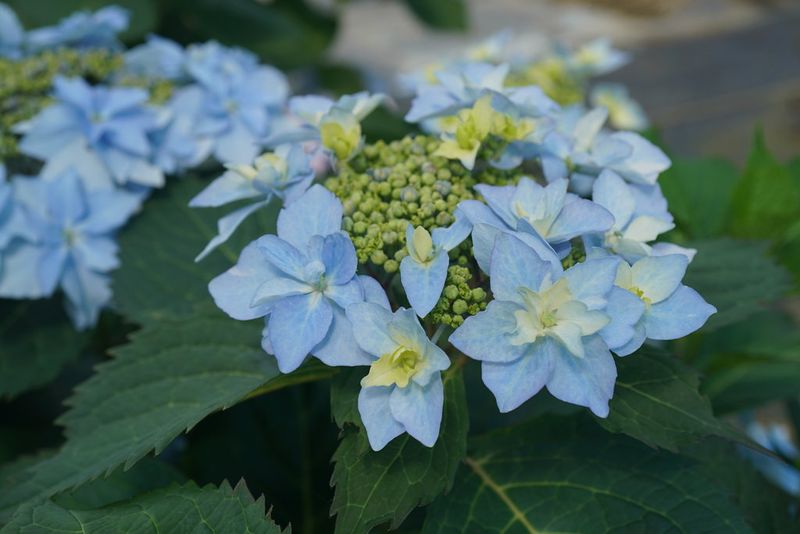
Lacecap hydrangeas are known for their captivating color changes throughout the seasons. By understanding the influence of soil pH on flower color, gardeners can manipulate their garden’s palette.
Acidic soils often produce blue flowers, while alkaline soils yield pinks and purples. Experimenting with soil amendments can provide a delightful variation, keeping the garden visually engaging. This playful approach to gardening allows for a dynamic and colorful display, reflecting the gardener’s unique style and creativity.
Utilizing Rainwater
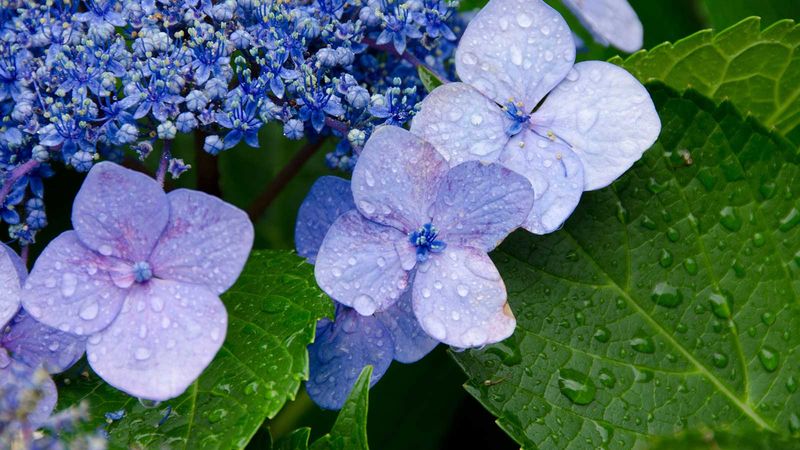
Conserving water is not just an environmental choice but a practical one for hydrangea care. Using collected rainwater provides a natural and sustainable way to hydrate your plants.
This method not only saves on water bills but also ensures that the hydrangeas receive chemical-free water, which they prefer. Setting up a rainwater collection system can be an efficient and rewarding practice, contributing to the overall health and vigor of the hydrangeas, leading to lush, vibrant blooms.
Leaf Protection from Sunburn
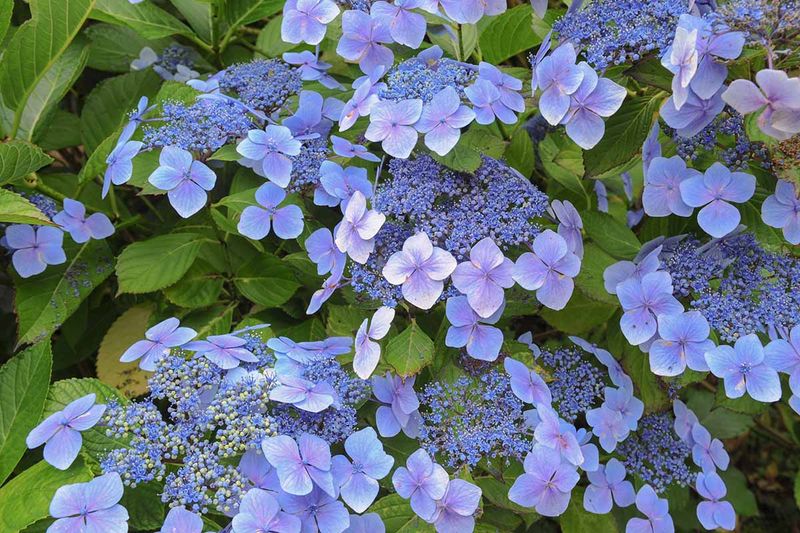
Sunburn isn’t just a human concern; lacecap hydrangeas also need protection from harsh sunlight. Placing shade cloth or taller plants nearby can help mitigate the sun’s intensity during peak hours.
This thoughtful positioning helps prevent leaves from scorching, maintaining the plant’s health and aesthetic appeal. By reducing sun stress, gardeners ensure the hydrangeas focus energy on blossoming rather than repair. This attention to detail enhances the overall blooming experience, offering lush, unblemished foliage and flowers.
Creating a Wildlife Habitat
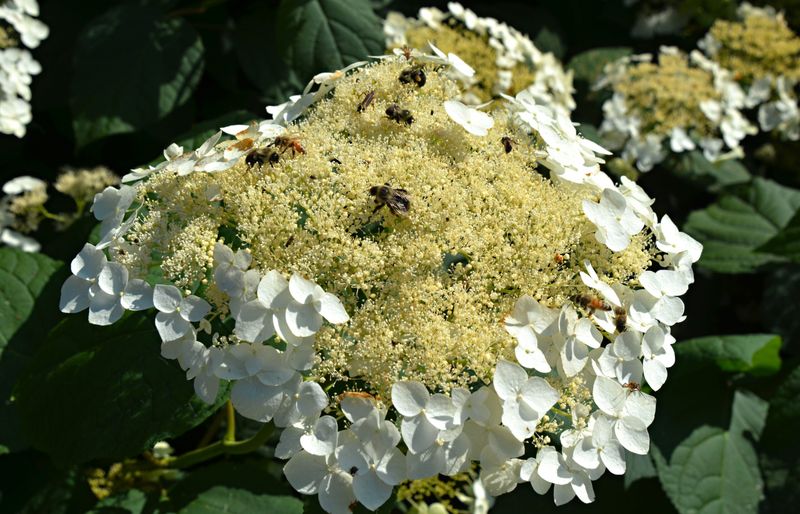
Transforming your hydrangea garden into a wildlife habitat can enhance its vibrancy and ecological richness. Birdhouses, feeders, and small water features invite a variety of wildlife, contributing to a balanced ecosystem.
This environment supports natural pest control and pollination, leading to healthier plants. The presence of birds and beneficial insects enriches the garden experience, making it a lively and sustainable space. These efforts not only benefit the hydrangeas but also offer a serene refuge for both wildlife and humans.
Exploring Historical Varieties
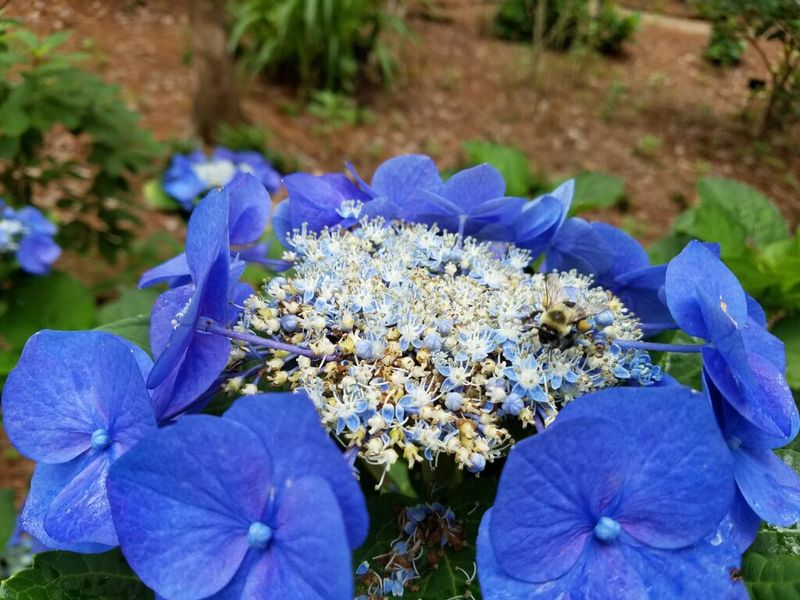
Embarking on a journey through hydrangea history can add depth and interest to your garden. Planting historical varieties allows gardeners to connect with the past while enjoying their unique beauty.
These vintage cultivars often boast distinct characteristics that modern hybrids lack, offering a nostalgic charm. Exploring heirloom varieties can provide a sense of continuity and tradition, enriching the gardening experience and offering a tangible link to horticultural history.