
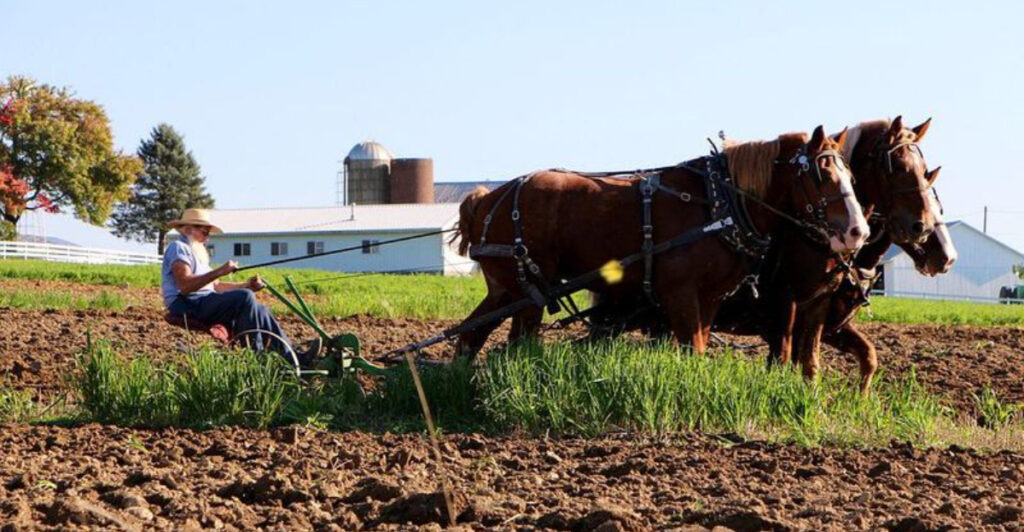
Discover the secrets of Amish gardening that can transform your green space.
By observing the timeless practices of the Amish, you can learn how to cultivate a flourishing garden with sustainable and effective methods.
These 12 tips reveal how simplicity, tradition, and mindful practices create lush and productive gardens, free from the pitfalls of modern-day conveniences.
1. Feed the Soil, Not Just the Plants
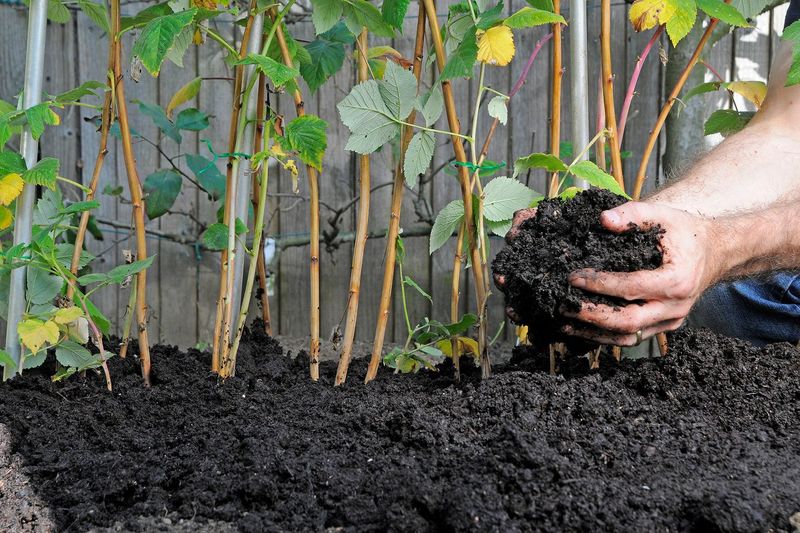
The Amish believe that a rich soil foundation is crucial for a thriving garden. Instead of relying on synthetic fertilizers, they use aged manure, compost, and cover crops to naturally enrich the soil. This ensures long-term fertility and a harmonious growing environment. By focusing on soil health, plants become more resilient and productive. The Amish method fosters a balanced ecosystem, promoting healthy plant growth and reducing the need for chemical interventions.
2. No Pesticides—Just Smart Plant Pairings
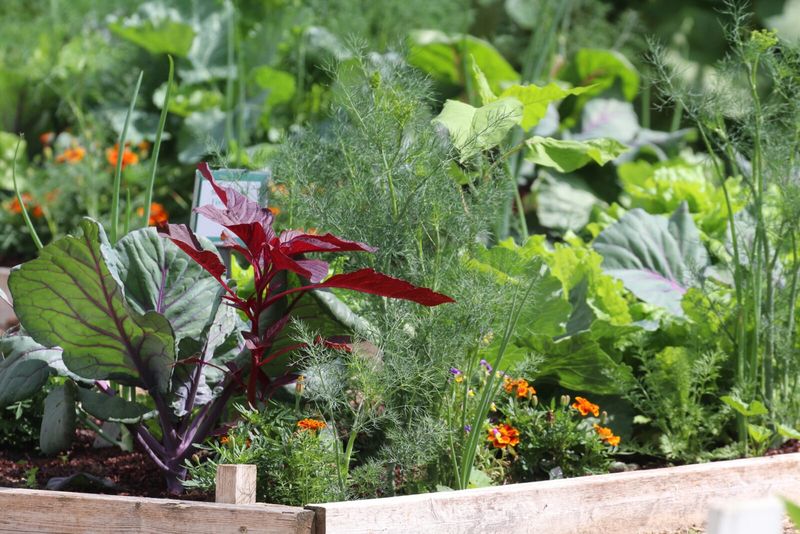
Amish gardeners have mastered the art of companion planting to ward off pests naturally. They cleverly pair plants like basil with tomatoes or marigolds with beans to enhance growth and deter unwanted insects. This method not only reduces dependency on chemical pesticides but also improves yields. By understanding plant relationships, the Amish cultivate gardens that are both productive and environmentally friendly, creating a thriving ecosystem where plants support each other.
3. Watering Is Done With Intention, Not Automation
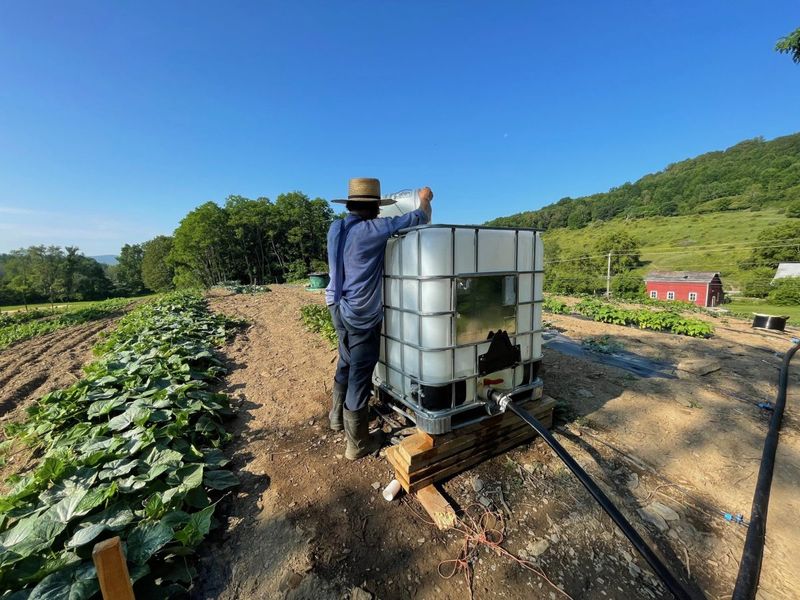
In the Amish tradition, watering is a thoughtful practice, not left to automated systems. They hand-water plants early in the morning using collected rainwater, which helps minimize waste and reduce the risk of fungal diseases. This intentional approach ensures that each plant receives the specific care it needs, promoting healthier growth. By observing the garden’s unique needs, Amish gardeners maintain a sustainable and vibrant landscape, free from the pitfalls of overwatering.
4. Work With the Seasons—Not Against Them
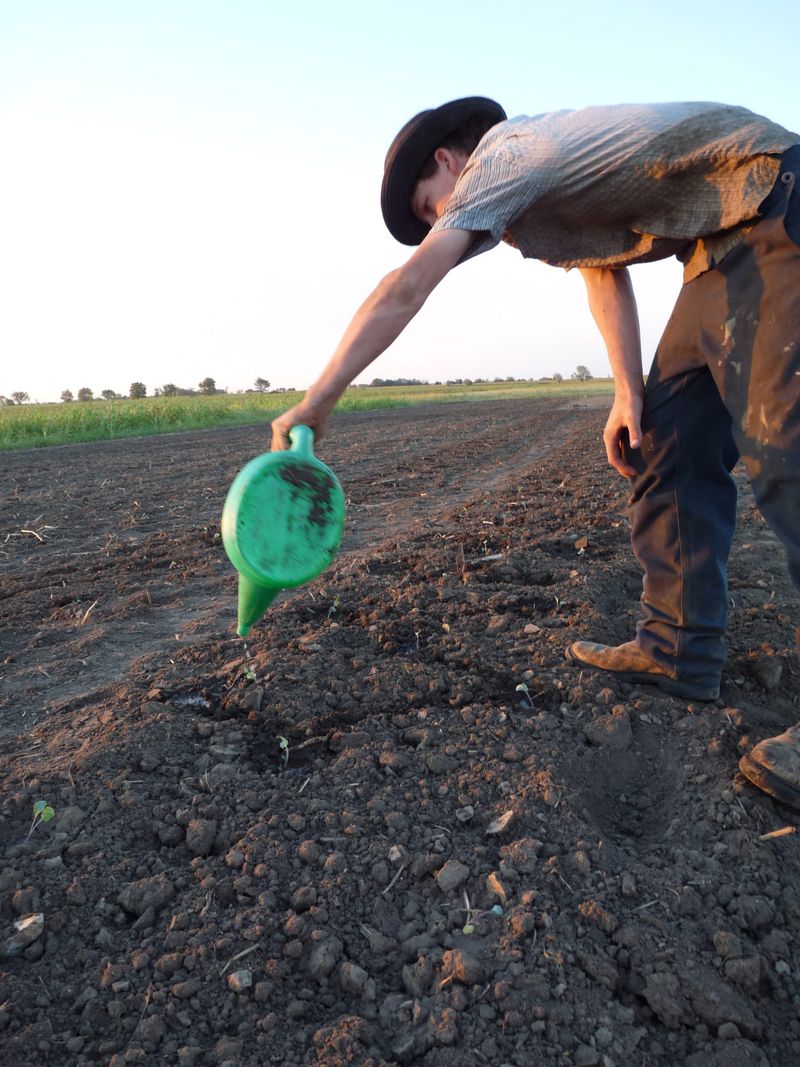
Seasonal rhythms guide the Amish planting process, aligning with nature’s cycles for optimal growth. By consulting old almanacs and moon cycles, they know precisely when to plant and harvest. This practice avoids the pitfalls of forced, year-round growing, allowing plants to develop in harmony with natural environmental changes. Respecting seasonal patterns ensures robust harvests and maintains ecological balance, fostering a relationship of trust and understanding with the land.
5. Mulch Is Their Secret Weapon
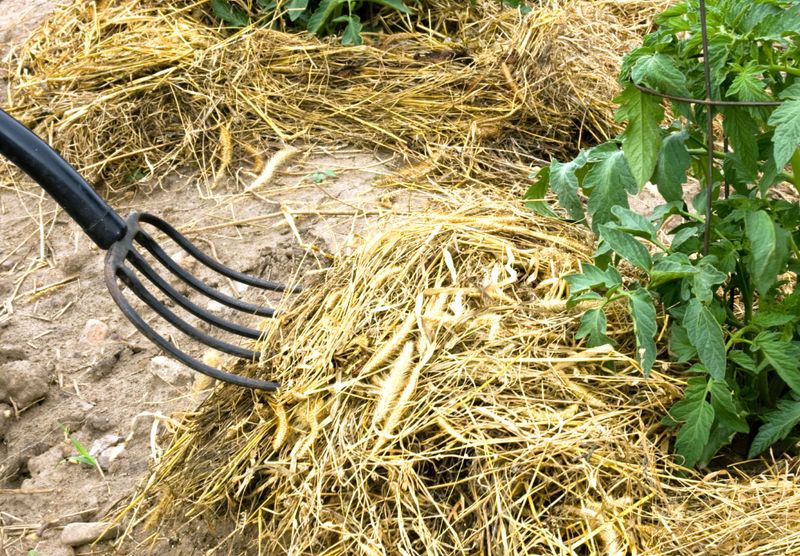
Mulching is a cornerstone of Amish gardening, utilizing natural materials like straw, grass clippings, and shredded leaves. This practice helps retain soil moisture, suppress weeds, and improve soil health without chemicals. The Amish embrace this technique to create an inhospitable environment for weeds while nurturing plant roots. By promoting a lush, vibrant garden with minimal effort, mulching reflects the Amish commitment to sustainable and chemical-free gardening practices.
6. Grow From Saved Seeds

Seed saving is a cherished tradition among the Amish, ensuring the preservation of plant varieties that thrive in local climates. By saving and passing down seeds, they cultivate hardier plants without relying on store-bought hybrids. This practice enriches genetic diversity and strengthens plant resilience. The Amish approach to seed saving fosters a connection to the past and future, maintaining a living library of plant heritage that adapts to environmental changes.
7. Simple Tools, Big Results
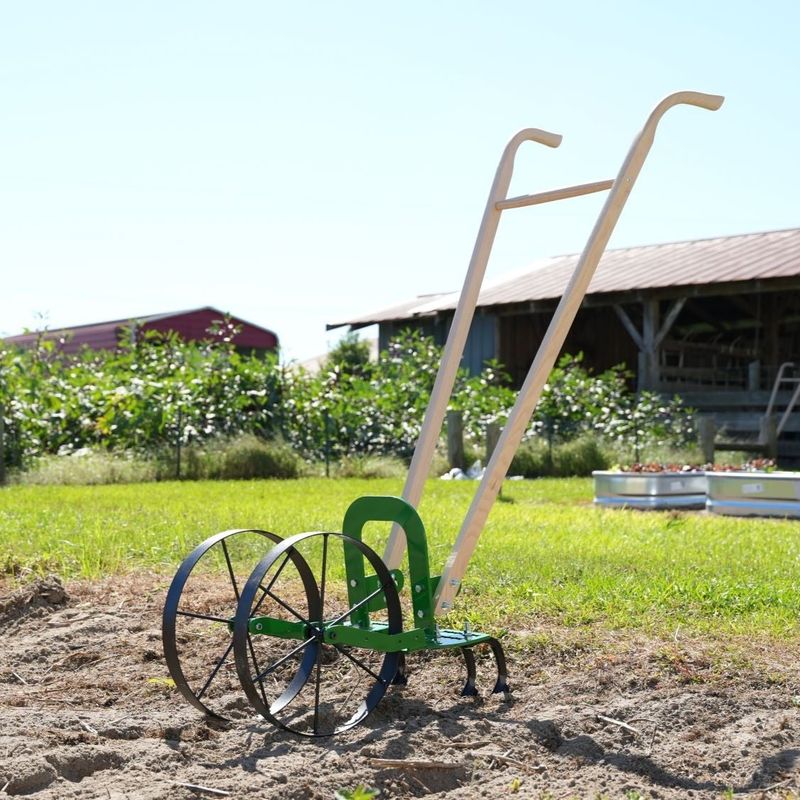
The Amish prefer hand tools over modern machinery, valuing simplicity and effectiveness. Hoes, hand trowels, and wheelbarrows are their tools of choice, causing less soil disruption and promoting healthier root systems. This minimalistic approach allows for meticulous care and attention to detail in the garden. By prioritizing traditional methods, the Amish achieve impressive results, cultivating robust and productive gardens that thrive with human touch and skill.
8. Welcome the Good Bugs
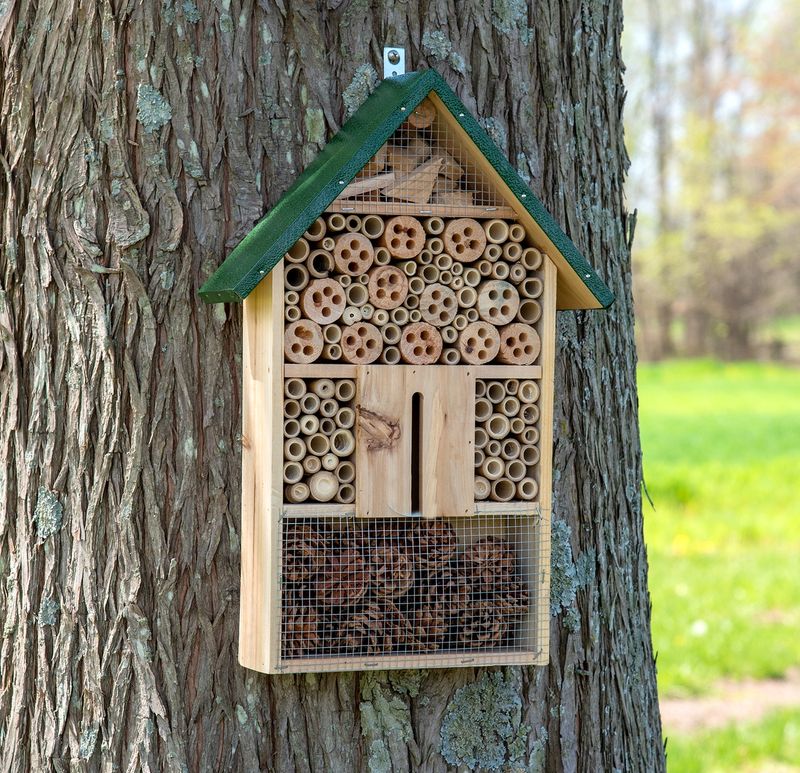
Beneficial insects play a vital role in Amish gardens, where ladybugs, praying mantises, and bees are encouraged to thrive. The presence of these insects creates a balanced ecosystem, naturally controlling pests and enhancing pollination. The Amish avoid chemical sprays, trusting nature to maintain harmony. By fostering a welcoming environment for beneficial bugs, they ensure a healthy and flourishing garden, showcasing the beauty of nature’s self-regulating systems.
9. Full Sun Placement Is Carefully Chosen

Amish gardeners meticulously select sunny spots for planting sun-loving crops like tomatoes, corn, and cucumbers. By ensuring these plants receive at least eight hours of sunlight daily, they promote vigorous growth and bountiful harvests. This careful consideration of sunlight needs reflects the Amish dedication to understanding plant requirements. The result is a thriving garden, full of vitality and productivity, where each plant is given the best chance to flourish.
10. Raised Beds, But Old-School

Amish gardeners favor traditional raised beds, using mounded soil to improve drainage and warmth without pre-built boxes. This technique is cost-effective and enhances soil temperature, promoting healthy root development. The absence of wooden frames allows for natural expansion and contraction, fostering robust plant growth. By embracing this old-school approach, the Amish achieve effective water management and vibrant gardens with minimal resources and a deep understanding of soil dynamics.
11. Manure Tea Over Miracle-Gro

Amish gardeners craft their own natural liquid fertilizer by steeping aged manure in water. This “manure tea” is rich in nutrients and beneficial microbes, promoting vigorous plant growth and soil health. Unlike commercial fertilizers, this homemade solution is sustainable and eco-friendly. By using manure tea, the Amish nourish their gardens with a natural boost, ensuring lush, productive plants without relying on chemical enhancements. This practice reflects their commitment to organic gardening.
12. Faith, Patience, and Daily Presence
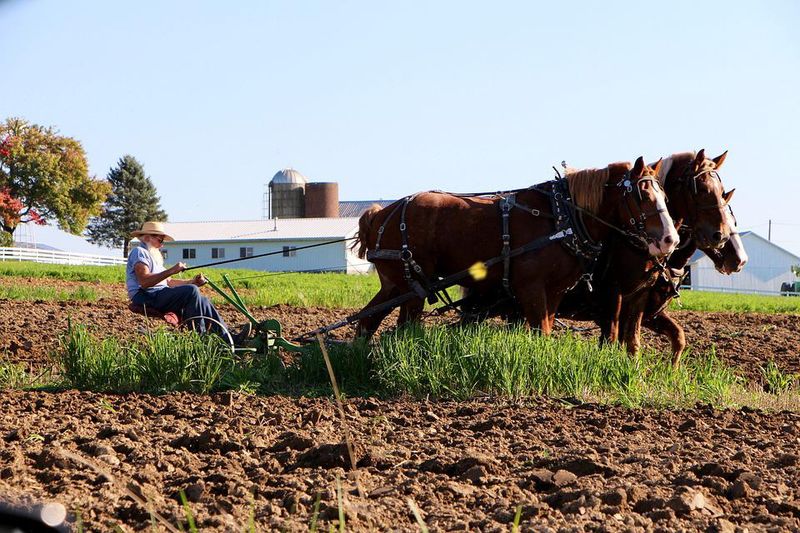
For the Amish, gardening is more than a task; it’s a way of life. With a commitment to daily garden care, they nurture plants consistently, avoiding the ‘set it and forget it’ mentality. This daily presence fosters stronger plant relationships and healthier gardens. By embracing patience and trust in natural processes, the Amish cultivate gardens that mirror their values of faith and community, transforming gardening into a meaningful, shared experience.