
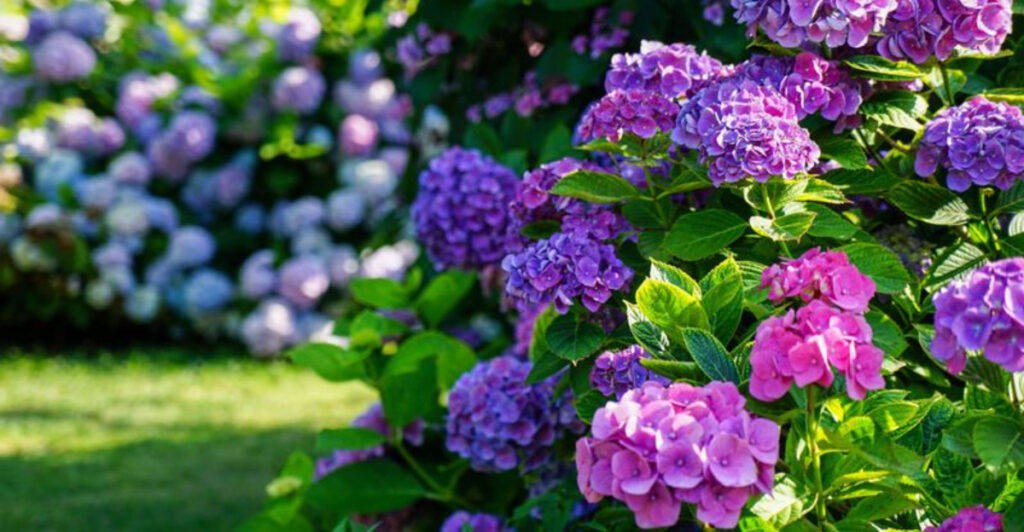
Transforming the color of your hydrangeas can be an exciting gardening experiment. The secret lies in the soil’s pH levels, which can be manipulated through specific fertilization techniques.
With the right guidance, you can achieve a stunning display of blues, pinks, or even a combination of both. Here are eight expert tips to help you master the art of hydrangea color transformation.
1. Understand the Hydrangea Types That Change Color
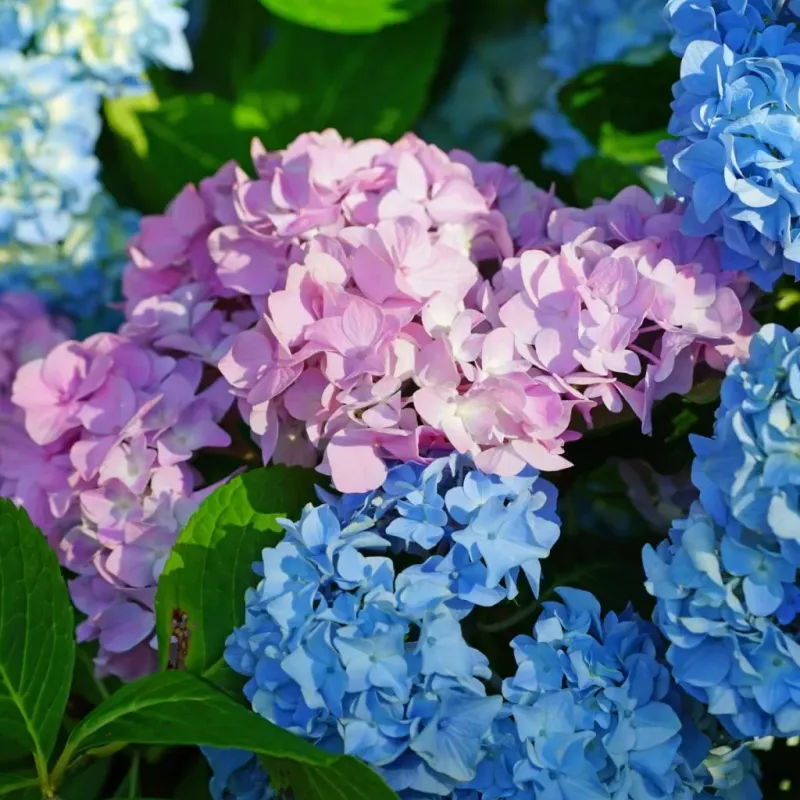
Not all hydrangeas have the magical ability to change color. It’s the Bigleaf Hydrangeas and Lacecap varieties that hold this delightful secret. These types react to soil pH, allowing you to play with shades. Picture a garden full of possibilities! While panicle or smooth hydrangeas stand firm in their color, these varieties offer a dynamic display. Knowing the right type to choose makes all the difference. Dive into this fascinating world and experiment with these exciting varieties in your own garden. These hydrangeas are not just plants; they’re a canvas for your creativity!
2. Soil pH Determines Bloom Color
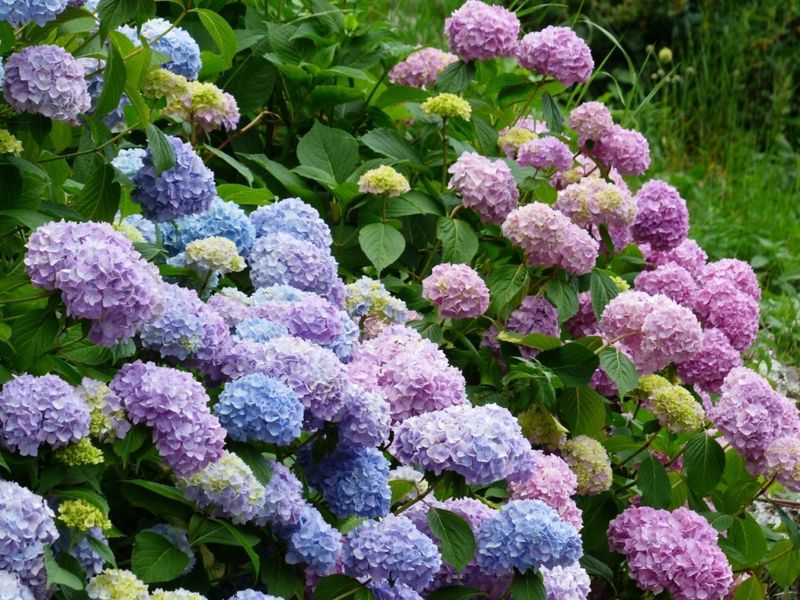
The color of hydrangea blooms is directly influenced by the soil’s pH level. Acidic soil, with a pH below 6.0, results in vibrant blue flowers, while neutral to alkaline soil (pH 6.5–7.5) produces charming pink blooms. Soil pH in between these levels can create enchanting purple or mixed tones. Understanding this simple yet effective soil science unlocks endless possibilities for your garden. A basic pH test kit can reveal the secrets of your soil, guiding you to the perfect bloom color. It’s all about knowing your soil and experimenting with nature’s palette.
3. Want Blue Hydrangeas? Use Acid-Loving Fertilizer
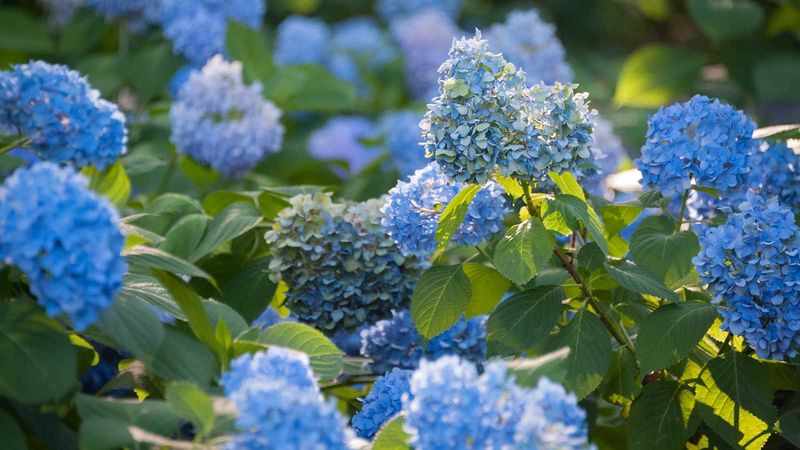
To achieve those stunning blue hydrangeas, using the right fertilizer is key. Opt for fertilizers low in phosphorus and high in potassium, like 25-5-30. These enhance blue hues by lowering soil pH. Aluminum sulfate, elemental sulfur, or pine needle mulch are excellent additions. Picture your garden filled with vivid blues, thanks to these simple tweaks. With the right care, your hydrangeas can showcase a captivating blue that mesmerizes all who pass by. It’s a symphony of color created by mastering the delicate balance of soil chemistry and expert gardening techniques.
4. Want Pink Hydrangeas? Raise That pH
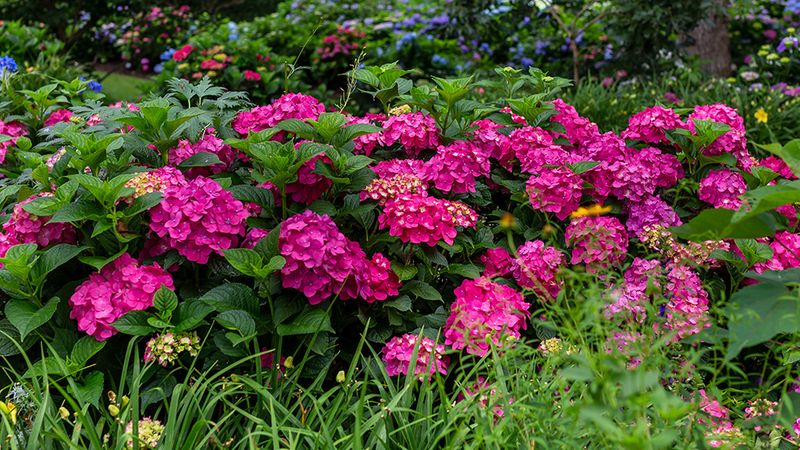
For those pretty pink blooms, increasing soil pH is essential. Use a balanced fertilizer such as 10-10-10 or organic compost with lime. These components make aluminum less available to the plant, shifting blooms to pink. Imagine a garden blushing with pinks, a testament to careful planning and pH management. Add garden lime or dolomitic lime for that perfect pink hue. It’s like painting with nature’s colors, where every choice adds a new shade. Achieving pink hydrangeas is an art form that requires attention to detail and a touch of creativity.
5. Test Your Soil First
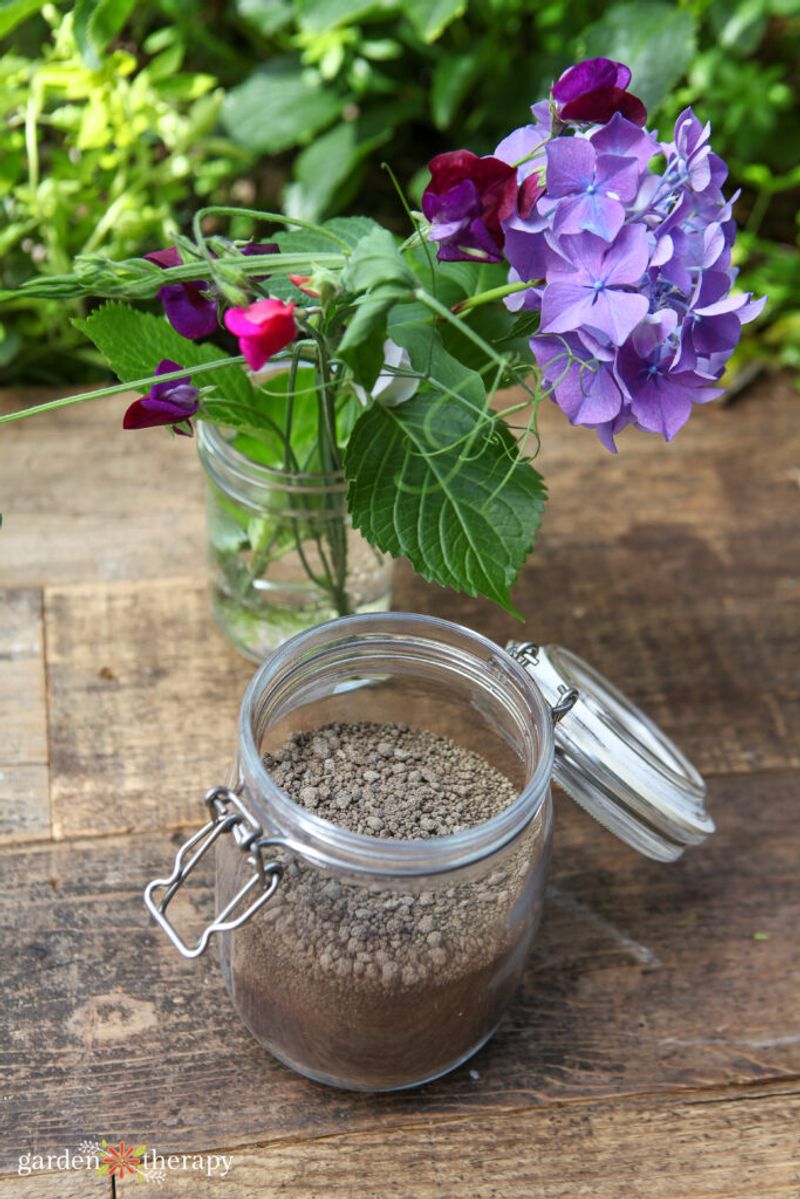
Before embarking on your color transformation journey, it’s crucial to test your soil’s pH. A simple pH test kit or soil probe will provide the insights needed to tailor your approach. Knowing your starting point allows you to make informed decisions about fertilizers and amendments. It’s the first step in a rewarding process that can lead to stunning visual results. With accurate information, you can guide your garden to the desired color spectrum. This foundational step is the key to successful gardening, ensuring every effort aligns with your hydrangea goals.
6. Water Matters Too
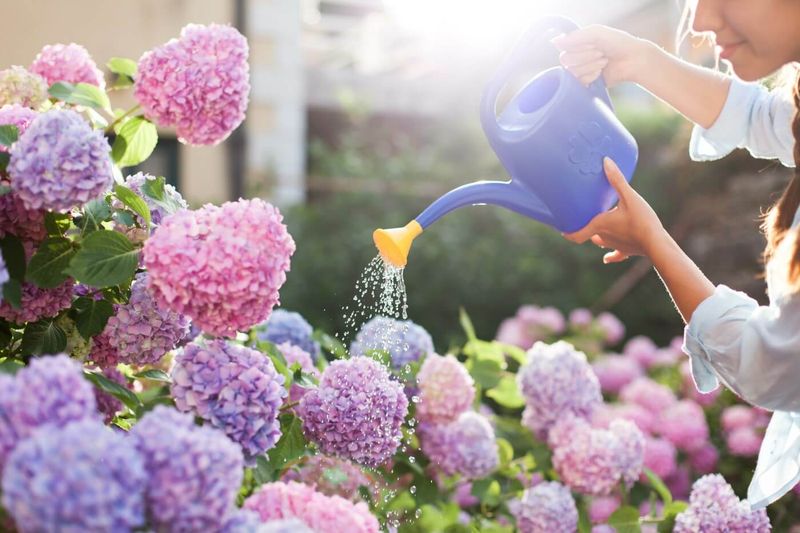
Watering practices can influence the color of your hydrangeas. Using rainwater, which is naturally acidic, can enhance blue hues. Alternatively, tap water or alkaline well water can encourage pink blooms. This subtle element of care adds an extra layer to your gardening strategy. Imagine the power of water in your hands, shaping the colors of your garden with each drop. It’s a gentle method that complements your fertilization efforts, creating a cohesive plan for color transformation. Understanding the role of water completes the picture of a thriving, colorful garden.
7. Consistency Is Key
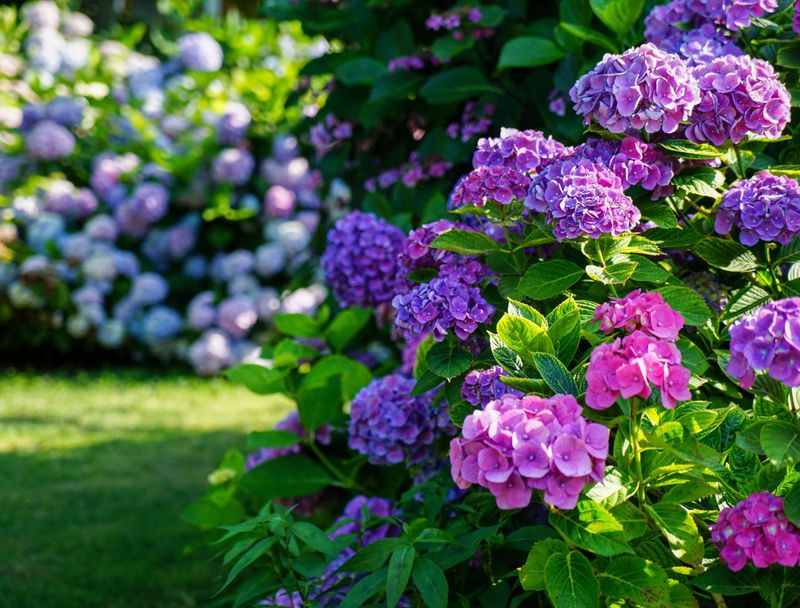
Changing the color of hydrangeas is a gradual process that requires patience. Start treatments early in spring, and be consistent throughout the season. It may take a full season or more for noticeable changes to appear. This journey is about perseverance and dedication. Envision a garden evolving over time, each bloom a testament to your commitment. The results are worth the wait, as your garden transforms into a vibrant tapestry of colors. This patient approach teaches the art of nurturing, where every effort contributes to a blooming masterpiece.
8. Final Tip: You Can Have Both!
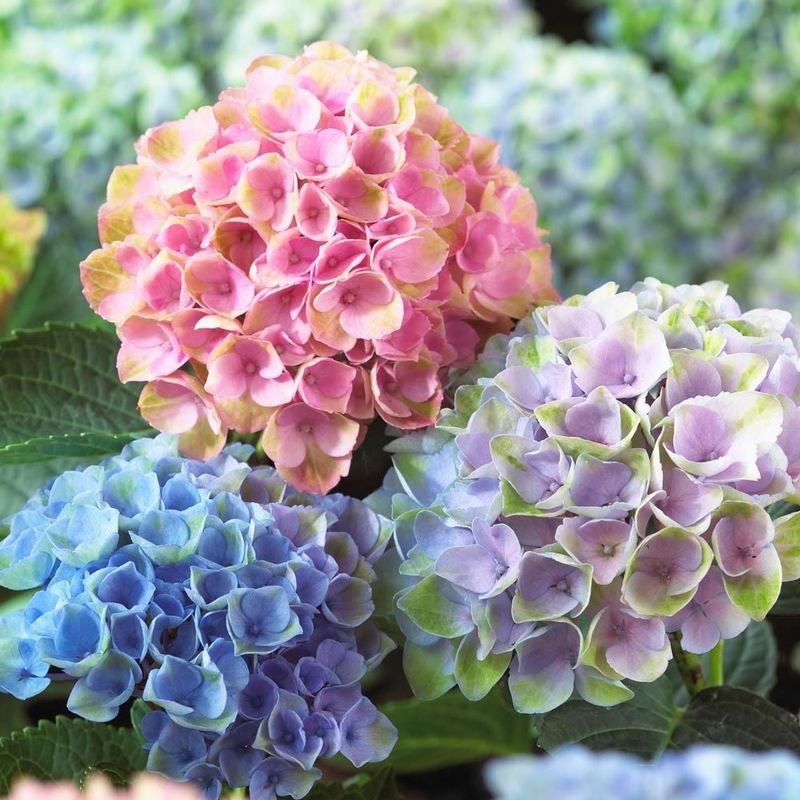
Imagine a garden bed where mixed pH zones allow for a stunning array of pink, purple, and blue blooms, all on the same plant. This creative approach blends different soil treatments to achieve a rainbow effect. It’s like having multiple gardens in one, each color telling a different story. With thoughtful planning, you can enjoy the best of both worlds. This technique celebrates diversity and creativity in gardening, allowing you to paint with a full spectrum of colors. It’s the ultimate expression of garden artistry, inviting admiration from all who see it.