 Complete Gardening
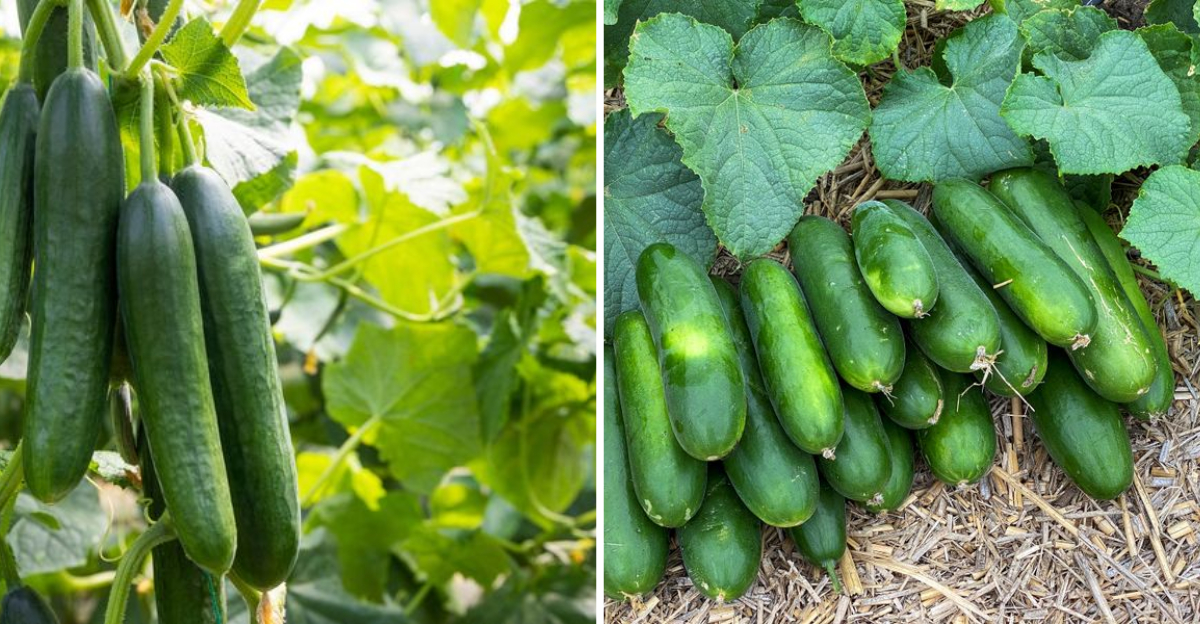
Planting cucumbers at the right time is crucial for a productive harvest. Gardeners emphasize the importance of understanding seasonal nuances, soil temperatures, and local climate conditions to ensure your cucumbers thrive. In this article, we present five essential tips to help you determine the optimal planting time for cucumbers, enhancing both yield and quality.
1. Understanding Soil Temperature
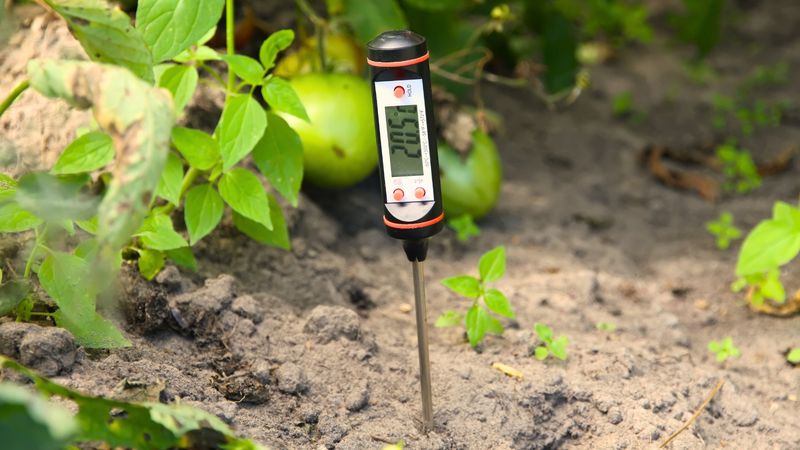
For a successful cucumber harvest, start by paying close attention to soil temperature. Ideally, cucumbers need soil that’s at least 60°F. This is crucial as cucumbers are very sensitive to cold soil, which can stunt their growth. Consider using a soil thermometer to check the temperature accurately. Planting early, when the soil is still cold, could lead to disappointing results.
Once the soil reaches the desired temperature, it’s a signal that cucumber seeds can be sown safely. Regular monitoring can help ensure optimal planting conditions.
2. Recognizing Frost-Free Dates
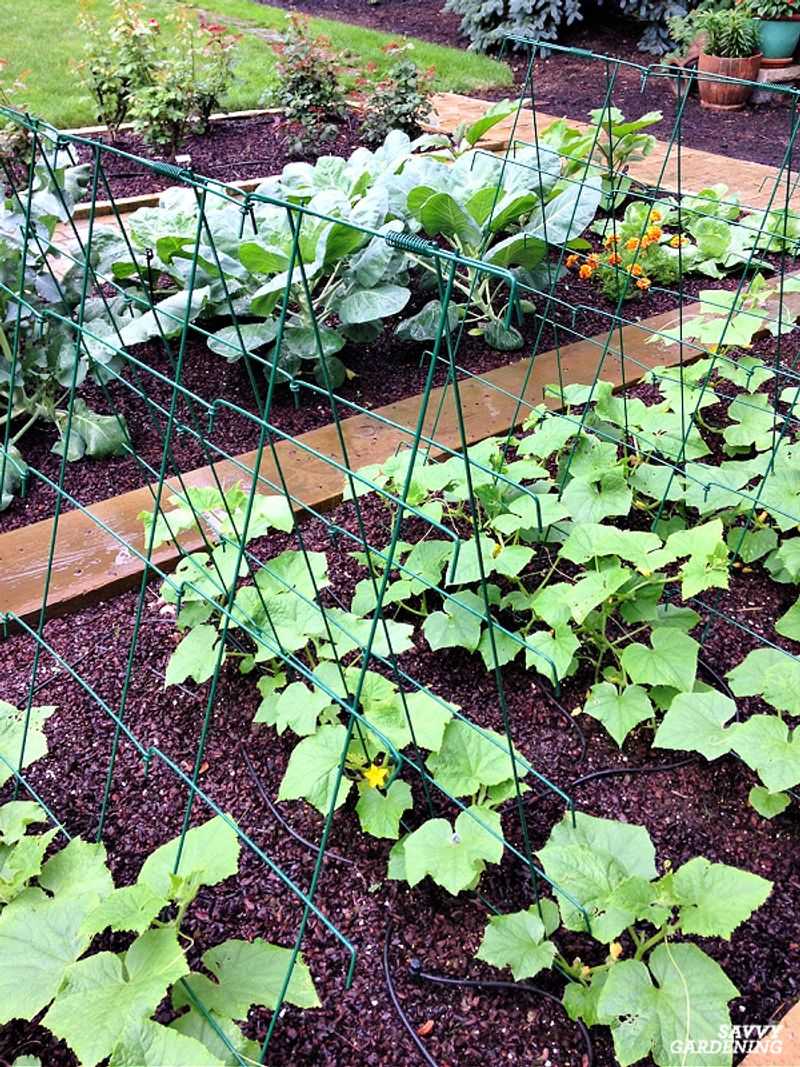
Knowing your local frost-free dates is vital when planning to plant cucumbers. Planting before the last frost can be detrimental, as cucumbers are frost-sensitive. Each region has its own average last frost date, which can be easily found online or through local gardening resources.
Plan to sow seeds or transplant seedlings after this date to prevent frost damage. This timing ensures that your cucumbers have the best chance to thrive and produce a robust harvest.
3. Utilizing Raised Beds
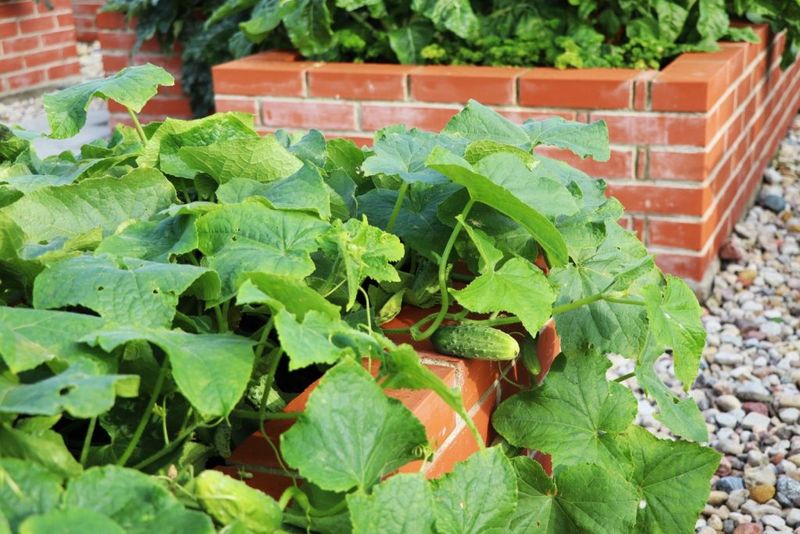
Raised beds can be a gardener’s secret weapon for early cucumber planting. These structures help soil warm up faster in the spring, enabling earlier planting. With better drainage and soil control, raised beds can protect young plants from cold and wet conditions.
Incorporate a quality soil mix that retains moisture but drains well. Raised beds can also reduce the risk of soil-borne diseases, giving your cucumbers a healthy start. They are perfect for maximizing your harvest’s potential while ensuring robust growth.
4. Choosing the Right Cucumber Variety
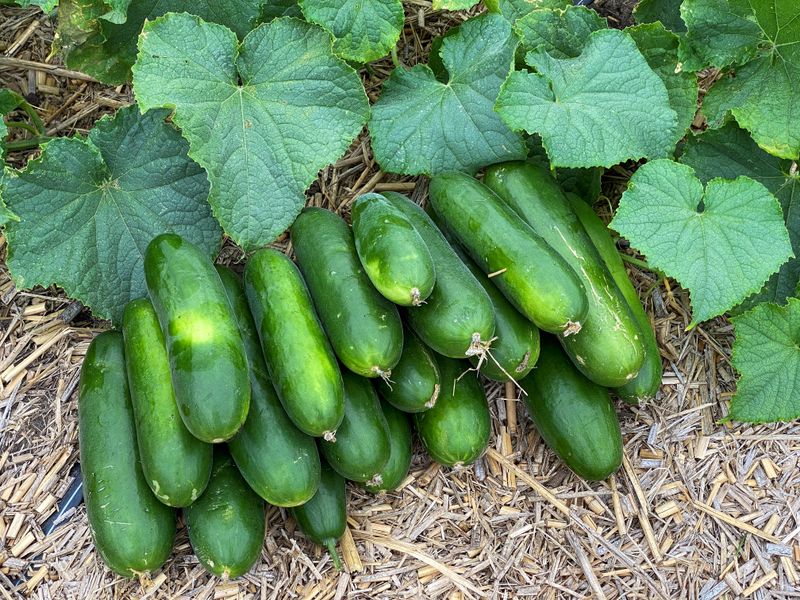
The variety of cucumber you choose can significantly impact your planting schedule. Some cucumber varieties mature faster and are more tolerant of cooler temperatures. Research and select varieties suited to your region’s climate and your specific planting timeline.
Consider bush varieties for smaller gardens, or opt for vining types if you have more space. Reading seed packet information can guide you in choosing the right type and time for planting. This strategic selection plays an integral role in achieving a successful harvest.
5. Implementing Row Covers or Tunnels
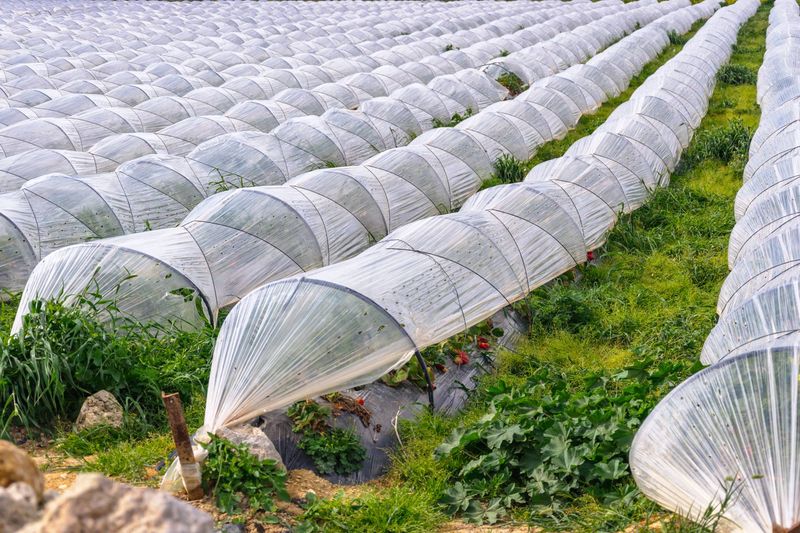
Row covers and tunnels offer protection and warmth for young cucumber plants, extending your growing season. These structures can shield against unexpected cold snaps and pests. Made from materials like plastic or fabric, they create a microclimate that promotes healthy growth.
Setting up these covers can be a proactive measure to combat adverse weather conditions. They allow you to plant cucumbers slightly earlier, without risking frost damage. This approach is particularly useful for gardeners in cooler climates seeking to maximize yield.
6. Monitor Daylight Hours
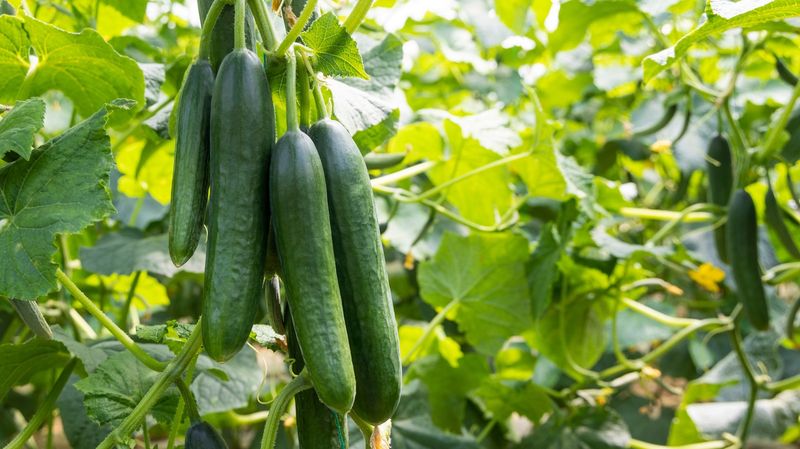
Cucumbers, like many plants, rely heavily on adequate daylight to grow and produce fruit. As daylight hours increase, cucumbers start to flourish. A simple way to gauge readiness for planting is to observe daylight duration.
Planting too late often means your cucumbers miss out on essential sunlight, impacting growth. Use tools like sundials or apps to monitor sunlight accurately.
Planning around day length ensures that your cucumbers get the light they need to thrive. Missing this step can lead to underwhelming harvests, so keep an eye on those daylight hours.
7. Soil Drainage Assessment
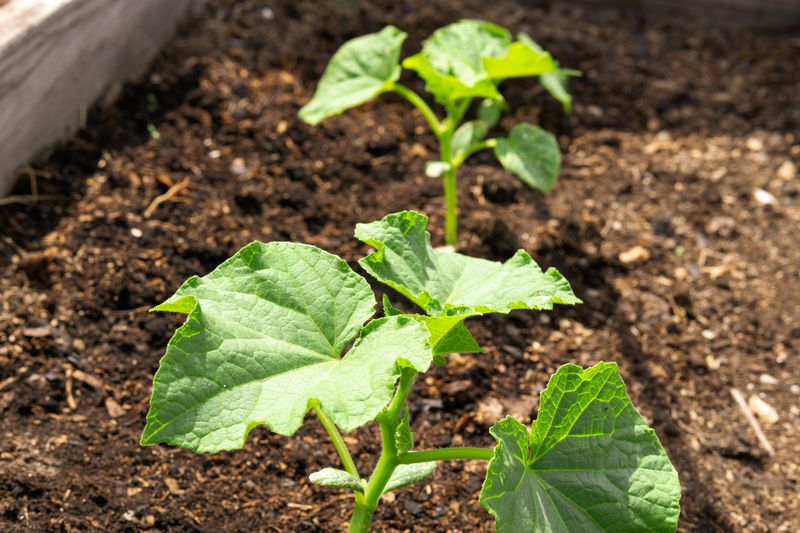
Good soil drainage is essential for cucumber growth. Too much water can lead to root rot, while too little may dry your plants out. A simple test involves digging a hole and filling it with water.
If your soil drains within an hour, it’s suitable for cucumbers. If not, consider amending with sand or organic matter.
Monitoring how water moves through your garden ensures your cucumbers receive just the right amount of moisture. This balance is key to preventing disease and promoting healthy growth all season long.
8. Companion Planting Choices
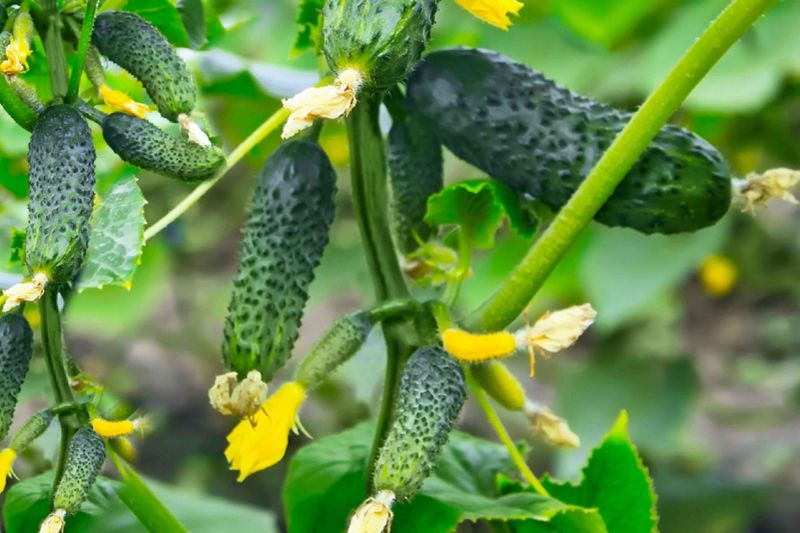
Choosing the right companions for your cucumbers can boost their growth. Plants like beans, peas, and marigolds not only deter pests but also enhance cucumber growth.
These companions can improve soil quality and create a more balanced ecosystem in your garden. However, avoid planting cucumbers near aromatic herbs that may inhibit their growth.
Strategic companion planting fosters a supportive growing environment, enhancing yield. It’s a simple step with big rewards, contributing to a flourishing and diverse garden.
9. Timing Based on Climate
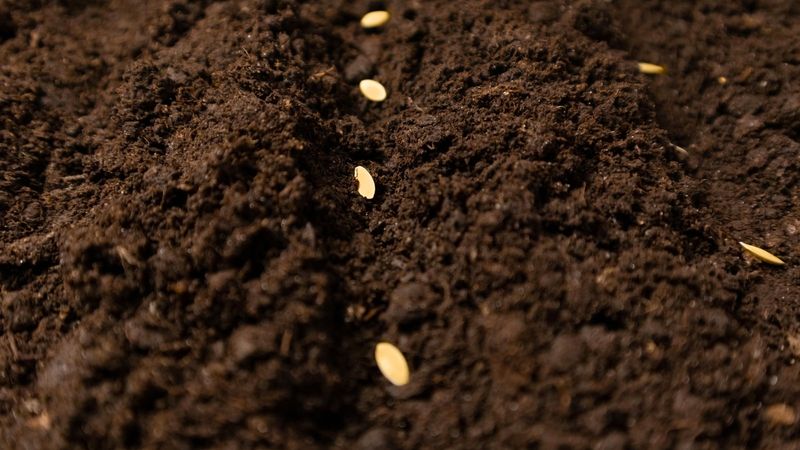
Climate greatly affects planting times for cucumbers. Warmer climates allow for earlier planting, while cooler regions need a later start. Understanding your climate zone is crucial.
Consult local planting guides to know the best time for your area. This ensures your cucumbers avoid frost and thrive in optimal conditions.
Adapting to your local climate not only maximizes yield but also reduces the risk of crop failure. A well-timed planting schedule tailored to your climate can make all the difference.
10. Use of Mulch
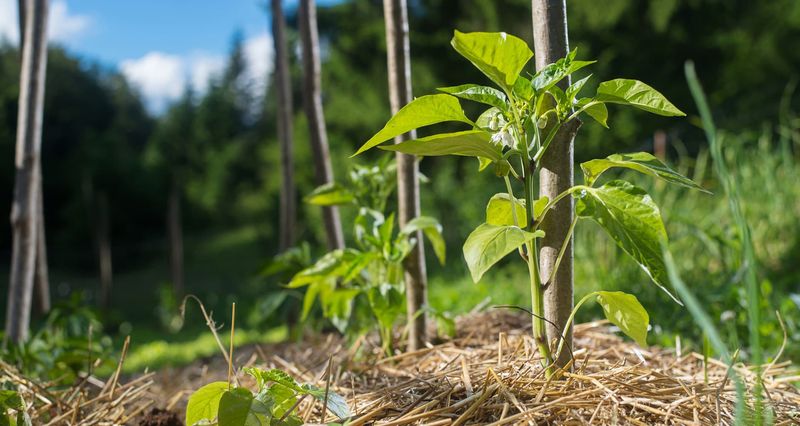
Mulching plays a crucial role in cucumber cultivation. It conserves moisture, suppresses weeds, and maintains soil temperature. Organic mulches like straw or wood chips work well.
Apply mulch around plants once seedlings are established. This helps in retaining soil moisture and keeps roots cool during hot days.
Mulching also reduces evaporation, ensuring your cucumbers have consistent access to water, which is vital for their development and productivity. A simple layer of mulch can significantly enhance growth and yield.
11. Staggered Planting Technique
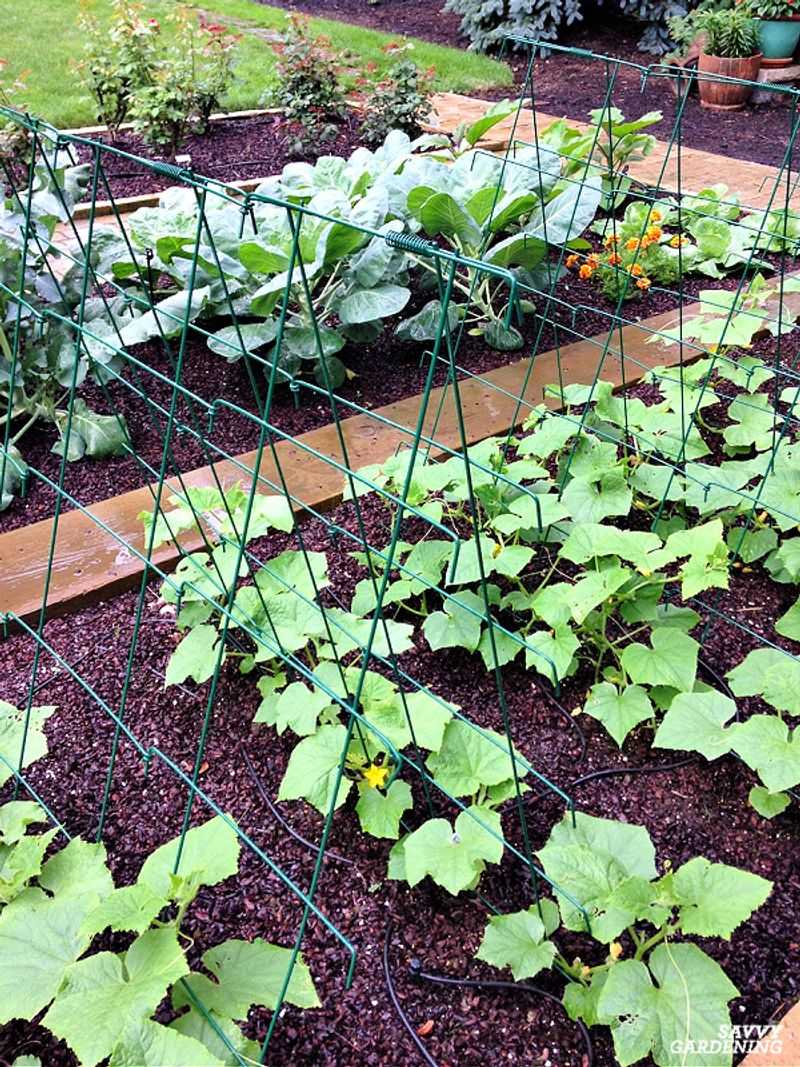
Staggered planting ensures a continuous cucumber harvest throughout the season. By planting seeds at different times, you can extend your harvest period.
This method is particularly useful for avoiding a glut of cucumbers at once, ensuring you have fresh produce for longer. It requires a bit of planning but pays off with a steady supply.
By staggering planting dates, gardeners can enjoy cucumbers at their peak ripeness over an extended period, maximizing enjoyment and reducing waste.
12. Natural Pest Deterrents

Protecting cucumbers from pests is paramount. Natural deterrents such as garlic, basil, and marigolds repel insects effectively. By planting these alongside cucumbers, you create a natural defense system.
Additionally, organic sprays made from neem oil or soap can be used to manage pest issues. Avoid chemical pesticides to keep your cucumbers safe and healthy.
A natural approach not only keeps pests at bay but also supports beneficial insects, leading to healthier plants and better yields.
13. Watering Techniques
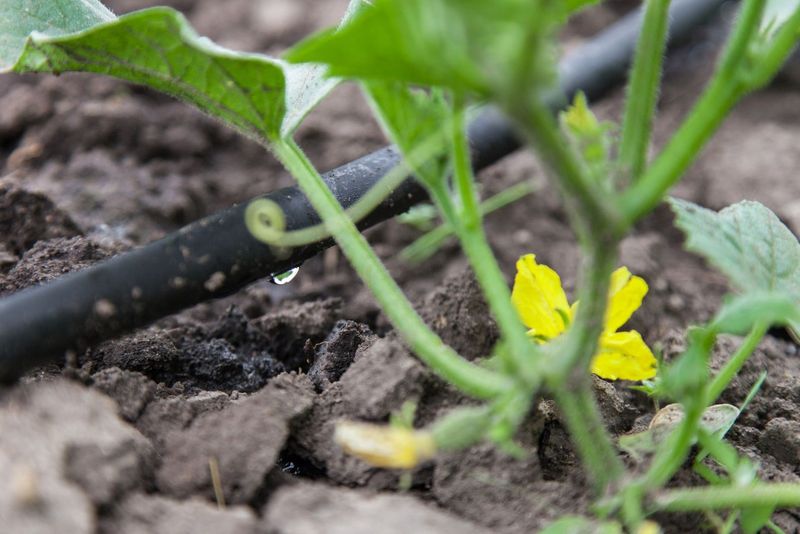
Proper watering is crucial for cucumber success. Overwatering can cause diseases, while underwatering results in poor yields. Drip irrigation is a great method for consistent moisture.
This technique delivers water directly to the roots, reducing waste and minimizing leaf wetness. Regular, deep watering encourages strong root development.
Adjusting watering frequency based on weather conditions is vital. Consistent hydration helps cucumbers grow robustly, ensuring a bountiful harvest.
14. Transplanting Tips
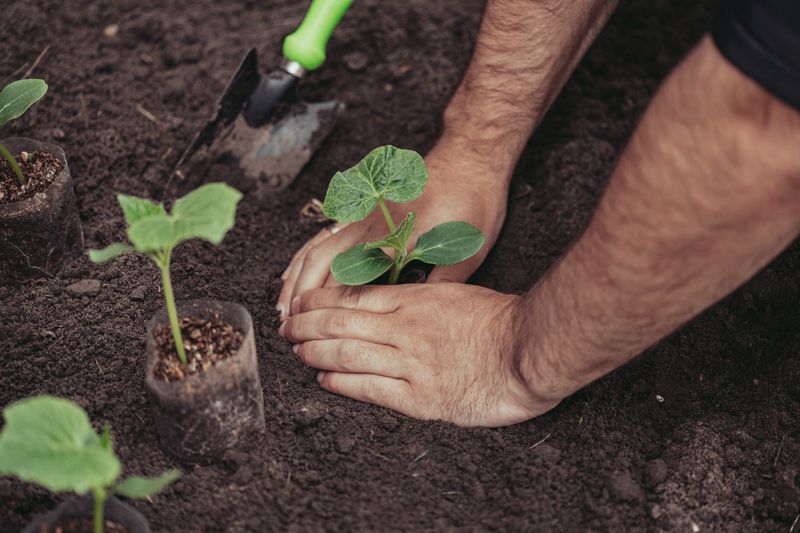
Transplanting cucumber seedlings requires care. Seedlings should be hardened off before moving outdoors, gradually exposing them to external conditions.
When transplanting, handle roots gently to avoid damage. Ensure the soil is warm enough to support their growth.
This careful approach helps reduce transplant shock, allowing cucumbers to adapt quickly and continue growing robustly. Proper transplanting techniques lay the foundation for a healthy cucumber crop.
15. Regular Pruning Practices
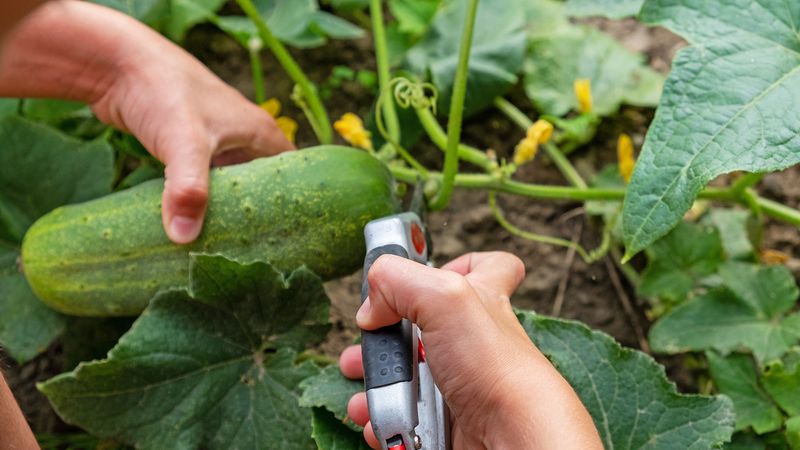
Pruning cucumbers can enhance airflow and sunlight penetration, promoting healthier plants. Regularly remove excess foliage and dead leaves to prevent disease.
Pruning also directs energy towards fruit production rather than unnecessary leaf growth. Choose sharp tools for clean cuts.
By maintaining open and well-ventilated plants, you not only boost yields but also reduce the risk of fungal diseases, leading to a more productive harvest.
16. End-of-Season Considerations
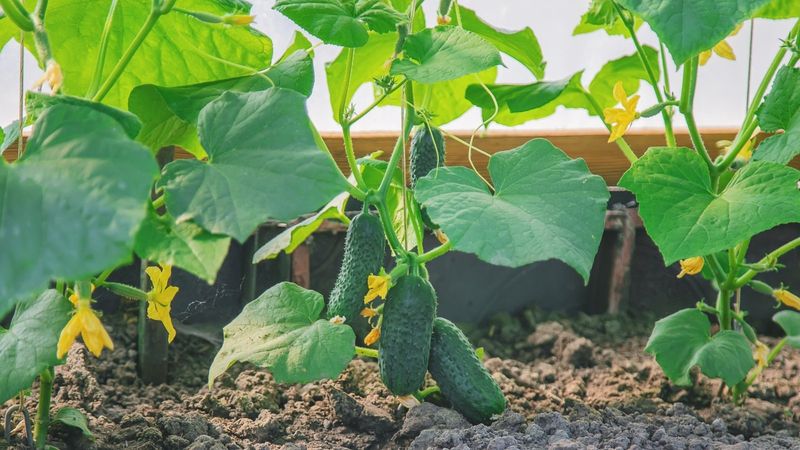
As the growing season ends, it’s essential to prepare your garden for the next cycle. Remove dead plants and clean the area to prevent pests and diseases from overwintering.
Adding compost enriches the soil and sets the stage for next season’s growth. Proper cleanup ensures a fresh start for future planting.
Taking these steps helps maintain soil health and readiness, paving the way for sustainable gardening practices year after year.