
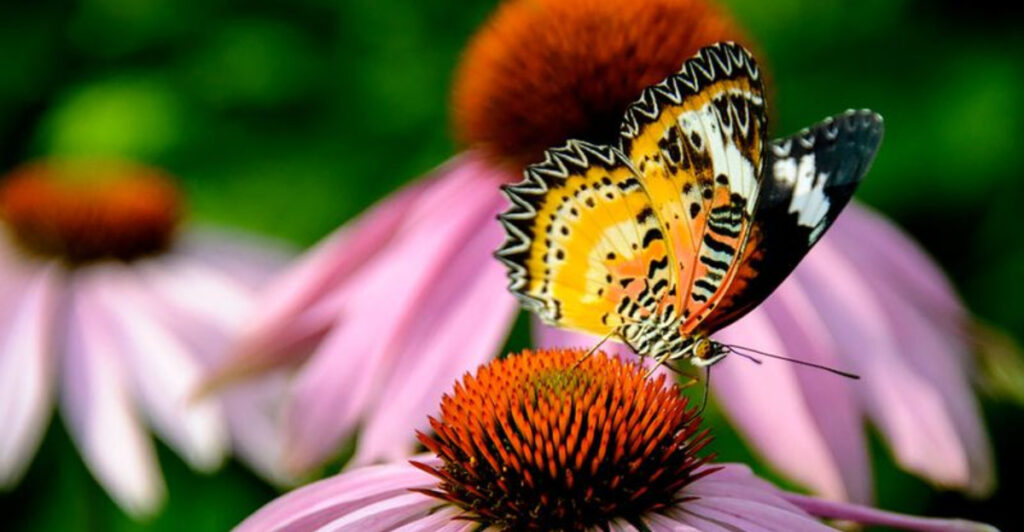
Creating a vibrant and thriving garden is not only about aesthetics but also about encouraging a healthy ecosystem. By planting species that attract pollinators, you can enhance biodiversity, support food production, and enjoy a lively garden. This article explores 16 unique plants that are known to draw essential pollinators like bees, butterflies, and hummingbirds to your yard. Each plant brings its charm, playing a vital role in nurturing the environment. With varied colors, fragrances, and blooming periods, these plants ensure your garden remains a buzzing hub of activity throughout the growing season.
1. Bee Balm
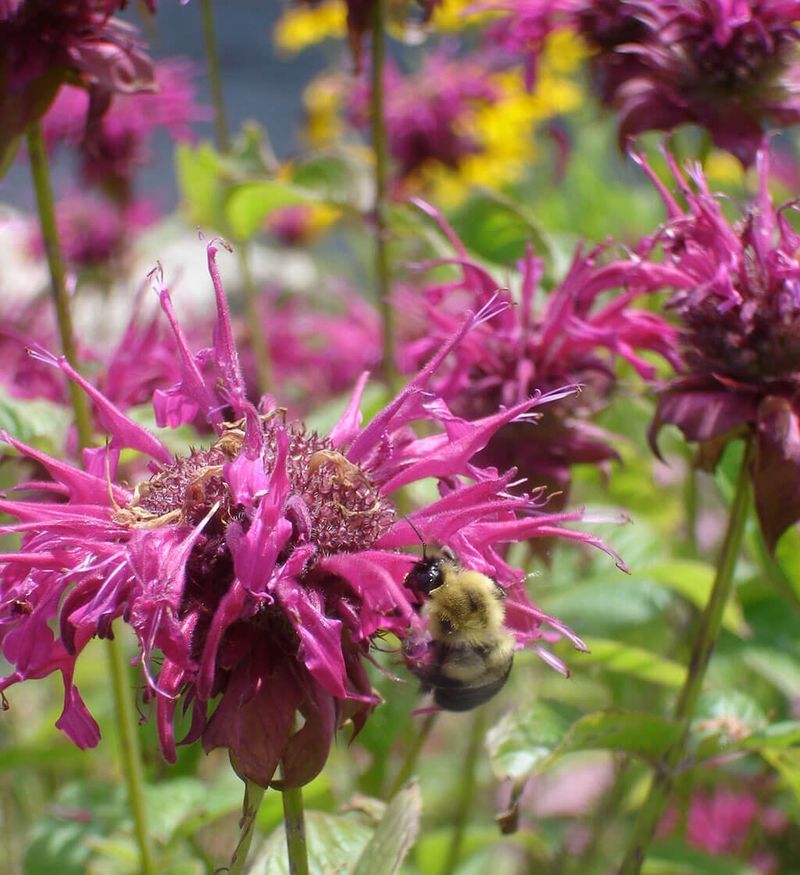
Bee Balm, or Monarda, bursts into gardens with fiery reds, pinks, and purples. Its tubular petals unfurl like fireworks, enticing butterflies and hummingbirds to sip its nectar. The aroma is reminiscent of bergamot, adding a delightful scent to any space.
This perennial is not just a feast for pollinators but also a delight for gardeners seeking low-maintenance plants. Its resistance to powdery mildew makes it a reliable choice. Did you know? Bee Balm has been used historically for its medicinal properties, offering relief from colds and fevers.
2. Lavender
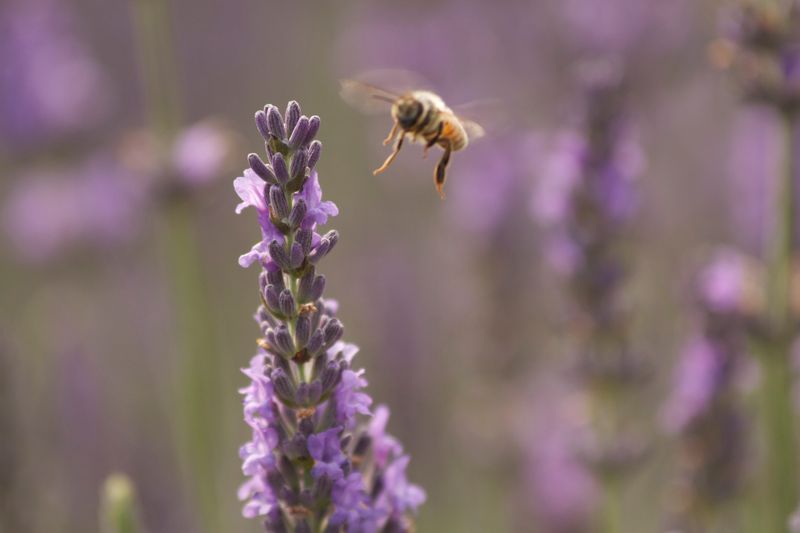
Lavender, known for its soothing scent, offers more than just relaxation. Its purple blooms are a beacon for bees, drawing them in with promises of sweet nectar.
The plant’s hardy nature makes it an excellent choice for any gardener, thriving in sunny, well-drained conditions. Lavender not only attracts pollinators but also deters pests, making it a dual-purpose plant. Historically, it has been treasured for its essential oils. Fun fact: Lavender was used in ancient Roman baths to purify the water and scent the air.
3. Sunflower
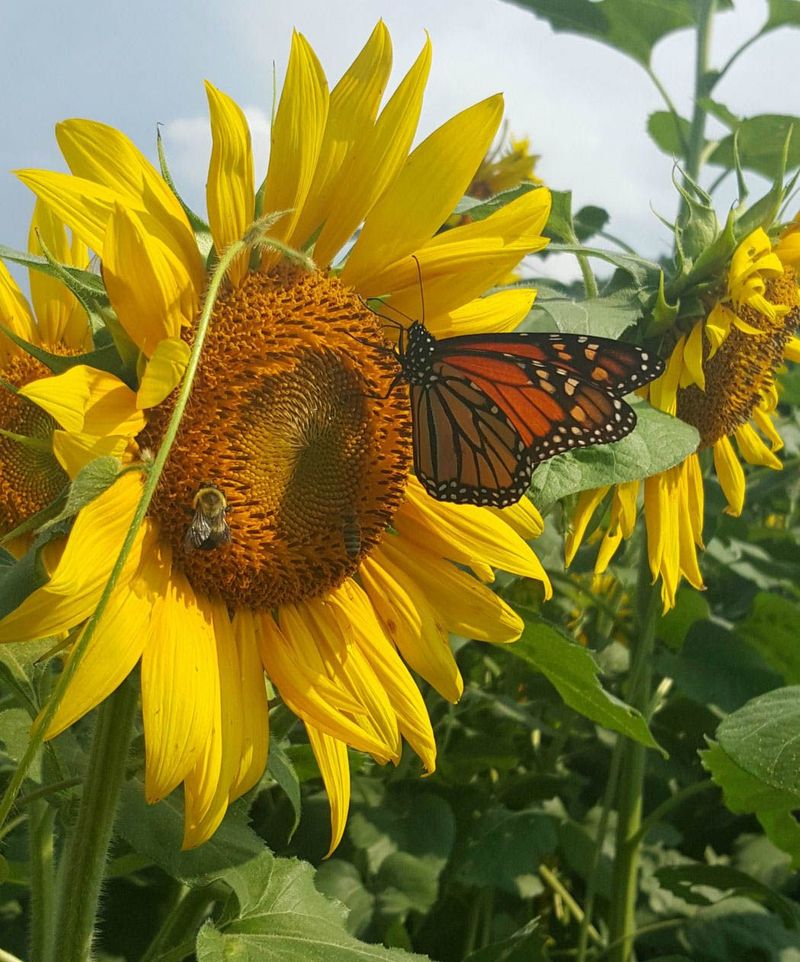
Sunflowers stand tall, with heads full of seeds and petals like rays of sunshine. Their towering stems are more than ornamental; they serve as a feast for a variety of pollinators, from bees to butterflies.
These giants of the garden are easy to grow and thrive in most soil types, basking in full sunlight. Beyond their pollinator-friendly traits, sunflowers can be harvested for seeds. Did you know? Sunflowers exhibit heliotropism, turning their heads to follow the sun’s path across the sky.
4. Coneflower
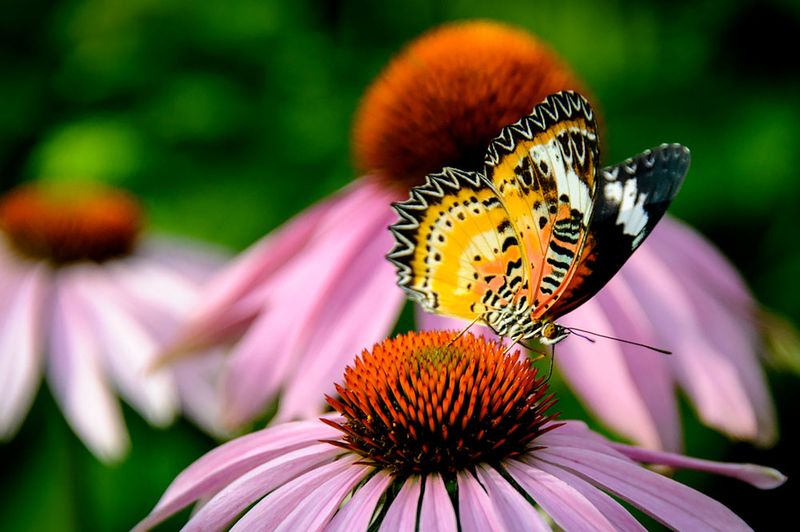
Coneflowers, or Echinacea, present a striking display with their daisy-like appearance. The drooping petals and spiny central cone attract bees and butterflies in droves.
These hardy perennials are drought-tolerant, making them ideal for sustainable gardening. They bloom from midsummer to fall, providing extended beauty. Coneflowers are also known for their medicinal properties, historically used to boost the immune system. Fun fact: Native Americans utilized Echinacea for its healing properties long before modern medicine discovered its benefits.
5. Borage
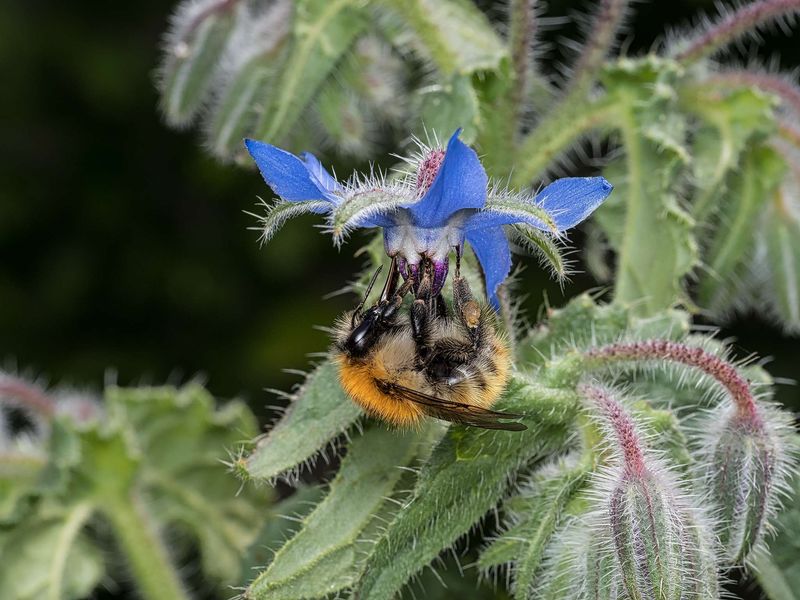
Borage, with its star-shaped blue flowers, is a magnet for bees. Its nectar-rich blooms are a vital food source for these important pollinators.
Beyond its pollinator appeal, Borage is an edible plant. Its leaves and flowers can be used in salads, providing a cucumber-like flavor. This annual plant self-seeds, ensuring its return year after year. An interesting tidbit: Borage was historically used by Roman soldiers to boost courage before battle.
6. Zinnia
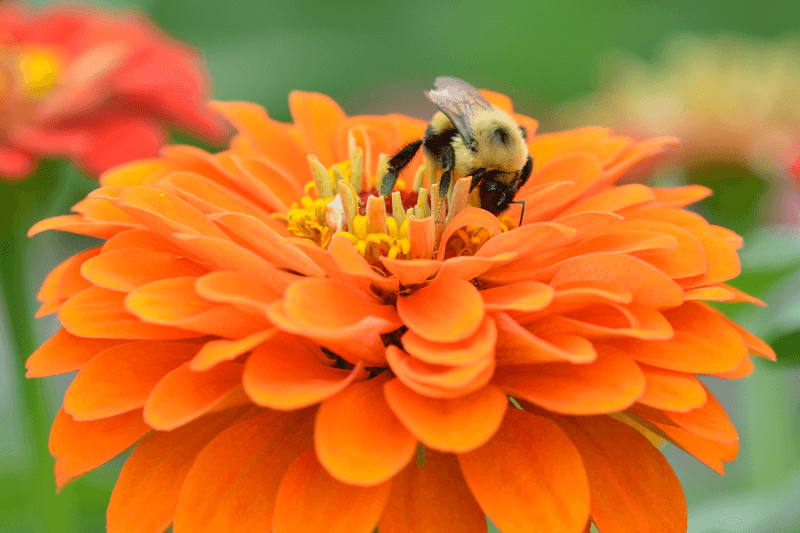
Zinnias bring a splash of color to any garden, with vibrant blooms in every hue imaginable. Their open-faced flowers are particularly attractive to butterflies and bees, providing essential nectar.
Easy to grow from seed, Zinnias bloom vigorously throughout the summer. They are drought-tolerant, making them ideal for low-maintenance gardens. Beyond their beauty, Zinnias make excellent cut flowers, brightening up indoor spaces. Did you know? Zinnias were one of the first flowers to bloom in space, grown on the International Space Station.
7. Salvia
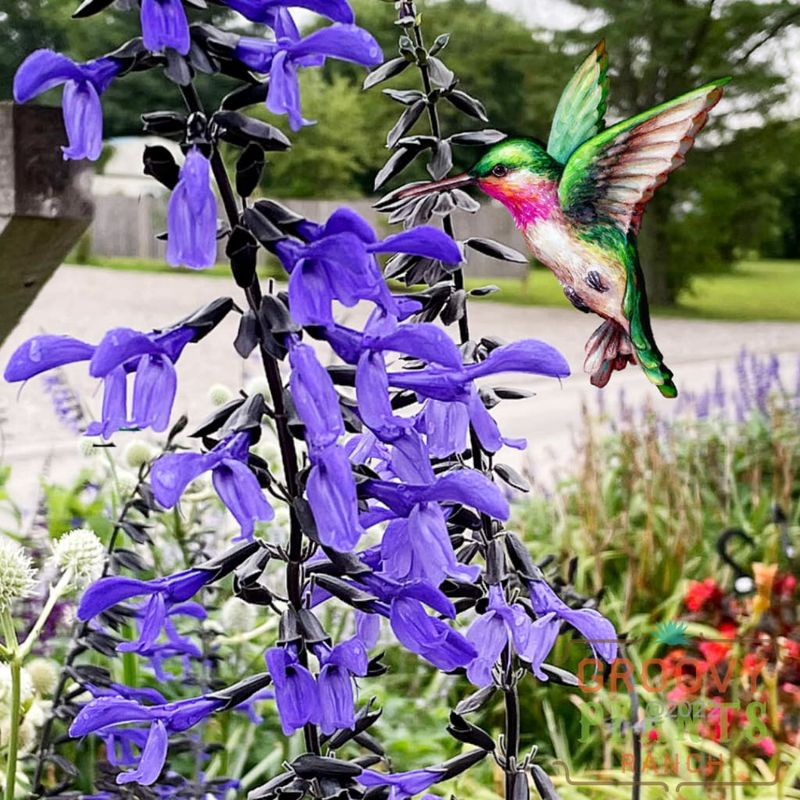
Salvia, with its tall spires of vibrant flowers, is a haven for pollinators. Hummingbirds, in particular, are drawn to its tubular blooms, which offer easy access to nectar.
This perennial is both drought-resistant and deer-resistant, making it a durable choice for gardeners. Salvia comes in a range of colors, from deep blues to fiery reds, adding visual interest. Historically, Salvia was used in various cultures for its purported health benefits. A quirky fact: The name ‘Salvia’ is derived from the Latin word ‘salvare,’ meaning to heal.
8. Butterfly Bush
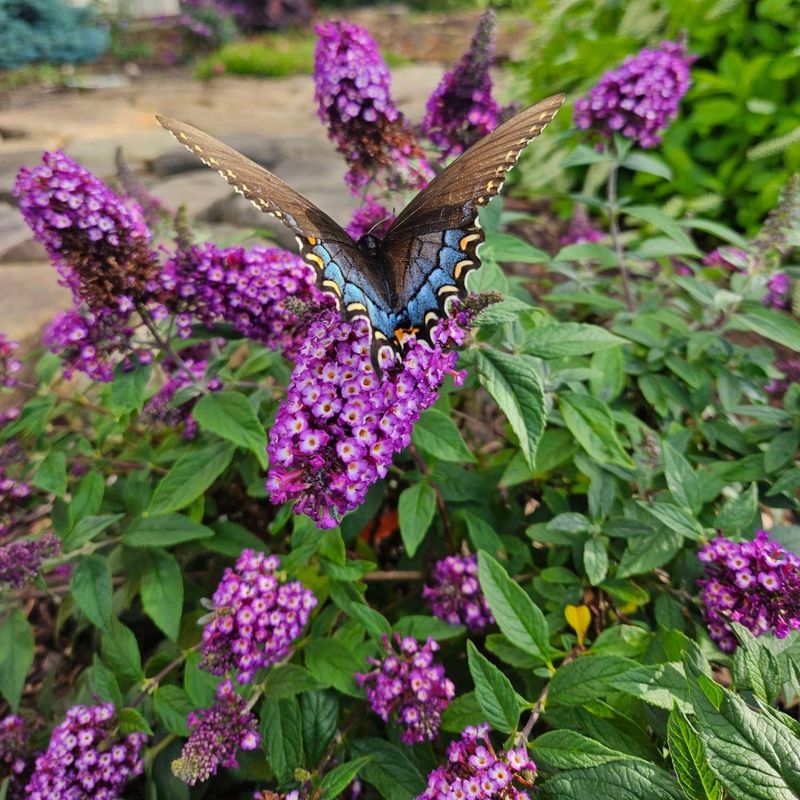
The Butterfly Bush, or Buddleja, lives up to its name by attracting countless butterflies. Its long, arching clusters of flowers come in shades of purple, pink, and white, offering a continuous bloom from summer to fall.
This shrub is easy to grow and relatively low-maintenance, thriving in sunny conditions. Its rapid growth provides quick results for impatient gardeners. Fun fact: The Butterfly Bush is sometimes called the “summer lilac” due to its lilac-like fragrance.
9. Milkweed
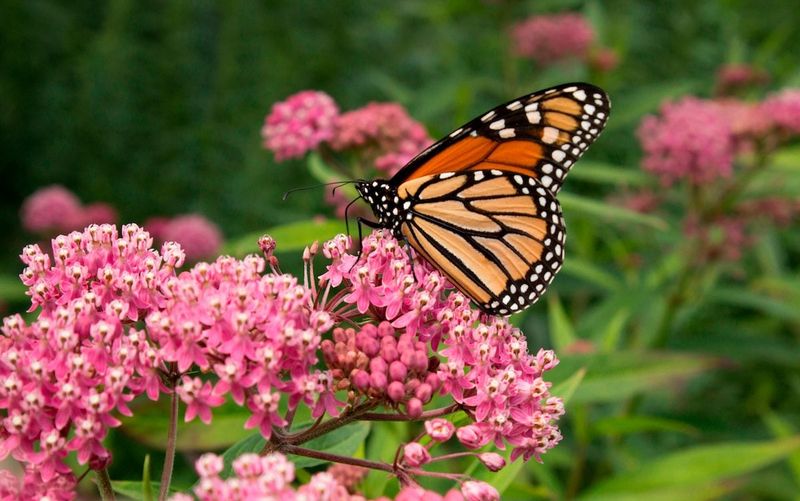
Milkweed is a crucial plant for Monarch butterflies, providing the only food source for their caterpillars. Its clusters of pink and orange flowers are also a magnet for bees and other pollinators.
This perennial is both hardy and easy to grow, thriving in various soil types. Besides supporting pollinators, Milkweed is known for its role in traditional medicine. Did you know? Milkweed was used during World War II as a source of insulation material in life jackets.
10. Hollyhock
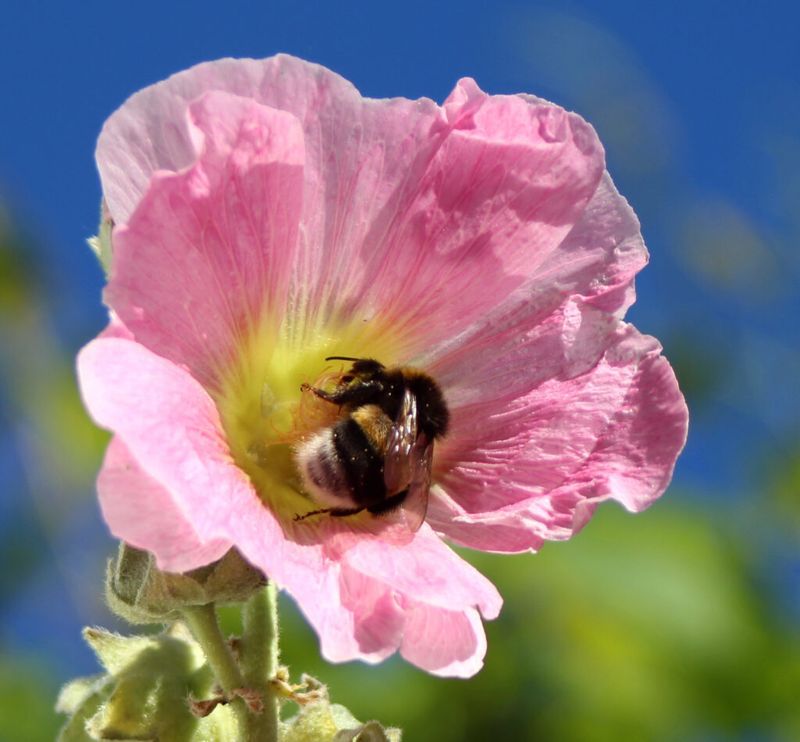
Hollyhocks, with their towering spikes of blossoms, add a classic charm to gardens. These biennials attract bees and butterflies with their nectar-rich flowers that bloom in a range of colors.
Hollyhocks are perfect for creating vertical interest and a cottage-garden feel. They are resilient against drought, making them suitable for various climates. Historically, they symbolize abundance and fertility. A fun tidbit: In the Victorian language of flowers, Hollyhocks represented ambition.
11. Asters
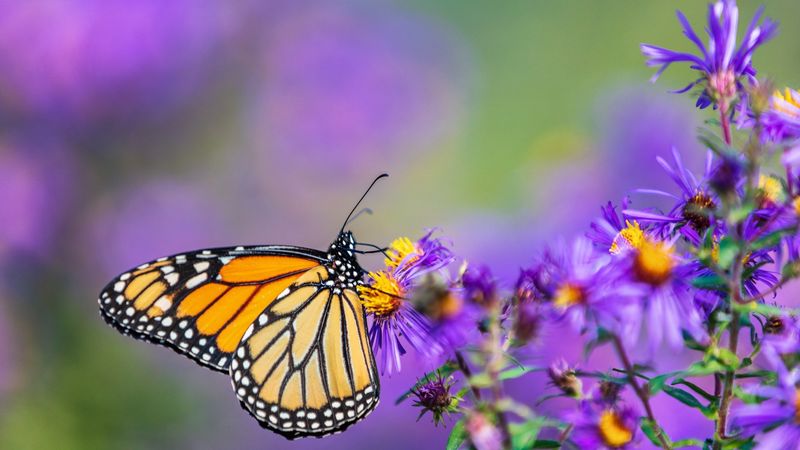
Asters, with their starry-shaped flowers, are a late-season delight. Blooming in the fall, they provide a crucial nectar source for bees and butterflies preparing for winter.
These perennials are easy to grow and offer a splash of color when many other plants have faded. They are versatile, suitable for borders and containers alike. A fascinating fact: The name ‘Aster’ comes from the Greek word for star, reflecting the flower’s shape.
12. Catmint
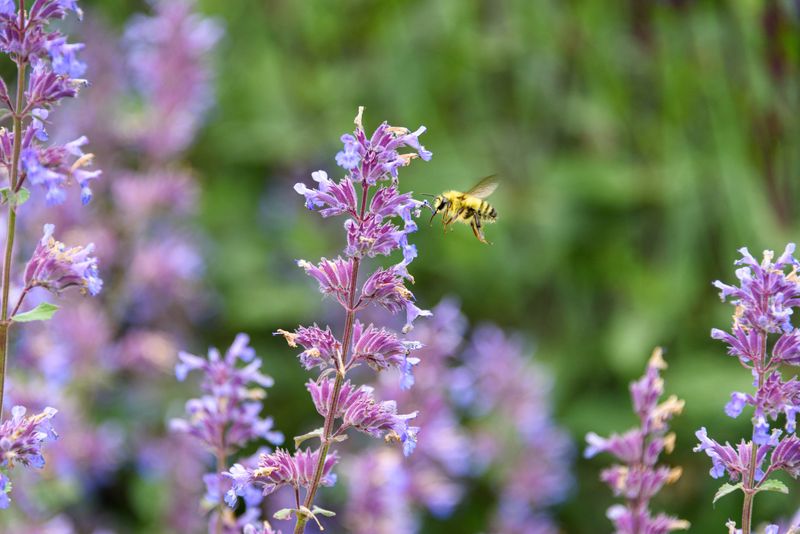
Catmint, with its lavender-blue flowers and aromatic foliage, beckons bees and butterflies to the garden. Its long blooming period from late spring to early fall ensures a steady supply of nectar.
This perennial is low-maintenance and drought-resistant, thriving in sunny spots. Besides its pollinator appeal, Catmint is known for its calming properties when brewed in teas. Did you know? Catmint is closely related to catnip, a favorite herb for felines.
13. Foxglove
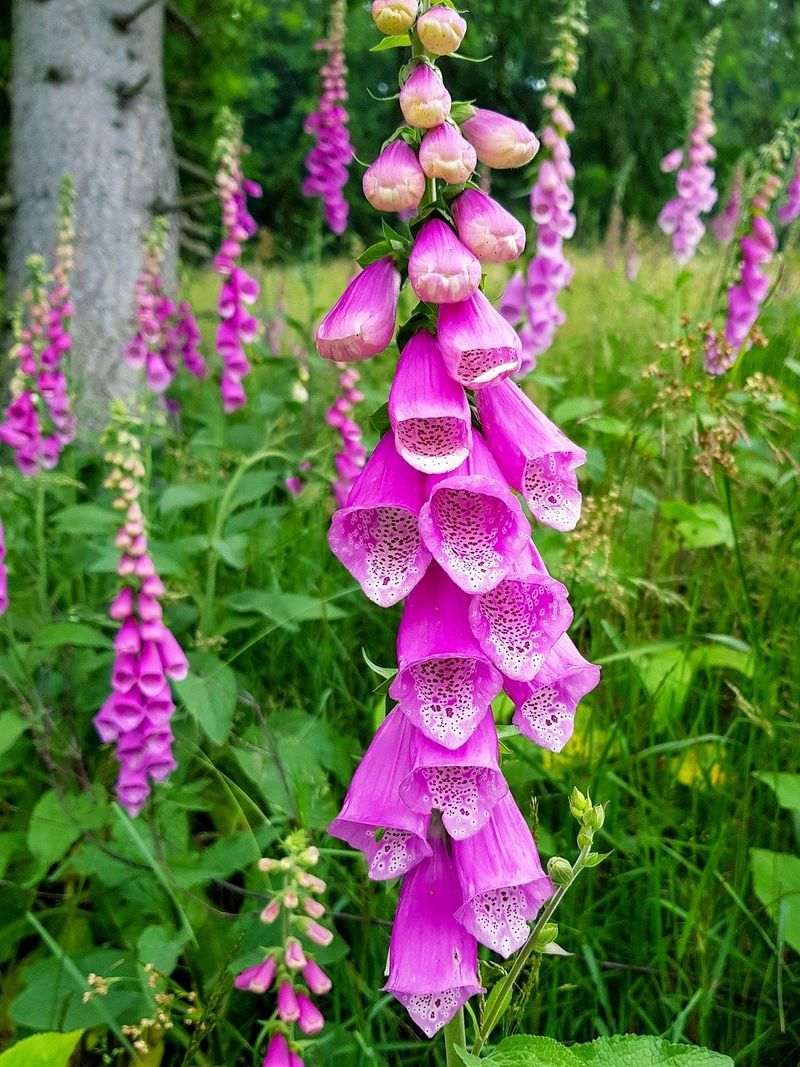
Foxglove, with its tall, elegant spikes of bell-shaped flowers, is a magnet for bees and hummingbirds. Their intricate patterns guide pollinators to the nectar within.
These biennials prefer shaded spots, adding vertical interest to woodland gardens. While beautiful, Foxglove is toxic if ingested, so handle with care. A historical tidbit: Foxglove has been used in traditional medicine, particularly in heart-related treatments.
14. Marigold
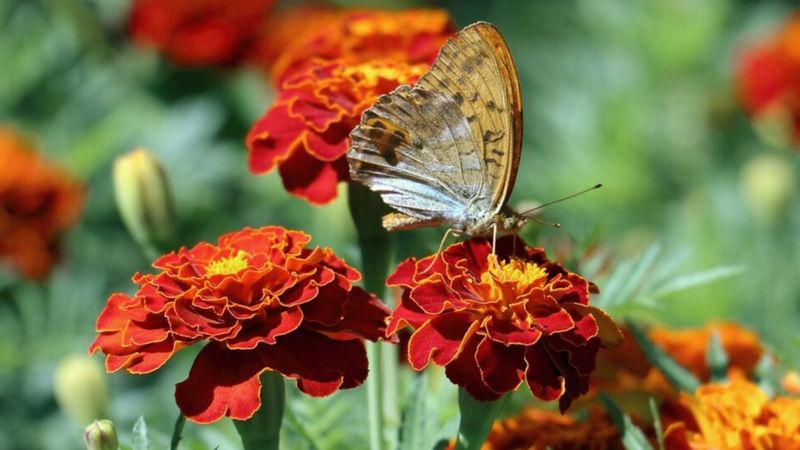
Marigolds, with their bright orange and yellow flowers, are a staple in gardens seeking to attract pollinators. Their scent and nectar entice bees and butterflies alike.
These annuals are easy to grow and thrive in full sun, providing continuous blooms throughout the growing season. Beyond their beauty, marigolds repel certain pests, making them a beneficial companion plant. A quirky fact: In Mexico, marigolds are used during Day of the Dead celebrations to honor deceased loved ones.
15. Black-eyed Susan
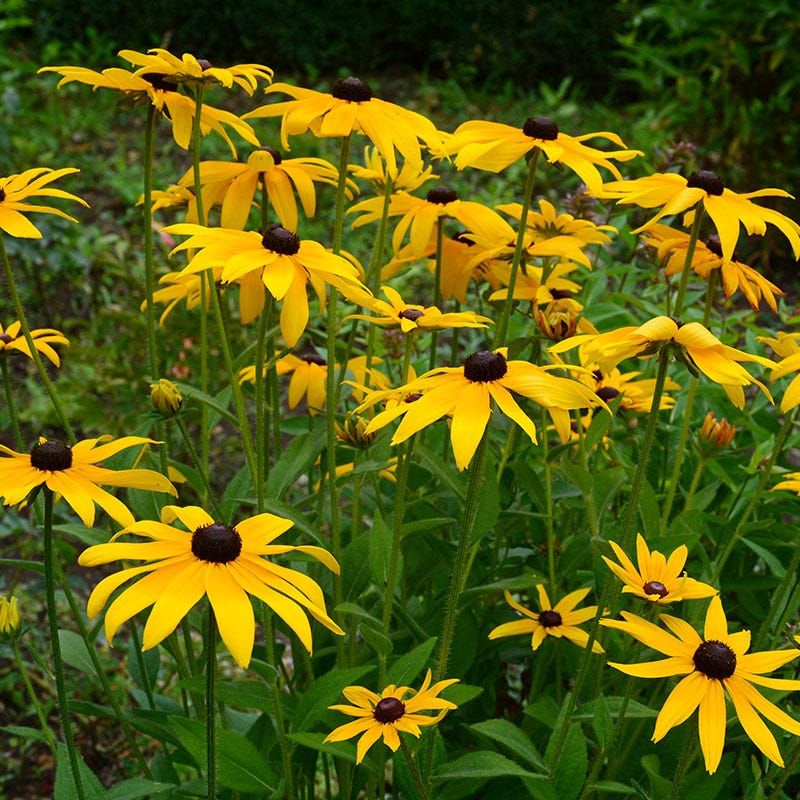
Black-eyed Susans, with their striking yellow petals and dark centers, are a favorite among bees and butterflies. Their long-lasting blooms add vibrant color to any garden setting.
These perennials are drought-resistant and thrive in various soil types, making them adaptable and easy to care for. Besides their ornamental value, they play a role in natural medicine. Did you know? Black-eyed Susans are the state flower of Maryland, symbolizing justice and fairness.
16. Mexican Sunflower
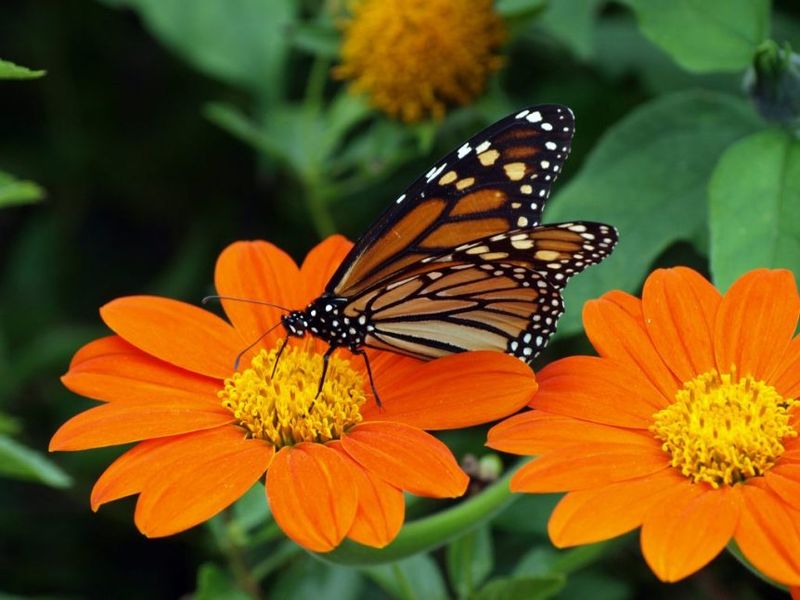
The Mexican Sunflower, with its fiery orange petals, invites a flurry of pollinators like bees and butterflies. This striking plant is like a magnet for flying visitors.
In the heat of summer, while other blooms might fade, the Mexican Sunflower stands tall, offering sustenance to those who buzz and flit. It thrives in sunny spots with well-drained soil.
Did you know? This plant is not only easy to grow but also drought-tolerant, making it a resilient choice for gardeners looking to support pollinators.