 Complete Gardening
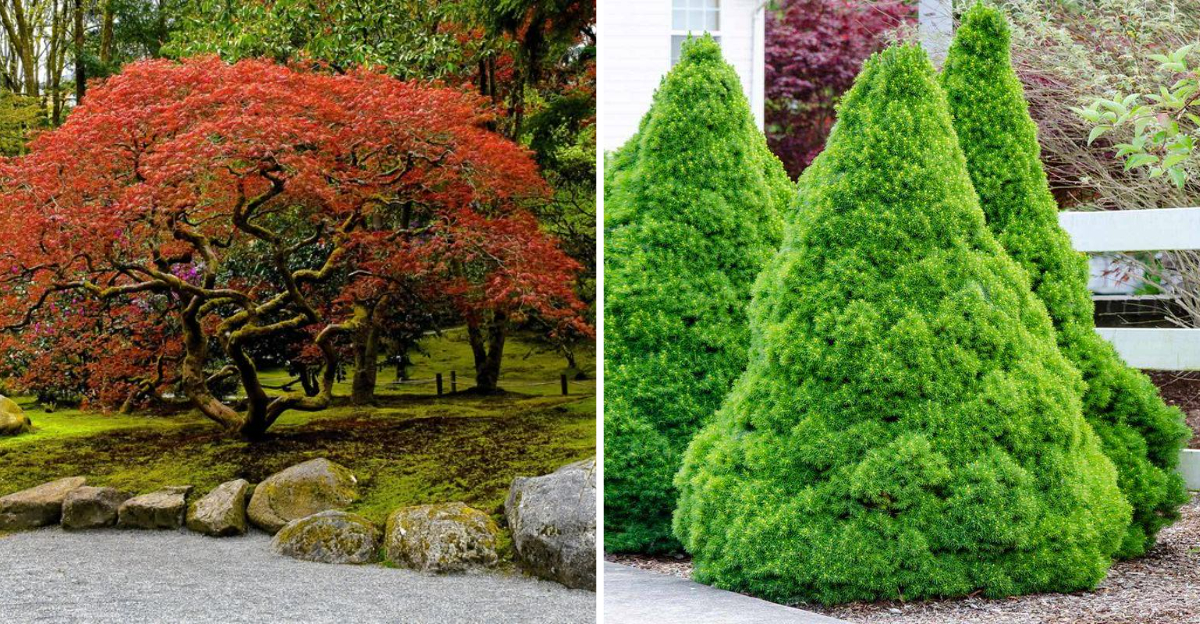
Transform your tiny yard into a vibrant oasis with small trees that pack a punch of color. Whether you’re looking for autumnal hues or spring blossoms, there’s a small tree perfect for bringing big color to limited spaces. These trees are perfect for homeowners with little space but a big desire for aesthetic appeal.
Japanese Maple
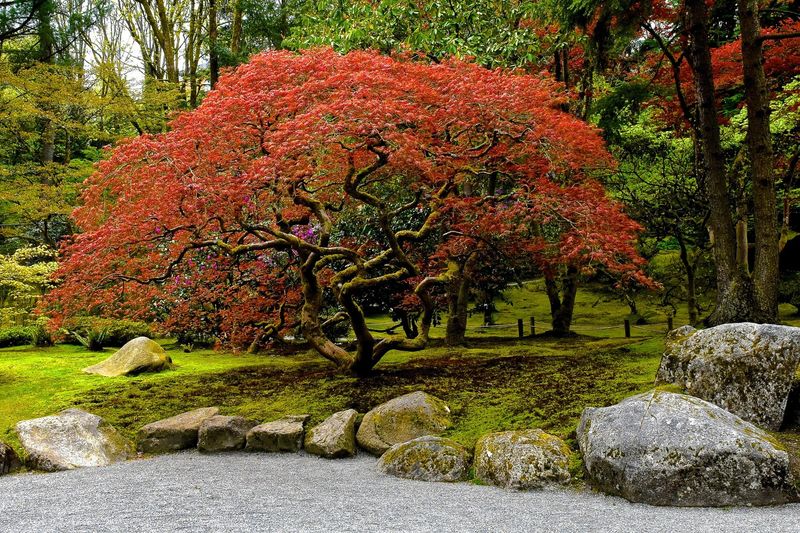
Japanese Maples bring a touch of the East to your garden with their delicate leaves and stunning color palette. In autumn, they blaze with red, orange, and gold hues. These trees are not only visually captivating but also easy to care for, making them perfect for novice gardeners.
Their compact size suits small yards perfectly. The leaves’ unique shapes add an artistic flair.
Did you know? Japanese Maples have been cultivated in Japan for centuries, symbolizing grace and elegance. They’re more than just a plant; they’re a piece of history.
Dogwood
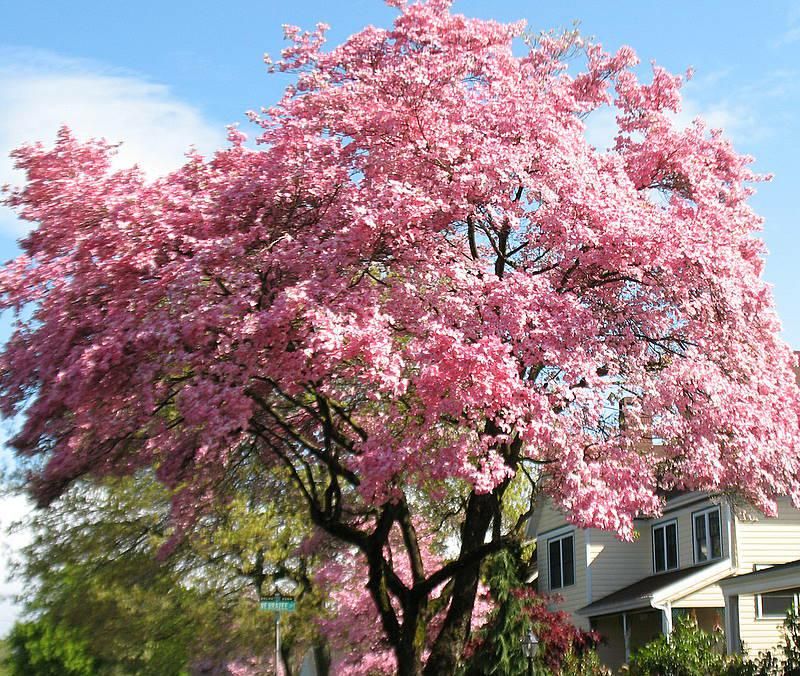
The flowering Dogwood is renowned for its breathtaking spring display, bursting with pink or white blossoms. Its vibrant flowers are a sign of spring’s arrival, creating a picturesque scene.
Besides its flowers, the Dogwood offers year-round interest, with attractive foliage and berries in fall.
A favorite in American gardens, Dogwoods are celebrated for their adaptability and beauty. Did you know? Native Americans used Dogwood bark to treat malaria. This tree isn’t just beautiful; it’s historically significant too.
Redbud
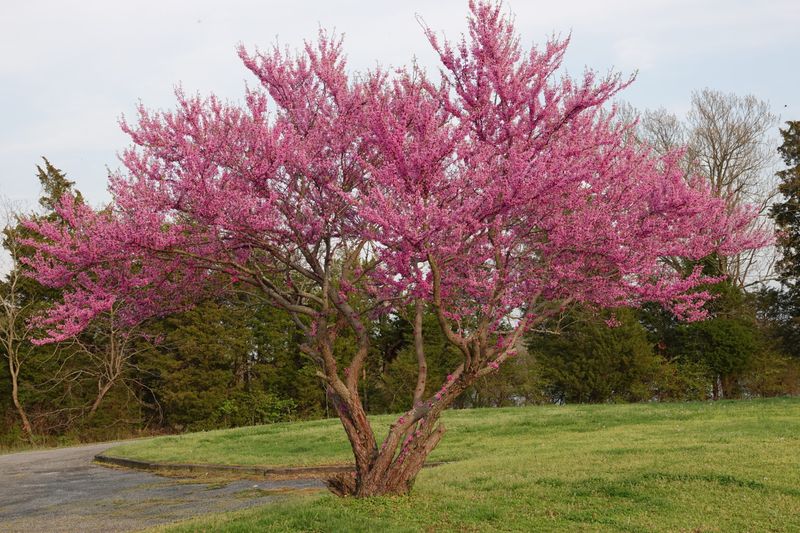
Imagine a tree that bursts into vivid pink blooms just as winter fades. The Redbud delights with its early spring flowers, which seem to wrap around its branches like nature’s garlands.
After flowering, it offers heart-shaped leaves that provide summer shade.
Redbuds are native to North America, thriving in various climates. The Cherokee once used Redbud bark for medicinal purposes. This tree isn’t just a spring showstopper; it’s a part of native heritage.
Crepe Myrtle
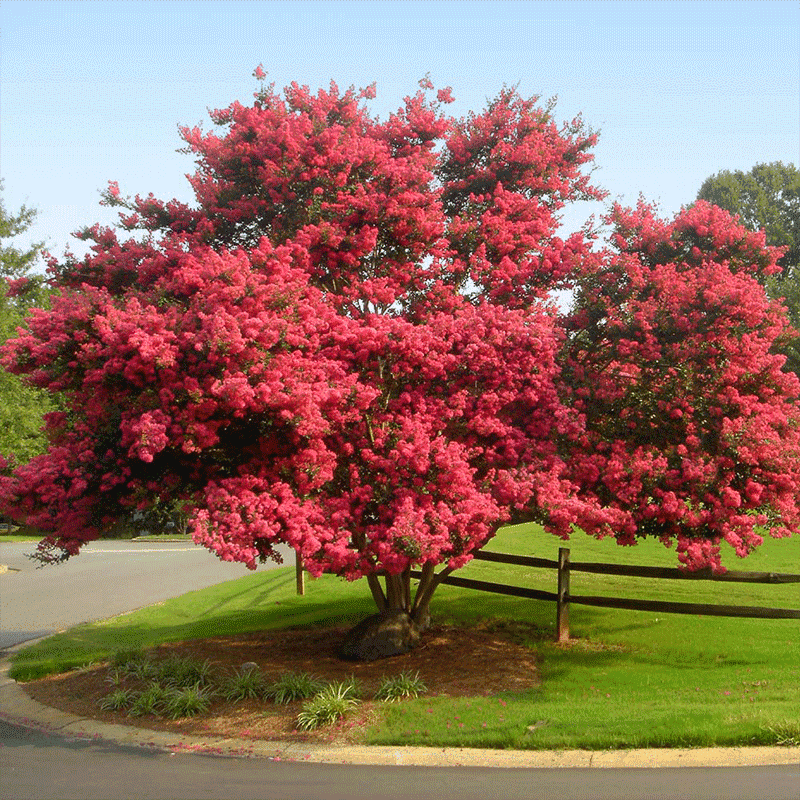
Crepe Myrtles are the essence of summer, blooming with vibrant clusters of pink, purple, or white flowers. Their long-lasting blooms provide a riot of color throughout the hottest months.
These trees are resilient and can withstand drought, making them perfect for areas with hot climates.
Beyond beauty, Crepe Myrtles have a smooth bark and interesting branch structure that adds winter interest. Once a staple in Southern gardens, they’re now loved nationwide. Their colorful presence is a summer delight.
Dwarf Alberta Spruce
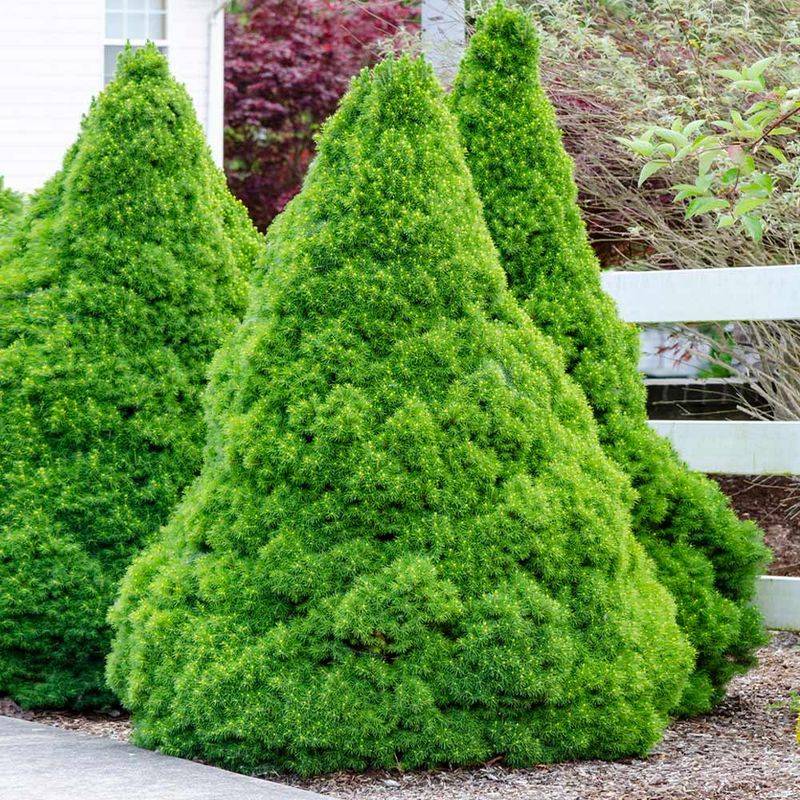
The Dwarf Alberta Spruce adds evergreen elegance to any small yard. Its compact, conical shape and dense foliage make it a standout choice for year-round greenery.
This tree requires little maintenance and is perfect for those who seek beauty with minimal effort.
Originating from Canadian landscapes, it offers a touch of northern charm. It’s ideal for those who appreciate structured, yet natural, beauty. Its evergreen nature ensures your garden stays lively even in the depth of winter.
Crabapple
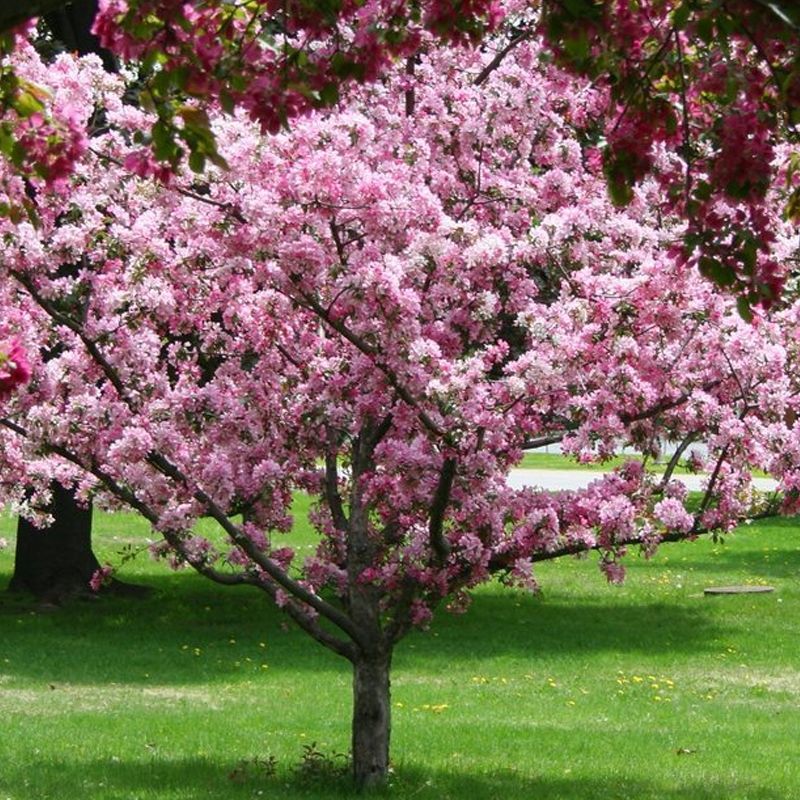
Crabapple trees are known for their spectacular spring blossom show. Their flowers, ranging from white to deep pink, transform gardens into enchanting spaces.
In fall, they offer small, colorful fruits that attract wildlife.
These trees bring a sense of tradition, reminiscent of old country gardens. They were once used to make jellies and ciders. Their historical uses and seasonal beauty make them a beloved choice for many.
Smoke Tree
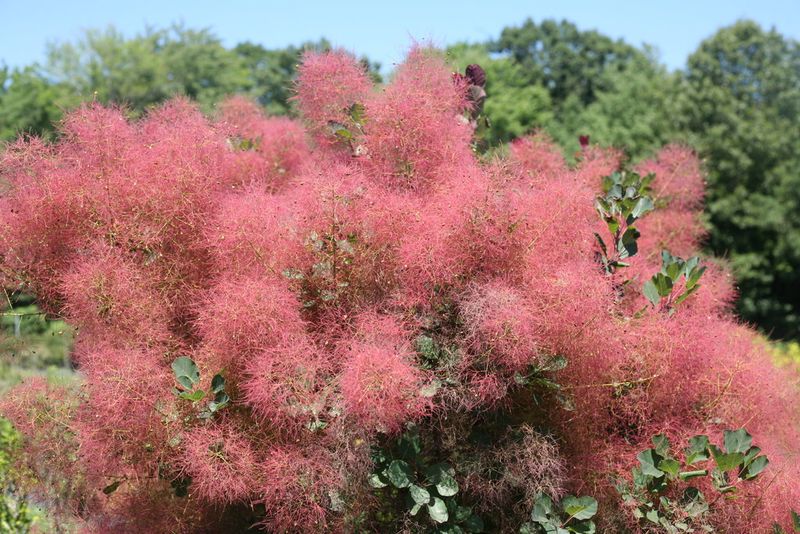
The Smoke Tree captivates with its unique, smoke-like flowers that appear in summer. These airy clusters create a whimsical effect.
In autumn, its foliage turns into a fiery display of reds and oranges.
Smoke Trees are hardy, thriving in poor soils and urban environments. Once used for medicinal purposes, they now enchant with their unusual beauty. Their smoky blooms offer a touch of the unexpected, providing year-round charm.
Hawthorn
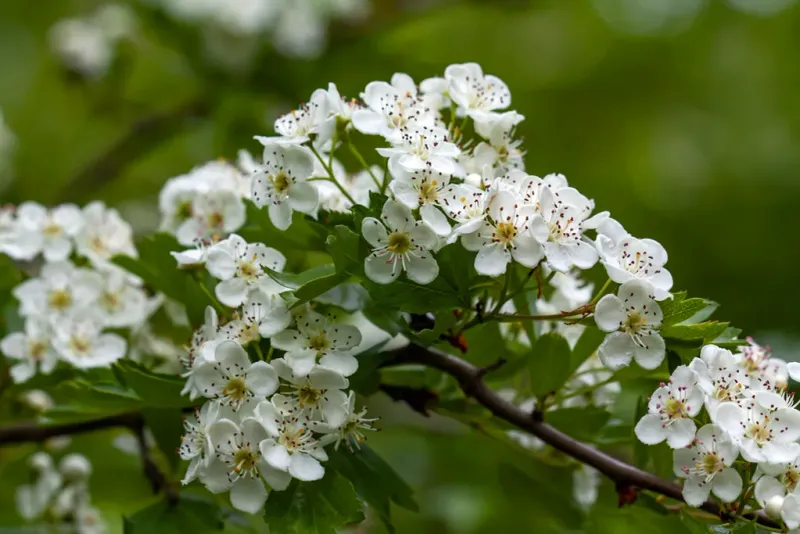
Hawthorns bring charm with their clusters of white flowers in spring. These trees are both ornamental and practical, with their vibrant green leaves and dense thorns.
Historically, Hawthorns were used as protective hedges in Europe.
Their berries are a favorite among birds, adding life to your garden. This tree combines beauty with a touch of historical intrigue, perfect for those who appreciate both aesthetics and tradition.
Star Magnolia
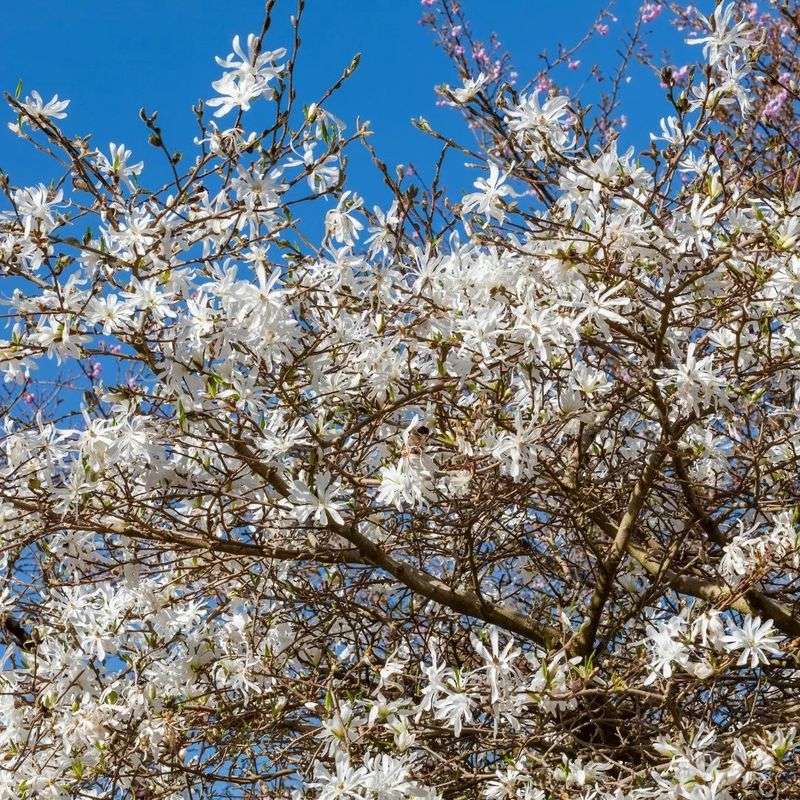
Star Magnolias herald spring with their large, star-shaped blooms. These trees are among the first to flower, offering a preview of the season’s beauty.
Their blossoms are fragrant and attract early pollinators.
Perfect for small spaces, they bring a splash of elegance with minimal care. Originating from Japan, they symbolize purity and perseverance. Their early blooms and delightful fragrance make them a garden favorite.
Amelanchier
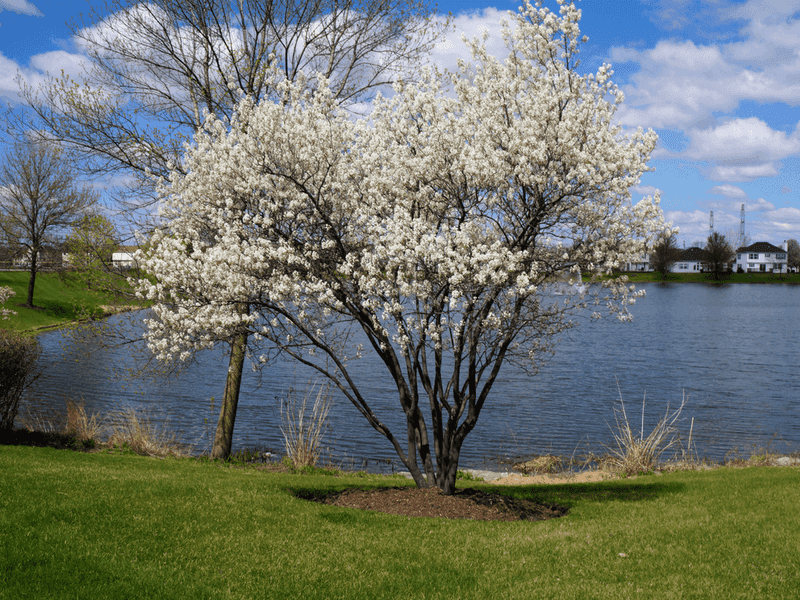
Amelanchiers, also known as Serviceberries, are multi-season marvels. In spring, they burst into delicate white blossoms. As summer arrives, they offer edible berries that attract birds and delight humans alike.
Their autumn foliage is a symphony of reds and oranges.
Originating from North America, they are loved for their beauty and resilience. These trees are perfect for those who desire a garden that’s both productive and picturesque.
Paperbark Maple
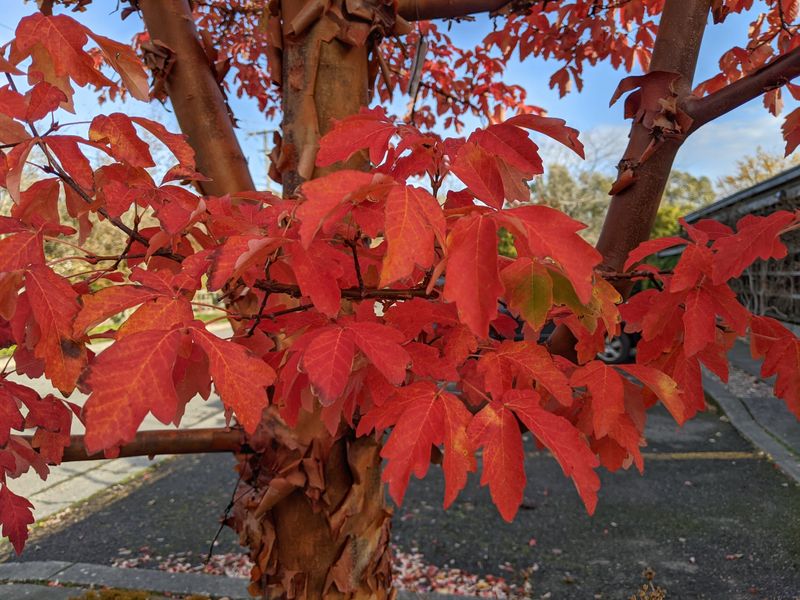
The paperbark maple is a hidden gem for those seeking elegance and charm. This tree’s distinct feature is its exfoliating bark, which peels to reveal a rich, cinnamon hue.
In autumn, its leaves turn a striking red, providing a fiery display. Ideal for small yards, its compact size doesn’t compromise on grandeur.
Adding this maple to your garden introduces texture and warmth. Its bark remains a visual delight even in winter, making it a year-round favorite. Paperbark maples thrive in various soils, ensuring adaptability and beauty in any setting.
Coral Bark Japanese Maple
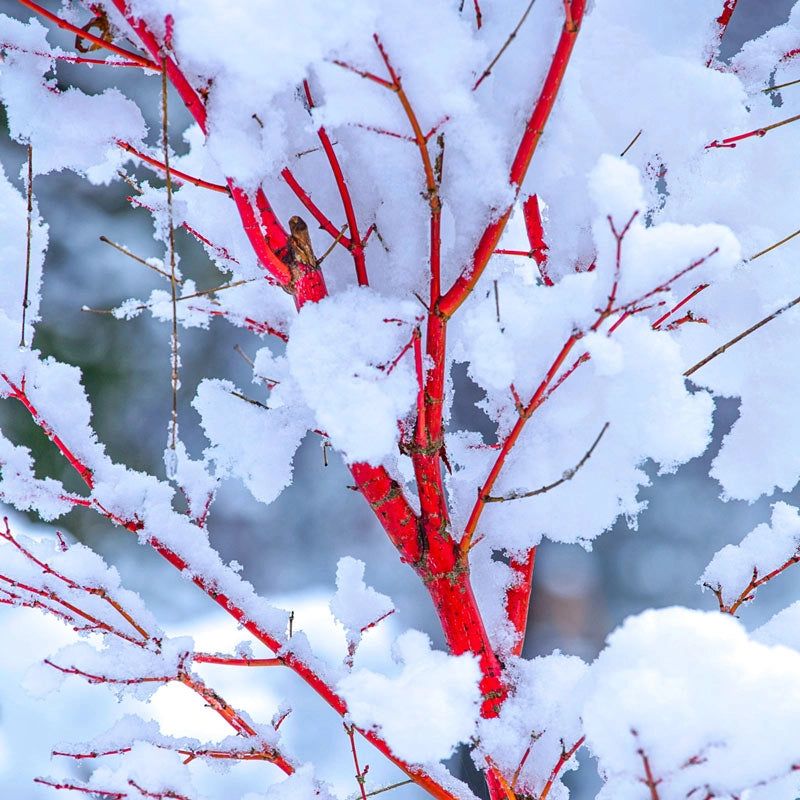
Winter can be dull, but not with the coral bark Japanese maple. Its vibrant, coral-red branches are a winter spectacle, offering color when most trees lie dormant.
In spring, the tree is adorned with fresh green leaves, creating a soothing contrast. A compact tree, it’s perfect for intimate spaces and adds seasonal interest.
Its dynamic color shifts ensure that gardeners experience a changing landscape. Whether in a pot or planted in the ground, this maple brings a unique burst of color to any yard, especially during the colder months.
Katsura Tree
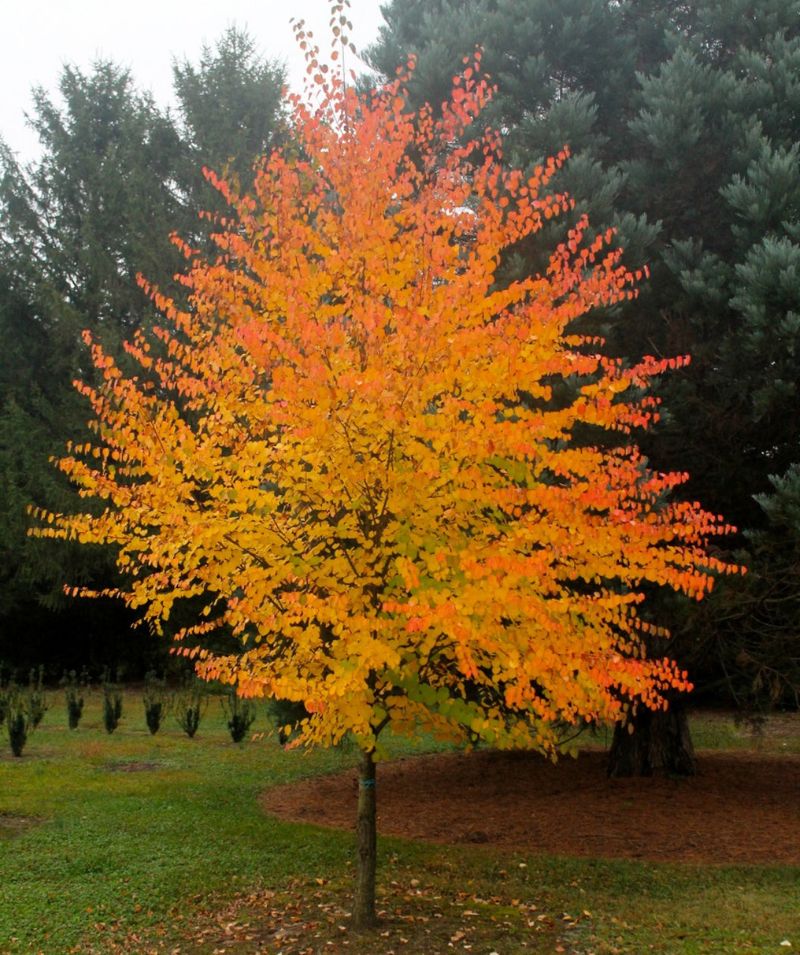
The katsura tree enchants with its sweet, caramel scent in autumn, a fragrance reminiscent of cotton candy. As fall progresses, its heart-shaped leaves turn brilliant shades of gold and orange.
This compact tree is a delightful addition to small yards, offering both visual appeal and a sensory experience. Its rounded shape is perfect for creating a cozy garden nook.
In spring, fresh green leaves emerge, renewing the garden’s vibrancy. With minimal care, the katsura tree rewards gardeners with lush foliage and a warm fragrance, creating a multi-sensory delight.
Golden Chain Tree
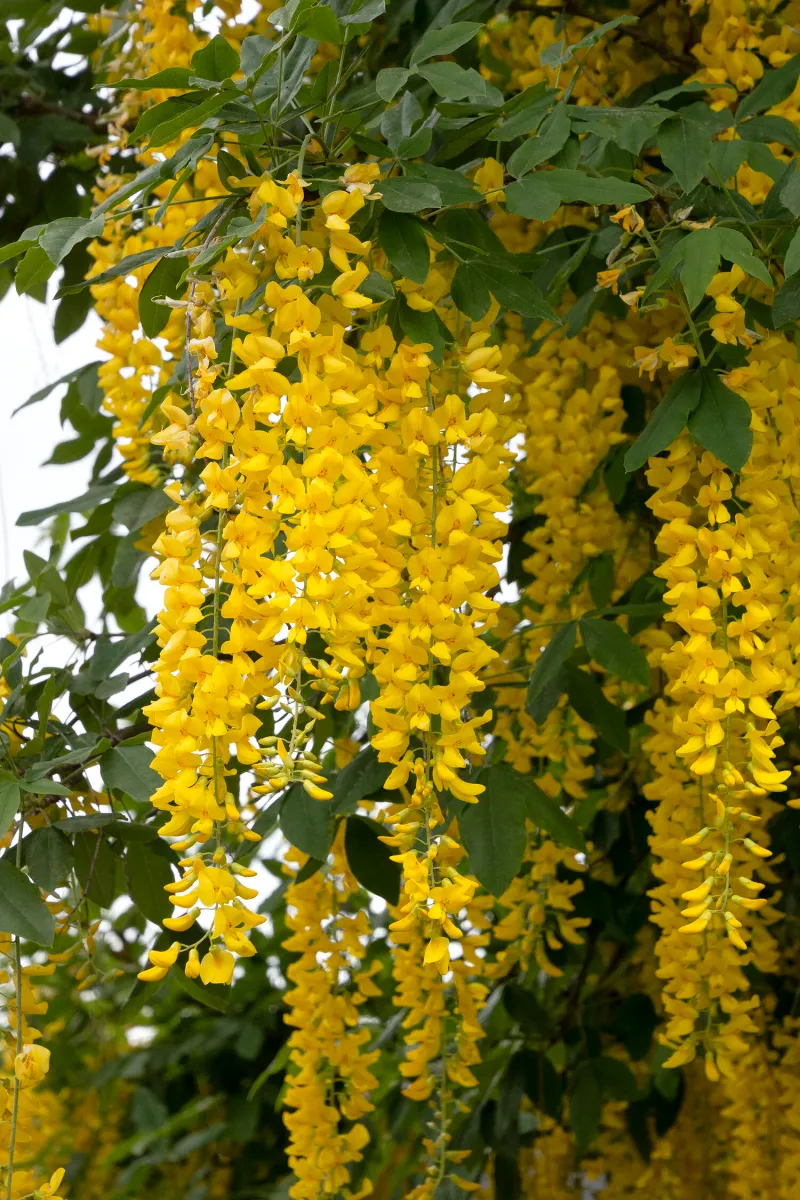
Picture a cascade of golden blooms brightening any garden— that’s the golden chain tree. Its hanging clusters of yellow flowers create a dazzling display, reminiscent of a floral chandelier.
Though beautiful, it requires careful maintenance and a bit of space to truly shine. Perfect for small yards, these trees add vertical interest.
Their stunning display peaks in late spring, capturing attention with their brilliance. Despite their delicate appearance, these trees are hardy and can thrive in various conditions, bringing sunshine to any outdoor space.
Serviceberry
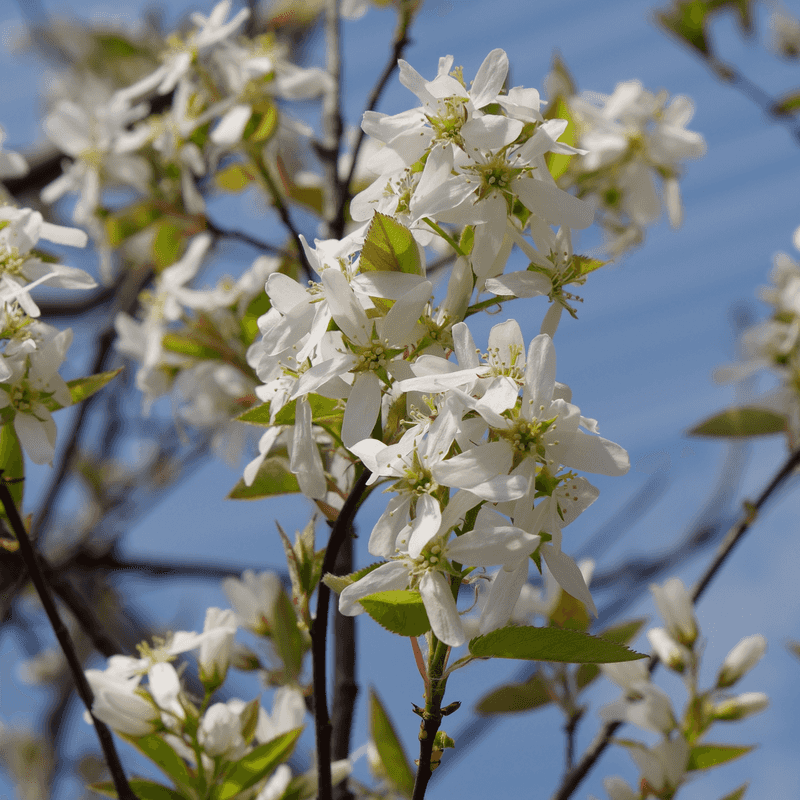
Serviceberries are a delight to behold, showcasing stunning white blossoms every spring. These blooms give way to dark berries, attracting birds and offering a wildlife-friendly habitat.
Ideal for small yards, the serviceberry provides multi-season interest. In fall, its foliage turns orange and red, adding a striking end-of-year display.
Their adaptability and modest size make them perfect for urban gardens. With minimal upkeep, they reward with beauty and ecological benefits, ensuring your garden remains lively and colorful throughout the year.
Stewartia
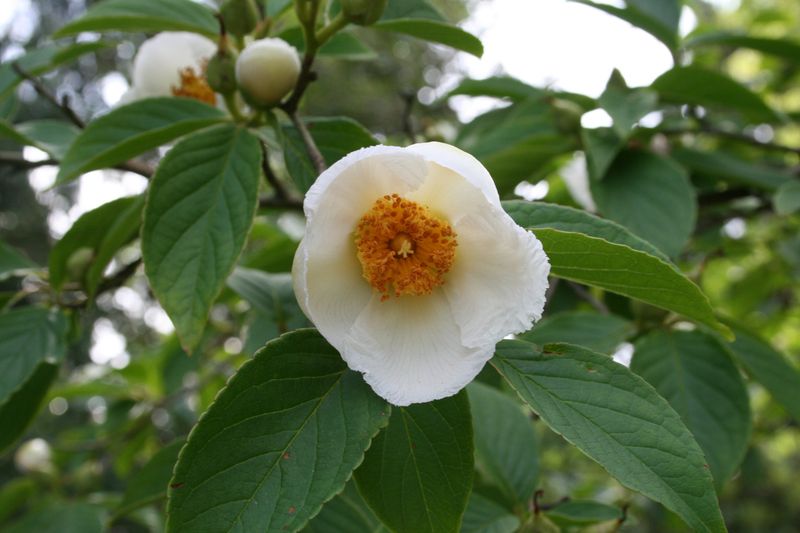
Stewartias are like hidden treasures in the garden world. Their elegant white flowers resemble camellias and bloom in midsummer, offering a mid-year surprise.
The tree’s bark peels gracefully, revealing shades of gray and orange, adding visual interest even in winter. Its modest size makes it ideal for cozy gardens.
In autumn, foliage turns warm shades of red and purple, ensuring year-round appeal. Stewartias thrive best in slightly acidic soil, rewarding with their unmatched beauty and charm across all seasons.
Seven-son Flower
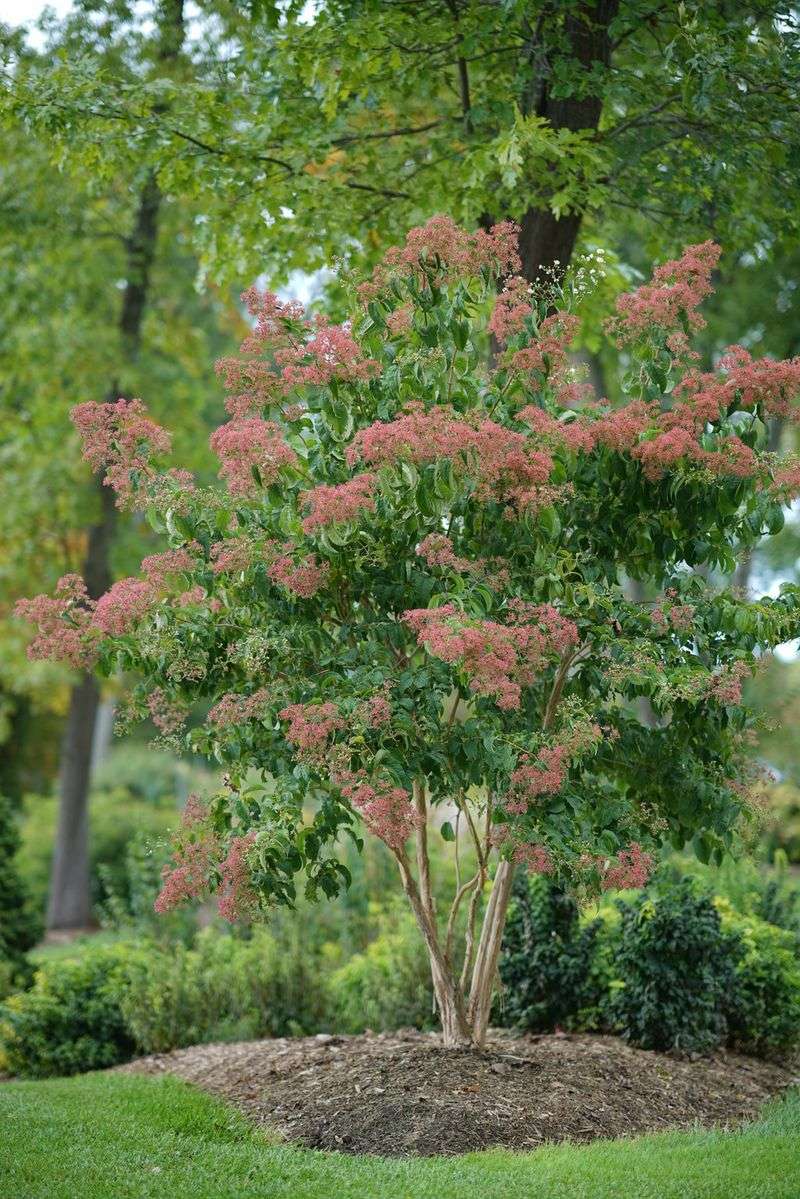
Intrigue your senses with the seven-son flower tree, known for its creamy white blooms appearing in late summer. These attract pollinators, making it an eco-friendly choice.
As the flowers fade, bright red sepals emerge, ensuring continued color into fall. Its adaptability and size suit small gardens, bringing both beauty and biodiversity.
The tree’s bark, which peels in a pattern, adds winter interest. With minimal care, it thrives in various climates, providing seasonal color and supporting local wildlife, making it a garden hero in compact spaces.