 Complete Gardening
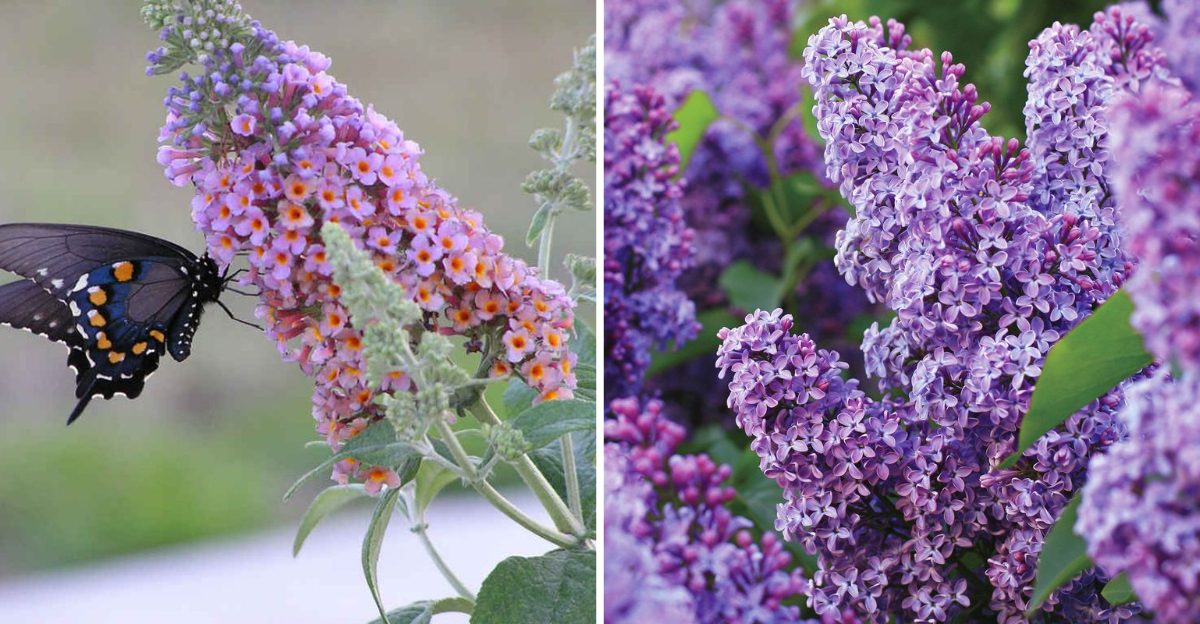
Shrubs are more than just garden fillers; they can be vibrant sources of beauty and nourishment. In this post, we explore seven exceptional shrubs that not only captivate with their blooms but also contribute to the ecosystem by feeding birds, bees, and other wildlife.
Butterfly Bush
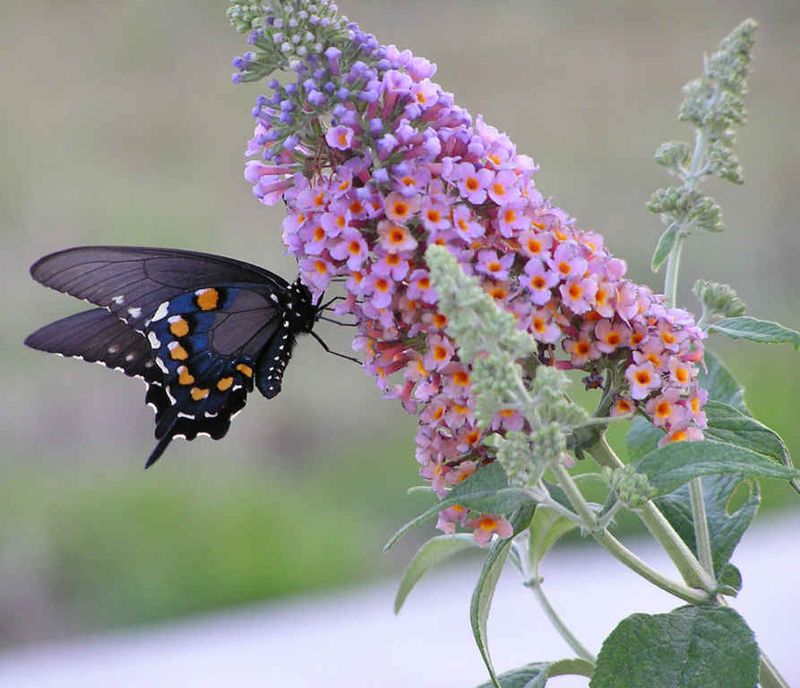
Butterfly Bush, a favorite among gardeners, draws in a kaleidoscope of butterflies. It’s a haven for pollinators, offering nectar-rich flowers. This shrub blooms profusely, transforming gardens into lively sanctuaries.
With its easy-to-grow nature, it thrives in well-drained soil and full sun. Butterfly Bushes also come in a variety of colors, adding diversity to any landscape.
Did you know? Despite its sweet fragrance, some regions consider it invasive. Yet, it remains cherished for its ability to support wildlife and add aesthetic appeal.
Elderberry
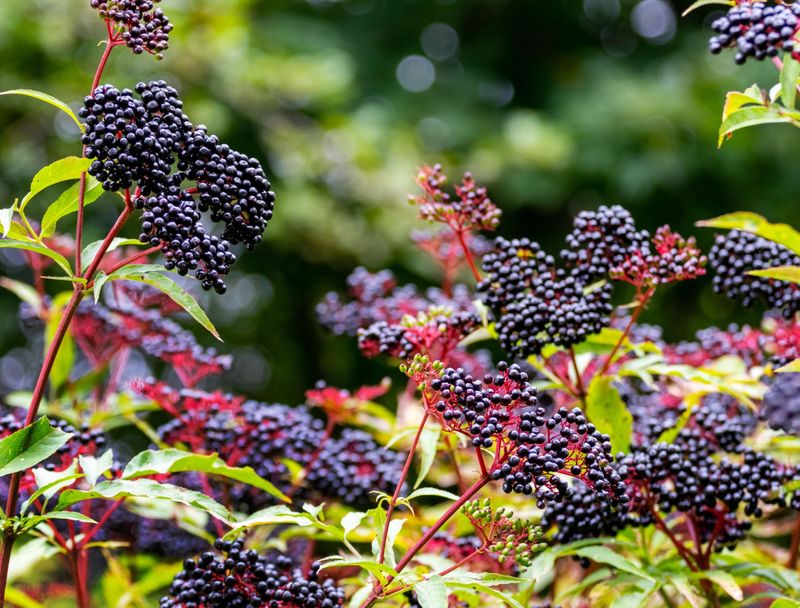
Elderberry shrubs, known for their deep purple berries, are a delight for both humans and wildlife. The berries, rich in antioxidants, attract a variety of birds.
These shrubs bloom with delicate white flowers, which are not only ornamental but also used in culinary delights. Elderberry thrives in a range of conditions, making it a versatile choice for gardeners.
A fun fact: Elderberries have been part of traditional medicine for centuries, touted for their immune-boosting properties. They truly offer more than just aesthetic value.
Rose of Sharon
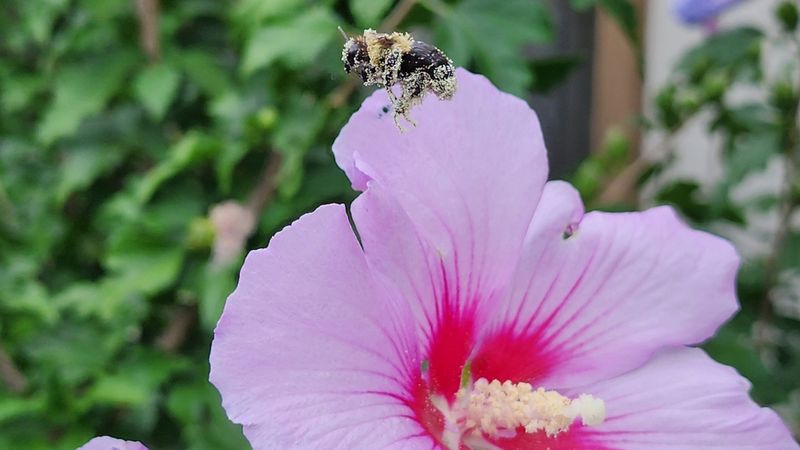
Rose of Sharon captivates with its large, hibiscus-like flowers, a favorite among bees and hummingbirds. This shrub offers a vibrant splash of color from midsummer to fall, ensuring your garden bursts with life.
Adaptable and hardy, it can withstand various climates, making it a gardener’s ally. Its prolonged blooming period ensures a continuous supply of nectar for pollinators.
Interesting tidbit: Despite its name, it’s not a rose but belongs to the hibiscus family, adding an exotic touch to gardens everywhere.
American Beautyberry
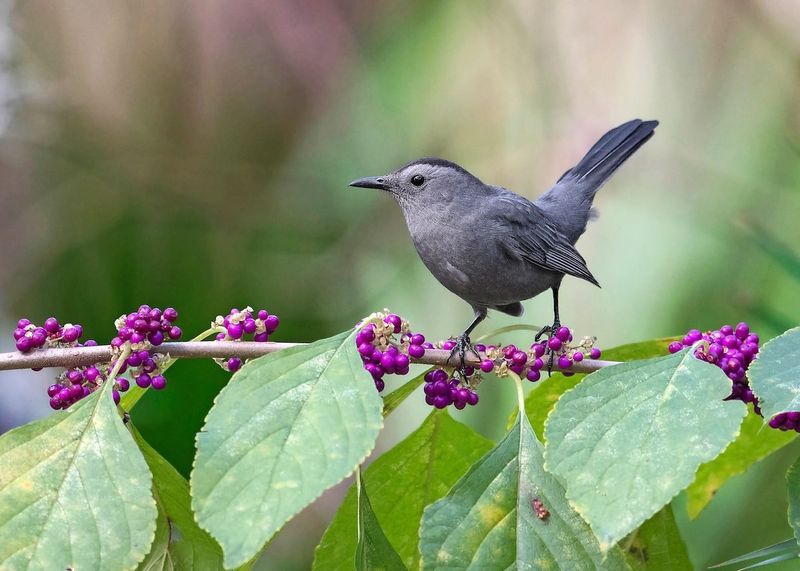
American Beautyberry, with its striking purple berries, is an eye-catcher and a bird magnet. The berries provide essential food for birds in the autumn and winter months.
This deciduous shrub features gracefully arching branches and clusters of small flowers, adding charm to any garden. It prefers moist, well-drained soil and can tolerate shade, enhancing its versatility.
Quirky fact: The beautyberry’s leaves have been used as a natural insect repellent, showcasing its practical uses beyond ornamental beauty.
Serviceberry
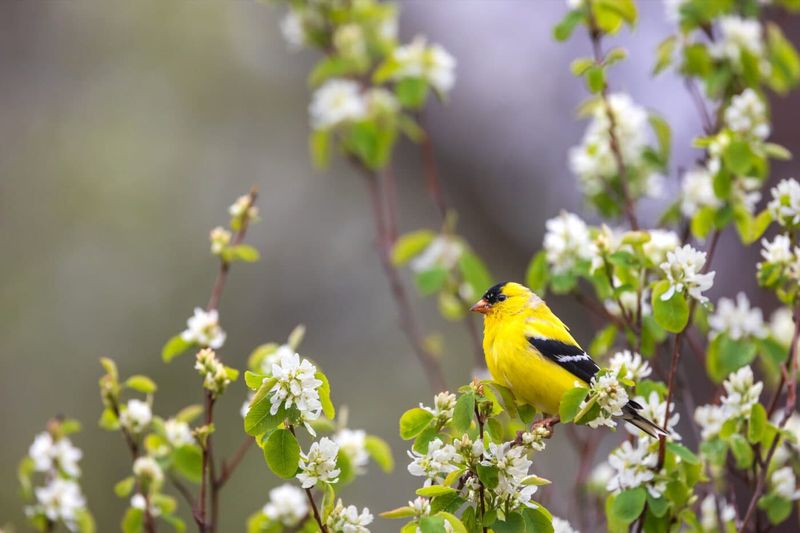
Serviceberry shrubs, with their delicate white flowers and edible fruits, offer both visual and culinary delight. Birds flock to the shrub for its juicy berries, which can also be enjoyed by humans.
These shrubs are adaptable to various soils and climates, making them a reliable choice for gardeners seeking easy maintenance. Their early spring blossoms herald the arrival of warmer days.
Historical note: Native Americans utilized serviceberries in pemmican, a traditional high-energy food, highlighting their long-standing value.
Holly
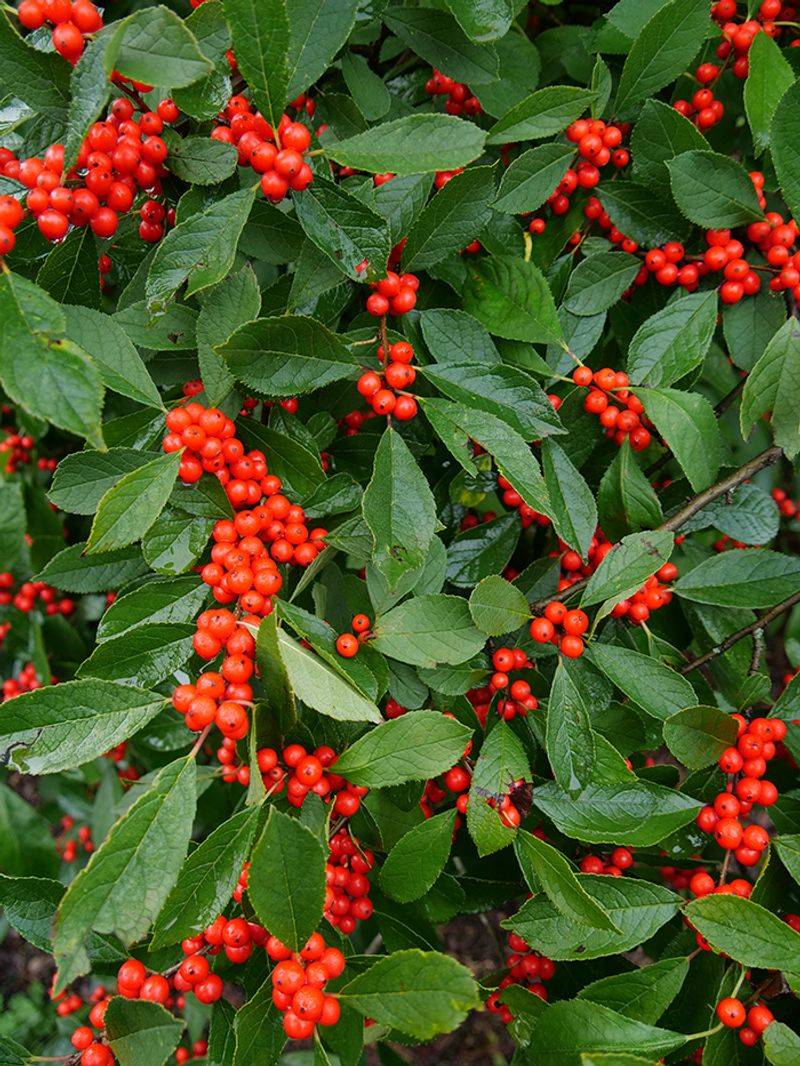
Holly shrubs are iconic, especially during winter, with their glossy green leaves and bright red berries. Birds relish these berries, especially in the colder months.
Hollies are versatile and can be shaped into hedges or left as standalone plants, offering year-round structure to gardens. They thrive in well-drained soil and partial shade.
Fun fact: Holly has been a symbol of good luck and protection for centuries, adding a touch of myth and tradition to its practical appeal.
Lilac
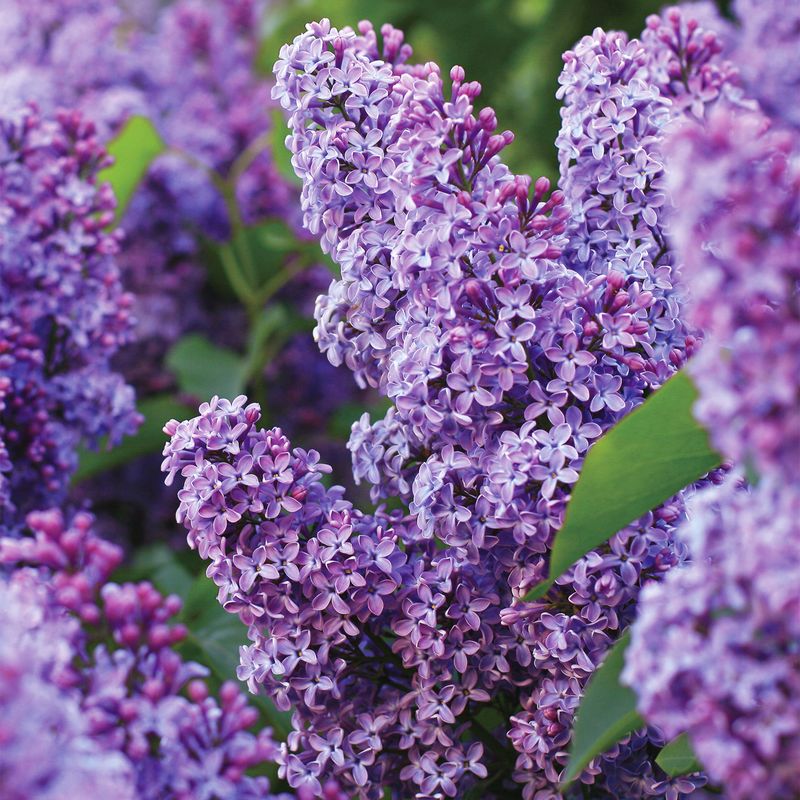
Lilacs are cherished for their intoxicating fragrance and beautiful blooms. The shrub’s flowers attract bees and butterflies, turning gardens into fragrant havens.
These shrubs prefer well-drained, alkaline soil and thrive in sunny spots, rewarding with abundant blossoms every spring. Lilacs are a perennial favorite, often associated with nostalgic garden memories.
Charming trivia: In the language of flowers, lilacs symbolize the joy of youth and renewal, making them a timeless garden addition.
Beautyberry
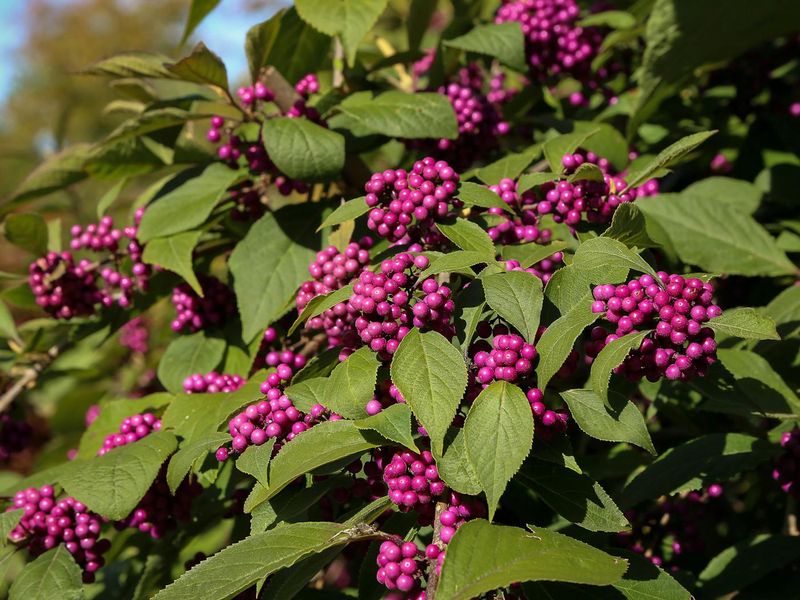
The beautyberry shrub is renowned for its vibrant purple berries that adorn the branches like nature’s jewels. These berries are a favorite among birds, providing a reliable food source in the colder months.
The lush green foliage adds to its appeal, making it a beautiful addition to any garden. Its ability to thrive in different soil types and climates makes it versatile.
In traditional medicine, beautyberry has been used for its anti-inflammatory properties. Historically, its bark and leaves were used in folk remedies, adding a touch of history to its charm.
Ninebark
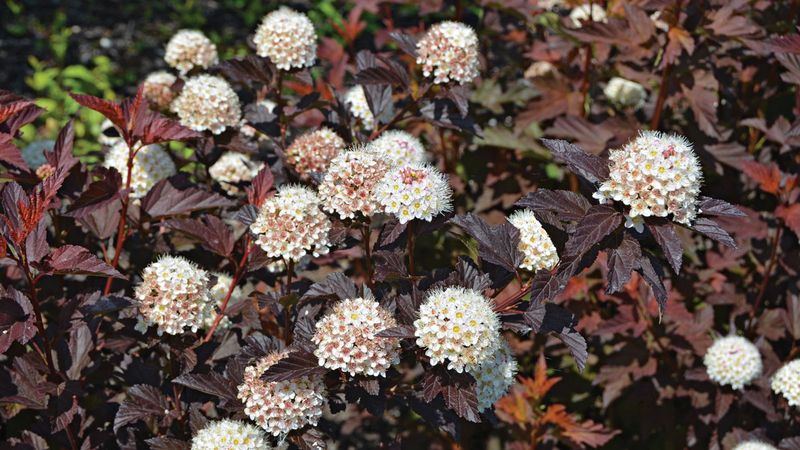
Ninebark stands out with its unique peeling bark, revealing layers of warm brown beneath. In spring, clusters of white flowers bloom, attracting a myriad of pollinators.
Its adaptability to different environments makes it a resilient choice for gardens. The striking foliage turns a deep red in autumn, adding seasonal interest.
Did you know? Ninebark’s bark was traditionally used by indigenous peoples for crafting tools and weapons. Its historical significance adds depth to its aesthetic value.
Winterberry
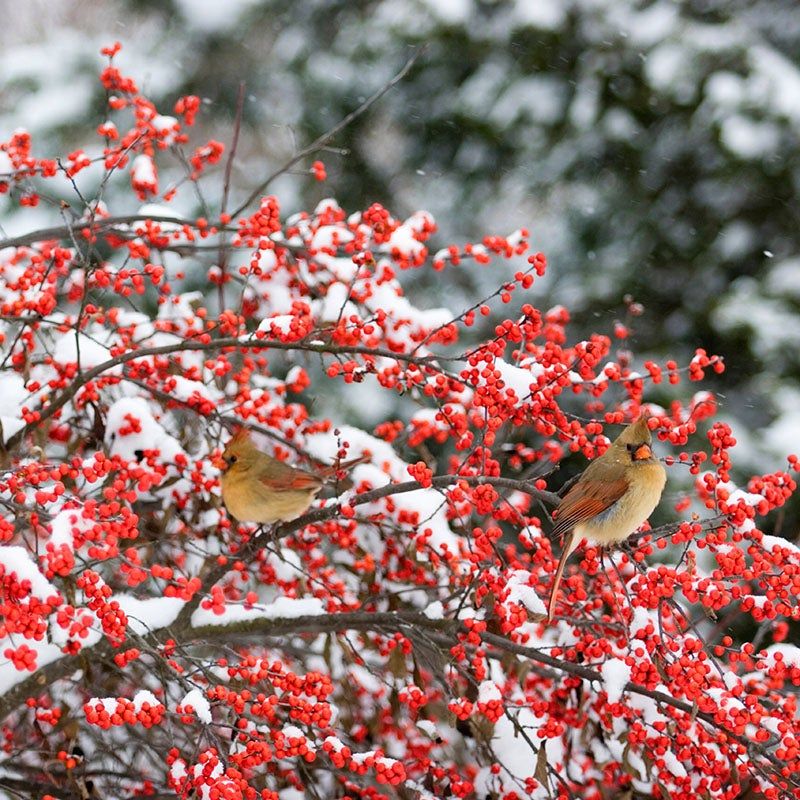
Winterberry is a deciduous holly known for its bright red berries that stand out against the winter snow. These berries are a vital food source for birds during the colder months.
In spring, small, inconspicuous flowers bloom, providing nectar for pollinators. Its ability to thrive in wetlands makes it a great choice for rain gardens.
Historically, winterberry was used by Native Americans for medicinal purposes, adding an element of cultural heritage to its allure.
Flowering Quince
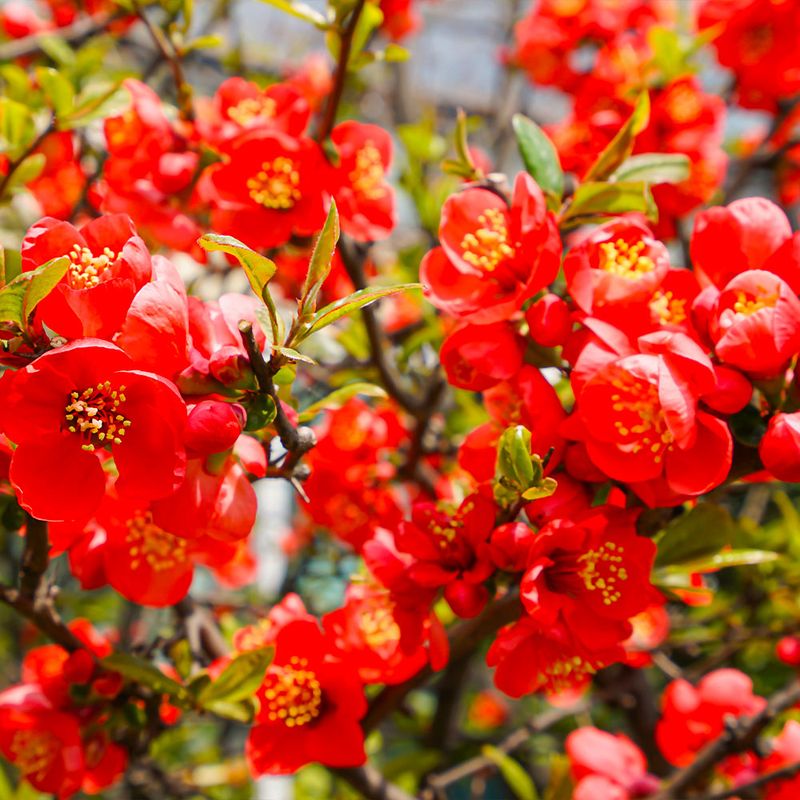
Flowering quince dazzles with its vivid red blooms that appear in early spring, often before the leaves emerge. These flowers are a nectar source for early pollinators like bees.
Its thorny branches make it an excellent choice for hedging. The fruit, while tart, can be used for making jams and jellies.
In Japanese culture, flowering quince is a symbol of love and prosperity. This cultural significance enhances its beauty.
Viburnum
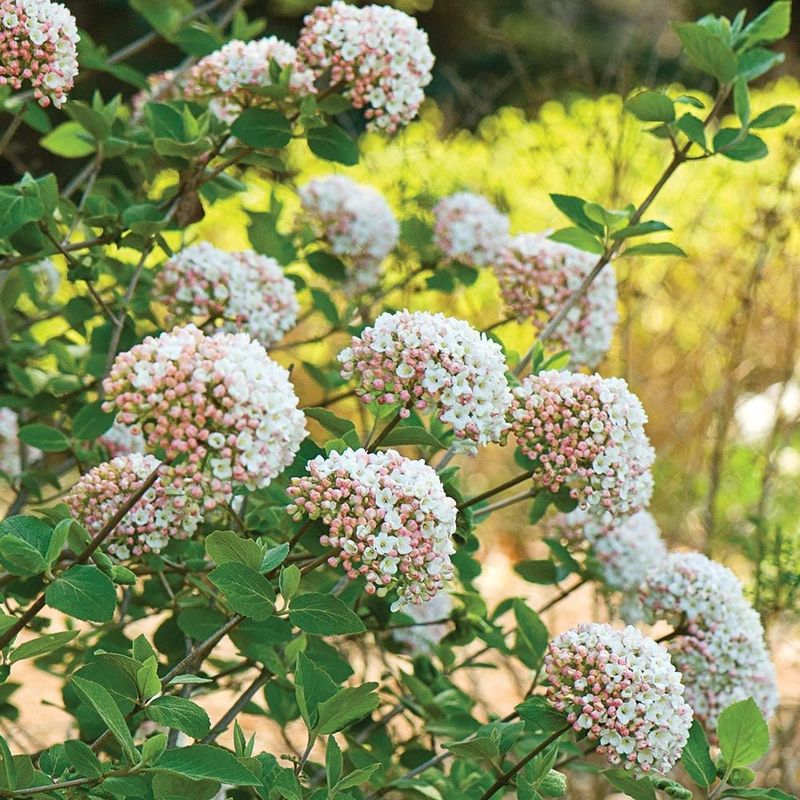
Viburnum is celebrated for its clusters of fragrant white flowers that bloom in spring, followed by red berries that attract birds.
The glossy green leaves turn a stunning red in autumn, offering seasonal beauty. Its versatility makes it suitable for hedges, screens, or focal points in gardens.
Fun fact: Viburnum has been used in traditional medicine for its antispasmodic properties, adding an interesting layer to its ornamental value.
Spicebush
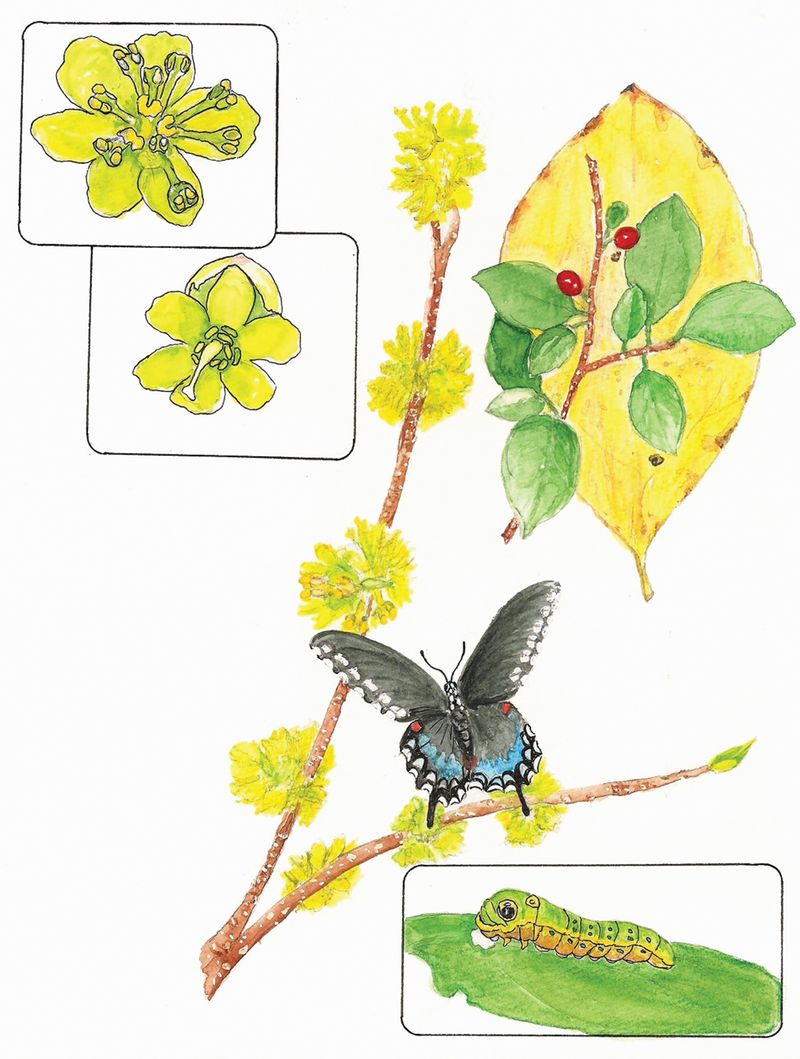
Spicebush is a native shrub known for its aromatic leaves and bright yellow flowers that bloom in early spring. These blossoms attract spicebush swallowtail butterflies.
Its berries are a food source for birds and can be used as a spice in cooking. The fall foliage turns a brilliant yellow, adding a splash of color to any setting.
Historically, spicebush has been used by Native Americans for medicinal purposes and as an herbal tea, enriching its utilitarian appeal.
Currant
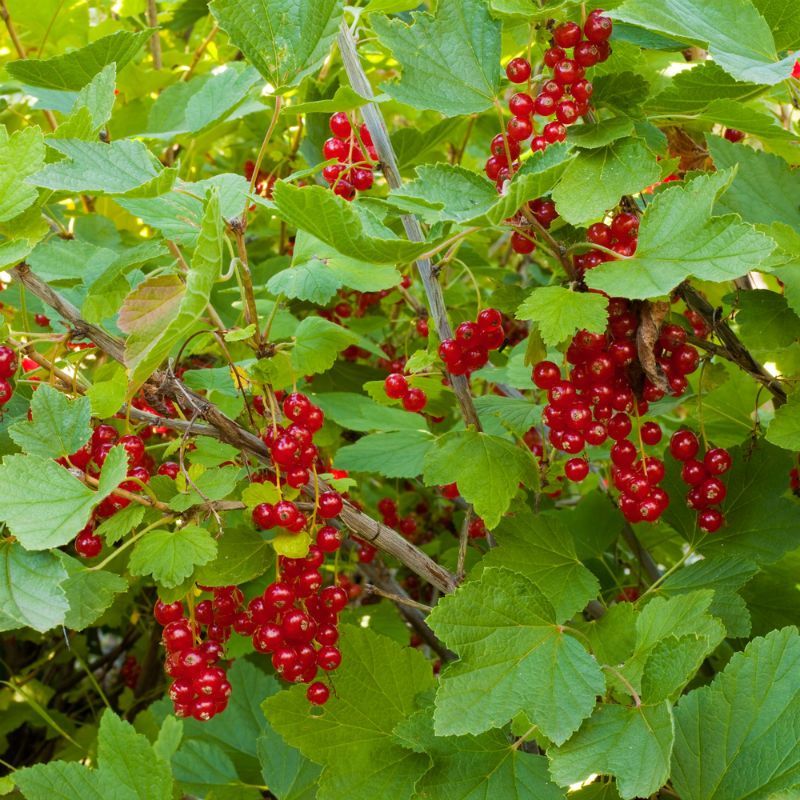
Currant bushes are small but mighty, producing clusters of juicy red berries loved by both wildlife and humans. These berries are perfect for making jams and desserts.
In spring, delicate flowers appear, attracting pollinators and adding to the garden’s diversity. Its compact size makes it suitable for small spaces.
Did you know? Currants were once banned in the U.S. due to their role in spreading a disease affecting pine trees. Now, they are celebrated garden additions.
Dogwood
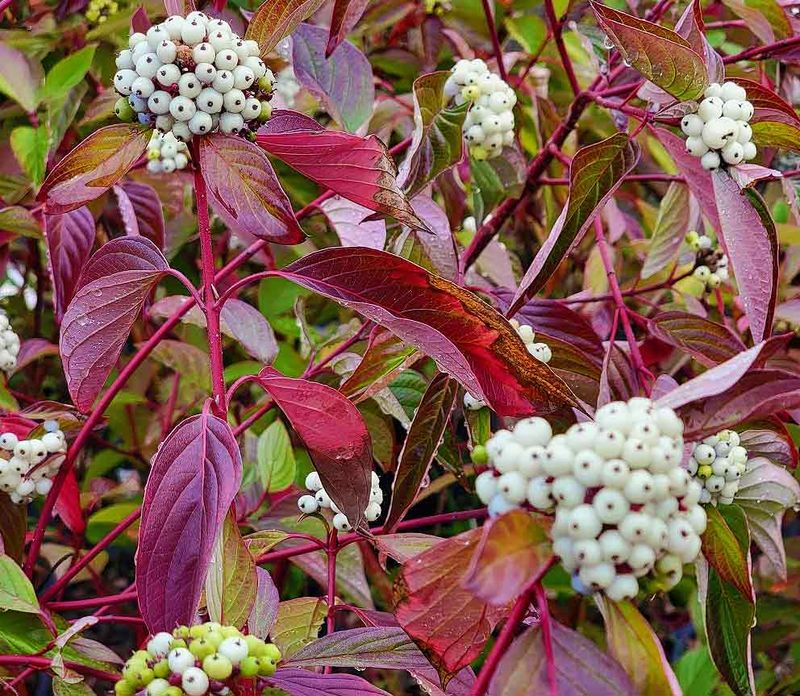
Dogwood shrubs are beloved for their showy white blossoms in spring and vibrant red stems in winter. These features make them attractive year-round.
Birds appreciate the berries that follow the flowers, providing nourishment in late summer. Its adaptability to various soil types ensures it thrives in different locations.
In folklore, dogwood was believed to have magical properties. Its strong wood was used for tool-making, adding historical richness to its beauty.
Chokeberry
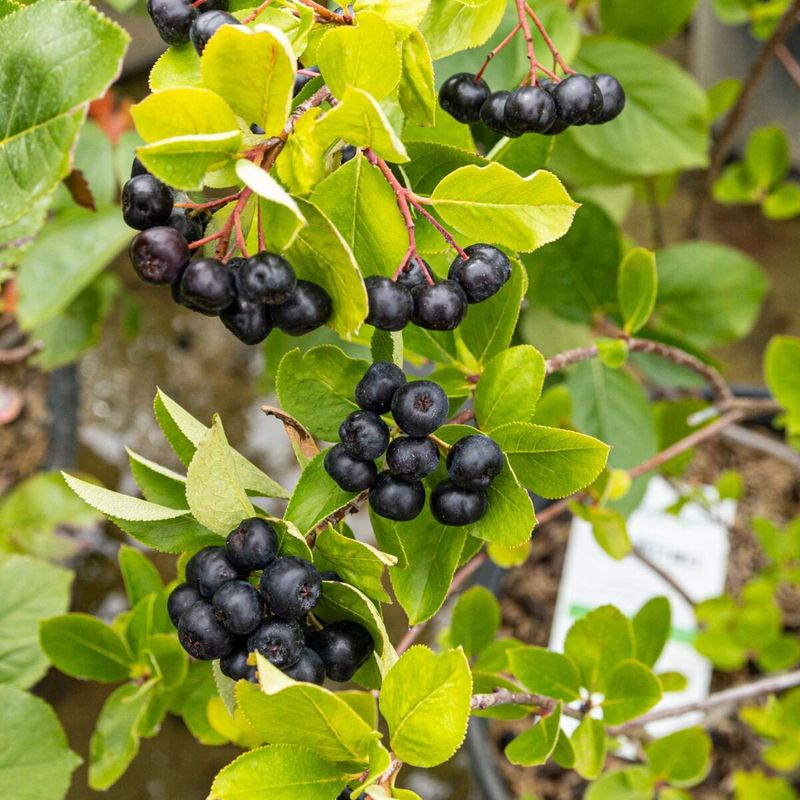
Chokeberry, with its clusters of glossy black berries, is a magnet for wildlife. These berries are an excellent food source for birds and can be made into healthy juices for humans.
In spring, white flowers adorn the shrub, attracting pollinators. Its tolerance for wet conditions makes it ideal for rain gardens.
Fun fact: Chokeberries are rich in antioxidants, earning them the nickname “super berry.” This nutritional appeal adds another dimension to their charm.
Mock Orange
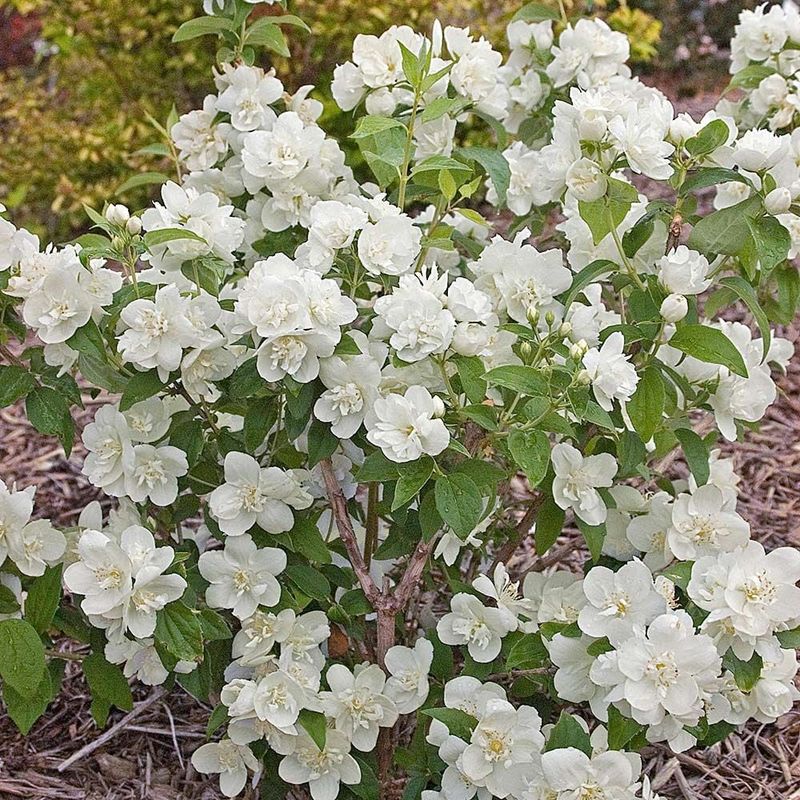
Mock orange enchants with its fragrant white blooms that resemble orange blossoms. These flowers fill the air with a citrus scent, attracting pollinators.
Its arching branches add elegance to any garden setting. The shrub is hardy and adapts well to different environments, making it a reliable choice for gardeners.
Historically, mock orange was used in perfumery, and its wood was crafted into tools. This utilitarian background enhances its ornamental appeal.
Sumac
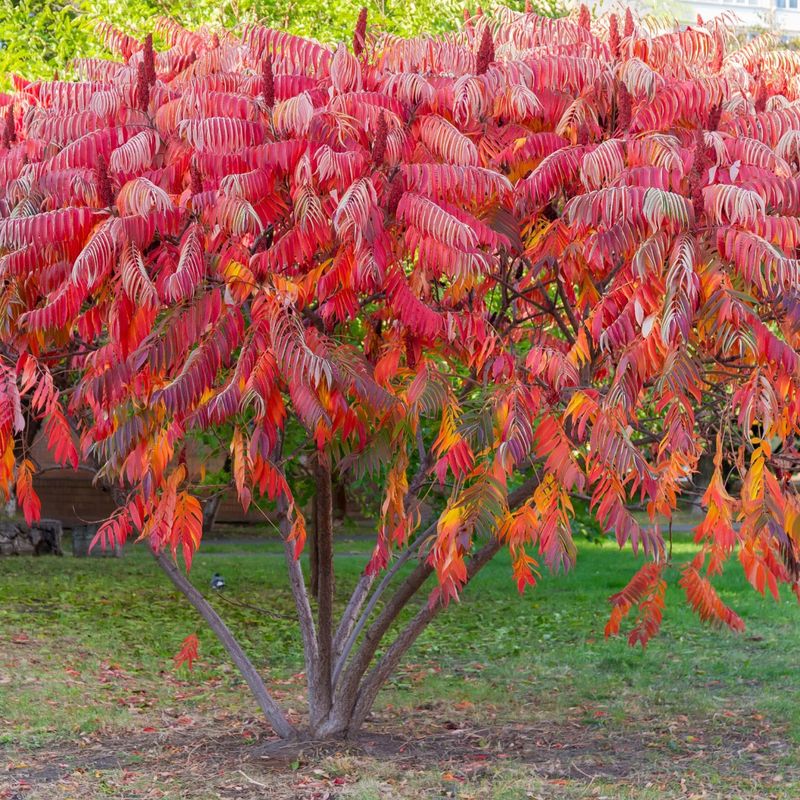
Sumac is famous for its fiery red foliage in the fall, transforming landscapes into vibrant tapestries. The cone-shaped clusters of red berries are a food source for wildlife.
Its drought tolerance makes it valuable for xeriscaping. The berries can be used to make a tangy spice or refreshing drink.
Did you know? Sumac was used by Native Americans to dye fabrics and in traditional medicine. This cultural heritage enriches its ornamental value.
Coralberry
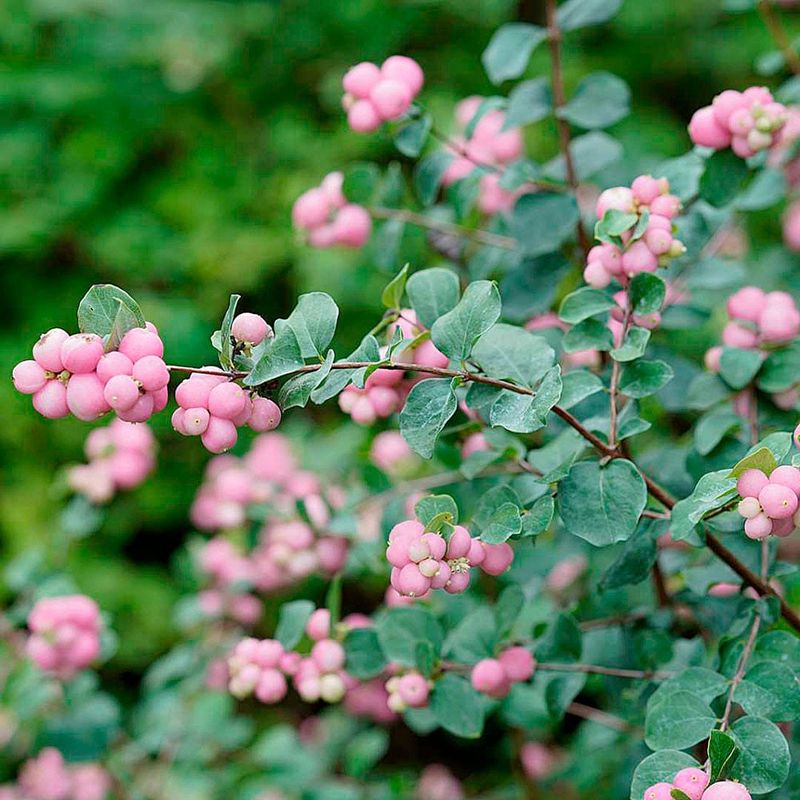
Coralberry is a charming shrub with clusters of pink berries that persist into winter, providing food for birds when other sources are scarce.
Its arching branches and dense growth habit make it an excellent choice for ground cover or hedging. The leaves turn a lovely yellow in autumn, adding seasonal color.
In folklore, coralberry was believed to protect against evil spirits. Its historical significance adds a mystical element to its visual appeal.