
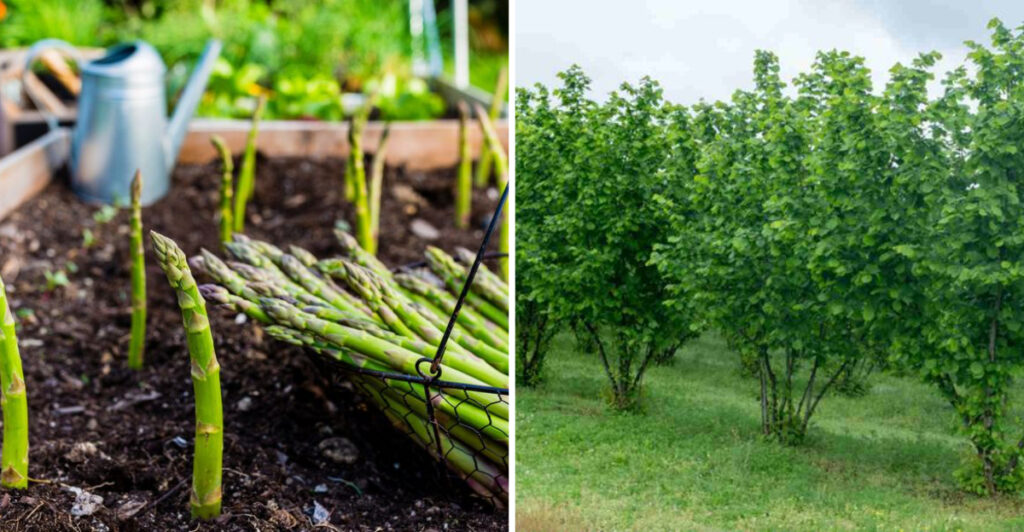
Creating a backyard food forest transforms any green space into a lush ecosystem of edible plants. This guide showcases ten foundational elements, ensuring beginners cultivate thriving gardens. Whether you dream of harvesting fresh fruits or nurturing pollinators, each component weaves into nature’s tapestry, offering sustainability and abundance.
Apple Trees
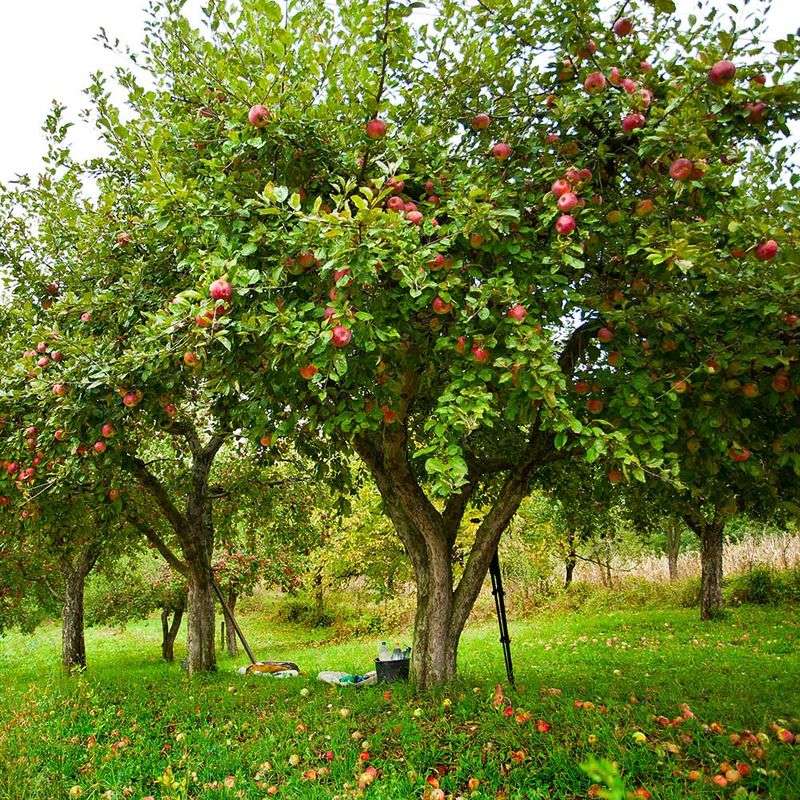
Begin your food forest journey with the classic choice of apple trees. These trees not only provide delicious fruit but also serve as a centerpiece in any garden layout. Did you know that apple trees have been cultivated for thousands of years? Their deep roots symbolize strength and longevity, making them a staple in many cultures around the world.
Plant them in a sunny spot and enjoy the changing colors of the leaves throughout the seasons. The sweet aroma of apple blossoms is an added bonus, attracting bees and other pollinators to your garden.
Comfrey
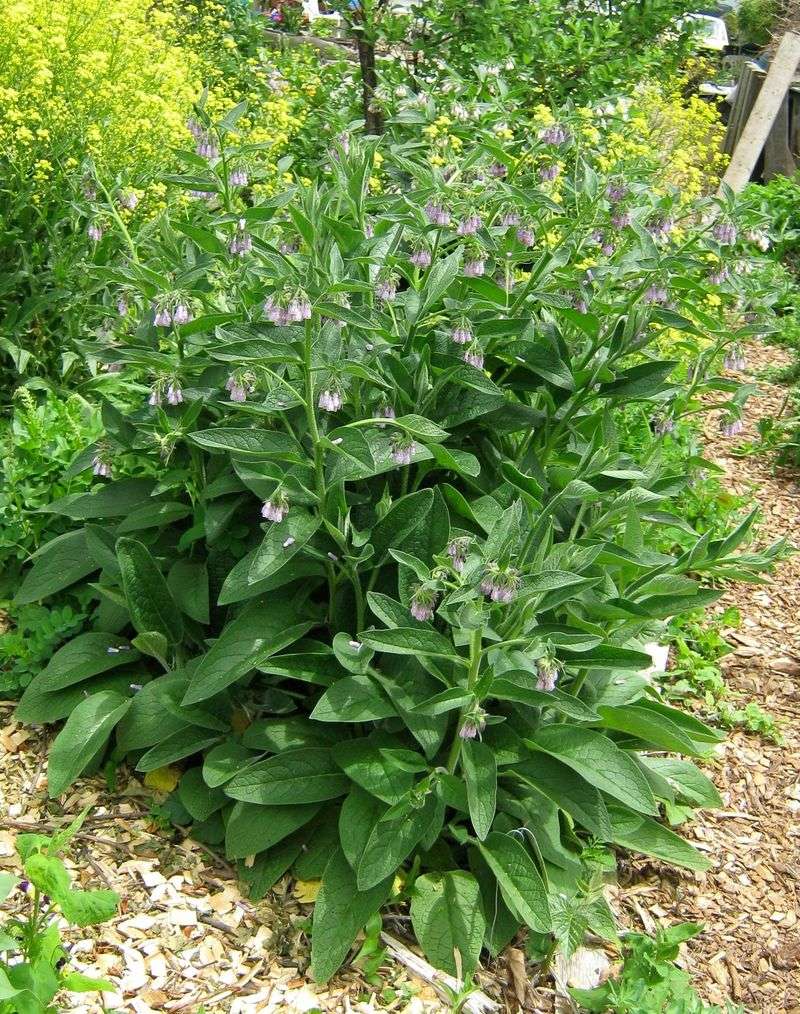
Comfrey, with its large, vibrant leaves, plays a pivotal role in backyard food forests. Known for its deep taproots, it draws nutrients from the soil, enriching the garden. A fascinating fact is its ability to produce a natural fertilizer called “comfrey tea.”
This makes it invaluable for nurturing other plants. Its purple flowers not only add beauty but attract beneficial insects, enhancing biodiversity. Consider planting comfrey along pathways or under trees where it can thrive.
Its resilience and utility make it an essential companion in any sustainable gardening endeavor.
Hazelnut Shrubs
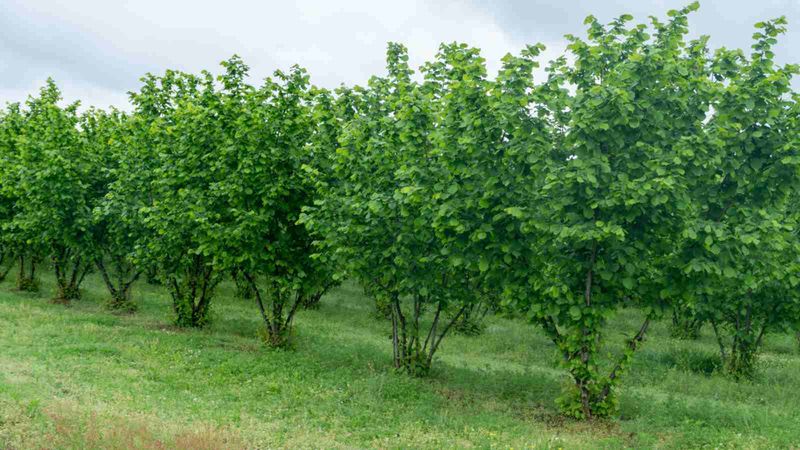
Hazelnut shrubs are a delightful addition to any food forest, boasting both beauty and bounty. Their attractive foliage provides a lush backdrop, while the nuts offer a delicious and nutritious harvest. These shrubs have a rich history, dating back to ancient times when they were revered for their health benefits.
They thrive in a range of conditions and require minimal maintenance, making them perfect for beginners. Plant them in a sunny or partially shaded spot and watch them flourish. The charming catkins in spring are sure to captivate any gardener’s heart.
Perennial Kale
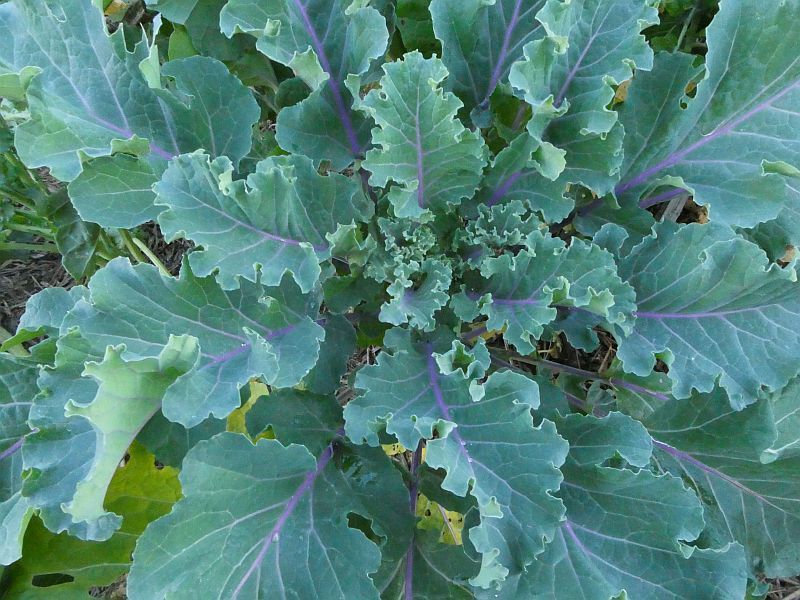
For a continuous supply of leafy greens, perennial kale is a stellar choice. Unlike its annual counterpart, this variety keeps giving year after year. Its robust nature and rich, earthy flavor offer culinary versatility, from salads to stir-fries.
Perennial kale is not just about sustenance; it embodies resilience. With minimal care, it withstands various climates, becoming a steadfast ally in your garden endeavors. Its leaves are a vibrant green, inviting you to harvest repeatedly.
Plant it amidst other crops for a balanced ecosystem and enjoy nature’s bounty.
Blueberry Bushes
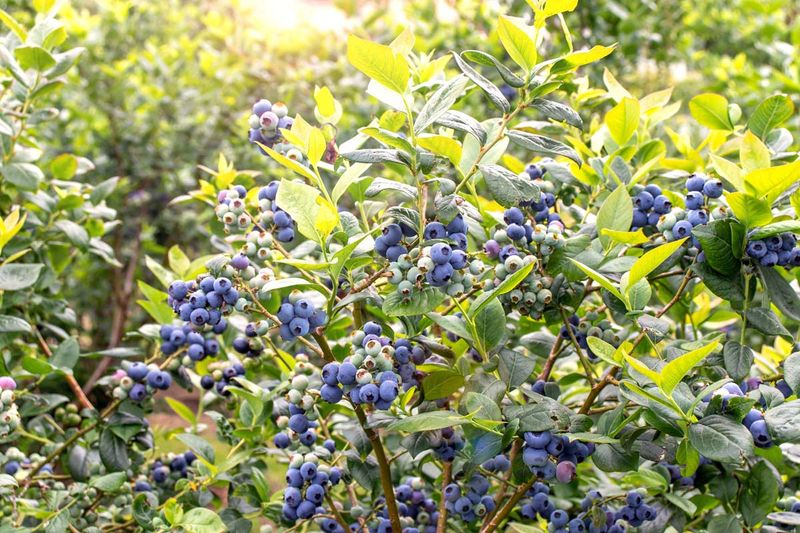
Blueberry bushes add a splash of color to your food forest. Their sweet, juicy berries are a summer highlight, perfect for snacking or baking. Beyond their culinary appeal, these bushes contribute to the ecological balance, attracting pollinators like bees and butterflies.
A fun fact: blueberries are native to North America and have been cherished for centuries. They thrive in acidic soil and prefer sunny spots.
With proper care, these bushes can produce bountiful harvests for many years, making them a beloved choice for gardeners seeking both beauty and productivity.
Elderberry Plants
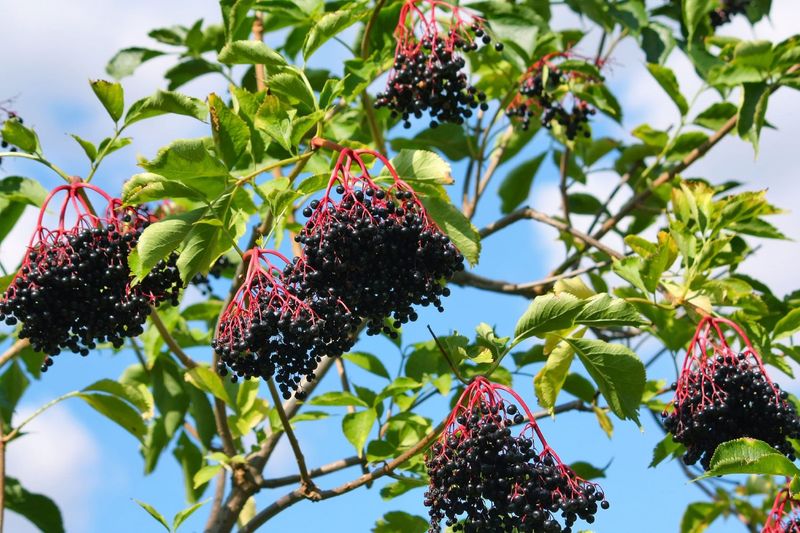
Elderberry plants are a treasure in a food forest, known for their beautiful blooms and bountiful berries. These plants hold a special place in folklore, often associated with health and protection. Their berries are not only nutritious but also versatile in culinary uses, from syrups to wines.
They grow well in moist, fertile soil and can tolerate partial shade. The elderberry’s delicate flowers attract beneficial insects, enhancing the garden’s ecosystem. Plant them along the edges or as part of a hedgerow to create a living tapestry.
Elderberries are cherished for their vibrant presence and utility.
Raspberry Canes
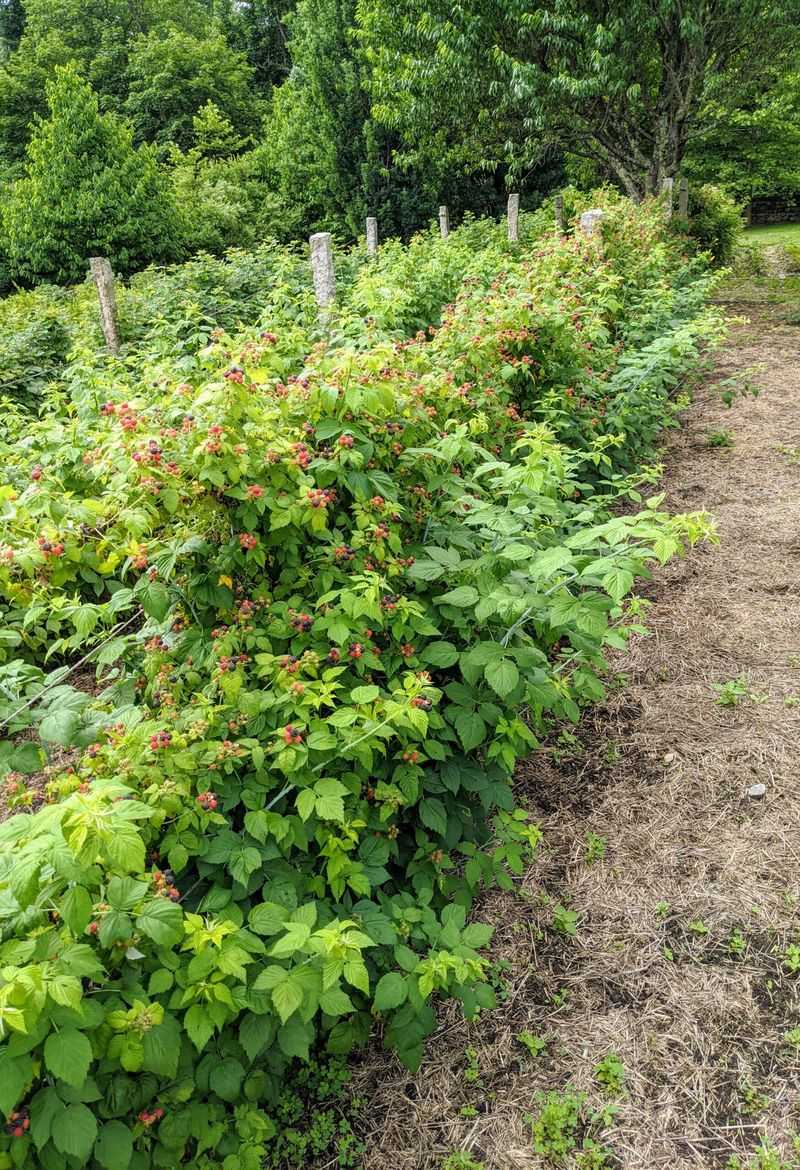
Raspberry canes are a gardener’s delight, offering sweet, juicy berries that burst with flavor. These canes grow vigorously, reaching impressive heights and yielding abundant fruit. Originating from Eurasia, raspberries have been cultivated for their taste and health benefits.
Plant them in a sunny spot with well-drained soil for best results. Their thorny canes can be trained along trellises or fences, adding vertical interest to your garden. In addition to fruit, the canes provide habitats for small birds and insects.
Their vibrant character and rich harvest make raspberries a garden favorite.
Asparagus
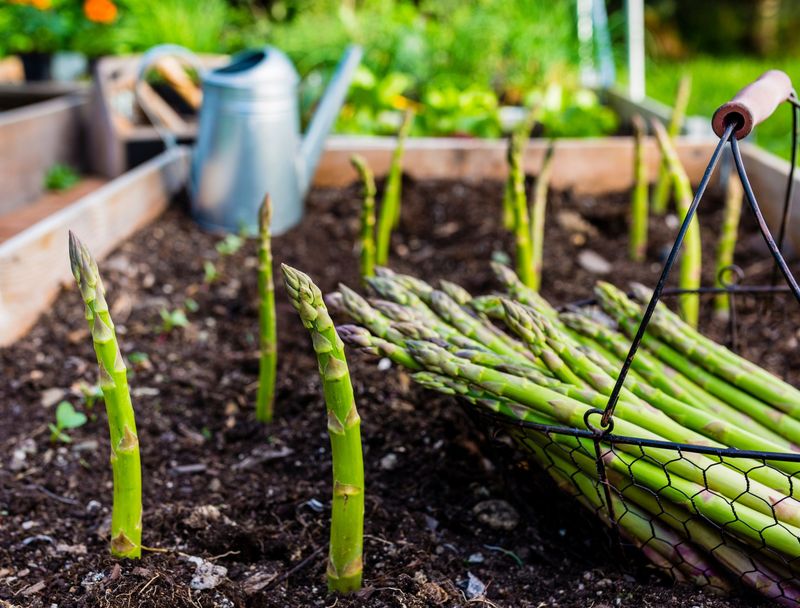
Asparagus is a perennial vegetable that promises rich rewards for the patient gardener. Known for its tender spears and unique flavor, it has been cultivated for millennia, delighting palates through history.
This plant thrives in sunny, well-drained areas and can produce for up to 20 years once established. Its fern-like foliage adds visual interest to the garden, while providing habitats for beneficial insects.
Asparagus is a testament to the virtues of patience and long-term commitment in gardening, offering a bountiful harvest season after season.
Strawberry Groundcover
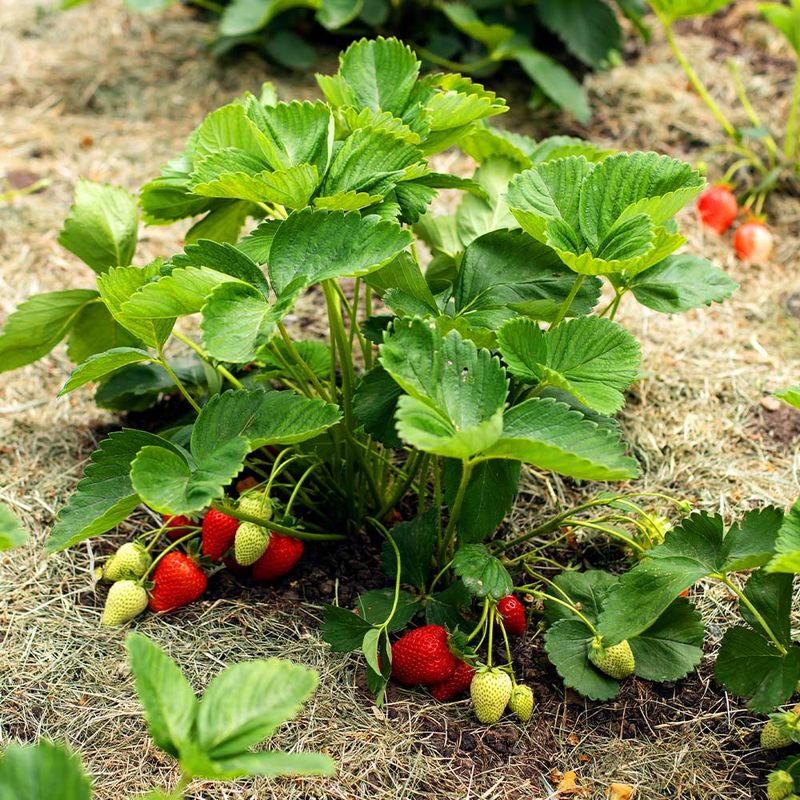
Strawberry plants serve as a delightful groundcover, blanketing the garden with their lush leaves and juicy berries. Their versatility makes them a favorite among gardeners, providing sweet treats and vibrant ground cover in one package.
These plants thrive in sunny locations and are ideal for filling gaps between larger plants. Strawberries have a rich cultural heritage, often symbolizing love and abundance.
Their runners quickly spread, creating a dense mat that suppresses weeds. This characteristic makes them a practical and aesthetic choice for any food forest.
Herb Spiral

An herb spiral is an artistic and functional feature, offering a variety of herbs in a compact space. This design maximizes vertical space and creates microclimates suitable for different herbs. Constructed from rocks or bricks, it adds a charming focal point to any garden.
The spiral’s structure allows for easy access to herbs like thyme, rosemary, and basil. Each layer provides varying conditions, catering to diverse plants.
Herb spirals celebrate creativity and practicality, embodying the principles of permaculture. This innovative design enriches the gardening experience and culinary adventures.
Pawpaw Trees
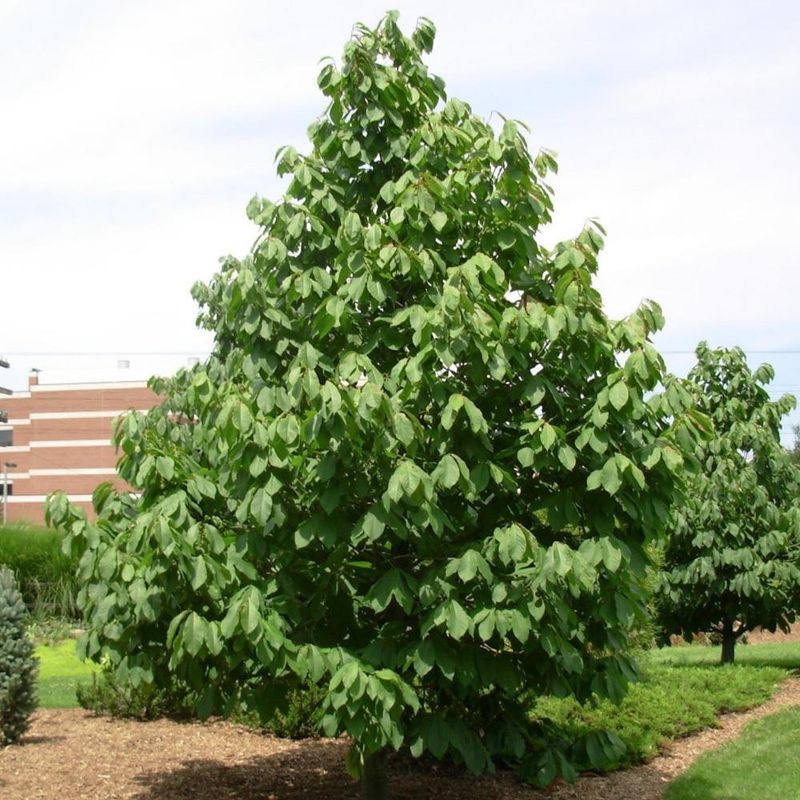
Pawpaw trees, native to North America, are a hidden gem in the world of fruit-bearing plants. Their large, tropical-looking leaves and sweet, custard-like fruit make them a unique addition to any backyard.
With a flavor reminiscent of banana and mango, pawpaws are not only delightful but also nutritious. They thrive in well-drained soil and can reach up to 25 feet in height, offering ample shade.
Plant them in a sunny spot with protection from harsh winds, and enjoy the sight of their striking, maroon blossoms come springtime.
Sea Buckthorn
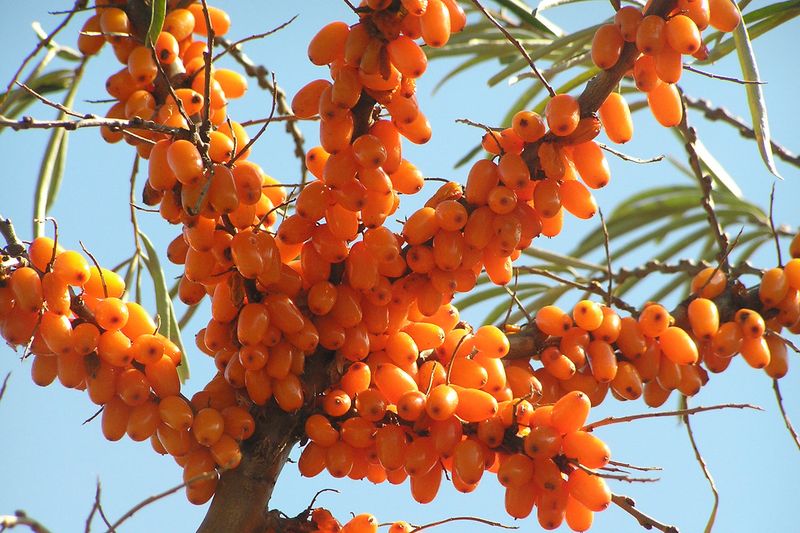
Sea buckthorn is a hardy shrub that produces vivid orange berries packed with vitamin C and antioxidants. These resilient plants can tolerate poor soil and salty conditions, making them a versatile choice.
With their silvery leaves and thorny branches, they add visual interest to any garden. The berries are tart and can be used in juices, jams, or eaten fresh.
Plant sea buckthorn in full sun to ensure a bountiful harvest of these superfruits. It’s also a great nitrogen fixer, improving soil quality for neighboring plants.
Goji Berries
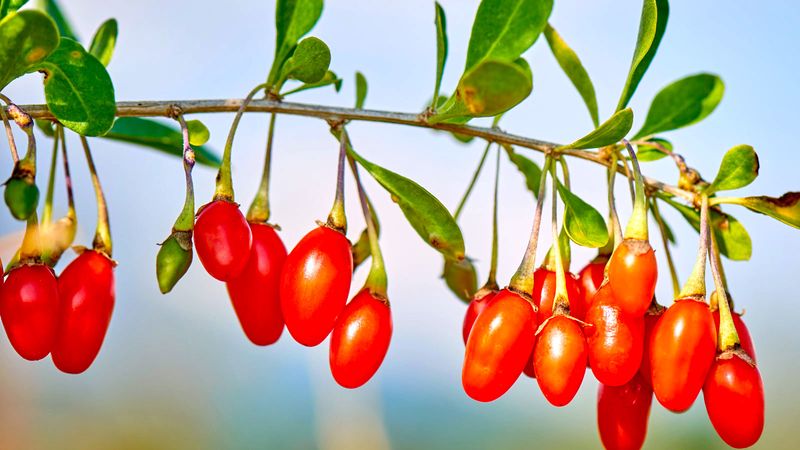
Goji berries, often hailed as a superfood, can be a vibrant addition to your backyard food forest. These hardy plants are easy to grow and produce an abundance of small, red berries that are rich in vitamins and minerals.
The berries have a sweet, slightly tart flavor and are perfect for snacking or adding to smoothies. Plant them in well-drained soil with plenty of sun.
Known for their resilience, goji berries can tolerate drought and are resistant to most pests, making them a low-maintenance choice.
Fiddlehead Ferns
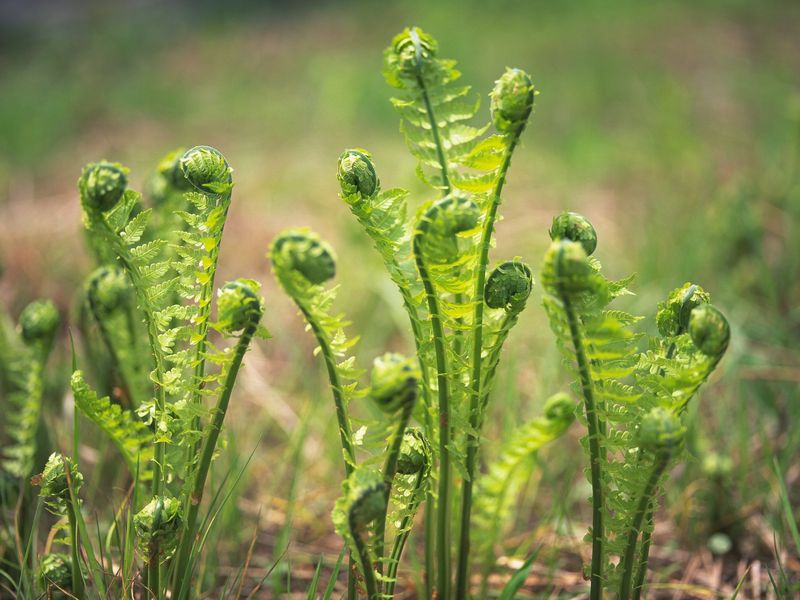
Fiddlehead ferns are a gourmet delight, offering a taste reminiscent of asparagus. These unique plants emerge in early spring, their coiled fronds unfurling into elegant greenery.
Preferring shaded, moist environments, they are perfect for those tricky areas of the garden where other plants may not thrive. Harvest the young fronds before they fully open for the best flavor.
As a perennial, fiddlehead ferns will return year after year, providing both beauty and sustenance to your food forest.
Jostaberry
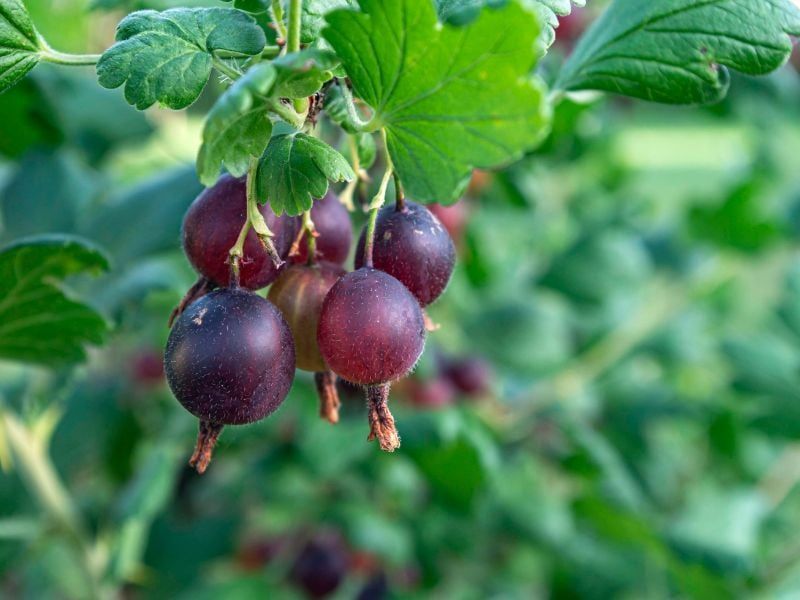
The jostaberry is a hybrid fruit, combining the best traits of blackcurrants and gooseberries. Its bushy growth and thornless branches make it an ideal plant for any food forest.
The berries are sweet and tangy, perfect for fresh eating or making into jams and jellies. Plant jostaberries in rich, well-drained soil with partial to full sun.
These resilient bushes are disease-resistant and can adapt to various climates, ensuring a plentiful harvest with minimal care.
Mushroom Logs
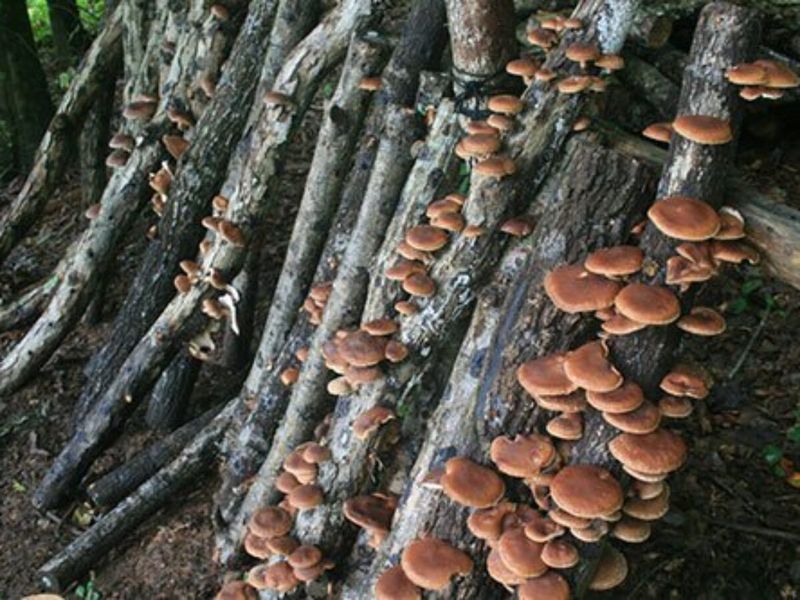
Mushroom logs offer an unconventional yet rewarding way to diversify your food forest. By inoculating logs with mushroom spores, you can enjoy a variety of gourmet mushrooms.
Choose hardwood logs such as oak or maple, and keep them in a shaded, moist area. Over time, the logs will produce mushrooms like shiitake or oyster, adding a unique flavor to your meals.
This method requires patience but yields an abundant harvest, enriching your garden’s biodiversity and culinary potential.
Nanking Cherry
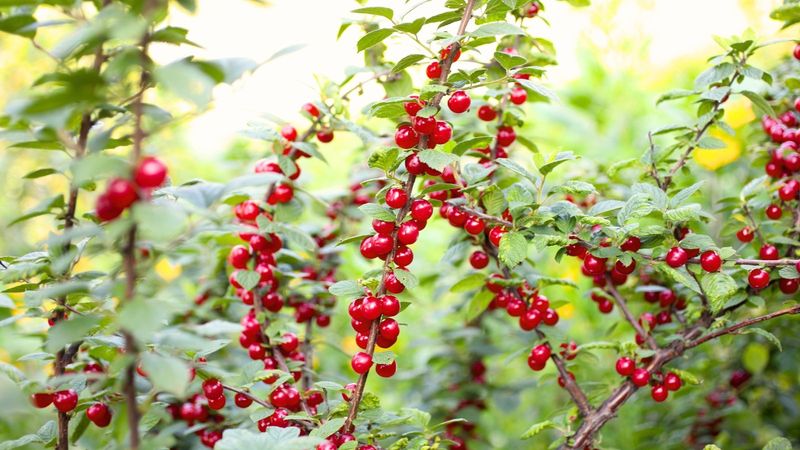
Nanking cherries are a charming addition to any food forest, known for their early spring blossoms and clusters of tart, red cherries.
These hardy shrubs grow quickly and can tolerate a range of soil conditions, making them perfect for beginners. The cherries are ideal for fresh eating, preserves, or even as wildlife feed.
Plant them in full sun to maximize fruit production. Their showy blossoms also attract pollinators, enhancing the ecological harmony of your garden.