
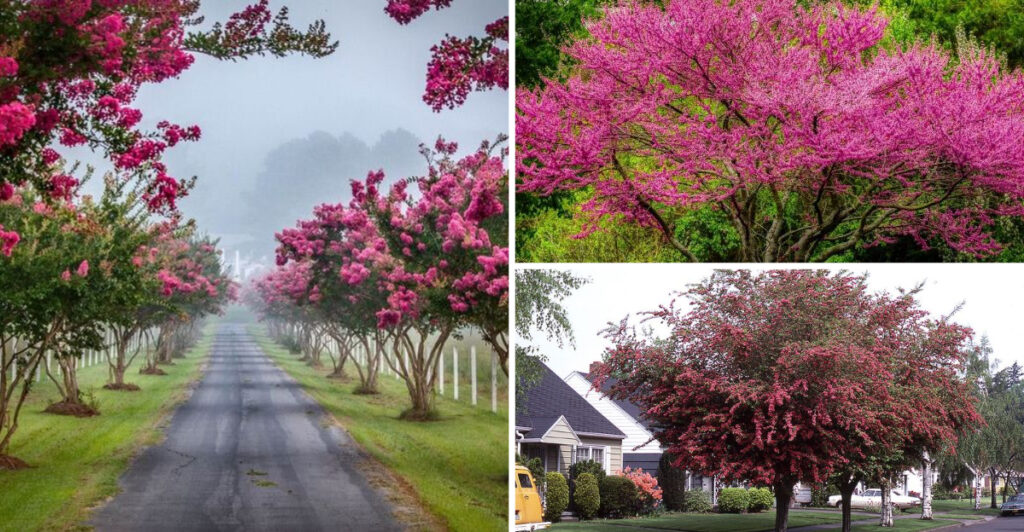
Selecting the right trees for your driveway can protect your pavement while adding beauty to your landscape. Opt for species that have non-invasive root systems, ensuring your driveway remains intact. Here are five tree varieties that are perfect for planting near driveways.
Japanese Maple
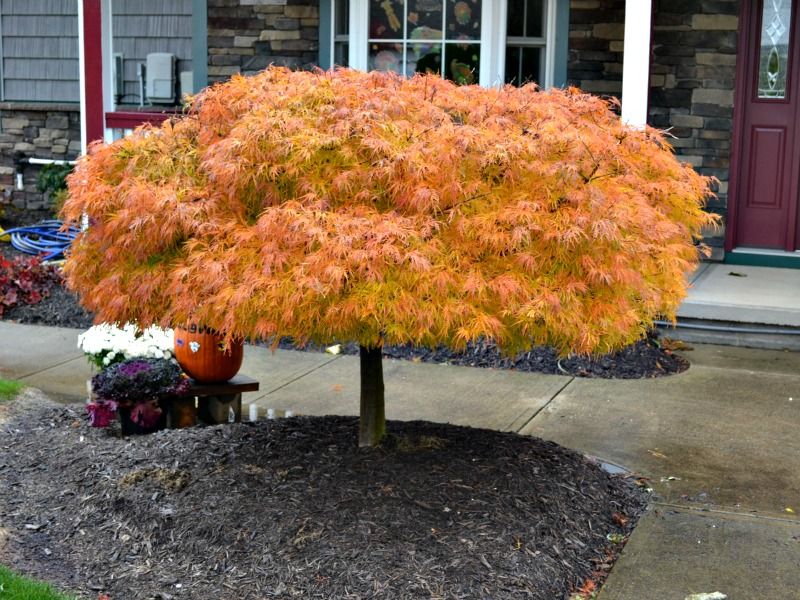
With its delicate foliage and graceful form, the Japanese Maple captivates any observer. This tree is perfect for driveways, thanks to its non-invasive roots.
The leaves turn fiery shades of red and orange in the fall, offering a seasonal spectacle. Despite its striking appearance, the tree maintains a manageable size, fitting well in smaller spaces.
Known for its slow growth, the Japanese Maple requires minimal maintenance, making it a favorite among busy homeowners. Its roots won’t disrupt pavement, allowing harmony between nature and your driveway.
Dogwood
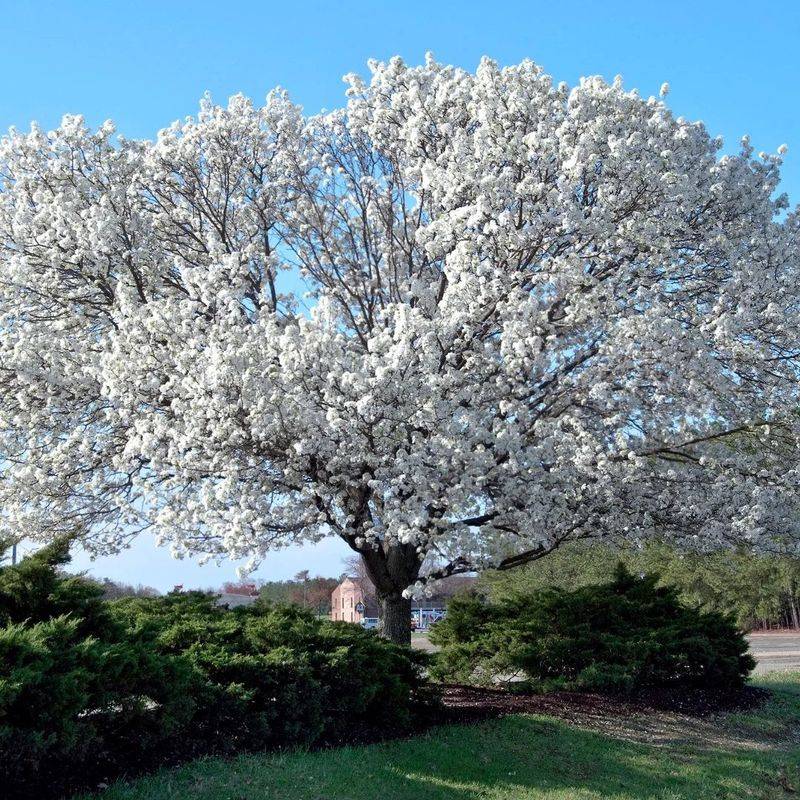
The Dogwood tree, with its springtime blossoms, is a charming addition to any driveway. Its roots spread out evenly, causing little disruption to the surrounding pavement.
In spring, it bursts into a profusion of white or pink flowers, adding a touch of elegance. As summer arrives, the blossoms give way to lush green foliage, providing a refreshing shade.
This tree’s moderate size and non-intrusive nature make it ideal for areas close to concrete surfaces, allowing you to enjoy its beauty without worrying about damage.
Crepe Myrtle
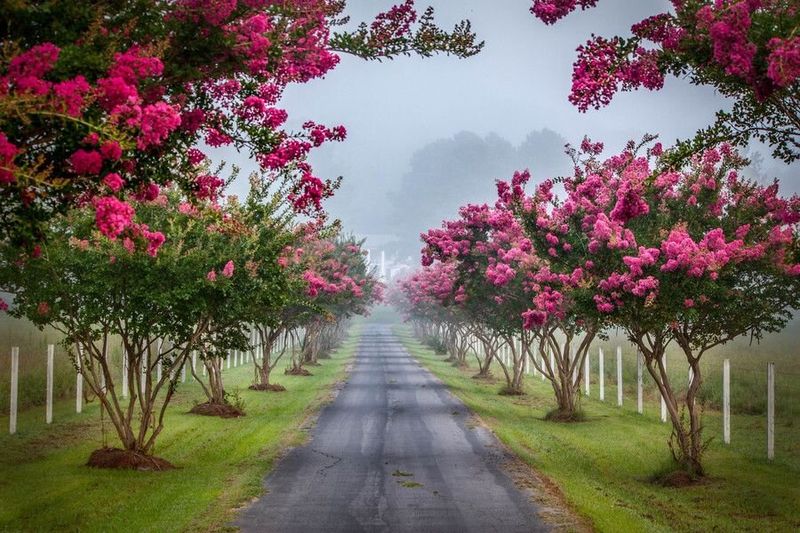
The Crepe Myrtle dances in the summer sun with its vivid blooms, a sight that demands attention. Its roots are non-aggressive, preserving the integrity of nearby driveways.
Known for its long flowering season, this tree provides color from mid-summer to fall. The bark is equally attractive, peeling back to reveal a smooth surface.
Its compact size and robust nature make it a practical choice for those looking to add ornamental value without compromising the driveway structure. An easy choice for any landscape.
Eastern Redbud
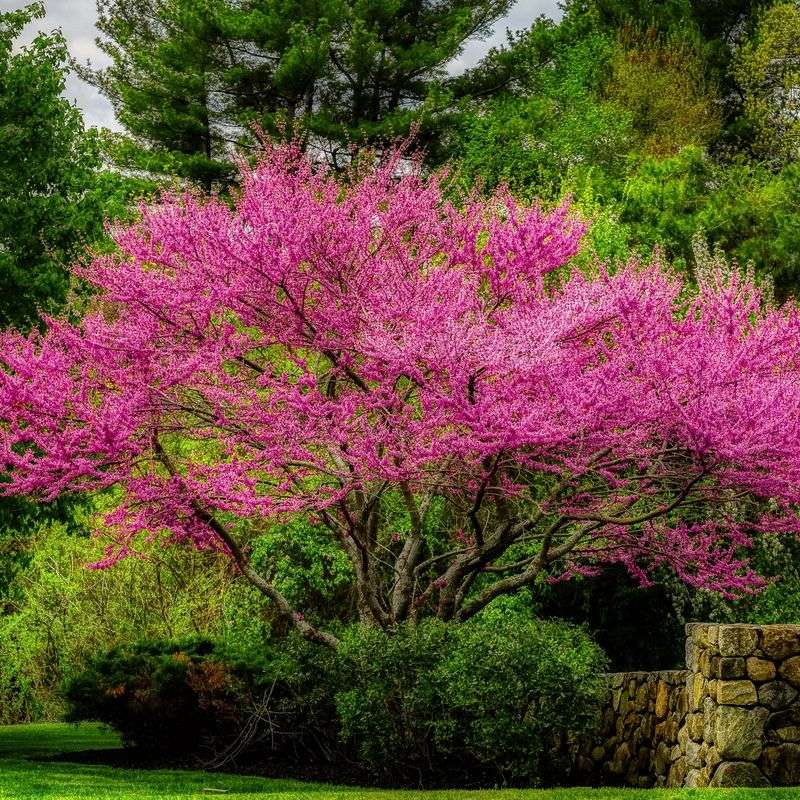
The Eastern Redbud, with its heart-shaped leaves and vibrant magenta flowers, is an eye-catching feature for driveways. Its roots grow in a non-aggressive manner, ensuring your pavement remains unscathed.
In early spring, this tree is covered in clusters of flowers that attract pollinators. As the season progresses, the leaves emerge, providing gentle shade.
This tree’s adaptability and charming appearance make it a popular choice for homeowners wanting to blend functionality with beauty. Its moderate growth rate ensures it remains manageable.
Serviceberry
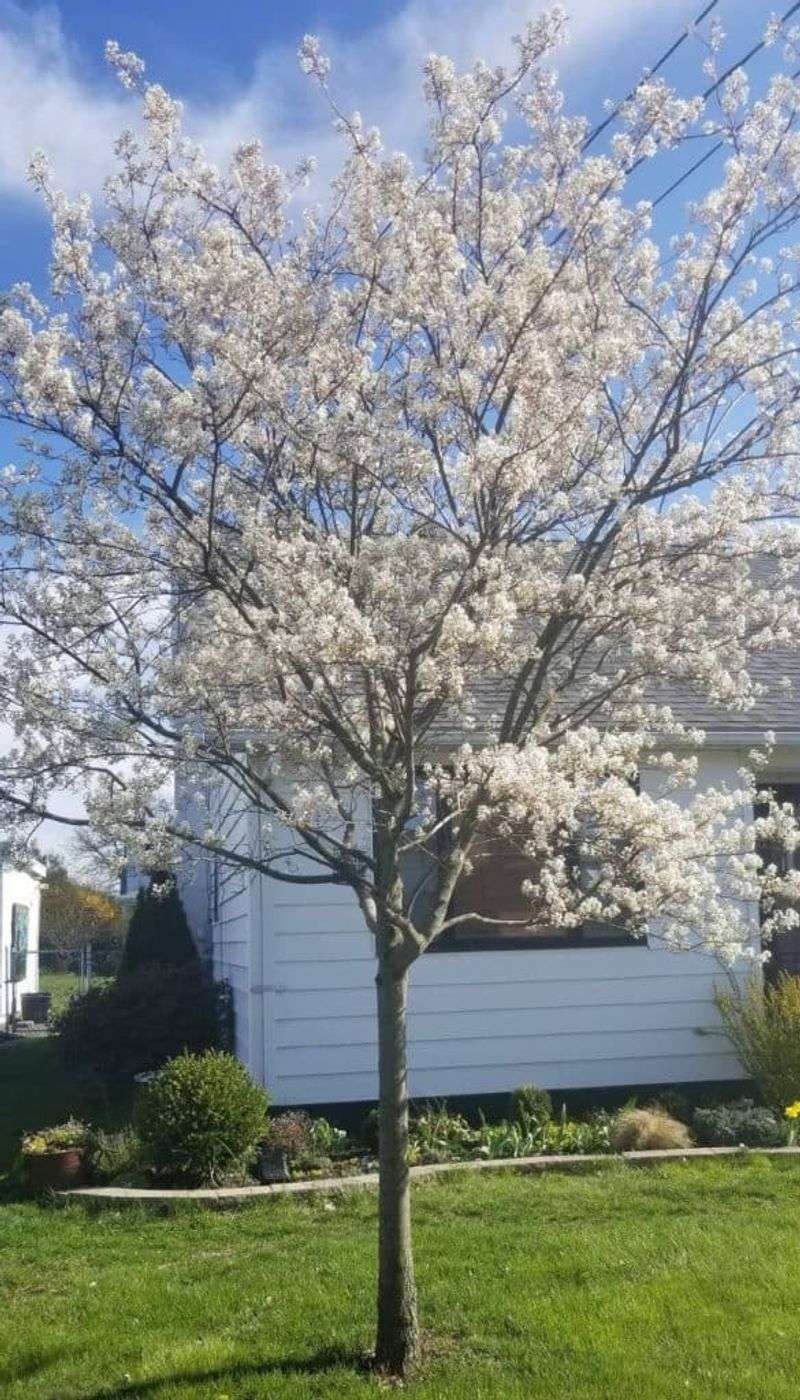
The Serviceberry offers delight in every season, making it a cherished option for driveways. With non-invasive roots, it keeps the pavement intact while adding aesthetic appeal.
In spring, the tree is adorned with white flowers, followed by small, edible berries in summer. Come fall, the leaves transform into shades of gold and orange.
This tree’s year-round interest and unintrusive root system make it ideal for enhancing your driveway’s landscape. A true symbol of seasonal change and resilience.
Amur Maple
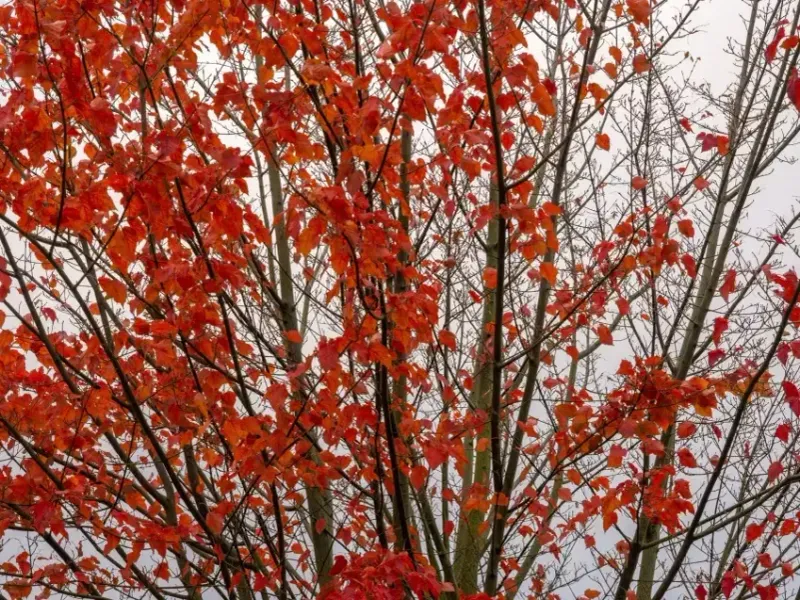
The Amur Maple, known for its fiery autumn display, is a compact tree that’s perfect for small spaces. This tree grows up to 20 feet tall, making it ideal for lining driveways without causing damage. Its shallow root system means it’s unlikely to disturb concrete surfaces.
This maple is not only beautiful but also adaptable to various soil types and climates. With its vibrant foliage and manageable size, it adds a splash of color to any landscape. Its resilience and decorative appeal make it a favorite among homeowners looking for driveway-safe options.
Hawthorn
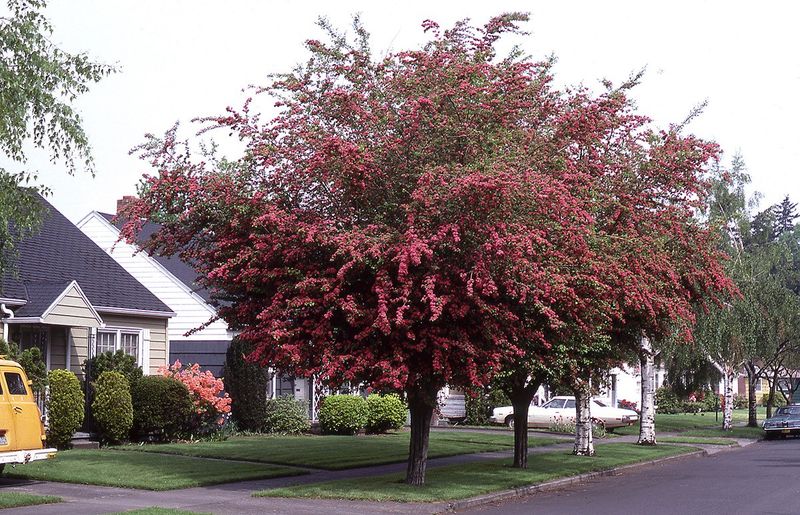
Hawthorns are small, ornamental trees that bloom with stunning white flowers in spring. Their modest height and non-invasive roots make them suitable for planting near driveways. These trees also produce red berries, attracting wildlife and adding interest to your garden.
Hawthorns are hardy and can thrive in urban environments, withstanding poor soils and pollution. Their thorny branches also offer a natural deterrent to unwanted visitors. With their seasonal beauty and practical benefits, Hawthorns are an excellent choice for homeowners seeking a driveway-friendly tree.
Fringe Tree
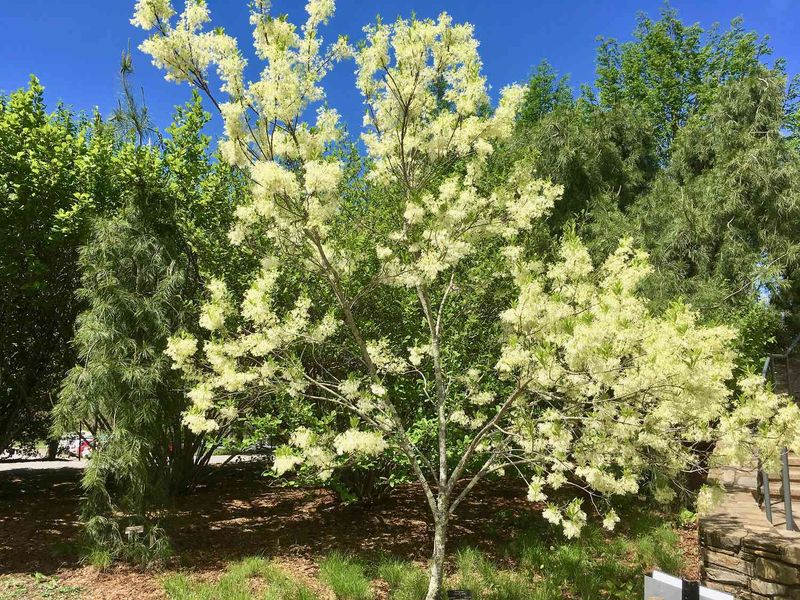
The Fringe Tree is celebrated for its delicate, feathery white flowers that bloom in late spring. This small to medium-sized tree has a non-aggressive root system, making it ideal for planting near driveways. It grows up to 20 feet tall, providing a lovely canopy without threatening pavement integrity.
Its adaptability to various soil conditions and its stunning floral display make the Fringe Tree a popular ornamental choice. As the seasons change, its leaves turn a rich yellow, offering year-round visual appeal. It’s a charming addition to any driveway landscaping.
Crabapple
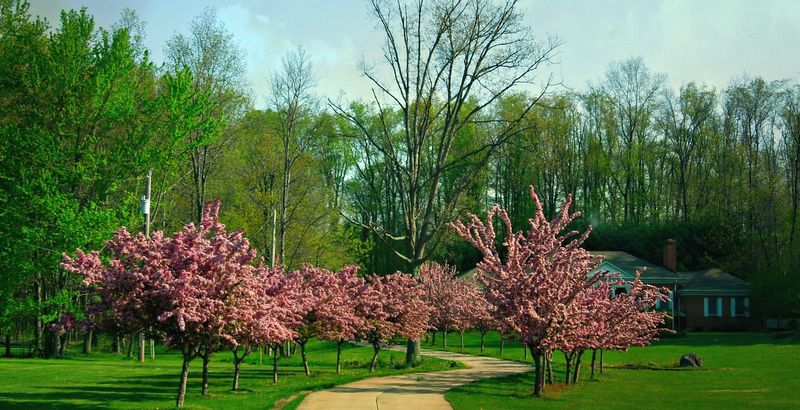
Crabapple trees are known for their vibrant spring blossoms and compact size. With a maximum height of 15 to 25 feet, they fit comfortably near driveways without overbearing presence or root issues. Their root systems are typically non-invasive, reducing the risk of driveway damage.
Beyond their aesthetic appeal, Crabapple trees also produce small, colorful fruits that attract birds. With varieties that offer disease resistance and a variety of blossom colors, Crabapples are versatile and practical for any landscape. They bring seasonal beauty and ecological benefits to your property.
Kousa Dogwood
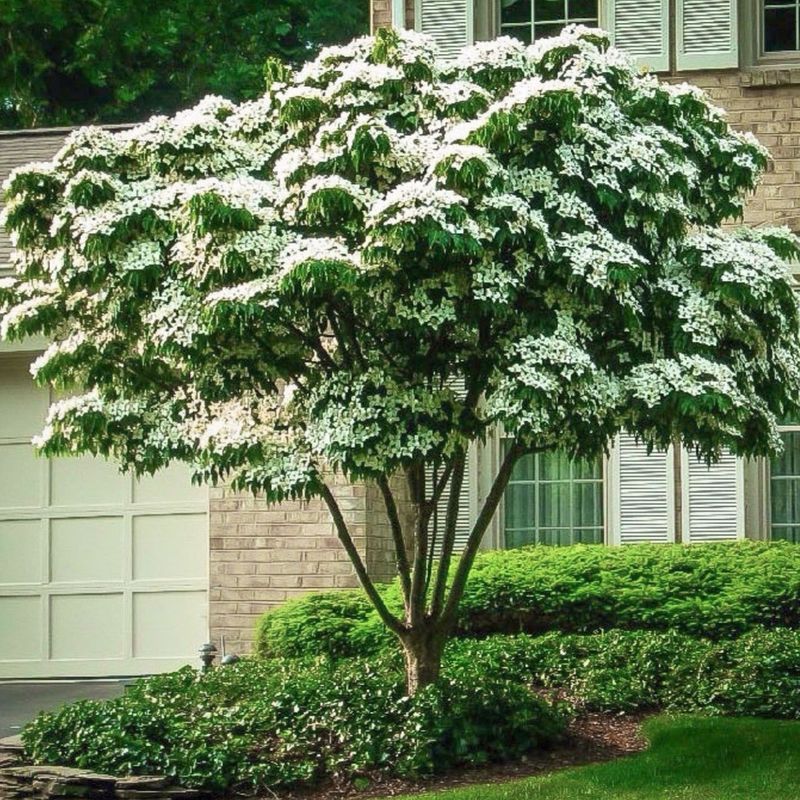
The Kousa Dogwood stands out with its star-like white flowers and attractive, exfoliating bark. Reaching heights of 15 to 30 feet, this tree is suitable for planting near driveways without causing structural issues. Its root system is not invasive, which helps protect pavement.
Kousa Dogwoods are also cherished for their seasonal appeal, with summer flowers, autumn fruits, and interesting bark in winter. They thrive in well-drained soils and can adapt to partial shade or full sun. This tree’s elegance and adaptability make it a top choice for driveway landscaping.
Golden Chain Tree
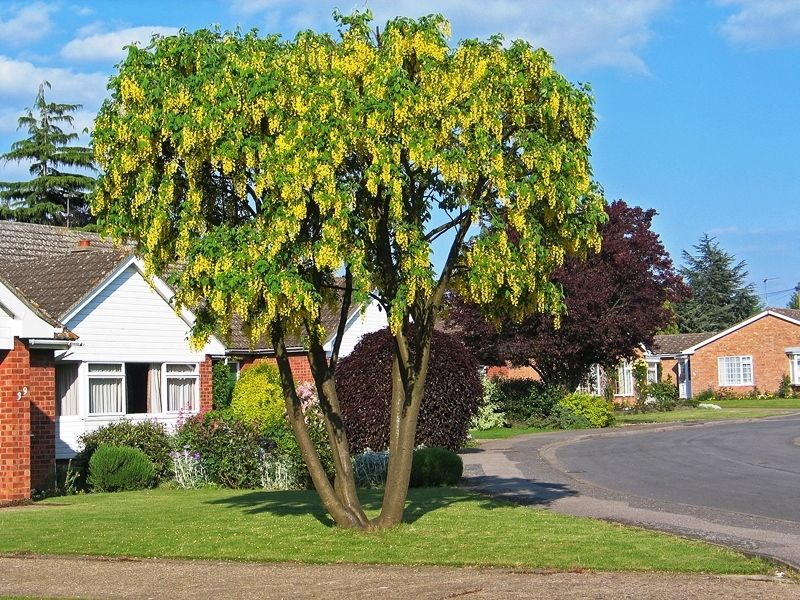
The Golden Chain Tree is renowned for its drooping clusters of bright yellow flowers that bloom in late spring. This small, ornamental tree typically grows between 15 and 25 feet, making it perfect for planting near driveways. Its roots are generally non-invasive, minimizing the risk of damage to pavement.
Though it requires well-drained soil and some winter protection, the Golden Chain Tree rewards with its spectacular floral display. The pendulous blooms are a magnet for pollinators, enhancing the ecological value of your garden. It’s a striking choice for those seeking beauty without compromising driveway integrity.
American Hornbeam
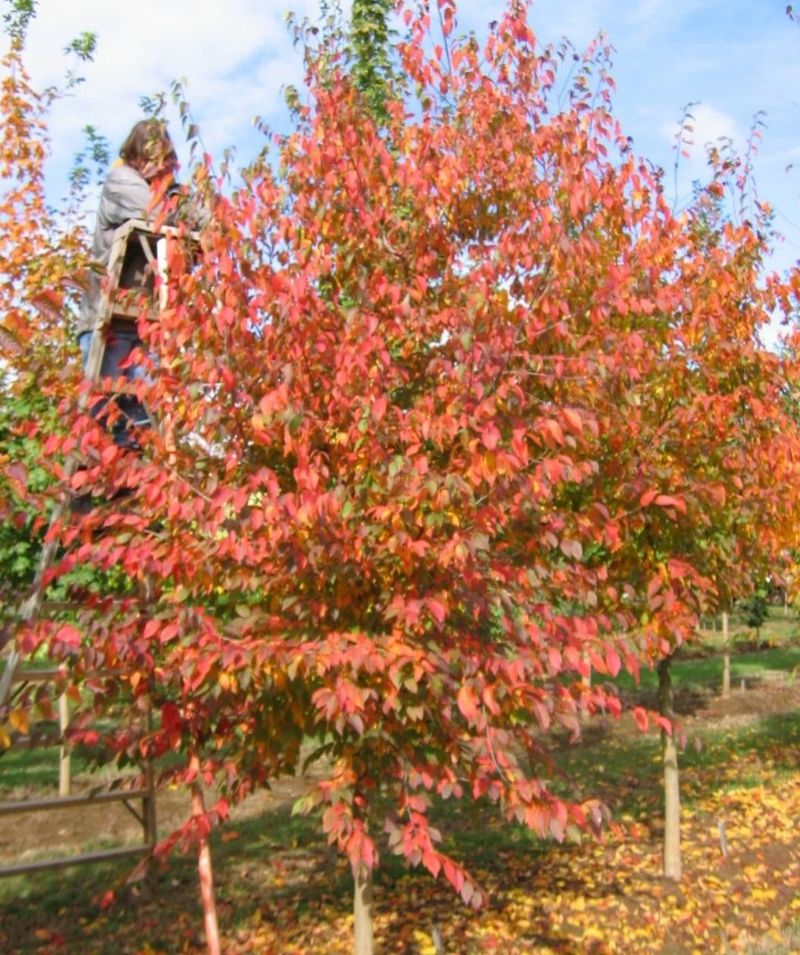
The American Hornbeam is admired for its elegant form and hardiness. Its smooth gray bark and dense foliage provide visual interest year-round. Growing up to 30 feet, it’s suitable for planting near driveways, with a root system that doesn’t threaten hardscapes.
This tree is tough, tolerating shade and wet conditions, and is resistant to many pests and diseases. Its leaves turn a brilliant orange-red in fall, adding seasonal charm to your landscape. The American Hornbeam is a durable choice for those seeking a tree that balances beauty with practicality near driveways.
Chanticleer Pear
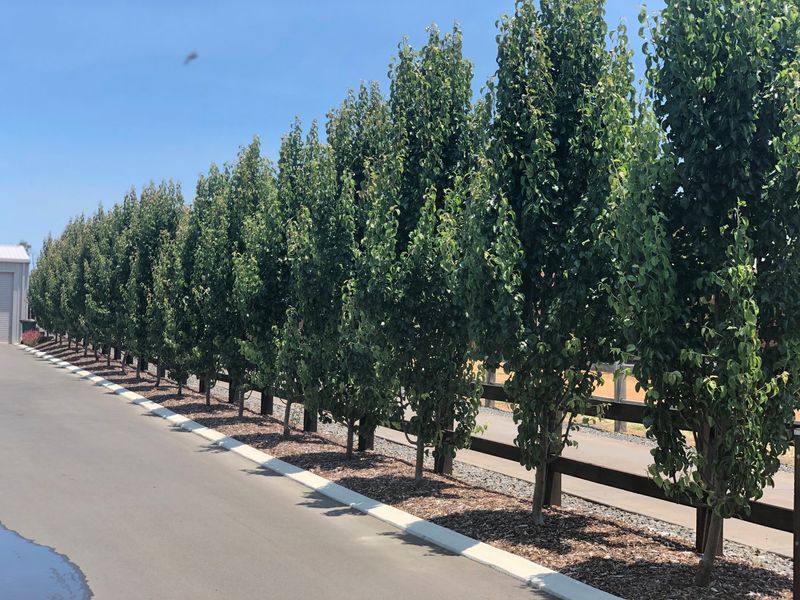
The Chanticleer Pear is a narrow, upright tree that fits well in tight spaces, such as along driveways. It grows to about 35 feet tall, with a non-invasive root system that makes it a safe choice for hardscapes. In spring, it blooms with clusters of white flowers, adding a touch of elegance.
This tree is also appreciated for its glossy green leaves that turn a striking red-purple in fall. It’s adaptable to various soils and urban conditions, making it a versatile option for residential landscapes. The Chanticleer Pear combines beauty with practicality, enhancing any driveway setting.
Sweetbay Magnolia
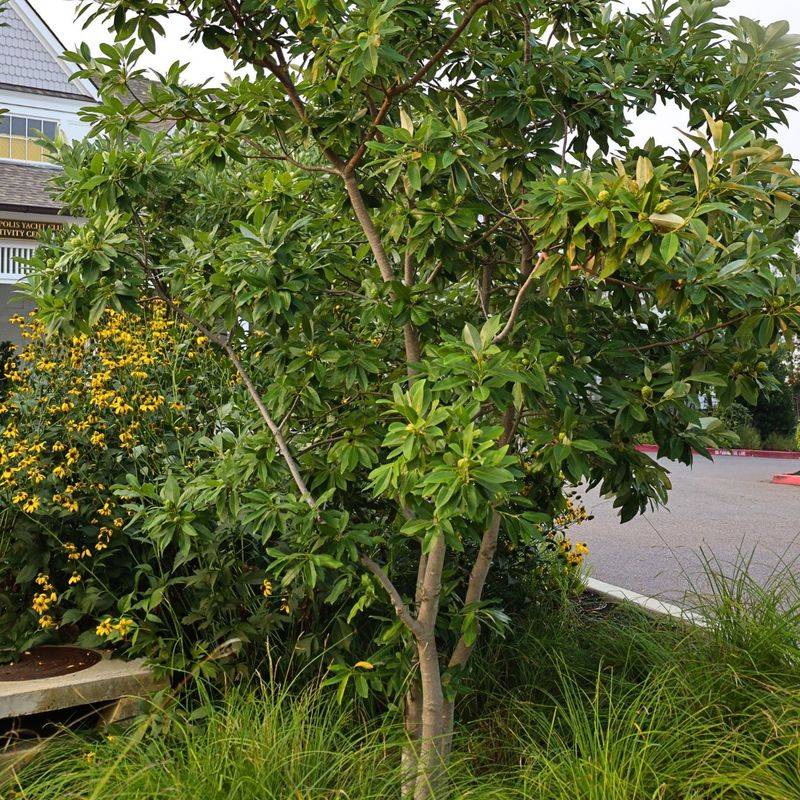
Sweetbay Magnolia is known for its fragrant, creamy-white flowers and its ability to thrive in wet conditions. Reaching 10 to 35 feet, it suits driveways with its non-invasive roots that avoid damaging pavement. The glossy, dark green leaves persist through winter in warmer climates.
This tree’s blossoms emit a lemony scent, attracting pollinators and providing a sensory delight. Its smooth, gray bark adds interest even when not in bloom. Sweetbay Magnolia is a pleasing choice for those who value fragrance and form without the worry of root intrusion near driveways.
Japanese Tree Lilac
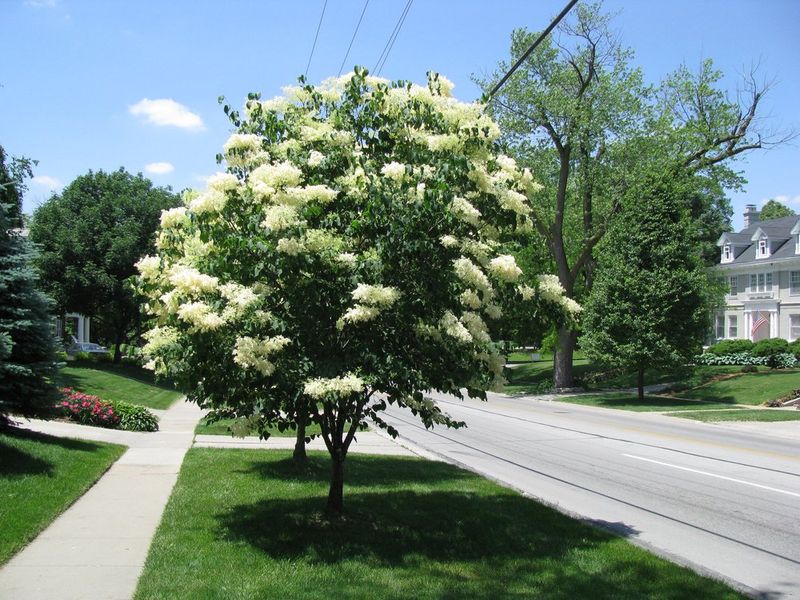
Japanese Tree Lilac stands out with its large, creamy-white flower clusters that bloom in early summer. It’s a small tree, growing up to 30 feet, making it ideal for planting near driveways. With a non-invasive root system, it won’t disrupt surrounding structures.
This tree thrives in full sun and well-drained soil, with moderate drought tolerance. Its attractive bark and fragrant flowers add to its appeal, making it a popular choice for city and suburban landscapes. Japanese Tree Lilac offers both beauty and practicality, complementing any driveway with its elegant presence.
Hornbeam
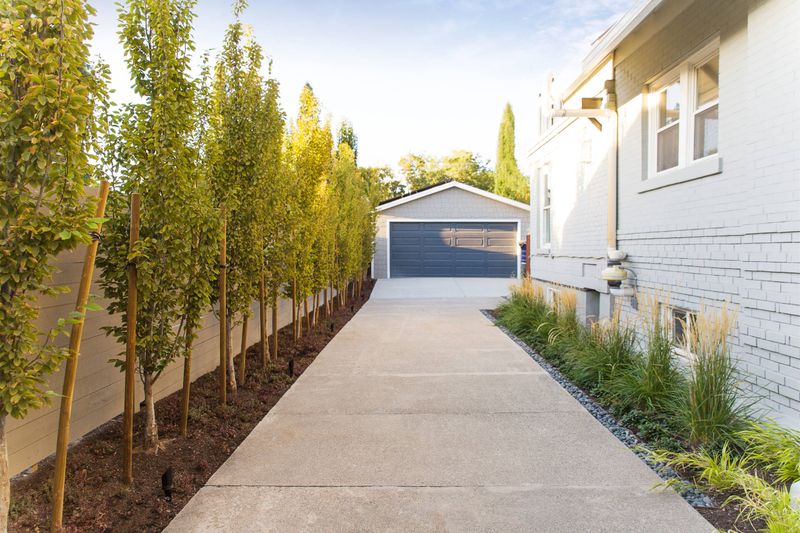
Hornbeam trees are valued for their handsome appearance and adaptability. With a dense canopy and smooth bark, they offer year-round interest without invasive roots. Growing up to 40 feet, they suit driveways and smaller gardens alike.
These trees are tough, enduring urban conditions and poor soils, making them a favorite in city landscapes. Their foliage turns a golden hue in fall, providing a seasonal highlight. Hornbeams are a wise choice for homeowners seeking a resilient tree that won’t compromise their driveways but adds natural beauty to their surroundings.
Persian Ironwood
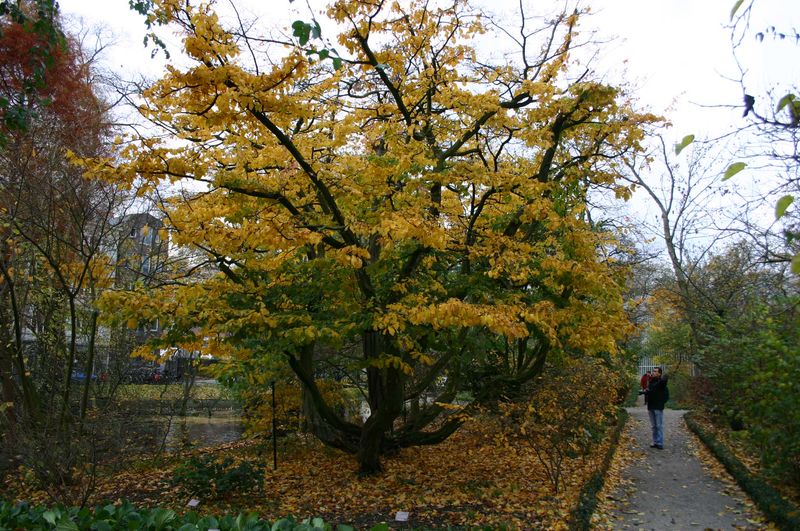
Persian Ironwood is celebrated for its striking autumn colors and unique bark texture. This small to medium-sized tree grows to 30 feet, with a non-intrusive root system, making it ideal for driveways. Its foliage transitions from green to shades of yellow, orange, and red in fall.
The tree’s bark peels in patches, revealing a mosaic of colors beneath, offering year-round visual interest. Persian Ironwood is hardy in various climates, thriving in full sun to partial shade. Its combination of beauty and hardiness makes it an excellent addition to any driveway landscape.
Shadblow Serviceberry
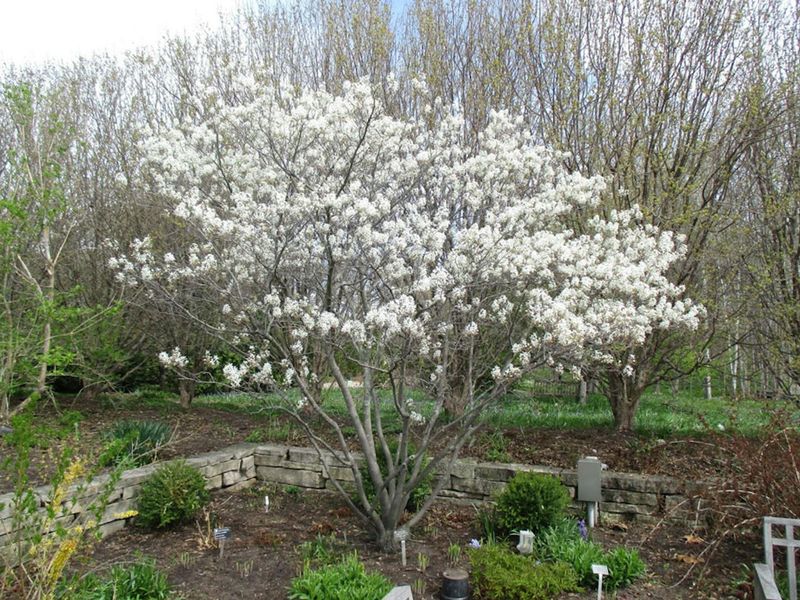
Shadblow Serviceberry is a versatile tree known for its springtime white flowers and vivid fall foliage. It grows to about 20 feet, with roots that remain non-invasive, posing no threat to driveways. Its edible berries attract birds, adding ecological value.
This tree adapts well to various soil types and conditions, making it suitable for many landscapes. Its seasonal beauty and compact size make it a charming addition to driveways and gardens. The Shadblow Serviceberry offers a harmonious balance of aesthetics and functionality, enhancing your property’s curb appeal.