
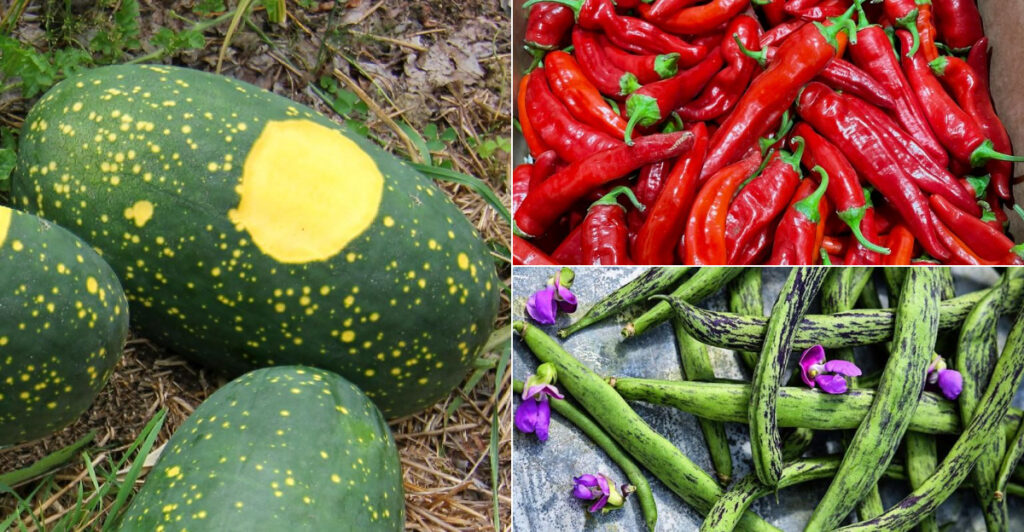
Remember those juicy tomatoes from grandma’s garden that tasted nothing like store-bought ones? Our grandparents knew something we’re only rediscovering now – heritage varieties often pack more flavor and nutrition than their modern counterparts. These traditional fruits and vegetables were grown for taste and resilience, not just shelf life and shipping durability. Let’s explore these forgotten garden treasures that deserve a comeback in our backyards and dinner tables.
1. Mortgage Lifter Tomatoes
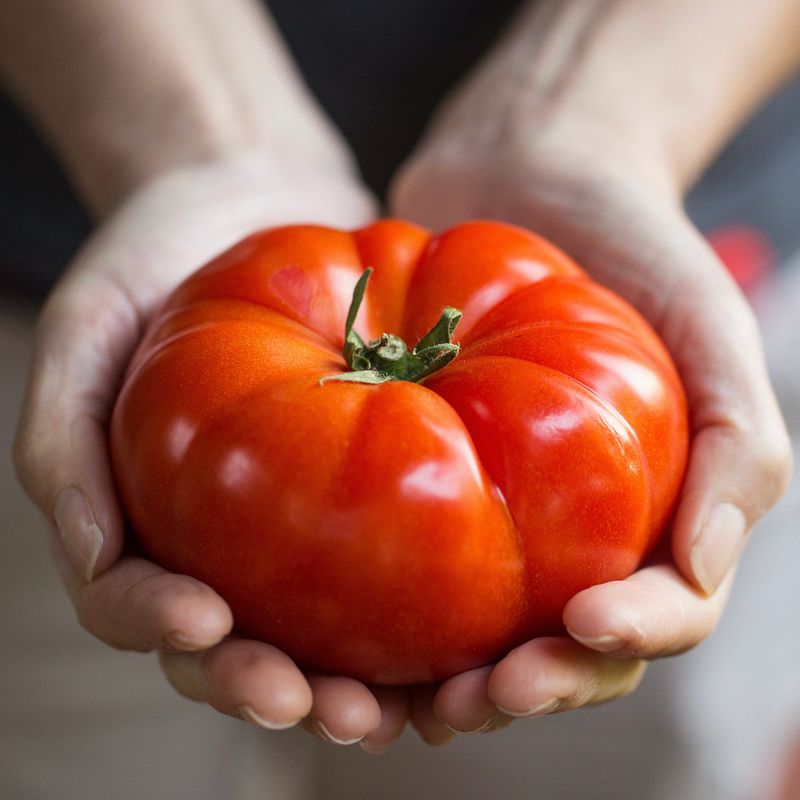
These massive, meaty tomatoes earned their unusual name during the Great Depression when a mechanic named Charlie Byles sold enough seedlings to pay off his mortgage. Weighing up to two pounds each, these pink-red beauties offer a perfect balance of sweetness and acidity.
Unlike today’s watery supermarket varieties, Mortgage Lifters have dense, almost beefsteak-like flesh with few seeds. Their rich flavor stands up beautifully in sandwiches or simply sliced with salt.
Home gardeners appreciate their disease resistance and productivity – a single plant can produce 20-30 pounds of fruit throughout the season. They also continue producing until frost, unlike many modern hybrids that peter out mid-season.
2. Blue Hubbard Squash
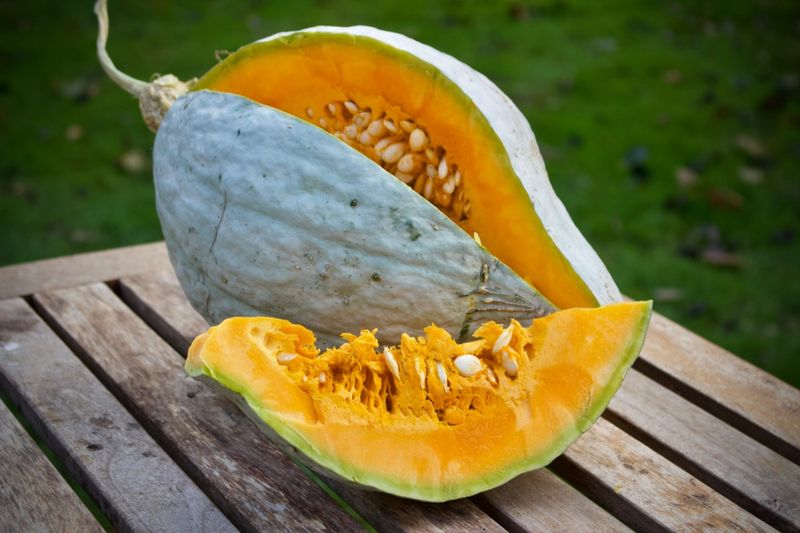
Sporting a tough, blue-gray exterior that looks like something from another planet, Blue Hubbard squash was a staple in root cellars across America. These giants can weigh 15-40 pounds and keep for months without refrigeration – perfect for families before modern preservation methods.
The sweet, orange flesh inside has a drier texture than modern squashes, making it exceptional for pies and baked goods. Grandma wasn’t just being thrifty when she chose these over pumpkins for her Thanksgiving pie!
What makes Blue Hubbards truly special is their natural resistance to squash vine borers, a pest that devastates many modern varieties. One squash often provided multiple meals for large families throughout winter.
3. Cherokee Purple Tomatoes
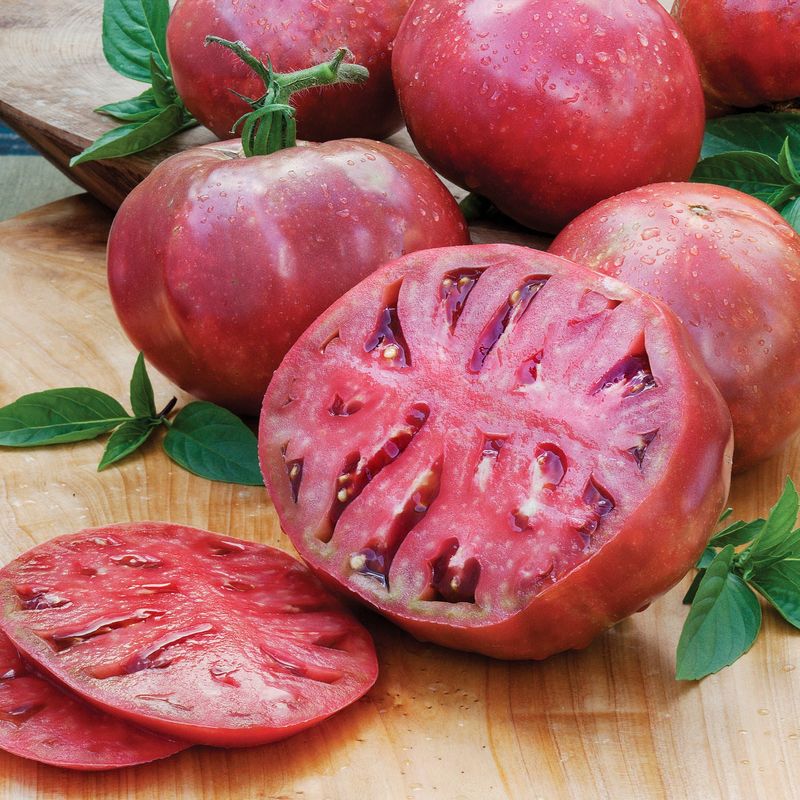
Handed down through generations of Cherokee Native Americans, these distinctive dusky purple tomatoes deliver a flavor explosion that puts grocery store varieties to shame. Their complex, sweet-yet-smoky taste has earned them cult status among tomato enthusiasts.
Cut one open and you’ll discover a gorgeous burgundy interior with green shoulders – a visual feast as beautiful as the taste. Despite their odd appearance, Cherokee Purples consistently win taste tests against modern hybrids.
The plants themselves grow with vigor that modern varieties can’t match, producing abundant fruit even in less-than-ideal conditions. Their natural disease resistance meant grandparents could grow them without chemical interventions, a tradition worth continuing in today’s gardens.
4. Moon and Stars Watermelon
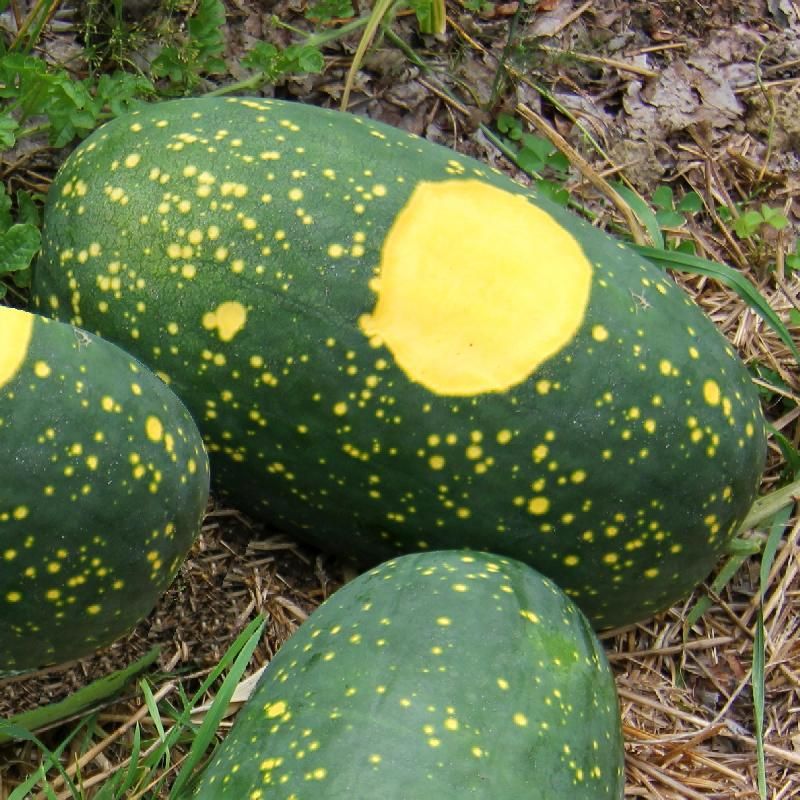
With a dark green rind speckled with yellow dots (the “stars”) and larger yellow blotches (the “moons”), this watermelon variety nearly disappeared before being rediscovered in the 1980s. The striking appearance alone makes it worth growing, but the exceptionally sweet, red flesh is the real treasure.
Unlike uniform modern watermelons bred for shipping, Moon and Stars comes in various sizes, typically 10-40 pounds. The deeply colored flesh contains more lycopene than many modern varieties.
Gardeners appreciate their natural resistance to drought and disease – qualities bred out of many commercial varieties. These watermelons were summer treats at family gatherings, their distinctive appearance making them conversation pieces before the first slice was even cut.
5. Scarlet Runner Beans
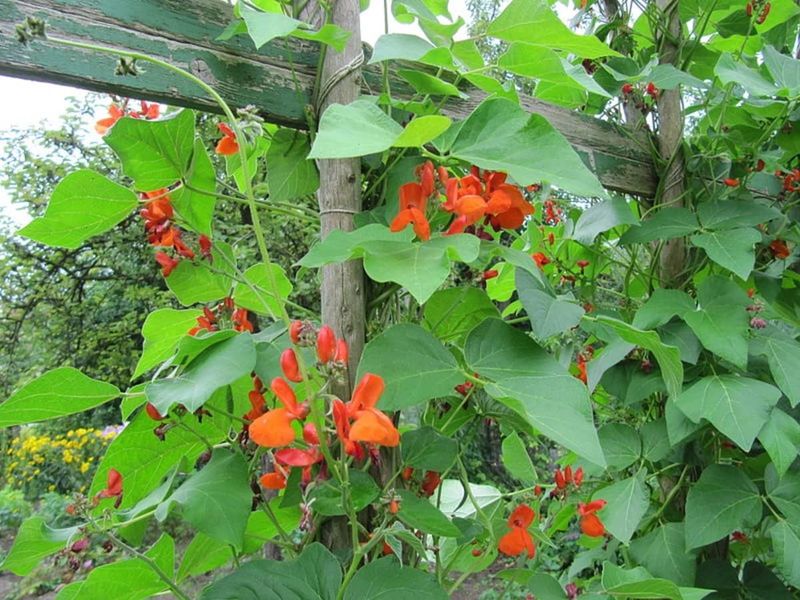
Bright scarlet flowers climbing trellises weren’t just for show in grandma’s garden – they produced delicious, meaty beans that modern varieties can’t match. Thomas Jefferson grew these beauties at Monticello, valuing them for both ornamental and culinary purposes.
The young pods can be eaten like green beans, while mature beans work wonderfully in soups and stews. Their nutty flavor and creamy texture make them superior to modern bush beans, which were bred primarily for mechanical harvesting.
Beyond their dual-purpose nature, Scarlet Runners attract hummingbirds and beneficial pollinators to the garden. They continue producing until frost, often yielding beans for fresh eating and enough dried beans to stock the pantry through winter – true garden workhorses.
6. Green Zebra Tomatoes
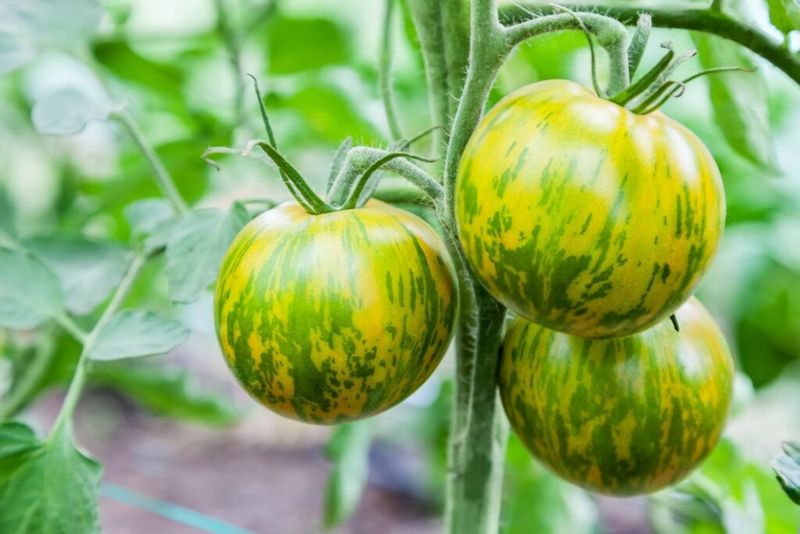
Don’t let their unusual appearance fool you – these striped green tomatoes are perfectly ripe and bursting with tangy, bright flavor that puts red varieties to shame. Developed in the 1980s from heirloom stock, they represent the best qualities of traditional breeding.
The emerald flesh streaked with yellow-gold offers a perfect balance of sweetness and acidity that makes them incredible for fresh eating. Their firm texture holds up beautifully in salads without turning mushy.
Green Zebras produce abundantly on indeterminate vines that continue fruiting until frost. Unlike many modern determinate varieties bred for one-time mechanical harvest, these keep giving throughout the season. Their natural resistance to cracking means less waste and more delicious tomatoes for your table.
7. Dragon Tongue Beans
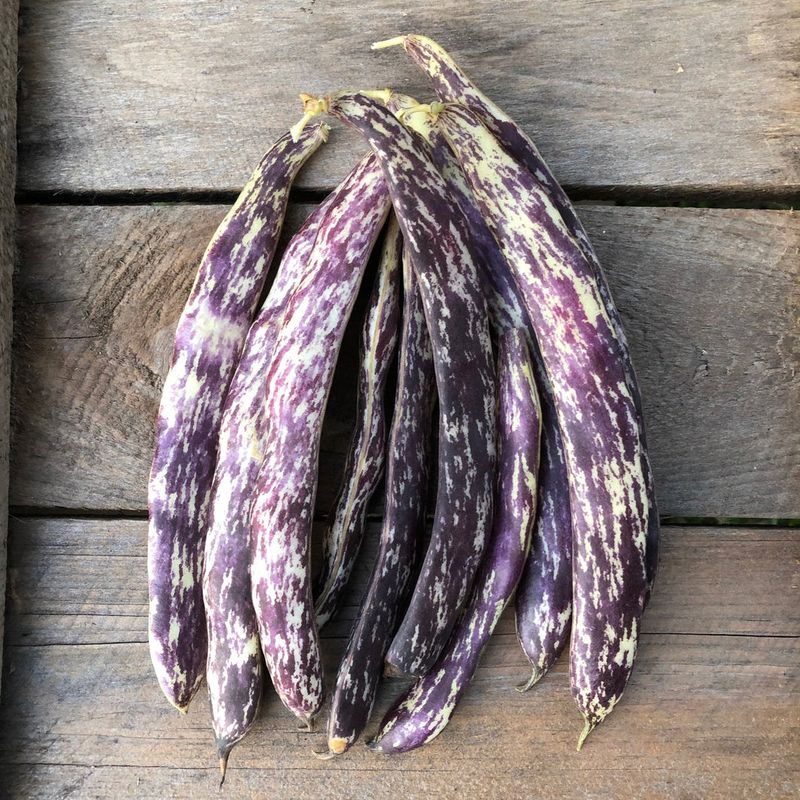
Imagine beans so beautiful you almost don’t want to eat them – flat, cream-colored pods splashed with vibrant purple streaks that look hand-painted. These Dutch heirlooms were prized possessions in victory gardens during World War II.
The purple streaks disappear when cooked, but the exceptional buttery flavor remains. Unlike modern string beans, Dragon Tongues stay tender even when the pods grow large, extending their harvest window considerably.
Grandparents valued their resistance to bean beetles and other pests that plague modern varieties. The plants produce heavily without chemical fertilizers, thriving in the rich, naturally-amended soils of traditional gardens. As a bonus, when left to mature, the beans can be shelled and dried for winter soups.
8. Brandywine Tomatoes
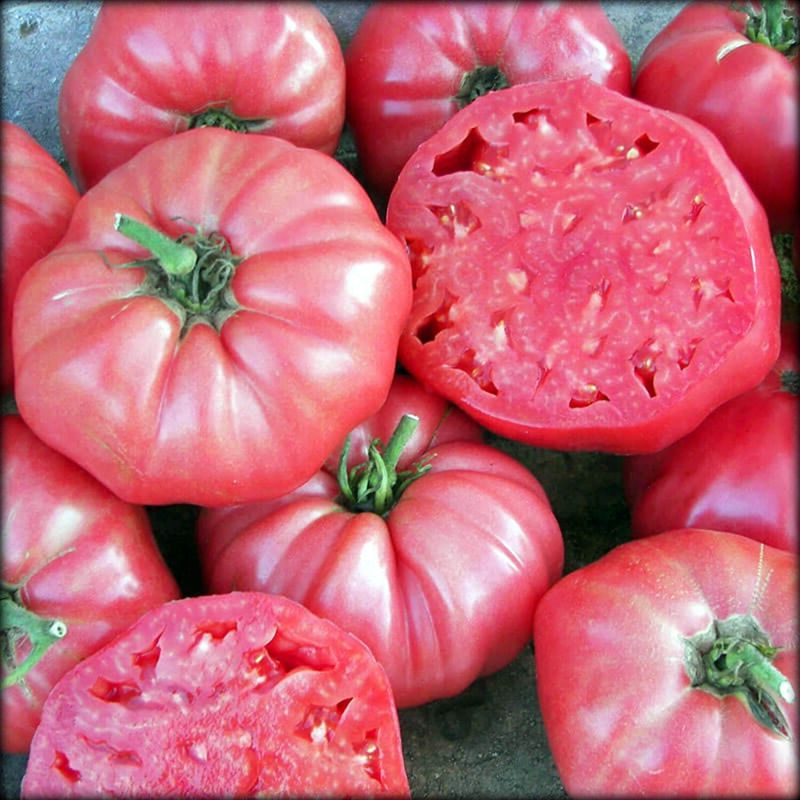
Dating back to 1885, these potato-leaved tomato plants produce fruit that defines what a tomato should taste like – rich, balanced sweetness with complex undertones that modern varieties can’t touch. Their pinkish-red fruits grow to a pound or more, with an almost beef-like density.
Brandywines represent everything we’ve lost in commercial tomato breeding – incredible flavor sacrificed for shipping durability and uniform ripening. Their thin skins burst with juice, making them terrible for transport but perfect for eating fresh from the garden.
While they take longer to mature than modern varieties, the wait is rewarded with fruit that contains significantly higher levels of volatile compounds responsible for that authentic tomato flavor. One slice on a sandwich might convince you to never buy supermarket tomatoes again.
9. Amish Deer Tongue Lettuce
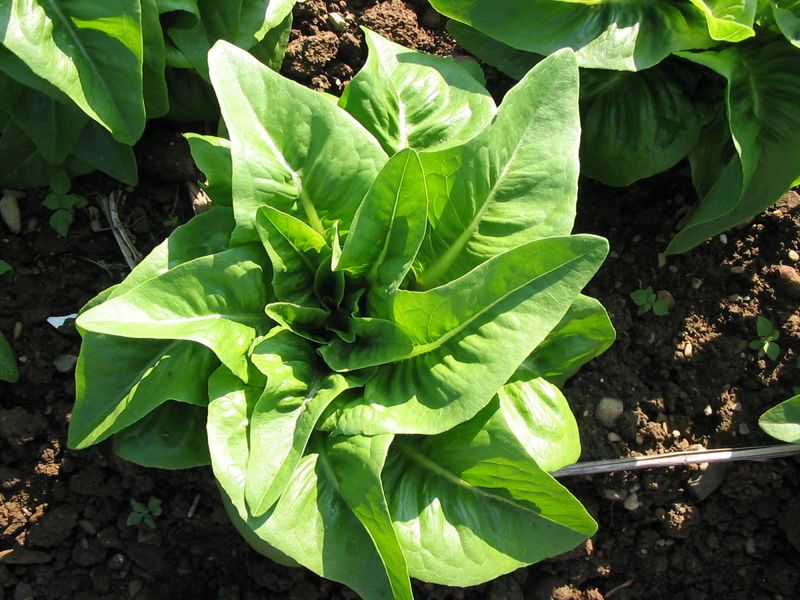
Sharp-pointed leaves reminiscent of a deer’s tongue give this heirloom lettuce its distinctive name and appearance. Preserved by Amish communities for generations, it offers a perfect balance between tender texture and substantive crunch that modern lettuces can’t match.
The slightly sweet, never-bitter flavor holds up even in summer heat when most modern varieties have bolted and turned unpleasantly bitter. This heat tolerance made it invaluable in gardens without modern irrigation systems.
Gardeners appreciate its cut-and-come-again growing habit – harvest the outer leaves and the center continues producing for weeks. This continuous harvest approach provided fresh salad greens throughout the growing season, long before bagged salad mixes existed in grocery stores.
10. Country Gentleman Corn
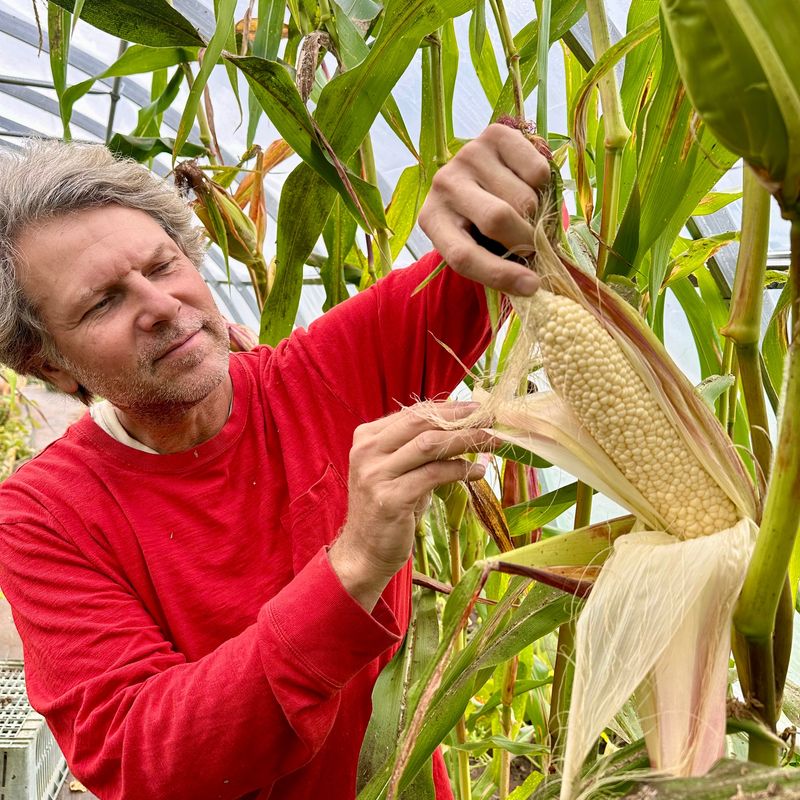
Unlike perfectly uniform modern corn with military-straight rows of kernels, Country Gentleman features a beautiful jumble of deep, narrow kernels arranged in a zigzag pattern – earning it the nickname “shoepeg corn.” Introduced in 1890, it was the gold standard for sweet corn flavor for decades.
The irregular kernel arrangement means more kernels per ear and exceptional sweetness that modern varieties achieve only through special sh2 genes. These white kernels remain tender and creamy when cooked, never mushy or tough.
Country Gentleman thrives without chemical fertilizers, drawing sufficient nutrition from traditionally amended soils. Its natural vigor and disease resistance made it reliable for families who depended on their garden’s productivity – qualities still valuable for today’s home gardeners.
11. Five Color Silverbeet Swiss Chard
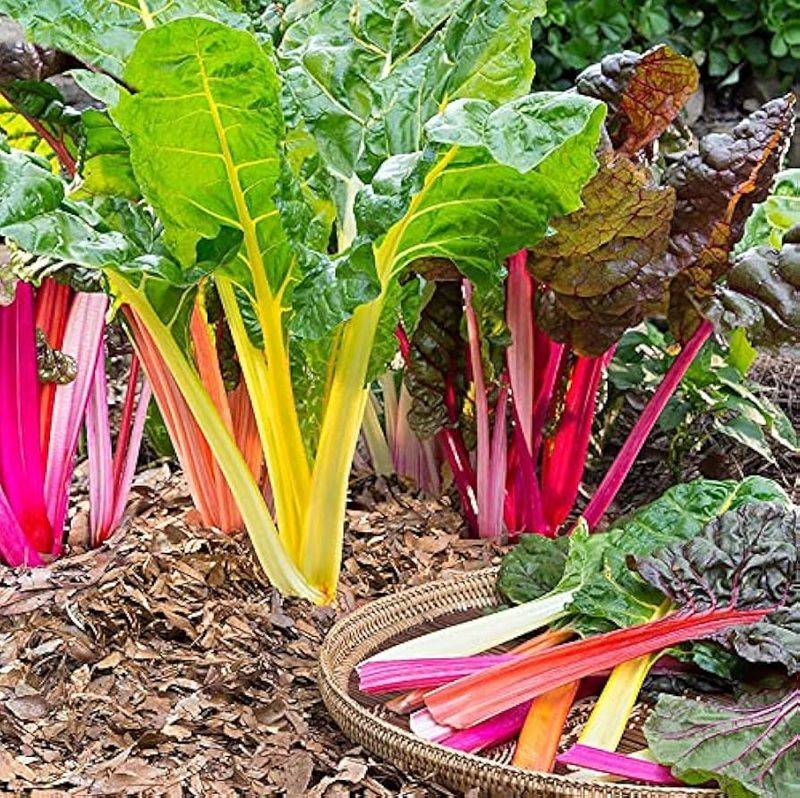
Imagine rainbow stalks of crimson, pink, orange, yellow and white erupting from a bed of glossy green leaves – this isn’t modern garden engineering but an heirloom that’s been brightening gardens for centuries. Each color contains different antioxidant compounds, making it as nutritious as it is beautiful.
The flavor is milder and less earthy than modern Swiss chard varieties, appealing even to those who typically avoid greens. Young leaves add color to salads, while mature leaves and stems hold up beautifully when cooked.
Grandparents valued its incredible productivity and cold tolerance – plants often survived light frosts to provide nutrition well into fall. Unlike modern varieties bred for uniform maturity, Five Color Silverbeet allows continuous harvest throughout the growing season.
12. Black Krim Tomatoes

Originating from the Isle of Krim in the Black Sea, these tomatoes feature a color unlike any modern variety – deep brownish-purple with green shoulders and a blush of red. Sliced open, they reveal a burgundy interior that looks almost like a ripe plum.
The flavor profile is equally distinctive – rich, smoky and complex with a perfect balance of sweetness and acidity. Many gardeners who grow Black Krims refuse to grow any other tomato, claiming nothing else compares.
Unlike modern varieties bred for uniform ripening (often at the expense of flavor), Black Krims maintain their green shoulders even when fully ripe. This trait, once bred out of commercial tomatoes, actually contributes to their exceptional taste and higher nutrient content.
13. Purple Top White Globe Turnips
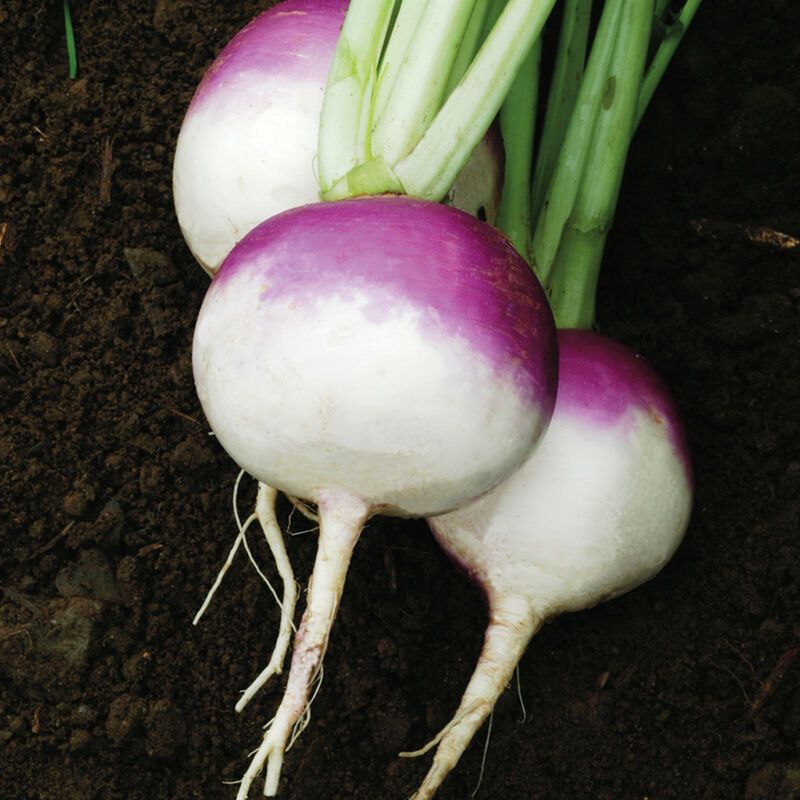
These two-toned beauties – purple on top, white below – have graced American gardens since the 1880s. Their sweet, mild flavor bears little resemblance to the bitter, woody turnips found in many supermarkets today.
Young roots harvested at 2-3 inches are sweet enough to eat raw in salads, while mature roots develop a richer flavor perfect for roasting. The tender green tops provide a bonus harvest, packed with more nutrition than the roots themselves.
Grandparents valued their quick growth (ready in just 55 days) and exceptional storage quality. These turnips remain crisp and flavorful for months in a root cellar or modern refrigerator. Their natural pest resistance and ability to thrive in poor soil made them reliable producers even in challenging growing conditions.
14. Rattlesnake Pole Beans
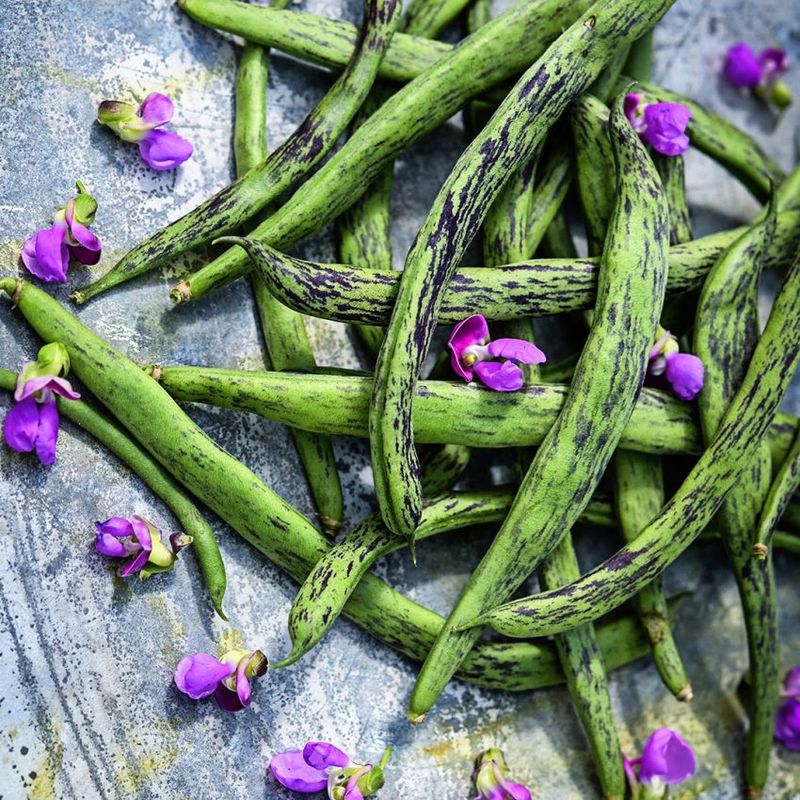
Named for their distinctive purple streaks on light green pods that resemble a rattlesnake’s pattern, these climbing beans have been garden favorites since the 1800s. The streaks fade when cooked, but the exceptional nutty flavor intensifies.
Unlike modern bush beans bred for mechanical harvesting, Rattlesnakes keep producing all season long, often yielding until frost kills the vines. A single planting can provide fresh beans for months – a trait our grandparents valued for extended harvests.
These vigorous climbers reach 10 feet tall, making efficient use of garden space by growing vertically. Their natural resistance to drought made them reliable producers even in hot, dry summers when modern varieties would have failed. As a bonus, any missed pods can mature into beautiful speckled dried beans for winter soups.
15. Golden Bantam Corn
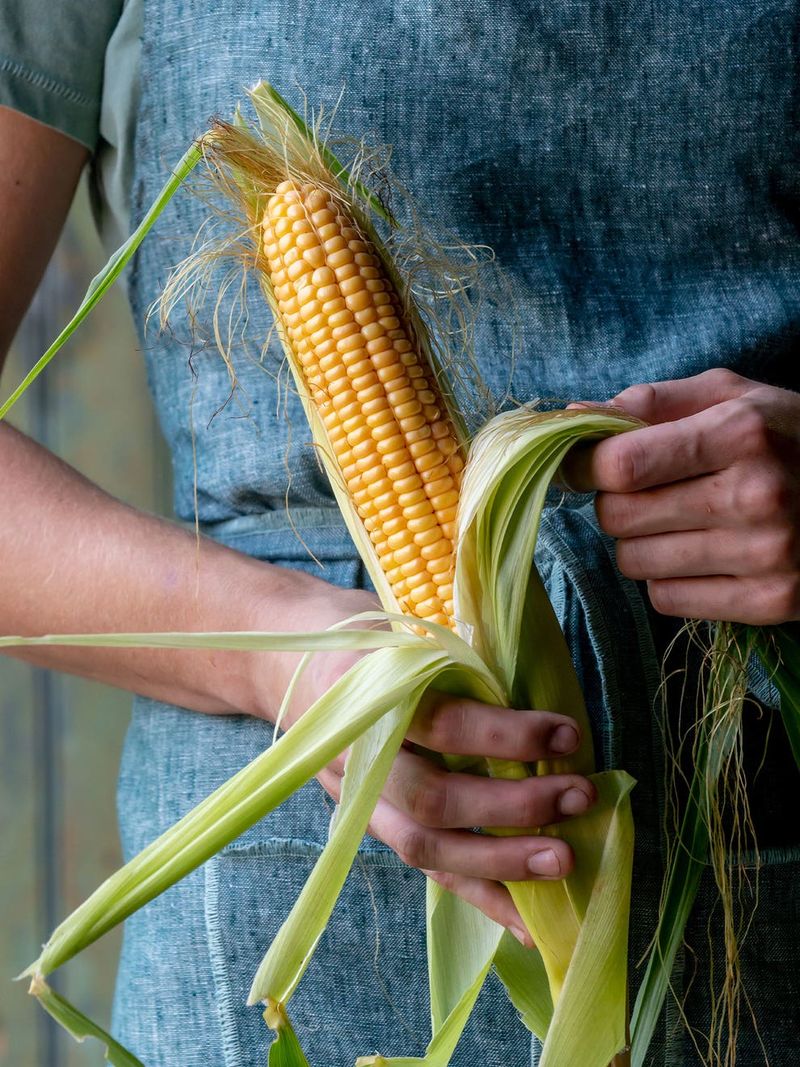
When Golden Bantam was introduced in 1902, yellow corn was considered fit only for animals. This variety single-handedly changed American preferences with its exceptional sweetness and rich, buttery flavor – no actual butter needed!
Unlike modern super-sweet corn that converts sugar to starch within hours of picking, Golden Bantam maintains its moderate sweetness and complex corn flavor for days. The compact 5-foot stalks produce 5-6 inch ears – smaller than today’s varieties but packed with more flavor.
Grandparents appreciated its ability to germinate in cooler soil when modern varieties would rot. Its natural vigor meant successful crops without chemical fertilizers or pesticides. Each kernel contains more protein and has a lower glycemic index than modern hybrid sweet corn varieties.
16. Jimmy Nardello Peppers
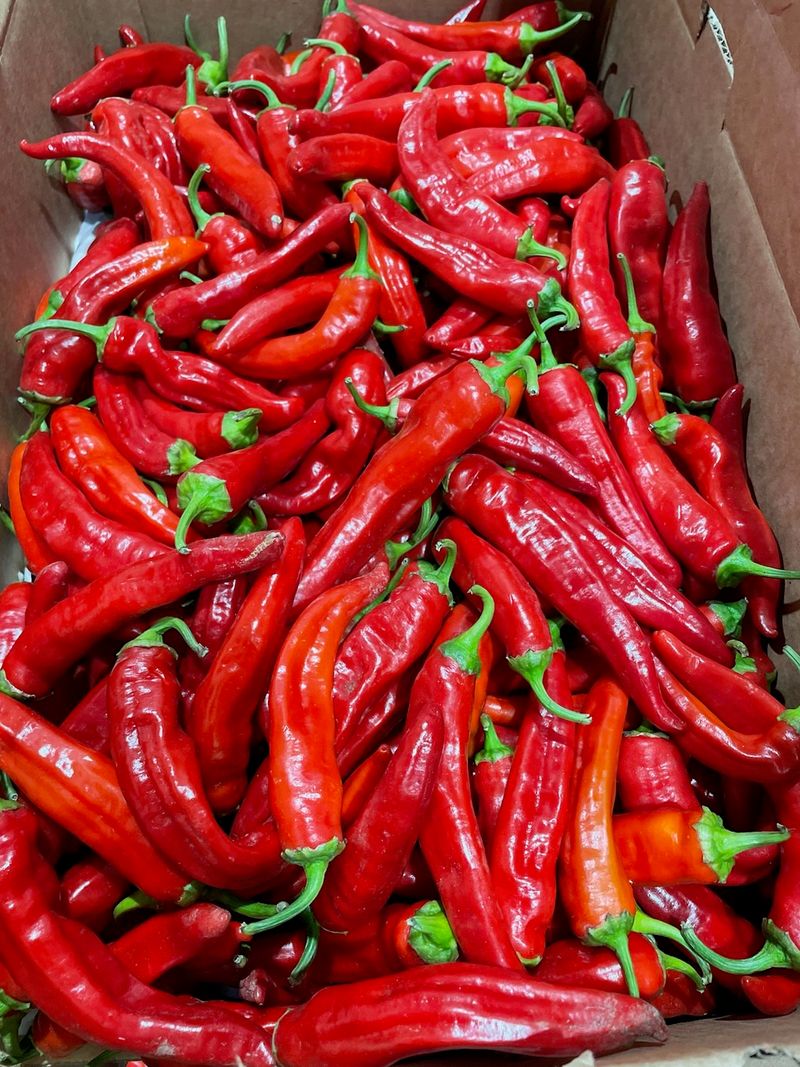
These wrinkled, twisted red peppers might look like hot chilies, but they deliver surprising sweetness that makes them perfect for eating raw or frying. Brought to Connecticut by Italian immigrant Giuseppe Nardiello in 1887, they’re named for his son who preserved this family treasure.
When fried, they develop an almost fruity sweetness that modern bell peppers can’t match. Their thin walls mean they dry easily for winter storage – a crucial consideration before freezers were common in households.
Plants produce prolifically, with dozens of 8-10 inch peppers on each. Unlike temperamental modern bell peppers, Jimmy Nardellos thrive in both cool and hot conditions, making them reliable producers across various climate zones. They mature weeks earlier than bell peppers, providing an early taste of summer.
17. Ruby Queen Beets
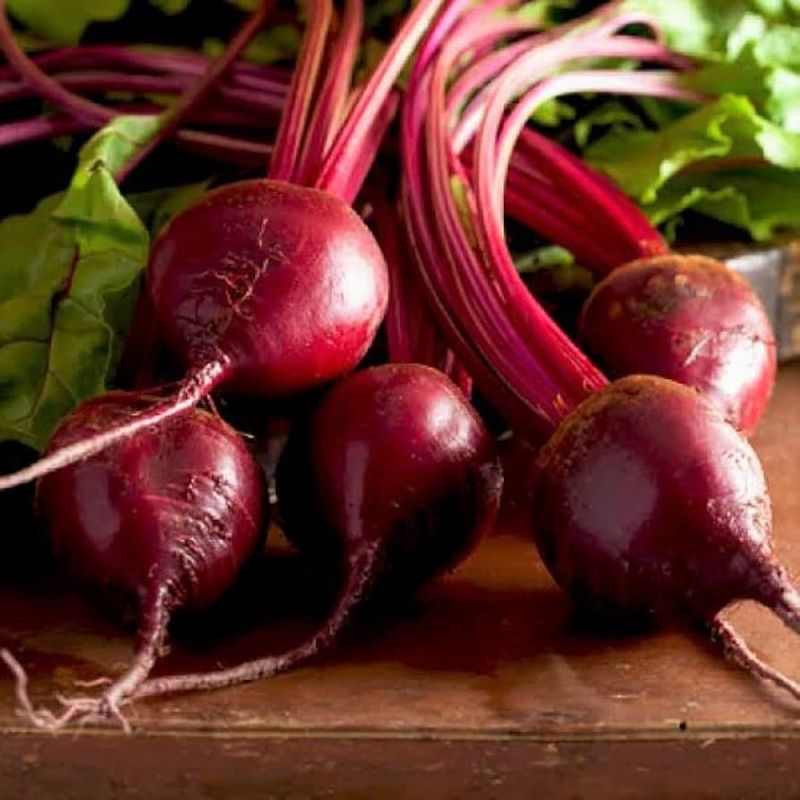
Introduced in 1957 and immediately stealing the show, Ruby Queens represent the perfect balance between old-world beet flavor and modern improvements. Their deep ruby flesh lacks the earthy overtones that make some people beet-averse, offering instead a sweet, clean flavor.
Unlike modern varieties with woody cores, Ruby Queens remain tender throughout. Their smooth skin means less dirt trapped in crevices, making them easier to clean than ancient varieties while maintaining superior flavor.
Grandparents appreciated their compact tops that didn’t take up excessive garden space. The young greens are delicious too – more tender than many modern varieties. These beets maintain quality even when harvested large, unlike modern hybrids that become woody and bitter if left too long in the ground.
18. Boston Marrow Squash

With its distinctive tear-drop shape and vibrant orange-red skin, Boston Marrow was America’s favorite winter squash throughout the 19th century. Introduced in 1831, it was the primary commercial canning pumpkin until the 1940s because of its superior flavor and texture.
The fine-grained, sweet orange flesh has a drier consistency than modern varieties, making it exceptional for pies and baked goods. Many vintage pumpkin pie recipes specifically called for Boston Marrow rather than actual pumpkin!
These 10-20 pound fruits store for months without refrigeration – crucial before modern food preservation. Unlike modern hybrids that sacrifice flavor for appearance and shipping qualities, Boston Marrow delivers rich, complex sweetness that improves with storage as the starches convert to sugar.
19. Lazy Housewife Beans
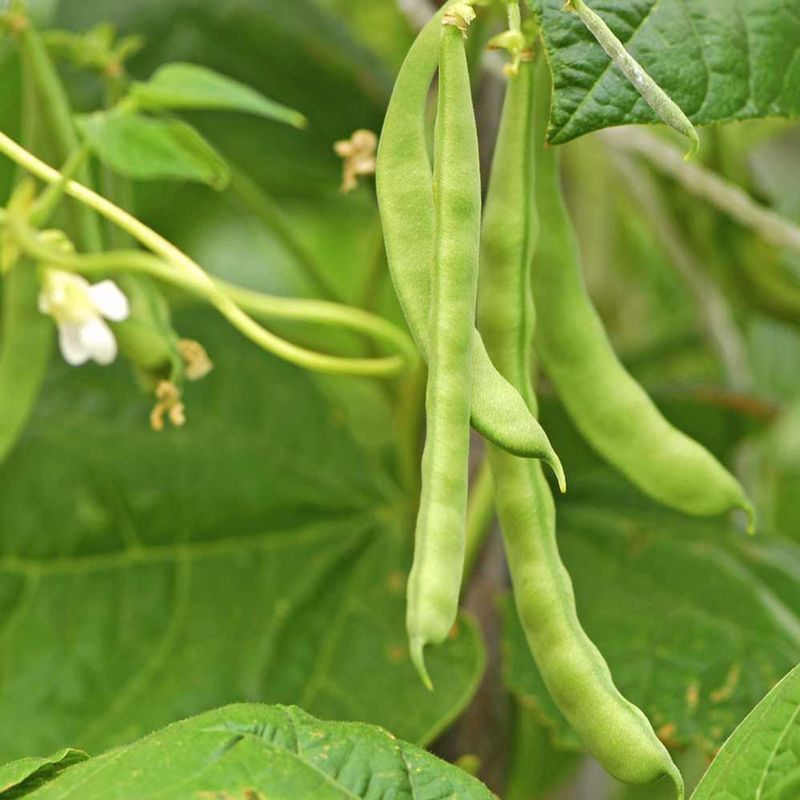
Despite their politically incorrect name, these beans earned their title honestly – they were the first completely stringless green bean when introduced in the 1810s, saving housewives hours of tedious string-pulling. Before this innovation, preparing beans was significantly more labor-intensive.
The white seeds inside mature into excellent dried beans if pods are missed during harvest. This dual-purpose nature made them especially valuable in self-sufficient homesteads where nothing went to waste.
These vigorous climbers produce heavily for months, with a richer, more complex flavor than modern varieties. Their natural resistance to diseases meant reliable harvests without chemical interventions. The name might raise eyebrows today, but the exceptional performance of this 200-year-old variety in the garden speaks for itself.