
Gardening can be intimidating, especially when it comes to propagating new plants. The good news is that some plants are incredibly forgiving and will grow even when you mess up the rooting process. Whether you’re a forgetful gardener or a beginner with a brown thumb, these resilient plants offer a second chance at success. They’ll sprout roots and thrive despite less-than-perfect conditions, making them perfect for anyone who wants to expand their garden without the stress.
1. Pothos (Epipremnum aureum)
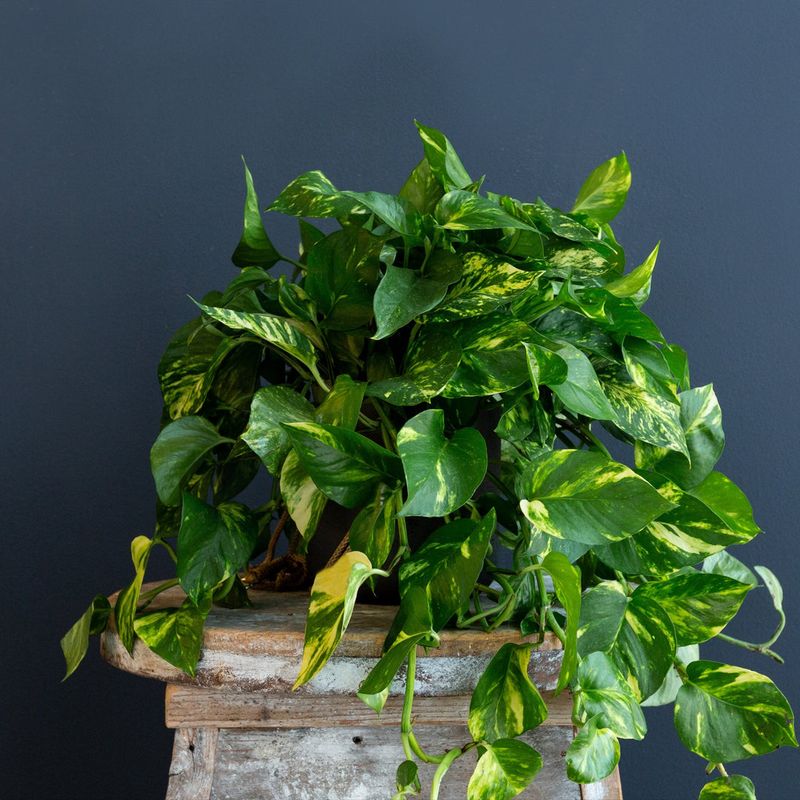
Golden pothos practically begs to grow, no matter how you treat it. Simply snip a stem, toss it in water, and within days tiny white roots appear like magic. Many gardeners have discovered pothos cuttings forgotten in water for months, developing massive root systems despite neglect.
The plant doesn’t even need water to start. Stick a cutting directly in moist soil, and it’ll figure things out eventually. Pothos adapts to low light, irregular watering, and even poor soil conditions.
Fun fact: In its natural tropical habitat, pothos can grow leaves over 3 feet wide, unlike the modest sizes we see indoors!
2. Spider Plant (Chlorophytum comosum)
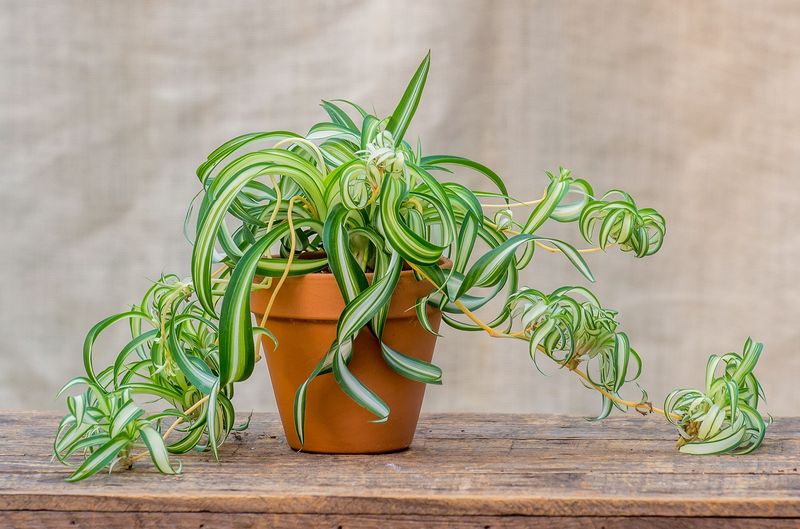
Spider plants practically do the work for you by producing ready-to-grow babies (plantlets) that dangle from long stems. These plantlets already have tiny root buds, making them almost foolproof to propagate.
You can literally place these babies directly on soil, and they’ll send roots down without any special treatment. Some gardeners simply snip the babies off and toss them in a pot of soil, returning weeks later to find established plants.
The spider plant’s forgiving nature makes it perfect for children’s gardening projects. Even with minimal care, these resilient plants establish themselves quickly in almost any environment.
3. Lucky Bamboo (Dracaena sanderiana)
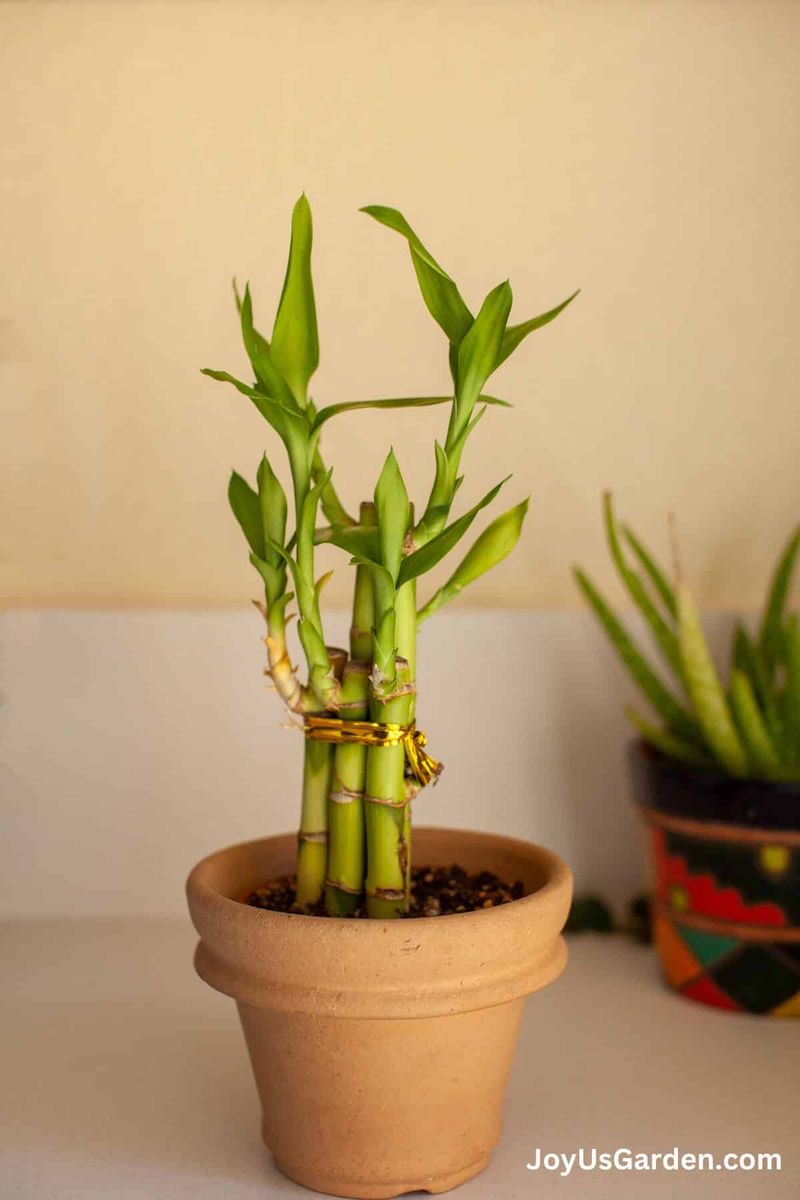
Lucky bamboo defies conventional rooting requirements. Cut a stalk anywhere, place it in an inch of water, and roots emerge within weeks. The plant doesn’t even need rooting hormone or special conditions to thrive.
Many office workers have accidentally discovered this plant’s resilience after forgetting water-submerged cuttings on their desks, returning after vacations to find new roots. Lucky bamboo can develop roots even when cuttings are placed upside down – the plant simply redirects its growth.
Originally from Central Africa (not Asia as many believe), this plant earned its reputation for hardiness by surviving in flood-prone tropical forests.
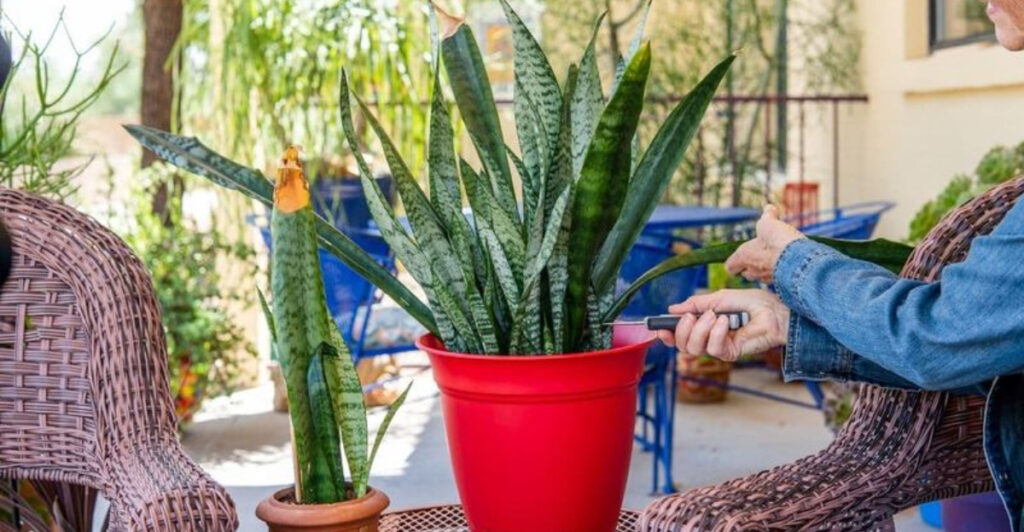
4. Snake Plant (Sansevieria trifasciata)
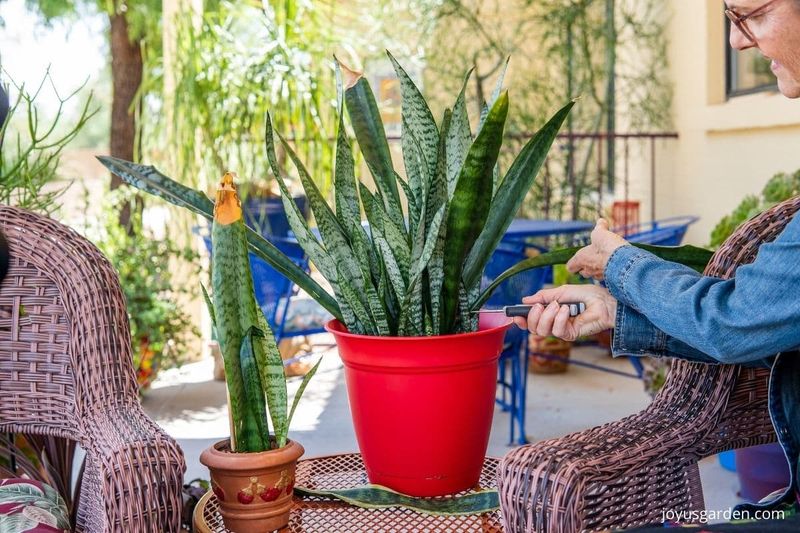
Snake plants possess almost supernatural survival skills. Leaf cuttings casually placed in soil will eventually sprout roots, even without the typical rooting care. Their succulent-like leaves store enough energy and moisture to sustain themselves while developing new root systems.
Gardeners have successfully propagated snake plants from leaf sections that were forgotten in potting soil for months. The plant simply takes its time, developing roots when conditions become favorable.
Snake plants can even regenerate from damaged leaves. A partially broken leaf left in contact with soil will often develop roots at the break point, creating a whole new plant.
5. Mint (Mentha species)
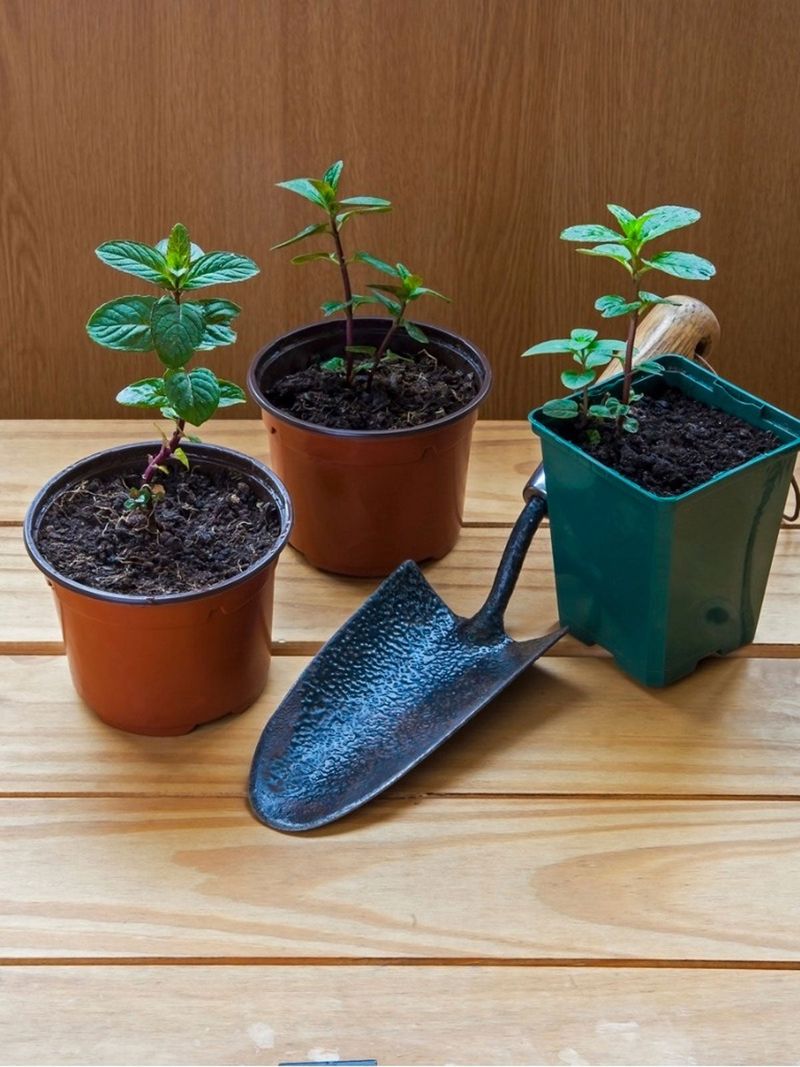
Mint’s legendary invasiveness comes from its extraordinary rooting abilities. Stem cuttings root so eagerly that formal propagation methods seem unnecessary. Simply snap off a stem and stick it in damp soil – no rooting hormone needed.
Gardeners often find mint growing in compost piles where discarded stems have happily rooted themselves. The plant’s stems naturally develop root nodules when in contact with moisture, allowing it to spread aggressively in gardens.
Mint can even root in just a glass of water on your kitchen counter. Within days, a complex root system develops, ready for transplanting or simply continuing to grow hydroponically with minimal care.
6. Willow (Salix species)
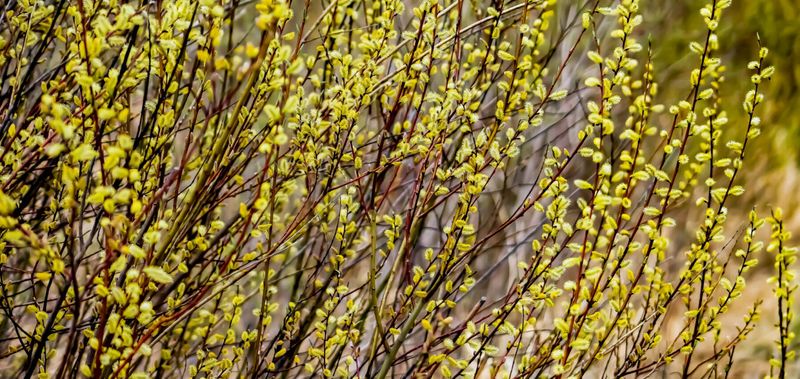
Willow branches contain natural rooting hormones so powerful that gardeners make “willow water” to help other plants root. Fresh-cut willow stems stuck directly into moist ground will often sprout roots and leaves within weeks, no special care required.
Historically, farmers created living fences by pushing willow stakes into the ground and letting them grow. The practice continues today because it’s nearly foolproof – the stakes root themselves and grow into trees.
Willow’s rooting ability is so strong that even large branches can develop into trees. This remarkable adaptation helps willows colonize riverbanks after flooding deposits broken branches in new locations.
7. Tradescantia (Wandering Jew)
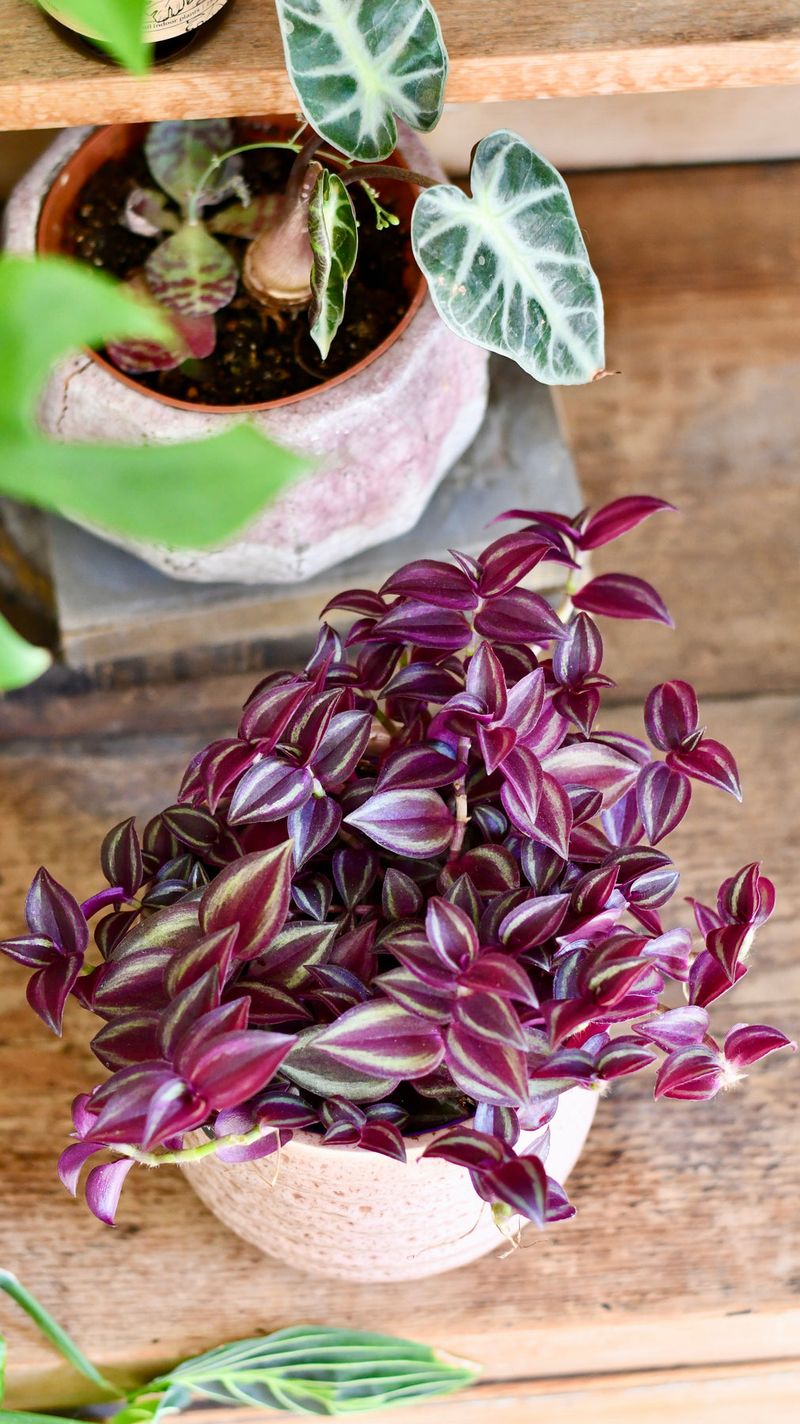
Tradescantia plants seem determined to grow regardless of how they’re treated. Their succulent-like stems store enough water and nutrients to sustain themselves while developing roots, even when propagation steps are skipped.
Broken stems that fall onto soil often root themselves without any human intervention. Gardeners frequently discover new plants growing beneath parent plants where stems have touched the soil and rooted.
This plant’s casual approach to rooting makes it perfect for beginning gardeners. Even stems accidentally broken while handling the plant can be stuck back into the soil, where they’ll usually root and grow into new plants within weeks.
8. Basil (Ocimum basilicum)
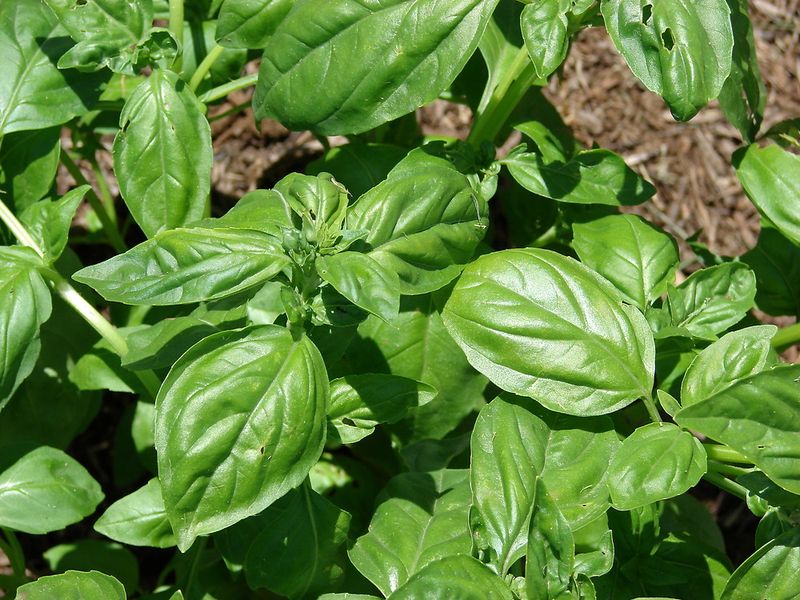
Basil proves that culinary herbs can be incredibly forgiving when it comes to propagation. Stems cut for cooking can root themselves if left in a glass of water on the counter. Many home cooks accidentally become propagators when they forget about basil stems in water.
The herb develops roots so readily that formal rooting procedures are unnecessary. Roots typically appear within days, creating ready-to-plant seedlings from kitchen scraps.
Basil’s eager rooting ability means you can maintain an endless supply from a single plant. Even in winter, indoor cuttings root easily on a sunny windowsill, providing fresh herbs when garden growing isn’t possible.
9. Coleus (Plectranthus scutellarioides)
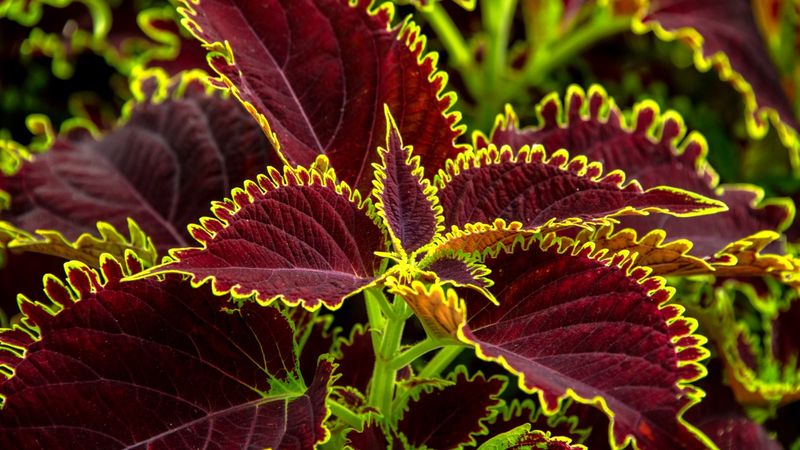
Coleus plants root so easily that formal propagation methods seem like overkill. Their soft stems develop roots within days when placed in water, often surprising gardeners with their enthusiasm for growing.
Garden centers frequently propagate coleus by simply sticking stem cuttings directly into soil. No rooting hormone, no humidity dome, no special care – just cut and stick. The plants respond by quickly establishing themselves.
This easy-rooting quality makes coleus perfect for garden design experiments. You can take cuttings throughout the growing season to create new color combinations, knowing that almost every cutting will successfully root and grow.
10. Succulents (Various species)
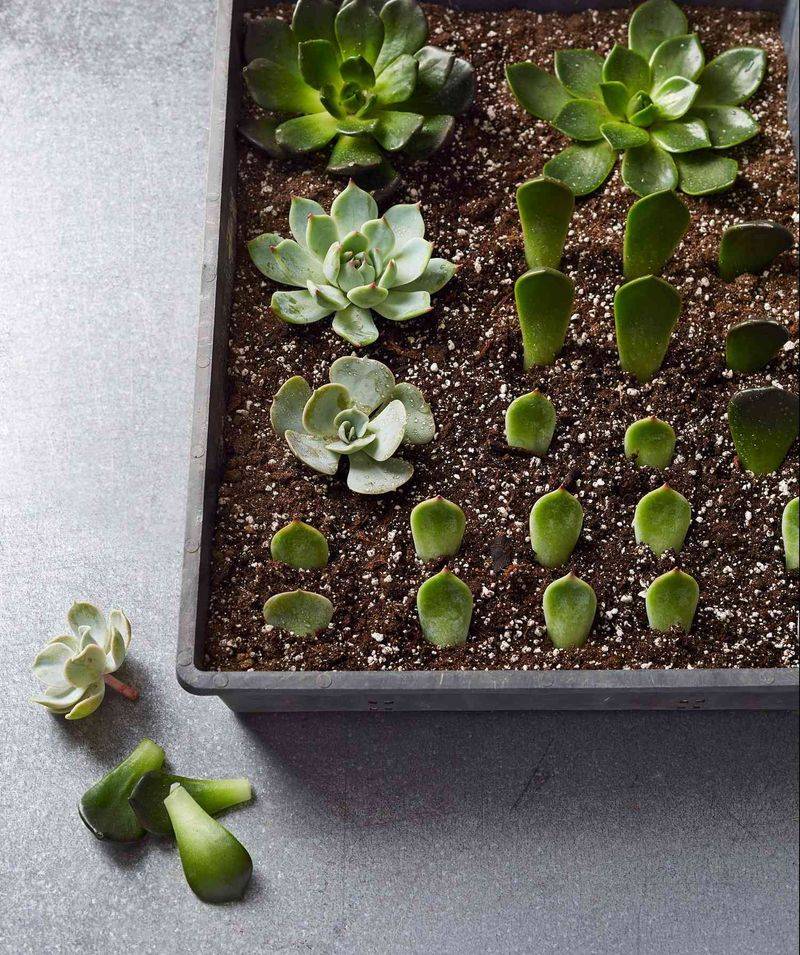
Many succulents have evolved to propagate from fallen leaves or broken pieces – a survival strategy that makes them incredibly forgiving. Leaves that drop onto soil often develop tiny plants at their tips without any human intervention.
Succulent cuttings can be left out for days or even weeks before planting. Unlike most plants, they prefer to callus over before making contact with soil, making them perfect for forgetful gardeners who might delay planting.
Even partially damaged succulent leaves can produce new plants. This remarkable ability allows succulents to multiply in harsh environments where other plants struggle to reproduce, explaining why they’ve become favorites for low-maintenance gardens.
11. Philodendron (Philodendron hederaceum)
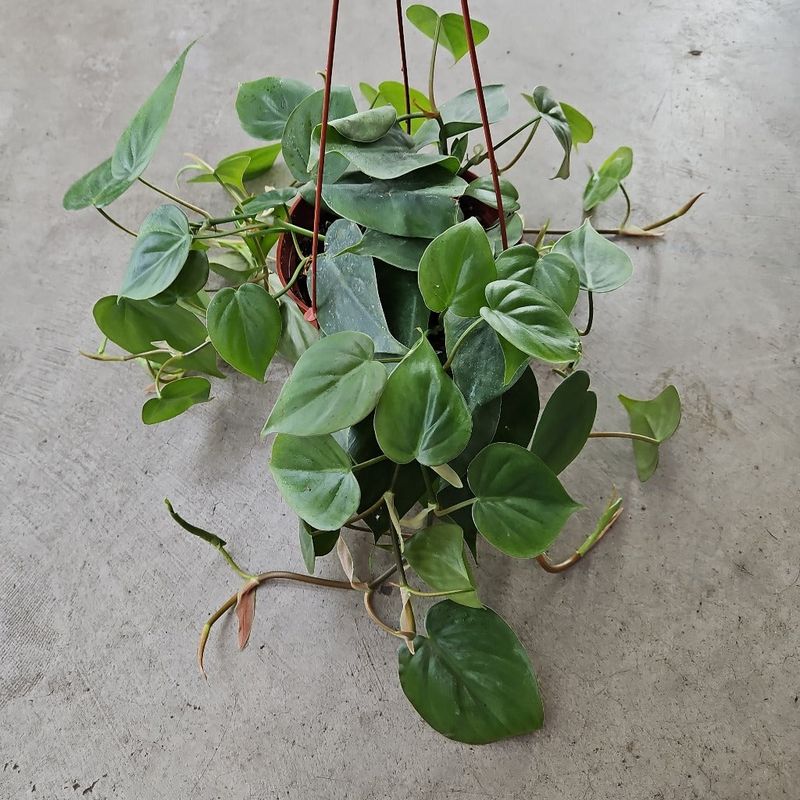
Philodendrons demonstrate remarkable rooting persistence that forgives propagation mistakes. Stem cuttings root readily in water, soil, or even just pressed against a moist surface like a moss pole.
Their aerial roots are already programmed to seek moisture and anchor the plant. When a cutting is taken, these roots quickly adapt to their new environment, whether it’s water or soil.
Gardeners have successfully rooted philodendron cuttings that were forgotten in water for months, developing massive root systems despite neglect. This adaptability explains why philodendrons have remained popular houseplants for generations – they simply refuse to die, even when propagation isn’t perfect.
12. Rosemary (Rosmarinus officinalis)
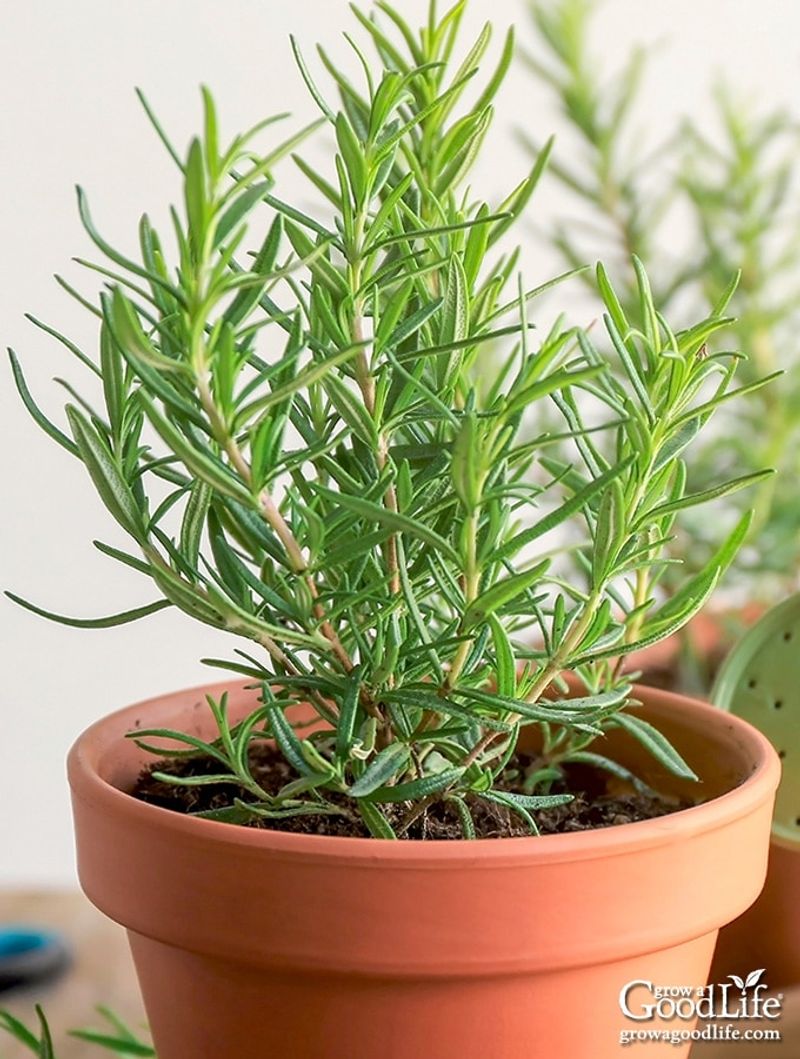
Rosemary’s woody stems might not look like easy rooters, but they have a surprising ability to establish themselves with minimal care. Stem cuttings stuck directly into garden soil often root without any special treatment, especially in warm weather.
Mediterranean gardeners have propagated rosemary for centuries using casual methods. They simply break stems from established plants and stick them into the ground where they want new plants to grow.
The herb’s adaptation to drought conditions gives it remarkable resilience during propagation. Cuttings can survive weeks of neglect, slowly developing roots when conditions become favorable, making it perfect for gardeners who might forget about their propagation projects.
13. Begonia (Begonia species)
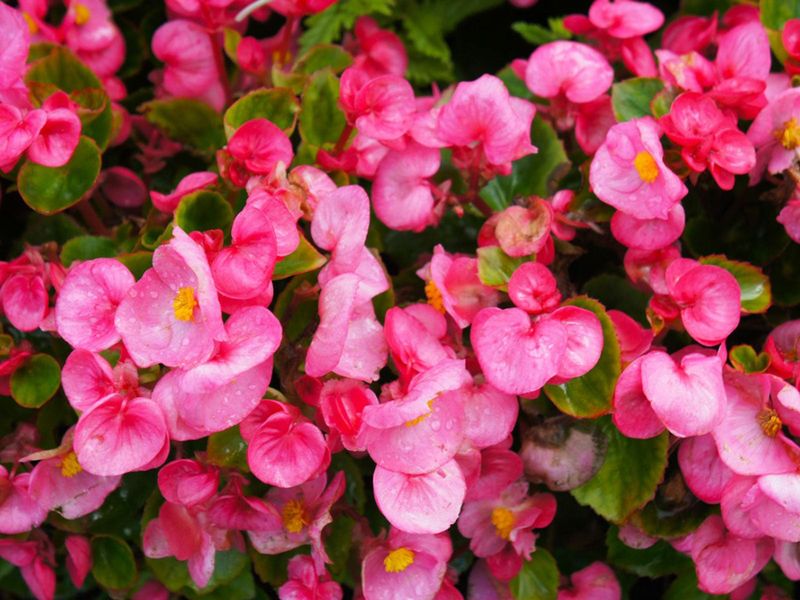
Begonias showcase one of the plant world’s most impressive propagation tricks – leaf cuttings that grow entire plants. A single leaf, placed on moist soil with a few cuts across the veins, will develop new plantlets without complicated rooting procedures.
Some begonia enthusiasts propagate by simply laying whole leaves flat on soil. The leaves respond by producing baby plants at vein intersections, requiring no special rooting hormone or care.
Rex begonias are particularly forgiving. Even leaf fragments accidentally dropped in a pot often surprise gardeners by producing new plants. This remarkable ability makes begonias perfect for gardeners who want to multiply their collection with minimal effort.
14. Sweet Potato Vine (Ipomoea batatas)
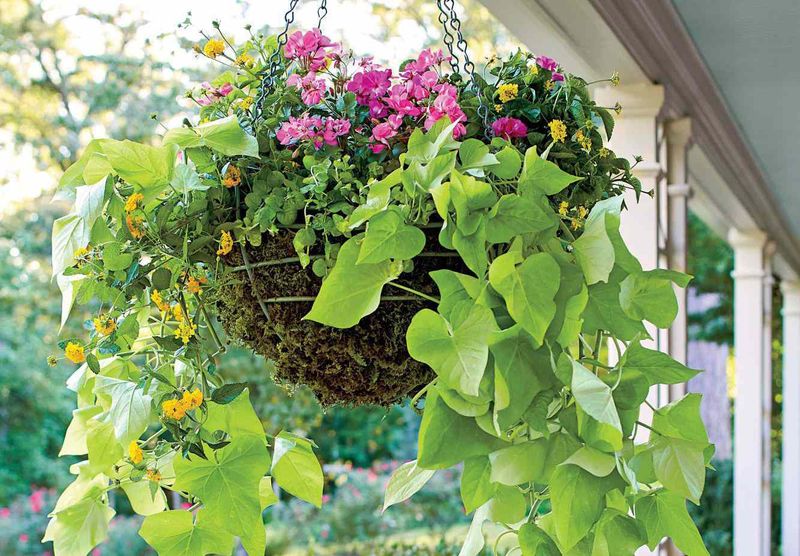
Sweet potato vines demonstrate nature’s determination to grow despite propagation shortcuts. A single vine section placed in water erupts with roots within days, no rooting hormone or special care needed.
Even sweet potatoes forgotten in the pantry showcase this plant’s rooting enthusiasm. They sprout vines that can be broken off and placed in water or soil to create new plants.
Gardeners appreciate how sweet potato vines practically propagate themselves in warm weather. Stems that touch moist soil often root at the nodes, creating new plants that spread throughout garden beds. This aggressive rooting ability makes them perfect for quickly covering bare areas in the landscape.
15. Impatiens (Impatiens walleriana)
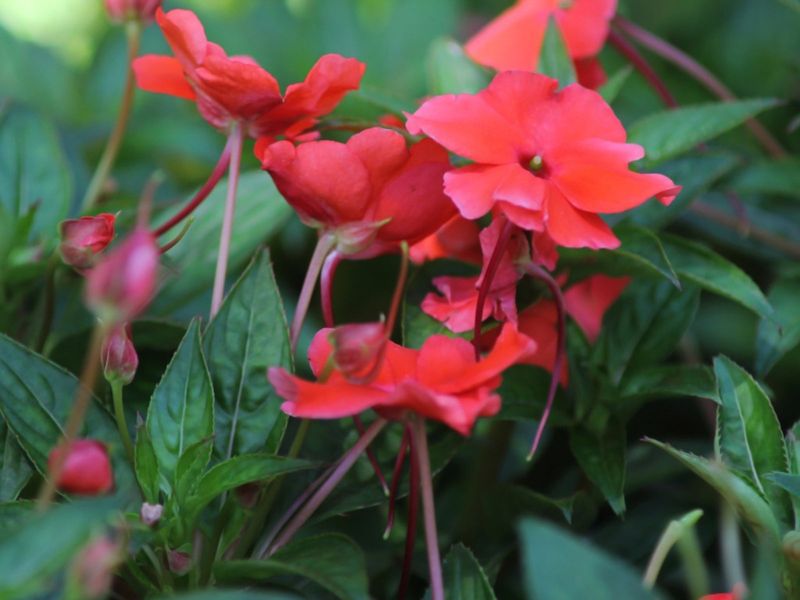
Impatiens earned their nickname “Touch-Me-Not” from seed pods that burst at the slightest touch, but their easy rooting deserves equal attention. Stem cuttings root so readily in water that formal propagation seems unnecessary.
Gardeners have successfully rooted impatiens stems that were simply stuck in moist garden soil with no special treatment. The plants respond by quickly establishing themselves, often flowering within weeks of propagation.
This forgiving nature makes impatiens perfect for expanding garden color on a budget. A few purchased plants can become dozens through casual propagation, with almost every cutting successfully rooting regardless of how carefully it was prepared.
16. Geranium (Pelargonium species)
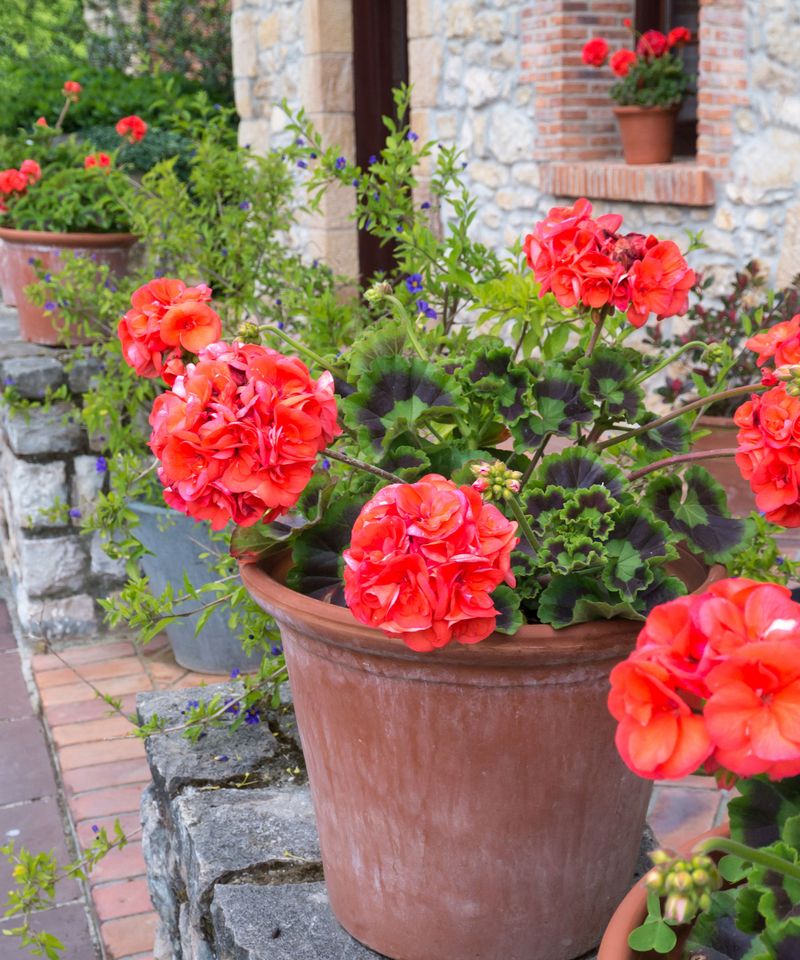
Geraniums demonstrate remarkable propagation resilience that has made them garden staples for generations. Stem cuttings root easily even when basic propagation steps are skipped or forgotten.
European gardeners traditionally overwinter geraniums as bare-root plants, then stick stems directly into spring garden soil where they reliably root and grow. No rooting hormone, no special humidity – just cut and plant.
The plants’ stems contain natural rooting compounds that help them establish quickly. This self-sufficiency explains why geraniums have remained popular for centuries – they’re nearly impossible to kill and forgive even the most casual propagation attempts.
17. English Ivy (Hedera helix)
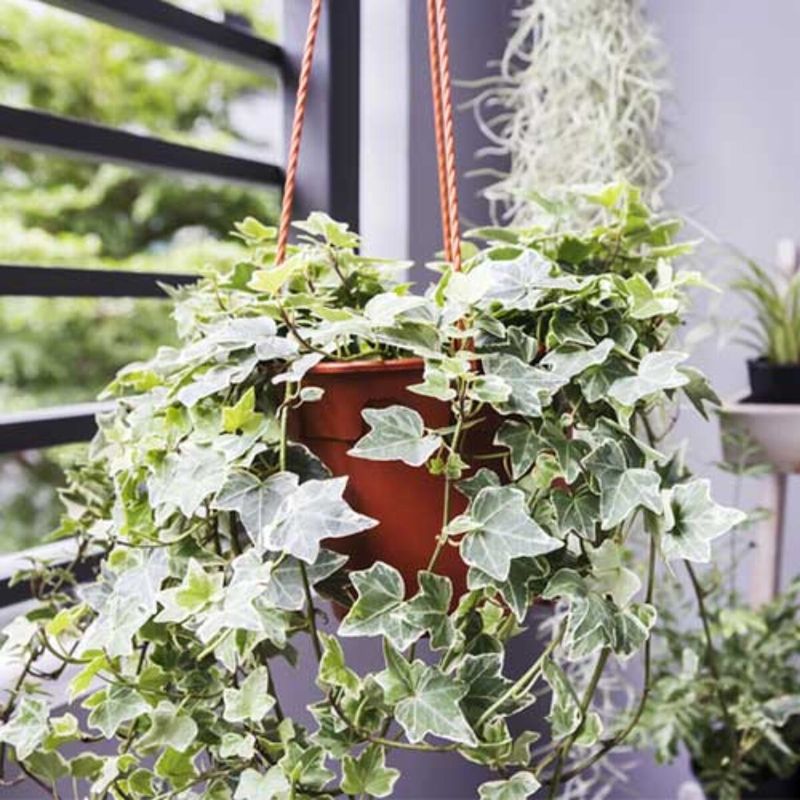
English ivy’s reputation for invasiveness comes from its extraordinary rooting abilities. The plant naturally develops root nodules along its stems, ready to anchor into any available surface.
Cuttings root so eagerly that formal propagation methods seem unnecessary. Simply snip a length of vine and place it in water or moist soil – roots typically appear within days.
Gardeners have successfully rooted ivy pieces that were forgotten in water for months, developing massive root systems despite complete neglect. This persistent nature makes ivy perfect for novice propagators who might forget about their cuttings, returning later to find fully rooted plants ready for transplanting.