 Complete Gardening
Some plants just hate being moved around. These green homebodies develop deep roots or complex systems that get seriously stressed when disturbed. Moving them can shock their systems, stop their growth, or even kill them. Understanding which plants prefer to stay put will save you headaches and heartbreak in your garden journey.
1. Majestic Peonies
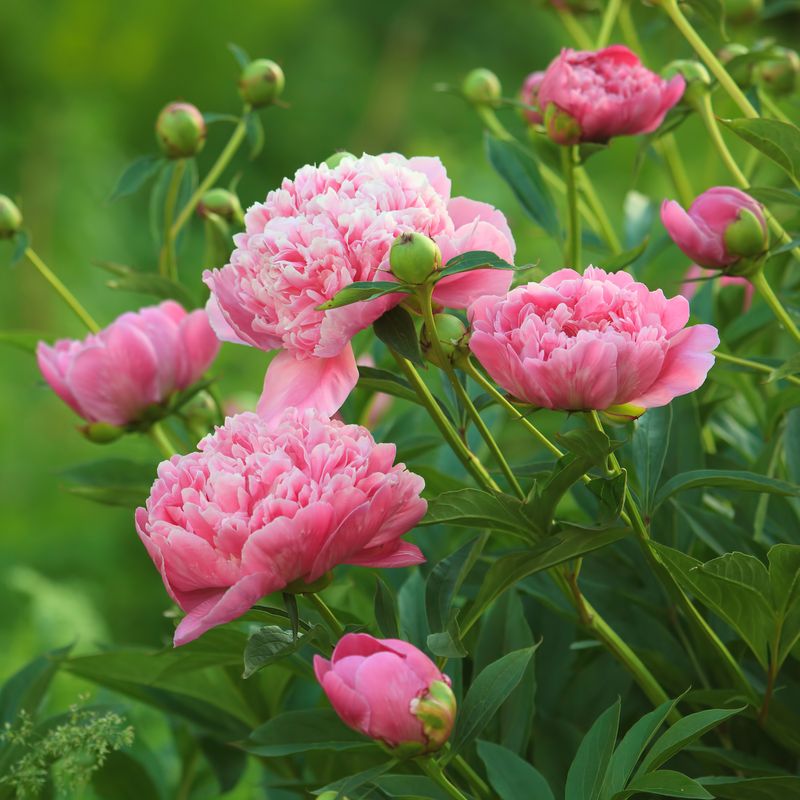
Peonies develop extensive root systems that can take years to establish properly. Once planted, they can happily bloom for decades—sometimes even a century—in the same spot!
Moving a mature peony often results in several years without flowers as the plant recovers from the shock. The intricate root structure gets damaged during transplanting, forcing the plant to focus on repair rather than producing those gorgeous blooms.
For best results, choose your peony location carefully the first time. These beauties prefer full sun and well-drained soil with plenty of room to spread out.
2. Towering Asparagus
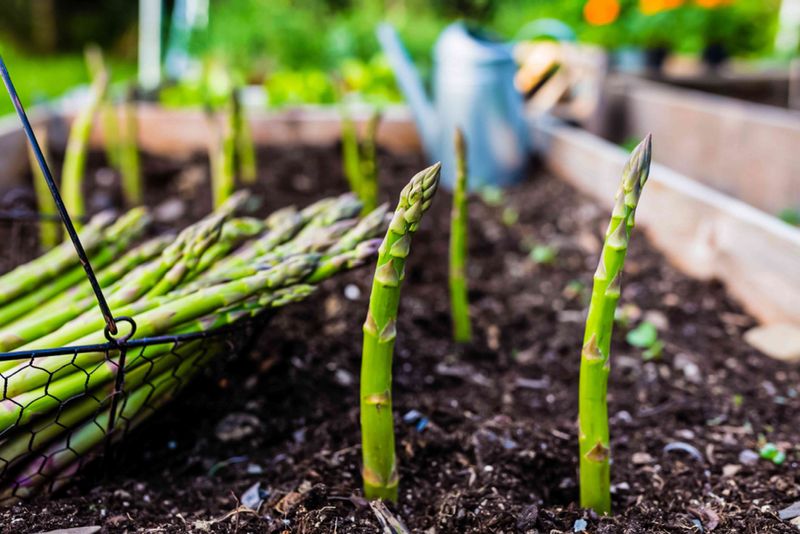
Asparagus plants invest years developing their underground crown system before rewarding gardeners with delicious spears. The first two years after planting, you shouldn’t harvest at all—just let those ferny tops grow and strengthen the roots below.
Disturbing an established asparagus bed by moving it essentially resets this lengthy establishment process. The extensive root system suffers significant damage during transplanting, often setting the plant back several years.
Patient gardeners who leave asparagus undisturbed can enjoy harvests from the same plants for 15-20 years or more!
3. Delicate Bleeding Hearts
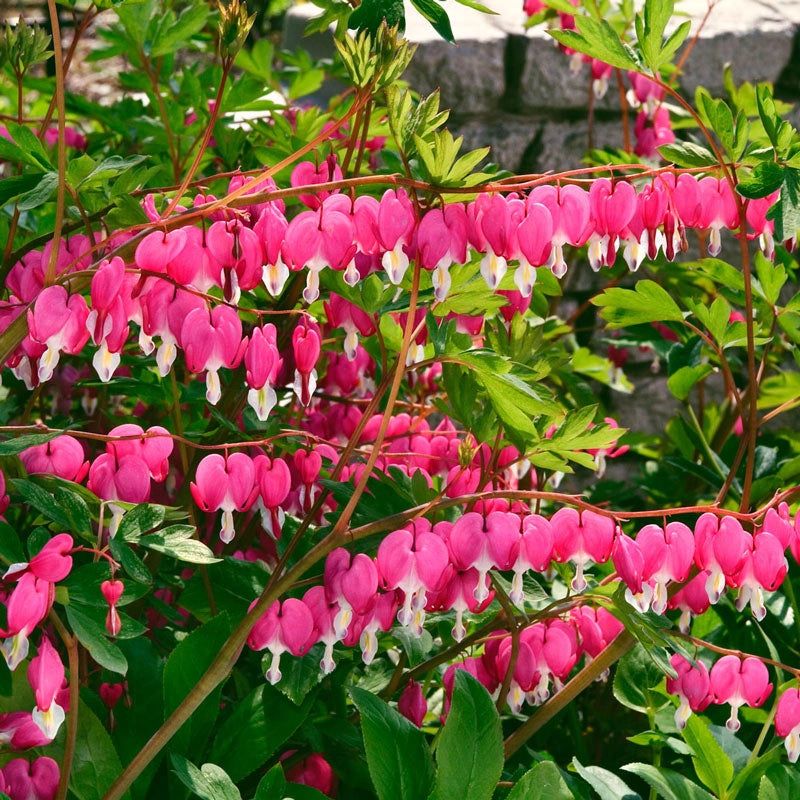
The romantic Bleeding Heart creates a spectacular spring display with its dangling heart-shaped blooms. Their fleshy roots form a complex network that becomes increasingly fragile as the plant matures.
Attempting to move these sentimental favorites often leads to broken roots and transplant shock. Many gardeners have watched in dismay as their once-flourishing specimen withers away after being relocated.
If you absolutely must move a Bleeding Heart, wait until fall when the plant has gone dormant, and expect at least two seasons of reduced performance while it recovers from the ordeal.
4. Sprawling Rhubarb
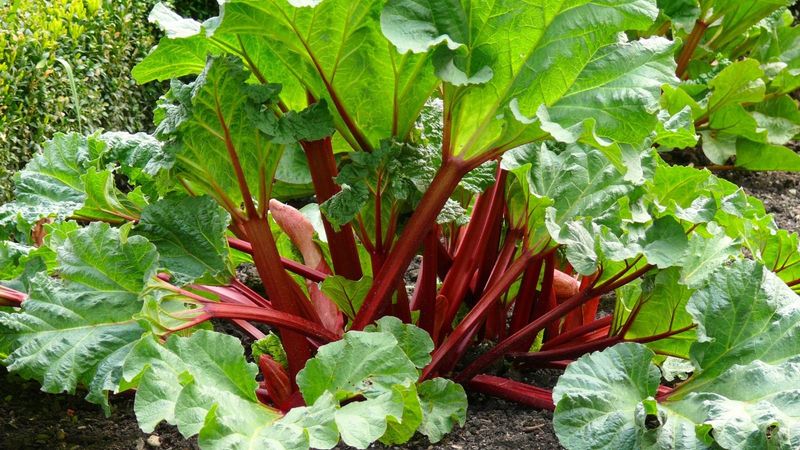
Rhubarb plants develop massive root systems that can reach several feet deep. These extensive roots store energy that fuels the plant’s growth year after year, allowing established plants to produce thick, juicy stalks.
Moving rhubarb disrupts this energy storage system. The plant must divert resources to repair damaged roots rather than producing the stalks we love for pies and jams.
Well-situated rhubarb can thrive for 20+ years in the same location! When planning your garden, give these perennial vegetables a permanent home in a sunny spot with rich, well-drained soil.
5. Graceful Wisteria
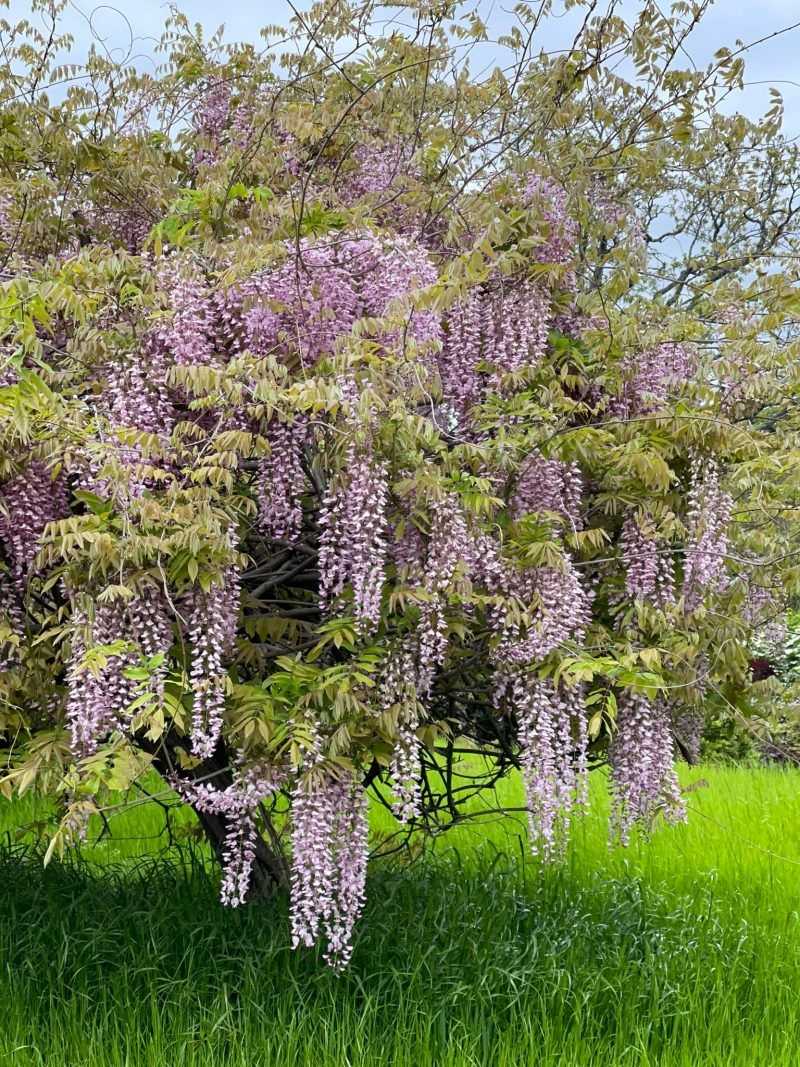
The enchanting cascades of wisteria blooms come with a secret – an incredibly extensive root system that can spread up to 100 feet from the main trunk! These woody vines spend years establishing themselves before putting on their famous floral displays.
Moving a mature wisteria is nearly impossible without causing fatal damage. The intertwined roots become so established that disturbing them typically results in the plant’s decline or death.
Garden lore tells of century-old wisteria vines still flowering magnificently in their original planting spots. Choose your wisteria location with extreme care, considering its eventual massive size.
6. Magnificent Magnolias
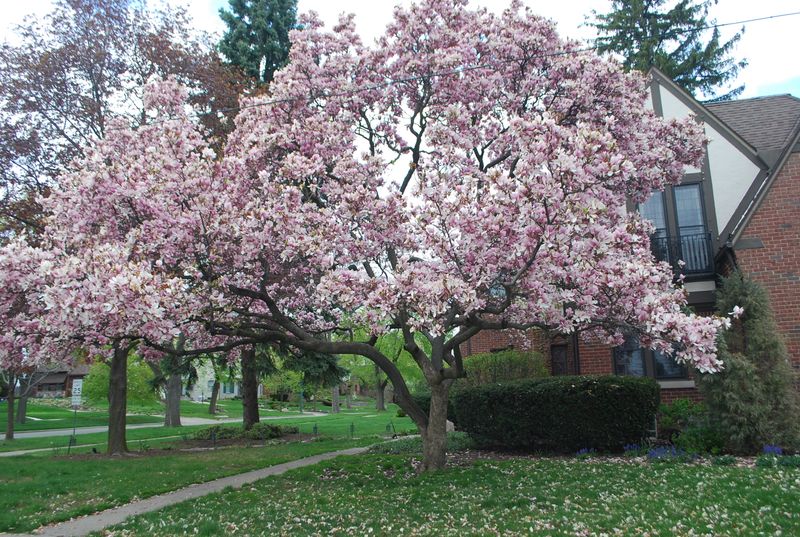
Magnolia trees form deep taproots that anchor them firmly in place. These primary roots extend straight down, sometimes reaching depths equal to the tree’s height above ground!
Attempting to transplant a magnolia that’s been growing for more than a couple of years usually ends in heartbreak. The delicate balance between the taproot and feeder roots gets disrupted, often causing the tree to decline slowly over several seasons.
Magnolias can live for 80-120 years when left undisturbed. Plant your magnolia as a legacy for future generations to enjoy, choosing its forever home with great consideration.
7. Persistent Horseradish
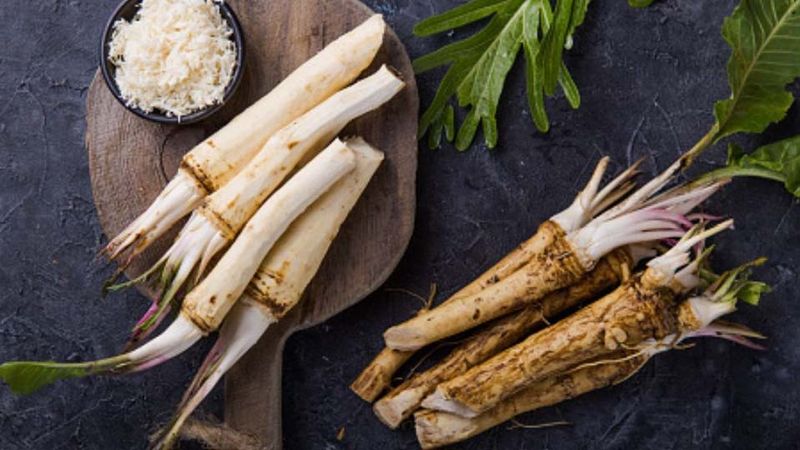
Horseradish develops a deep, persistent root system that becomes increasingly difficult to move as it matures. Even tiny root fragments left behind after attempted transplanting will regrow into new plants!
Gardeners often joke that you should plant horseradish only where you want it forever. The tangled mass of roots grows more stubborn with age, resenting any attempt to relocate it to a new garden spot.
If you decide to grow this pungent perennial, dedicate a permanent corner of your garden where its aggressive growth won’t bother neighboring plants. Your reward will be fresh, spicy roots for homemade horseradish sauce.
8. Steadfast Baptisia
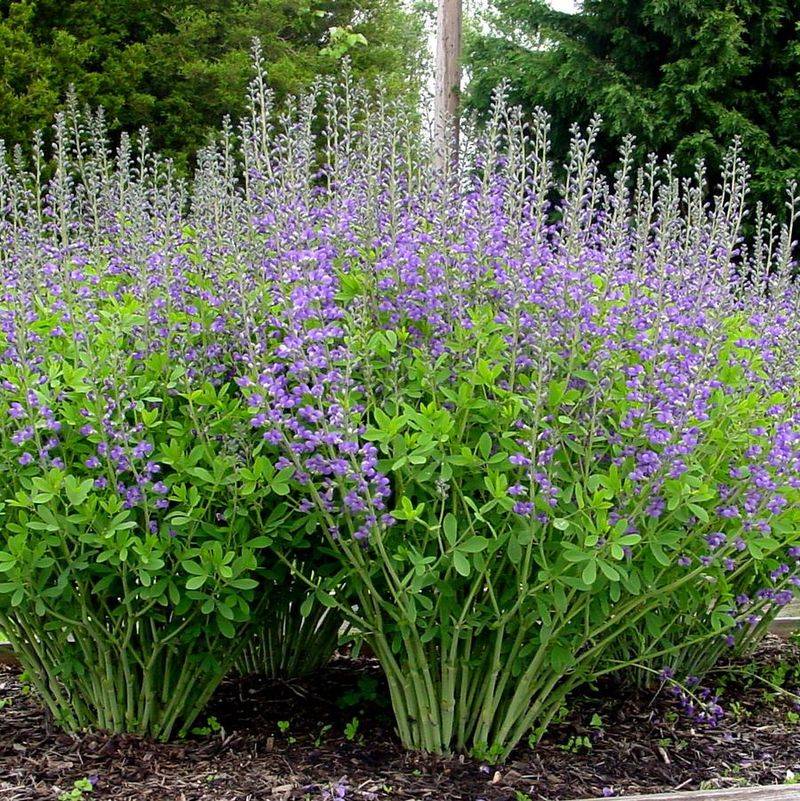
False indigo (Baptisia) develops an impressive taproot that can extend several feet into the soil. This drought-resistant native prairie plant uses its deep root system to access moisture far below the surface during dry spells.
The taproot becomes increasingly brittle as the plant ages. Attempting to move a mature Baptisia usually results in breaking this crucial root structure, often killing the plant outright or setting it back many years.
Native plant enthusiasts cherish Baptisia for its spring blooms and architectural seed pods. Once you’ve chosen its forever home, you’ll be rewarded with decades of carefree beauty from this prairie favorite.
9. Tenacious Butterfly Bush
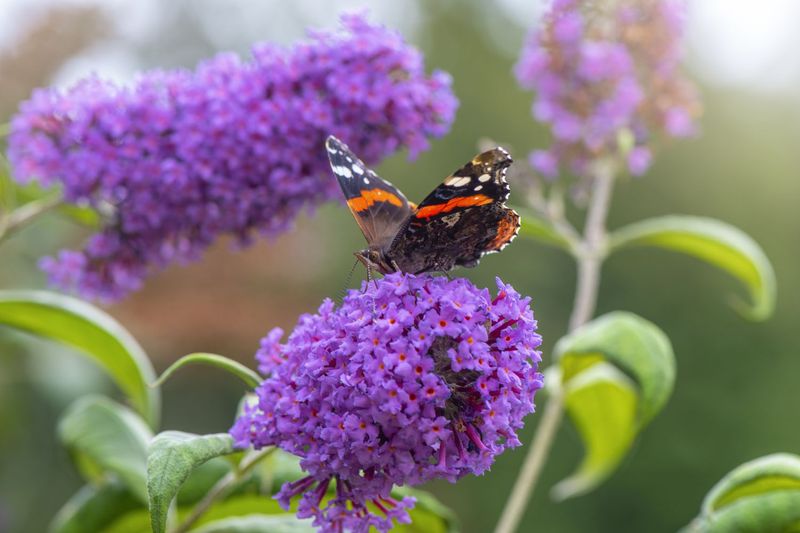
Butterfly bushes develop woody stems and extensive root systems that become increasingly difficult to transplant as they age. The thick main roots anchor the plant firmly while spreading laterally through the surrounding soil.
Moving a mature butterfly bush often results in significant dieback or complete failure to establish in the new location. The stress of root disturbance can prevent the plant from producing the nectar-rich blooms that attract its namesake visitors.
For maximum butterfly attraction, plant your butterfly bush in its permanent location from the start. Choose a sunny spot with well-drained soil where this pollinator magnet can thrive undisturbed for many years.
10. Stubborn Daylilies
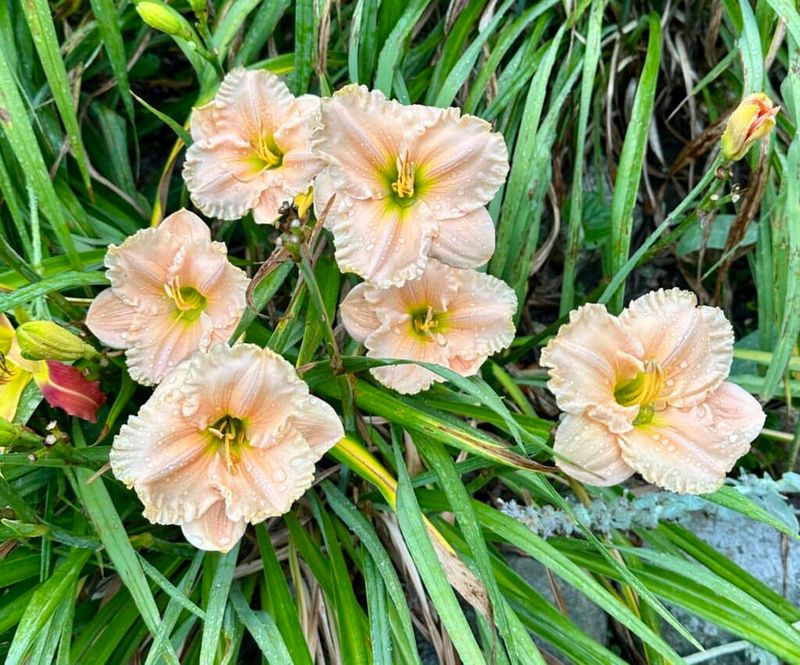
Daylilies might seem like easygoing plants, but older clumps develop dense, intertwined root systems that strongly resist relocation. The fleshy tubers become so tightly packed that they form nearly solid masses in the soil.
While younger daylilies transplant readily, mature clumps often sulk after moving. They might refuse to bloom for several seasons or produce significantly fewer flowers while reestablishing their complex root systems.
Many gardeners have daylilies that have thrived in the same spot for decades! If you must move an older clump, expect a recovery period and be prepared to provide extra care until the plant settles into its new home.
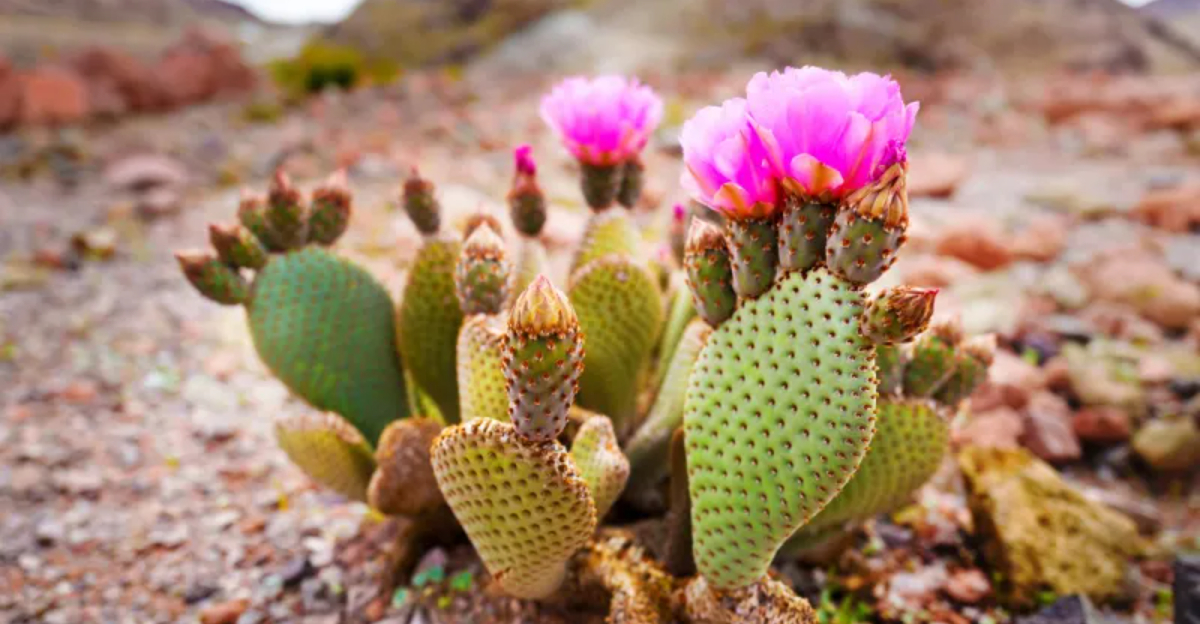
11. Ancient Prickly Pear Cactus
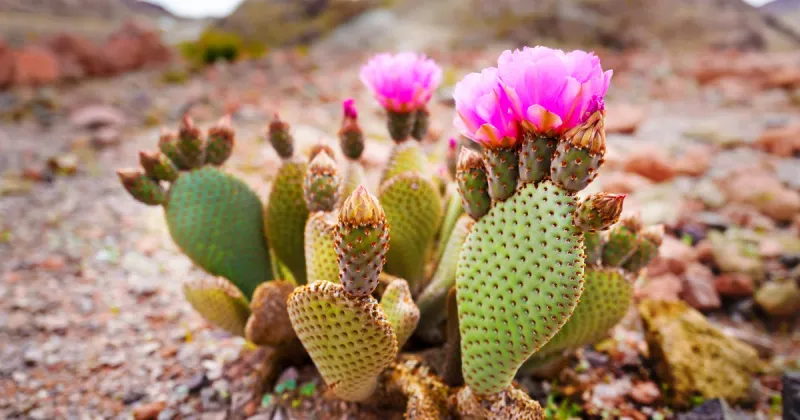
Prickly pear cacti develop extensive shallow root systems that spread far beyond the visible pads. These roots become increasingly brittle with age, making older specimens nearly impossible to relocate successfully.
The root system of a mature prickly pear can extend 10-15 feet from the plant! Attempting to dig up and move such an established cactus typically results in fatal root damage.
Native to arid regions, these resilient plants can live for decades or even centuries in their original growing spot. The oldest known prickly pear in the Southwest is estimated to be over 300 years old—a testament to the benefits of staying put!
12. Enduring Japanese Forest Grass
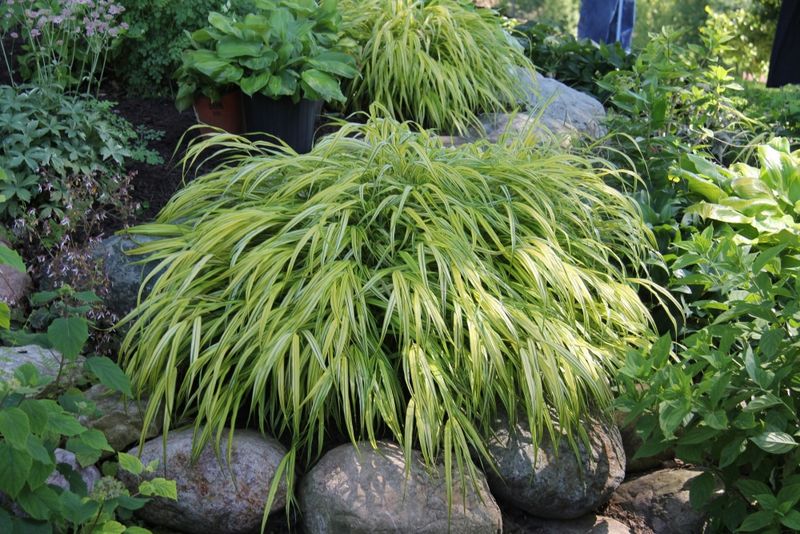
Japanese forest grass (Hakonechloa) creates an intricate network of fine roots that become increasingly sensitive to disturbance as the plant matures. The delicate root system intertwines with the surrounding soil, making clean separation nearly impossible.
Gardeners who attempt to move established clumps often find the plant struggles to recover. The characteristic cascading form may take several seasons to return, if the plant survives the move at all.
The golden or variegated foliage of Japanese forest grass creates stunning effects when left to develop to its full potential. Plant it where you can enjoy its waterfall-like growth habit for many years to come.
13. Territorial Tree Peonies
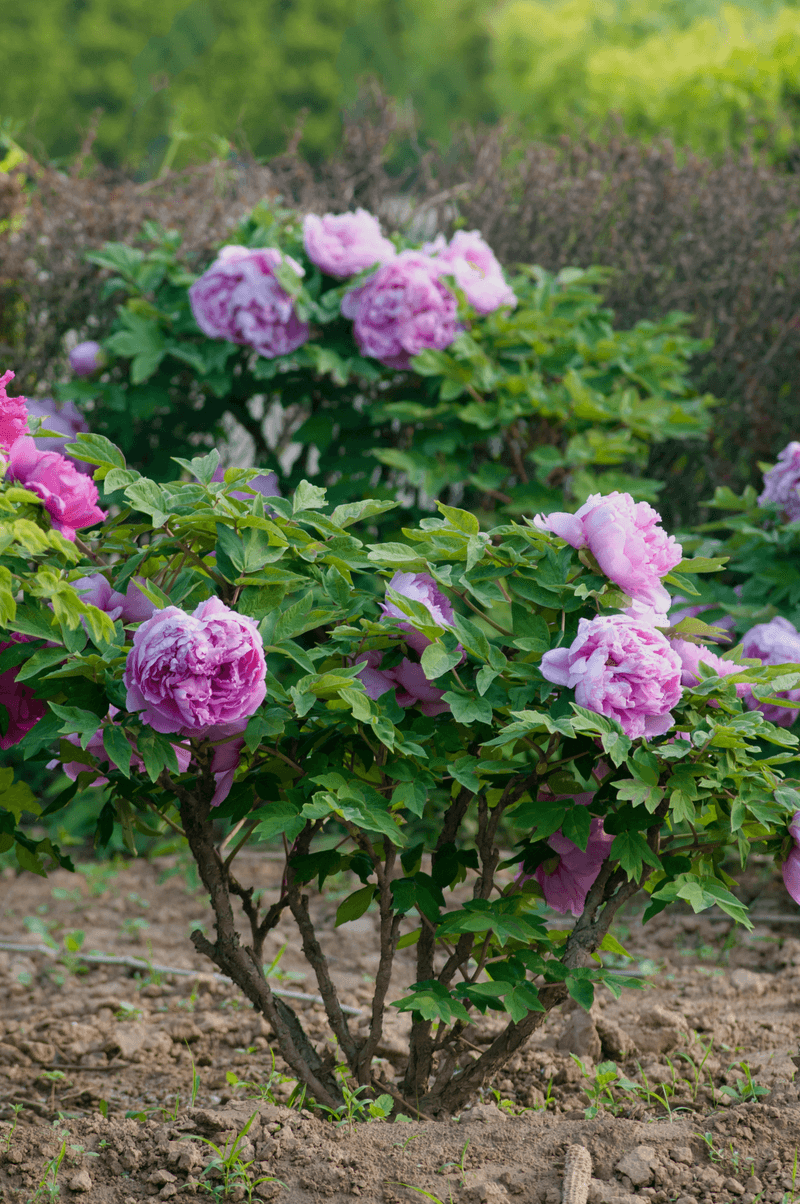
Unlike their herbaceous cousins, tree peonies develop woody stems and deeper root systems that become increasingly resentful of disturbance. These shrubby plants can live for 100+ years when left in place!
Moving a mature tree peony typically results in years of recovery time before the plant returns to its former glory. Many gardeners report that relocated specimens never quite match the vigor and bloom quantity they displayed in their original location.
In China, some tree peonies have remained in the same garden spots for centuries, becoming treasured heirlooms passed down through generations. Plant yours with similar long-term vision.
14. Resilient Ramps
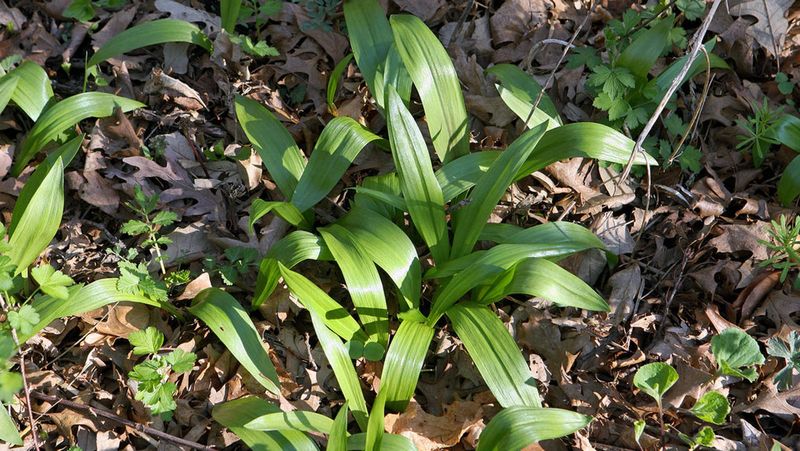
Wild leeks, or ramps, form complex underground communities that rely on mycorrhizal connections with the surrounding forest soil. These woodland natives grow incredibly slowly, taking up to seven years to reach maturity from seed.
Attempting to transplant established ramp patches typically disrupts these delicate soil relationships. The plants often fail to thrive in new locations, even when moved to seemingly similar woodland conditions.
Sustainable foragers know that ramp patches represent decades of growth and interconnection. If you’re lucky enough to have these spring delicacies growing on your property, appreciate them where they are rather than trying to relocate them.
15. Anchored Artichokes
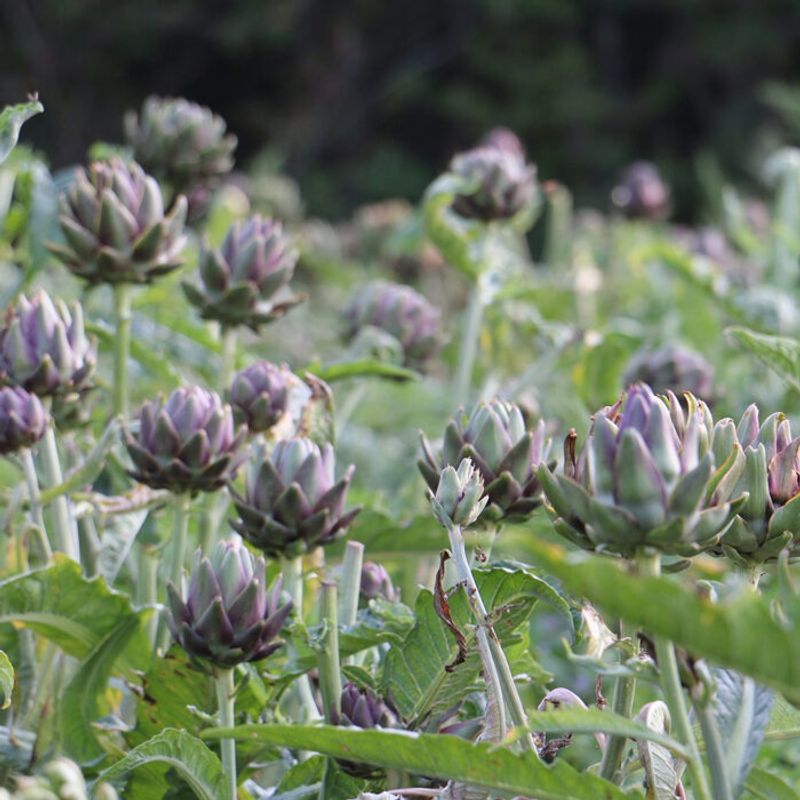
Perennial artichokes develop substantial taproots that can extend several feet into the soil. These impressive roots allow the plants to survive drought conditions and return year after year in suitable climates.
Moving an established artichoke plant usually damages this crucial taproot. Without its primary anchor, the plant struggles to access deep soil moisture and nutrients, often resulting in smaller harvests or complete failure.
In Mediterranean climates, artichoke plants can produce for 5-10 years from the same location! When planning your edible garden, give these architectural vegetables a permanent home where they can develop their impressive root systems undisturbed.