
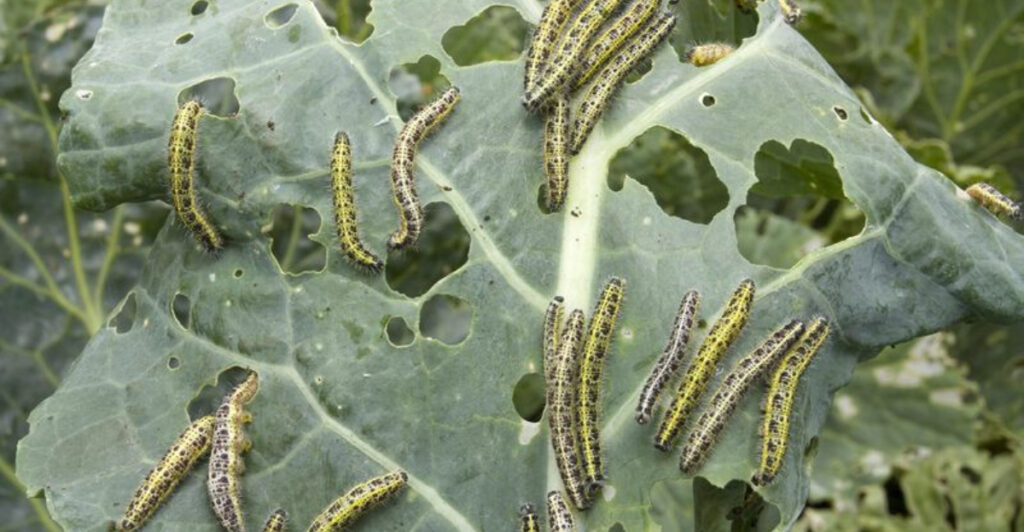
Caterpillars might seem harmless with their fuzzy bodies and slow movements, but they can quickly destroy your garden plants. These hungry creatures munch through leaves, flowers, and vegetables, leaving behind damaged plants and disappointed gardeners. If you’re facing a caterpillar invasion, don’t worry – you don’t need expensive chemicals or professional help to solve the problem.
1. Sprinkle Diatomaceous Earth
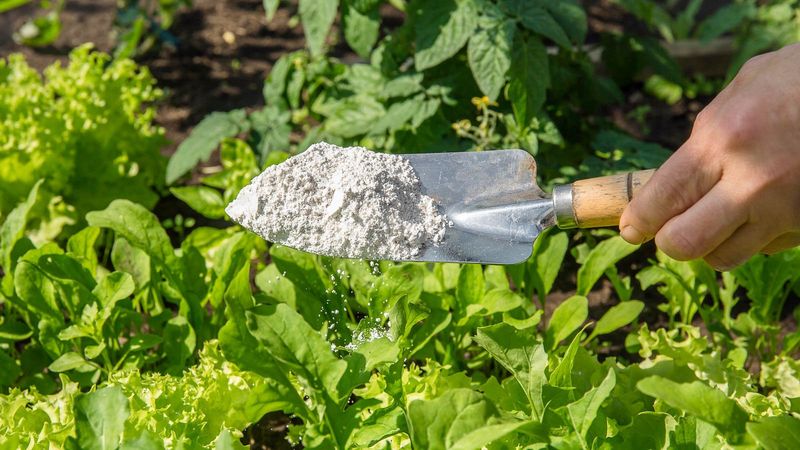
Diatomaceous earth works like microscopic razor blades against soft-bodied pests. This powdery substance, made from fossilized algae, cuts through caterpillars’ outer layers, causing them to dehydrate and die. Sprinkle it around plants or directly onto the leaves where caterpillars feed. Food-grade diatomaceous earth is safe around pets and children, unlike harsh chemicals. Apply it when plants are dry, and reapply after rain washes it away. A 4-pound bag costs around $10 and treats an entire garden multiple times. Remember to wear a dust mask during application since the fine powder can irritate lungs if inhaled.
2. Brew a Garlic Spray
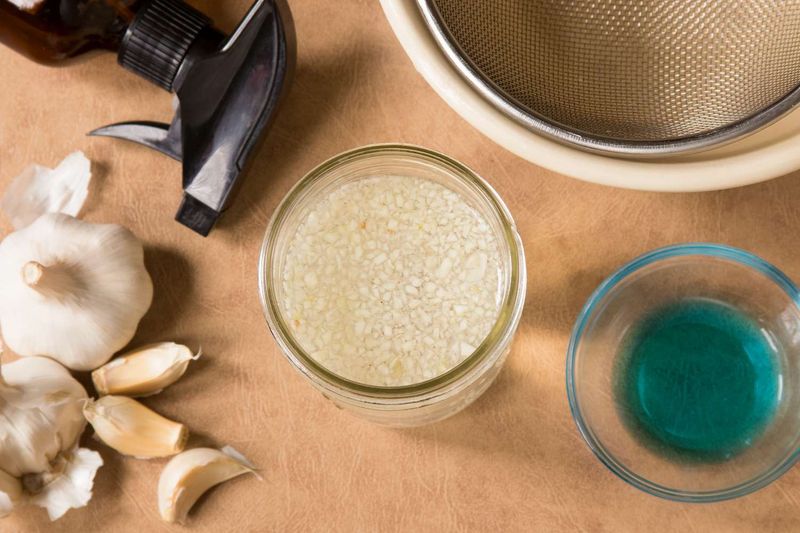
Caterpillars can’t stand the strong smell of garlic. Create your own repellent by blending several garlic cloves with water, straining the mixture, and adding a few drops of dish soap. The soap helps the spray stick to plant surfaces. Fill a spray bottle with this pungent mixture and coat both sides of leaves thoroughly. The garlic odor confuses caterpillars and masks the plant scents that normally attract them. This homemade solution costs pennies per application and won’t harm beneficial insects. Apply weekly or after rainfall for continuous protection. The smell dissipates quickly for humans but remains effective against garden pests.
3. Attract Natural Predators
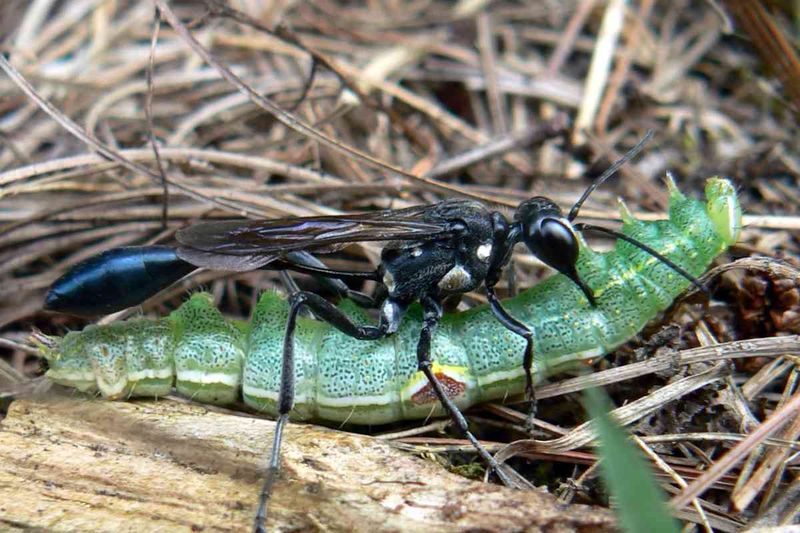
Nature provides its own pest control services for free. Birds, wasps, and ladybugs love feasting on juicy caterpillars. Install bird feeders, birdbaths, and native flowering plants to invite these helpful creatures into your garden. Parasitic wasps lay eggs inside caterpillars, eventually killing them. Don’t worry – these beneficial wasps aren’t interested in humans! Plant flowers like dill, fennel, and sweet alyssum to attract these tiny helpers. Toads gobble up caterpillars by night, so create toad shelters using overturned flower pots with doorway notches cut into the rim. This balanced ecosystem approach controls caterpillars while enhancing your garden’s biodiversity.
4. Apply Bacillus Thuringiensis (Bt)
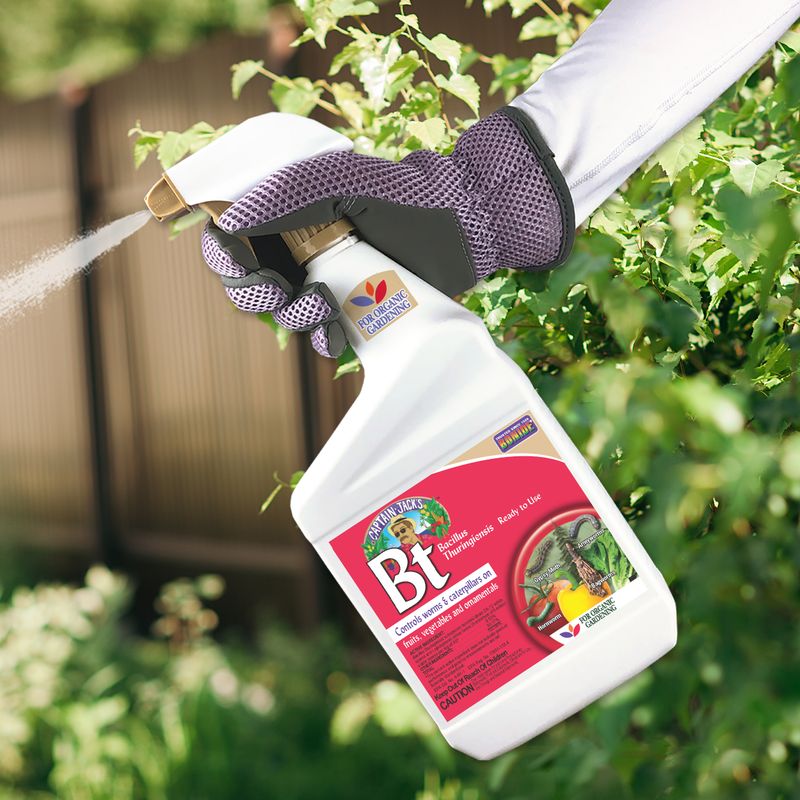
Bacillus thuringiensis sounds fancy but it’s actually a naturally occurring soil bacteria that produces proteins toxic only to caterpillars. When caterpillars eat Bt-treated leaves, the proteins disrupt their digestive systems, causing them to stop eating and die within days. Available as a powder or liquid concentrate at garden centers for under $15, Bt offers targeted pest control without harming bees, birds, or other beneficial creatures. Mix according to package directions and spray onto plants. For best results, apply Bt in the evening since sunlight breaks down the bacteria. Reapply every 7-10 days during peak caterpillar season or after heavy rain washes away the previous application.
5. Handpick the Crawlers
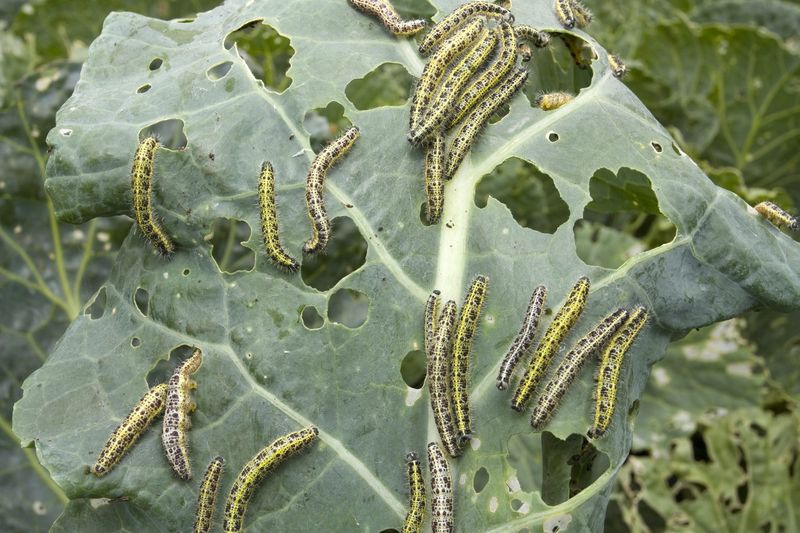
The most direct approach costs nothing but a little time and courage. Simply pluck caterpillars off your plants with gloved hands during early morning or evening when they’re most active. Drop them into a bucket of soapy water to eliminate them humanely. Many gardeners find this method surprisingly effective for small infestations. Regular inspection of plant undersides where caterpillars often hide can prevent population explosions before they start. For those squeamish about touching bugs, use tweezers or tongs instead of fingers. This hands-on method gives you the satisfaction of immediate results while allowing you to target only pest species without harming beneficial insects.
6. Create Sticky Traps
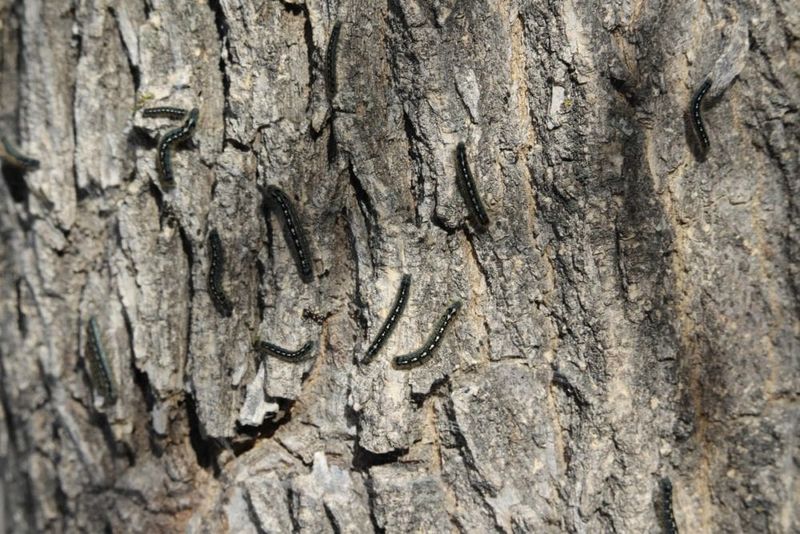
Sticky traps capture caterpillars as they climb up plant stems toward delicious leaves. Make your own by wrapping duct tape (sticky side out) around plant stems or tree trunks. The crawling pests get stuck before reaching your precious plants! Commercial tree bands work similarly and cost about $8-15. These wide sticky barriers prevent caterpillars from ascending trees where they might defoliate entire branches. Check and replace sticky traps regularly when they become covered with debris or lose their stickiness. This method works especially well for climbing caterpillar species like cankerworms and tent caterpillars that must crawl up trunks to reach foliage.
7. Deploy Neem Oil Solution
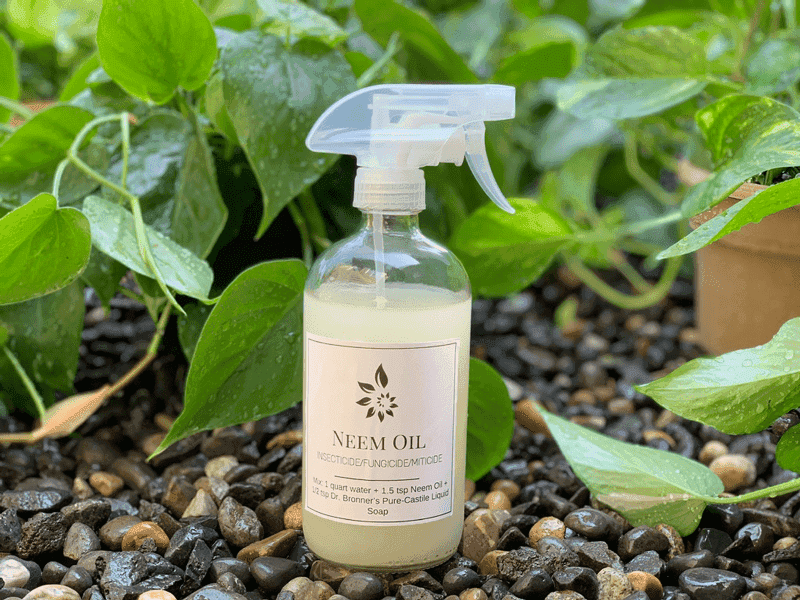
Extracted from neem tree seeds, this natural insecticide disrupts caterpillars’ hormonal systems and acts as a feeding deterrent. Mix 2 teaspoons of neem oil concentrate with a quart of water and a drop of mild dish soap to help it stick to leaves. Spray plants thoroughly, focusing on leaf undersides where caterpillars often hide. The bitter compounds in neem make plants taste terrible to caterpillars, so they stop eating and eventually starve. A small bottle of neem concentrate costs around $10 and makes many gallons of spray. Apply every 7-14 days for continuous protection. Unlike chemical pesticides, neem breaks down quickly in the environment without leaving harmful residues.
8. Scatter Eggshells Around Plants
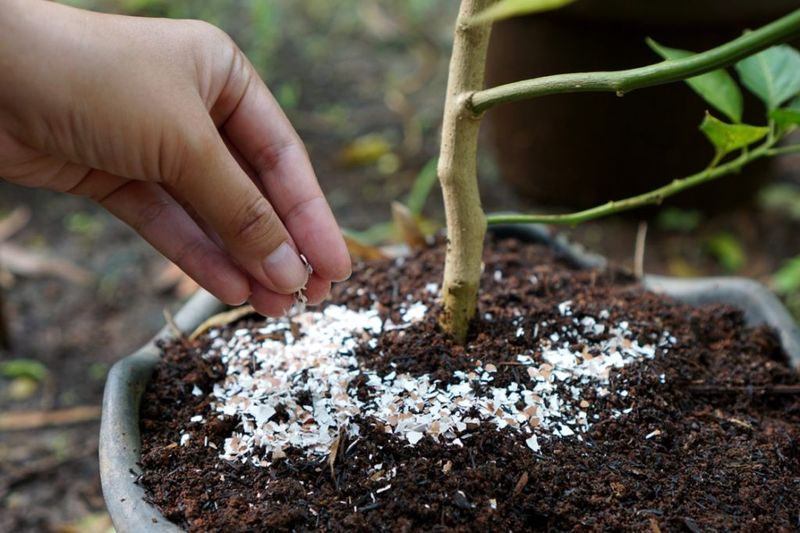
Those breakfast eggshells have a second life as caterpillar deterrents! Crush cleaned, dried eggshells into sharp fragments and sprinkle them around vulnerable plants. The jagged edges irritate soft caterpillar bodies, creating a barrier they’re reluctant to cross. As an added bonus, eggshells slowly break down to add calcium to your soil. This improves plant cell structure and helps prevent blossom end rot in tomatoes and peppers. Collect shells in a container until you have enough for garden use. Bake them briefly at low heat to ensure they’re completely dry before crushing. This zero-cost solution recycles kitchen waste while protecting your garden from hungry caterpillars.
9. Dust Plants with Cayenne Pepper

Caterpillars have sensitive taste receptors that make spicy substances unbearable. Sprinkle cayenne pepper powder directly onto plant leaves or mix a tablespoon with water and a drop of dish soap to create a spicy spray that caterpillars avoid. The capsaicin in cayenne irritates caterpillars when they attempt to munch treated leaves. They quickly learn to stay away from your precious plants after one unpleasant encounter with the spicy coating. A small bottle of cayenne from the dollar store treats dozens of plants. Apply in dry weather and reapply after rain. Wear gloves during application and avoid touching your eyes afterward – what repels caterpillars can also irritate human skin!
10. Construct Row Covers
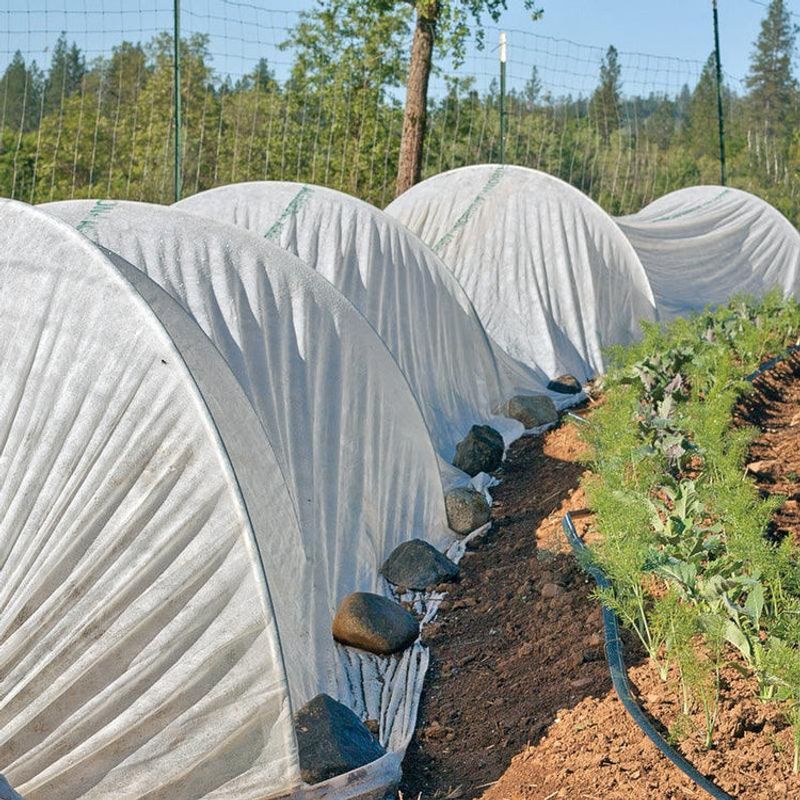
Physical barriers provide foolproof protection against caterpillars. Lightweight floating row covers let in sunlight and water while keeping butterflies and moths from laying eggs that hatch into hungry caterpillars. Drape the fabric directly over plants or create simple hoops using PVC pipe. Secure edges with soil, rocks, or garden pins to prevent crafty caterpillars from crawling underneath. Remove covers temporarily during flowering if plants need pollination. Basic row cover material costs about $15-20 for a 6’x20′ sheet that can be reused for several seasons. This method eliminates the need for sprays or treatments while providing the additional benefit of protecting plants from harsh sun and unexpected frost.
11. Mix a Soap Spray Solution
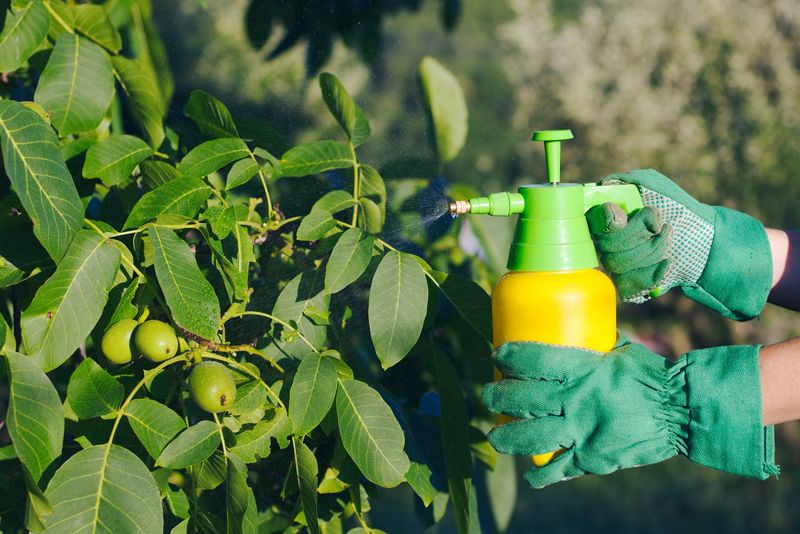
Common dish soap makes a surprisingly effective caterpillar killer. Mix 1-2 tablespoons of mild liquid soap with a quart of water in a spray bottle. The soap breaks down caterpillars’ protective outer coating, causing them to dehydrate. Spray directly onto caterpillars when you spot them. For best results, apply in the evening to avoid leaf burn from sun-heated soap solution. Test on a few leaves first to ensure your plants don’t react negatively. This simple spray costs pennies per application using soap you already have. Avoid antibacterial soaps or those with added bleach or degreasers, as these may harm plants. Plain castile soap or basic dishwashing liquid works perfectly for this budget-friendly pest control method.
12. Plant Caterpillar-Repelling Herbs
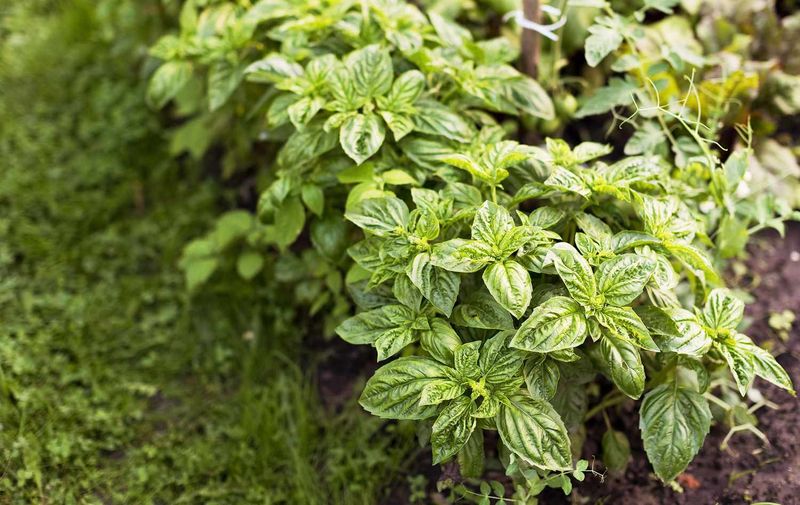
Strong-smelling herbs naturally repel caterpillars without any spraying required. Mint, rosemary, thyme, sage, and lavender release aromatic oils that mask the scent of host plants and confuse hungry caterpillars looking for food. Intersperse these protective herbs throughout your vegetable garden or plant them as borders around vulnerable crops. The herbs create an invisible barrier of scent that many caterpillar species avoid crossing. Herb seedlings cost $3-4 each but provide years of protection while also supplying fresh herbs for cooking. This companion planting strategy improves garden biodiversity and reduces pest problems naturally. The bonus? Your garden smells amazing while keeping caterpillars away!
13. Introduce Beneficial Nematodes
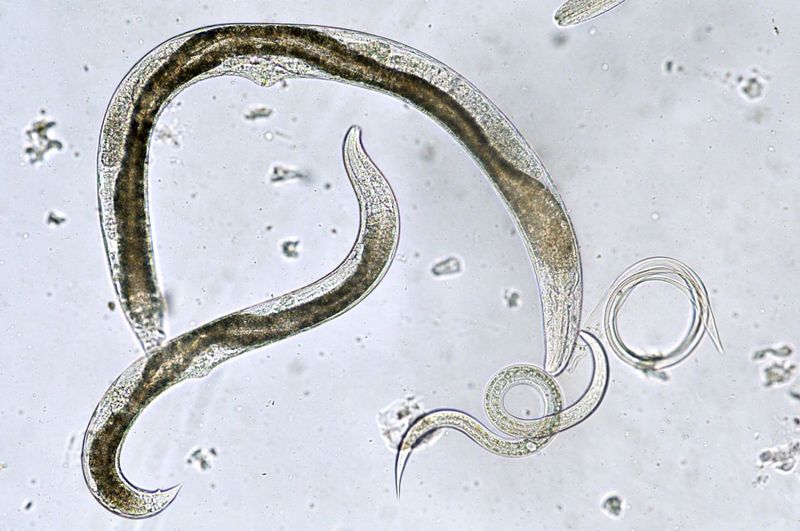
These microscopic worms act as underground assassins against caterpillars that pupate in soil. When watered into garden beds, beneficial nematodes seek out and infect caterpillars and other soil-dwelling pests, killing them within days. A package of nematodes costs $15-25 and treats up to 2,000 square feet of garden space. Apply them by mixing with water according to package directions and watering the soil thoroughly. They’re completely safe for humans, pets, and plants. For best results, apply nematodes when soil temperature is between 60-90°F and keep soil moist for several days afterward. These helpful organisms reproduce in the soil, providing ongoing protection against multiple generations of caterpillars that try to pupate in your garden.