
Deadheading is a common garden practice, but there are certain plants that thrive when left untouched. These plants produce seeds, provide food for wildlife, and add distinctive beauty to the garden, even in their spent state.
Embracing these natural cycles can enhance biodiversity and create a more sustainable and thriving garden ecosystem. Here are 15 plants you should allow to go to seed, bringing unique charm and ecological benefits to your garden.
1. Coneflowers (Echinacea)
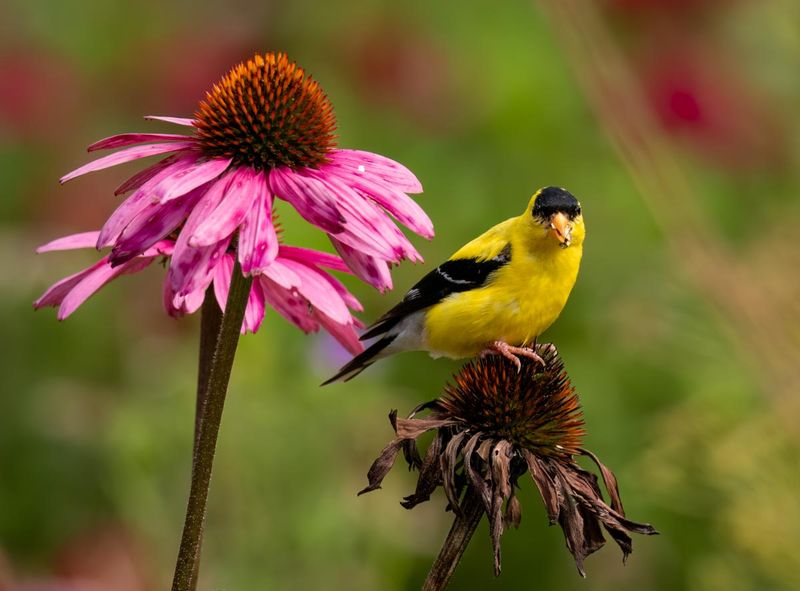
Coneflowers stand tall in the garden, even after their blooms fade. Their seed heads are a favorite snack for birds like goldfinches, adding a lively touch to the winter garden. Rather than removing them, let the seed heads remain and watch as your garden becomes a hub of activity. These resilient beauties also offer architectural interest when dusted with snow, creating a picturesque winter scene.
2. Ornamental Grasses
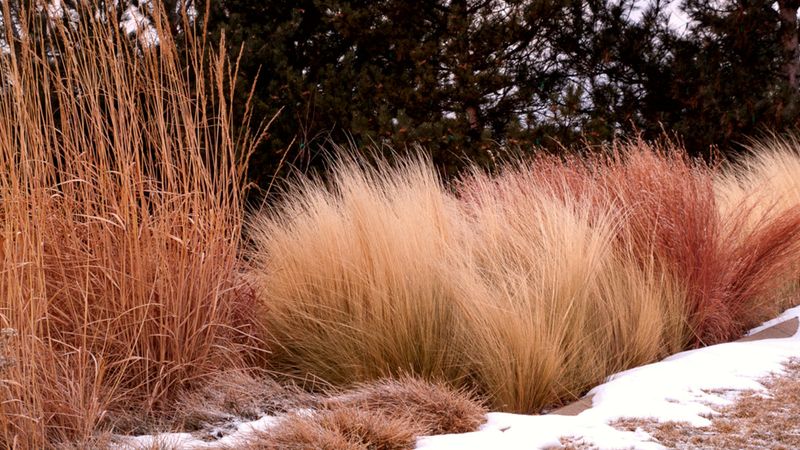
The gentle sway of ornamental grasses brings movement and texture to any garden. Their feathery plumes persist into fall and winter, providing a stunning visual against the stark winter landscape. Allowing them to remain uncut captures their full seasonal beauty, enhancing the garden’s charm. These grasses not only serve as a visual delight but also provide habitat for overwintering insects, promoting garden biodiversity.
3. Hellebores (Lenten Rose)
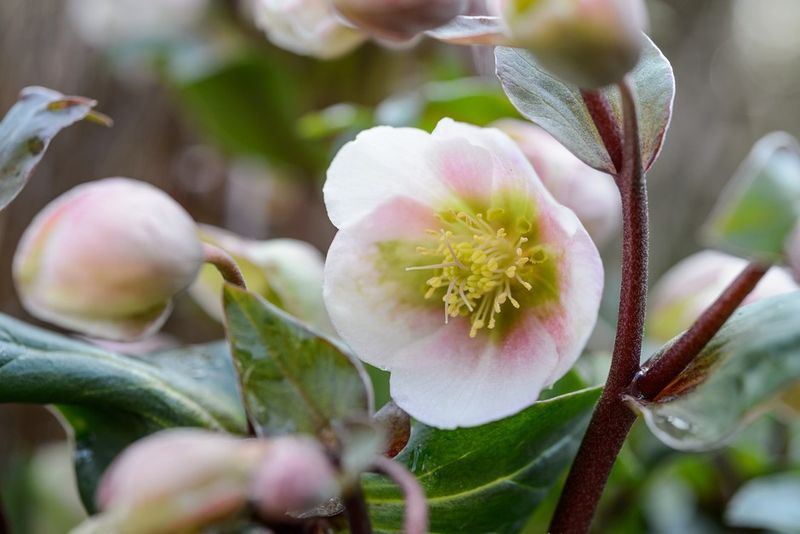
Hellebores, often called the Christmas rose, bloom amid the frost. Their charming blooms and lush foliage make them a standout in shaded gardens. Allowing them to self-seed aids in forming lush colonies that can transform a dull space into a vibrant tapestry. Deadheading disrupts this natural process and can hinder new plants from emerging, missing the chance to fill your garden with their subtle allure.
4. Clematis (Certain Varieties)
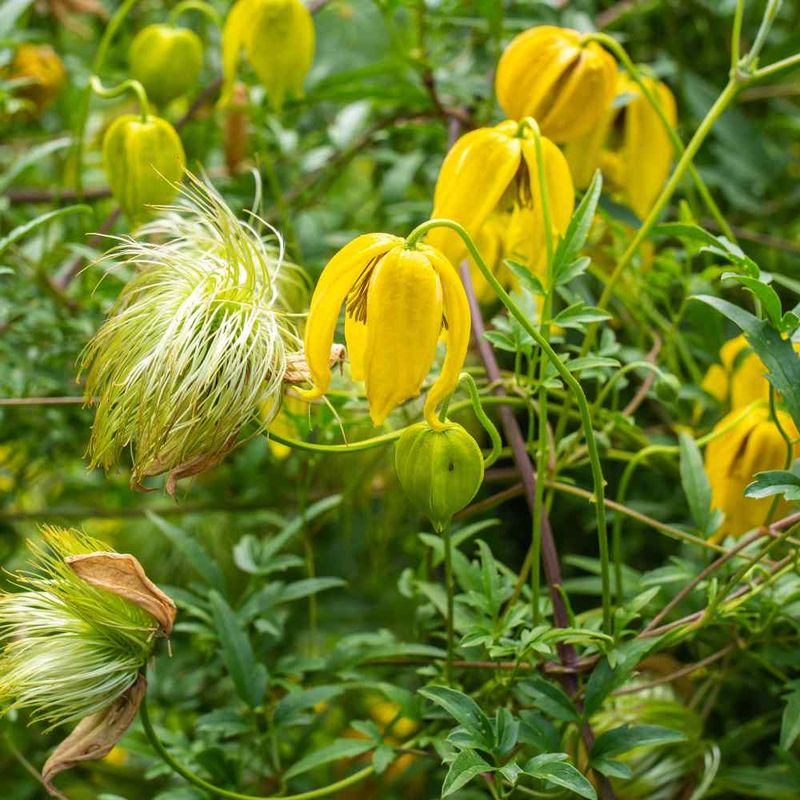
Clematis offers more than just its striking blooms. Post-flowering, some varieties produce seed heads that resemble fluffy, silver tassels. These add an unexpected texture and visual interest to structures like trellises. By leaving the seed heads intact, you keep a unique garden element that contrast beautifully with other plants. Moreover, these seed heads can linger into winter, providing an enchanting touch during the colder months.
5. Milkweed (Asclepias)
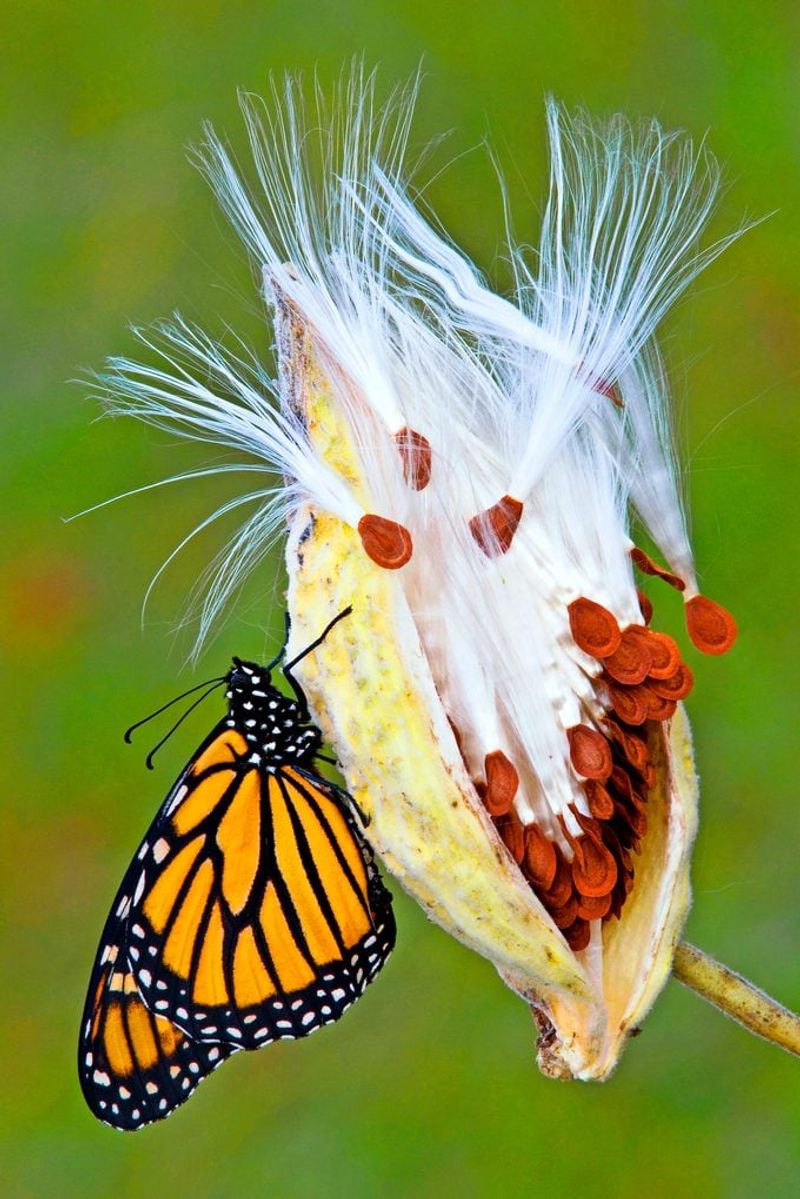
Milkweed is a lifeline for monarch butterflies, offering both nectar and a place for laying eggs. Its seed pods, which burst open to release silky seeds, are crucial for the plant’s propagation. By not deadheading, you’re supporting an essential habitat and food source for pollinators. This simple act can make a significant impact on biodiversity, ensuring monarchs and other pollinators continue to thrive.
6. Columbine (Aquilegia)
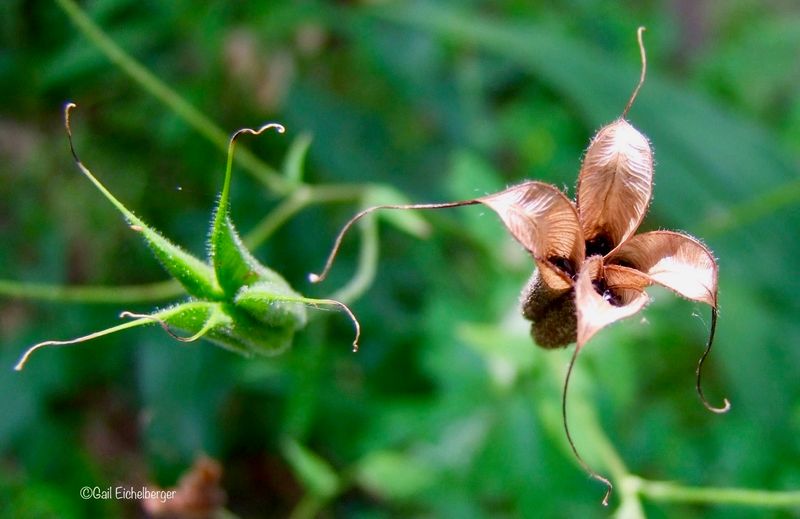
The delicate, nodding blooms of Columbine give way to unique seed pods that are a delight to behold. Allowing these to mature ensures a self-seeding spectacle that can surprise you with new plants in unexpected colors and forms. This natural spread contributes to a dynamic and ever-changing garden landscape. By resisting the urge to deadhead, you embrace the garden’s evolving nature, enriching its diversity.
7. Lupines
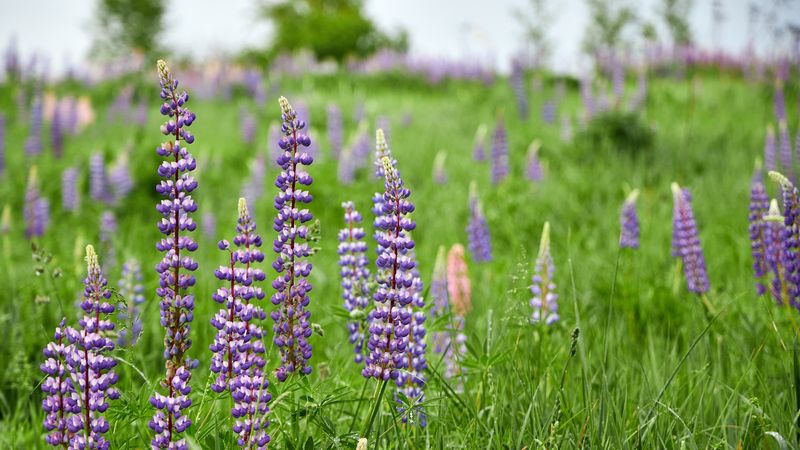
Lupines create a stunning display with their tall, spiky blooms. Though deadheading can improve the current season’s blooms, allowing them to go to seed encourages natural clump formation. These self-seeding wonders can transform a garden space into a vibrant meadow over time. By letting them set seed, you invite a natural expansion of color and texture, making your garden a living canvas of seasonal beauty.
8. Poppies (Papaver spp.)
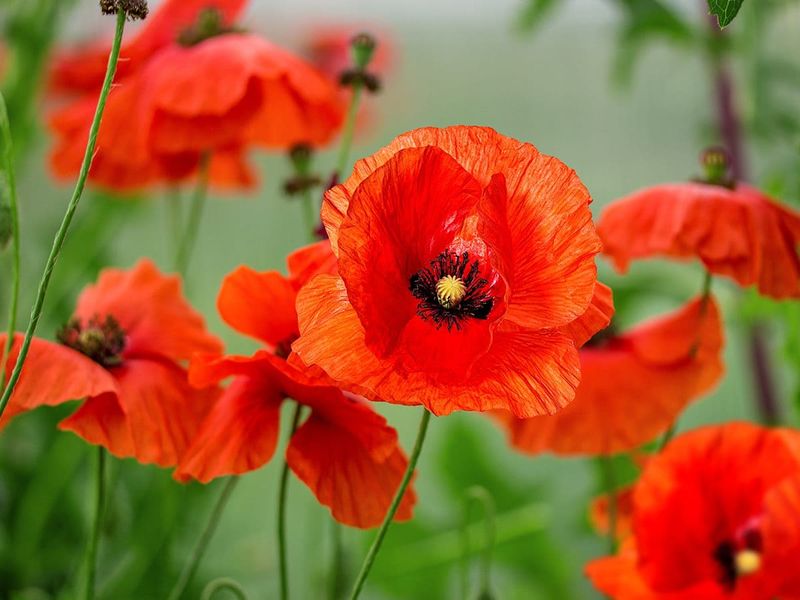
Poppies are not only known for their vivid blooms but also for their captivating seed heads. These ornamental pods add a sculptural element to the garden and are perfect for dried arrangements. Allowing them to mature means your garden will likely see new poppy seedlings the following year. This cycle of growth and regeneration infuses your garden with a sense of continuity and timeless beauty.
9. Foxglove (Digitalis)
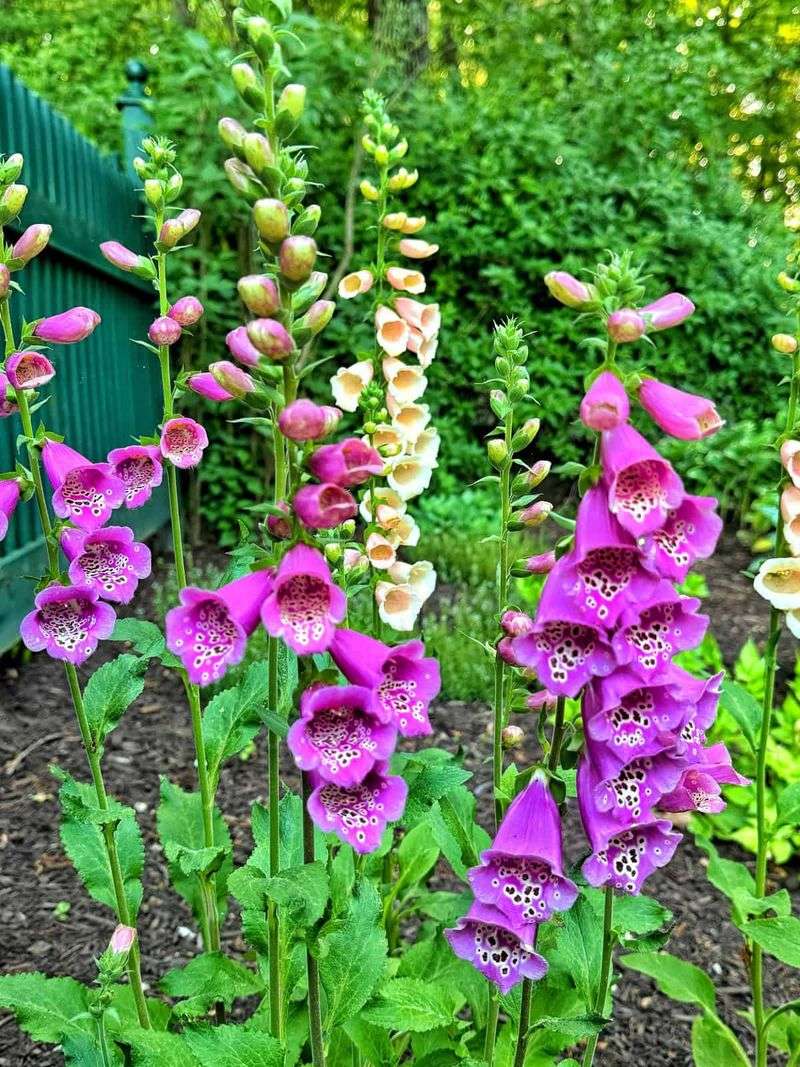
The towering spires of foxgloves are iconic in many gardens. Essential for bees, these biennials need to set seed to return. By letting them do so, you ensure their majestic presence persists year after year. The dry seed pods provide a unique texture, adding depth to the winter garden. This simple act of allowing natural reseeding invites a legacy of beauty and pollinator support to your garden space.
10. Alliums (Ornamental Onions)
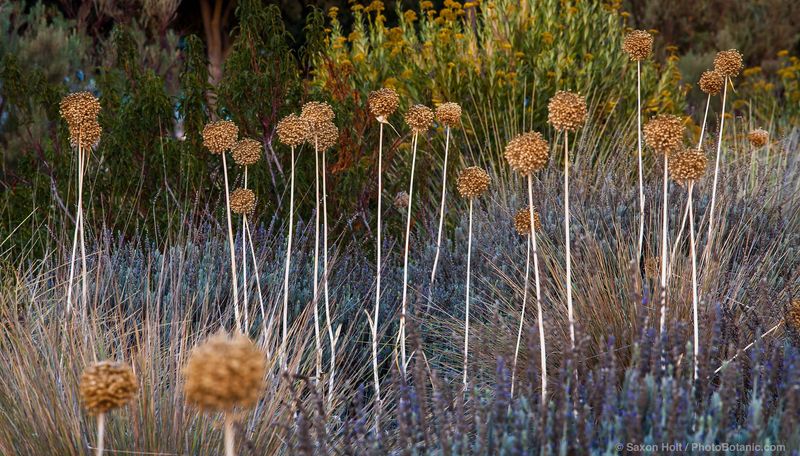
Alliums feature striking blooms that stand out in any garden. Once the flowers fade, their seed heads dry into stunning globes that offer structural beauty. Leaving them in place allows you to enjoy their form throughout the summer and beyond. These architectural spheres not only provide visual interest but also act as a framework for climbing plants, adding a new dimension to your garden design.
11. Sunflowers
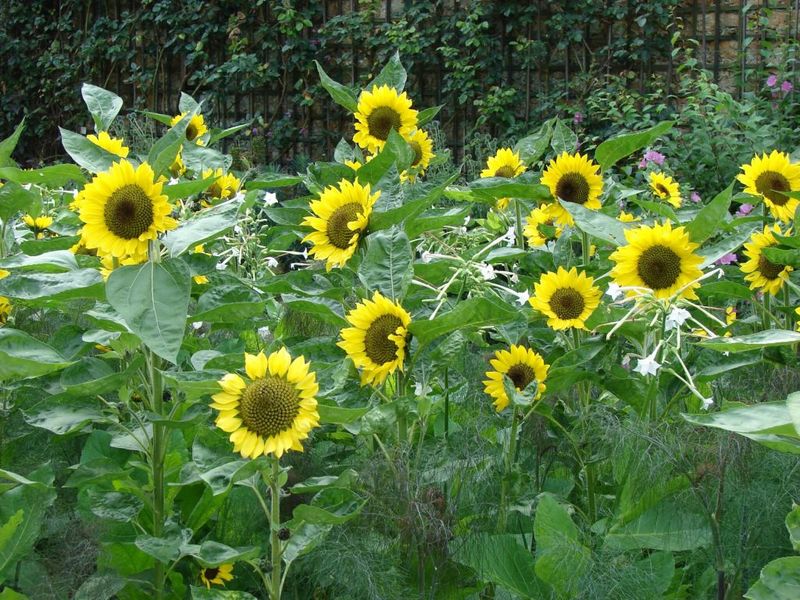
Sunflowers are synonymous with sunny cheerfulness. Their seed heads, when left intact, become a feast for birds and offer the chance for natural reseeding. This cycle supports a thriving ecosystem, inviting more wildlife into your garden. By allowing them to stand, you create a landscape filled with life and vibrancy, ensuring your garden remains a beacon of ecological harmony and seasonal beauty.
12. Nigella (Love-in-a-Mist)
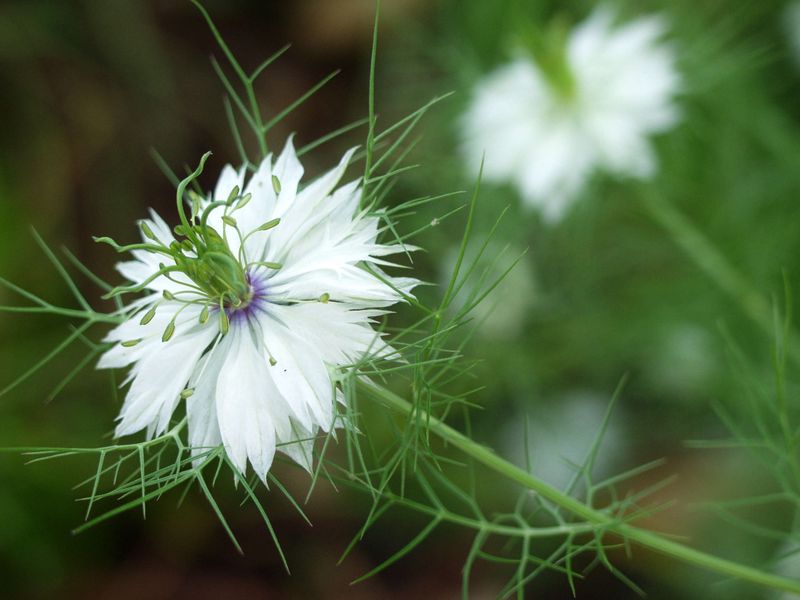
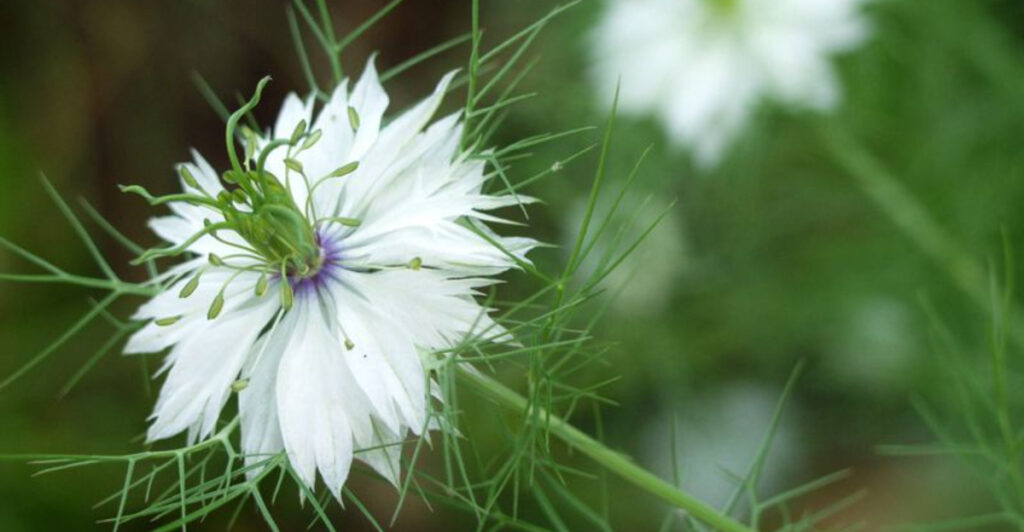
Nigella, or Love-in-a-Mist, enchants with its delicate flowers and intricate seed pods. Post-bloom, the seed pods offer both decorative structure and a promise of next season’s growth. By leaving them to mature, you invite a self-seeding spectacle that adds whimsical charm to the garden. This practice not only enhances garden aesthetics but also ensures a colorful display returns year after year.
13. Black-Eyed Susans (Rudbeckia)
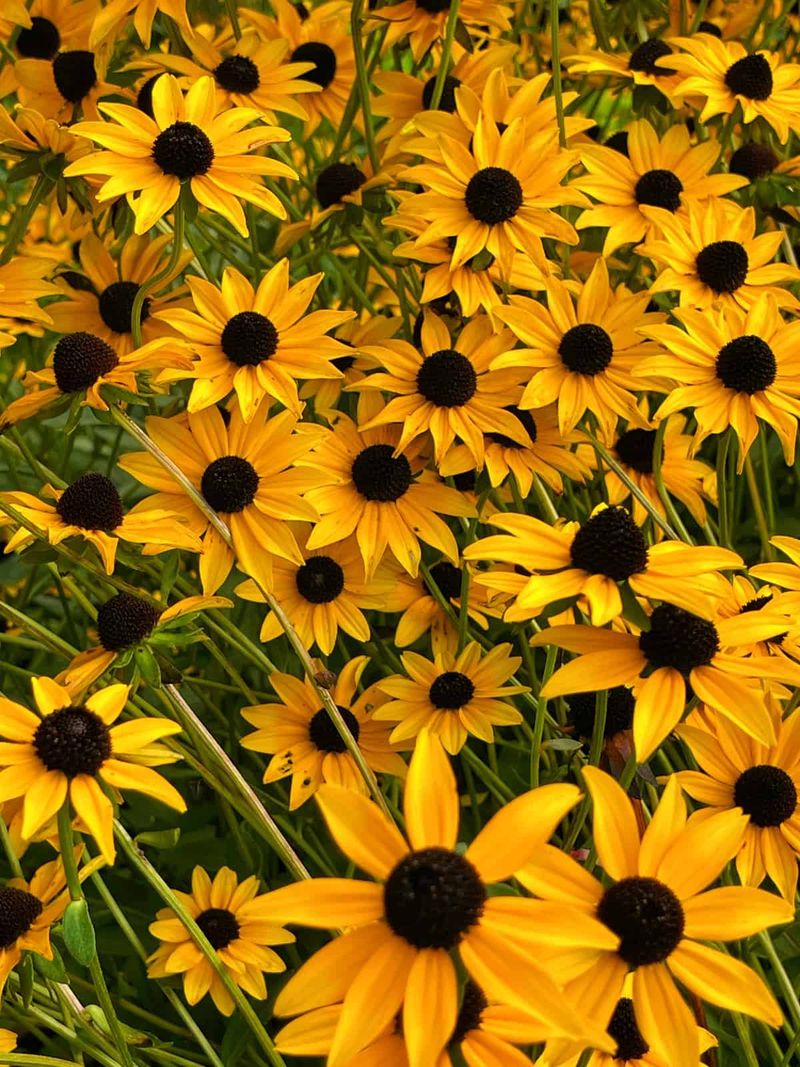
Black-Eyed Susans bring a splash of golden color to the garden. Their seed heads, left uncut, provide a critical food source for birds like finches during the fall. This simple act of leaving them intact enriches the garden’s ecosystem and ensures these cheerful flowers reappear. The seed heads add a rustic touch, complementing the garden’s natural beauty and supporting wildlife simultaneously.
14. Sedum ‘Autumn Joy’
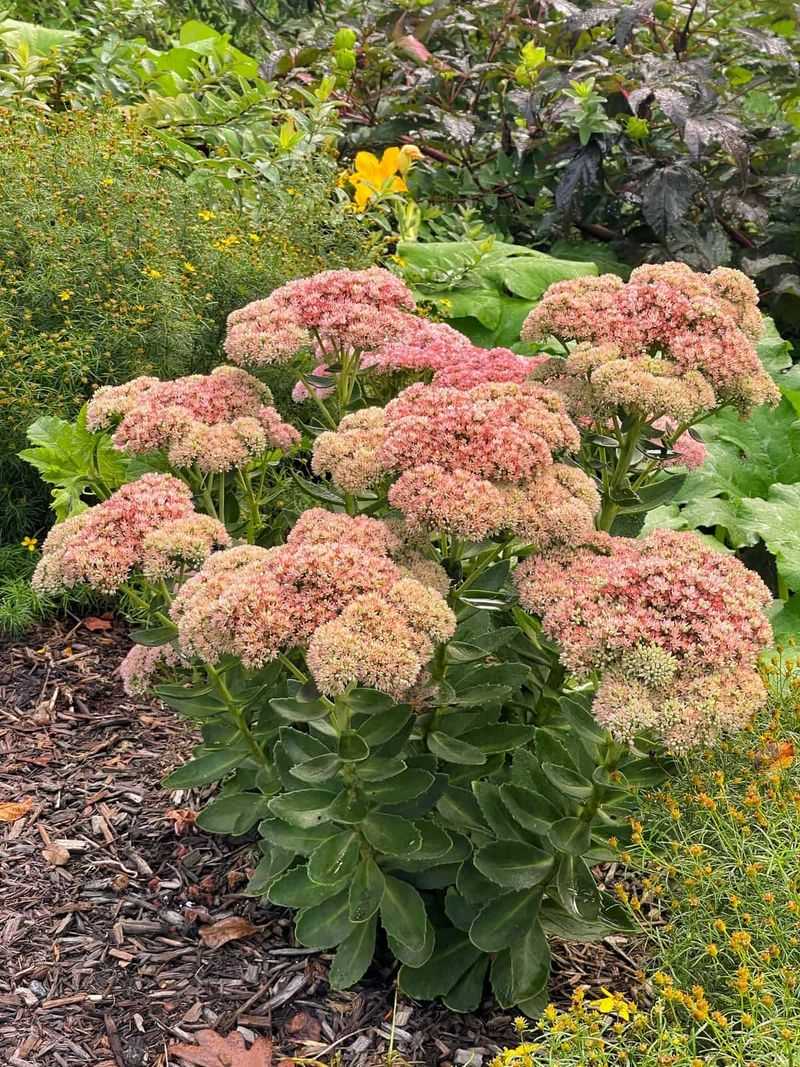
Sedum ‘Autumn Joy’ transforms throughout the seasons, with flowers that fade to a rich rust color. These remain through winter, providing texture and interest when most plants have died back. By allowing them to stand, you keep a vibrant element in the winter garden. The dried flower heads also serve as a perch for birds, seamlessly blending beauty with function and supporting garden wildlife.
15. Joe-Pye Weed (Eutrochium)
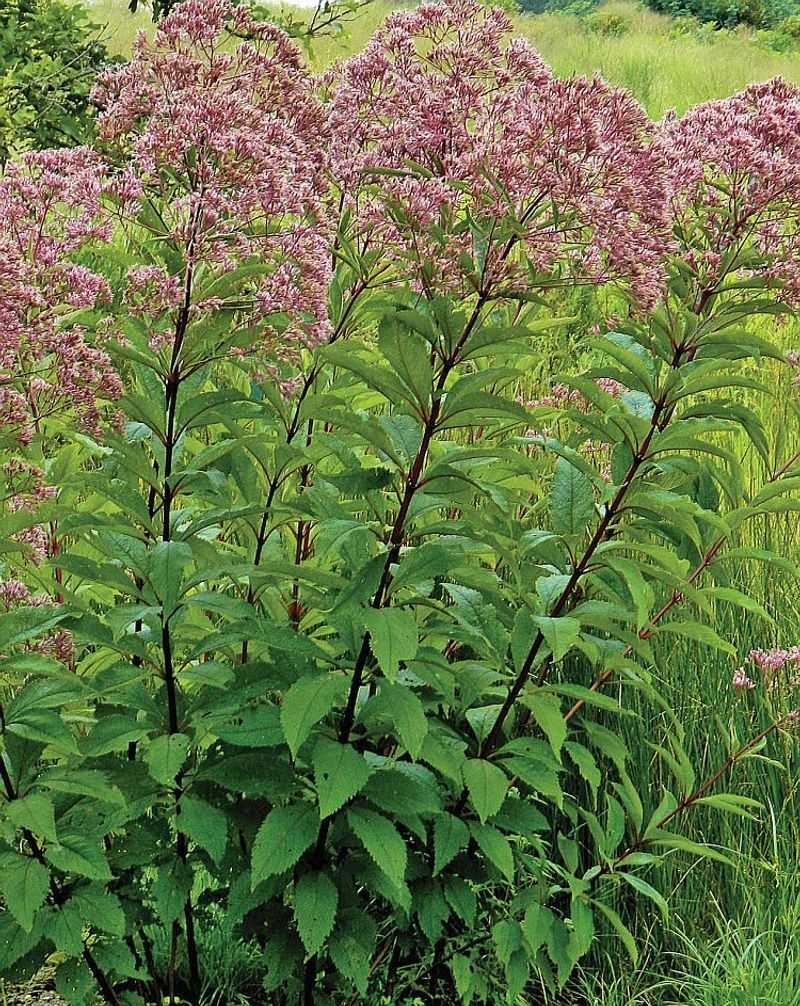
Joe-Pye Weed stands tall with its majestic blooms that support a myriad of pollinators. As the seasons change, these blooms give way to large, fluffy seed heads that command attention. Leaving them to mature contributes to a natural meadow look and offers a striking element in winter. This approach not only aids in garden aesthetics but also supports a healthy ecosystem, promoting biodiversity.