
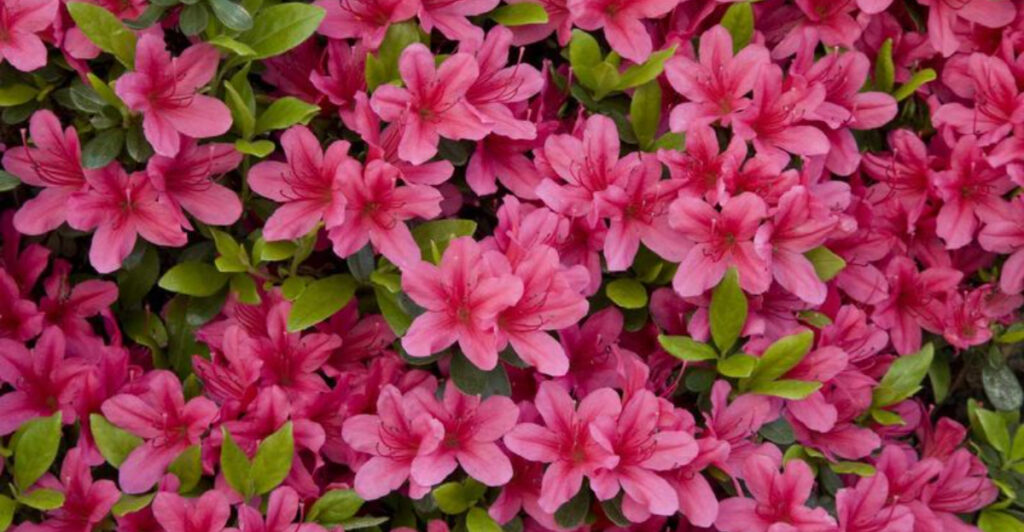
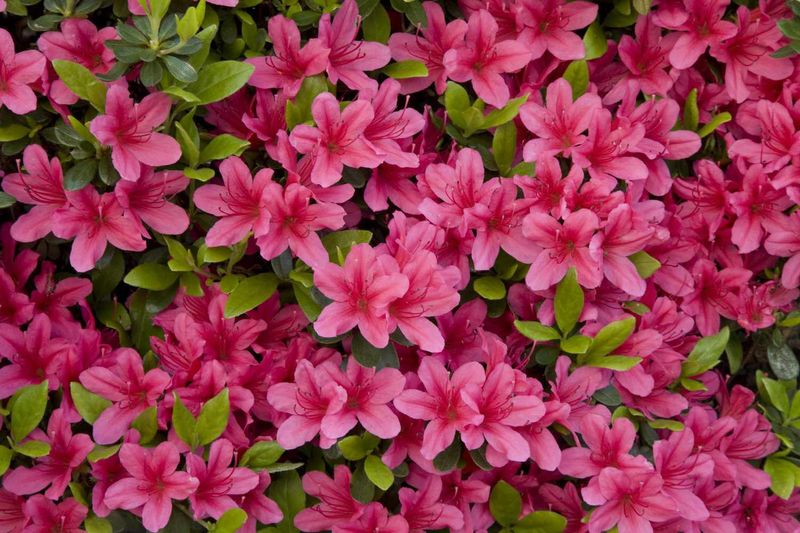
Azalea bushes, with their vibrant blooms, are a gardener’s delight. However, once the blooming period ends, it’s crucial to provide the right care to ensure their health and vitality for the next season.
This guide provides essential tips on managing azaleas post-bloom, focusing on pruning, fertilizing, watering, and pest control, among others.
By following these guidelines, you can maintain the beauty of these plants and prepare them for another vibrant bloom next year.
1. Deadhead the Spent Blooms
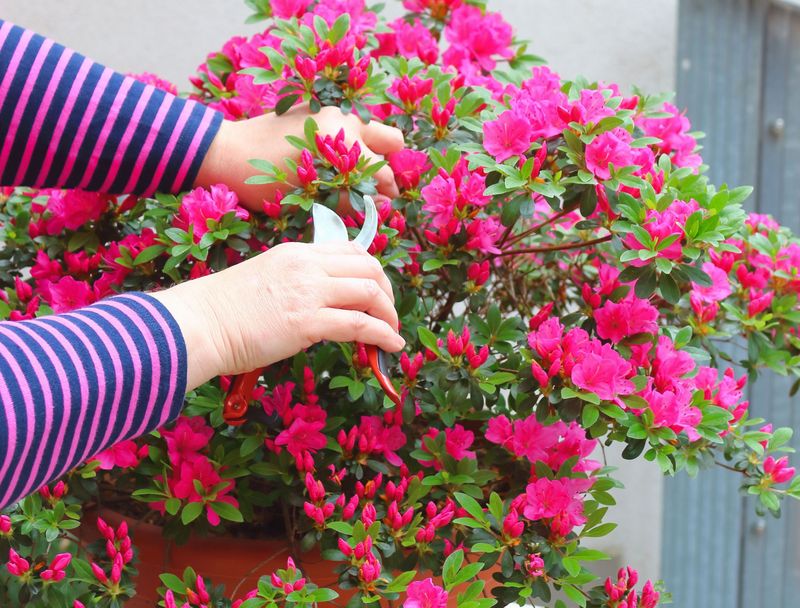
Removing spent azalea blooms is like giving your plant a fresh start. By pinching off these faded flowers, you tidy up the plant and prevent the formation of seeds that can drain its energy. Remember not to cut into new growth. This gentle care ensures the plant’s energy goes towards forming next year’s buds instead. Such attentive maintenance helps in keeping your azaleas ready for another round of stunning blooms.
2. Prune—But Don’t Wait Too Long
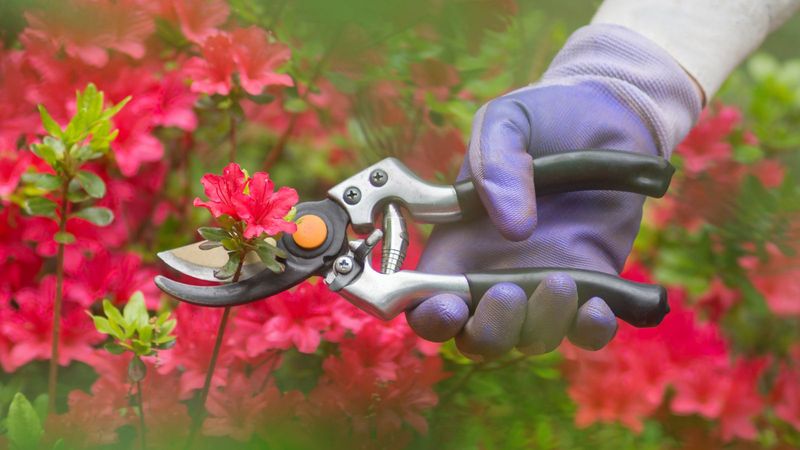
Pruning azaleas right after flowering is crucial for shaping and size control. If you delay, you risk removing next year’s buds since they form just weeks after blooms fade. This timely pruning ensures your plant maintains a neat appearance without sacrificing its future blossoms. Each snip is a step towards a well-maintained garden, positioning your azalea for a lush future display. Careful timing is key for the best results.
3. Feed With the Right Fertilizer
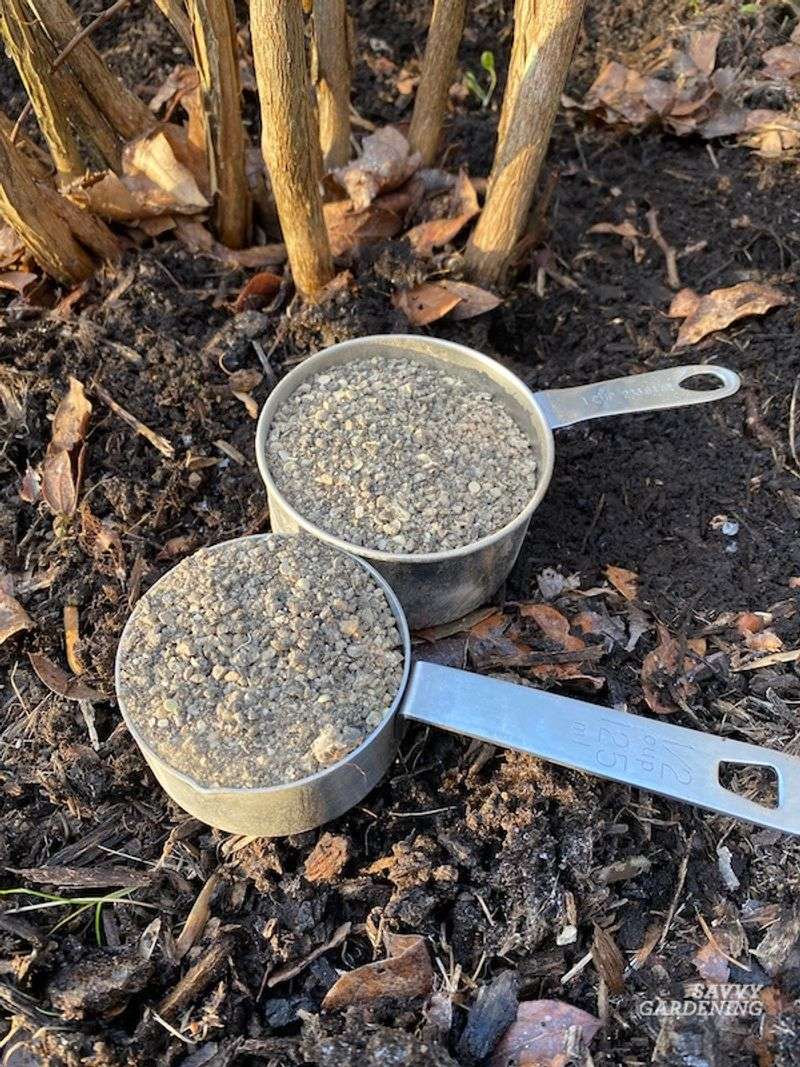
Feeding your azaleas with a slow-release, acid-loving plant fertilizer is like giving them a nutritious meal. Choose one specifically formulated for azaleas, camellias, or rhododendrons for optimal results. This feeding helps foster healthy leaf and bud development, contributing to a robust plant. It’s essential to apply this fertilizer shortly after the blooms fall to ensure that your azaleas have the nutrients they need to thrive.
4. Water Consistently—But Don’t Overdo It
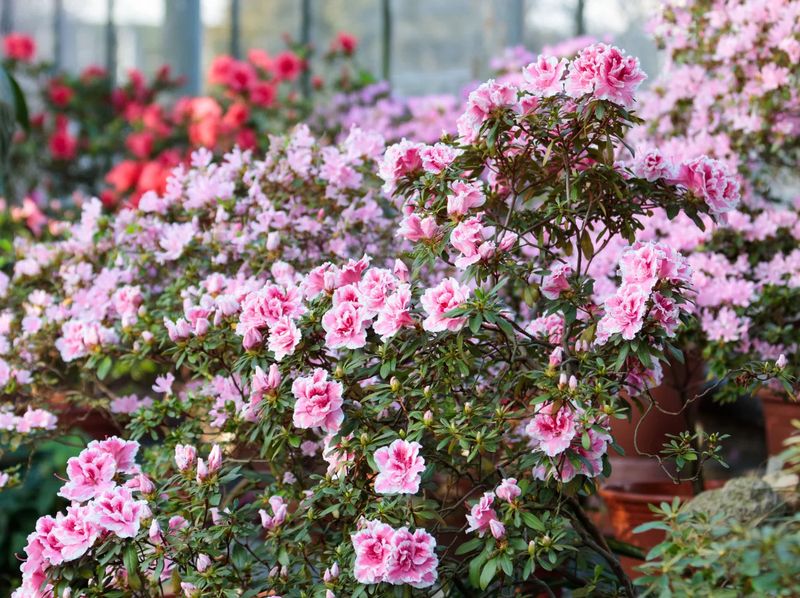
Azaleas thrive in consistently moist soil, but overwatering can be detrimental. Deep watering once or twice a week ensures that the soil remains damp, not soggy. This careful watering practice supports the plant’s health by providing just the right amount of moisture. Avoid shallow, frequent watering, as it doesn’t penetrate deeply enough to reach the roots. Maintaining the right balance is crucial for the vitality of your azaleas.
5. Apply Mulch to Retain Moisture
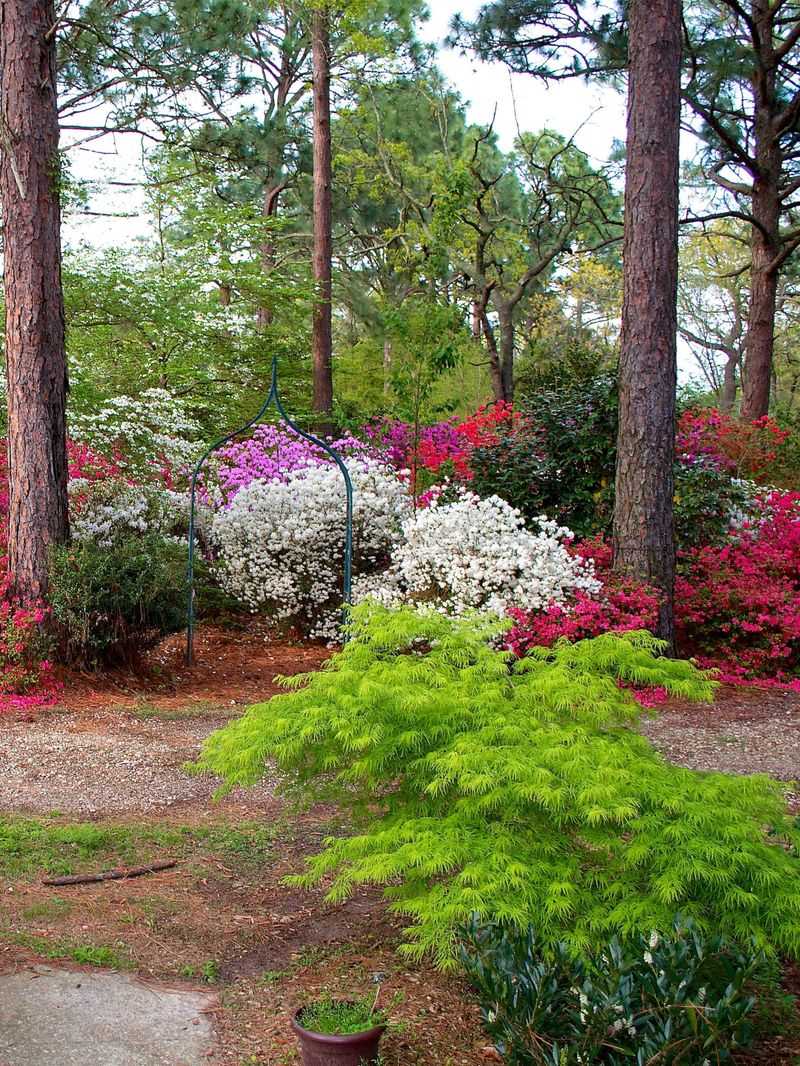
Mulching is an effective way to keep your azalea’s soil cool and retain moisture. By adding a 2-3 inch layer of organic mulch like pine bark or needles around the base, you can also prevent weed growth. However, ensure the mulch isn’t piled directly against the trunk to avoid rot. This simple step creates a protective barrier, helping your azaleas conserve water and flourish throughout the hotter months.
6. Watch for Pests and Disease
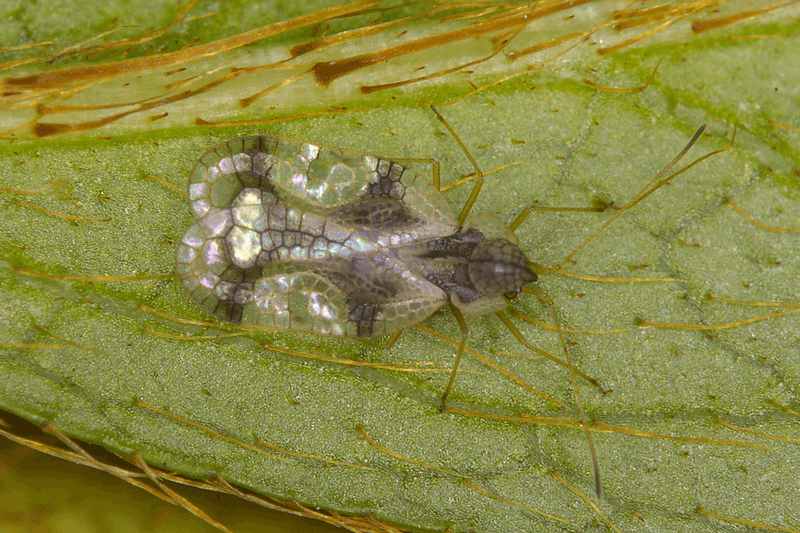
After blooming, it’s vital to monitor azaleas for pests like lace bugs or spider mites. Addressing these issues early with neem oil or insecticidal soap can prevent long-term damage. This proactive approach ensures your plants remain healthy and vibrant. Regular checks allow you to catch any problems before they escalate, safeguarding your azaleas’ beauty and health. Paying attention to these details helps maintain a thriving garden.
7. Consider Transplanting—Now’s the Time
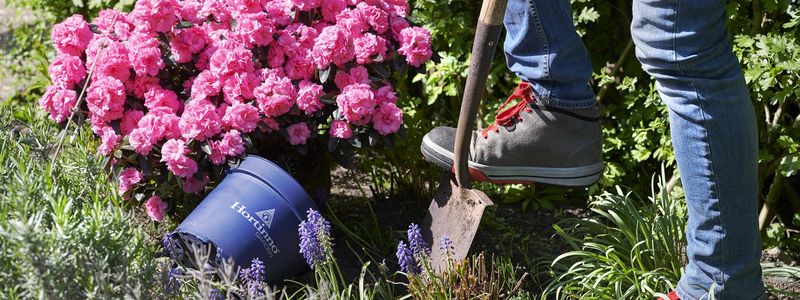
Transplanting azaleas post-bloom can give them a fresh start in better conditions. Whether they need more sun, space, or improved soil, now is the perfect time. This relocation allows the roots to settle before winter, ensuring a strong start next spring. The process, while delicate, provides azaleas with the opportunity to thrive in a more suitable environment. Thoughtful planning and execution can lead to a flourishing plant.
8. Let It Rest and Prepare for Next Year
After the care and maintenance, it’s time to let your azaleas rest. Avoid pruning or fertilizing in late summer or fall, as this can trigger new growth that might not survive winter. Allow the plant to settle into its summer growth phase, preparing for next year’s bloom. This period of rest is essential for the plant’s recovery and readiness for the next cycle. Letting nature take its course ensures a thriving azalea.