 Complete Gardening
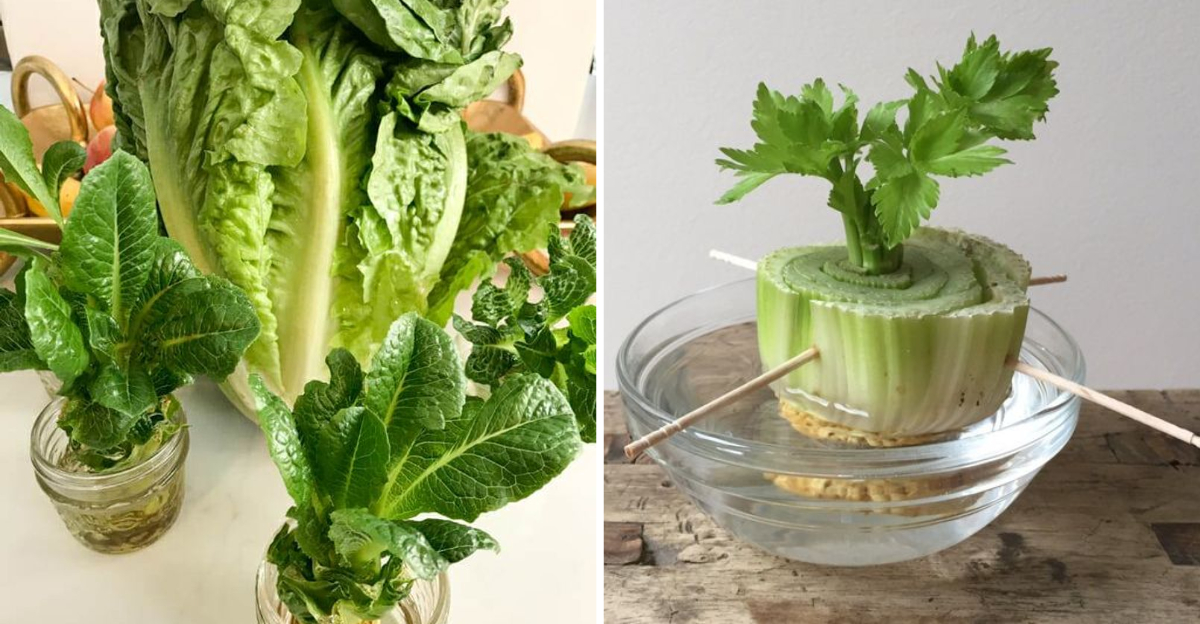
Embrace the art of kitchen gardening by transforming grocery store scraps into a thriving green space. Not only is this process sustainable, but it’s also a fantastic way to enjoy fresh produce. Dive into these simple steps to begin your journey towards a self-sufficient garden, starting right from your kitchen.
1. Regrow Green Onions
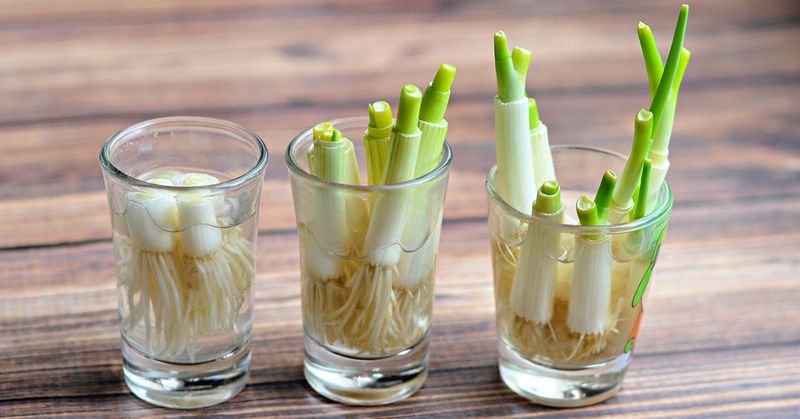
Imagine a windowsill adorned with vibrant green onion stalks, standing tall in a simple jar of water. This humble beginning in your kitchen garden is not only easy but rewarding.
Snip off the green tops and place the white bulbs in water, ensuring they are half-submerged. Within days, new shoots will emerge, and soon you’ll have a fresh supply of green onions.
A staple in many dishes, green onions provide a zesty kick, making them a must-grow. A fun fact: they can regrow multiple times, giving you endless culinary possibilities.
2. Sprouting Garlic Cloves
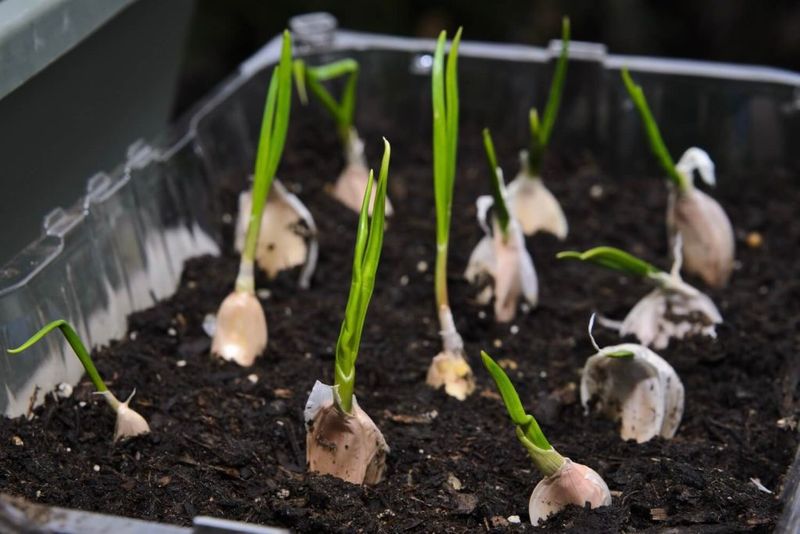
A clove of garlic, so unassuming, holds the promise of lush growth. Begin your garlic garden by selecting a few plump cloves.
Plant them pointy side up in a pot filled with well-draining soil. With a little patience, green shoots will peek through, signaling the start of something beautiful.
These shoots can be used in cooking, providing a milder garlic flavor. Did you know? Garlic has been cultivated for over 5,000 years and was revered as a powerful medicinal herb in ancient cultures.
3. Celery Stalk Revival
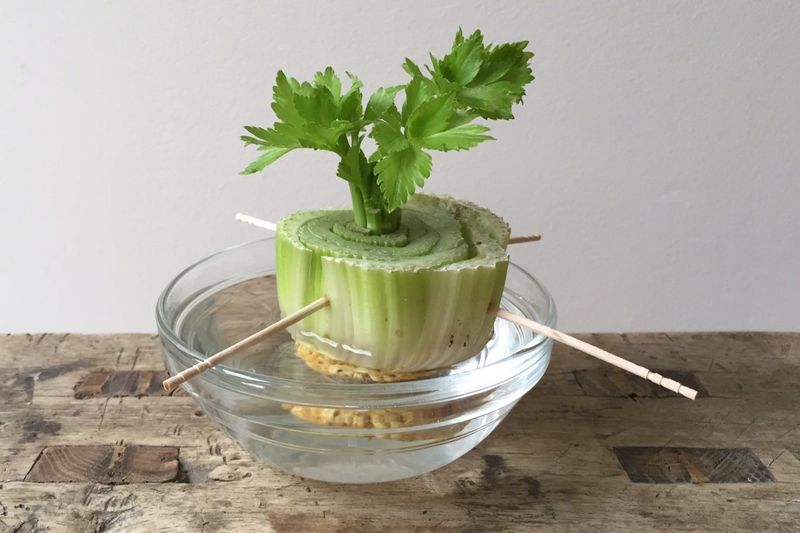
Celery, often a mere supporting actor in culinary dishes, can take center stage in your garden. Cut the base of a celery stalk and place it in a shallow dish of water.
In a week, you’ll witness a burst of new leaves emerging from the center. Transfer it to soil to continue its growth.
This regrowing process not only saves waste but also gives you fresh, crisp stalks for your meals. Celery’s history traces back to ancient Egypt, where it was prized for its medicinal properties as much as its taste.
4. Avocado Seed Sprouting
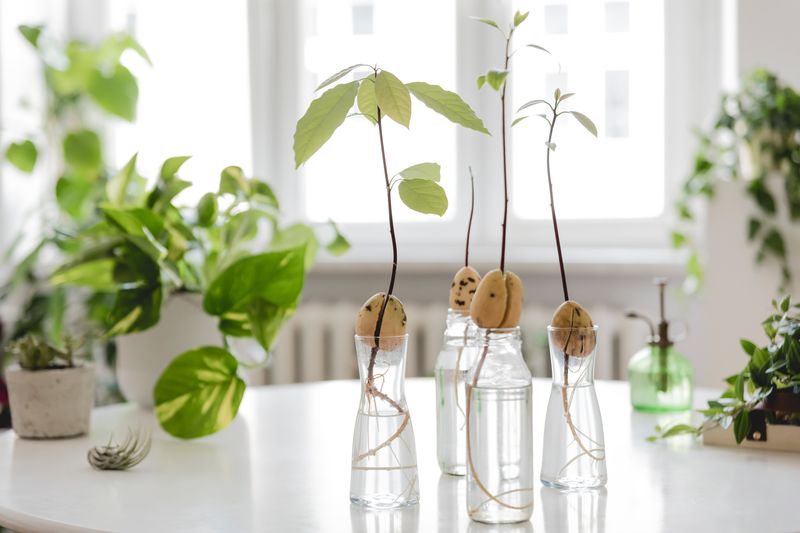
The avocado seed, often discarded, can be the start of a beautiful indoor plant. Secure the seed with toothpicks and balance it over a glass of water.
Ensure the broad end is submerged, and place it in a warm spot. Patience is key, as it may take several weeks to see roots and a sprout.
Avocado plants make attractive houseplants, and though they may not bear fruit indoors, their lush leaves add beauty. Fun fact: Avocados were once called “alligator pears” due to their texture and shape.
5. Romaine Lettuce Regrowth
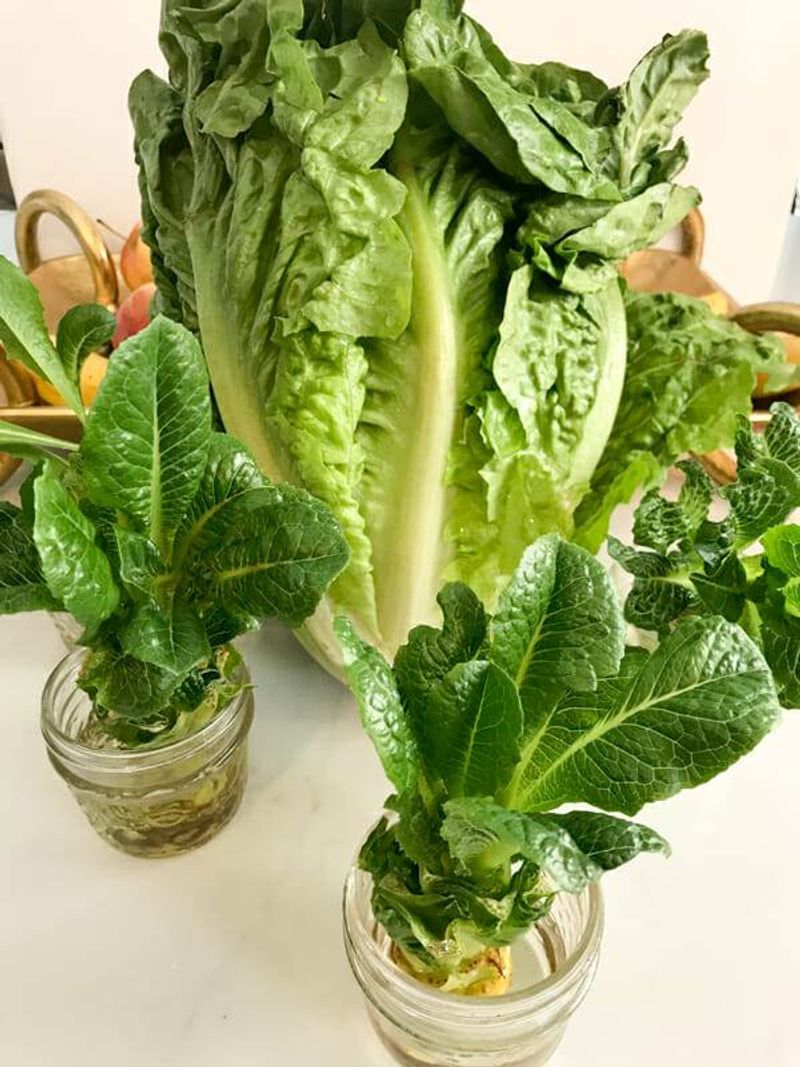
Romaine lettuce, a salad staple, offers a second life beyond the plate. Cut the lettuce about two inches from the base and submerge the root end in water.
Within days, new leaves will shoot up, ready to be harvested in a few weeks. Transfer to soil for longer growth and a continuous supply.
Romaine’s versatility in salads and wraps makes it an essential regrow item. Historically, lettuce was cultivated by the ancient Egyptians and later became a symbol of fertility and renewal in various cultures.
6. Pineapple Top Planting
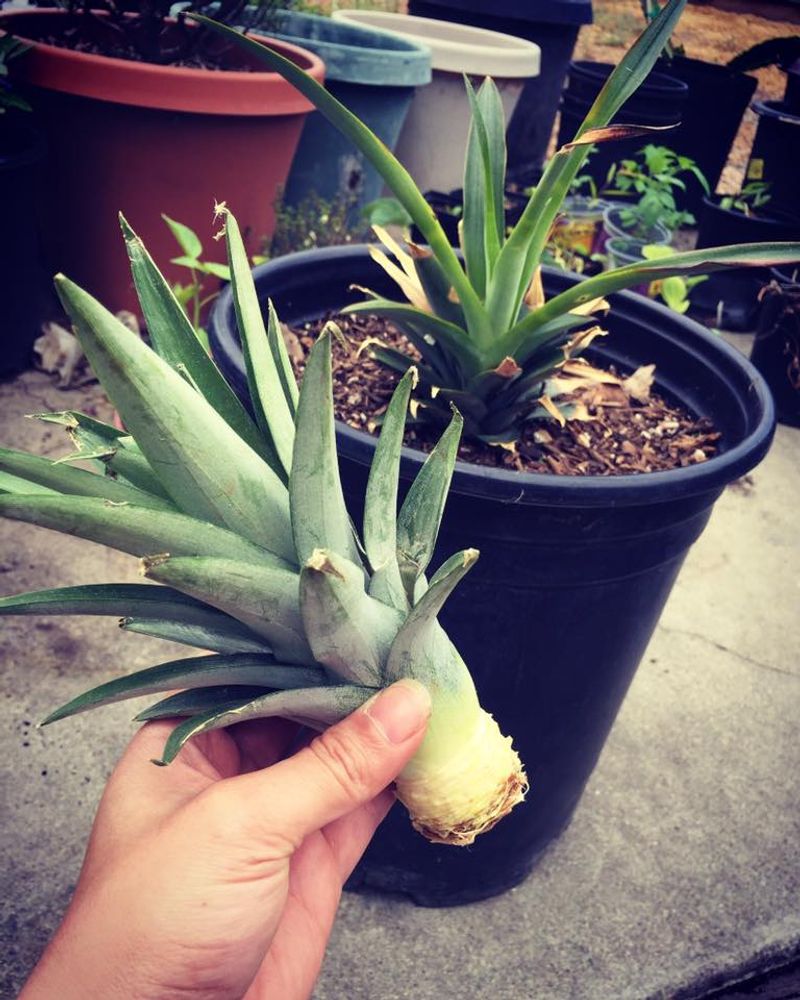
The crown of a pineapple is more than a spiky adornment; it’s the start of a tropical adventure. Twist off the top and remove a few lower leaves to expose the stem.
Plant it in sandy, well-drained soil and place it in a sunny spot. With care, roots will form, and a new plant will grow, though fruiting takes patience and time.
This exotic addition adds flair to your garden, evoking sunny, tropical vibes. Fun fact: Pineapples were historically a symbol of hospitality and wealth, often used as lavish centerpieces.
7. Carrot Tops Transformation
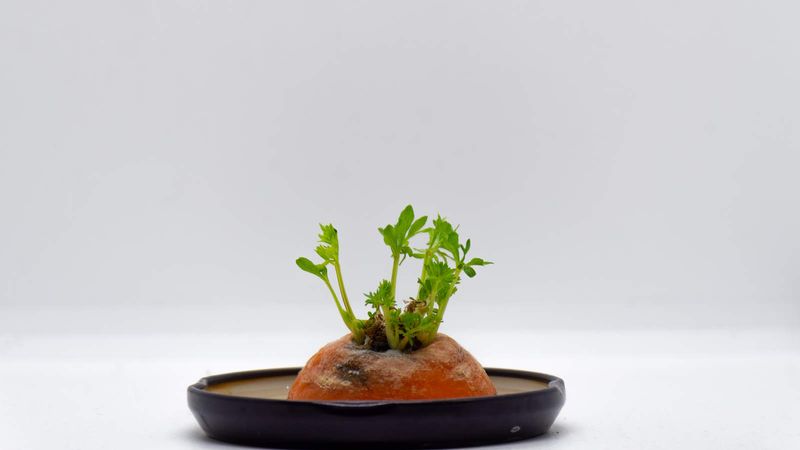
The top of a carrot, usually discarded, holds untapped potential for your kitchen garden. Place the tops in a shallow dish of water, and soon, green fronds will appear.
These greens are not just decorative; they can be used in salads or as a garnish, adding a fresh, earthy flavor.
While they won’t grow new carrots, the fronds provide a unique touch to your gardening efforts. Did you know? Carrots were originally cultivated for their aromatic leaves and seeds, not the root we treasure today.
8. Ginger Root Growth
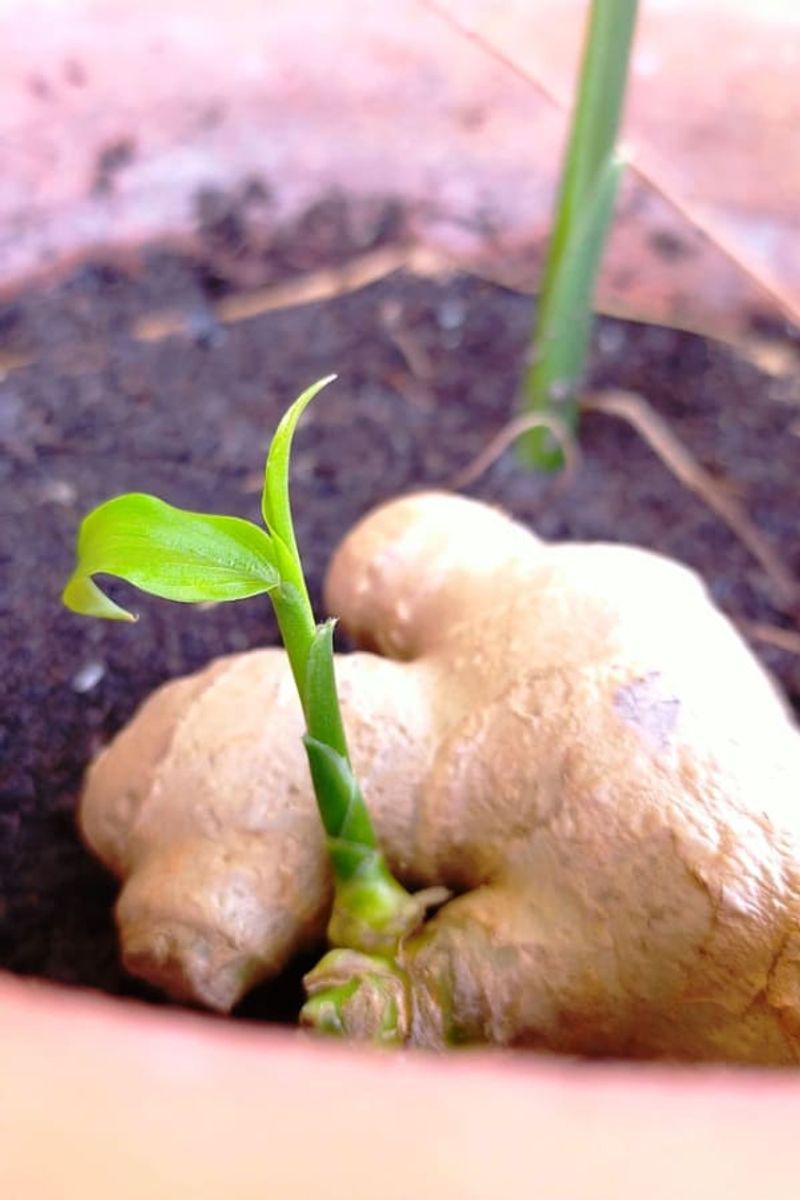
Ginger root, known for its zingy flavor, is surprisingly easy to grow at home. Choose a plump piece with visible eyes or buds.
Plant it in potting soil with the buds facing up. Water sparingly and keep it in indirect sunlight. Soon, shoots will appear, ready to perk up your dishes.
Besides its culinary uses, ginger’s medicinal properties are well-documented, from aiding digestion to reducing inflammation. Fun fact: Ginger has been used in Asia for over 5,000 years, prized for its healing and aromatic qualities.
9. Regrow Basil from Cuttings
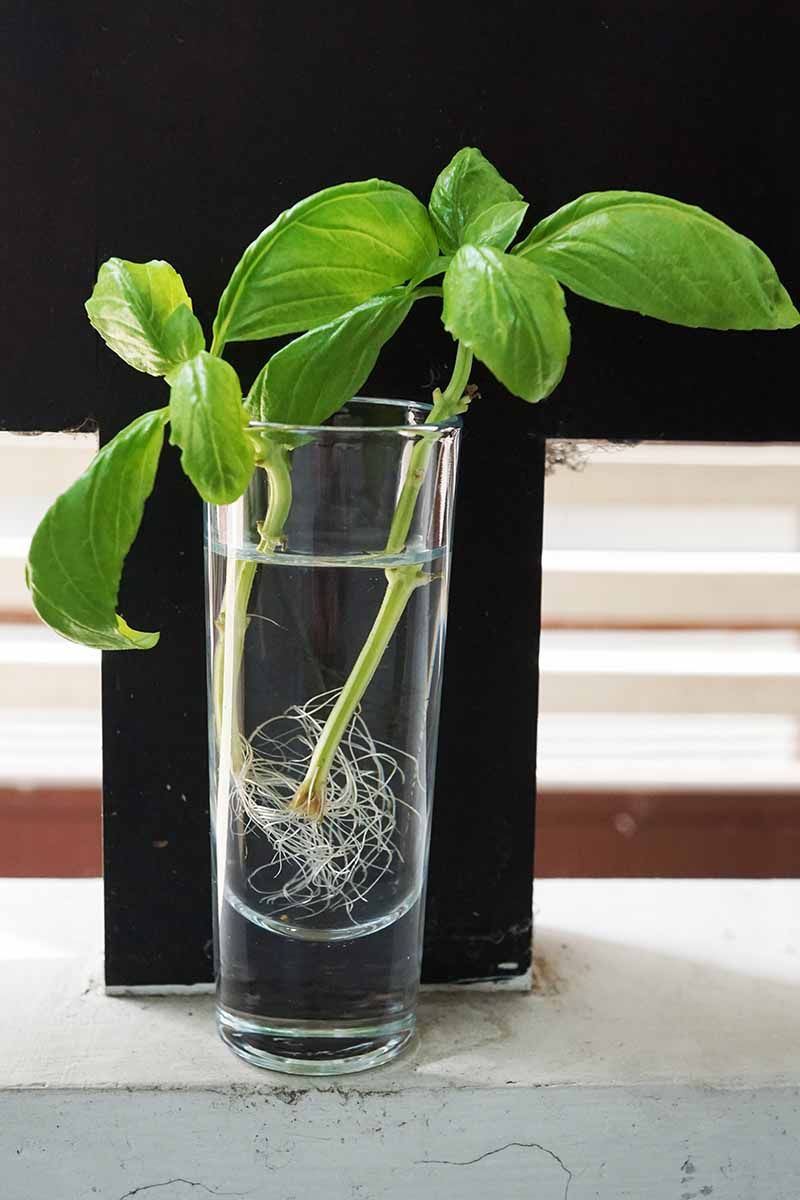
Basil, a fragrant herb, can be regrown easily from cuttings. Snip a few inches from a healthy basil plant, removing the lower leaves.
Place the cuttings in a glass of water, ensuring the nodes are submerged. Within weeks, roots will form, ready to be planted in soil.
This method offers a continuous supply of fresh basil, perfect for garnishing and cooking. Did you know? Basil is considered a symbol of love in Italy, and its aromatic leaves are believed to bring good luck and happiness.
10. Potato Eyes Planting
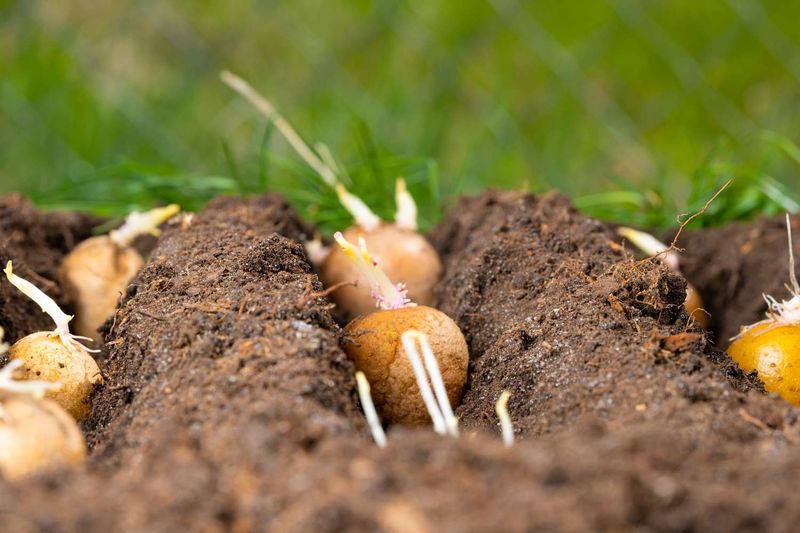
Potatoes, with their understated charm, can transform your garden with their abundance. Cut a potato into sections, each with at least one eye.
Plant them in deep, well-drained soil, eyes facing upwards. As the plant grows, mound soil around the stems to encourage more tuber growth.
Harvesting potatoes is like unearthing hidden treasure, a satisfying reward for your efforts. Fun fact: Potatoes were the first vegetable grown in space, showcasing their adaptability and resilience.
11. Tomato Seedling Resurgence
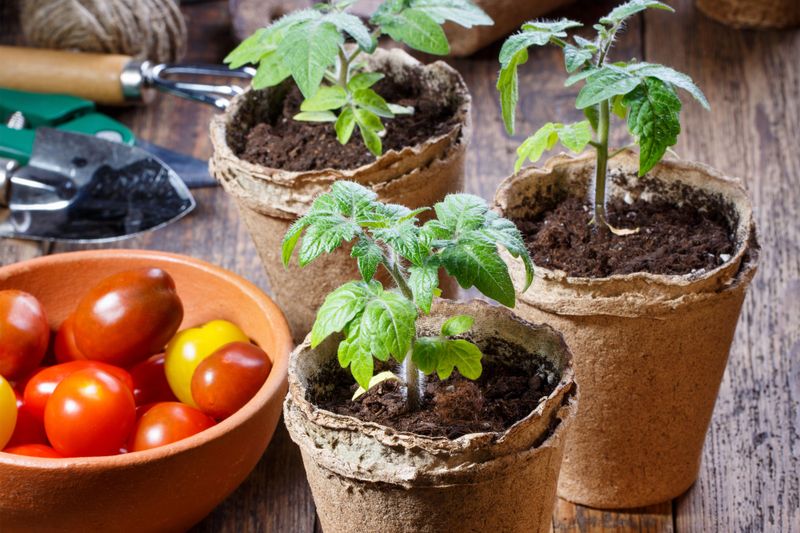
Ever wondered what to do with the seeds from a delicious tomato? Those seeds can be the start of a new tomato plant! Begin by washing the seeds and letting them dry. Next, plant them in a small pot filled with potting soil.
Place the pot in a sunny window, water regularly, and watch for sprouts. Once the seedlings are strong enough, transplant them to a larger space.
Did you know tomatoes originated in the Andes? Cultivate your little piece of history and enjoy juicy tomatoes from your own garden.
12. Regrowing Peppermint from Cuttings
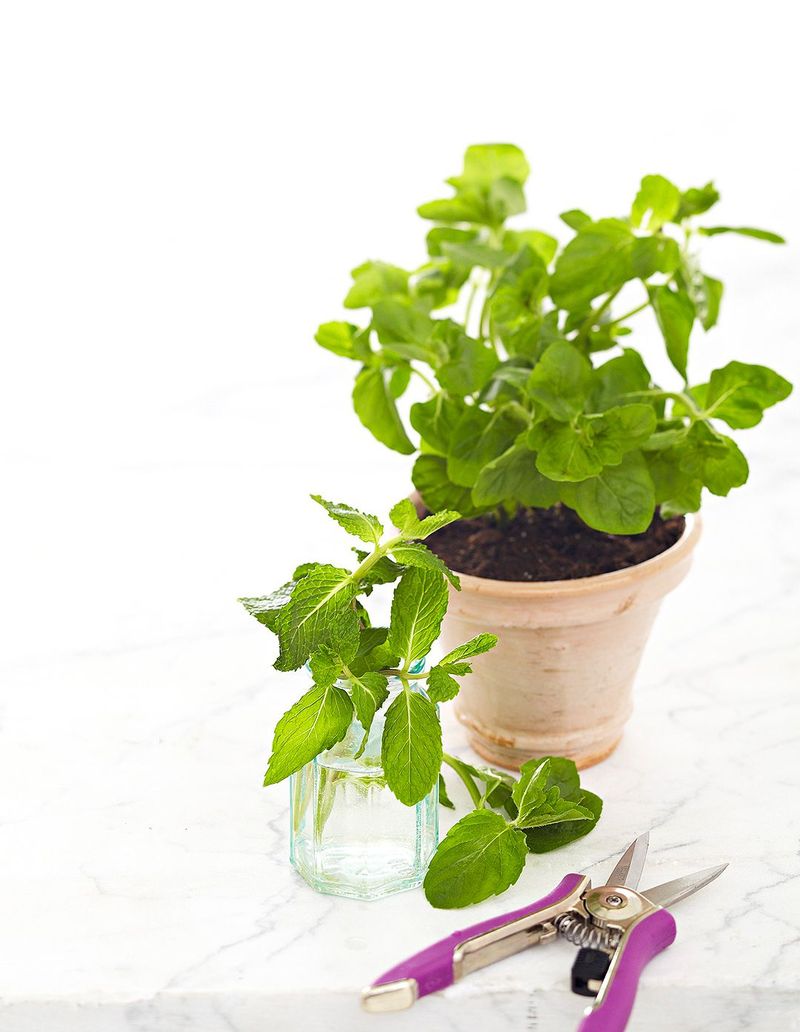
Imagine a world where your tea leaves never run out! With peppermint, this dream is close to reality. Start by cutting a stem about four inches long. Strip the leaves from the lower half, then place the cutting in a glass of water.
Change the water frequently and wait for roots to appear. Once rooted, transplant the cutting into a pot with soil.
Peppermint’s invigorating aroma will fill your kitchen, turning it into a fragrant retreat. It’s a refreshing way to repurpose your kitchen scraps into something truly delightful.
13. Mango Seed Transformation
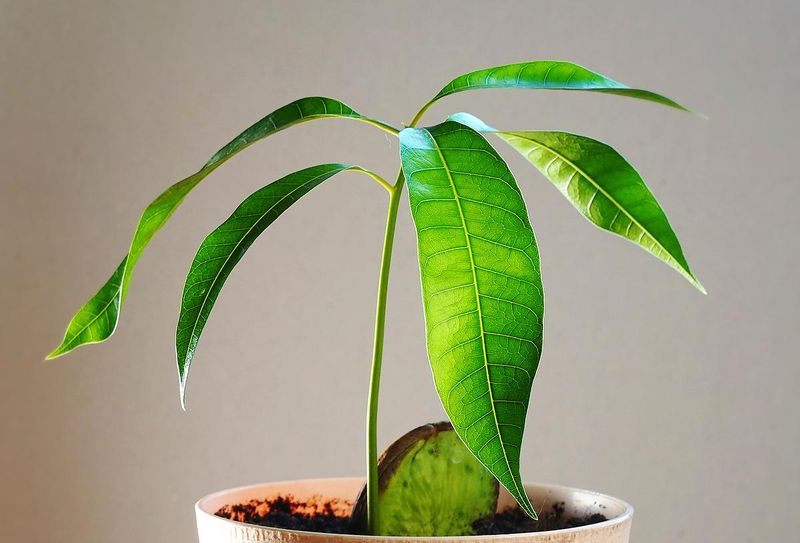
Turn your mango seed into a tropical marvel with just a bit of care. Carefully clean the seed and remove its outer husk. Plant it in a pot with well-draining soil, keeping the soil consistently moist.
Place the pot in a warm, sunny location and be patient. Mango trees are slow growers but rewarding.
In time, you’ll witness the fascinating growth of a mango sapling. Fun fact: Mangoes are native to South Asia, adding an exotic flair to your garden. Enjoy the journey from seed to sapling!
14. Herb Revival: Rosemary
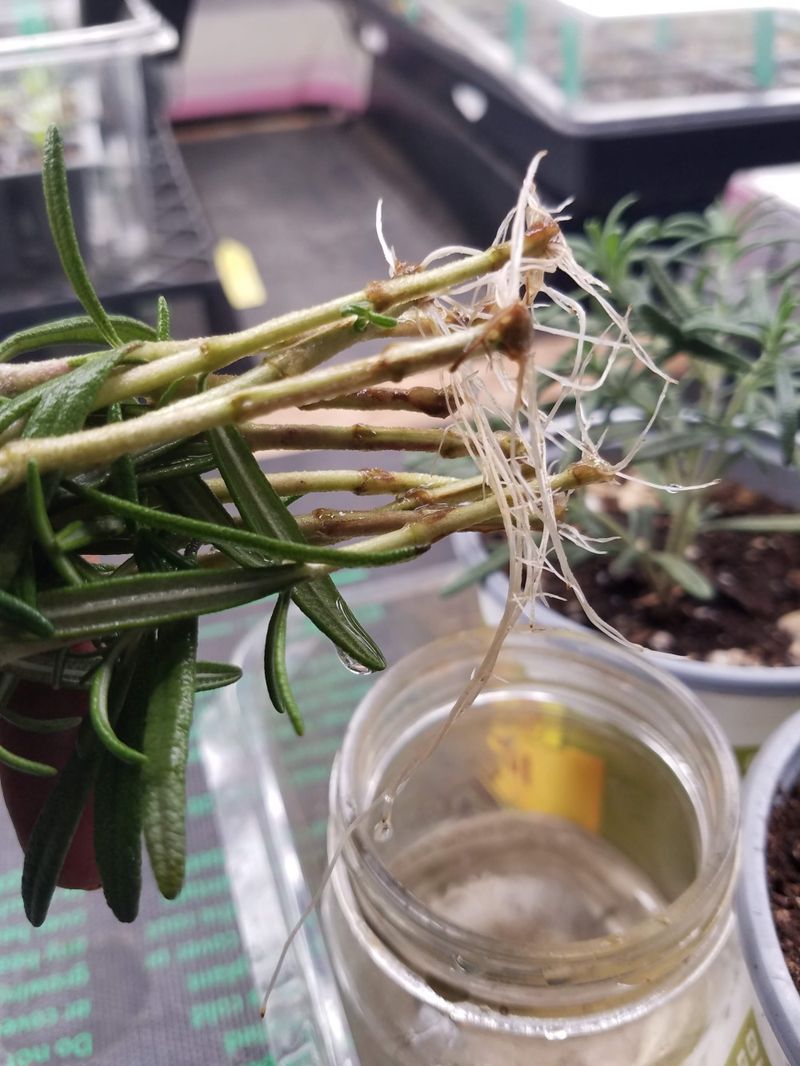
Infuse your kitchen with the rich aroma of rosemary by regenerating it from cuttings. Snip a rosemary sprig roughly 6 inches long and remove the leaves from the bottom.
Place the cutting in water until roots form, then plant it in a pot filled with well-draining soil. This ancient herb, beloved by the Greeks and Romans, is both culinary and historical.
Watch it thrive on a sunny windowsill, offering a steady supply of fragrant sprigs for your culinary adventures. Rosemary brings a touch of history and flavor to your kitchen garden.
15. Beetroot Top Revival
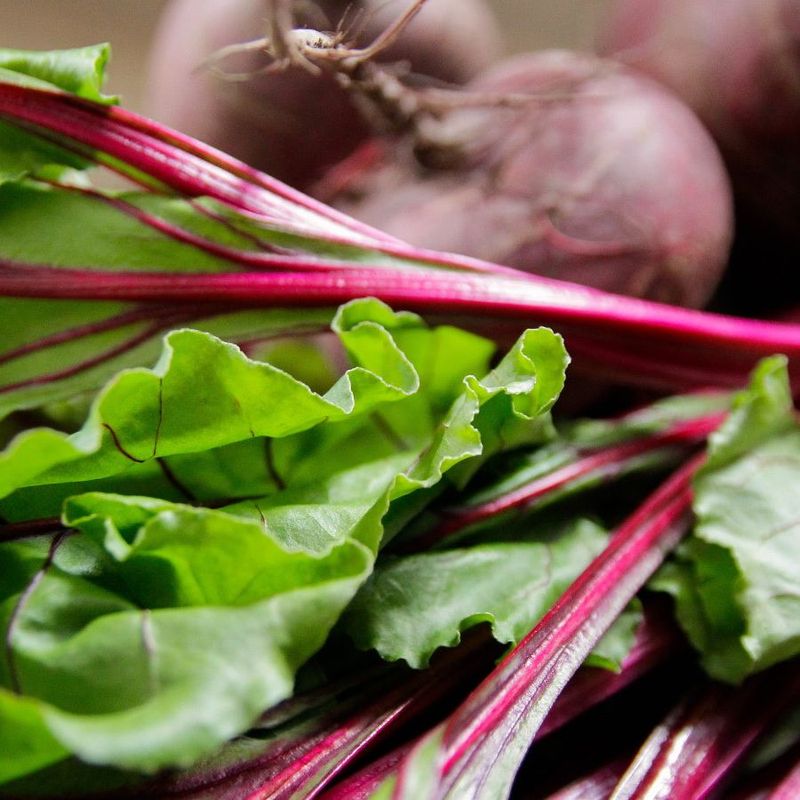
Bring new life to your beetroots by planting their tops. Cut the top inch of the beetroot and place it in a shallow dish of water with the cut side facing down.
Position it in a sunny spot and change the water every few days. Watch as leaves begin to sprout.
Once healthy growth appears, transplant the top into a garden bed. Beetroots provide not only edible greens but also vibrant roots that add color and nutrition to your meals. This simple revival can enrich your kitchen garden beautifully.