 Complete Gardening
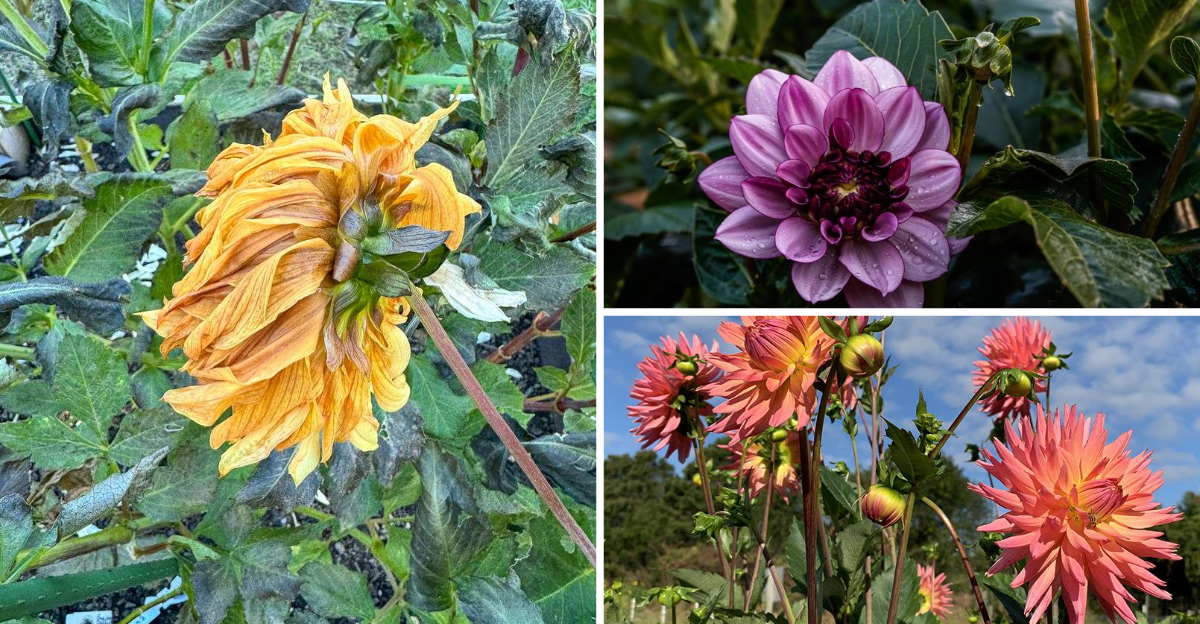
Dahlias are brilliant and vibrant, offering a spectacle of colors in any garden. However, not every spot is ideal for these beautiful blooms. Expert gardeners advise against planting them in certain locations due to factors like soil type, sunlight exposure, and container suitability. This guide will explore 15 specific places where dahlias should never be planted, providing essential tips and insights to ensure your dahlias thrive in the right environment.
1. Dense Clay Soil
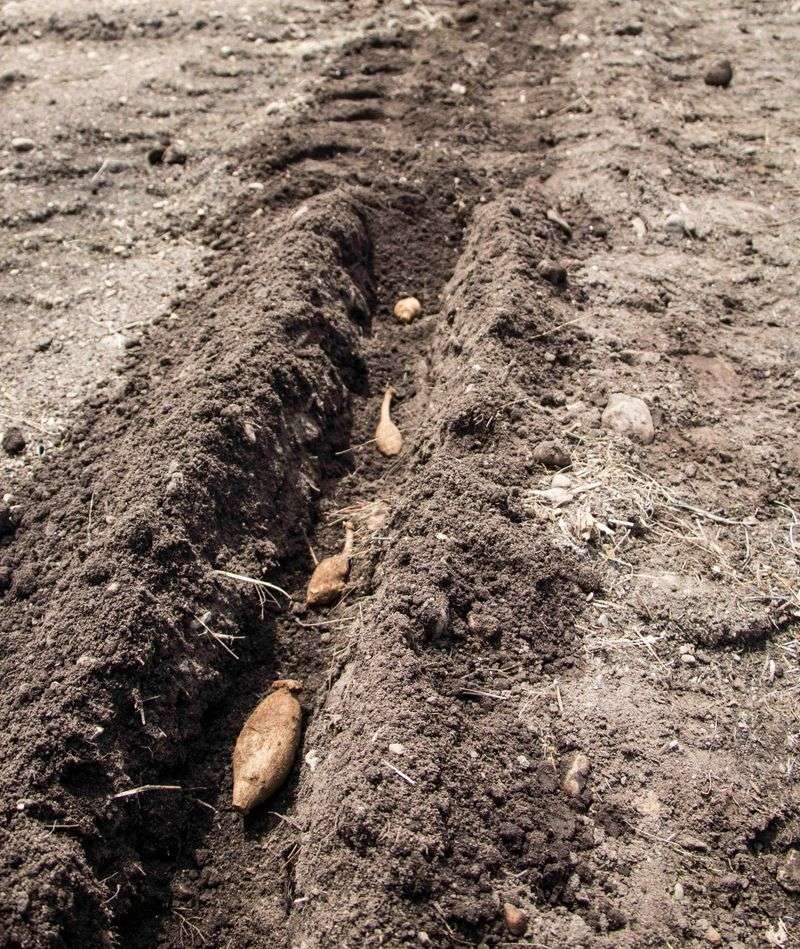
Planting dahlias in dense clay soil is akin to placing them in a straitjacket. These vibrant flowers require well-draining soil to spread their roots and flourish. Clay’s compact nature suffocates the roots, leading to rot and disease.
Dahlias need freedom to grow, and clay holds them back, trapping moisture and causing waterlogged conditions. The heavy soil structure is an invisible chain that shackles their potential.
Consider amending clay soil with organic matter or choosing different planting sites for your dahlias. Your efforts will be rewarded with blossoms that truly shine.
2. Shaded Corners
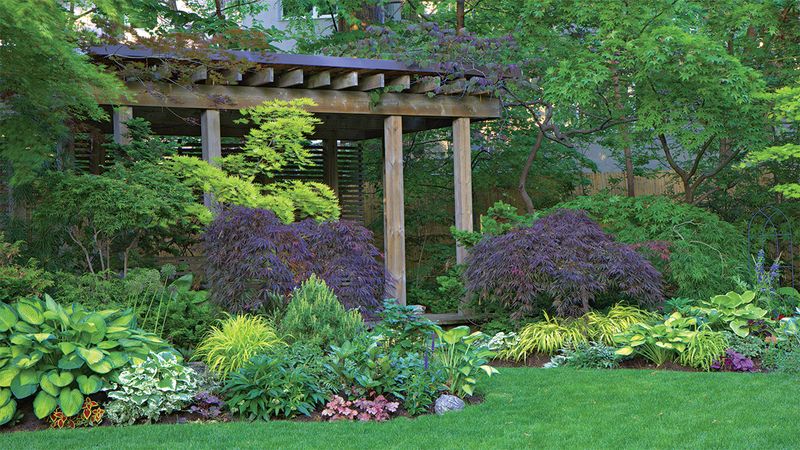
Tucked away in the shade, dahlias lose their chance to bask in the sun’s nourishing rays. These sun-loving plants require at least six hours of direct sunlight daily to bloom to their full potential.
A shaded corner may seem a cozy spot, but it stunts their growth, turning vibrant colors into muted tones. Light-starved, they struggle against the shadows that steal their vitality.
Opt for bright, sunny locations where dahlias can greet the morning sun. Their lively hues are a testament to the joys of basking in the light.
3. Acidic Soils

In the realm of soil chemistry, acidity is the silent saboteur of dahlia dreams. Dahlias thrive best in neutral to slightly alkaline soils with a pH of 6.5 to 7.5.
Acidic soils, with their sour disposition, hinder nutrient absorption, stunting growth and diminishing blooms. The low pH acts like a barrier, locking out essential nutrients and leaving dahlias hungry.
Consider adjusting the soil pH with lime amendments or relocate planting to more favourable grounds. Your dahlias will respond with a vigorous display of vibrant blossoms.
4. Waterlogged Areas
Waterlogged areas are the nemesis of dahlias, drowning their roots and inviting disease. These plants crave moisture but abhor soggy conditions where soil is perpetually wet.
In such areas, dahlias may show signs of root rot, a silent killer lurking beneath the surface. The excess water suffocates roots, leaving them gasping for air.
Improve drainage with raised beds or select higher ground for planting. With proper care, dahlias can flourish even after the storm clouds pass. Their resilience is a gardener’s reward.
5. High Wind Locations
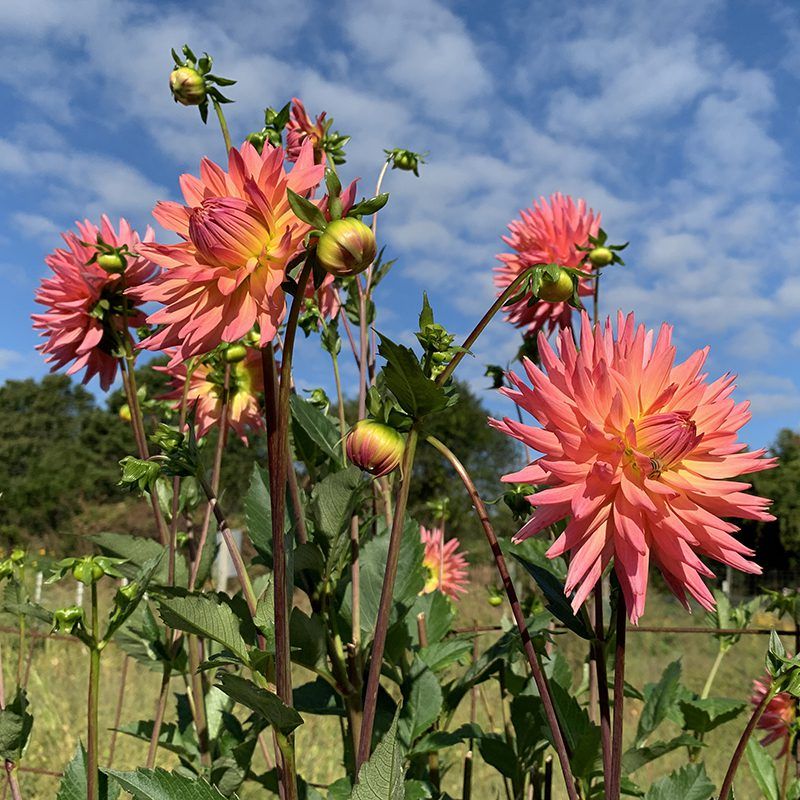
In gardens exposed to strong winds, dahlias sway precariously, risking damage. Their tall stems and large blooms make them vulnerable to being broken or uprooted.
Wind is an unseen adversary, bending and battering, leaving leaves tattered and blooms bruised. It’s a harsh dance that can leave your flowers weary and worn.
Provide shelter with windbreaks or opt for more protected planting sites. Healthy dahlias stand tall and proud when the wind whispers rather than howls.
6. Rocky Terrains
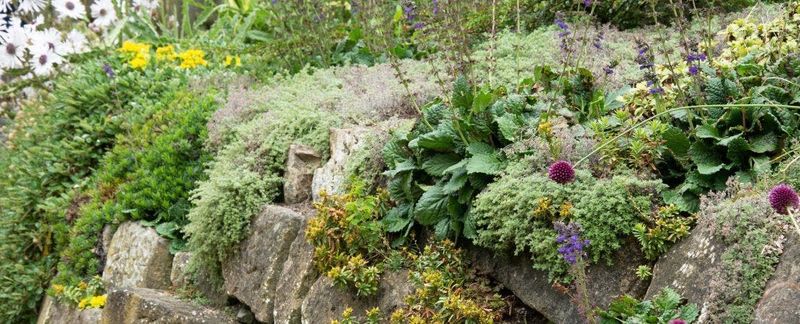
Amongst rocky terrains, dahlias find their growth hampered by impediments beneath the surface. Their roots struggle against stones, seeking anchorage and sustenance.
Rocks act as barriers, obstructing root expansion and limiting access to vital nutrients and moisture. It’s a tough terrain where only the hardiest survive.
Amend the soil with organic matter or opt for other locations. Dahlias thrive in loamy, stone-free soils where their roots can roam unimpeded, reaching new depths of beauty.
7. Containers Without Drainage
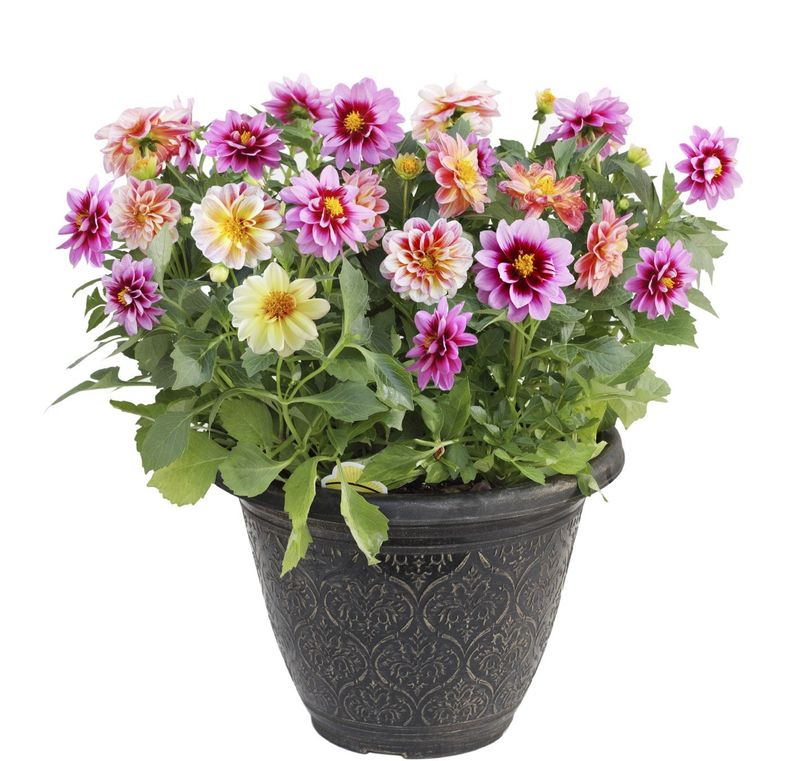
While containers can offer versatility, those without drainage holes spell doom for dahlias. Excess water pools at the bottom, trapping moisture and causing root rot.
Without proper drainage, containers become waterlogged prisons, depriving roots of oxygen and leading to decay. It’s a slow, suffocating demise.
Choose containers with ample drainage or add gravel to improve water flow. Your dahlias deserve a home that breathes, allowing them to bloom freely and brightly.
8. Nutrient-Poor Soil
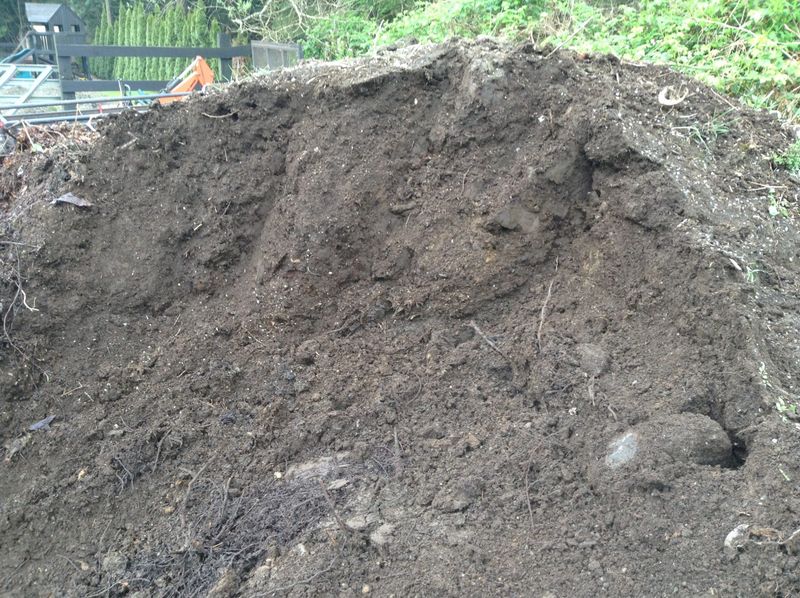
In nutrient-poor soils, dahlias face a barren landscape where growth is stunted and blooms are scarce. These plants are known for their appetite, thriving on rich, organic matter.
Depleted soils offer little sustenance, leaving dahlias weak and lifeless. It’s a hunger that can’t be easily quenched without intervention.
Enrich the soil with compost or fertilizers to provide a nourishing environment. With proper care, dahlias transform into vibrant, colorful stars of the garden.
9. Deep Shade Under Trees
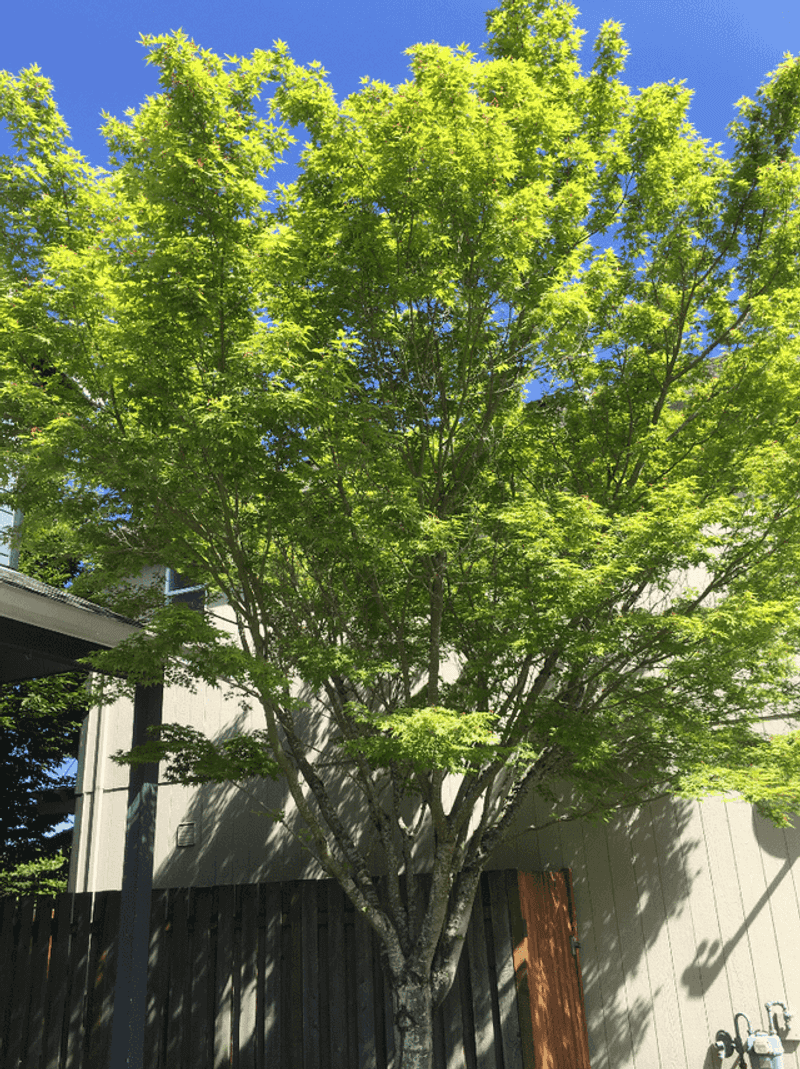
Beneath the heavy shade of trees, dahlias languish in darkness, deprived of essential sunlight. These flowers are sun-worshippers, needing ample light for robust growth.
The canopy above casts a shadow that stifles their potential, turning what could be a vibrant display into a dull affair. Light is life, and without it, dahlias fade.
Seek open spaces bathed in sunlight, away from towering trees. In the light, dahlias reveal their true, radiant nature.
10. Compacted Soil
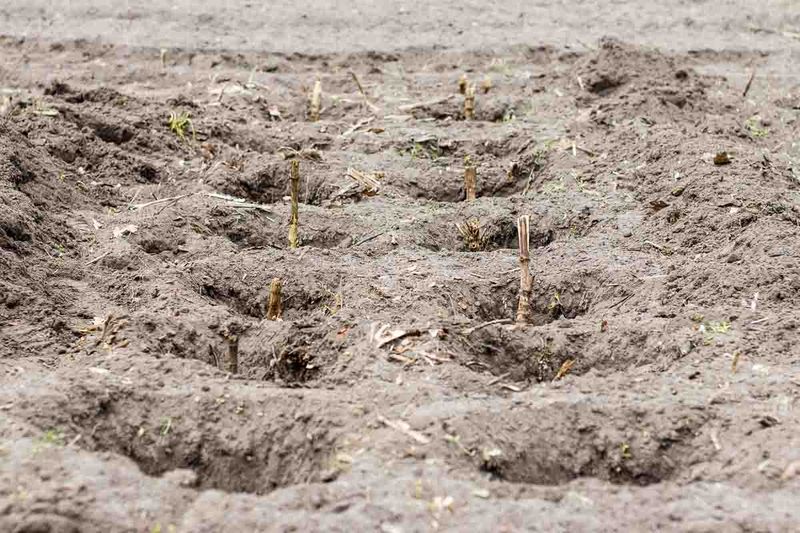
Compacted soil is a formidable barrier, squeezing the life from dahlias’ roots. In such conditions, roots struggle to penetrate and access nutrients and water.
The dense earth restricts growth, leaving plants stunted and weak. It’s like trying to breathe in a tight embrace, suffocating and suppressing their potential.
Loosen the soil with aeration techniques or choose lighter, more friable soils. Dahlias thrive in environments where their roots can explore and expand freely.
11. Hot Concrete Surfaces
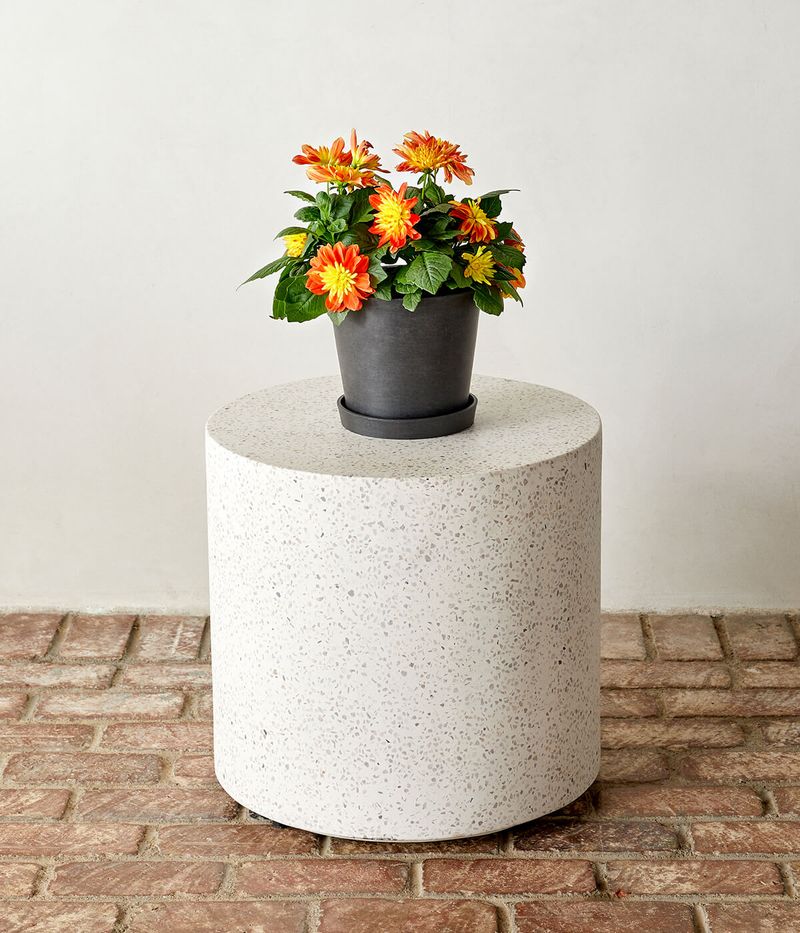
Concrete’s unforgiving nature reflects heat, creating an oven-like environment that stresses dahlias. These surfaces radiate heat, causing moisture to evaporate rapidly.
The intense heat leads to wilting, sunburn, and dehydration. It’s a relentless assault that leaves dahlias parched and weary.
Opt for cooler, natural ground where the soil can retain moisture. With proper care, dahlias can flourish, basking in the sun without the scorching effects of concrete.
12. Sandy Soils
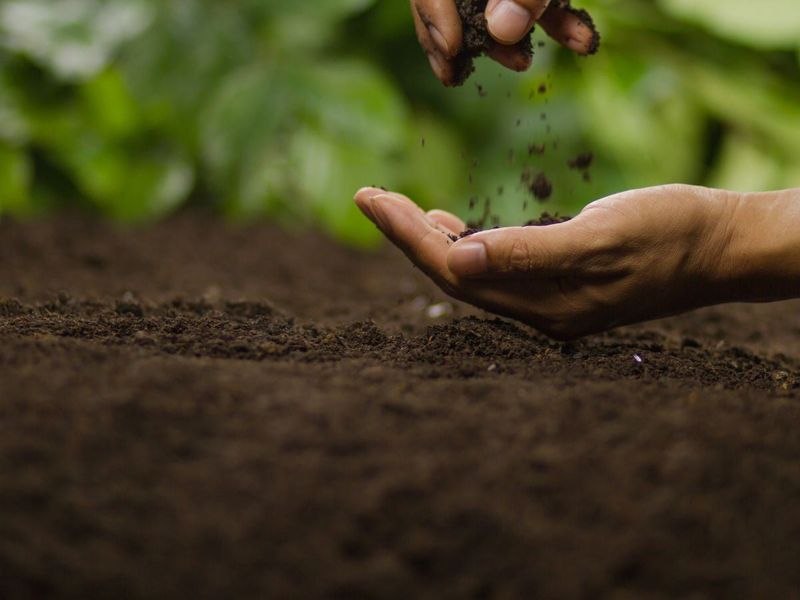
In sandy soils, dahlias find themselves in a thirsty desert where water drains away too quickly. These soils lack the ability to retain moisture and nutrients.
The rapid drainage leaves dahlias dehydrated, struggling to find the sustenance they need to thrive. It’s a barren land where only the hardiest survive.
Amend sandy soils with organic matter to improve water retention or choose more suitable locations. Your dahlias will respond with blooms that defy the arid conditions.
13. Areas with Root Competition
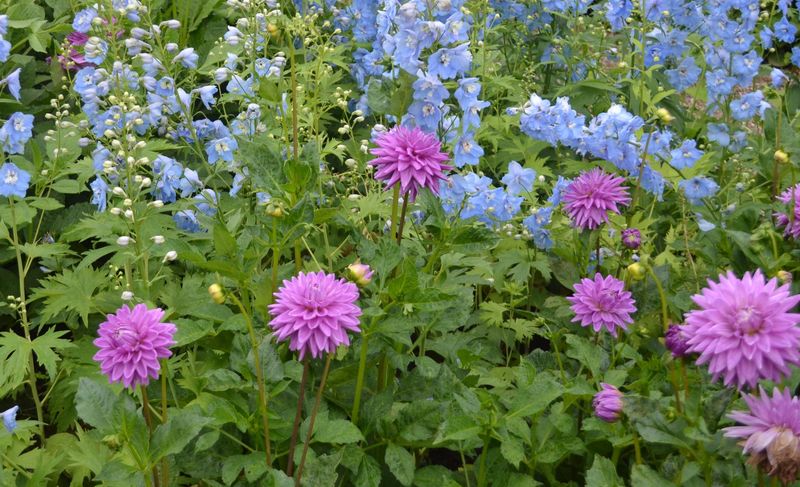
In gardens where roots vie for dominance, dahlias often find themselves overshadowed. They compete for water, nutrients, and space, leaving little for themselves.
Root competition is a silent battle, where stronger plants outmuscle dahlias, stunting their growth and diminishing their blooms.
Create dedicated spaces for your dahlias, free from competing roots. In solitude, they can grow unhindered, showcasing their vibrant beauty.
14. Frost-Prone Areas
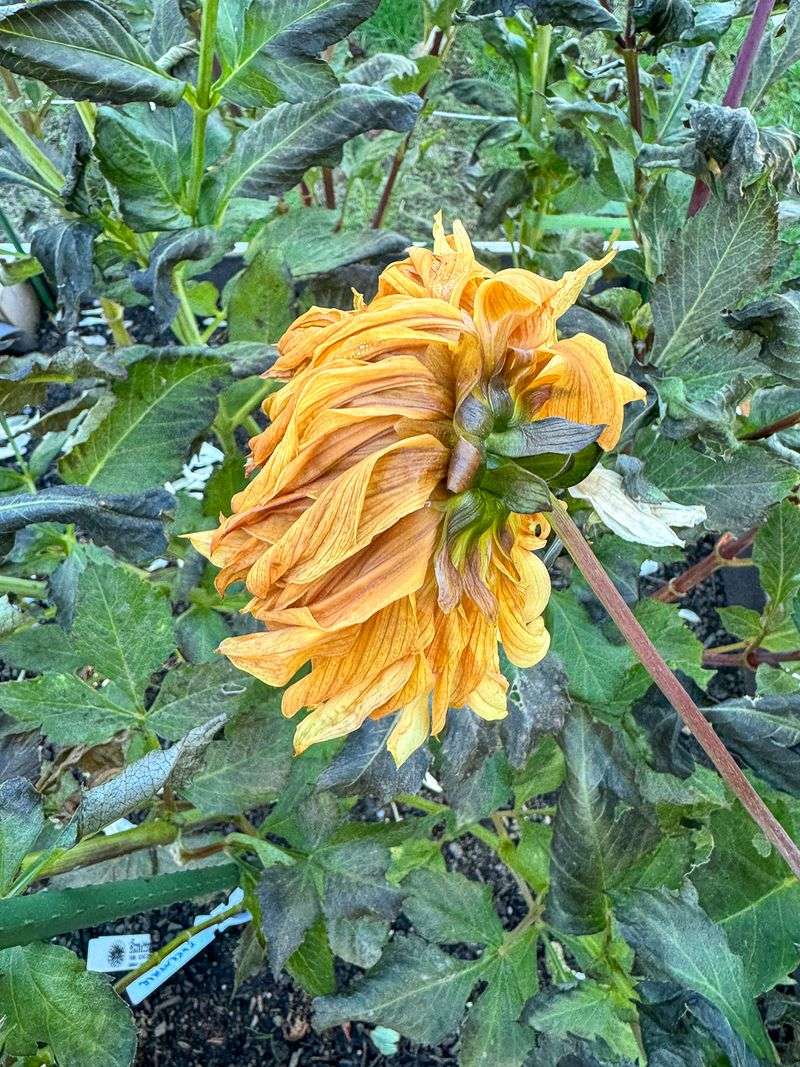
Frost is a chilling adversary for dahlias, leaving them vulnerable to damage. These tender plants suffer in cold conditions, where the frost nips at their leaves and stems.
The cold can stunt growth, leading to blackened foliage and a lack of blooms. It’s a wintry struggle that leaves dahlias battered and bruised.
Protect them with mulch or relocate to frost-free zones. With care, dahlias can weather the cold and emerge triumphant in warmer times.
15. Polluted Urban Areas
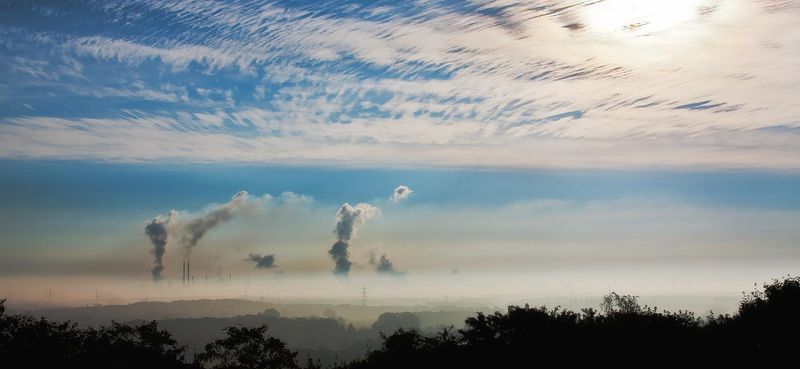
In polluted urban gardens, dahlias contend with air quality issues that stunt their growth. The smog and pollutants settle on leaves, hindering photosynthesis.
Pollution acts like a shroud, choking the vitality out of plants and diminishing their blooms. It’s a toxic environment where dahlias struggle to thrive.
Consider urban-friendly plants or improve air quality with protective measures. In cleaner conditions, dahlias can reveal their true, unblemished beauty.