
Companion planting is an age-old gardening technique where certain plants are grown together for mutual benefits such as improved growth, pest control, and enhanced flavors. In this detailed guide, we’ll explore 15 plants that thrive alongside zucchini, enhancing its growth and yield. We’ll also discuss five plants that should be kept separate to avoid competition or pest attraction. Whether you’re a seasoned gardener or a beginner, these insights will help you achieve a bountiful summer harvest.
1. Nasturtium
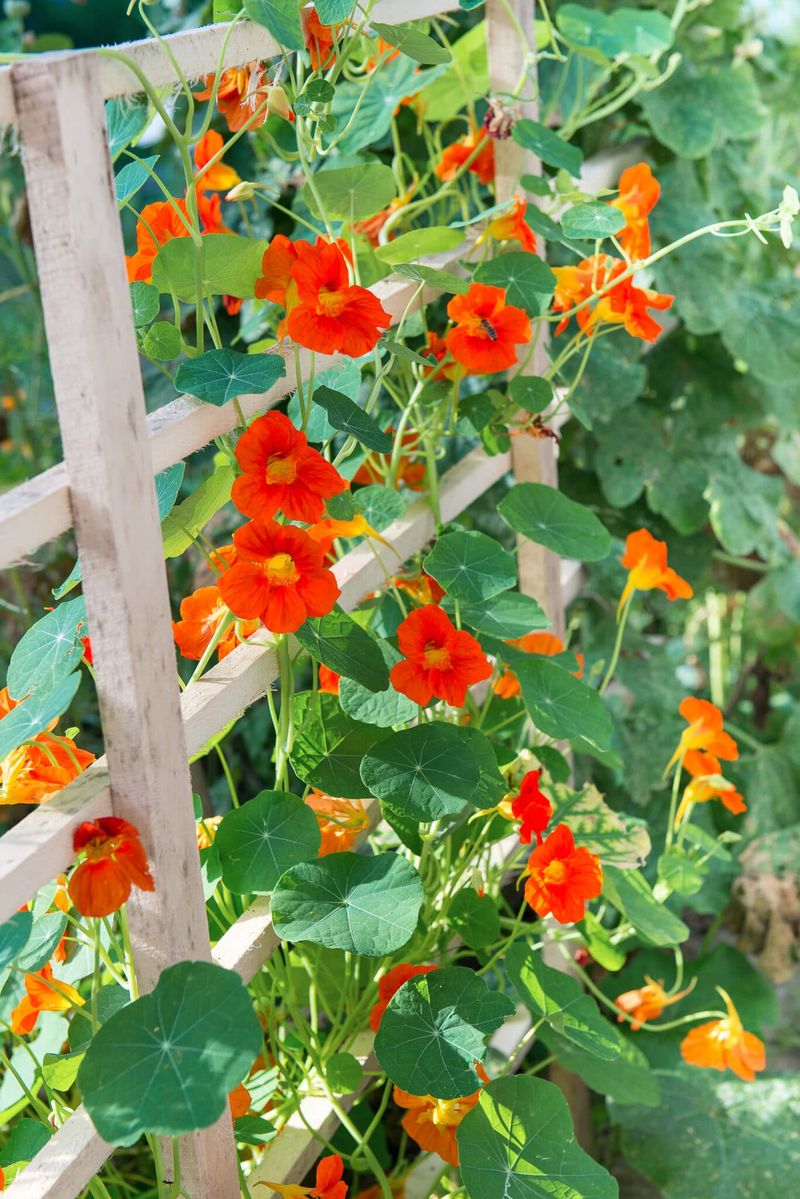
Nasturtiums are more than just a pretty face in the garden. Their vibrant flowers and round leaves create a beautiful contrast amidst the green foliage of zucchini plants. These blossoms act as a natural trap for aphids, drawing them away from your zucchini.
Adding nasturtiums to your garden not only helps control pests but also enhances the aesthetics of your vegetable patch. Their peppery flavor is a bonus for culinary uses. Interestingly, nasturtiums can grow in poor soil, making them an undemanding companion for your zucchini.
2. Marigold
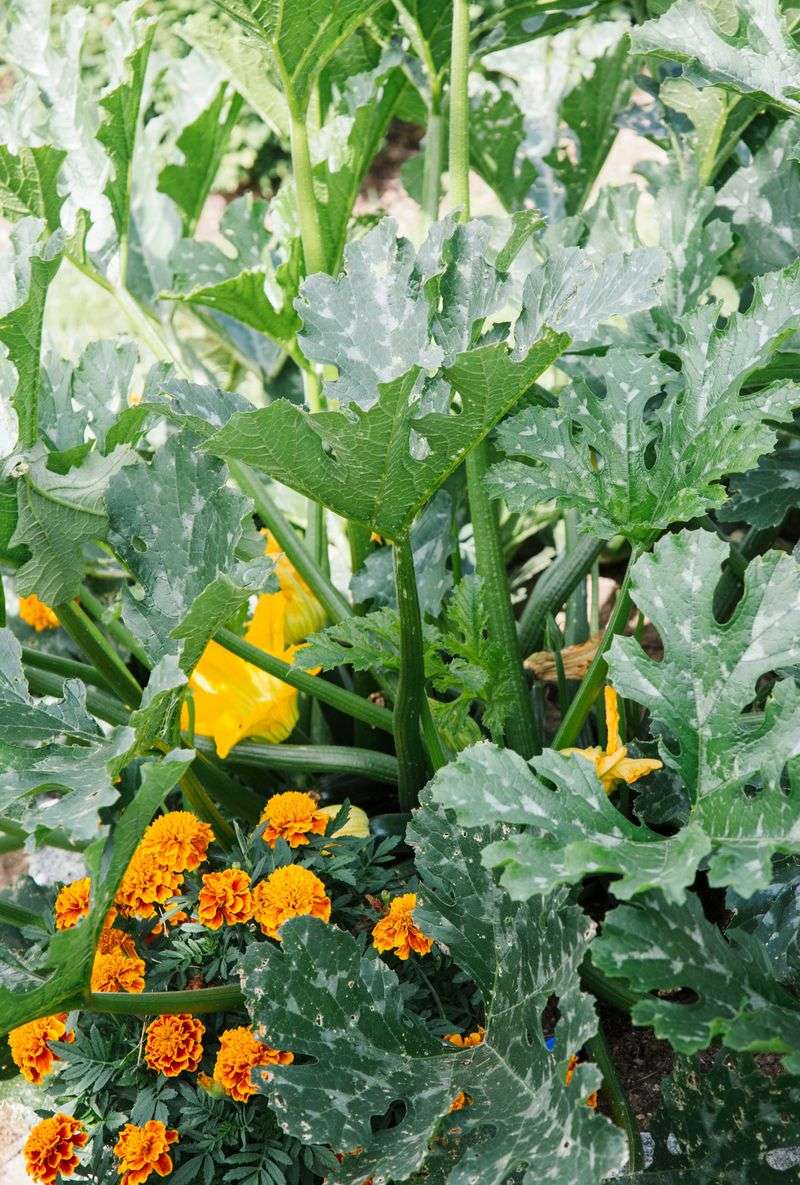
Marigolds are beloved for their cheerful blooms that bring sunshine to any garden. These flowers have a hidden talent; they exude a scent that repels nematodes and other garden pests, keeping your zucchini safe.
Their vibrant colors complement the deep green of zucchini leaves, adding visual appeal to your garden. Marigolds are easy to grow and maintain, thriving in sunny spots.
Fun fact: Marigolds are often used in companion planting due to their pest-repellent properties, earning them a place in gardens worldwide.
3. Borage
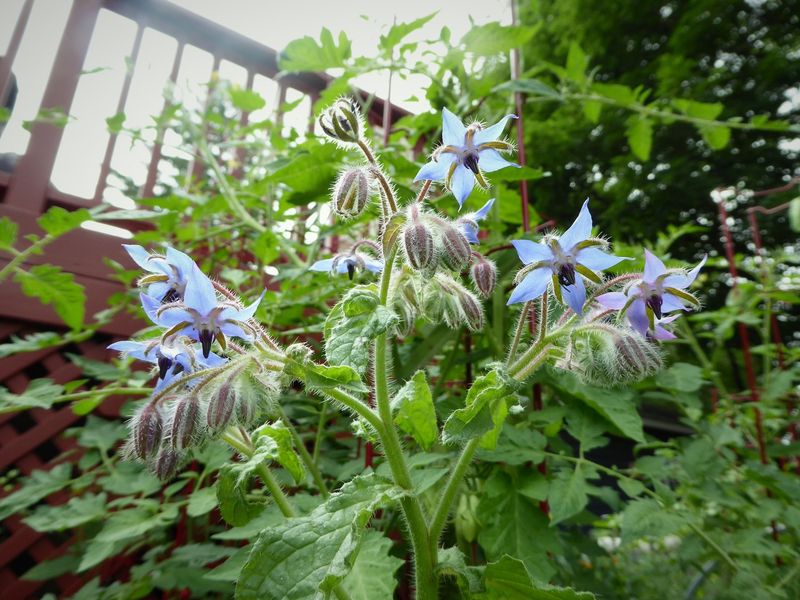
With its starry blue blossoms, borage is not just a visual delight but a boon for zucchini plants. The flowers attract pollinators, enhancing the productivity of your zucchini. Borage leaves, with their cucumber-like flavor, are a delightful addition to salads.
The plant is known to improve the growth of nearby vegetables, making it a valuable companion in any vegetable garden. An interesting tidbit: borage is said to improve soil quality, benefiting your garden in the long run.
4. Radish
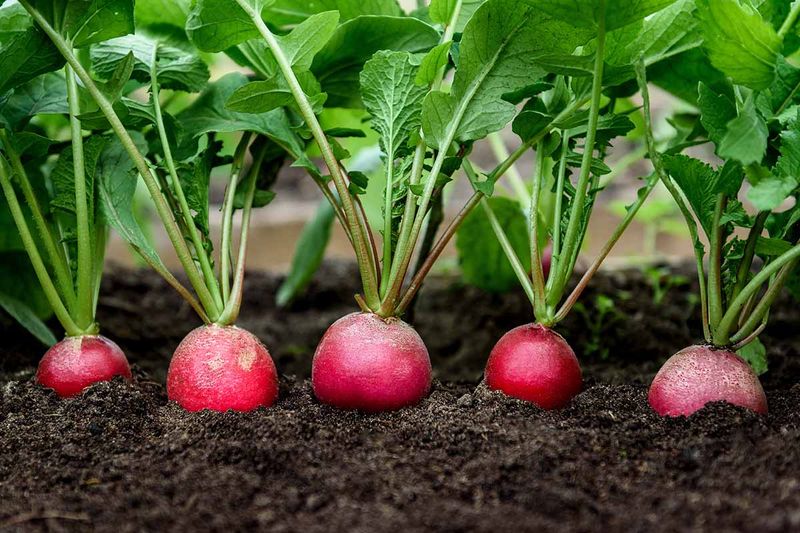
Radishes are quick to mature, making them excellent companions for zucchini. By planting radishes, you can deter pests like cucumber beetles, which often plague zucchini plants.
Their rapid growth also helps loosen the soil, promoting better air circulation for zucchini roots. Radishes are versatile in the kitchen, adding a peppery crunch to salads and dishes. Known for their ease of cultivation, radishes are a gardener’s friend, providing both culinary and garden benefits.
5. Beans
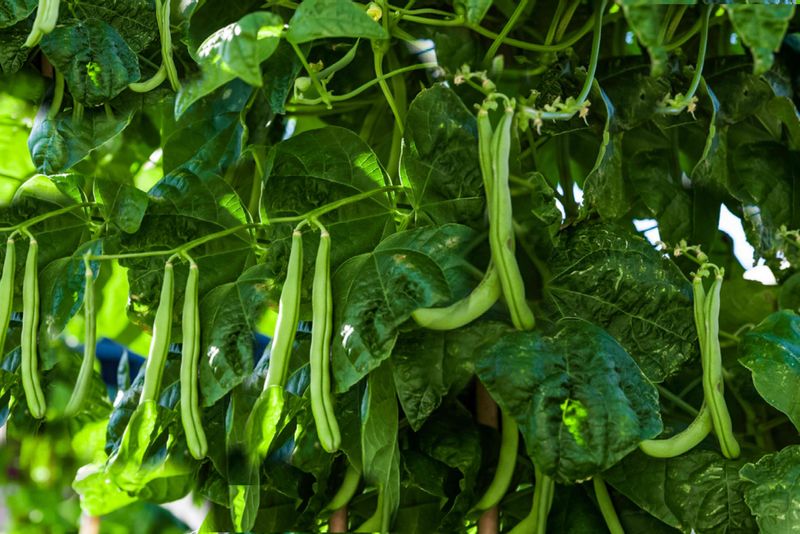
Beans, with their climbing habit, add vertical interest to gardens. They fix nitrogen in the soil, benefiting zucchini and other neighboring plants by enhancing soil fertility.
This symbiotic relationship supports healthier and more robust zucchini growth. Beans are also a delicious addition to any meal, offering protein and fiber.
Their versatility in the kitchen and garden makes beans a must-have companion plant. Historically, beans have been part of the Three Sisters planting method, showcasing their time-tested role in companion planting.
6. Lettuce
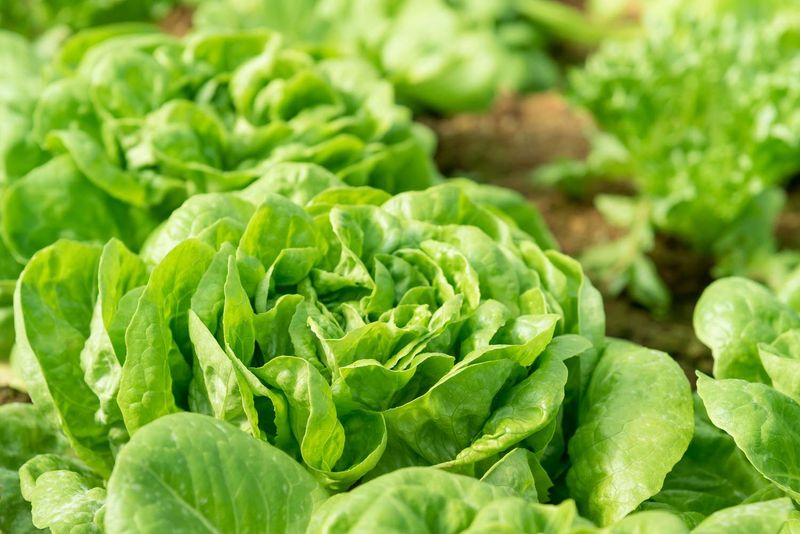
Lettuce’s low-growing habit makes it a perfect companion for zucchini. It thrives in the shade of larger plants, keeping the soil cool and moist, which is beneficial for zucchini’s root system.
The tender leaves of lettuce offer a refreshing crunch in salads, complementing any meal. Lettuce is easy to grow, making it an ideal choice for beginners.
A fun fact: lettuce’s presence can deter weeds, helping to maintain a tidy and productive garden space.
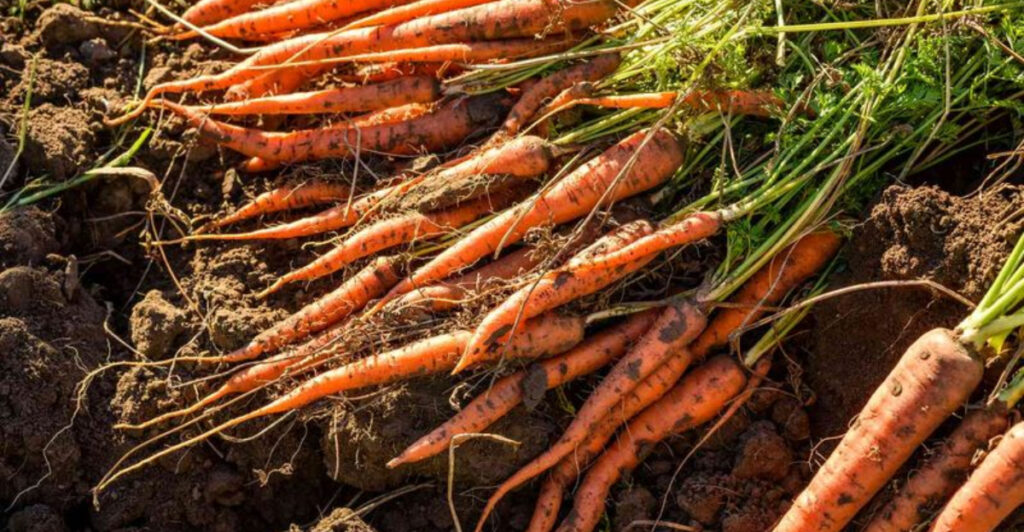
7. Carrots
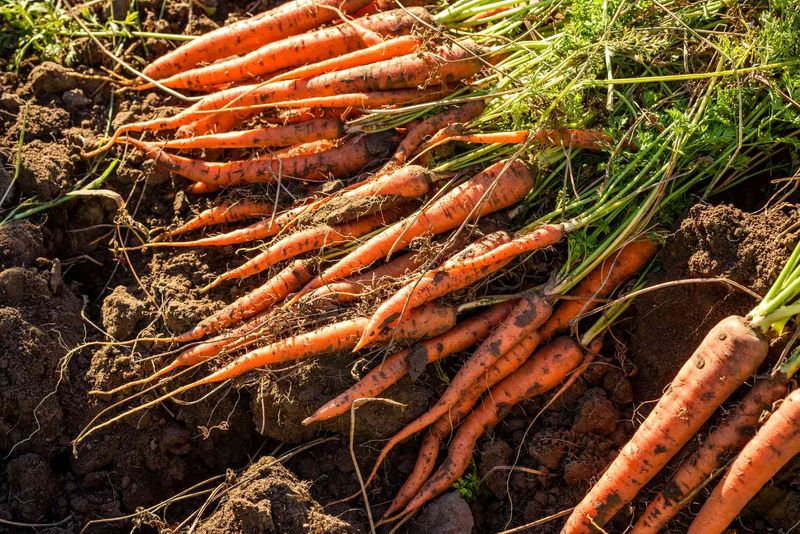
Carrots are root vegetables that pair well with zucchini by using different soil levels, maximizing garden space. This underground growth strategy helps avoid direct competition for nutrients.
Carrots contribute to soil health, breaking up compact soil with their roots. In the kitchen, they add a sweet crunch to dishes and can be stored for long periods.
This compatibility makes carrots an efficient partner for zucchini. Historically, carrots have been cultivated alongside various crops to optimize garden productivity.
8. Dill
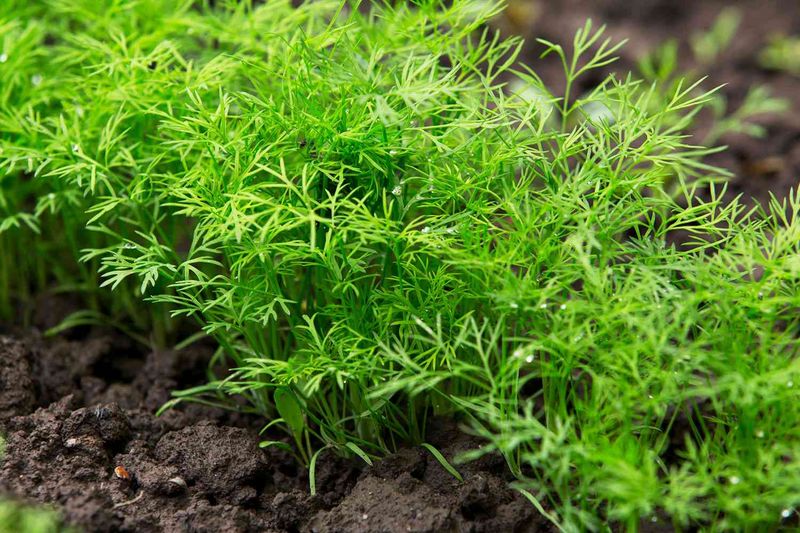
Dill is a fragrant herb that not only adds flavor to dishes but also benefits the garden. Its tall, feathery foliage provides light shade to zucchini plants, while attracting beneficial insects like ladybugs, which help control aphid populations.
Dill’s presence enhances the overall health of the garden ecosystem. It’s a versatile herb, perfect for pickling and seasoning.
Did you know? Dill has been used for centuries in herbal remedies and culinary traditions, highlighting its enduring appeal.
9. Garlic
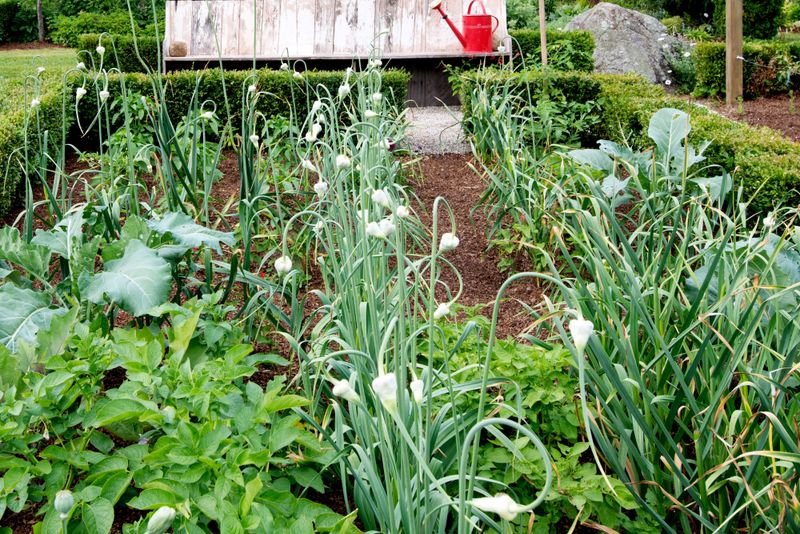
Garlic is a powerhouse in the garden, known for its ability to repel various pests with its pungent aroma. Planting garlic near zucchini can help protect it from common threats such as aphids and spider mites.
In addition to its pest-repelling properties, garlic enhances the flavor profile of many dishes, making it a staple herb.
Garlic’s long cultivation history dates back thousands of years, underscoring its importance in both culinary and medicinal applications.
10. Peas
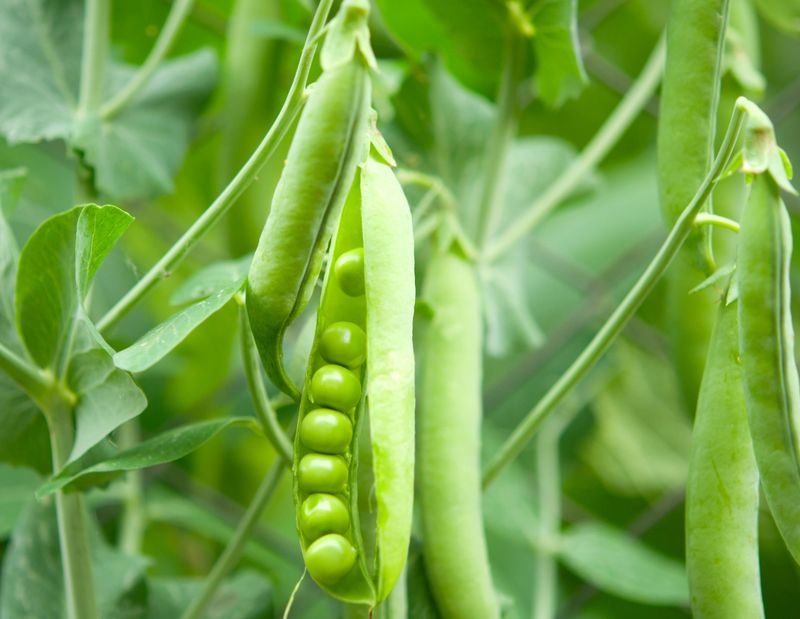
Peas, with their vining nature, can share garden space efficiently with zucchini. They fix nitrogen in the soil, enriching it for neighboring plants. This nutrient boost promotes healthier zucchini growth.
Peas are a favorite in many cuisines, offering a sweet, fresh taste. Their ability to thrive in various conditions makes them a versatile garden companion.
In history, peas have been cultivated for thousands of years, symbolizing prosperity and sustenance in many cultures.
11. Corn
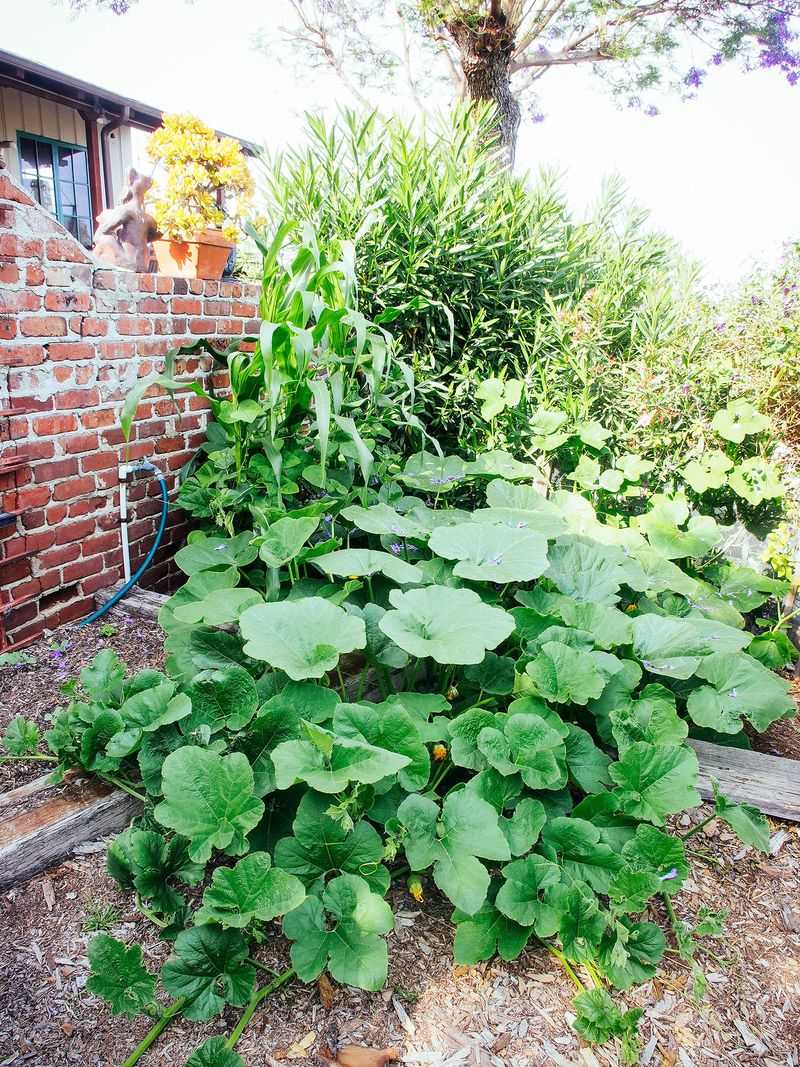
Corn serves as a natural support for vining plants like peas, and its height provides partial shade for zucchini. This combination helps maintain soil moisture, benefiting zucchini’s growth.
Corn is a staple in many diets, offering versatility and nutrition. Known for its role in the Three Sisters planting technique alongside beans and squash, corn exemplifies traditional companion planting wisdom.
Its cultivation history is rich, connecting ancient agricultural practices with modern gardening.
12. Oregano
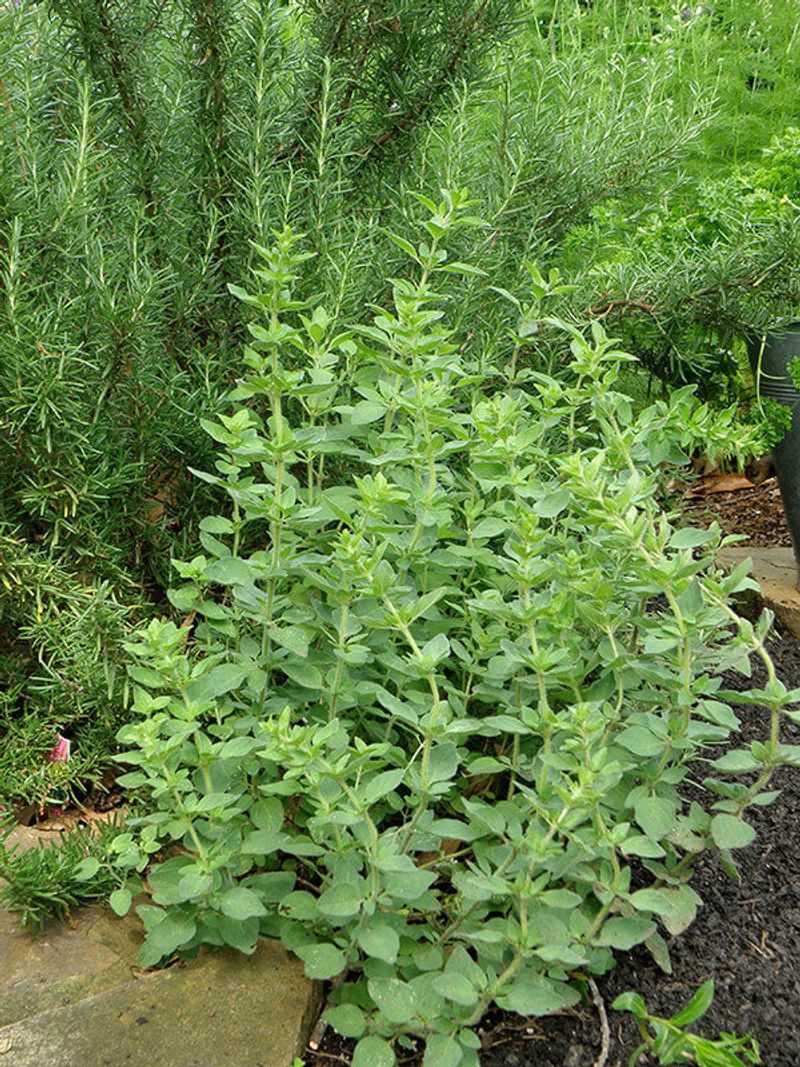
Oregano, with its aromatic leaves, acts as a natural pest deterrent, emitting scents that repel insects. Its low growth habit complements zucchini without competing for space or resources.
Oregano is a culinary powerhouse, enhancing the flavors of countless dishes. Easy to grow, it thrives in various conditions, making it a gardener’s favorite.
Historically, oregano has been prized for its medicinal properties and culinary uses, earning it a place in gardens worldwide.
13. Chives
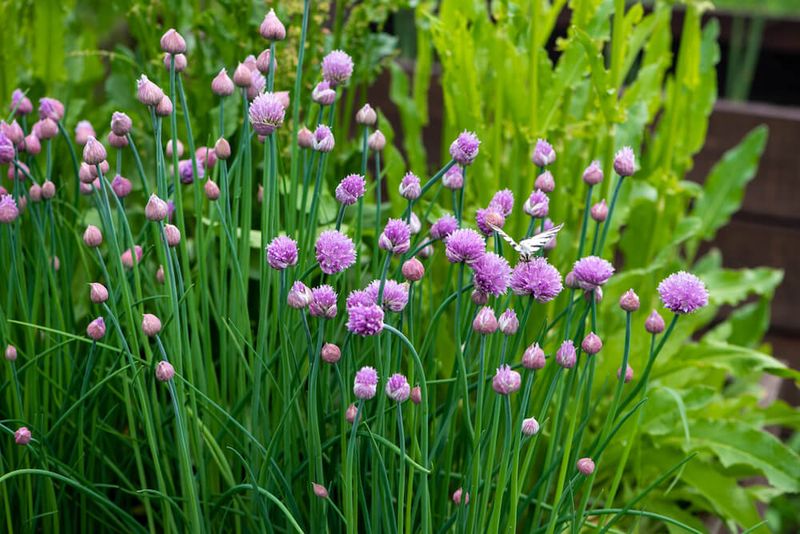
Chives are a delightful addition to any garden, known for their mild onion flavor and striking purple flowers. Their scent deters pests, offering natural protection to zucchini plants.
Chives’ compact growth makes them suitable companions, maximizing garden space. They’re a versatile herb, perfect for garnishing and seasoning.
Historically, chives have been valued for their culinary and medicinal uses, dating back to ancient times, highlighting their enduring appeal in gardens.
14. Spinach
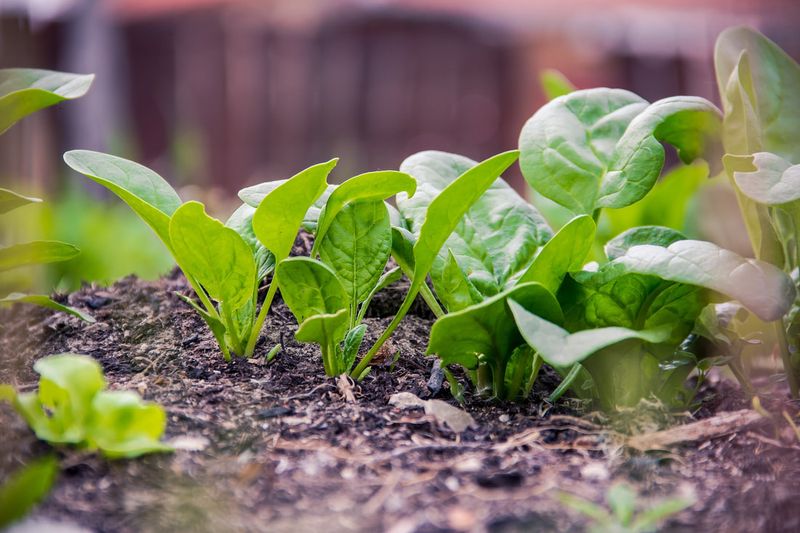
Spinach thrives in the cooler, shaded conditions provided by zucchini’s broad leaves. This leafy green supports soil health by reducing erosion and retaining moisture.
Spinach is a nutrient-rich vegetable, packed with vitamins, making it a healthy addition to meals. Its tolerance for partial shade makes it an ideal companion, optimizing garden yield.
Fun fact: spinach has been celebrated for its health benefits, often associated with strength and vitality in popular culture.
15. Potatoes
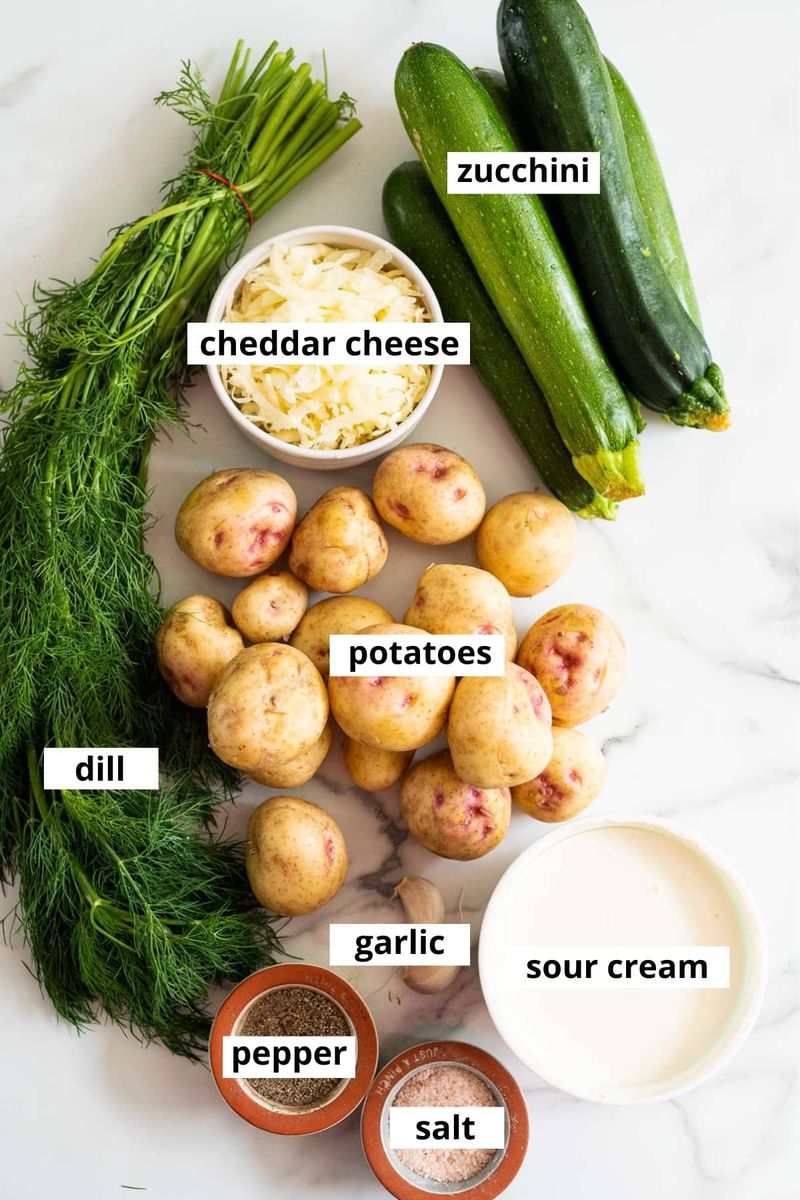
Potatoes, although versatile in cuisine, should be kept separate from zucchini. They compete for similar nutrients, leading to reduced yields for both crops.
Potatoes are prone to certain pests and diseases, which could potentially spread to zucchini plants. By separating these crops, you ensure healthier growth for both.
Potatoes have a rich history, originating from the Andes and becoming a global staple, symbolizing resilience and adaptability in agriculture.
16. Fennel

Fennel, though a flavorful herb, should be planted away from zucchini. Its robust growth can inhibit the development of nearby plants, overshadowing zucchini.
Fennel’s strong aroma attracts beneficial insects, but it’s best kept separate to avoid competition.
In culinary circles, fennel is cherished for its anise-like flavor, enhancing various dishes. Historically, fennel has been used for its medicinal properties and as a spice, highlighting its diverse applications.
17. Tomatoes

Tomatoes are popular garden plants, but they shouldn’t be planted too close to zucchini. Both plants are heavy feeders, leading to competition for nutrients.
This rivalry can result in stunted growth and lower yields. By planting tomatoes separately, you ensure that each crop receives adequate resources.
Tomatoes have been cultivated for centuries, becoming a culinary staple worldwide, renowned for their versatility and flavor.
18. Cucumbers
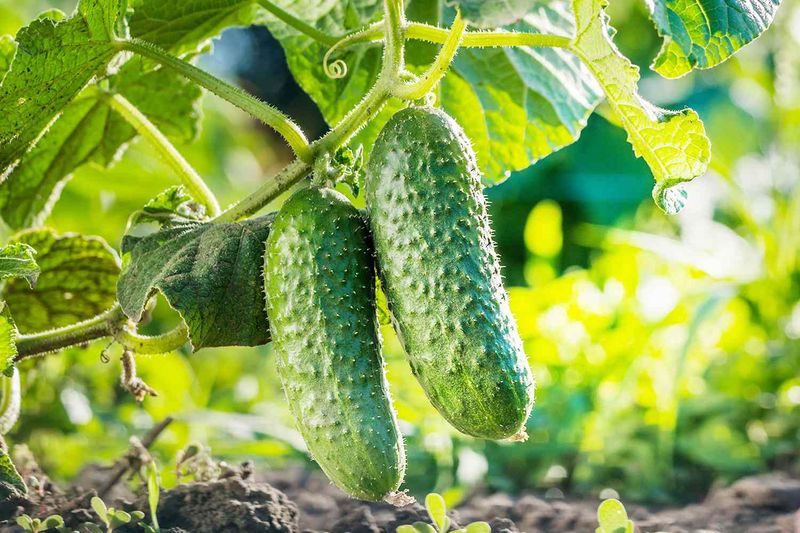
Cucumbers, while similar to zucchini, should grow separately to prevent competition for space and resources. Both plants can succumb to similar diseases, increasing the risk of cross-infection.
By maintaining distance, you reduce these risks, promoting healthier growth for both plants. Cucumbers are a refreshing addition to summer dishes, recognized for their crisp texture.
Their cultivation history spans continents, with cucumbers featured in numerous culinary traditions.
19. Pumpkins

Pumpkins, with their sprawling vines, are best grown away from zucchini. They require ample space and nutrients, which can lead to competition and reduced yields for both crops.
Separating pumpkins ensures that each plant has the room and resources necessary to thrive. Pumpkins are celebrated in autumn traditions, known for their versatility in cooking and decoration.
Their large size and colorful appearance make them a standout feature in any garden.
20. Herb Robert
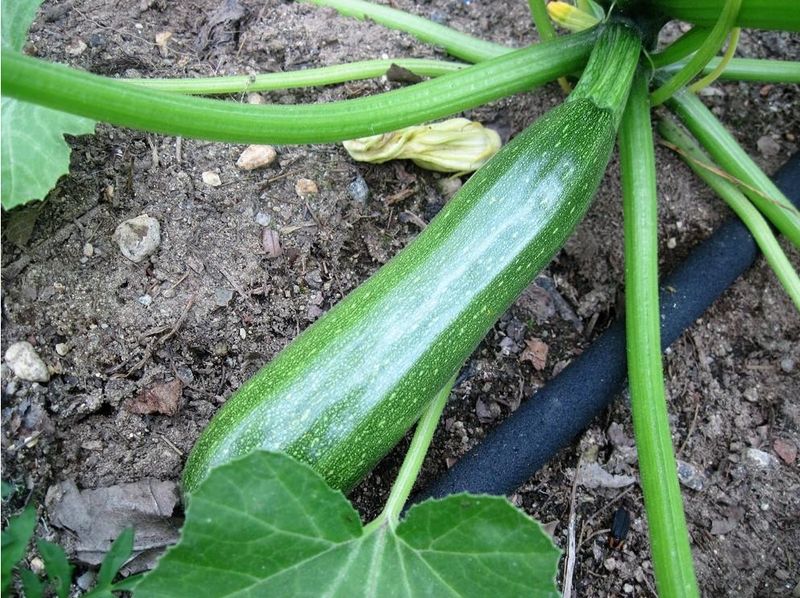
Herb Robert, although a hardy plant, should be kept away from zucchini. It can become invasive, competing for nutrients and space.
This competitive nature can hinder the growth of zucchini, making separation beneficial. Herb Robert has a distinctive, musky aroma and is often used in traditional herbal remedies.
Its historical use in medicine highlights its enduring presence in gardens and herbal practices.