 Complete Gardening
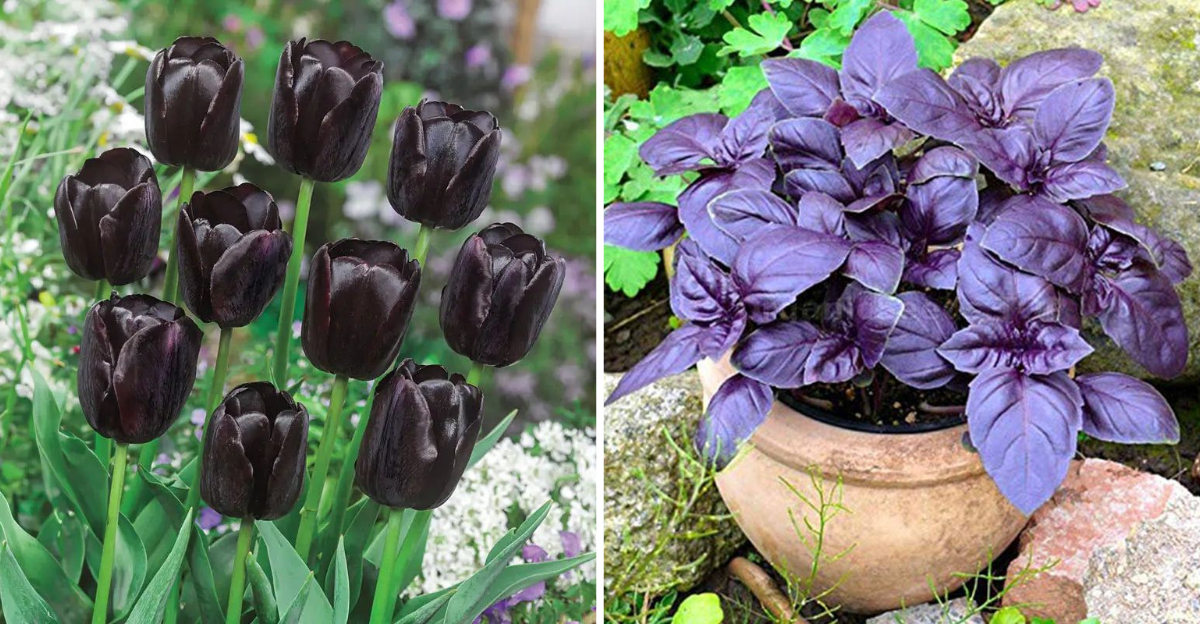
Gothic gardens evoke a sense of mystery and drama, drawing inspiration from the dark allure of the Gothic aesthetic. These gardens boast plants with deep, rich colors and striking forms, creating a unique and enchanting landscape. Whether you’re drawn to the dark glamour of black foliage or the haunting beauty of unusual blooms, Gothic gardens offer a captivating way to express your individuality. Explore the following ten plants that are sure to add a touch of Gothic elegance to any garden.
1. Black Dahlia
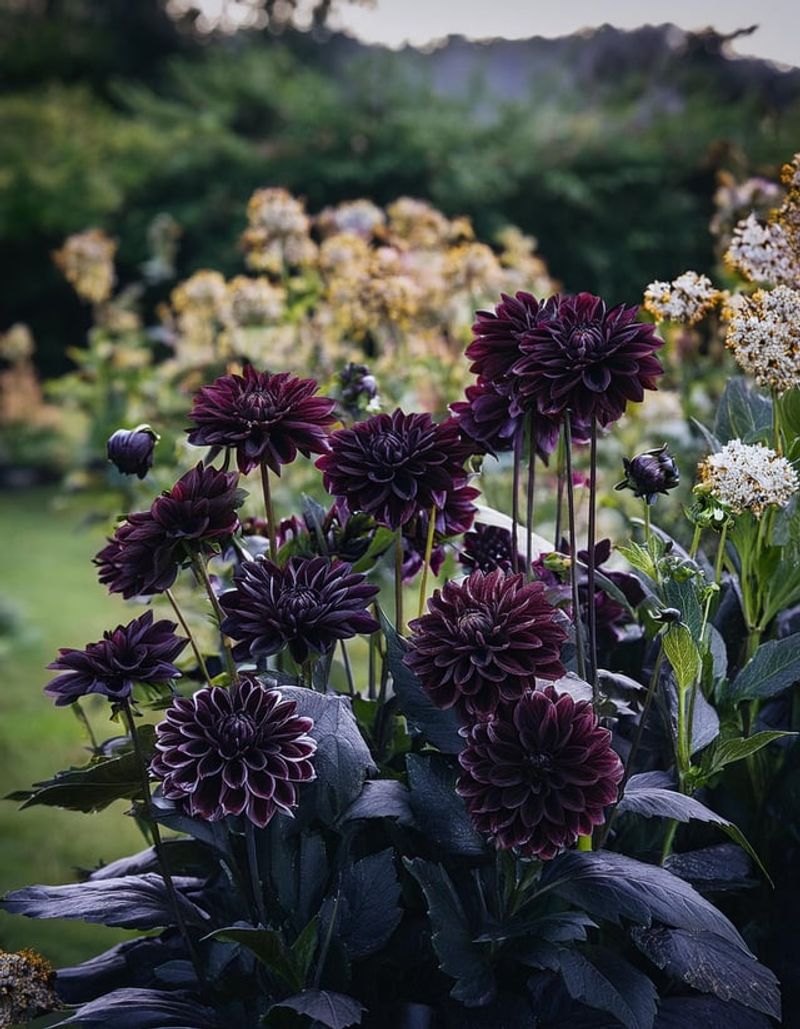
The Black Dahlia captivates with its velvety, dark petals. Its mystical appearance is reminiscent of a starless night. This flower adds a touch of elegance to any garden. Its origin lies in Mexico, where it was first cultivated by the Aztecs. The rich hue symbolizes mystery and strength, making it a favorite among garden enthusiasts. Although it appears delicate, the Black Dahlia is surprisingly resilient. It’s suitable for both beginners and seasoned gardeners alike. Its enchanting presence is sure to make it the centerpiece of your Gothic garden.
2. Bat Flower
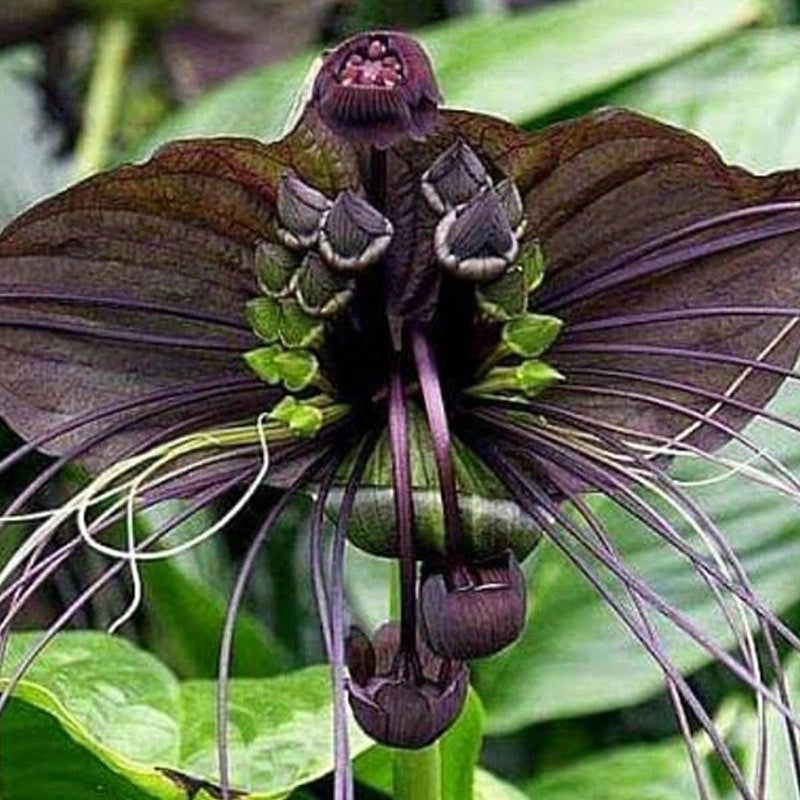
The Bat Flower is a botanical marvel. Its petals resemble the wings of a bat in flight, evoking the essence of the night. This plant hails from Southeast Asia, where it thrives in humid conditions. Its long whiskers add to its eerie charm. The Bat Flower is not just about appearances; it’s also known for its adaptability. It can be grown indoors as well as outdoors, making it a versatile addition. With its exotic allure, this flower invites you to embrace the dark side of nature.
3. Black Mondo Grass
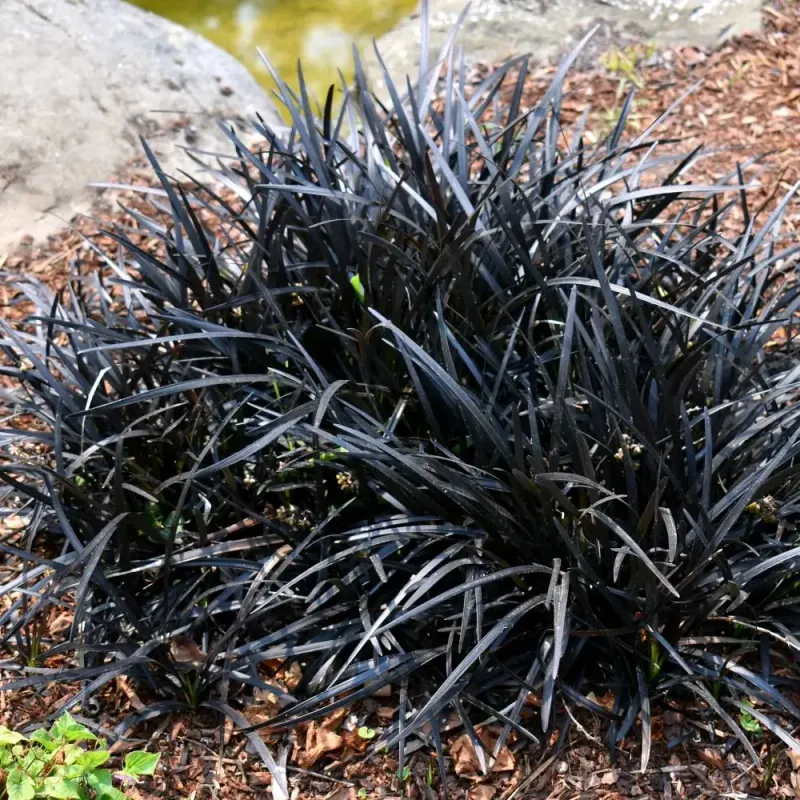
Black Mondo Grass stands out with its sleek, ebony blades. This ornamental grass adds texture and depth to any landscape. Originating from Japan, it blends seamlessly into Gothic garden aesthetics. Its low maintenance nature is perfect for busy gardeners. Despite its name, Black Mondo Grass is not truly black. It carries a deep purple hue that appears black in certain lights. Its subtle beauty lies in its ability to contrast vividly against lighter plants. An ideal choice for edging or ground cover, it enriches any garden space.
4. Queen of Night Tulip
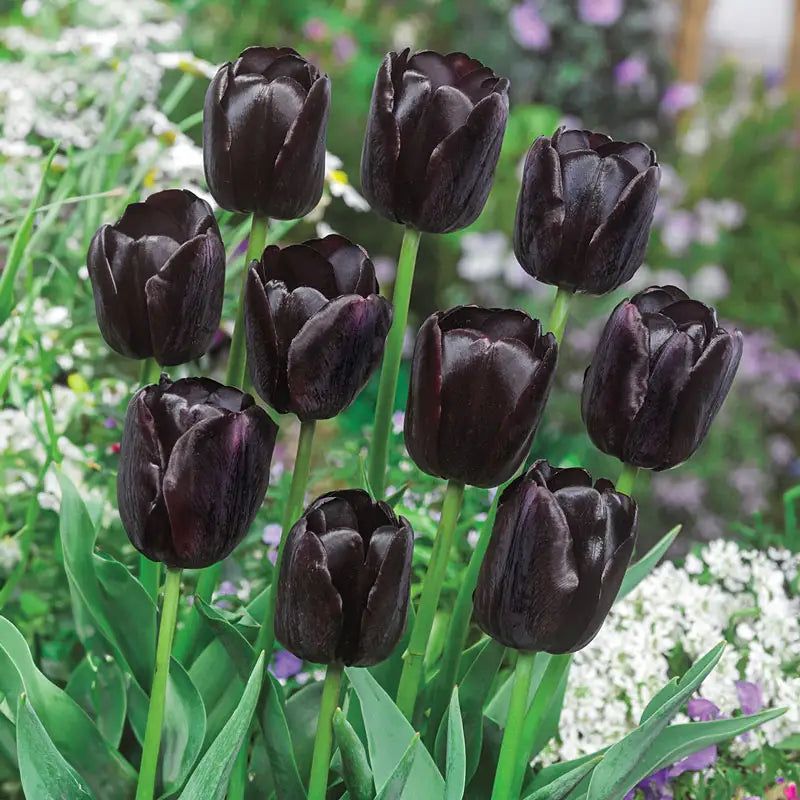
The Queen of Night Tulip reigns with unmatched grace. Its velvety petals are among the darkest in the tulip family. This tulip originates from the Netherlands, a country famed for its tulip cultivation. Its striking beauty earns it the title ‘Queen.’ The deep maroon-black hue captures the essence of twilight. It pairs well with lighter blooms, creating dramatic contrasts. The Queen of Night Tulip’s allure is not just visual; its presence evokes a sense of mystery and sophistication. Each spring, it emerges as a beacon of dark elegance in gardens worldwide.
5. Purple Shamrock
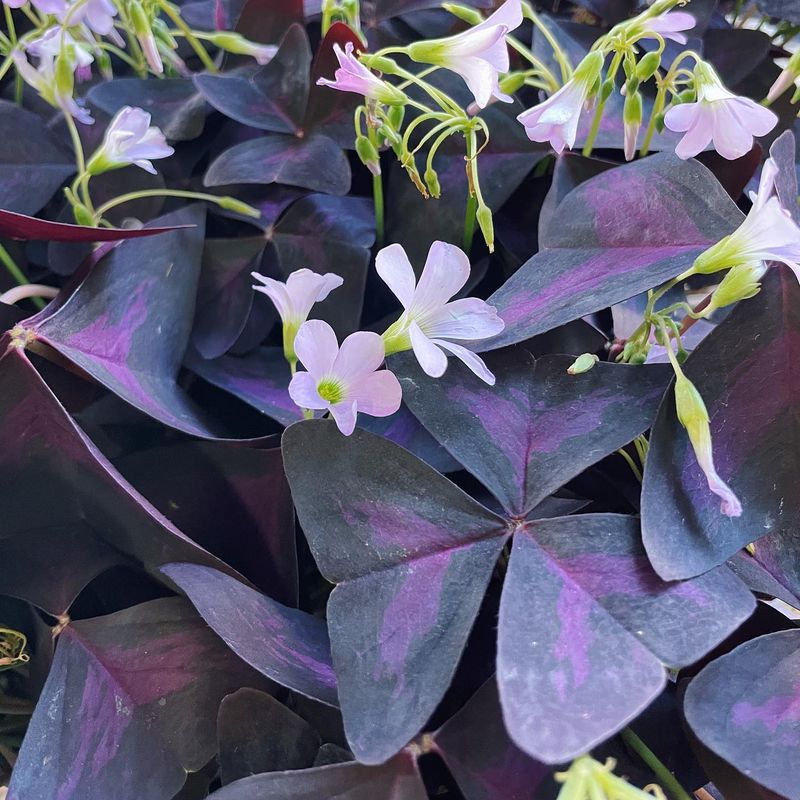
The Purple Shamrock charms with its heart-shaped leaves. It offers a whimsical element to Gothic gardens. Native to Brazil, it thrives in warm climates and can be easily grown in pots. Its leaves, resembling butterflies, fold up at night, adding to its mystique. The Purple Shamrock’s rich purple tones complement other dark foliage. Its delicate white flowers provide a striking contrast to its leaves. This plant is both ornamental and resilient, requiring minimal care. Its presence in the garden is like a sprinkle of magic on a dark canvas.
6. Dark Opal Basil
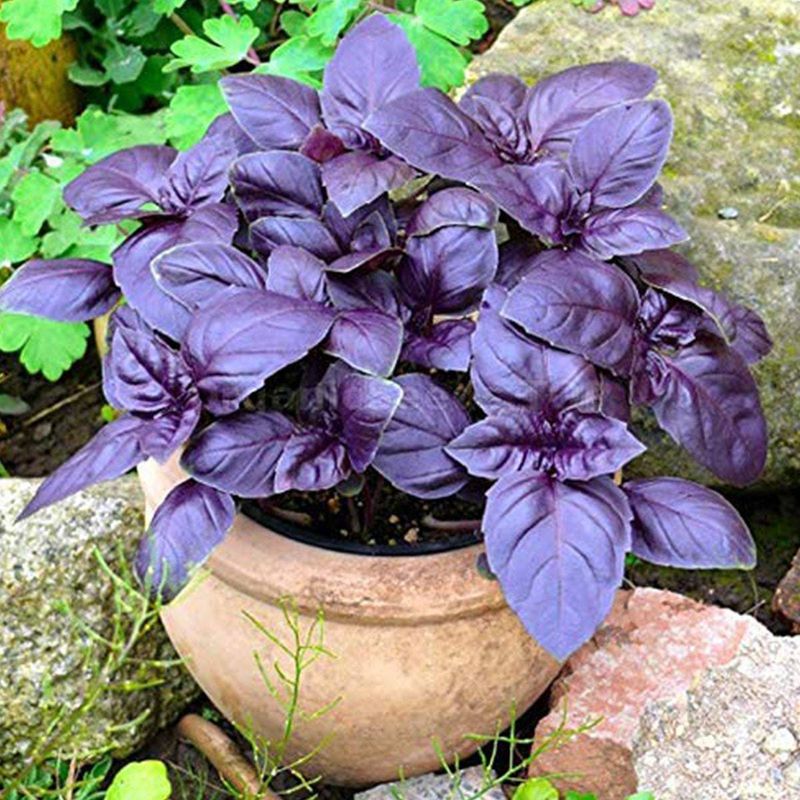
Dark Opal Basil is more than just a culinary delight. Its deep purple leaves make it a standout in any Gothic garden. Originating from the United States, this basil variety is both flavorful and visually striking. The aromatic scent adds an extra dimension of charm. Its leaves provide a stunning contrast when paired with green herbs. Dark Opal Basil is perfect for gardeners who love to cook. It grows well in pots, making it accessible for urban gardens. This basil is a true testament to the beauty of functional plants.
7. Black Velvet Petunia
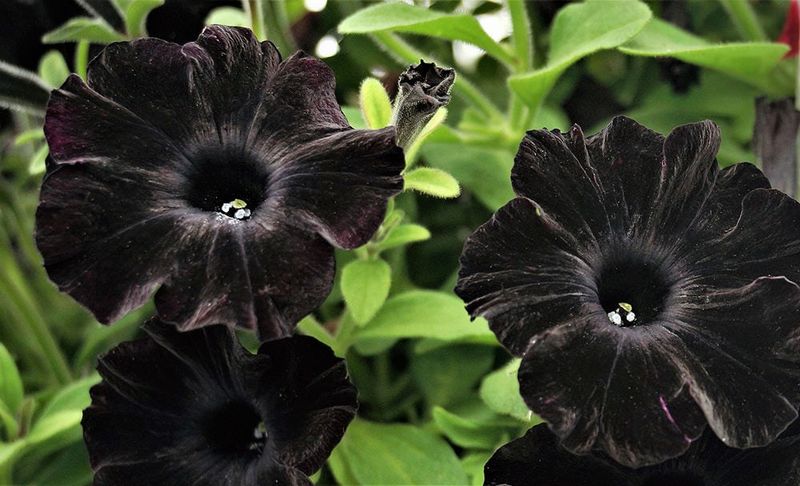
Black Velvet Petunia mesmerizes with its jet-black blooms. As one of the darkest flowers available, it embodies elegance and mystery. This petunia is a modern marvel, developed through careful breeding. Its velvety texture enhances its luxurious appearance. Black Velvet Petunia thrives in sunny locations, providing a stunning display throughout the summer. Its unique color makes it a popular choice for hanging baskets and borders. The flowers are not just visually captivating, they also attract pollinators. This petunia is a bold choice for those looking to make a statement.
8. Ebony Spleenwort

Ebony Spleenwort is a fern that exudes sophistication. Its slender, dark fronds add a touch of intrigue to Gothic gardens. This fern is native to the eastern United States and grows well in shaded areas. Its unique coloration sets it apart from typical green ferns. Ebony Spleenwort is drought-tolerant, making it easy to care for. Its presence in a garden introduces texture and depth. The fern’s resilience is matched by its beauty, making it a favorite among shade-loving plants. It offers an understated elegance, perfect for a serene garden setting.
9. Chocolate Cosmos
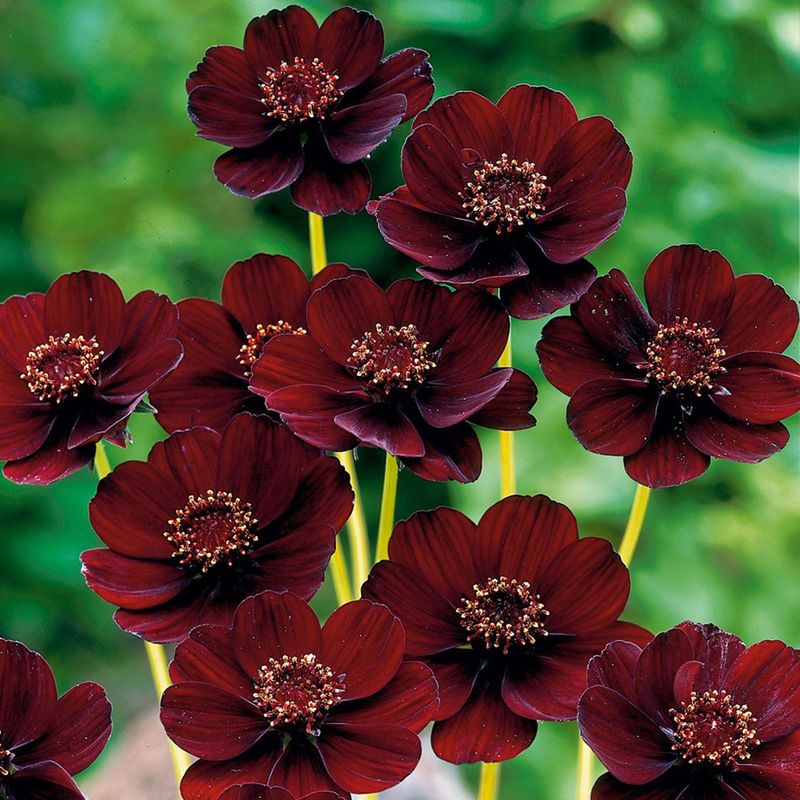
Chocolate Cosmos enchants with its rich, chocolate-scented blooms. These flowers are a sensory delight. Their deep reddish-brown petals resemble the luxurious color of dark chocolate. Native to Mexico, Chocolate Cosmos have a captivating fragrance that fills the air. They’re well suited for sunny spots in the garden. The flowers’ intriguing hue and scent make them a popular choice for gardeners looking to add a unique touch. Despite their delicate appearance, they are robust and easy to grow. Chocolate Cosmos is a treat for the senses and the soul.
10. Burgundy Glow Bugleweed
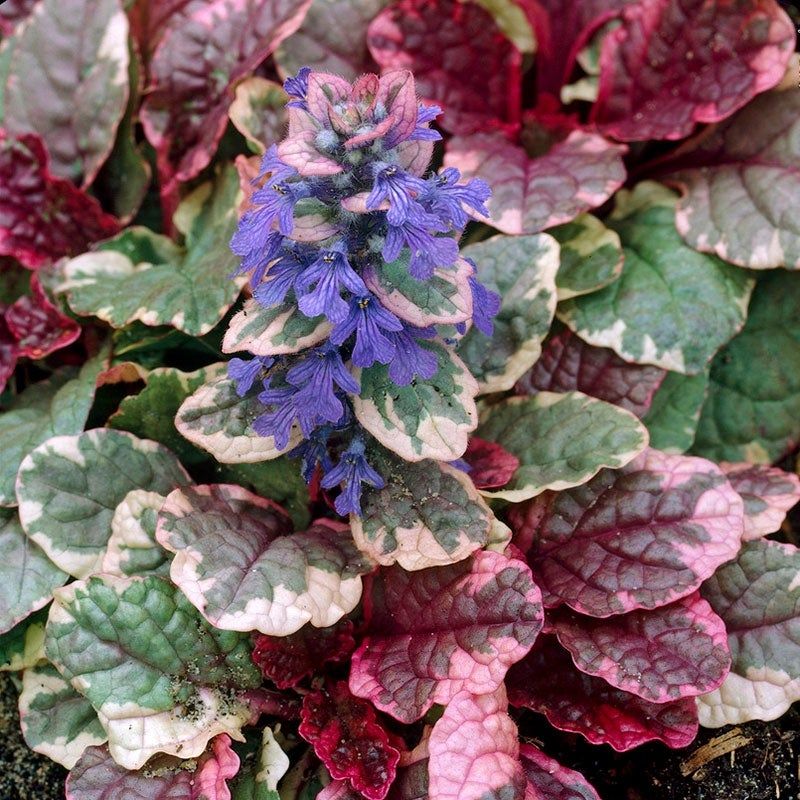
Burgundy Glow Bugleweed dazzles with its variegated foliage. The mix of burgundy, cream, and green adds a rich tapestry of color to gardens. This plant is perfect for ground cover, thriving in dappled sunlight. Originating from Europe, Bugleweed is adaptable and hardy. Its foliage is complemented by spikes of blue flowers in the spring. Burgundy Glow Bugleweed is easy to maintain, making it ideal for both novice and experienced gardeners. Its unique color palette creates a vibrant contrast against darker plants. A true gem for any Gothic garden.
11. Black Lace Elderberry
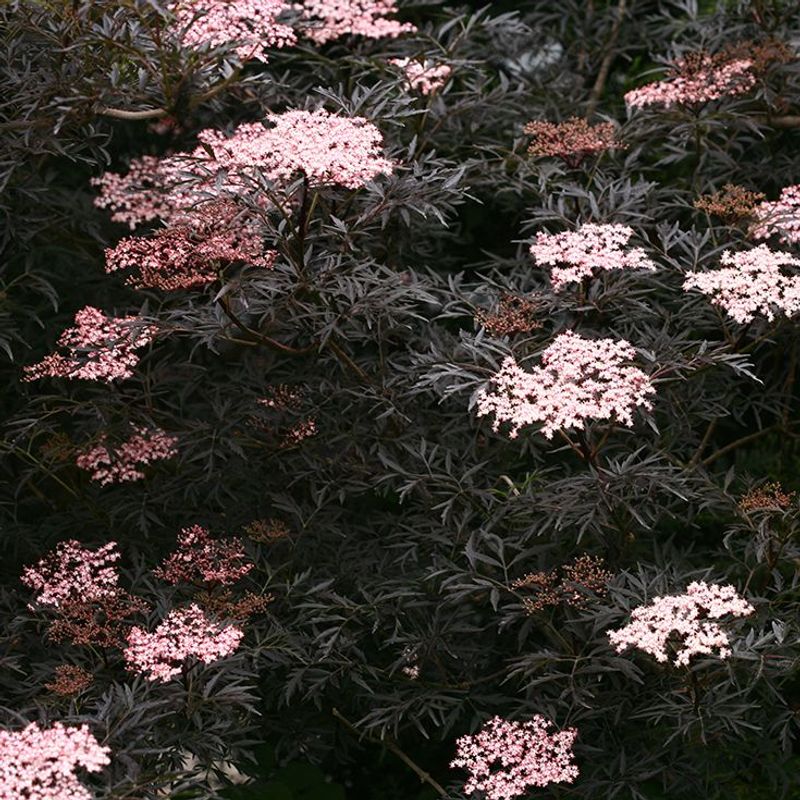
With foliage reminiscent of lacework, the Black Lace Elderberry adds a touch of elegance to any Gothic garden. Its dark, almost black leaves create a stunning contrast against the delicate pink flowers that bloom in spring.
This plant is not just about looks; it attracts wildlife and offers edible berries that can be used in culinary creations. Its versatility makes it a favorite among gardeners seeking an exotic yet functional addition.
Did you know? This elderberry variety often symbolizes protection and was historically used in rituals and traditional medicine.
12. Dragon Arum
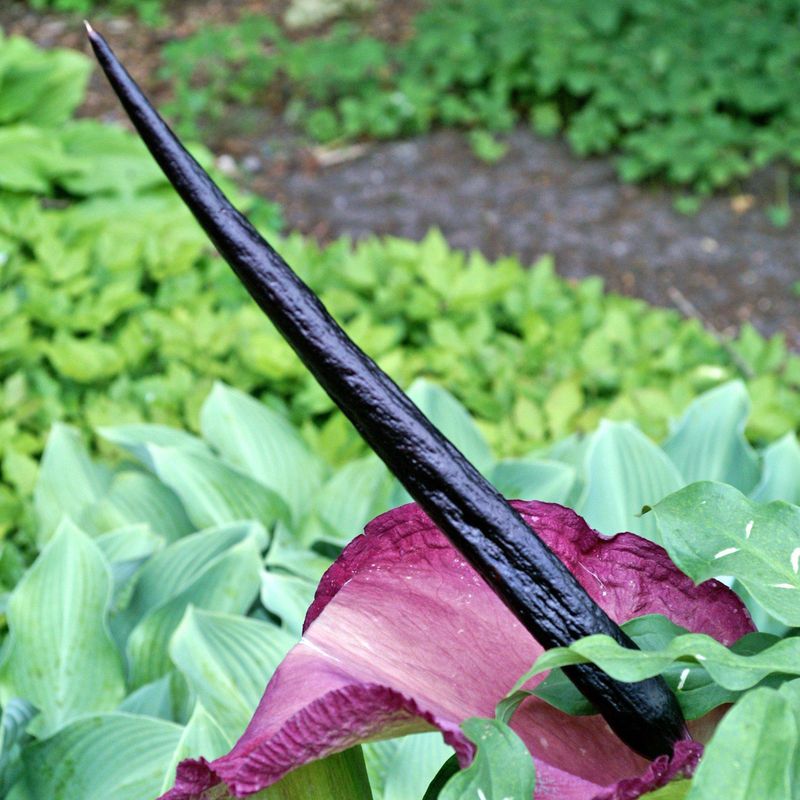
The Dragon Arum captivates with its surreal appearance. Its dark maroon spathe wraps around a peculiar, elongated spadix, exuding a scent that mimics rotting meat to attract pollinators.
This curious plant thrives in shaded areas, presenting its exotic bloom as a conversation starter. Despite its unusual odor, the visual allure of the Dragon Arum makes it a must-have for those seeking the extraordinary.
Historically, this plant was associated with myths and legends, often believed to harbor magical properties and ward off evil spirits.
13. Black Tulip Magnolia
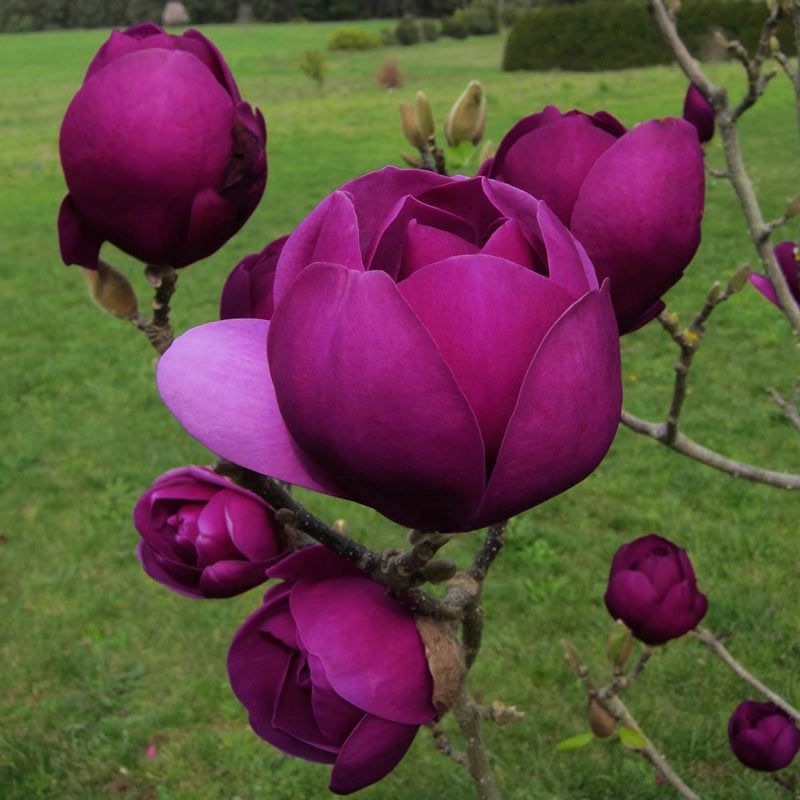
The Black Tulip Magnolia stands as a beacon of grace, showcasing dark burgundy blooms that evoke a sense of romantic mystery. Each flower, resembling a tulip, unfolds to reveal a rich, velvety texture.
Perfect for a Gothic garden, this magnolia adds vertical interest and dramatic flair. Its blooms appear in early spring, offering a preview of the season’s potential.
Fun fact: Despite its name, the Black Tulip Magnolia is not a true tulip but belongs to the magnolia family, a lineage dating back millions of years.
14. Midnight Wine Weigela
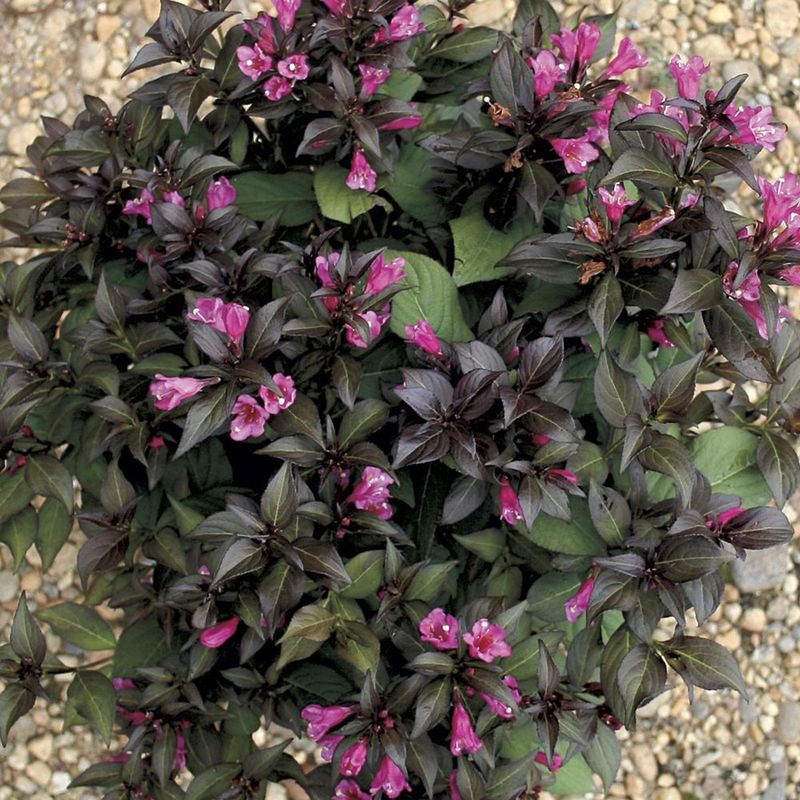
With its mesmerizing wine-red foliage, the Midnight Wine Weigela brings a sense of depth and richness to any Gothic-inspired landscape. Its soft pink blossoms provide a gentle contrast, blooming gracefully throughout the spring and summer.
Compact and easy to maintain, this shrub suits various garden sizes. Its vibrant leaves retain their color, creating a lasting impression.
An interesting touch: The Midnight Wine Weigela is often used in modern landscape designs to add a splash of color without overwhelming the senses.
15. Black Scallop Ajuga
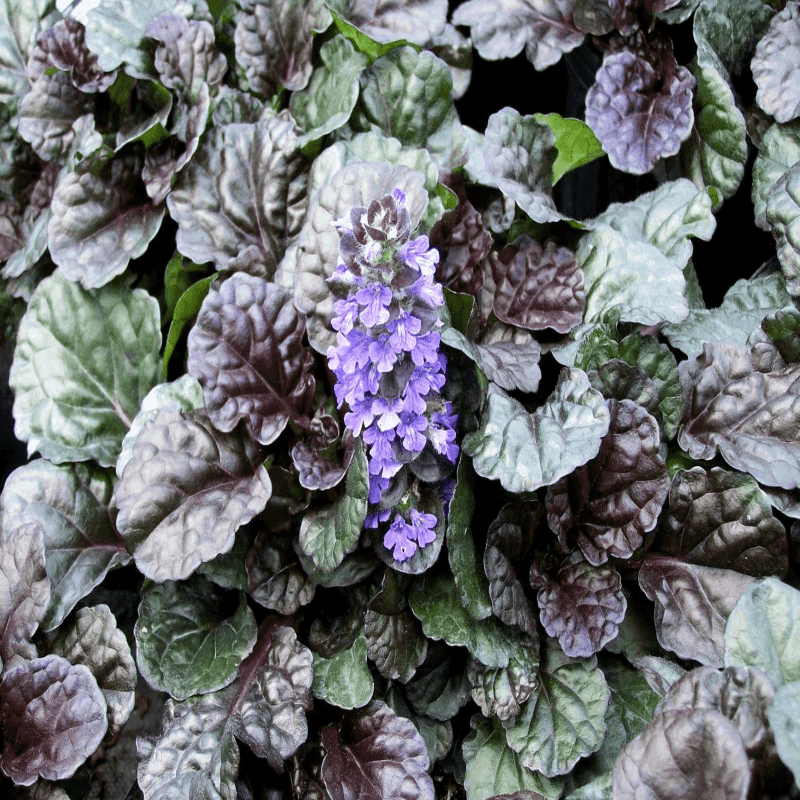
The Black Scallop Ajuga serves as a striking ground cover, with its glossy, dark leaves and vibrant cobalt-blue flower spikes. This plant thrives in shaded areas, providing a lush, carpet-like appearance.
Its low-growing nature makes it ideal for borders and pathways, adding texture and color without demanding attention. The Black Scallop Ajuga is both drought-tolerant and deer-resistant.
Historically, ajuga species were thought to possess healing properties, often used in traditional remedies and decorative arrangements, bridging beauty and function.
16. Raven’s Wing Plantain Lily
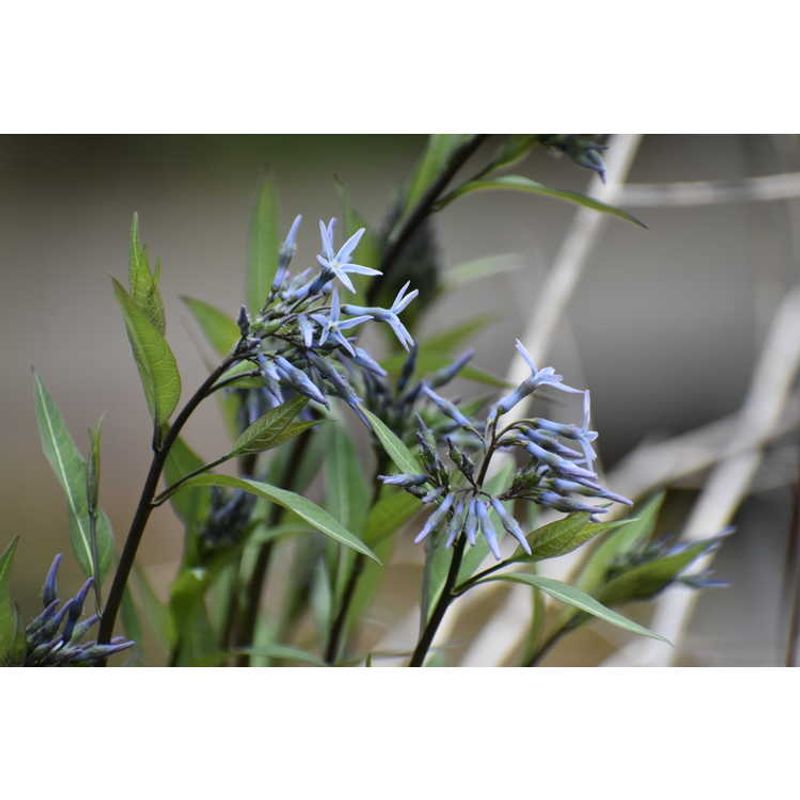
The Raven’s Wing Plantain Lily enchants with its dramatic black foliage and pale lavender flowers. This hardy perennial thrives in shaded areas, offering a serene and mystical presence.
Its unique color palette makes it a standout in any Gothic garden, providing an ethereal glow. Easy to grow, this plant is perfect for both novice and experienced gardeners.
Did you know? The plantain lily, or hosta, originates from East Asia and has been celebrated for its diverse leaf patterns and adaptability in various garden styles.