
Daffodils bring vibrant color and joy to our gardens each spring. However, what happens after their stunning blooms fade? Ensuring the health and vigor of your daffodils post-bloom is crucial for their longevity and continued beauty. This guide provides 22 essential tips to help you care for your daffodils once they’ve bloomed. From proper watering techniques to innovative ways to repurpose their beauty, these tips will help keep your daffodils flourishing year after year.
1. Prune the Flowers
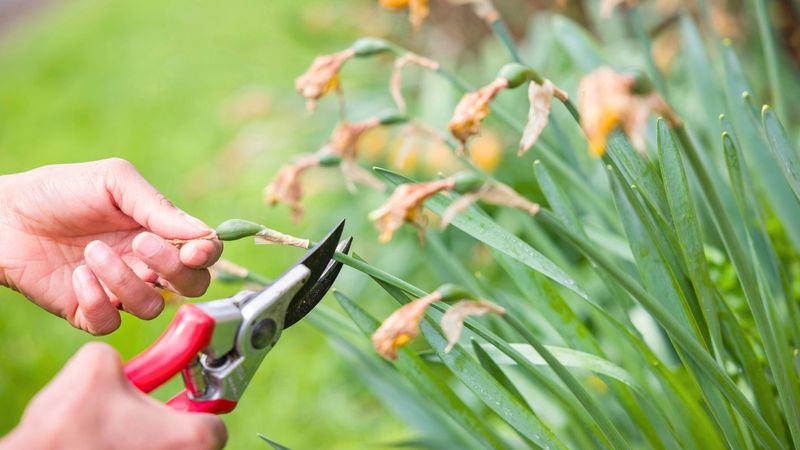
With the bloom’s beauty fading, it’s pruning time for your daffodils. By removing the spent flowers, you prevent them from forming seeds, allowing the plant to channel energy back into the bulb. Pruning also keeps your garden tidy and free from withered petals. Remember, leave the leaves intact to continue photosynthesis.
Consider using clean, sharp scissors to avoid damaging the plant. This small act can make a big difference in the following year’s bloom. So grab those shears and give your daffodils the post-blooming care they deserve. It’s a gardener’s gentle touch that ensures future splendor.
2. Fertilize the Soil
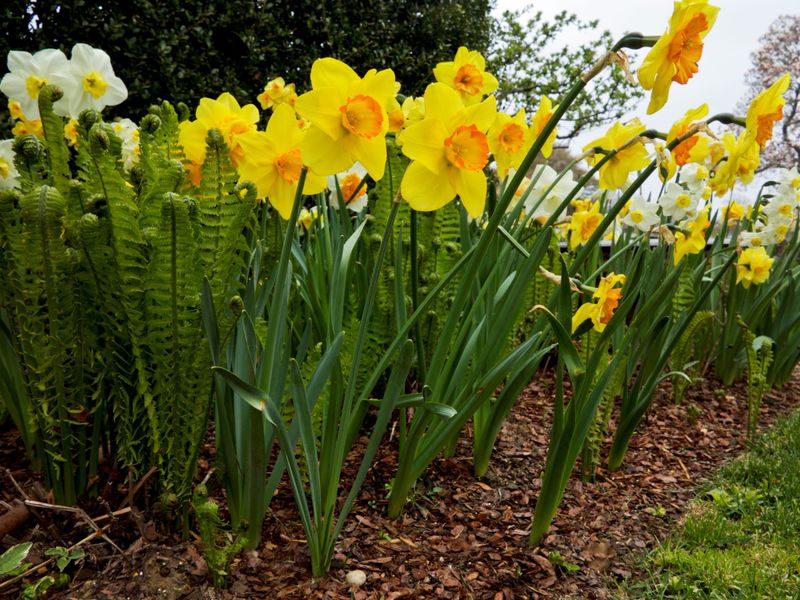
Nourishing the soil is vital after daffodils have bloomed. Applying a balanced fertilizer helps replenish nutrients, supporting the bulb’s growth for next season. Timing is essential; apply the fertilizer after flowering, but while the leaves are still green.
Choose a granular or liquid fertilizer, following package instructions for best results. This step strengthens the bulbs, setting them up for a vibrant display next year. Fertilizing is like giving your daffodils a post-performance feast, ensuring they’re strong and ready for another spectacular show. It’s a simple act with lasting benefits for your garden.
3. Avoid Cutting the Leaves
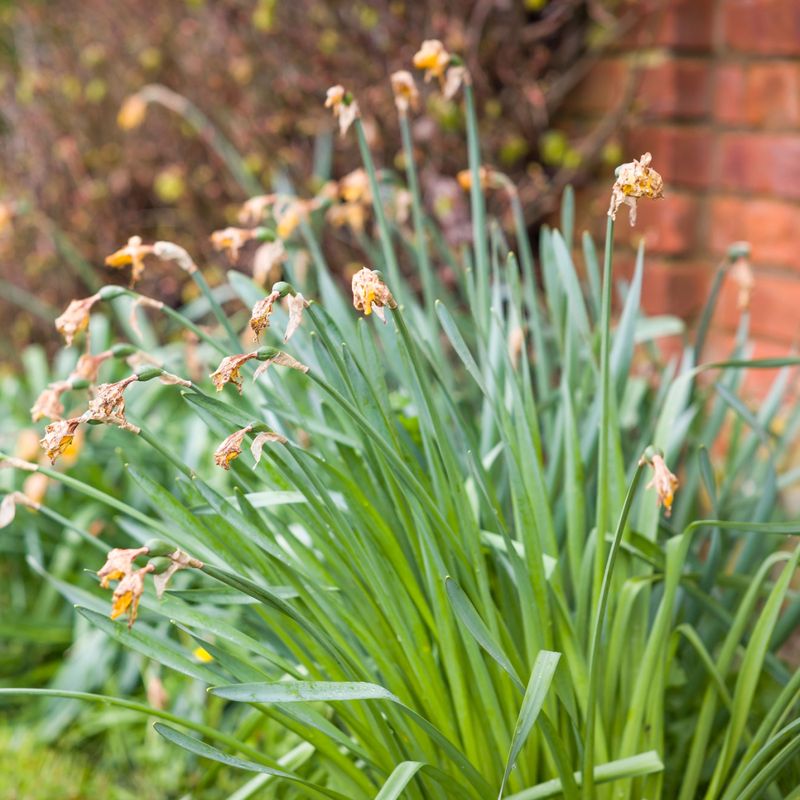
The desire to tidy up can be strong, but resist cutting daffodil leaves immediately after blooming. These leaves are crucial for photosynthesis, converting sunlight into energy stored in the bulb. Cutting them too soon can weaken the bulb, impacting next year’s blooms.
Allow the leaves to yellow naturally before removing them. This patience is a small investment that pays off with vibrant flowers next spring. Letting nature take its course ensures your daffodils remain healthy and robust. It’s about finding harmony between aesthetics and the natural life cycle.
4. Control Weeds
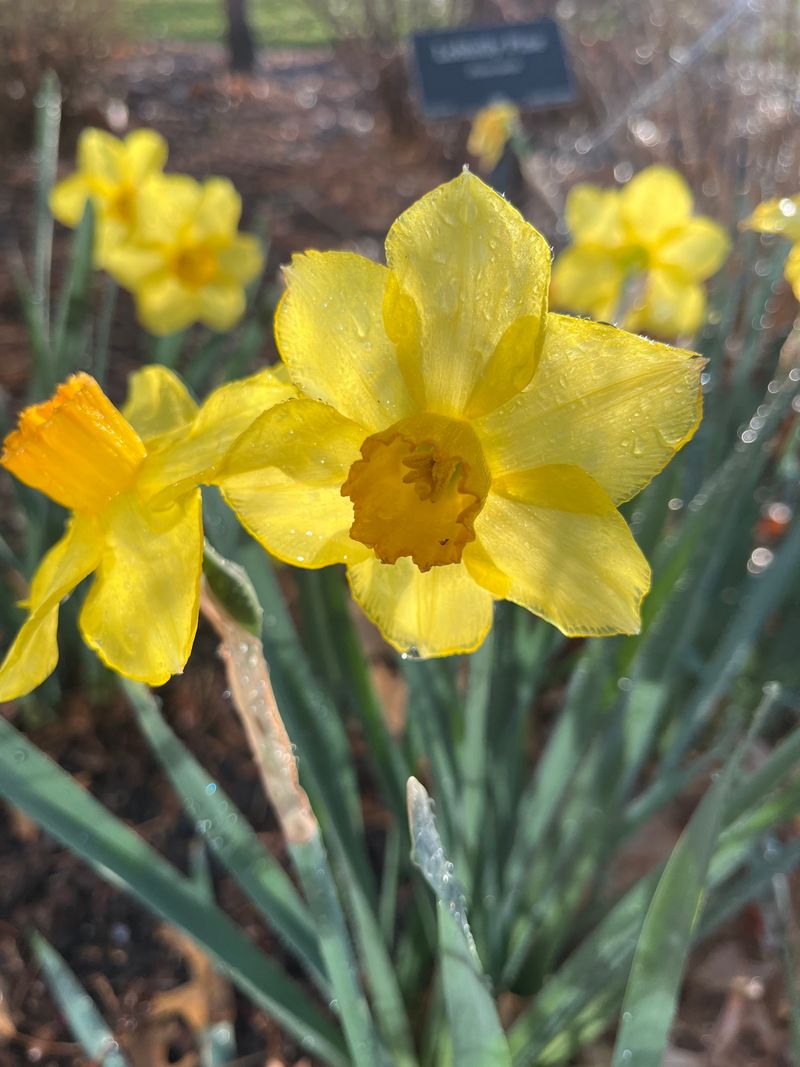
Weeds can compete with daffodils for nutrients and space, affecting their health. Regularly removing weeds from around daffodils helps them thrive. Use your hands or a small tool to gently pull weeds, being careful not to disturb the bulbs.
This routine task supports the overall health of your garden. Think of it as giving your daffodils room to breathe and flourish. Controlling weeds is a simple, yet effective way to enhance the growth of your beloved blooms. It’s the unsung hero of garden maintenance, paving the way for a dazzling display.
5. Ensure Proper Watering
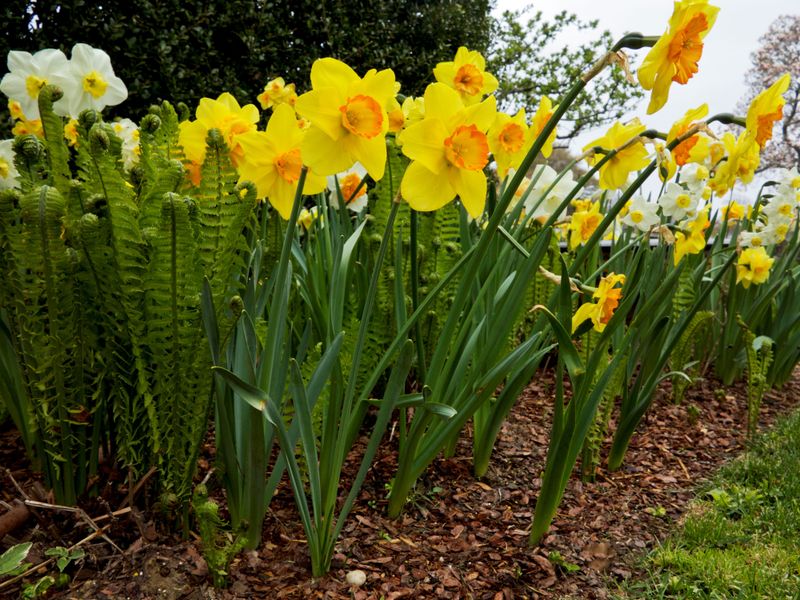
Proper watering is essential for daffodil health post-bloom. Ensure they receive about an inch of water per week, especially in dry conditions. Be mindful not to overwater, as daffodils dislike soggy soil.
Water at the base of the plant to prevent fungal issues. Consistent watering helps the bulbs store energy for next year’s growth. This attention to hydration is crucial for sustaining their vigor. It’s like quenching the thirst of a marathon runner, providing necessary support for their journey. Keeping your daffodils well-watered is a cornerstone of post-bloom care.
6. Mulch the Area
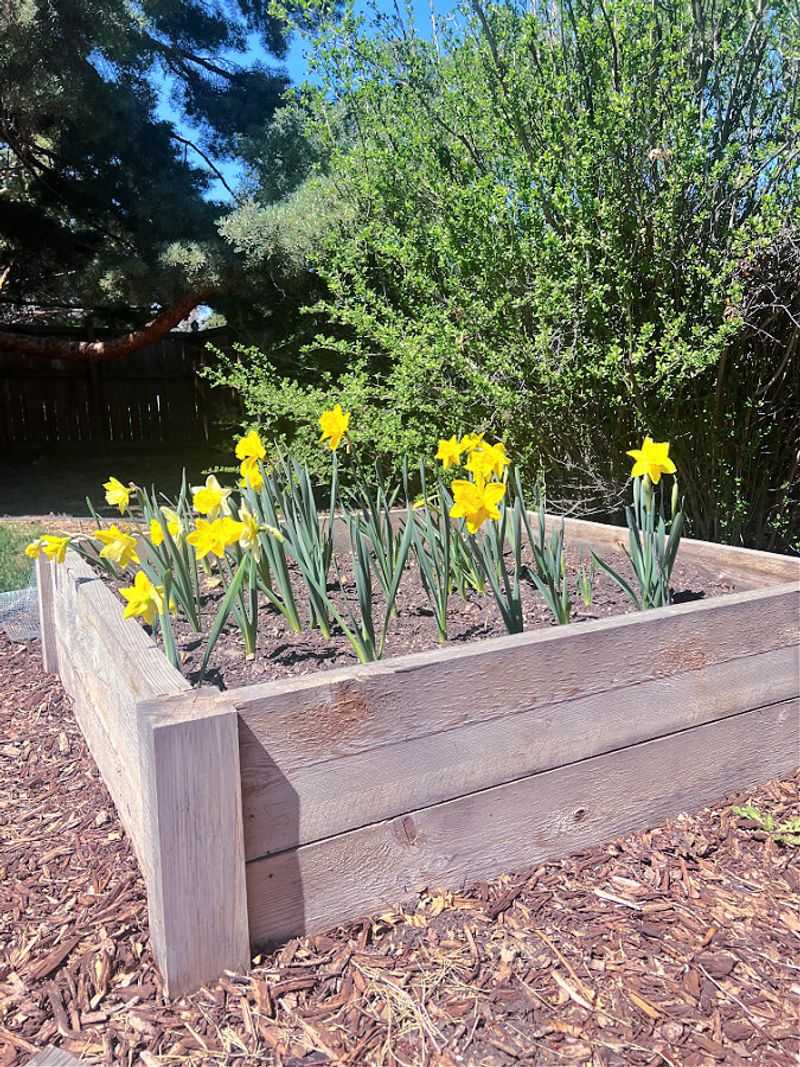
Mulching around daffodils can conserve moisture, suppress weeds, and regulate soil temperature. Choose organic mulch such as shredded bark or compost. Applying mulch after blooming, but before the leaves yellow, is ideal.
Spread a layer about two inches thick, avoiding direct contact with the stems. This protective layer acts like a cozy blanket, nurturing the bulbs beneath. Mulching is a thoughtful practice that enhances soil health and supports your daffodils’ well-being. It’s the gardener’s secret weapon for a thriving flower bed, offering benefits throughout the growing season.
7. Divide Overcrowded Clumps
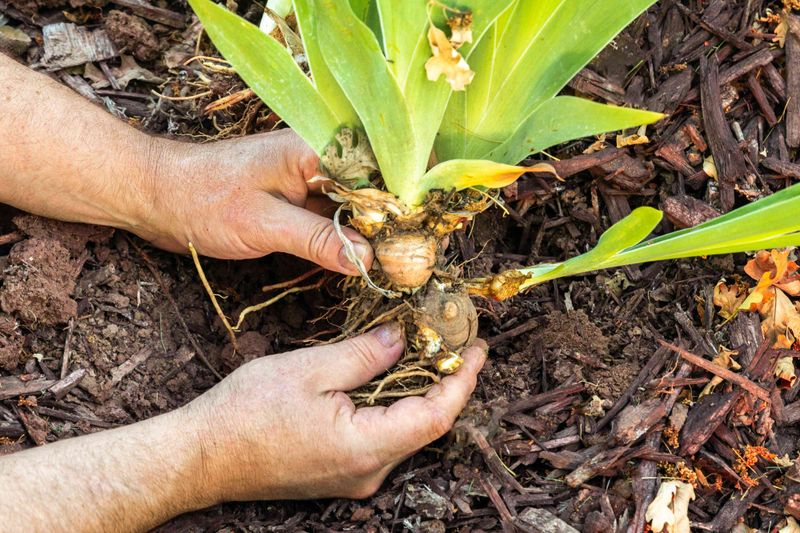
If your daffodil clumps look crowded and blooms diminish, it’s time for division. Overcrowded bulbs compete for resources, impacting their performance. Wait until the foliage turns yellow, then carefully dig up the bulbs.
Separate them gently and replant at proper spacing. This process rejuvenates your plants, promoting healthier growth and more blooms. Dividing is akin to decluttering, giving each bulb space to flourish. By addressing overcrowding, you ensure your daffodils have room to thrive, resulting in a garden filled with abundant and vibrant flowers.
8. Plant Companion Flowers
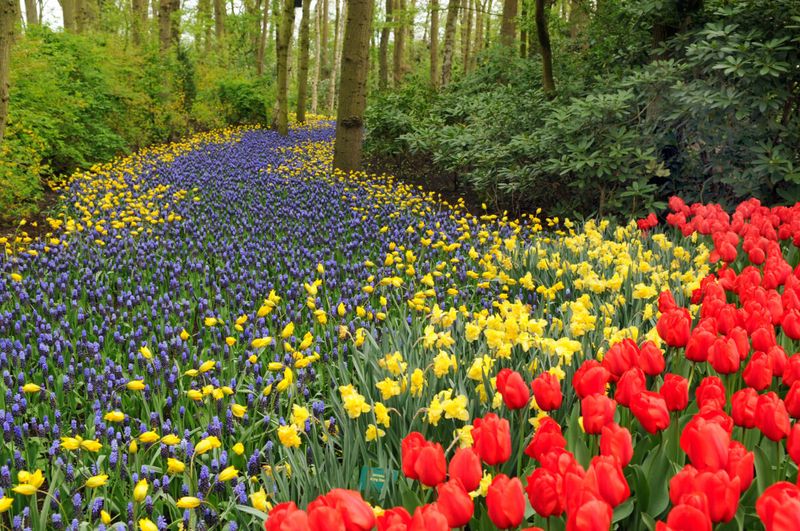
Enhance your garden’s beauty by planting companion flowers alongside daffodils. Consider early blooming perennials like tulips or hyacinths that complement daffodils’ vibrant hues. These companions can fill in gaps as daffodil foliage dies back.
Additionally, they offer diverse textures and colors, creating a dynamic landscape. Companion planting not only enriches the visual appeal but also encourages pollinators to visit your garden. It’s a beautiful partnership that benefits both plants and the surrounding ecosystem. By choosing the right companions, you elevate the aesthetic and ecological value of your garden space.
9. Deadhead Regularly
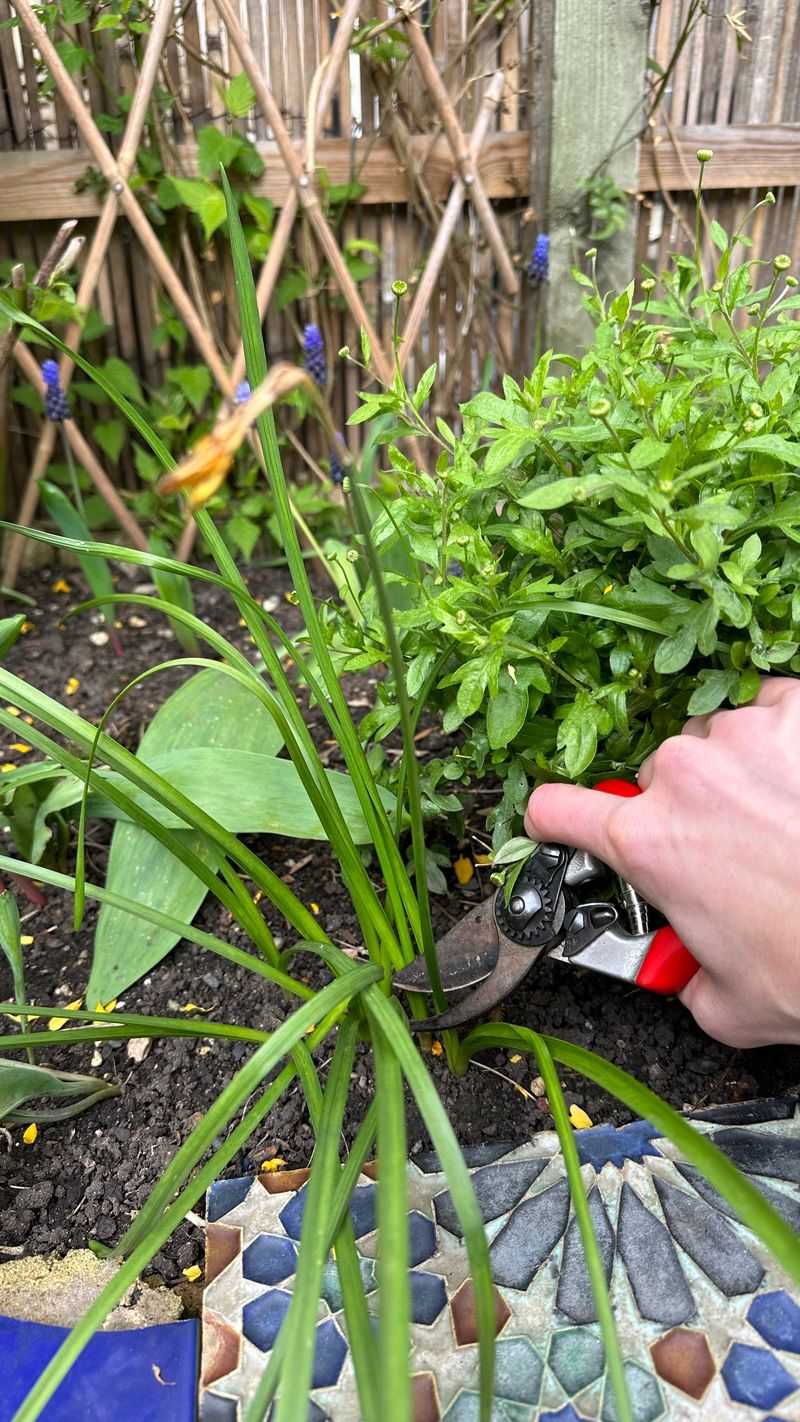
Deadheading is crucial for maintaining daffodil health. Removing spent blooms redirects energy from seed production to bulb nourishment. This simple act promotes vigor and enhances next year’s blooms. Use clean scissors to snip the flower stem above the foliage.
Deadheading is a small but significant step in post-bloom care. It’s like giving your daffodils a fresh start, preparing them for future growth. This practice keeps your garden looking neat while supporting the plants’ life cycle. Embrace deadheading as a routine part of your daffodil care regimen, ensuring continued floral splendor.
10. Create Daffodil Arrangements
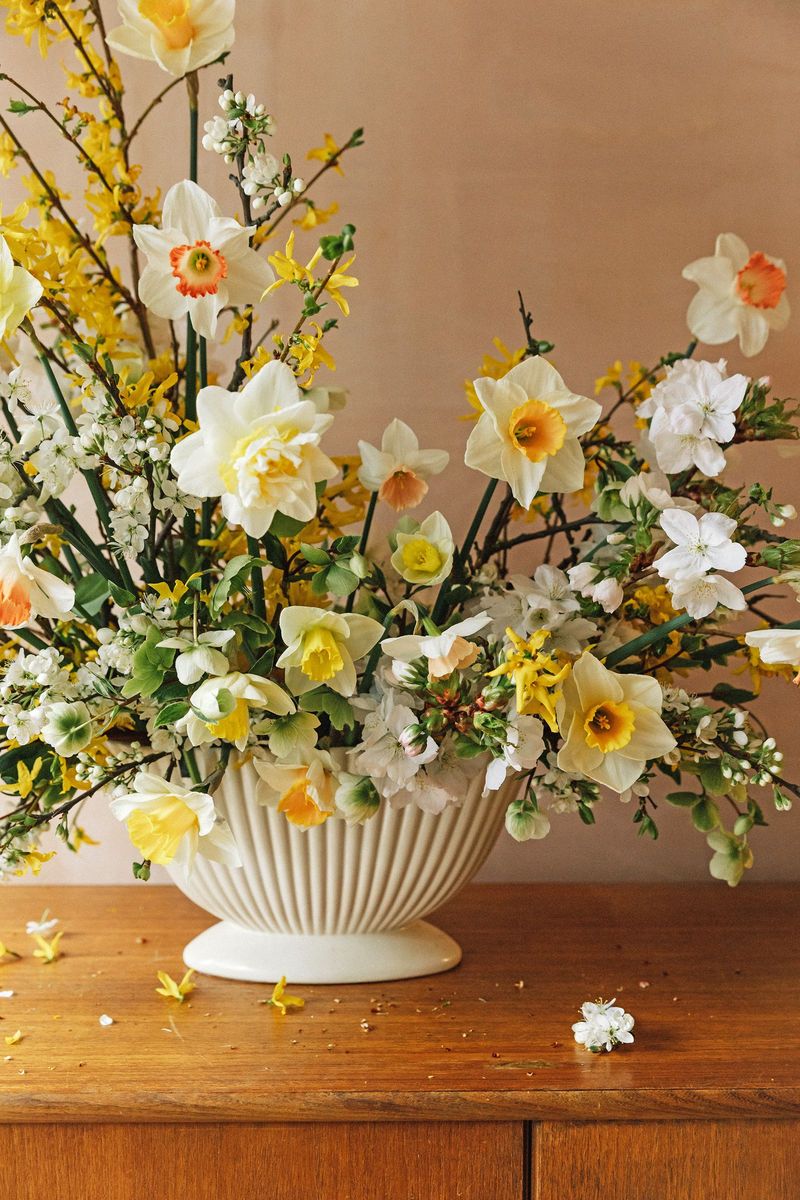
Transform spent daffodil blooms into stunning arrangements. After pruning, collect fresh flowers and arrange them in a vase with water. Mixing with other spring blooms like tulips or irises can enhance aesthetics.
This practice brings the garden indoors, extending daffodils’ charm beyond their outdoor life. Arranging flowers allows for creative expression, crafting beautiful displays that brighten any space. It’s an opportunity to appreciate their beauty anew, even after blooming. By embracing floral arrangements, you continue to enjoy the daffodils’ elegance, creating a cheerful indoor atmosphere.
11. Use in Compost
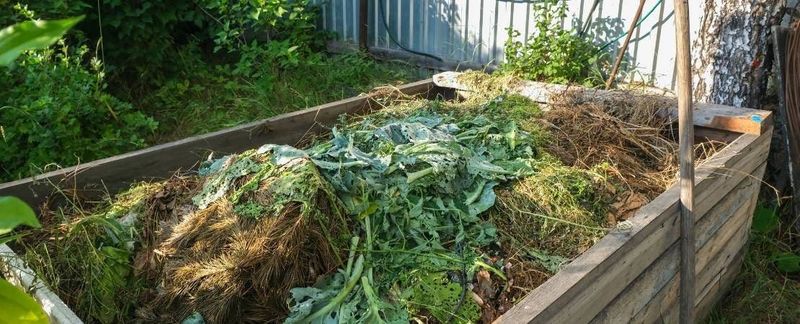
As daffodil foliage turns yellow, consider composting. Adding spent leaves to your compost pile enriches it with organic matter, improving soil quality over time. Ensure the leaves are disease-free to maintain a healthy compost system.
This eco-friendly practice recycles plant material, turning waste into a valuable resource for your garden. Composting is a sustainable way to support your daffodils’ future growth while benefiting other plants. It’s the cycle of life in action, where yesterday’s blooms become tomorrow’s nourishment. Embrace composting as a green approach to garden care.
12. Protect from Pests
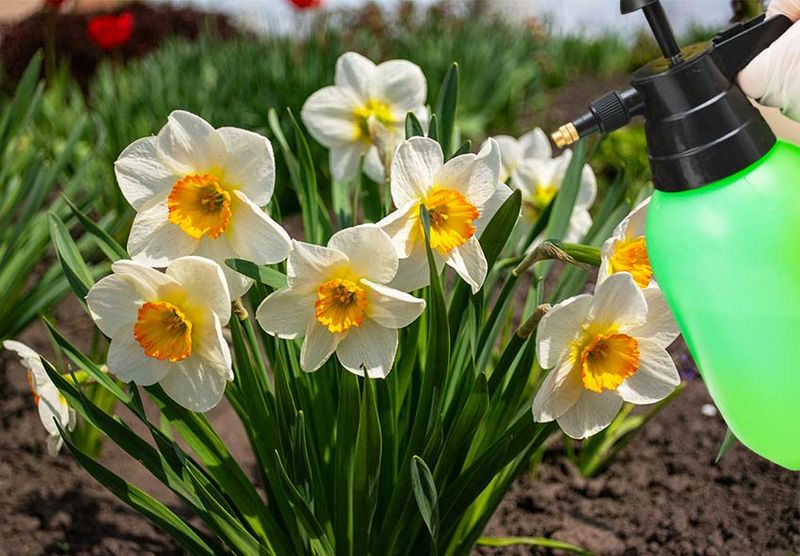
Pests can pose challenges to daffodil health, particularly after blooming. Regularly inspect the plants for signs of aphids, slugs, or bulb flies. Use appropriate methods like insecticidal soap or natural predators to manage infestations.
Protecting your daffodils from pests ensures robust growth and beautiful blooms. It’s a proactive measure that maintains the integrity of your garden. Taking steps to deter pests is like safeguarding a treasure, preserving its beauty for future enjoyment. With vigilant care, you can keep your daffodils healthy and thriving, free from unwanted intruders.
13. Rotate Bulb Locations
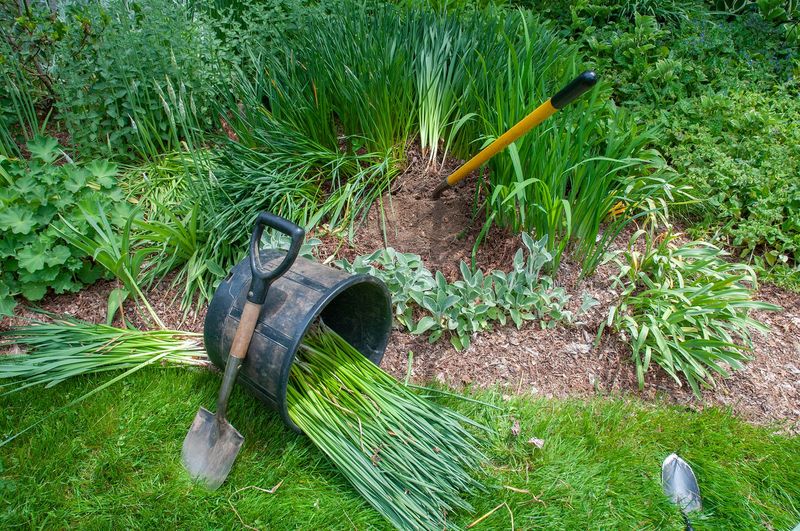
Rotating bulb locations can prevent soil-borne diseases and nutrient depletion. If daffodils have been in the same spot for several years, consider relocating them. Choose a well-drained, sunny area for replanting.
This change promotes healthier growth and more vibrant blooms. It’s akin to giving your daffodils a fresh start, rejuvenating their environment for better performance. By rotating locations, you support the long-term health of your garden, encouraging a flourishing display. Think of it as a strategic move that enhances the vitality of your daffodils, ensuring they continue to delight.
14. Label Your Bulbs
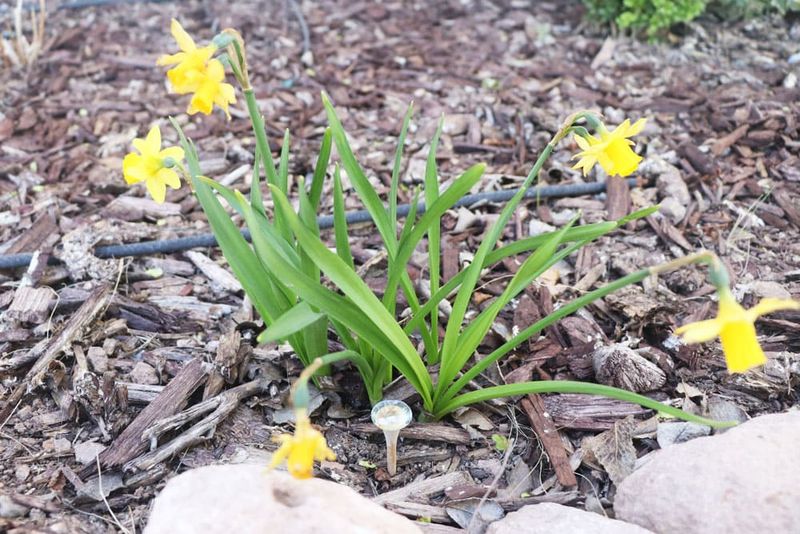
Labeling your daffodil bulbs helps keep track of different varieties and planting locations. Use durable garden markers to identify each bulb’s type and bloom time. This practice aids in planning and ensures you plant companions effectively.
Labels serve as a memory aid, preserving the history of your garden’s growth. They also help prevent accidental digging or overcrowding. By labeling bulbs, you maintain an organized and efficient garden space. It’s a simple yet effective measure to enhance your gardening experience, turning a potential puzzle into a well-orchestrated symphony of blooms.
15. Replenish Nutrients
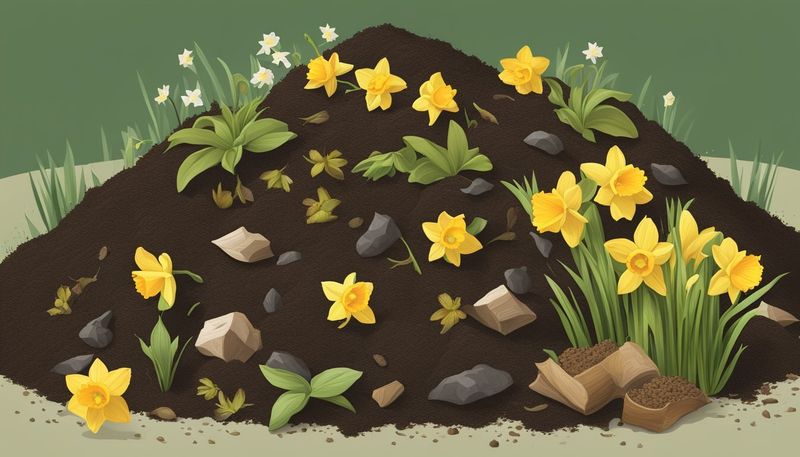
Post-blooming is an opportune time to replenish nutrients in your daffodil bed. Incorporate organic matter like compost or well-rotted manure into the soil. This enriches the soil structure, boosting bulb health and bloom quality next season.
Nutrient replenishment is akin to giving your plants a nutritious meal, preparing them for future growth. By enhancing soil fertility, you lay the groundwork for a vibrant and robust garden. Think of it as investing in your daffodils’ well-being, ensuring they have everything needed to thrive and dazzle in the coming year.
16. Plan Next Year’s Display
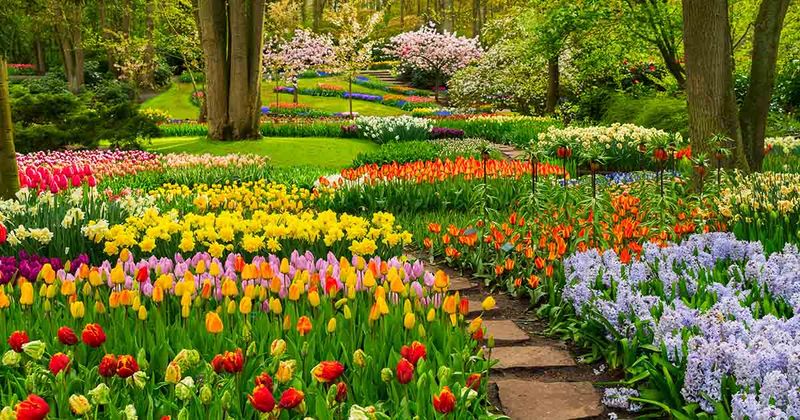
As one season ends, plan for the next. Reflect on this year’s daffodil performance and envision enhancements. Consider factors like color, height, and bloom time when planning future arrangements.
A garden planner can help you strategize for a captivating display. This foresight allows you to select complementary plants and create a harmonious landscape. Planning is your blueprint for success, turning dreams into reality. By laying the groundwork now, you ensure a stunning daffodil showcase next spring. It’s a gardener’s creative process, weaving art and nature into a beautiful tapestry.
17. Support with Stakes
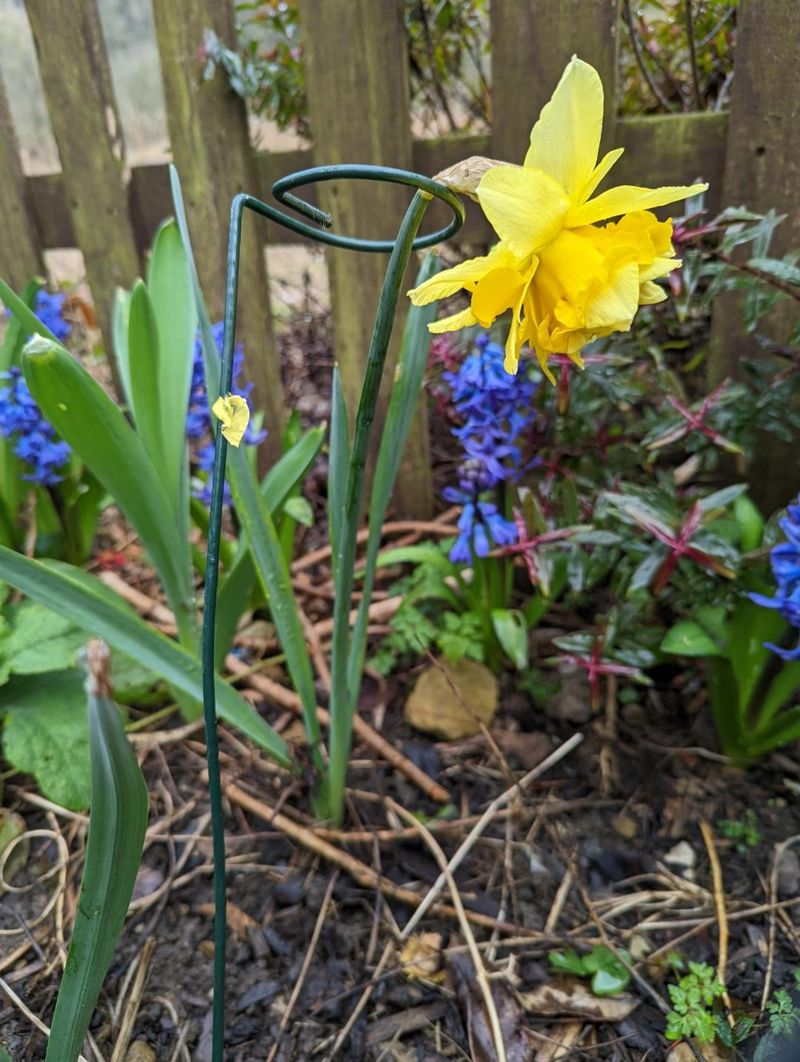
Windy conditions can topple tall daffodil blooms, so supporting them with stakes is wise. Use bamboo or decorative stakes to prop up the flowers, preventing damage. This method keeps your garden tidy and preserves floral integrity.
Supporting blooms is like lending a helping hand, ensuring they stand tall and proud. It’s a protective measure that enhances the garden’s aesthetic. By providing physical support, you help your daffodils weather the elements, maintaining their elegance. Embrace staking as a proactive approach to garden care, safeguarding your flowers’ beauty.
18. Check for Disease
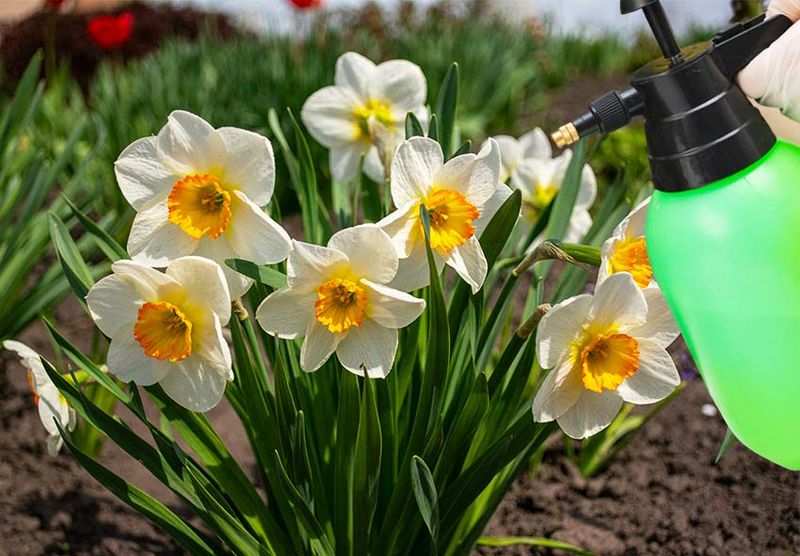
Vigilance against disease is key in maintaining healthy daffodils. Regularly inspect for signs of fungal infections or bulb rot. Early detection allows for timely intervention, such as removing affected plants or applying treatments.
Keeping your daffodils disease-free ensures robust growth and future blooms. It’s a preventative measure that protects the heart of your garden. Think of disease checking as a routine health check-up, safeguarding your daffodils’ vitality. With careful observation and prompt action, you can keep your garden thriving and full of life.
19. Aerate the Soil
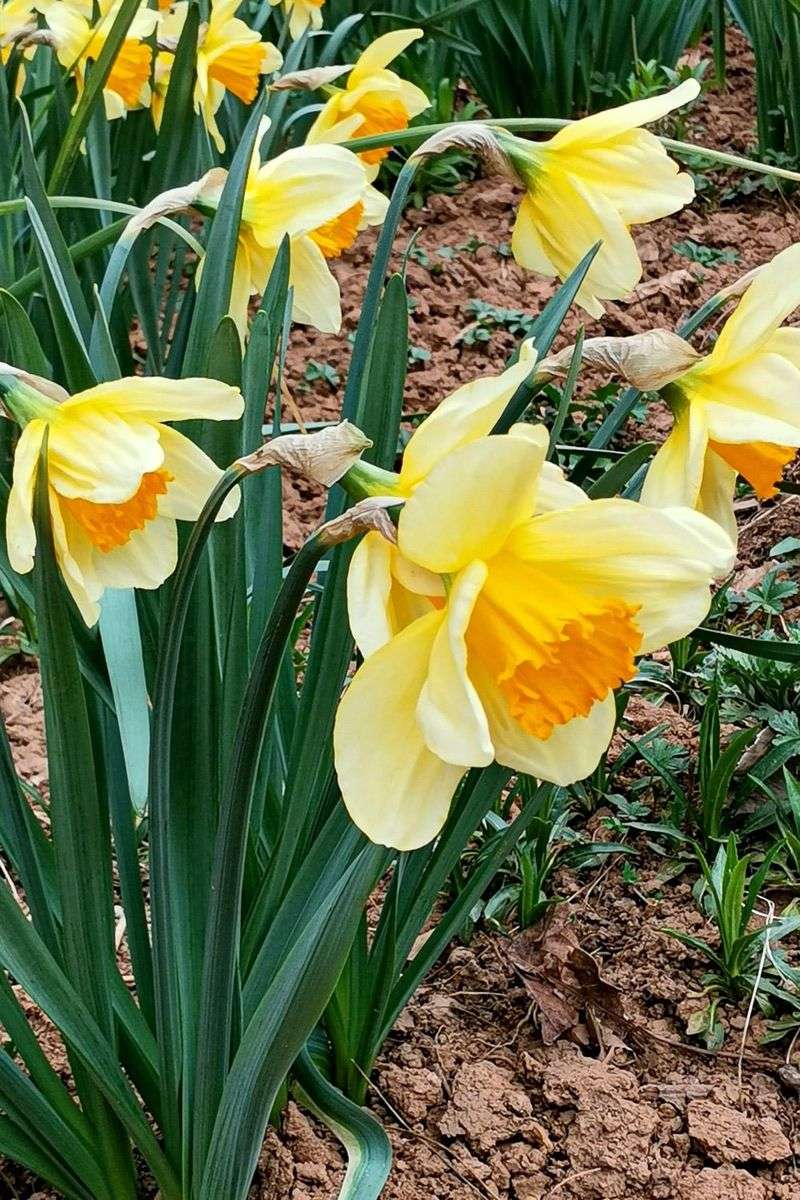
Soil aeration is vital for healthy daffodil growth. Compact soil can restrict airflow and water absorption, hindering bulb development. Use a garden fork to gently aerate the soil, improving drainage and nutrient access.
This process revitalizes the soil, creating a hospitable environment for your daffodils. Aerating is like giving the earth a breath of fresh air, promoting robust growth. It’s a simple act that yields significant benefits, supporting your plants’ health. Embrace aeration as part of your daffodil care routine, ensuring they have the best foundation for blooming.
20. Monitor Sunlight Exposure
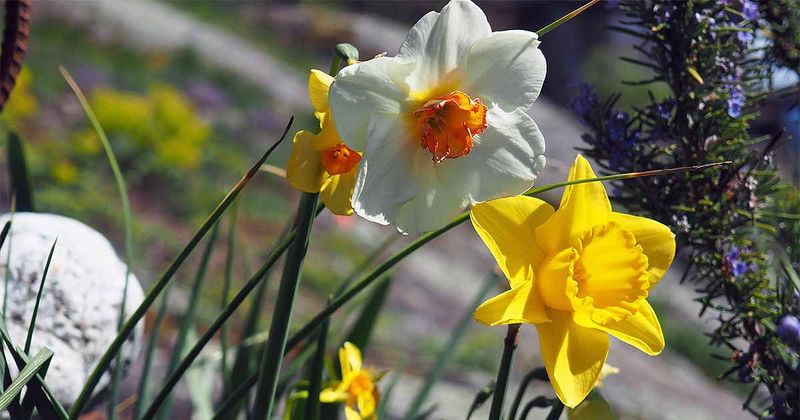
Sunlight is crucial for daffodils, especially post-bloom. Monitor their exposure to ensure they receive adequate light for photosynthesis. If shaded by larger plants, consider trimming back or relocating bulbs to sunnier spots.
Proper sunlight exposure supports energy storage in the bulb for next season. It’s like charging a battery, filling your daffodils with the power they need to thrive. By managing light levels, you optimize their growth environment, paving the way for vibrant blooms. It’s a crucial aspect of daffodil care that enhances their beauty and health.
21. Keep Records
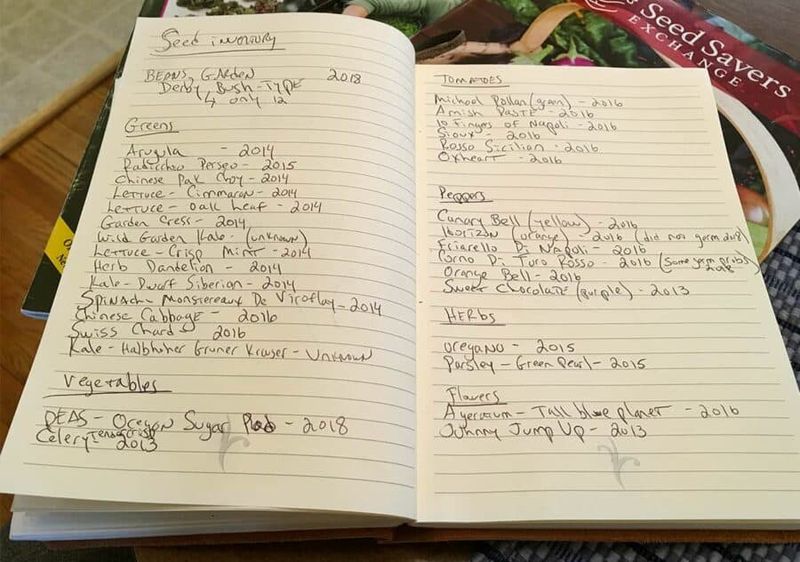
Maintaining a garden journal with records of daffodil growth, bloom time, and care activities is invaluable. This documentation helps track what works and what needs adjustment. Recording observations provides insights into patterns and informs future care decisions.
A gardening journal is your personal chronicle, capturing the story of your daffodils’ journey. It’s a tool for reflection and growth, enhancing your gardening skills over time. By keeping detailed records, you build a knowledge base that supports the health and beauty of your daffodils. It’s an investment in your gardening success.
22. Create Natural Fertilizer Tea
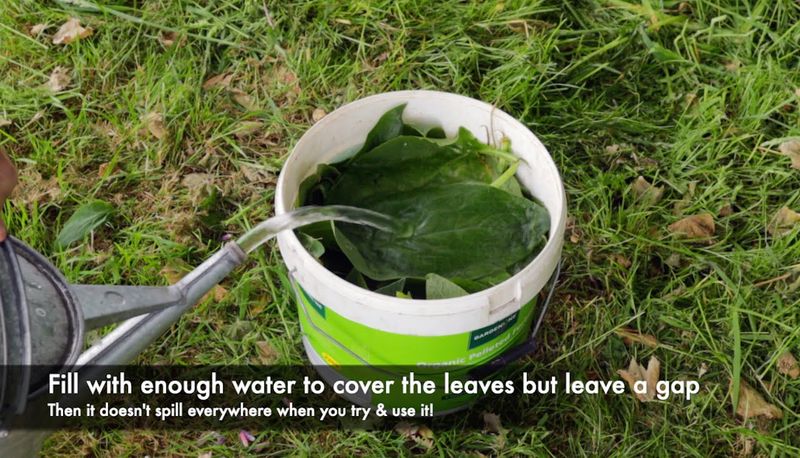
Ever thought of brewing a fertilizer tea? This eco-friendly method recycles daffodil leaves to nourish your garden. Simply steep chopped leaves in water for a few days.
Once ready, strain the mixture and use it to water your plants. This nutrient-rich elixir enriches the soil naturally, promoting healthy growth.
As a bonus, this method reduces garden waste, making it a sustainable choice. So, next time you deadhead your daffodils, consider turning those leaves into a beneficial brew that nature will thank you for.