
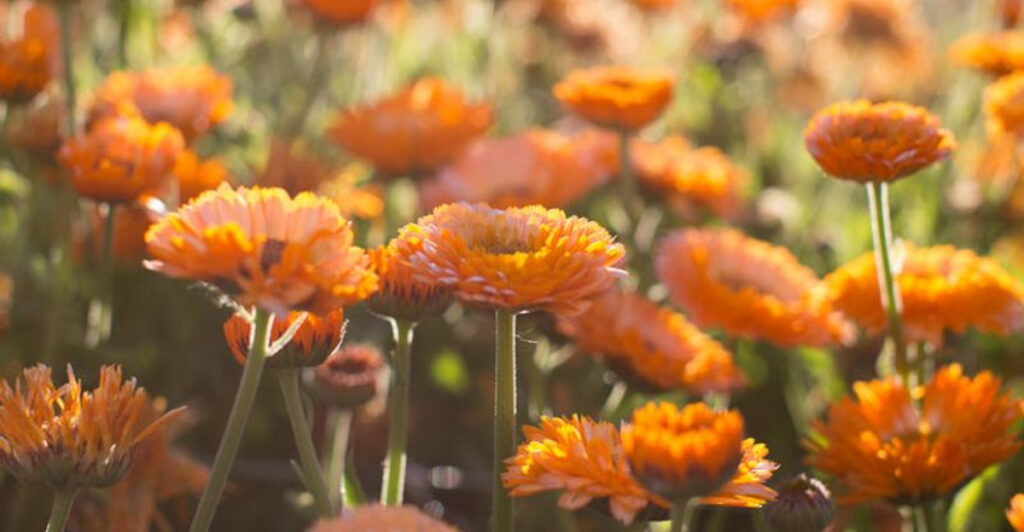
Companion planting enhances growth, flavor, and pest resistance in gardens. Summer squash, a popular choice among gardeners, benefits greatly from strategic companion planting. Here, we explore eleven fantastic plant partners that not only support squash but also thrive alongside it, promoting a healthier and more productive garden. Discover how these plants can contribute to a bountiful harvest.
1. Nasturtium
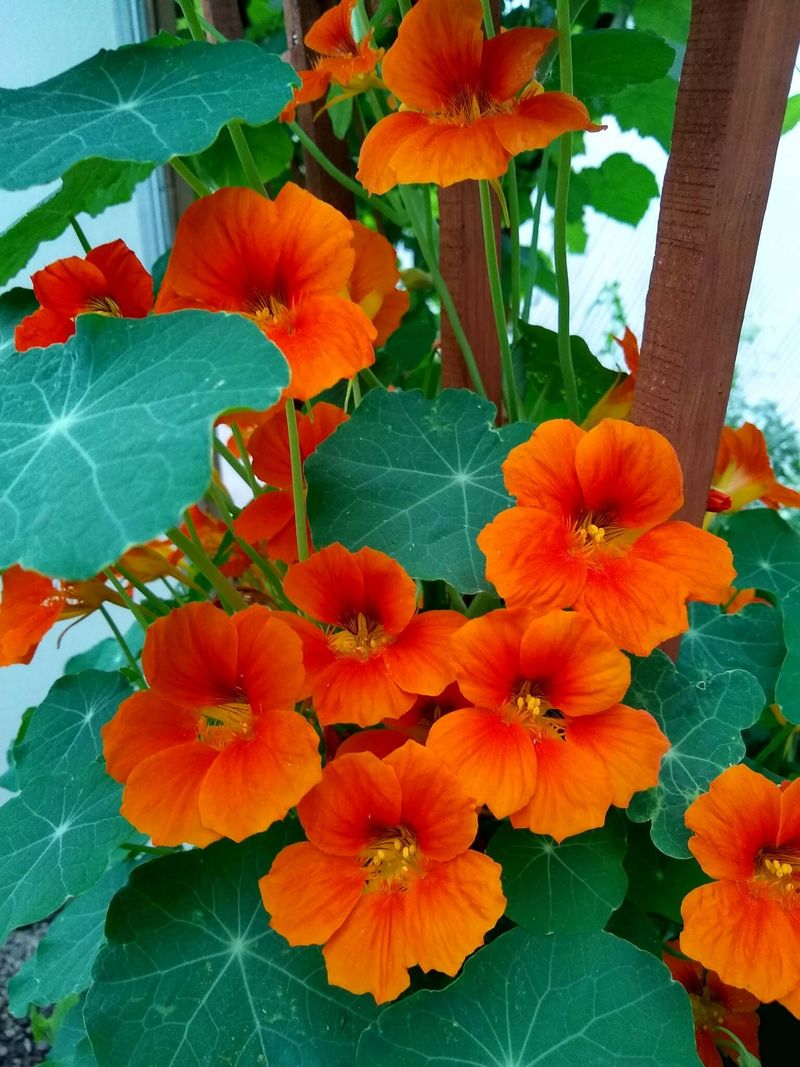
Nasturtiums, with their vivid, cheerful blooms, are more than just eye candy in the garden. These delightful flowers work wonders in keeping pests at bay, acting as a natural deterrent against squash bugs and aphids. Their easygoing nature allows them to flourish alongside summer squash, providing mutual benefits.
Moreover, nasturtiums add a splash of color to the garden, attracting beneficial insects such as bees and butterflies. Their edible flowers offer a peppery taste, making them a delightful addition to salads. With nasturtiums, your garden can be both beautiful and functional.
2. Borage
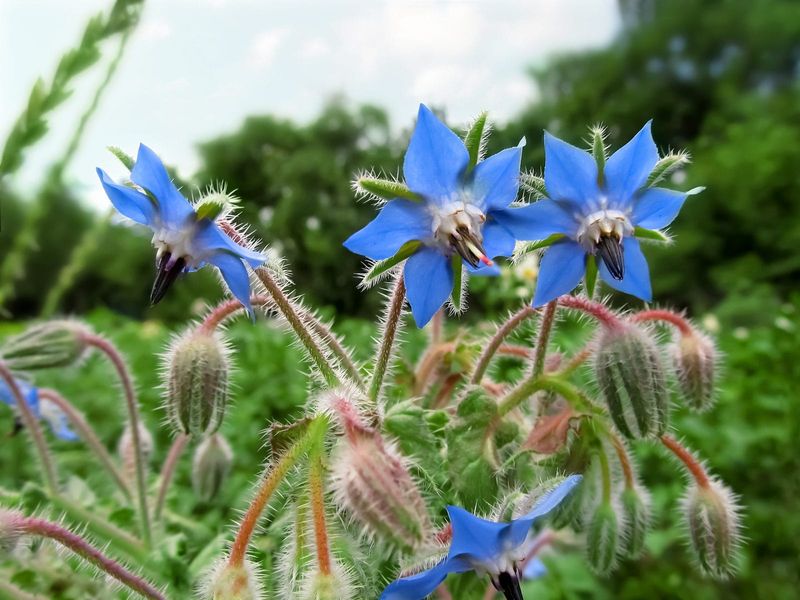
Borage, known for its striking blue star-shaped flowers, is a true friend to summer squash. This herbaceous plant not only repels undesirable insects but also attracts beneficial pollinators like bees. Its presence enhances the overall ecosystem of the garden.
Besides its role in pest control, borage is known to improve the flavor of neighboring plants. Its leaves, which have a cucumber-like taste, can be used in culinary dishes. A garden with borage is not only more productive but also filled with the buzz of life and color.
3. Marigold
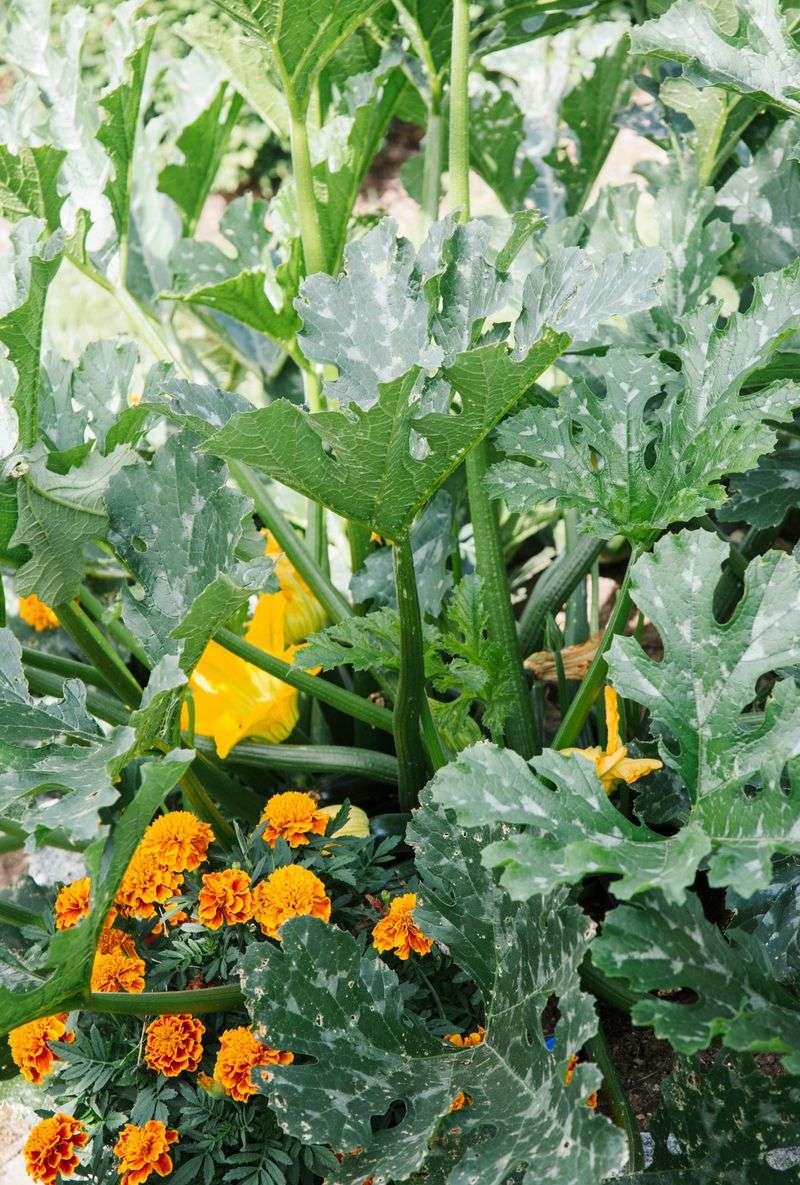
Marigolds bring sunshine to the garden with their vibrant, sunny hues. But beyond their beauty, they serve an important purpose by discouraging nematodes and other soil-dwelling pests that threaten summer squash.
Planting marigolds alongside squash creates a protective barrier, promoting healthier growth. Their strong fragrance further deters harmful insects, while inviting helpful ones. Known for their ease of growth and care, marigolds make an excellent companion, ensuring that your squash plants flourish. Their dual role in beautifying and protecting the garden is truly unmatched.
4. Radish
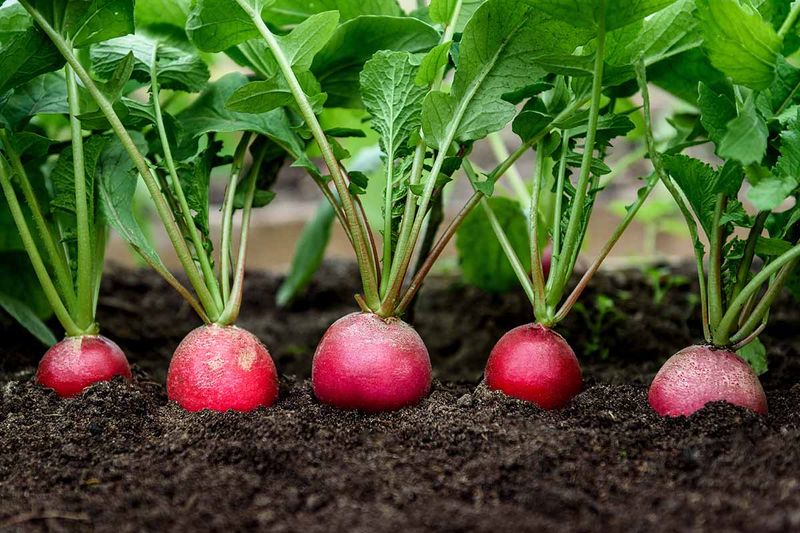
Radishes, with their crisp texture and peppery bite, are a quick-growing companion plant for summer squash. They act as a trap crop, drawing pests away from the squash, ensuring its protection.
Their rapid growth not only aids in pest management but also improves soil aeration. Harvesting radishes is rewarding, as they can be enjoyed fresh or added to various dishes. Planting radishes with summer squash is a smart, strategic choice, offering a natural defense system and enriching the soil while providing a fresh harvest.
5. Corn
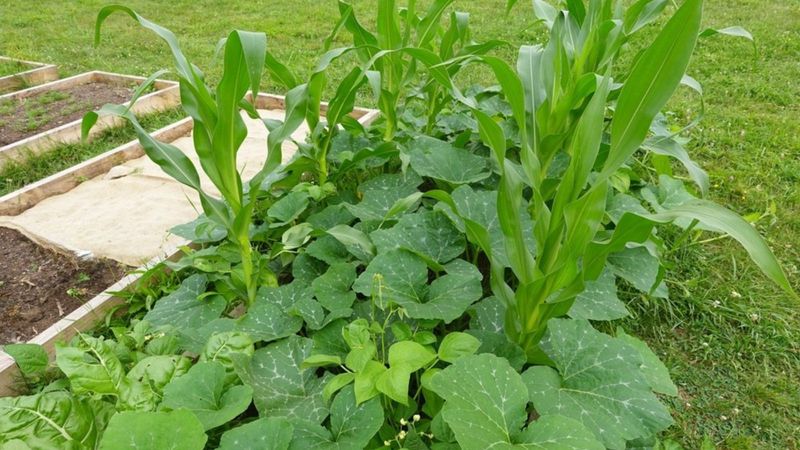
Corn, with its towering stalks, provides natural shade and support to sprawling summer squash vines. This pairing mirrors the traditional “Three Sisters” planting method, showcasing a time-tested symbiotic relationship.
In addition to offering support, corn helps in conserving soil moisture, crucial for squash’s growth. This dynamic duo enhances the garden’s microclimate, promoting robust plant health. Corn’s presence not only benefits squash but also enriches the garden’s diversity, creating a balanced ecosystem where both plants thrive together.
6. Mint
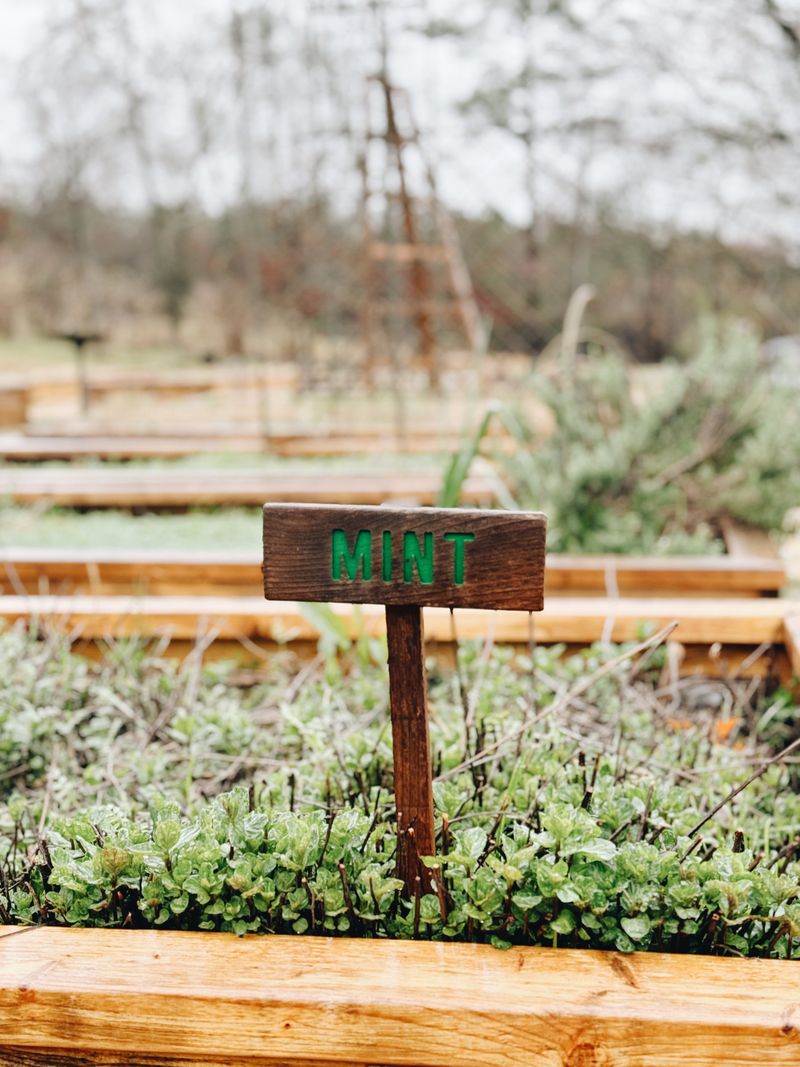
Mint, with its invigorating aroma and robust growth, makes an excellent companion for summer squash. Its scent acts as a natural deterrent to pests such as aphids and flea beetles, providing a protective shield.
Though mint can be invasive, it effectively suppresses weeds, benefiting the squash. Its aromatic leaves are a culinary delight, adding freshness to dishes and drinks. Planting mint near squash not only deters pests but also contributes to a fragrant and productive garden environment, where both plants can prosper.
7. Peas
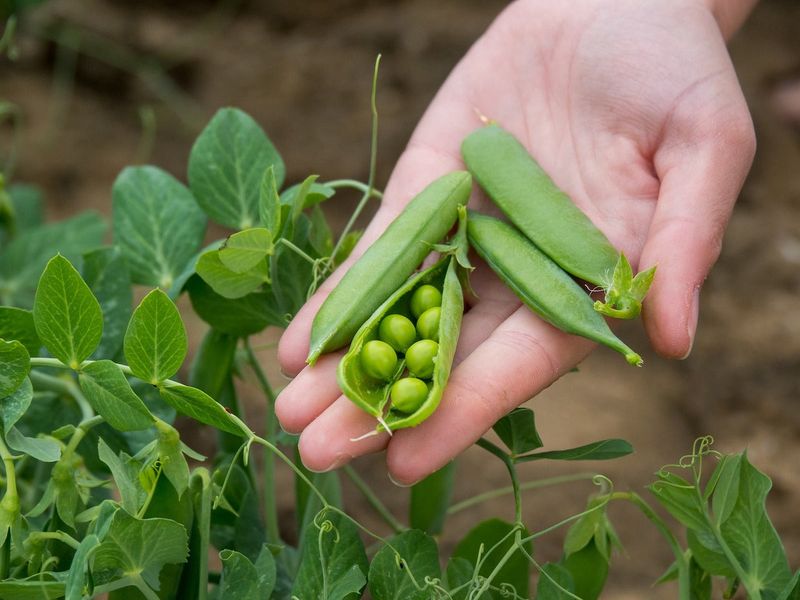
Peas, with their delicate tendrils, provide nitrogen fixation to the soil, enriching the growth environment for summer squash. This legume is a valuable companion, enhancing soil fertility naturally.
Their vertical growth habit saves space and complements the sprawling nature of squash. Peas’ ability to improve soil structure and supply nutrients makes them an ideal partner. The blend of peas and squash creates a harmonious garden setup, ensuring that both plants thrive while making efficient use of available resources.
8. Dill
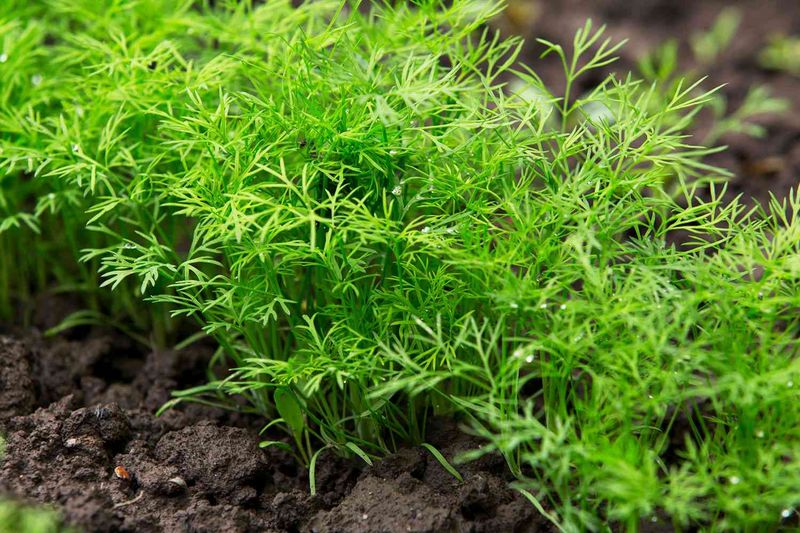
Dill, with its delicate fronds and fragrant scent, not only enhances the culinary flavor but also serves as an ally to summer squash. Its ability to attract beneficial insects such as ladybugs and parasitic wasps aids in pest control.
Additionally, dill’s presence supports pollination, benefiting the squash’s fruit development. Its aromatic leaves are a flavorful addition to many dishes, offering a garden that’s both functional and tasty. Dill’s dual purpose as a culinary herb and a pest deterrent makes it a worthy companion for any squash plant.
9. Calendula
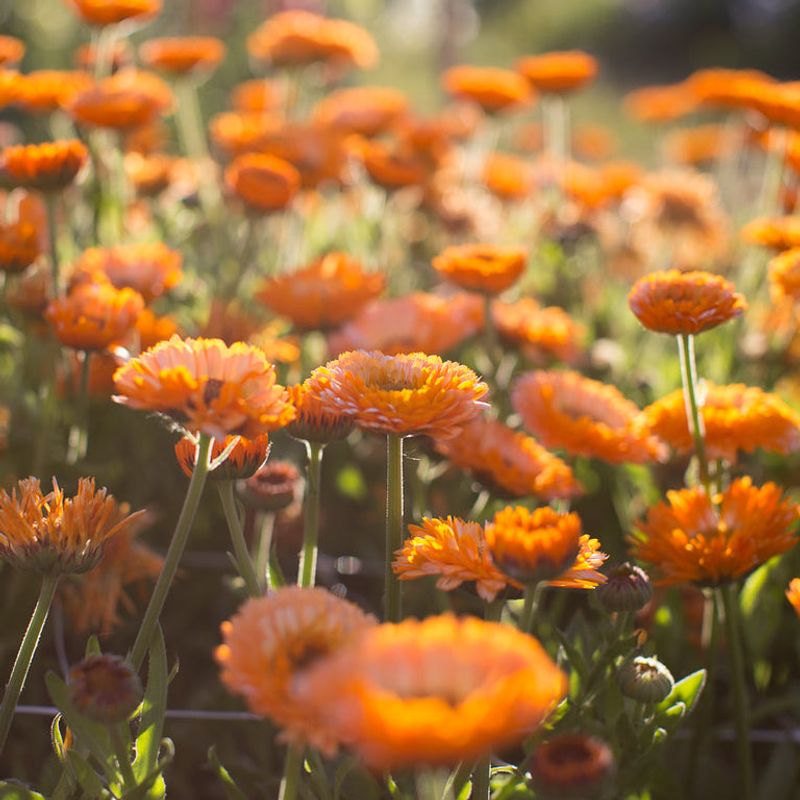
Calendula, often referred to as “pot marigold,” is a cheerful and beneficial addition to summer squash gardens. Its bright orange petals attract ladybugs and other predatory insects, which help control aphid populations.
The presence of calendula can deter harmful nematodes, promoting healthier soil for squash. Known for its medicinal properties, calendula’s petals are also edible, adding color and taste to salads. This multifunctional plant enhances the garden’s beauty and productivity, making it an ideal companion that supports the health of squash plants.
10. Basil
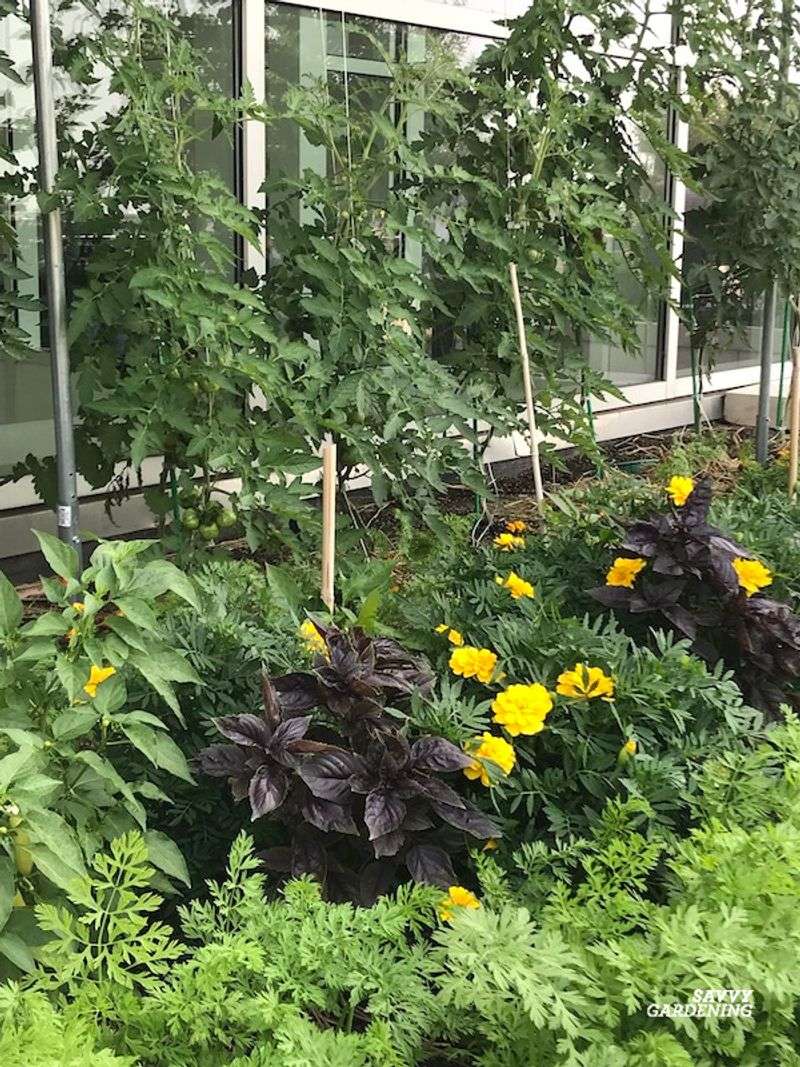
Basil, with its sweet aroma and lush foliage, plays a dual role in the garden as a culinary herb and a pest repellent. Its scent deters insects like whiteflies and mosquitoes, protecting summer squash.
Besides, basil enhances the flavor of nearby crops, making it a favorite among gardeners. Its compact growth fits well alongside squash, optimizing garden space. The combination of basil and squash promises a garden that’s not only productive but also filled with enticing aromas and fresh flavors, perfect for culinary adventures.
11. Oregano
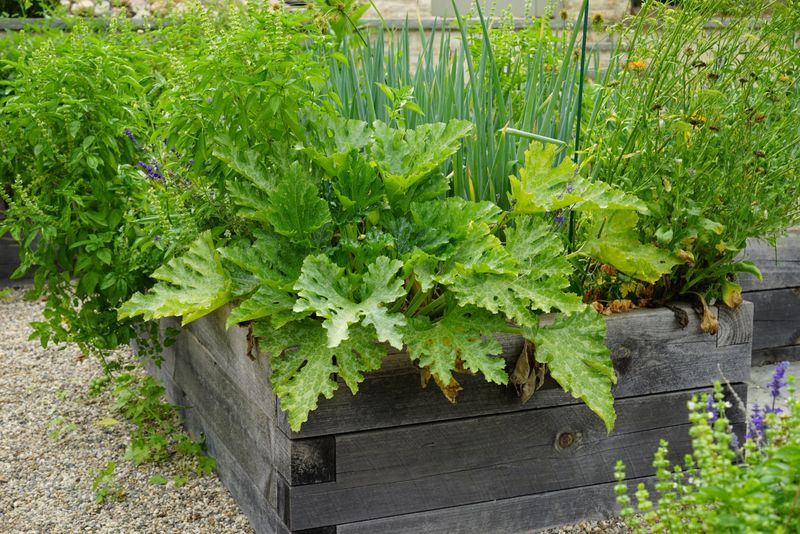
Oregano, celebrated for its robust flavor and medicinal qualities, is a steadfast companion to summer squash. Its aromatic oils repel pests, while enhancing the garden’s fragrance.
This hardy herb requires minimal care, offering ground cover that helps retain soil moisture and suppress weeds. Oregano’s presence not only boosts the health of squash but also enriches the garden with its culinary value. A garden featuring oregano and squash is both a sensory delight and a testament to harmonious plant partnerships.
12. Sunflower

Sunflowers, with their towering stature and radiant blooms, are more than just stunning garden additions. These tall beauties can provide shade to sun-sensitive summer squash.
Their height and vibrant yellow flowers attract pollinators, enhancing the pollination of your squash plants. Additionally, sunflowers can help deter pests like aphids by acting as a trap crop.
Incorporating sunflowers into your garden not only adds visual appeal but also creates a symbiotic environment beneficial for squash. Sunflowers’ ability to thrive in various conditions makes them versatile companions, ensuring a vibrant and healthy garden.
13. Garlic
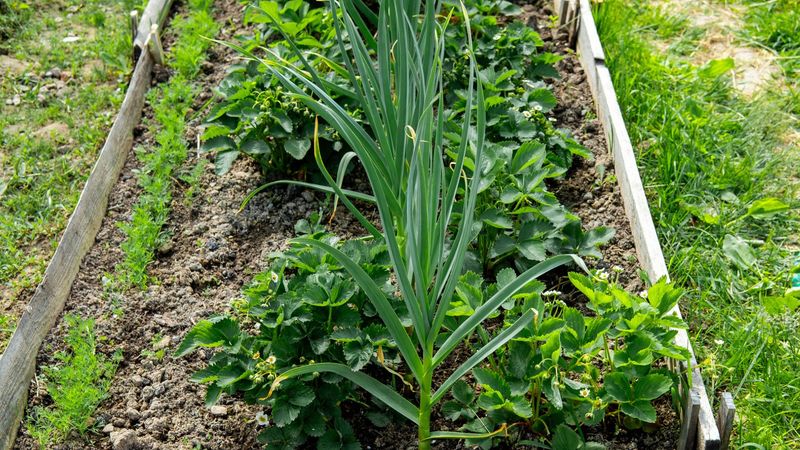
Garlic, known for its pungent aroma and flavorful cloves, serves as a powerful companion for summer squash. The sulfur compounds in garlic deter pests such as aphids and spider mites, offering natural protection to your garden.
Garlic’s robust nature makes it a low-maintenance choice, thriving well alongside squash plants. As it grows, garlic enriches the soil by repelling harmful fungi and bacteria.
Planting garlic near squash not only safeguards against pests but also enhances the overall health of the garden. These aromatic bulbs contribute to a thriving, balanced ecosystem.
14. Buckwheat
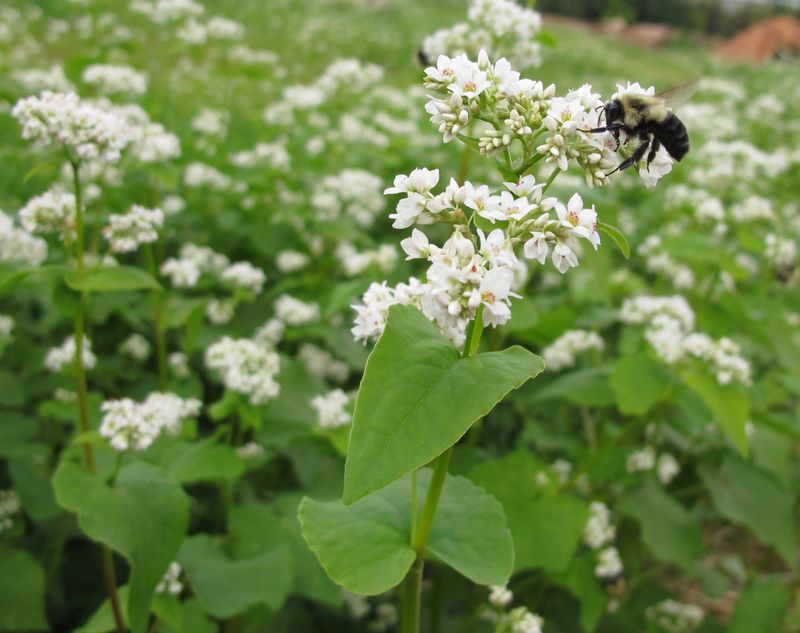
Buckwheat, with its delicate white blooms and lush foliage, is a wonderful companion for summer squash. Its quick-growing nature provides ground cover, suppressing weeds and conserving soil moisture.
The flowers of buckwheat attract beneficial insects, such as bees and ladybugs, which aid in pollination and pest control. This helps create a balanced garden ecosystem, reducing the need for chemical interventions.
Buckwheat’s role as a green manure also enriches the soil, adding organic matter when tilled back into the earth. This versatile plant supports a healthy and thriving garden environment.
15. Tansy
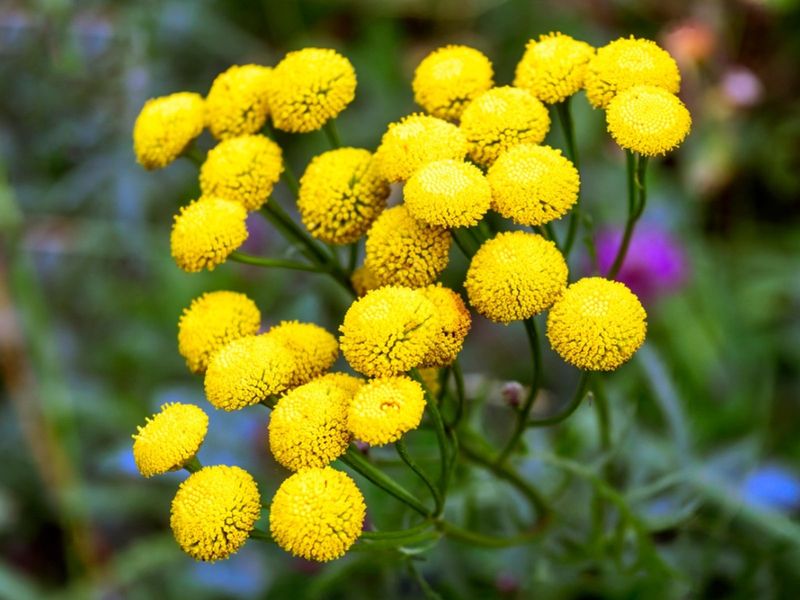
Tansy, with its button-like yellow flowers, is a visually striking addition to any garden. It is particularly valuable for its pest-repelling properties, effectively deterring insects such as squash bugs and ants.
The aromatic nature of tansy helps keep these pests away, allowing summer squash to thrive unencumbered. Furthermore, tansy can enhance soil quality by accumulating potassium, which benefits surrounding plants.
Incorporating tansy into your garden provides both aesthetic appeal and functional benefits, fostering an environment where squash plants can flourish. Its dual role makes it an excellent companion choice.
16. Catnip
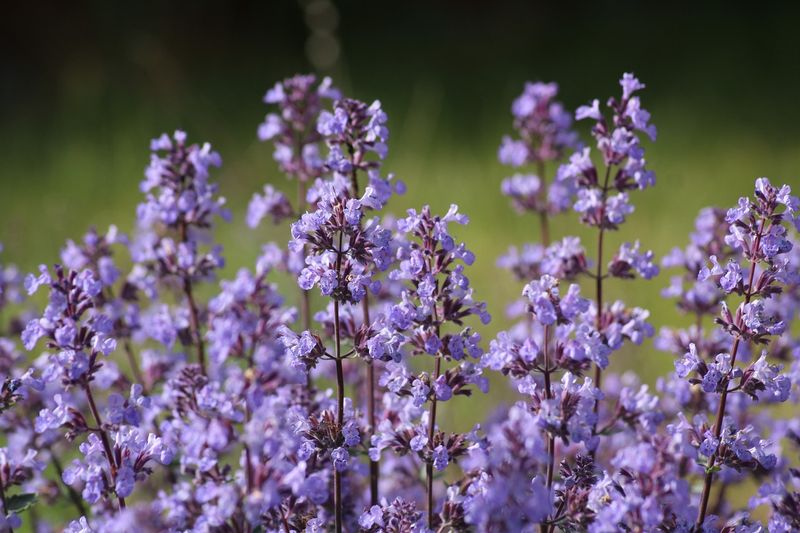
Catnip, famous for its effect on felines, also serves as a beneficial companion plant for summer squash. Its strong scent is known to repel pests such as flea beetles and squash bugs.
This aromatic herb encourages a pest-free environment, allowing squash plants to grow robustly. Additionally, catnip attracts pollinators, enhancing the pollination process for your garden vegetables.
Planting catnip near squash not only deters unwanted insects but also adds a touch of natural beauty with its lavender blooms. Its multifaceted benefits make catnip a valuable addition to any garden landscape.