
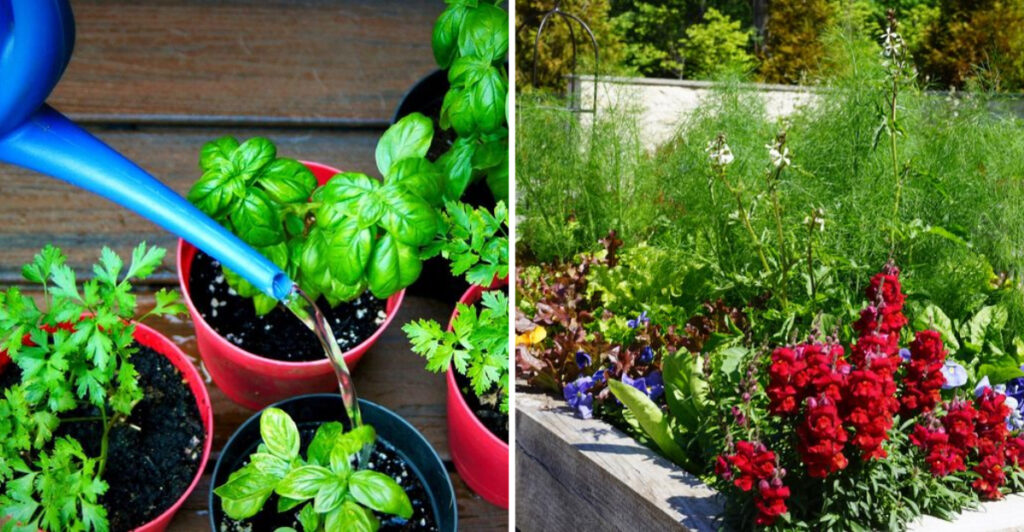
If you’ve ever noticed your beloved herb garden starting to flower, you may have felt a mix of surprise and concern. Fear not, as flowering is a natural part of the lifecycle of many herbs, and it’s something you can manage with ease. Understanding the implications and knowing how to respond can ensure your herbs remain vibrant and productive. Whether you’re a novice gardener or a seasoned pro, these tips will guide you through maintaining your flourishing garden.
1. Trim Back the Blooms
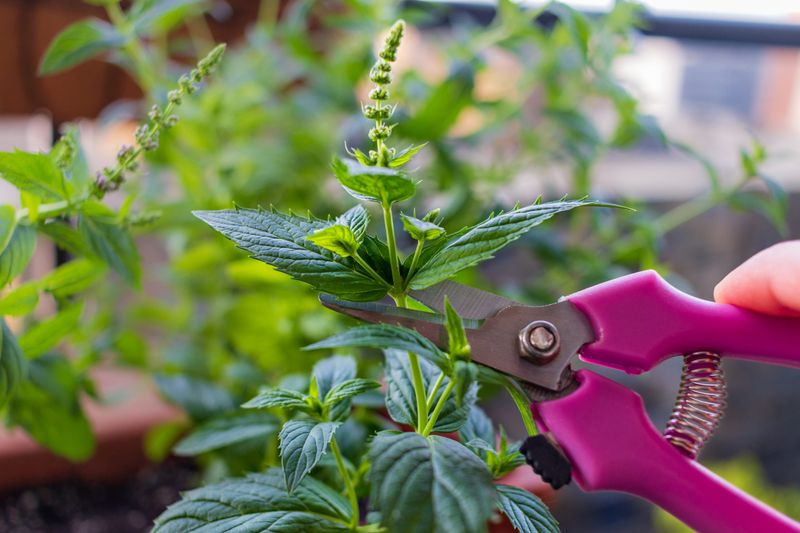
When herbs like basil or mint start to flower, a quick trim can restore their vigor. By cutting back the flowers, you redirect the plant’s energy back into growing leaves instead of producing seeds. This keeps the herbs lush and flavorful. Start with clean scissors to avoid damaging the plant. Clip just above a set of leaves for optimal growth.
Regular maintenance will prevent flowering from taking over. Keep an eye on them, especially during warm weather, to ensure they don’t get out of hand. A simple trim can extend the life of your herbs significantly.
2. Harvest Regularly
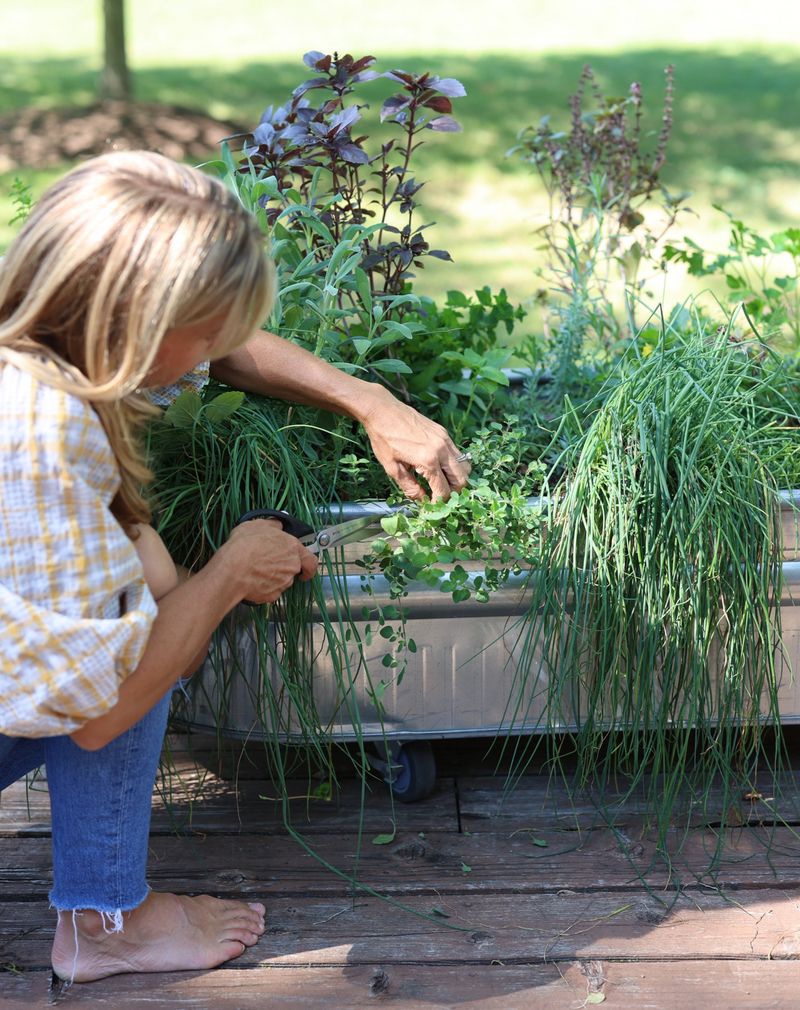
Frequent harvesting is a proactive way to prevent herbs from flowering. By pinching off the tips regularly, you control the plant’s shape and encourage bushier growth. This method is especially effective for herbs like thyme and oregano, which thrive with consistent cutting.
Set a schedule for harvesting and stick to it. Fresh herbs enhance your meals and help manage the garden’s growth. Remember to use sharp tools to minimize plant stress. Regularly harvesting your herbs ensures they remain robust and flavorful, providing you with a fresh supply for cooking.
3. Adjust Watering Routine
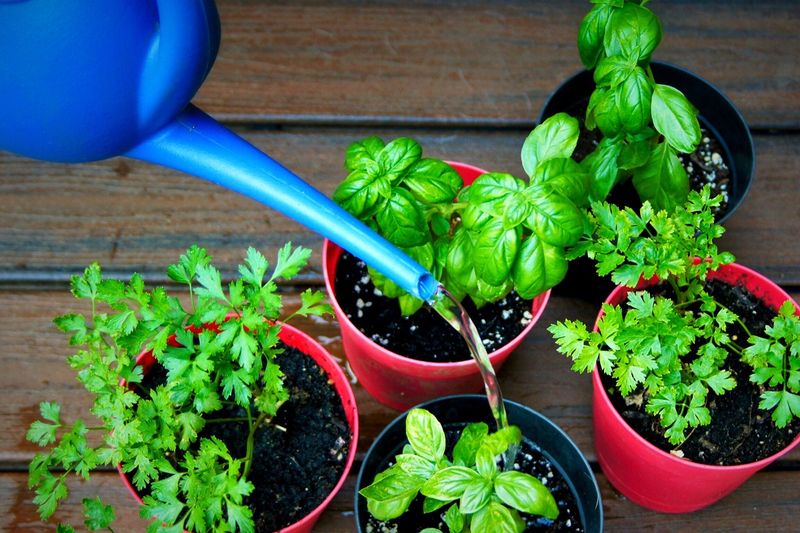
Watering plays a crucial role in controlling flowering in herbs. Over-watering or under-watering can stress herbs such as sage and parsley, leading them to bolt. Adjust your watering routine to suit the plant’s needs. During hot spells, herbs might need additional hydration, but avoid soggy soil.
Check the soil moisture regularly, and water deeply but infrequently to encourage strong root systems. Proper watering helps maintain a balance, preventing unwanted flowering and keeping the herbs healthy. Observing your garden’s response to weather changes is key to successful gardening.
4. Provide Adequate Light
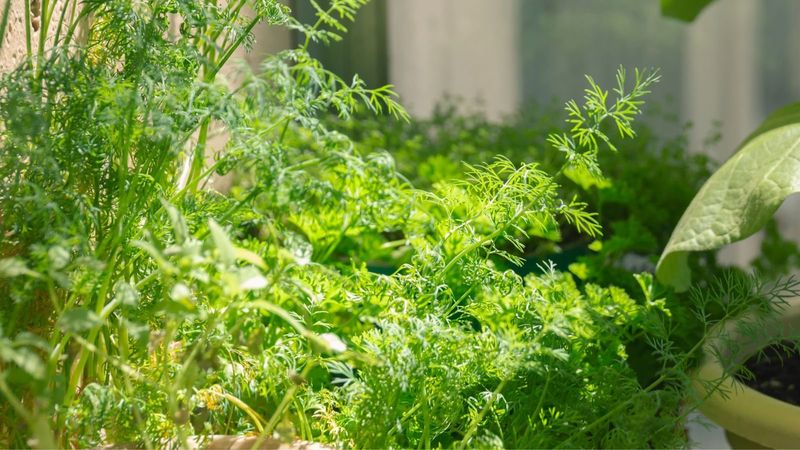
The amount of light your herbs receive can affect their tendency to flower. Dill and coriander, for example, require adequate sunlight to thrive without bolting. Place your garden where it can enjoy several hours of morning sun with some afternoon shade.
Ensure the light is even across the garden to prevent uneven growth. You can experiment with the positioning of pots or planters to find the ideal balance. Light management is essential in preventing premature flowering and ensuring the herbs remain productive and healthy throughout the season.
5. Use Fertilizers Wisely
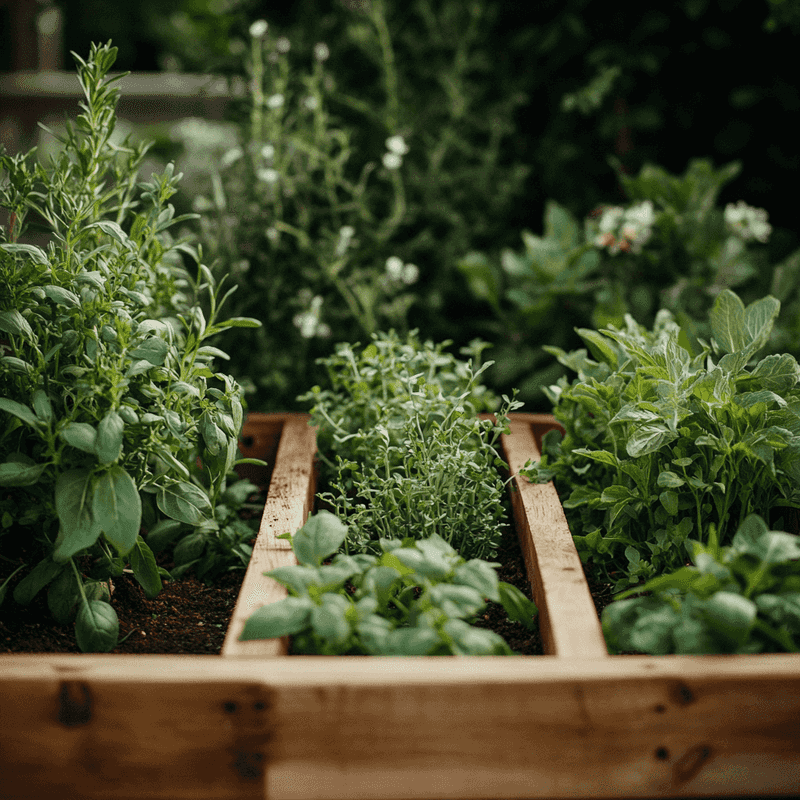
Fertilizers, when used correctly, support healthy herb growth. However, too much can cause herbs like basil and chives to flower prematurely. Apply a balanced organic fertilizer sparingly to maintain leaf production. Focus on nutrients that promote foliage rather than flowers.
Monitor your garden’s response and adjust the feeding schedule as needed. Fertilizers should complement your gardening practices, not replace them. By using them wisely, you can manage flowering effectively, ensuring a continuous supply of fresh herbs. Understanding the needs of your garden is essential for thriving plants.
6. Understand the Herb’s Life Cycle
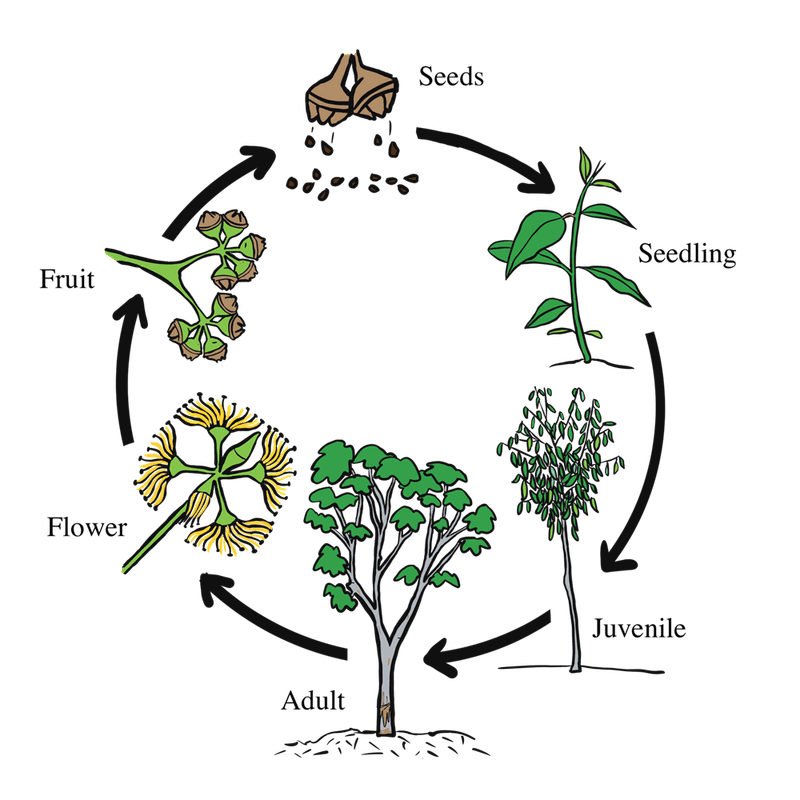
Understanding the life cycle of an herb can be your first ally. Different herbs have varying timelines, and knowing these can help you anticipate changes.
For example, basil tends to flower in mid-summer, while parsley might surprise you in early autumn.
By recognizing when a plant is likely to flower, you can plan accordingly to either encourage more leafy growth or let nature take its course.
7. Embrace Companion Planting
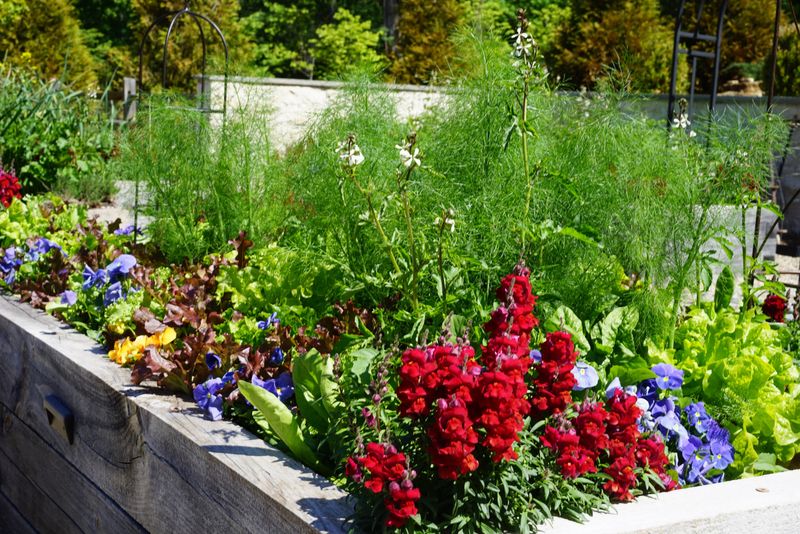
Companion planting can be a game changer in managing flowering. Certain plants, when grown together, enhance each other’s growth and deter pests.
Consider pairing your flowering herbs with plants like marigolds or nasturtiums, which can attract beneficial insects.
This not only supports the ecosystem but might also extend the period before your herbs flower, allowing for a longer harvest season.
8. Explore Culinary Uses for Blooms
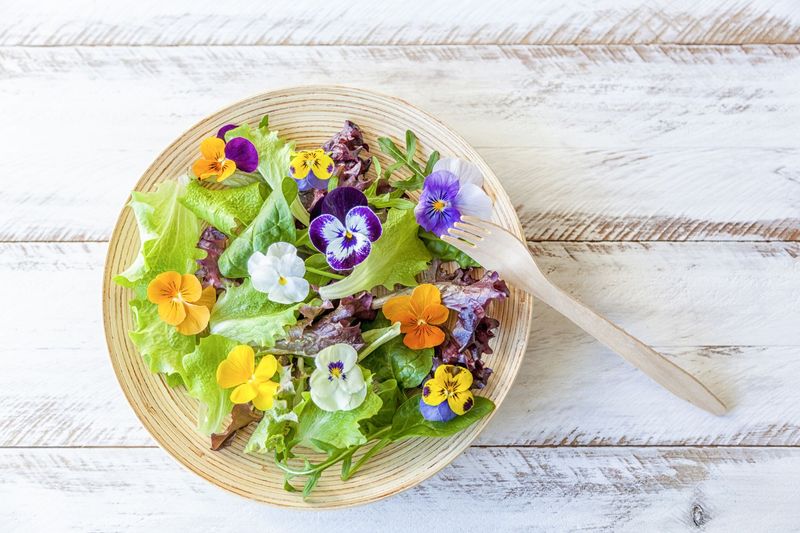
Herb flowers aren’t just pretty; they can be a gourmet treat. From salads to cocktails, these blooms can add a unique flavor and visual appeal.
Chive flowers, for example, have a mild onion flavor, perfect for garnishing.
Exploring these uses can turn a potential garden frustration into a culinary adventure, making the most of every stage of your herbs’ growth.
9. Create Herbal Tea Infusions
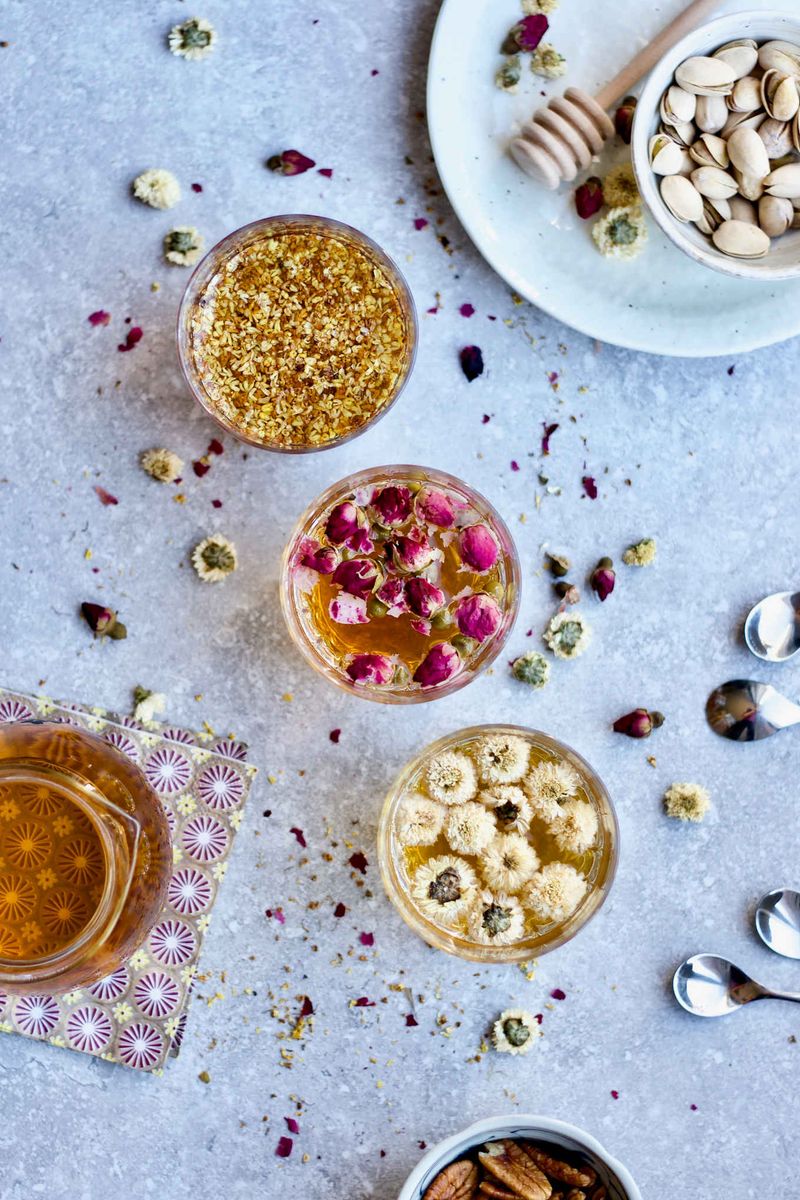
Herb flowers can make delightful infusions, offering both taste and health benefits. Chamomile, lavender, and mint are classic examples whose flowers are often used in teas.
These infusions can be relaxing or invigorating, depending on the herb.
Experiment with different combinations, and you might discover a new favorite brew that takes full advantage of your flowering herbs.
10. Experiment with Dried Blooms
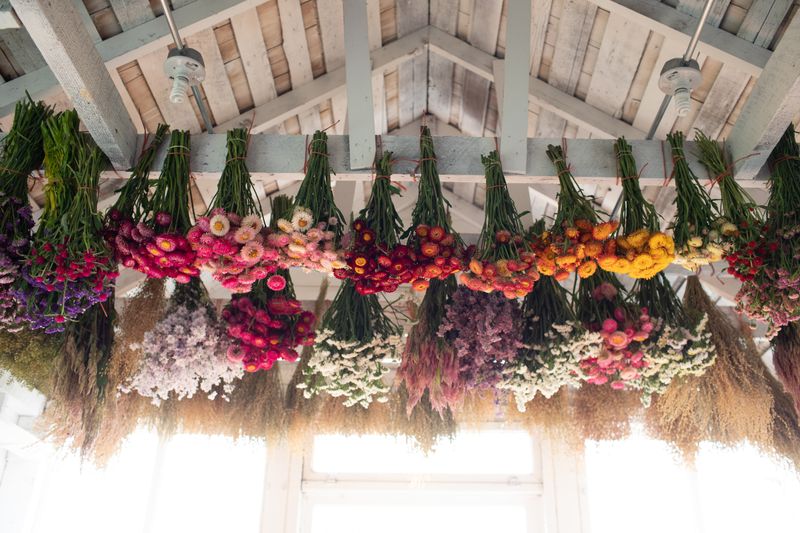
Drying herb flowers opens up a world of possibilities. These dried blooms can be used in potpourri, sachets, or as a spice in cooking.
The process is simple: harvest the flowers and hang them upside down in a warm, dry place.
Once dried, their vibrant colors and fragrances can be preserved for months, allowing you to enjoy your garden’s bounty long after the growing season ends.
11. Attract Beneficial Insects
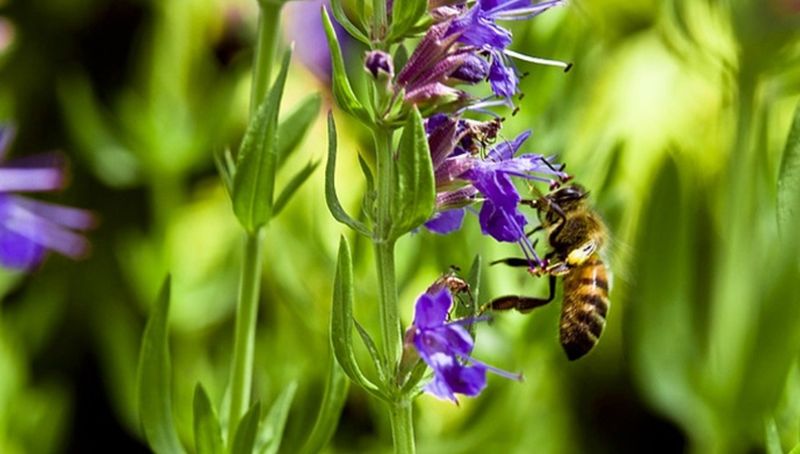
Flowering herbs can be a magnet for beneficial insects like bees and butterflies. These pollinators are crucial for garden health, helping to fertilize plants and control pest populations.
By welcoming these insects, your garden can thrive in unexpected ways.
Encourage their presence by allowing some herbs to flower fully, creating a natural haven for these tiny garden allies.
12. Consider Seasonal Climate Changes
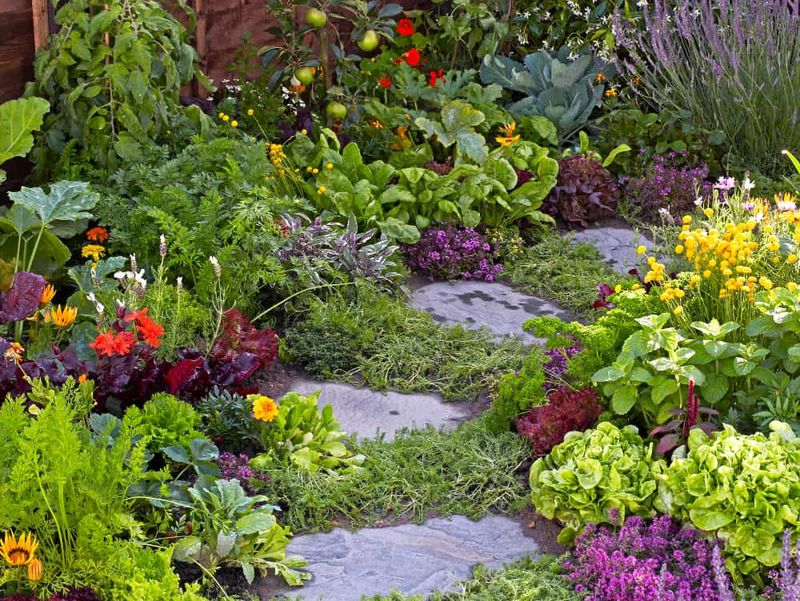
Seasonal changes can impact when and how your herbs flower. Understanding your local climate helps in predicting these events.
For instance, a sudden cold snap might trigger flowering in some hardy herbs.
By keeping an eye on the weather, you can make timely adjustments, such as providing shelter or adjusting watering schedules, to keep your herbs happy and healthy.
13. Use Herb Flowers in Crafts
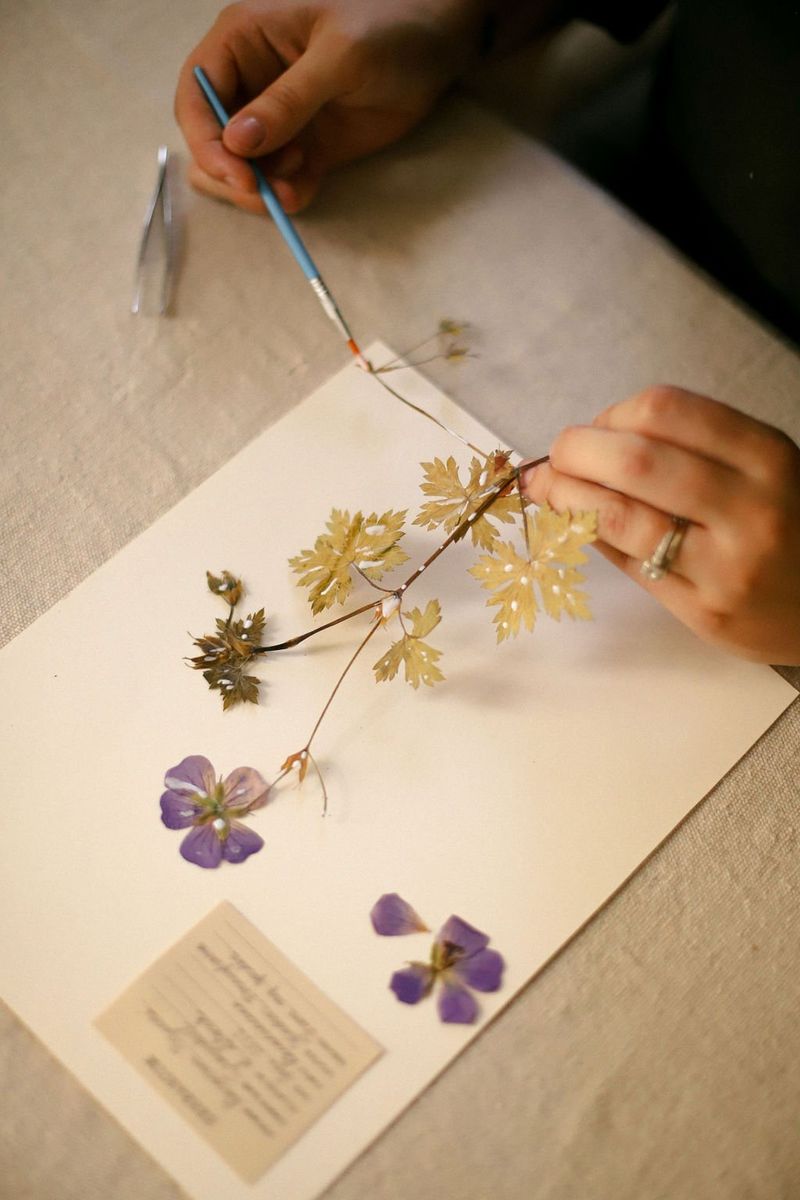
Pressed herb flowers can add a personal touch to crafts. They can be used in making bookmarks, greeting cards, or framed art, preserving the beauty of your garden.
The process of pressing is simple and can be a fun, creative outlet.
By incorporating these flowers into your projects, you blend gardening with art, celebrating the beauty of your herbs in new and lasting ways.
14. Create Aesthetic Garden Designs
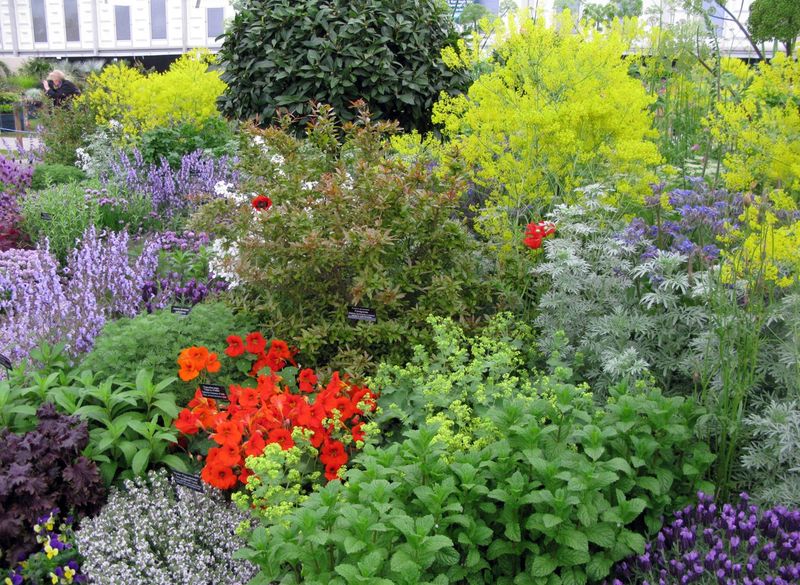
Flowering herbs can enhance the visual appeal of your garden. Consider designing your herb plot with aesthetics in mind, using the colors and textures of blooms to create focal points.
Mixing heights and colors can lead to stunning visual displays that transform your garden into a living art piece.
This focus on design can make gardening a satisfying creative endeavor, blending practicality with beauty.
15. Learn from Historical Practices
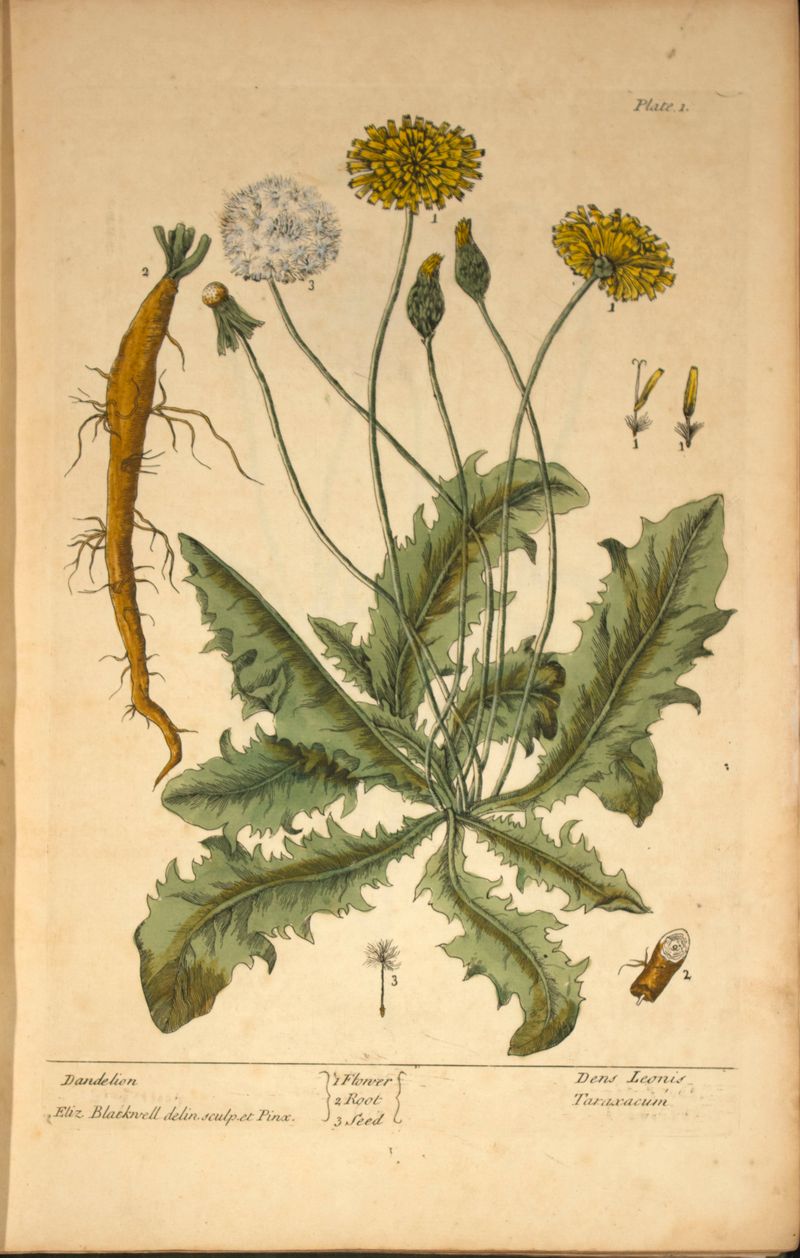
Historical gardening practices offer a treasure trove of wisdom about herb flowering. Ancient cultures often had specific rituals and uses for flowering herbs.
Researching these traditions can provide insights into alternative uses and care techniques.
By understanding historical practices, you might discover forgotten methods that can enrich your modern gardening experience, connecting past wisdom with present-day practices.