
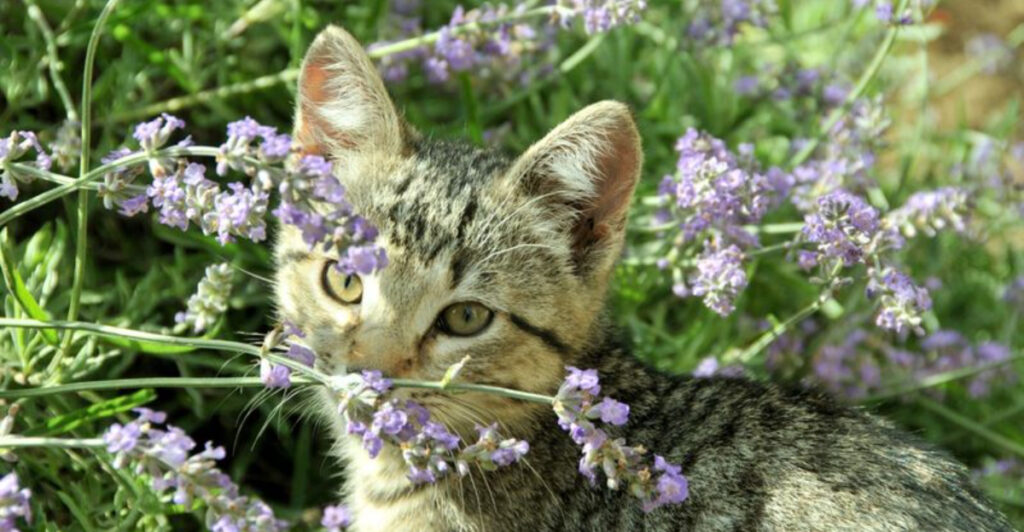
Gardens are often sanctuaries of peace, but curious cats can sometimes turn them into playgrounds.
Whether they’re digging, lounging, or simply passing through, cats can cause significant disruption to your greenery.
Here are proven methods to protect your garden from feline intruders, along with some common pitfalls you should avoid.
1. Plant Cat-Repelling Herbs
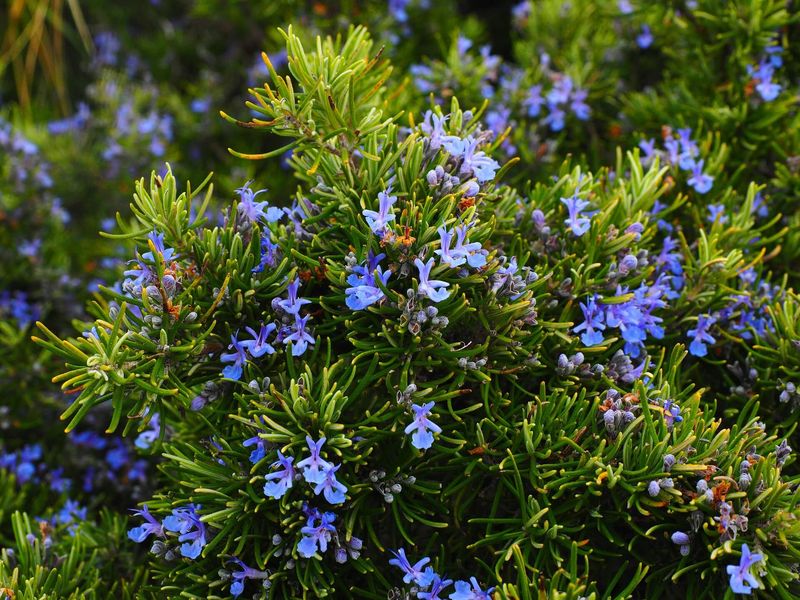
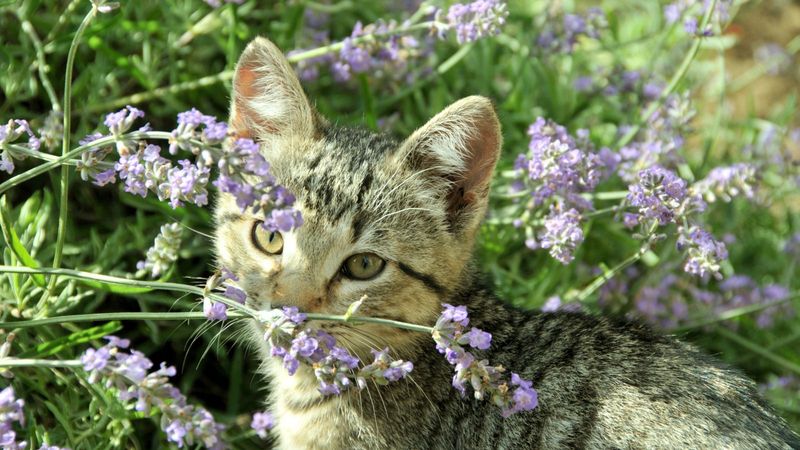
Imagine a garden where fragrant lavender and rosemary sway in the breeze, naturally deterring curious cats. These strong-smelling plants, along with rue and coleus canina, create an aromatic barrier that cats find unappealing. A splash of color and burst of scent, these herbs not only protect your garden but also add beauty and fragrance. Known as the “Scaredy Cat Plant,” coleus canina is especially effective, keeping furballs at bay with its distinct odor.
2. Use Rough Mulch
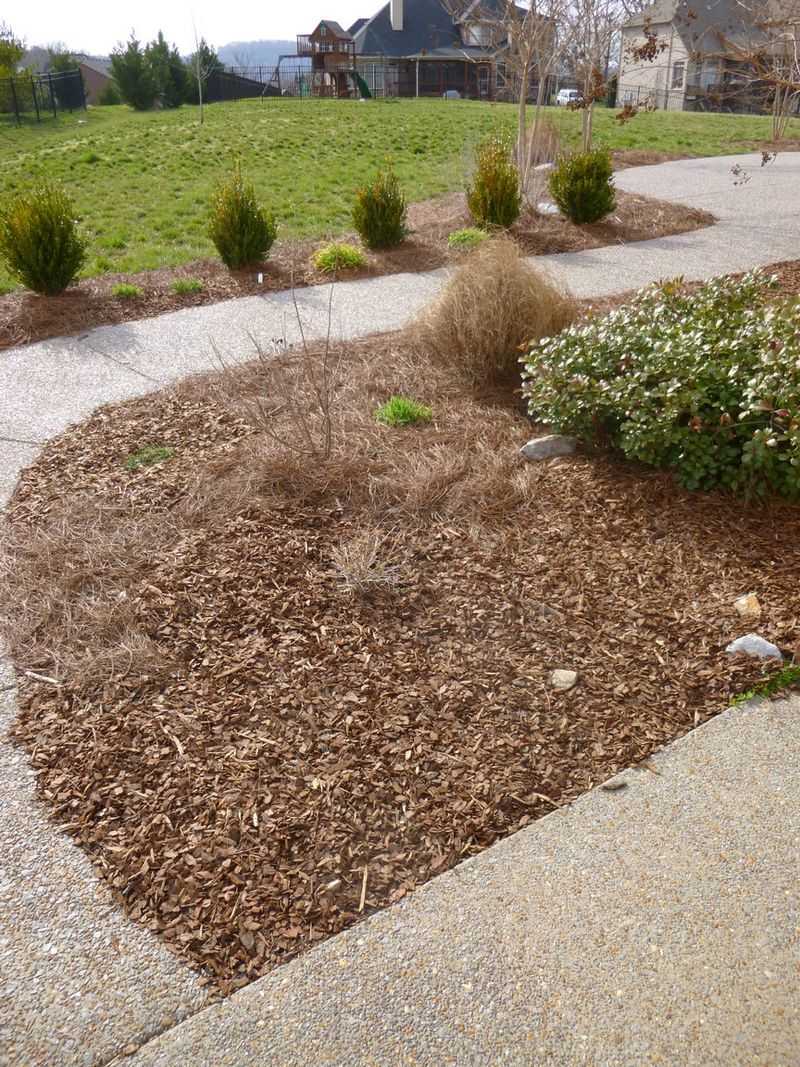
Step into a garden where the ground feels rugged underfoot, thanks to a layer of rough mulch. Pine cones, crushed eggshells, or stone mulch not only enrich the soil but also create a texture that cats find uncomfortable to tread upon. As cats tiptoe around this prickly terrain, your plants remain undisturbed. This natural deterrent is both eco-friendly and effective, adding a rustic charm to your garden landscape.
3. Lay Chicken Wire or Mesh Under Soil
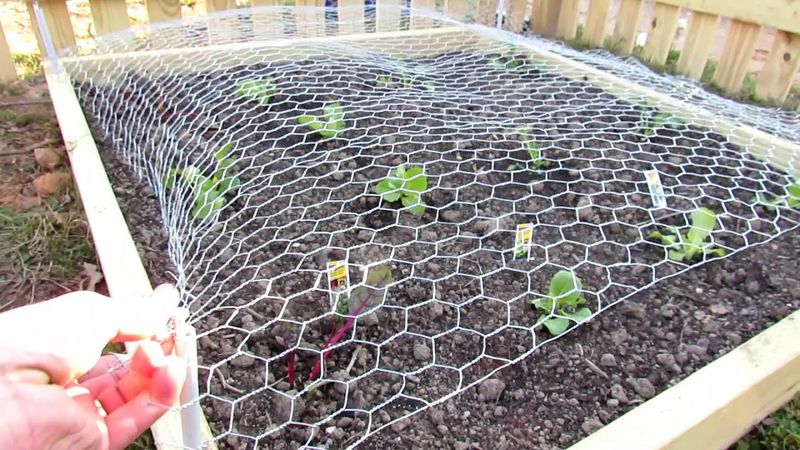
Beneath the surface of a lush garden lies a hidden protector: chicken wire. By placing this wire just under the soil or mulch, you create a subterranean shield that thwarts cats’ digging endeavors. As paws meet resistance, the urge to excavate diminishes. This invisible barrier doesn’t interfere with plant growth but quietly performs its role in preserving your garden’s peace. A blend of simplicity and effectiveness.
4. Install Motion-Activated Sprinklers
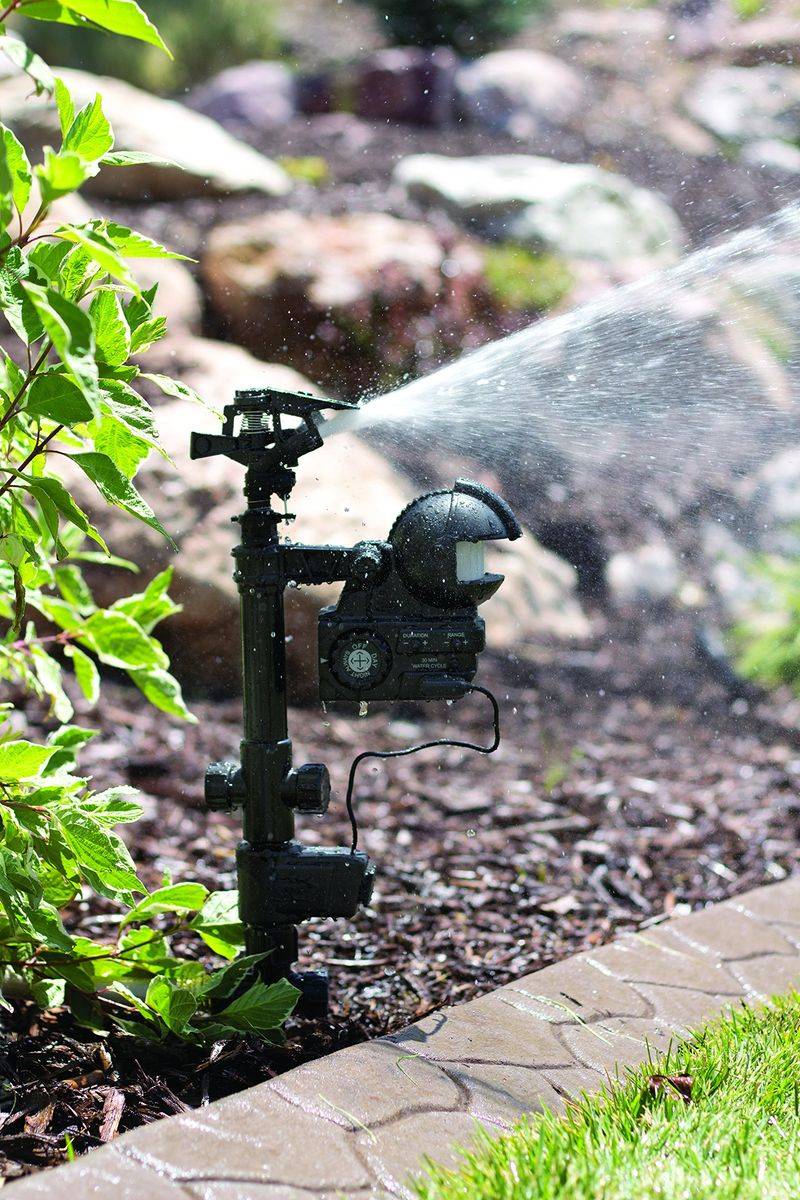
In the midst of garden tranquility, motion-activated sprinklers stand guard, ready to surprise any feline intruder. These devices deliver a sudden, harmless spray of water when movement is detected, making cats reconsider their garden visits. It’s a playful deterrent that keeps your plants safe while conserving water through targeted use. This eco-friendly solution ensures your garden remains a cat-free zone without causing harm.
5. Apply Citrus or Vinegar Scent Sprays

Envision a garden imbued with the zesty aroma of citrus or the tangy scent of vinegar. Cats, with their sensitive noses, find these smells uninviting. By applying diluted sprays or scattering citrus peels, you create an olfactory barrier that discourages feline visitors. This natural method is both simple to implement and kind to the environment, offering an aromatic twist to garden protection. Your garden becomes a sanctuary from curious paws.
6. Place Physical Barriers
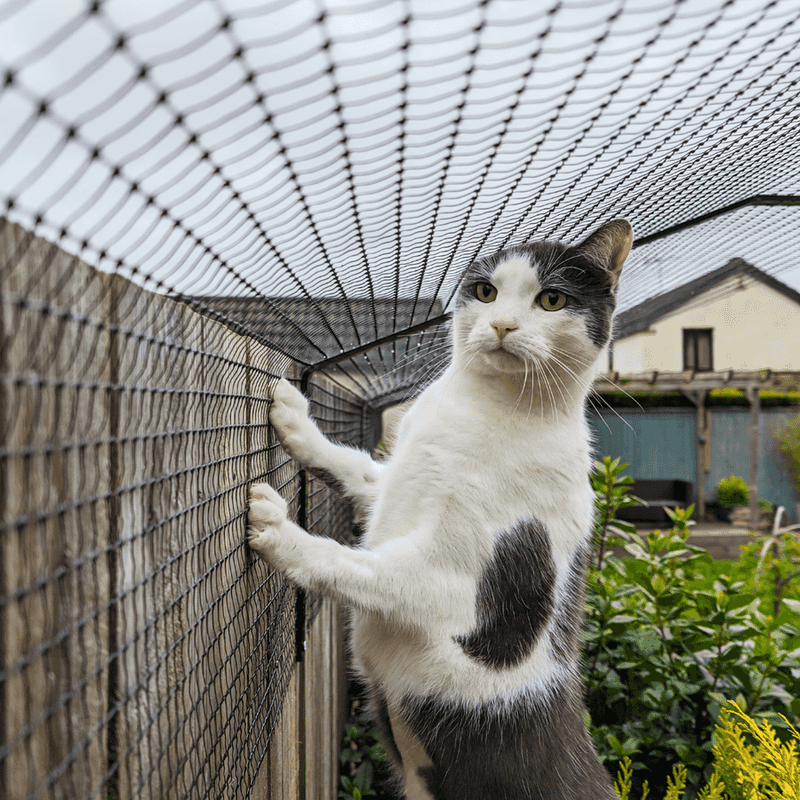
Imagine a garden that’s off-limits to inquisitive cats, thanks to strategically placed physical barriers. Netting, fencing, or bamboo stakes form a formidable defense, blocking entry to delicate areas. These barriers blend seamlessly with the garden’s aesthetics while ensuring your plants remain undisturbed. By altering access points, you discourage unwanted visits, all while enhancing the garden’s structured beauty.
7. Avoid Using Animal-Based Fertilizers

Picture a garden nourished by the earth’s bounty, free of animal-based fertilizers like fish, blood, or bone meal. These products, though rich in nutrients, can attract cats with their potent smells. Instead, opt for plant-based alternatives that feed your garden without the unwanted feline attention. This choice not only supports sustainable gardening but also keeps your green space peaceful and cat-free, maintaining harmony with nature.
8. Set Up Ultrasonic or Light-Activated Deterrents

In a garden protected by technology, ultrasonic or light-activated deterrents silently stand watch. These devices emit sounds or flashes of light, startling and deterring cats from venturing close. Without disturbing the peace of human visitors, these deterrents maintain a tranquil atmosphere while effectively warding off feline intruders. It’s a modern solution that blends seamlessly into your garden’s landscape, ensuring serenity.
9. Cover Sandboxes and Loose Soil Areas
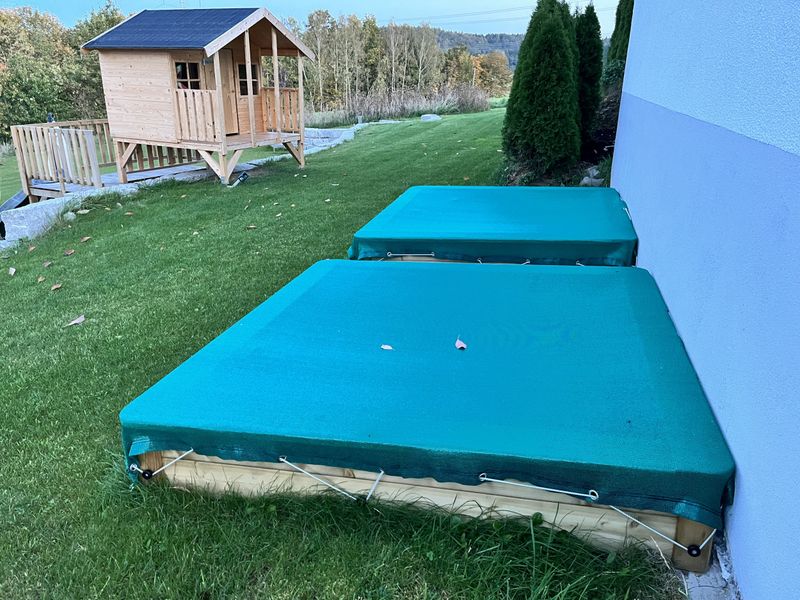
Visualize a sandbox shielded from feline curiosity by a sturdy, secure cover. Loose soil areas, often mistaken for litter boxes, are now protected from unwanted digging. By keeping these areas covered, you prevent litter-box behavior and maintain the cleanliness of your garden. This straightforward method ensures that children’s play areas and garden beds remain pristine, contributing to a harmonious outdoor environment.
10. Add Thorny or Dense Plants as Natural Fences
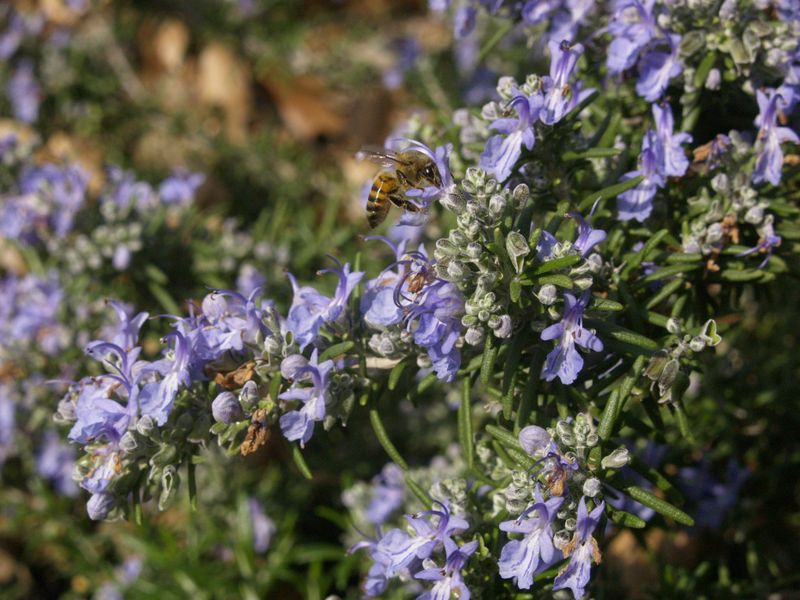
Imagine a garden surrounded by a living fortress of thorny or dense plants. Rose bushes, barberry, or holly create natural deterrents with their spiky or thick foliage. These plants not only beautify your garden but also serve as robust defenses against curious cats. Their formidable presence discourages intrusion, maintaining the integrity of your green space. Embrace nature’s way of safeguarding your plants with elegance and flair.
11. Refresh Deterrents Regularly

Consider the necessity of refreshing your garden’s defenses, especially after rain. Natural scents and sprays, though effective, fade over time. Reapplying them ensures that your garden remains a cat-free zone. By maintaining the potency of these deterrents, you reinforce the barrier that keeps curious paws away. This practice involves regular attention but rewards you with a serene, undisturbed garden environment that thrives.
12. Create a Designated Cat Area

In an act of compromise, consider creating a designated area for cats with enticing plants like catnip and cat grass. This optional coexistence tip invites cats to a space of their own, away from your prized plants. By providing a spot where they can indulge their instincts, you divert their attention and protect the rest of your garden. It’s a balanced approach that acknowledges their presence without sacrificing your plants’ safety.
1. Using Toxic Deterrents

Beware the allure of toxic deterrents like mothballs or pepper sprays. These substances can harm not only cats but also other wildlife and your garden’s ecosystem. While they might promise quick fixes, the risks far outweigh the benefits. Choose safer, natural alternatives that protect without endangering. By avoiding toxins, you preserve the delicate balance of your garden, ensuring a safe haven for all who visit.
2. Neglecting Scent Renewal
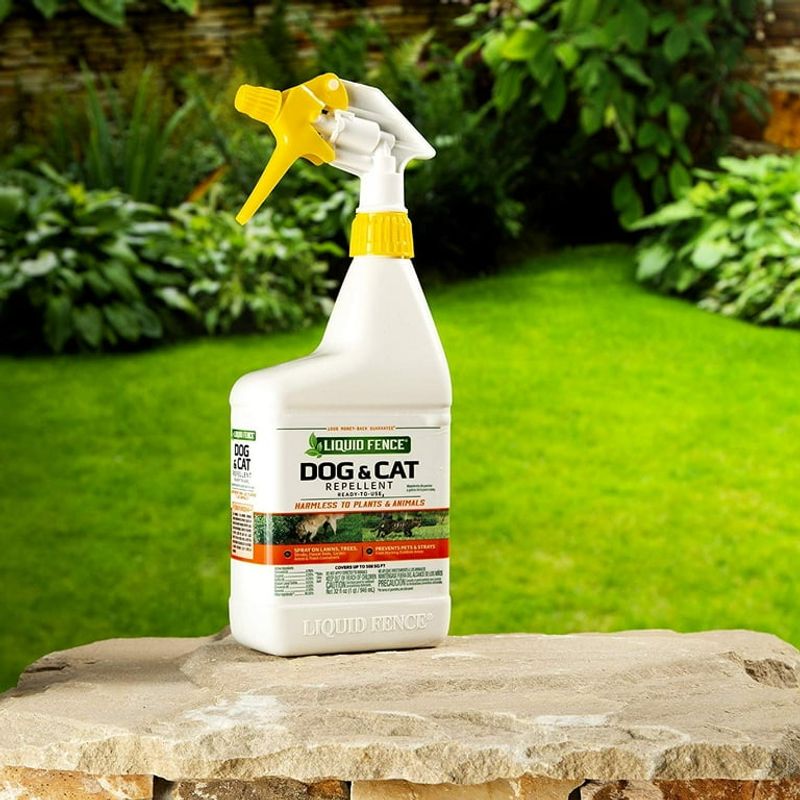
Don’t overlook the importance of renewing scent-based deterrents. Over time, natural aromas dissipate, diminishing their effectiveness. By neglecting to refresh these barriers, you invite curious cats back into your garden. Regularly reapplying scents ensures continuous protection, maintaining the deterrent’s potency. This simple act of upkeep pays dividends in a garden that remains undisturbed and vibrant year-round, safeguarding your efforts.
3. Relying on One Method
Relying solely on one deterrent method limits your garden’s protection. A combination approach, blending plants, sprays, and physical barriers, offers comprehensive coverage against feline intrusions. By diversifying your strategies, you create a robust defense system that adapts to different challenges. Embrace the synergy of multiple solutions to keep your garden thriving and cat-free, ensuring its beauty and tranquility are preserved.