
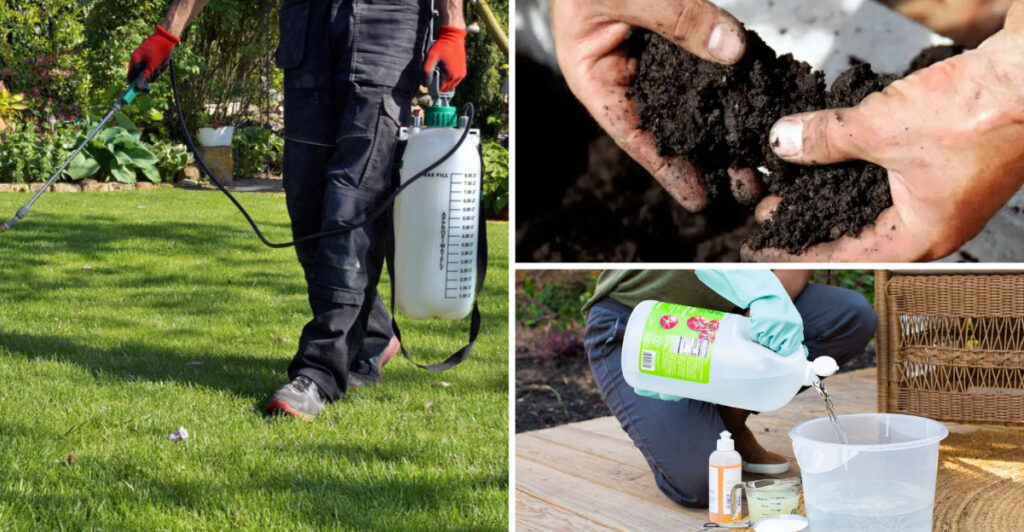
Crabgrass is often the bane of gardeners and homeowners striving for lush, green lawns. This stubborn weed is not only unsightly but can also choke out the healthy grass you’ve worked so hard to cultivate. However, before taking steps to eliminate it, it’s essential to understand whether its presence is truly detrimental to your lawn’s overall health. This article will guide you through seven effective methods to manage crabgrass, helping you decide whether removal is necessary for your particular situation.
Pre-Emergent Herbicides
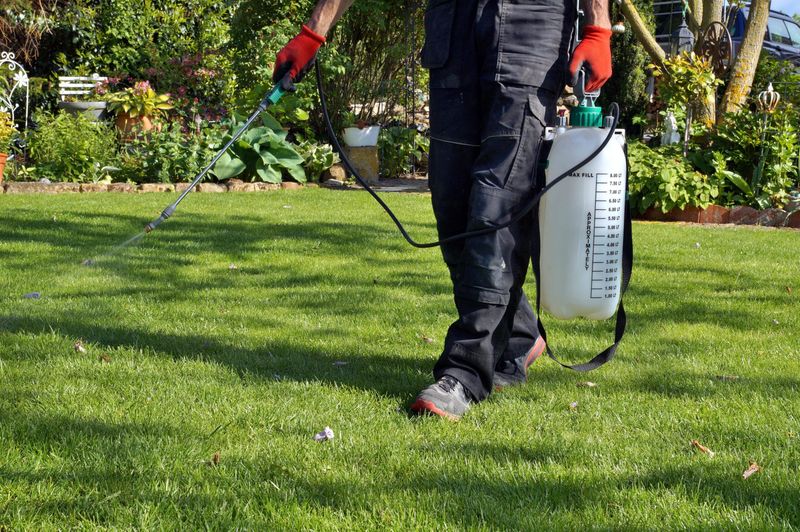
Imagine a barrier preventing crabgrass from ever emerging. Pre-emergent herbicides are your lawn’s first line of defense against this intrusive weed. Applied in early spring, these treatments stop crabgrass seeds from germinating, acting as a preemptive strike.
Timing is crucial; too early, and it washes away; too late, and the seeds will sprout. For best results, follow local garden center recommendations.
While effective, pre-emergent herbicides require precise application, which may not suit everyone. Nonetheless, for those dedicated to a crabgrass-free lawn, this method might be worth the effort.
Manual Removal
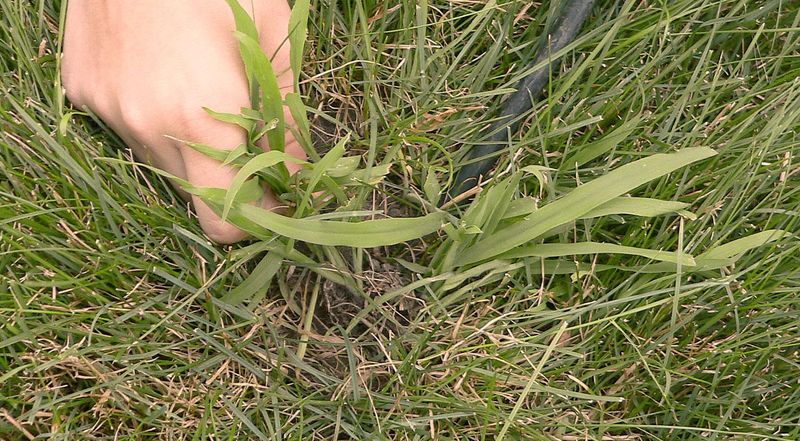
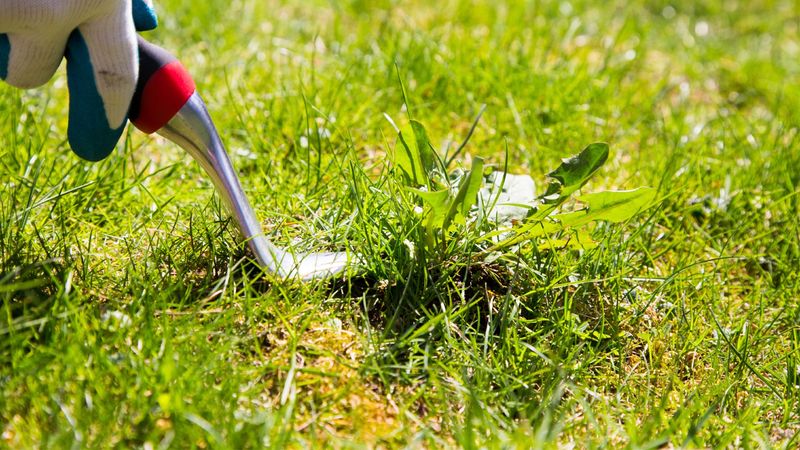
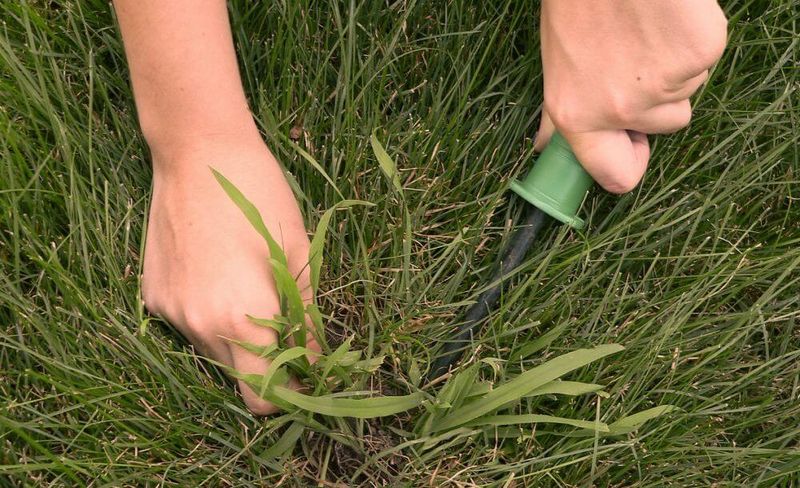
For those who find peace in manual labor, pulling crabgrass by hand can be oddly satisfying. This method works best when the soil is moist, making it easier to extract the entire root system.
Though time-consuming, this hands-on approach allows you to target specific areas without chemicals. It’s also an eco-friendly solution, leaving the rest of your garden untouched.
However, patience and persistence are key. Crabgrass is resilient, and even a small piece of root can regrow. Regular checks and keen observation are essential to keep it under control.
Natural Remedies
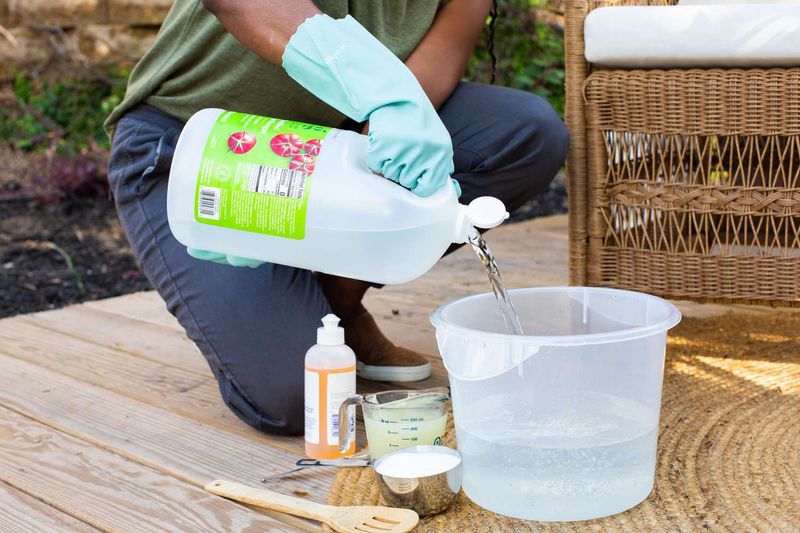
Embrace nature’s power with natural remedies like vinegar or boiling water. These options appeal to those seeking chemical-free alternatives. Applying vinegar directly to the crabgrass can kill it, while boiling water offers a quick, albeit temporary, fix.
These methods are best suited for small infestations. Overuse might harm surrounding grass, so caution is advised.
Natural remedies provide a sense of harmony with the environment, appealing to eco-conscious gardeners. However, their effectiveness varies, and persistence in reapplication may be necessary.
Consistent Mowing
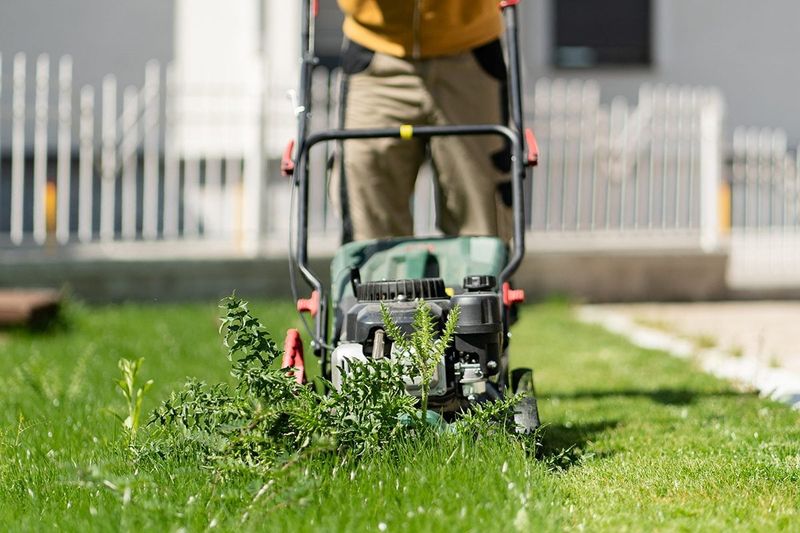
Ever wondered if simple actions can make a difference? Consistent mowing at the correct height can prevent crabgrass from establishing. By maintaining your grass at a taller height, you shade crabgrass seeds, inhibiting their growth.
This method integrates seamlessly into regular lawn care routines. Mowing too low, however, encourages crabgrass by allowing more sunlight to reach the seeds.
While this method alone may not eradicate crabgrass, it’s a valuable part of an integrated approach. Combining mowing with other strategies enhances its effectiveness.
Soil Health Assessment
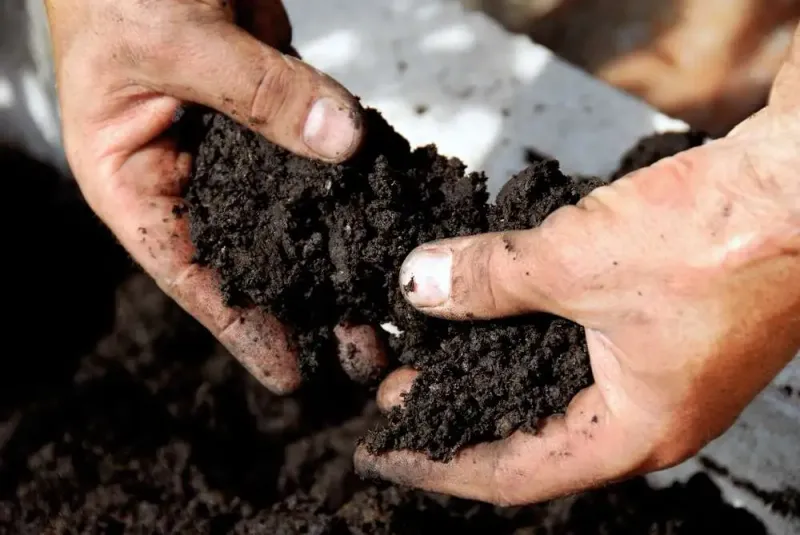
Understanding your soil’s health can unlock solutions to persistent crabgrass problems. Often, crabgrass thrives in compacted or nutrient-poor soil. Conducting a soil test identifies imbalances in pH and nutrients.
Improving soil health creates an environment less conducive to crabgrass, promoting stronger grass growth. Aeration, composting, and balanced fertilization aid in this transformation.
A healthy lawn begins beneath the surface, and addressing soil issues can reduce crabgrass naturally over time. While not a quick fix, it’s a sustainable solution for the patient gardener.
Overseeding Lawn
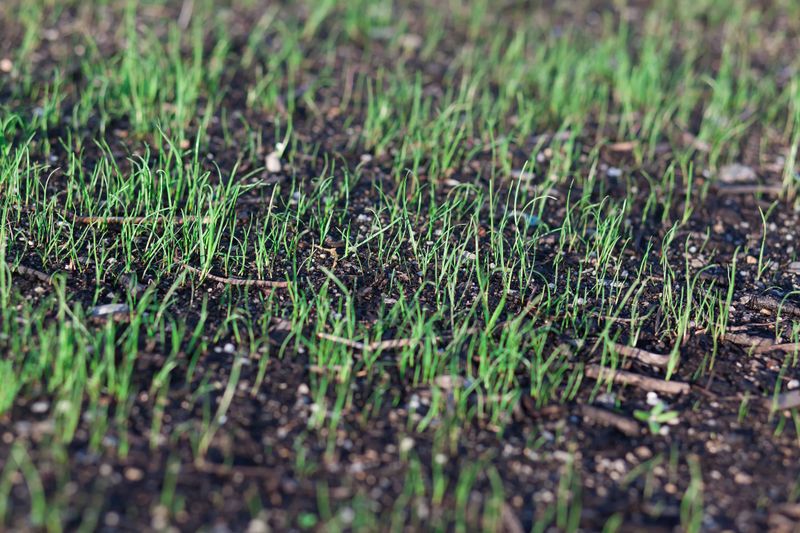
Filling in your lawn with vigorous grass varieties through overseeding creates a natural barrier against crabgrass. The denser your turf, the less space crabgrass has to grow.
Choosing the right grass species suited to your climate ensures success. Overseeding should be timed carefully, usually in early fall, to give new grass a competitive advantage.
This method requires preparation and maintenance but results in a lush lawn resistant to crabgrass. It’s an investment in the long-term health of your garden, rewarding those willing to wait.
Evaluate Lawn Aesthetics
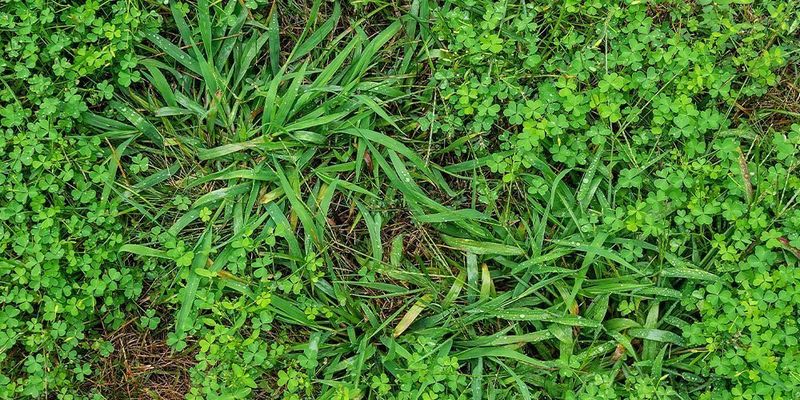
Sometimes, beauty lies in diversity. Evaluating whether crabgrass truly detracts from your lawn’s appearance might change your perspective. In some cases, crabgrass integrates well, adding texture and greenery.
This approach is for those open to embracing imperfection and finding beauty in nature’s unpredictability. Rather than fighting against crabgrass, work with it.
Understanding the role of crabgrass in your lawn’s ecosystem can lead to a more natural and less labor-intensive garden. It’s an option worth considering for a unique and varied landscape.
Adjusting Watering Techniques
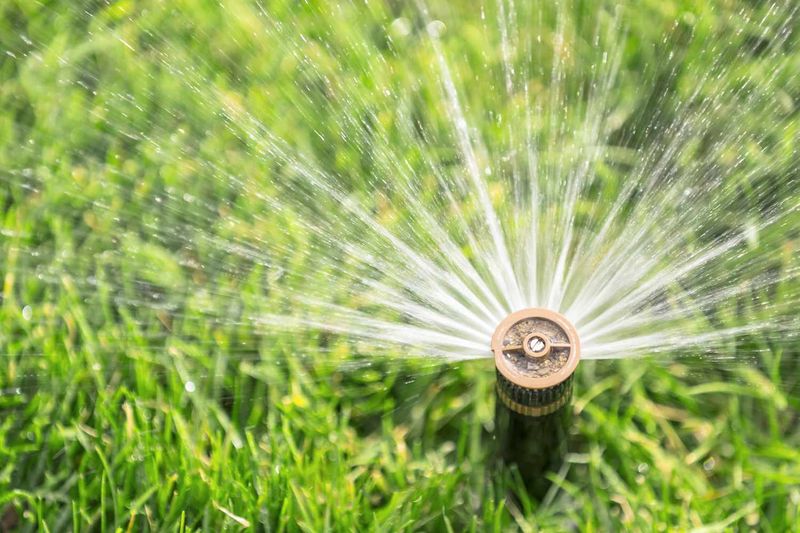
Watering in the early morning can prevent crabgrass. It reduces moisture, which crabgrass thrives on. Adjust your sprinklers to ensure even distribution and prevent pooling. Crabgrass loves wet patches; thus, managing moisture is key.
Consider drip irrigation or soaker hoses for targeted watering. This approach not only saves water but also focuses on maintaining soil balance.
Keeping your lawn dry in the evening avoids creating a welcoming environment for crabgrass. These techniques keep your lawn healthy, reducing crabgrass naturally.
Mulching Lawn Edges
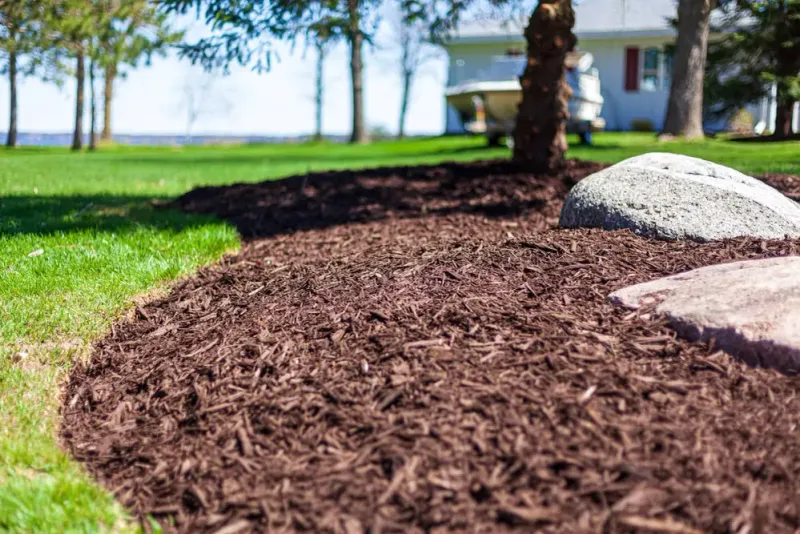
Mulching around the edges can hinder crabgrass growth. This technique creates a barrier, making it hard for crabgrass seeds to find soil. Choose organic mulch for added nutrients to your lawn.
It’s an eco-friendly way to deter weeds while enhancing soil health. Regularly replenish the mulch to maintain its effectiveness.
Mulch not only controls weeds but also conserves moisture and improves soil texture. This multi-functional approach benefits both aesthetics and the environment.
Using Shade Cloth
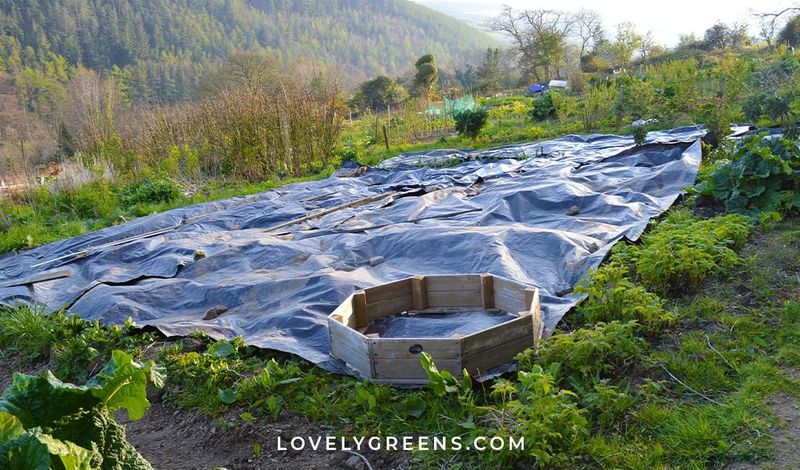
Ever thought of denying light to crabgrass? Use shade cloth to block sunlight. Crabgrass needs sunlight to thrive, and shade cloth can effectively stunt its growth.
Place it over areas prone to crabgrass invasions. This not only helps in control but also reduces heat stress on your desirable plants.
While it might not be a long-term solution, this temporary fix can help manage an outbreak. It’s a great method during peak growing seasons.
Implementing Aeration Practices
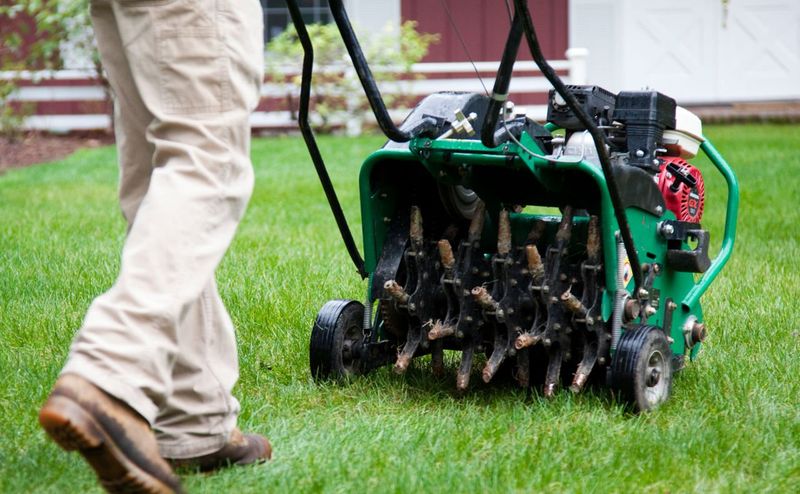
Aeration improves lawn health by ensuring proper air, water, and nutrient flow to the roots. It disrupts crabgrass by breaking up compacted soil.
Crabgrass thrives in compacted areas, so aeration gives your grass the upper hand. It allows your lawn to breathe and strengthens grass roots.
Perform aeration annually, preferably in early spring or fall. This not only combats crabgrass but also enhances overall lawn vitality.
Utilizing Vinegar Sprays
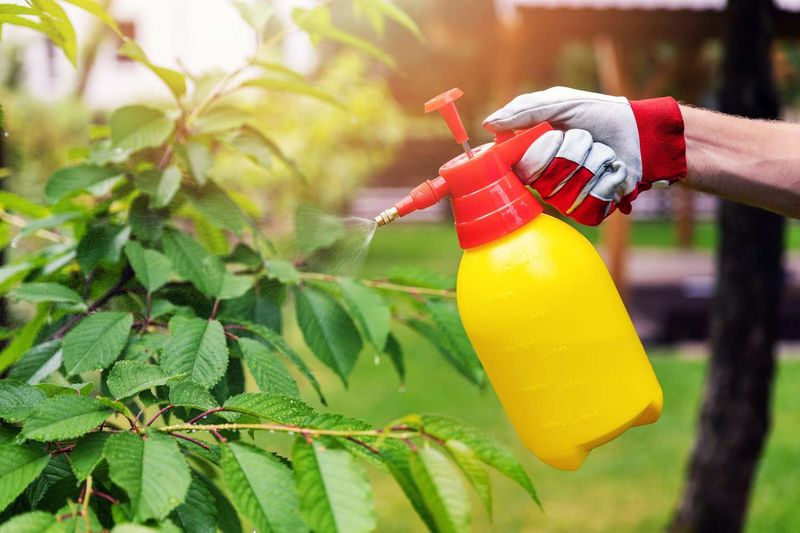
Vinegar is a natural enemy of crabgrass. Its acetic acid content can weaken and kill crabgrass without harming the environment.
Spray directly on the plants, avoiding surrounding grass. It’s a precise method requiring caution but effective if used correctly.
Test on a small area first to ensure no damage to your lawn. This natural approach is ideal for those seeking eco-friendly gardening solutions.
Applying Corn Gluten Meal
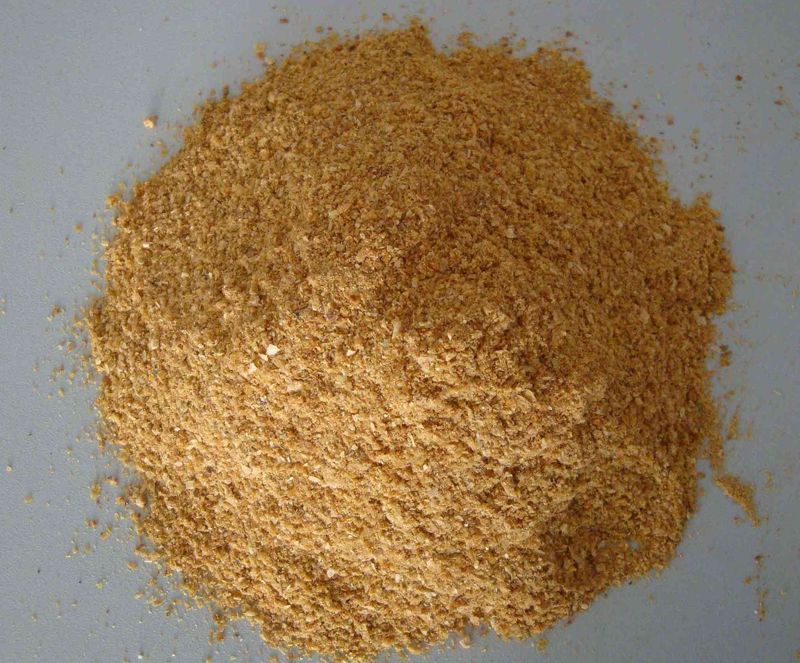
Corn gluten meal acts as a natural pre-emergent. It doesn’t harm existing grass but prevents crabgrass seeds from germinating.
Apply it early in the season for best results, giving your lawn a head start against crabgrass.
It’s an organic alternative, offering a dual benefit of feeding your lawn while inhibiting weed growth. A sustainable choice for eco-conscious gardeners.
Encouraging Beneficial Insects
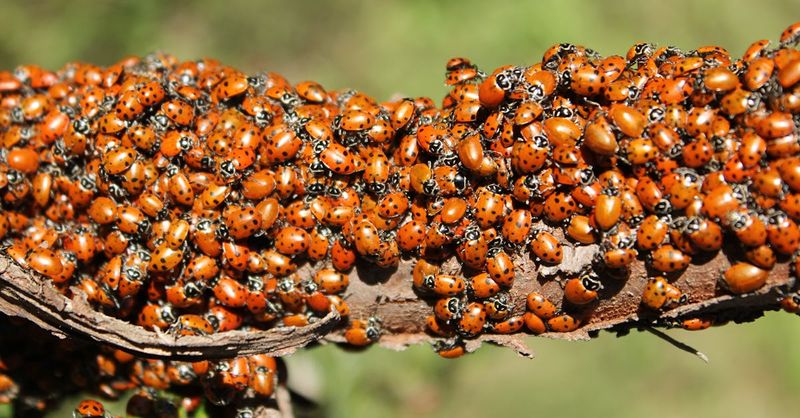
Certain insects can deter crabgrass. Encouraging ladybugs and parasitic wasps helps control unwelcome plants. They prey on pests that benefit crabgrass growth.
Introduce these insects naturally by planting insect-friendly flowers. This eco-friendly solution supports biodiversity.
It creates an environment where your lawn thrives while crabgrass diminishes. A natural, harmonious approach to lawn care.
Adjusting Soil pH Levels

Soil pH affects crabgrass growth. Maintaining a balanced pH deters crabgrass and supports healthy grass.
Test your soil to determine its pH. Use lime or sulfur to adjust the levels accordingly.
Balanced pH not only prevents crabgrass but also boosts nutrient uptake for your lawn. This foundation ensures a robust, appealing lawn.
Installing Edging Barriers
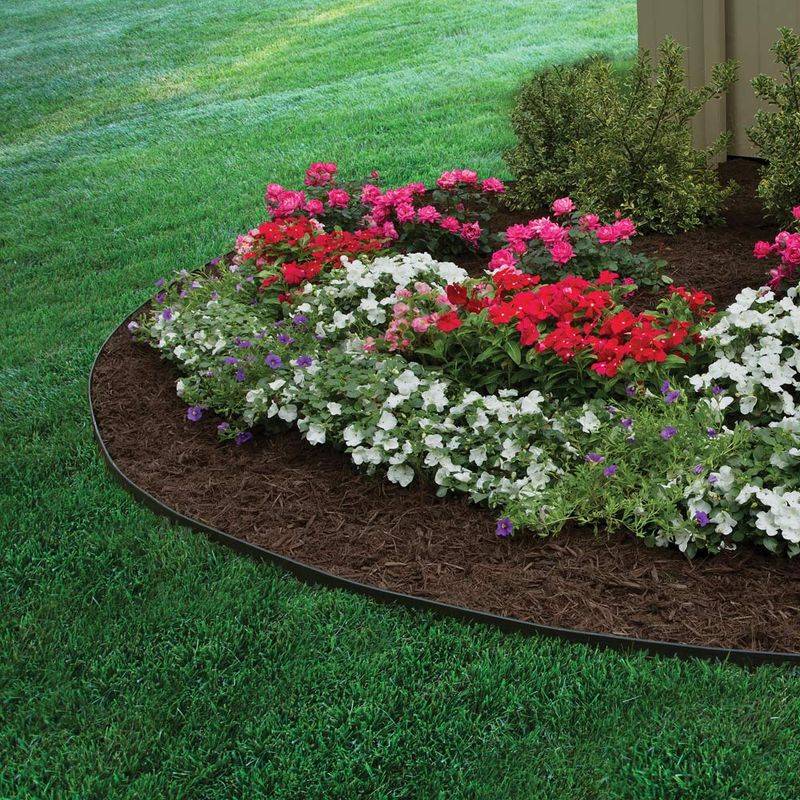
Edging barriers stop crabgrass from encroaching into lawns. These physical barriers block root spread and seed travel.
Install them around flower beds, paths, and driveways for clear boundaries. This method is particularly useful for lawns bordering other landscapes.
It offers a tidy appearance while preventing crabgrass infiltration. Functionality meets aesthetics with this practical approach.
Boosting Lawn Fertility
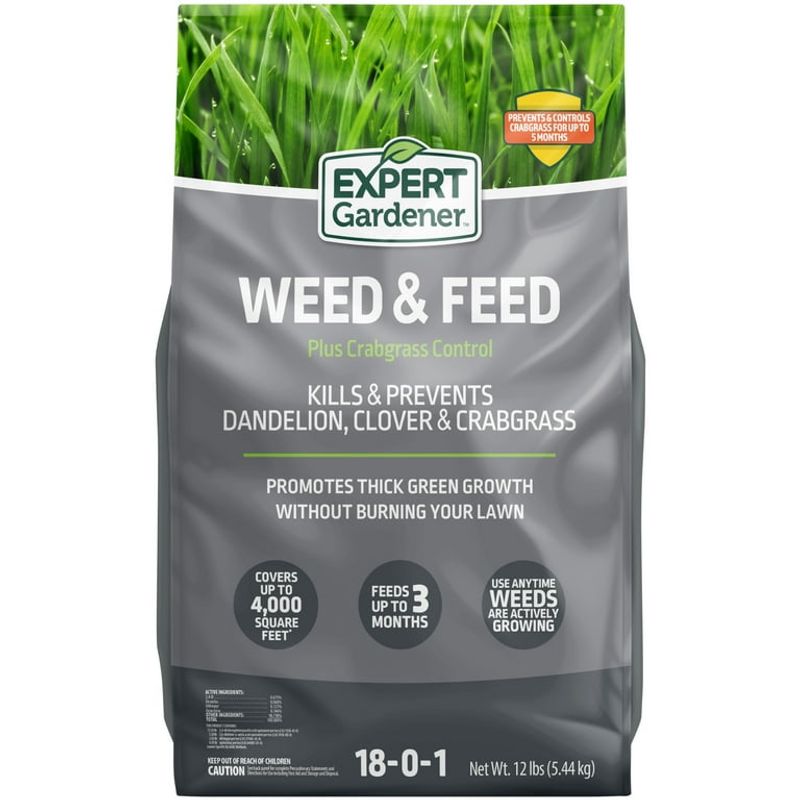
A fertile lawn can outcompete crabgrass. Use balanced fertilizers to support robust grass growth.
Apply during active growth phases to provide essential nutrients. This strengthens your lawn, making it less susceptible to crabgrass.
Healthy grass naturally repels invaders, creating a lush, vibrant lawn. A proactive measure for long-term lawn health.
Cultivating Diverse Plant Species
Diversity in plants enhances ecosystem balance, suppressing crabgrass. Introduce various grasses and ground covers to crowd out crabgrass.
Different species compete for resources, limiting crabgrass opportunities. This creates a resilient lawn with visual appeal.
A multi-species approach offers ecological benefits and crabgrass control. It’s a creative, sustainable gardening strategy.
Creating Windbreaks
Windbreaks can limit crabgrass seed spread. Planting hedges or trees reduces wind velocity, keeping seeds from scattering.
Strategically placed windbreaks protect your lawn, enhancing its microclimate. It also reduces soil erosion, promoting healthier grass growth.
This method promotes a stable environment, discouraging crabgrass establishment. Elegant and functional, windbreaks are a worthy addition.