 Complete Gardening
The 1960s were a period of creativity and innovation, even in the realm of small garden spaces. During this era, homeowners and garden enthusiasts alike sought to transform their outdoor areas into intimate sanctuaries filled with character and charm. Whether it was a tiny urban garden or a modest suburban backyard, clever ideas emerged to make these areas not just functional, but delightful escapes from everyday life. This blog post explores ten such ideas, each showcasing the unique and whimsical spirit of the 1960s.
Zen Stone Gardens
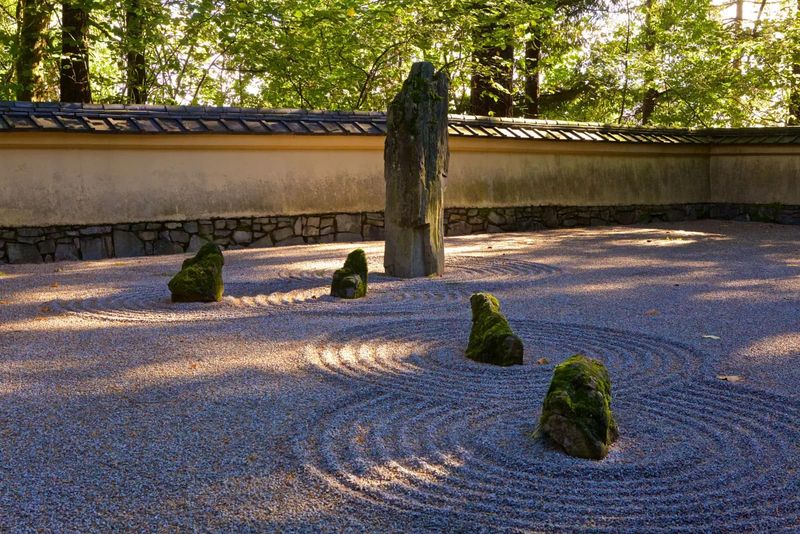
Zen stone gardens became popular in the 1960s, offering a peaceful retreat with minimalistic design. These gardens often featured carefully raked gravel, which symbolized water, alongside strategically placed stones representing mountains.
Bonsai trees added a touch of greenery and artistry, creating a harmonious balance. Water features, such as small fountains, were sometimes incorporated to enhance the tranquil atmosphere.
This design emphasized simplicity and mindfulness, making it an ideal space for meditation. Zen stone gardens were not just aesthetically pleasing but also served as a mental escape from the hustle and bustle of daily life.
Geometric Patio Designs
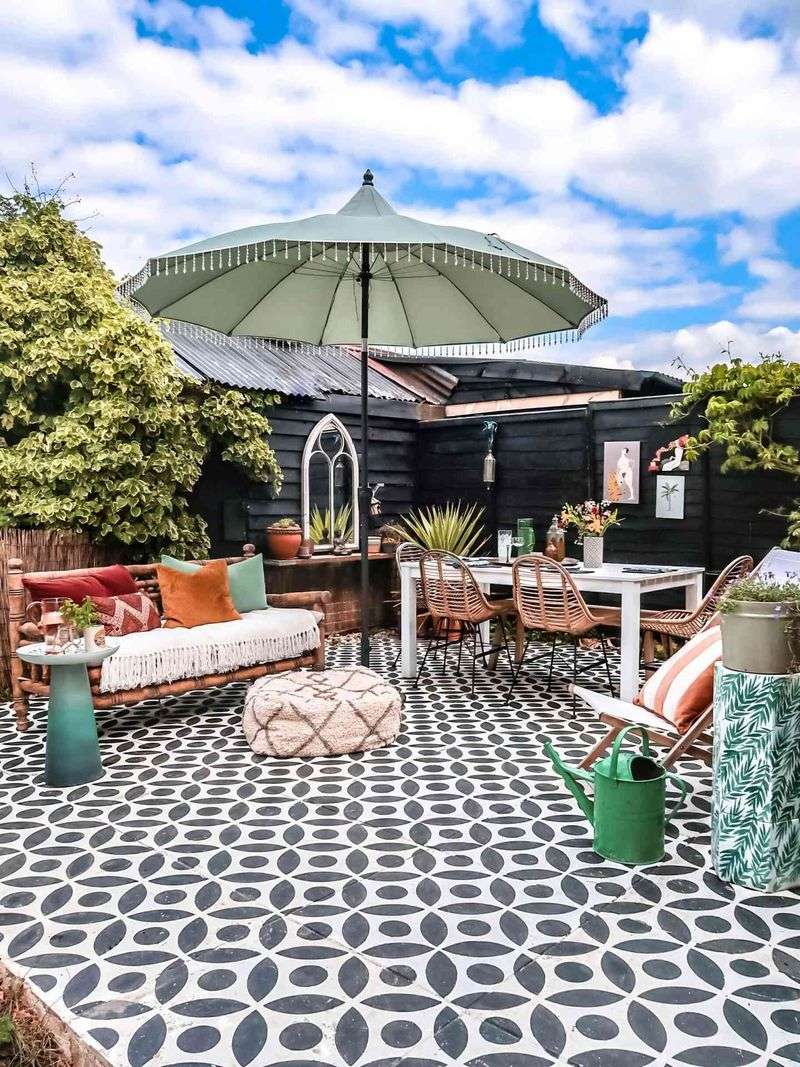
In the 1960s, geometric patio designs brought a modern twist to small gardens. Bold shapes and colorful tiles created visually striking patterns, turning ordinary outdoor spaces into artistic retreats.
These patios often featured circular or hexagonal motifs, complemented by retro furniture such as vintage lounge chairs. The use of different materials, like brick or concrete, added texture and depth.
Geometric designs offered a dynamic interplay between form and function, capturing the era’s love for innovation. They provided homeowners with an aesthetically pleasing area to relax and entertain guests.
Vertical Planting
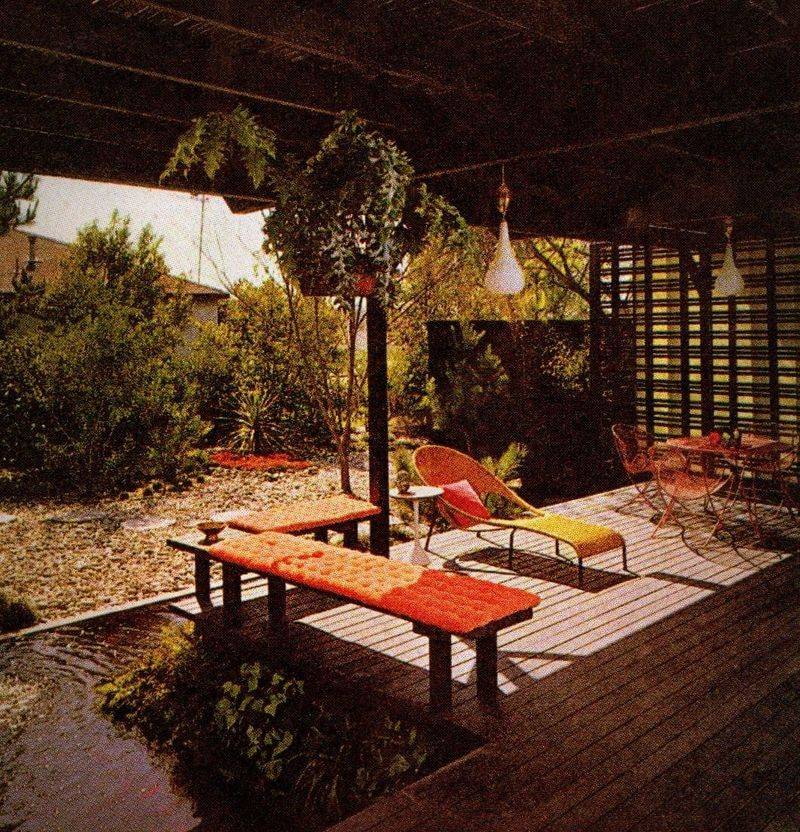
Vertical planting was a clever solution for small 1960s gardens, utilizing vertical space to cultivate a lush environment. Wooden trellises or metal frames supported climbing vines and vibrant flowers, adding height and color.
This method maximized limited space, allowing gardeners to grow more plants without a large footprint. Vertical gardens also offered a unique aesthetic appeal, transforming plain fences or walls into living artworks.
Beyond beauty, they provided practical benefits like privacy and temperature regulation, embodying the 1960s’ inventive spirit. Vertical planting remains a popular choice for urban gardeners today.
Sunken Seating Areas
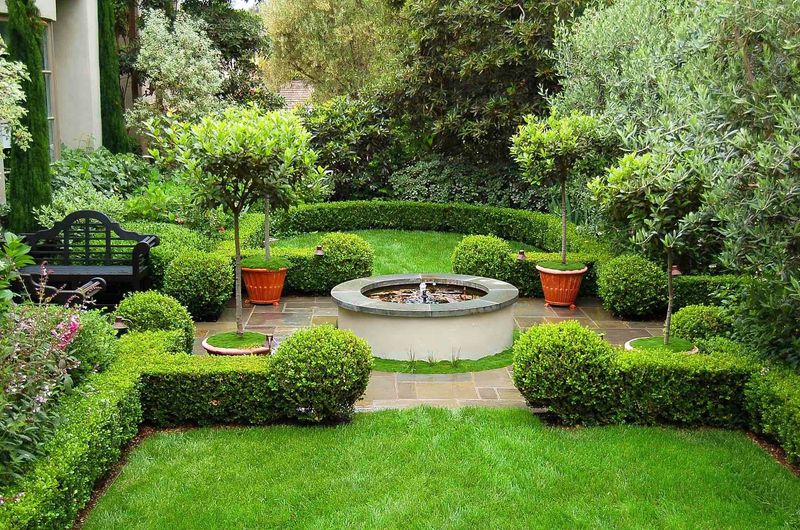
Sunken seating areas became a chic feature in 1960s garden design, offering a unique way to create intimate outdoor spaces. These areas were often circular in shape, with built-in benches providing comfortable seating.
Surrounded by lush greenery, they offered a sense of seclusion and privacy, perfect for relaxation or social gatherings. The sunken design added depth and dimension, making small gardens appear more spacious.
These spaces were ideal for entertaining guests, embodying the social and relaxed vibe of the 1960s. Today, they continue to inspire modern garden enthusiasts seeking cozy retreats.
Water Features with Sculptures
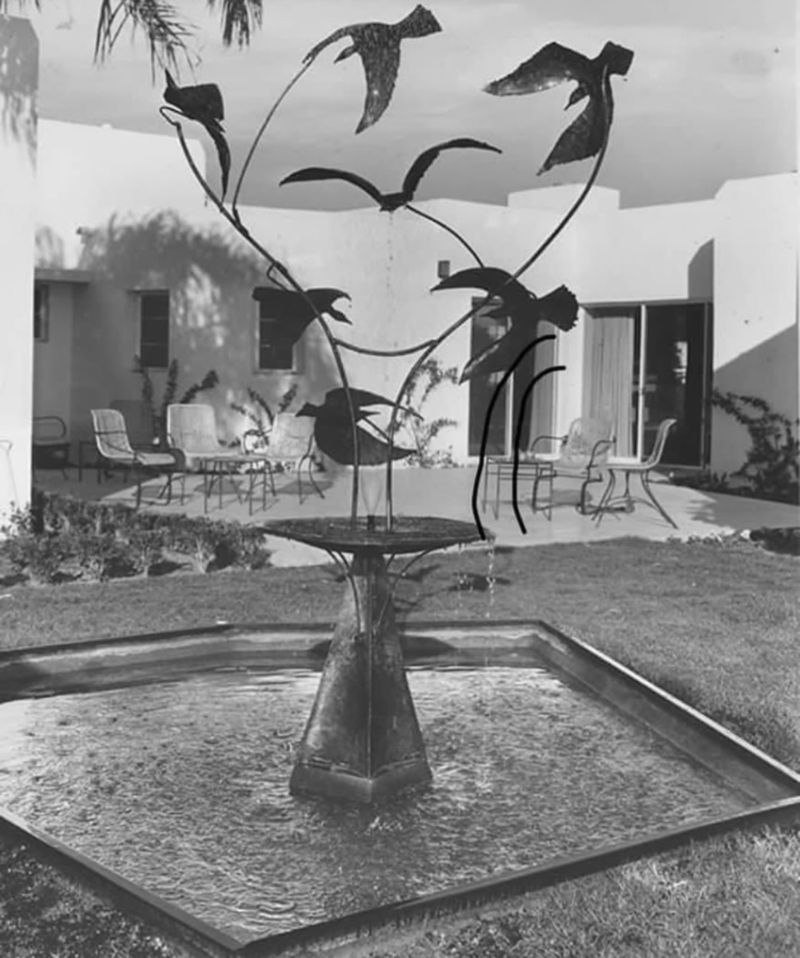
Water features with sculptures became a hallmark of 1960s gardens, combining art and nature for a stunning effect. These features often included modernist sculptures, which served as focal points, set amidst flowing water.
Surrounded by pebbles and aquatic plants, they offered a serene environment, inviting contemplation and calm. The gentle sound of water added to the sensory experience, creating a soothing ambiance.
Such installations reflected the 1960s’ appreciation for creativity and tranquility in outdoor spaces. They provided a perfect blend of aesthetic appeal and relaxation, making them a timeless garden addition.
Retro Garden Furniture
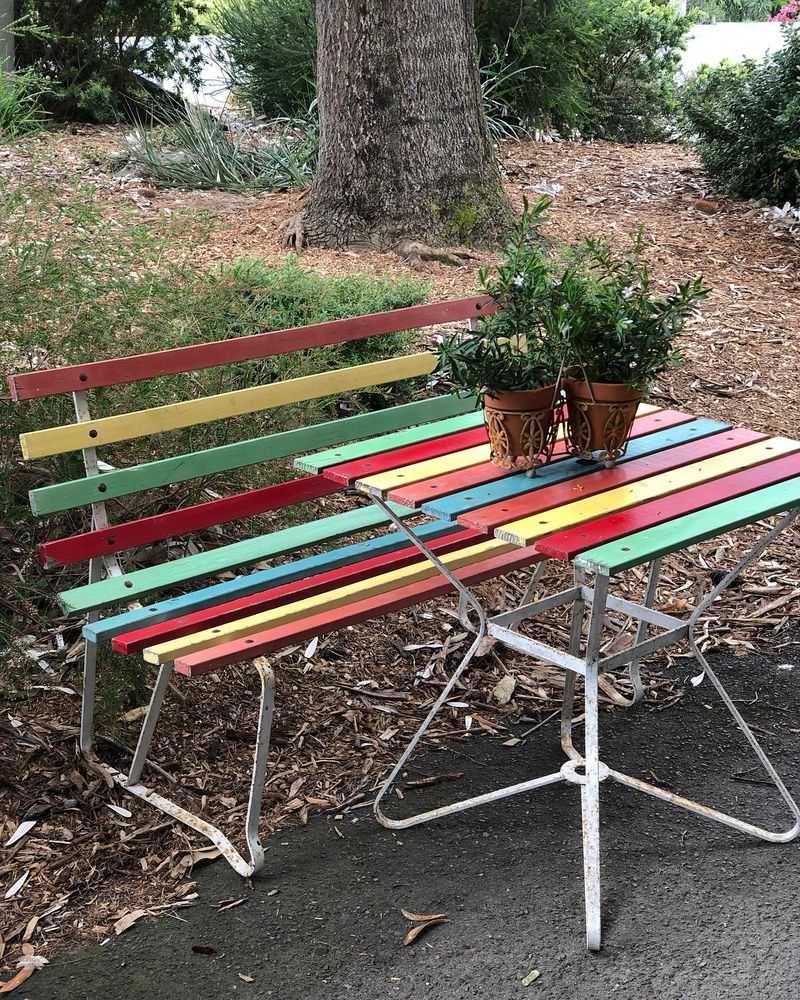
Retro garden furniture brought vibrant colors and playful designs to 1960s outdoor spaces. Metal chairs in vivid hues and matching tables added a touch of whimsy and fun.
These pieces often featured bold patterns and were lightweight, making them easy to rearrange for various social gatherings. Paired with a checkerboard patio, they created a lively setting for relaxation and entertainment.
Retro furniture embodied the era’s spirit of experimentation and individuality, offering both comfort and style. Today, these pieces are cherished for their nostalgic charm and continue to grace modern gardens with flair.
Hanging Planters
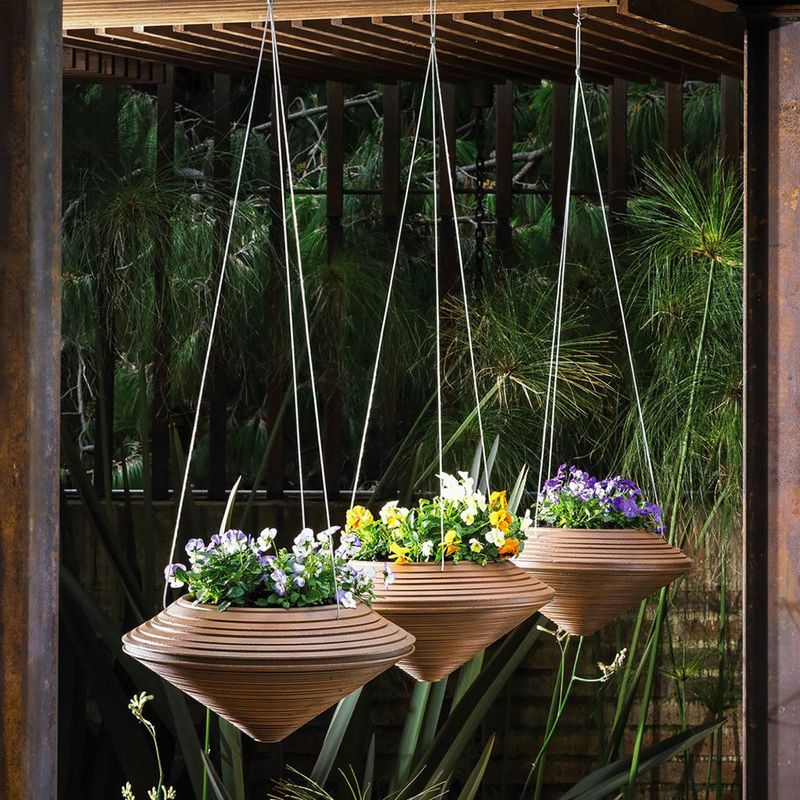
Hanging planters became a popular trend in 1960s gardening, perfect for adding greenery to balconies or small outdoor areas. Colorful pots suspended from hooks brought life to spaces without consuming valuable ground area.
These planters were often filled with trailing ivy or vibrant flowers, creating a cascade of color and texture. They provided an easy way to incorporate plants into various spots, from balconies to patios.
The hanging design added vertical interest, enhancing the overall garden aesthetic. Hanging planters delivered both beauty and practicality, reflecting the era’s innovative approach to gardening.
Herb Spirals
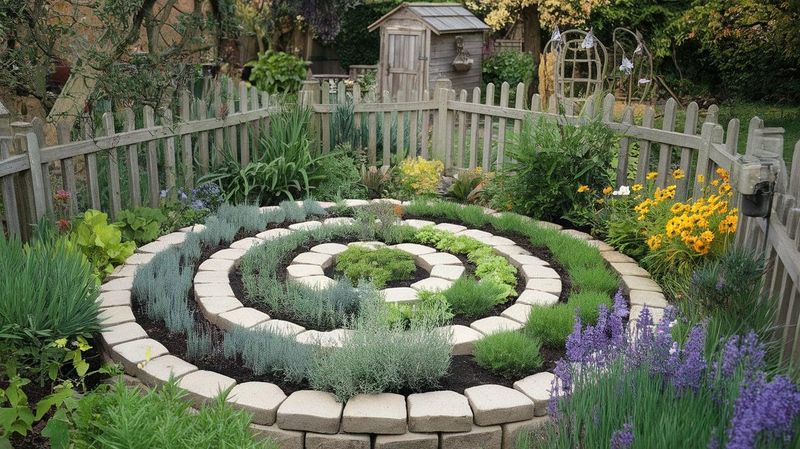
Herb spirals were a creative gardening solution in the 1960s, perfect for culinary enthusiasts with limited space. This design utilized a spiraling stone structure to cultivate a variety of herbs, optimizing sunlight and drainage.
Each layer of the spiral offered a different microclimate, allowing for diverse plantings. Nestled in a sunny corner, these gardens provided fresh herbs for cooking while serving as a unique visual focal point.
Herb spirals highlighted the practical and artistic side of gardening, showcasing the era’s inventive spirit. They remain a favored choice for gardeners seeking both function and form.
Flower Power Borders
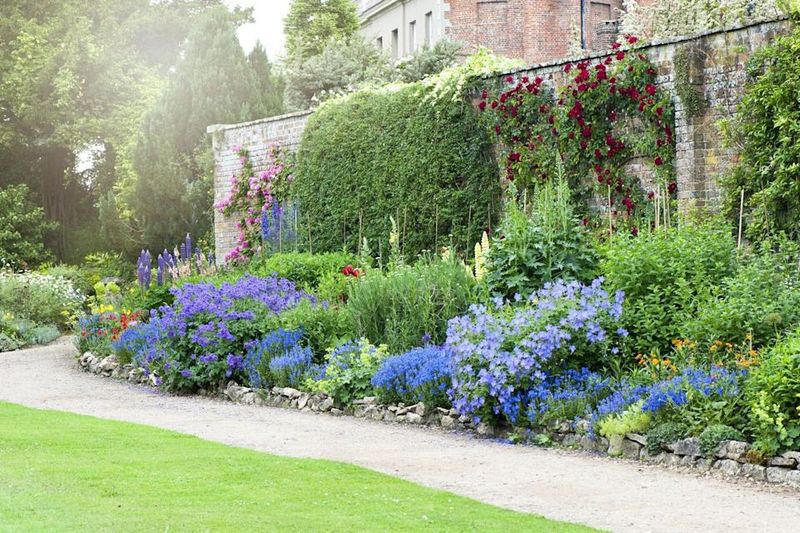
Flower power borders epitomized the colorful spirit of the 1960s, transforming garden pathways into vibrant corridors of color. These borders featured a diverse array of blooms, often arranged in a rainbow spectrum.
Marigolds, petunias, and daisies were popular choices, creating a lively and cheerful atmosphere. The use of bold colors and varied textures added depth and interest to small garden spaces.
These borders celebrated the era’s love for nature and expression, providing a dynamic floral display. They were perfect for defining garden edges or lining walkways, bringing joy and vibrancy to outdoor environments.
Wooden Pergolas with Drapes
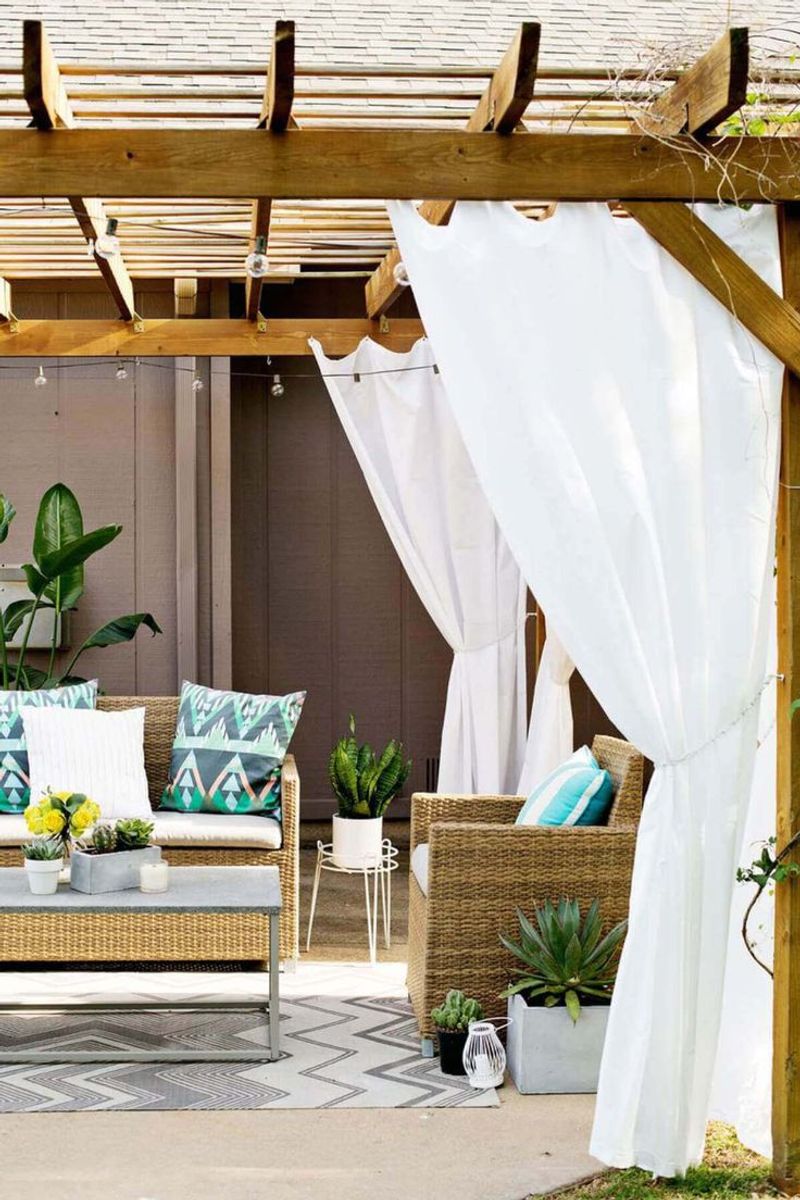
Wooden pergolas with drapes became a stylish addition to 1960s gardens, offering shade and elegance. These structures were often adorned with flowing white drapes, which added a touch of romance and privacy.
Climbing roses or wisteria would often adorn the pergola, enhancing its beauty and providing fragrant blooms. Positioned over patios or garden paths, they created intimate spaces for relaxation or dining.
The combination of natural wood and soft textiles reflected the era’s appreciation for organic materials and comfort. Pergolas remain a beloved feature, offering timeless charm and functionality.
Colorful Tiled Pathways
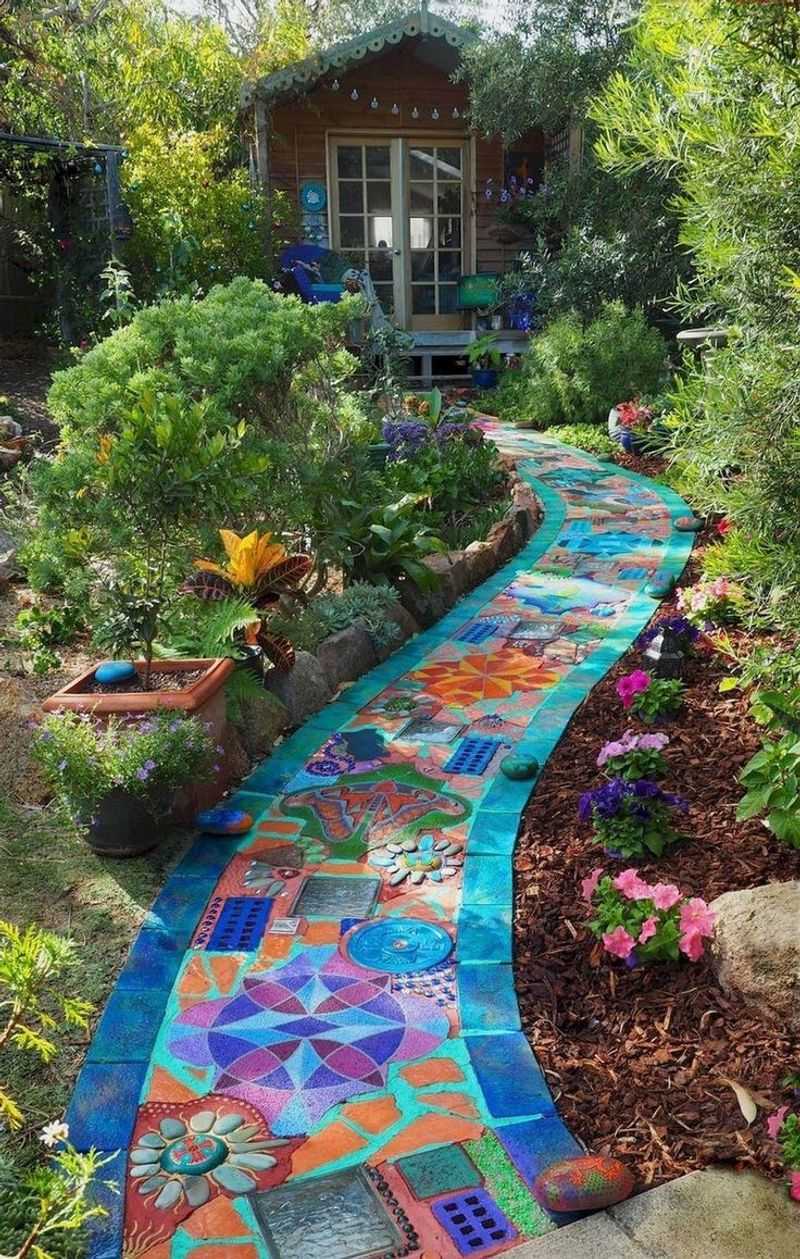
Who says garden paths should be dull? In the 1960s, colorful tiled pathways became all the rage, transforming ordinary walks into vibrant journeys. These mosaics of ceramic beauty brought bold artistic expression to gardens.
Each step was an exploration of color, as tiles painted in bright hues and intricate patterns lined the way. Gardeners often crafted these tiles by hand, making each pathway a unique masterpiece.
This playful innovation not only brightened up the garden but also offered a warm welcome to guests, inviting them to explore the lush landscapes beyond.
Circular Seating Areas
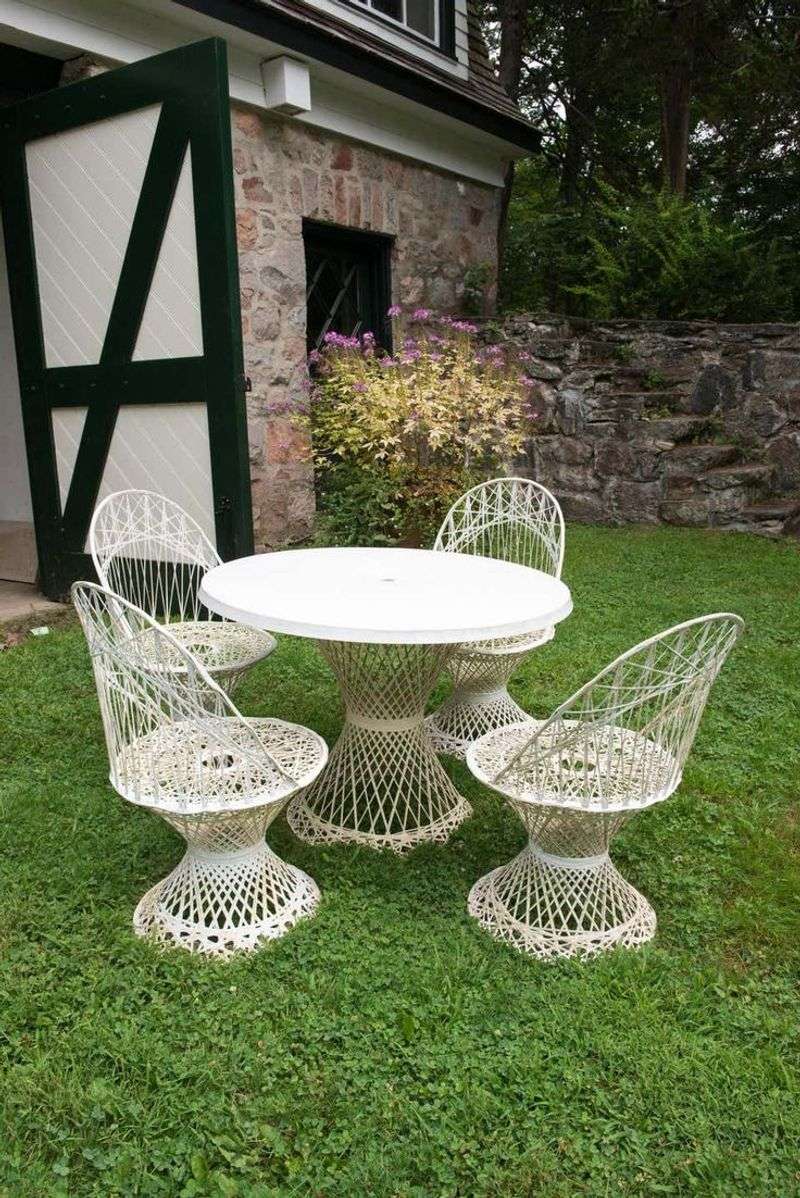
Gathering around a circular seating area is an ode to sharing stories under the stars. In the 1960s, designers embraced this idea, creating cozy spaces for conversation.
Circular seating encouraged eye contact, fostering intimacy and connection. Often surrounding a fire pit or a central feature, these spaces invited warmth and camaraderie.
With vintage chairs arranged in a circle, the design was both practical and inviting. These areas were perfect for hosting evening gatherings, where friends and family could unwind and enjoy each other’s company.
Privacy Hedges
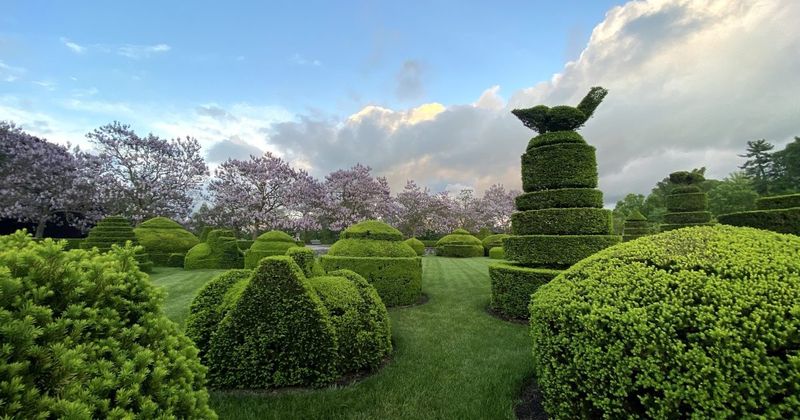
Tall and majestic, privacy hedges were the unsung heroes of 1960s gardens. These natural barriers provided a sense of seclusion, turning open spaces into private retreats.
Gardeners sculpted hedges into artistic shapes, adding a touch of creativity to the landscape. The lush greenery offered both beauty and function, acting as windbreaks and noise buffers.
In an era that valued both privacy and style, these green walls were indispensable. They not only defined boundaries but also added a sense of mystique, inviting guests to discover what lay beyond the verdant curtain.
Terracotta Pots
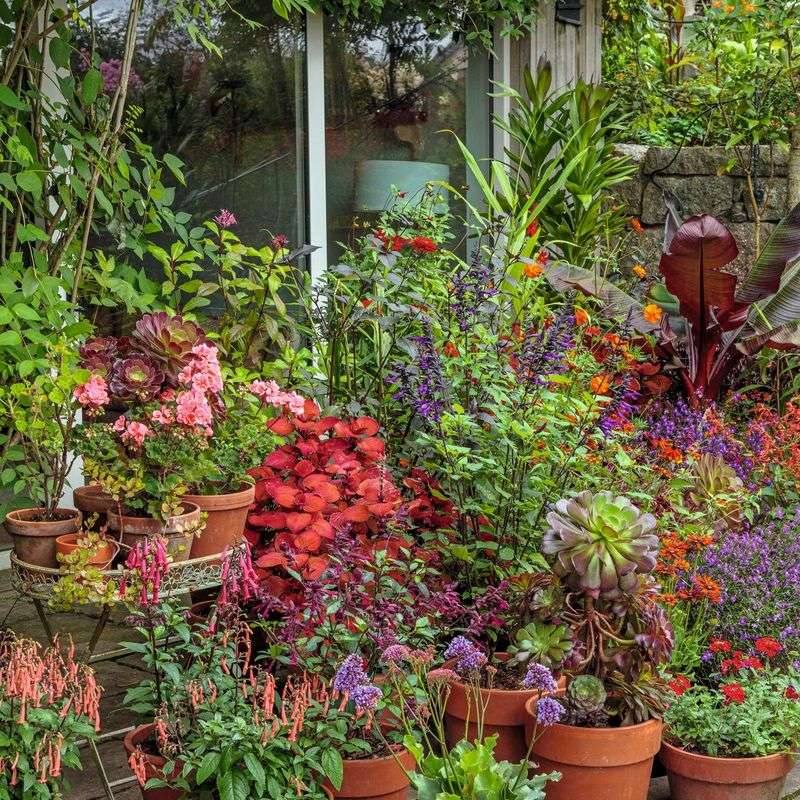
Terracotta pots were a staple in 1960s gardens, embodying practicality and rustic charm. These earthy containers were perfect for showcasing a variety of plants, from herbs to vibrant flowers.
Their porous nature allowed for excellent drainage, promoting healthy plant growth. Gardeners appreciated the pots’ versatility, often arranging them in clusters for visual impact.
The warm, natural tones of terracotta complemented the lush greenery, enhancing the garden’s overall aesthetics. Whether lining a pathway or accentuating a patio, terracotta pots were beloved for their timeless appeal and functionality.
Topiary Sculptures
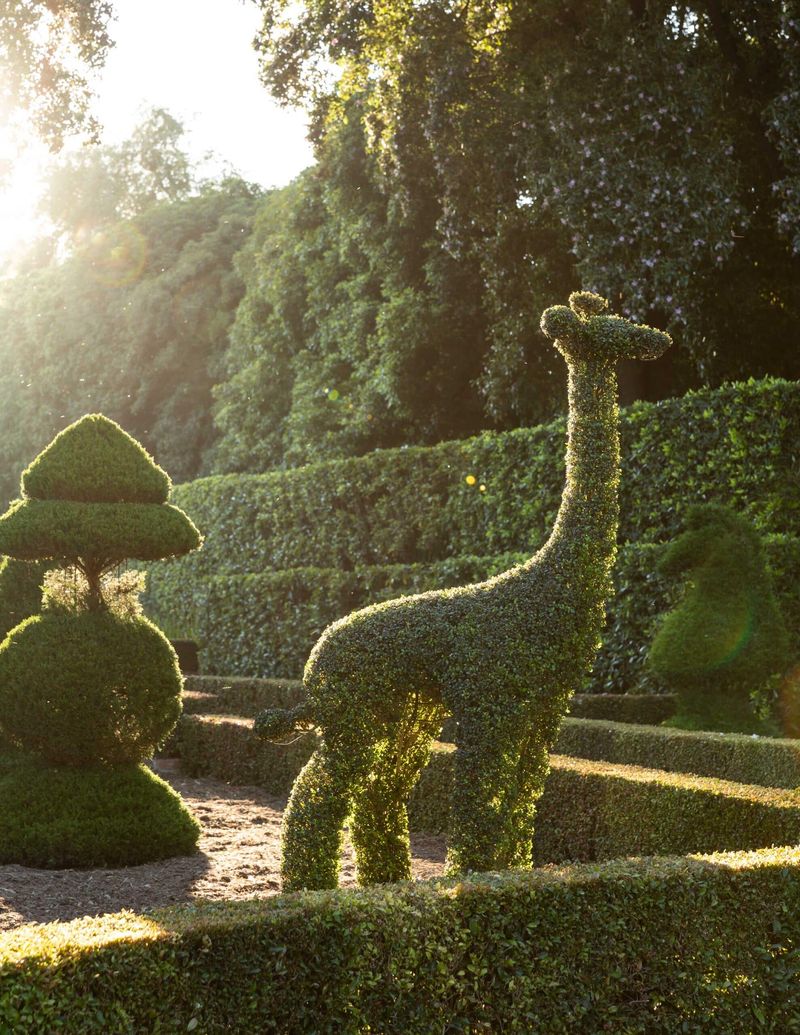
With an imaginative flair, topiary sculptures turned 1960s gardens into living art galleries. Gardeners meticulously shaped shrubs into whimsical forms, ranging from animals to abstract designs.
These green sculptures brought a sense of playfulness and grandeur to outdoor spaces, capturing the essence of creativity. Maintaining such sculptures required skill and patience, making them a symbol of dedication.
In a decade that celebrated artistic expression, topiary sculptures were a perfect blend of nature and art. Visitors would marvel at these living masterpieces, crafted with precision and imagination.
Bamboo Fencing
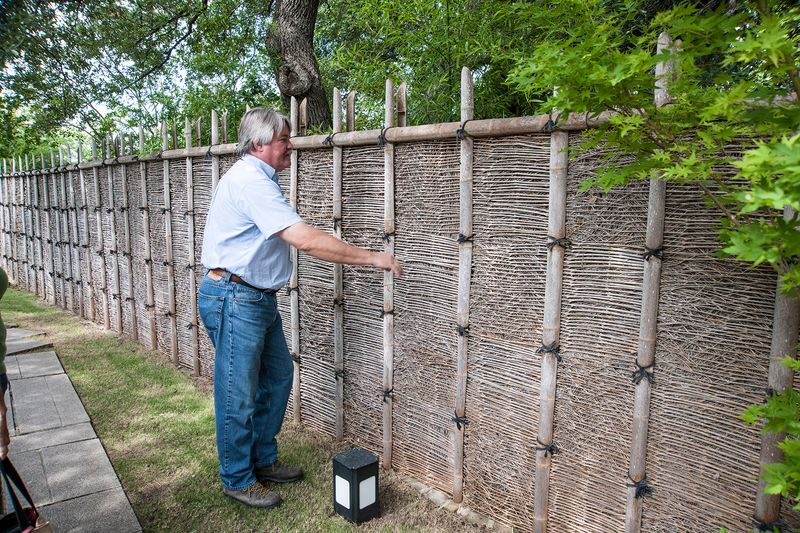
Bamboo fencing added a touch of exotic elegance to 1960s gardens. This natural material was celebrated for its strength and beauty, creating secluded spaces that felt both secure and inviting.
The vertical lines of bamboo enhanced the garden’s visual appeal, while its natural tones blended seamlessly with the lush surroundings. Gardeners favored bamboo for its sustainability and adaptability.
Whether enclosing a garden nook or lining a pathway, bamboo fencing was a stylish choice. It offered privacy without sacrificing aesthetics, making it a popular option for creating tranquil retreats.
Vintage Birdhouses
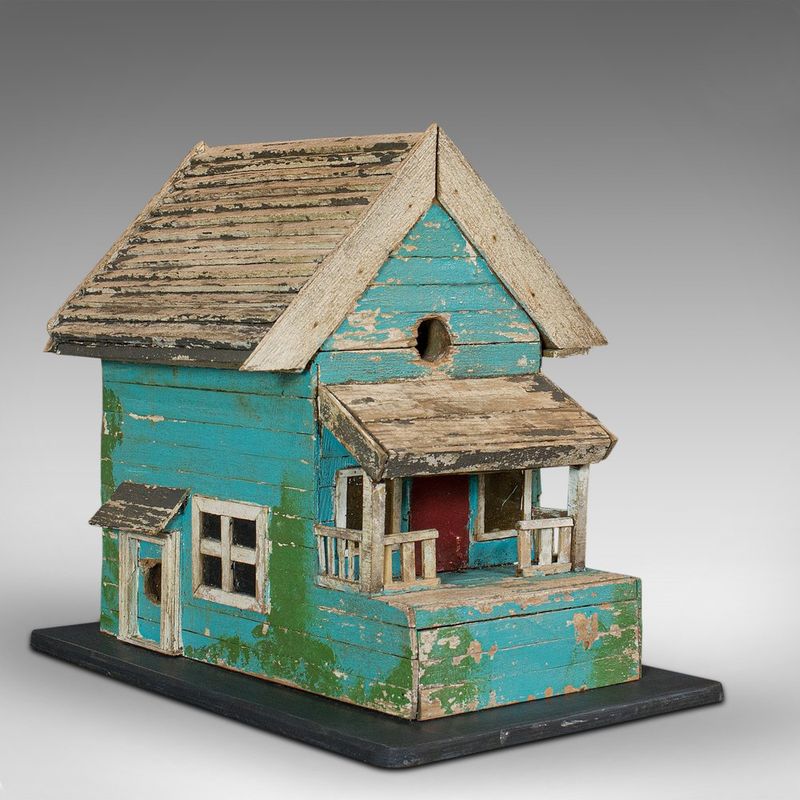
Adding a touch of whimsy, vintage birdhouses brought life and charm to 1960s gardens. These quaint structures, often handmade, offered a delightful refuge for local birds.
Crafted with intricate details, each birdhouse was a work of art, reflecting various architectural styles. Hanging from trees or mounted on poles, they added vertical interest and a splash of nostalgia.
Gardeners cherished these birdhouses not only for their beauty but also for attracting birds, whose songs enhanced the garden’s ambiance. They were an emblem of harmony between human creativity and nature’s wonders.
Stone Path Labyrinths

Winding and mysterious, stone path labyrinths provided a meditative escape within 1960s gardens. These intricate designs invited exploration and reflection, offering a journey both physical and mental.
Gardeners crafted labyrinths from various stones, arranging them in patterns that encouraged contemplation. Walking these paths was a soothing experience, connecting individuals with the garden’s tranquil spirit.
Stone path labyrinths were an artistic addition that combined beauty and function. They transformed ordinary spaces into sacred havens, where one could find solace and inspiration amidst nature’s embrace.
Garden Mirrors
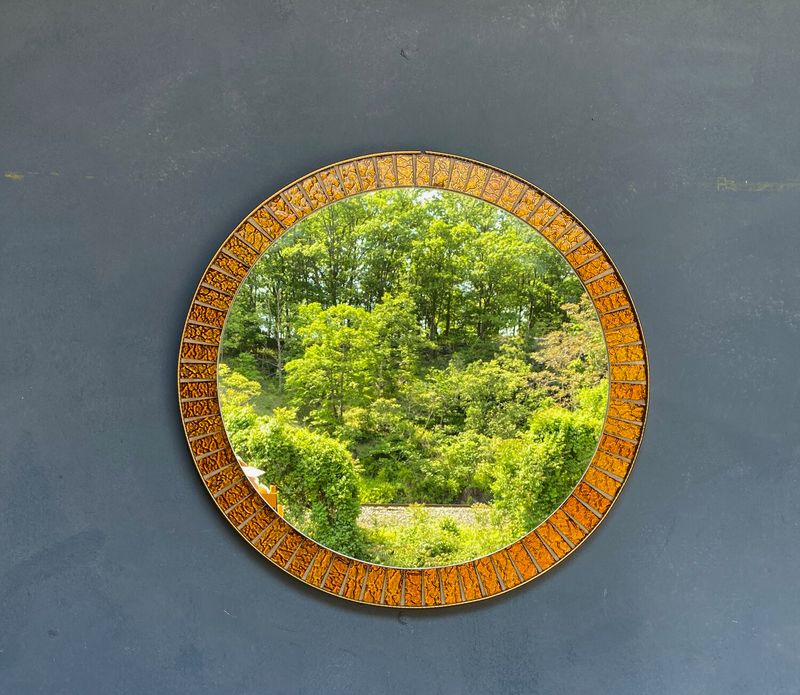
Mirrors in the garden? Absolutely! In the 1960s, garden mirrors became a creative tool for enhancing outdoor spaces. Strategically placed, they reflected the surrounding greenery, creating an illusion of expanded space.
These mirrors added depth and intrigue, turning small gardens into seemingly vast landscapes. The reflective surfaces captured light, brightening shaded areas and enhancing the garden’s overall ambiance.
Gardeners used mirrors to create enchanting vistas, where reality blended with illusion. They were a clever way to amplify beauty and bring a touch of magic to secluded spots, inviting exploration and wonder.
Rustic Stone Benches
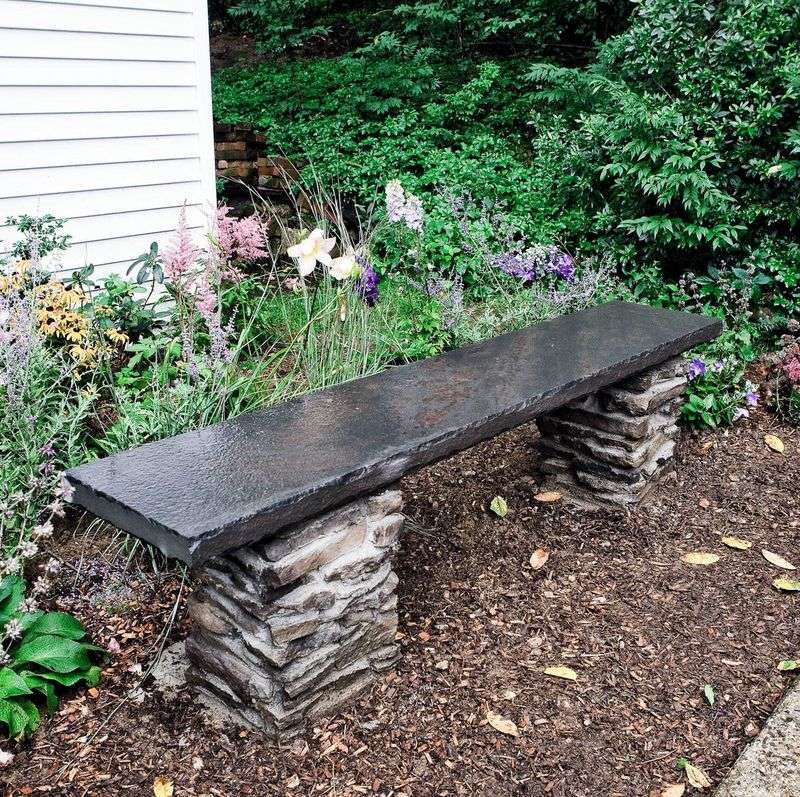
Durable and charming, rustic stone benches were a fixture in 1960s gardens. These sturdy seats offered a place to pause and enjoy the beauty of nature, blending seamlessly into the landscape.
Carved from local stone, each bench had its own unique character, mirroring the garden’s natural beauty. Positioned under trees or by flower beds, they provided restful spots for garden lovers.
The stone’s cool surface was a welcome respite on warm days, inviting visitors to linger and reflect. These benches were more than furniture; they were integral parts of the garden’s story.
Garden Trellis Tunnels
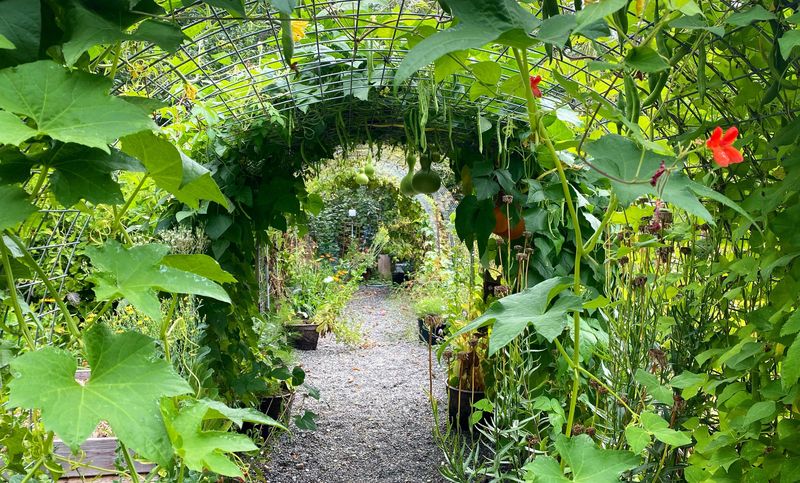
Step through a tunnel of green. In the 1960s, garden trellis tunnels were enchanting features that delighted visitors with their lush arches of climbing plants.
These tunnels provided shade and a sense of adventure, guiding guests through a living canopy. The intertwining vines created a dynamic play of light and shadow, inviting exploration.
Gardeners used a variety of climbers, like roses and ivy, to drape the trellises in vibrant colors. These tunnels were more than pathways; they were journeys through nature’s artistry, embodying the era’s spirit of discovery and wonder.