 Complete Gardening
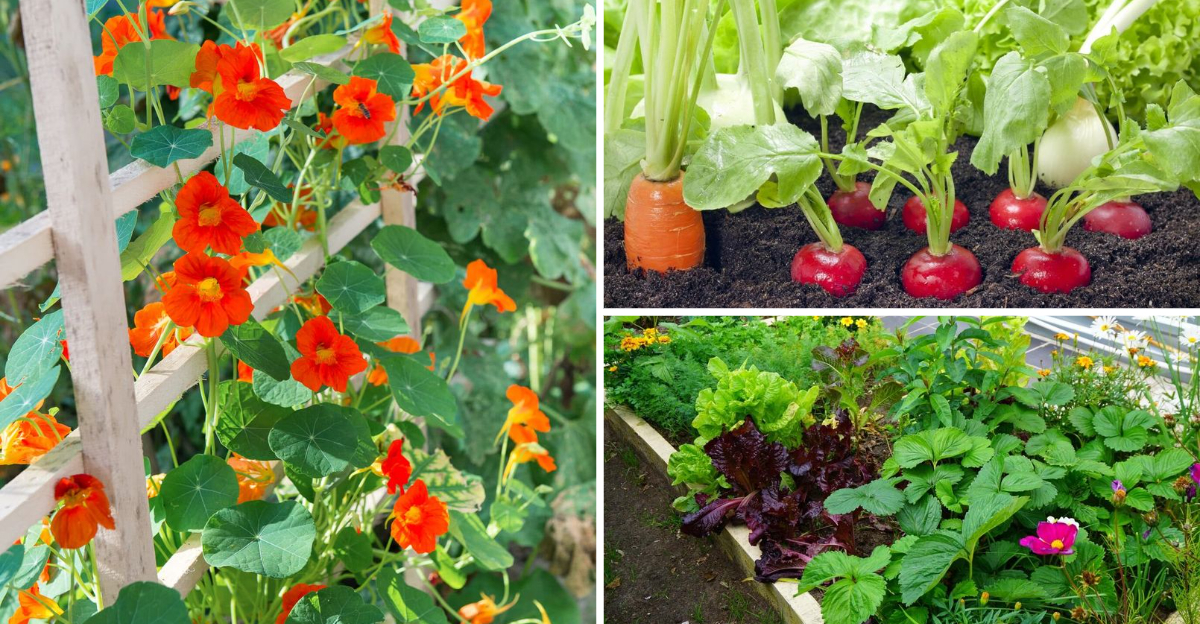
Gardening enthusiasts often seek combinations that not only optimize space but also enhance the growth and flavor of their produce. In small gardens, inventive pairing can lead to bountiful benefits, making the most out of limited space. Below are five unexpected vegetable pairings, perfect for tight spaces and complementary in both growth habits and culinary uses.
Carrot and Radish
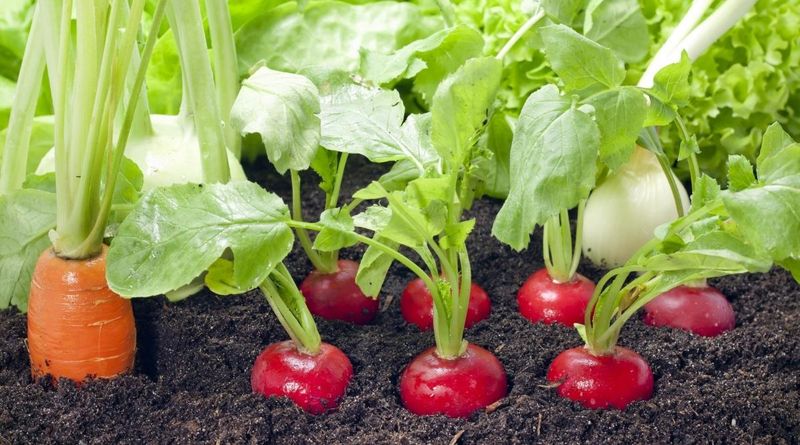
Imagine a small plot where the slender carrot roots delve deep, while vibrant radish bulbs spread across the surface. Carrots and radishes thrive together, sharing the soil without competing for nutrients. This pairing not only saves space but accelerates harvest time. Radishes mature quickly, leaving room for carrots to expand below. In a playful twist, try interplanting them in alternating rows. Interestingly, radishes can help deter pests with their spicy aroma. Perfect for those who love fresh garden salads, this combination is both efficient and delightful.
Tomato and Basil
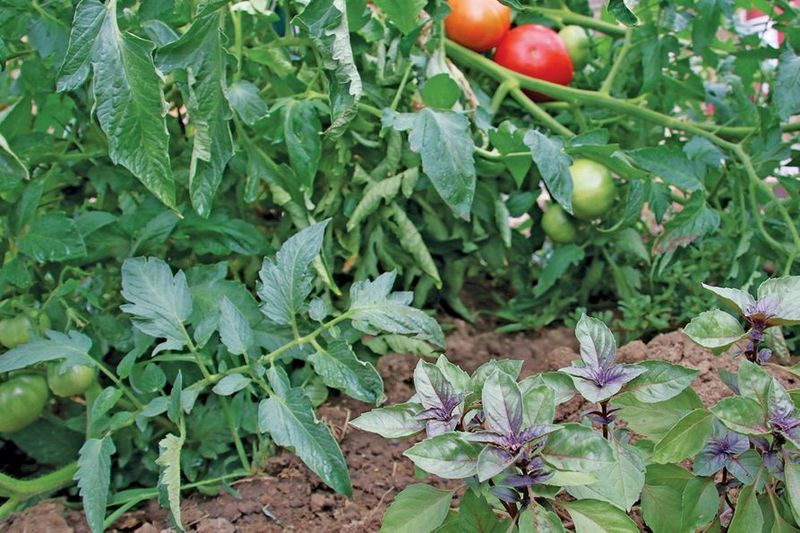
In the world of culinary delights, tomatoes and basil are a match made in heaven. Picture a sunny garden corner where tomato vines reach skywards, while basil spreads its aromatic leaves below. This classic pairing is more than just a flavor sensation. Basil’s scent repels pests, providing natural protection for tomatoes. As the tomatoes grow, they offer shade, helping the basil to thrive in the heat. Together, they create a symphony of taste and growth, perfect for those who cherish fresh ingredients for their pasta dishes.
Beetroot and Garlic
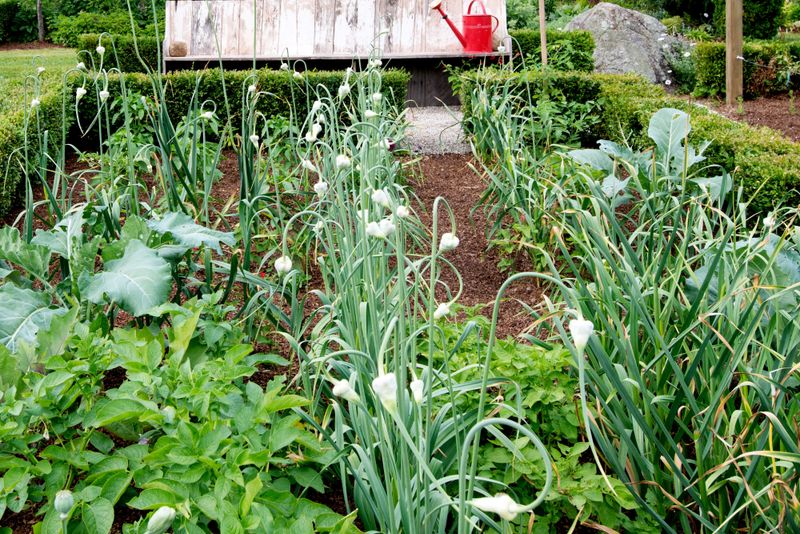
With beetroot’s vibrant leaves and garlic’s pungent shoots, this duo is both striking and practical. Beetroot roots delve deep, while garlic occupies the surface, ensuring efficient space usage. Garlic’s natural pest-repelling properties safeguard beetroot, while the beetroot’s shade helps maintain soil moisture. For those intrigued by history, garlic has been revered since ancient times for its protective qualities. This combination promises a healthy, flavorful harvest, enhancing the appeal of any small garden plot. Ideal for those keen on nutritious, home-grown produce.
Cucumber and Nasturtium
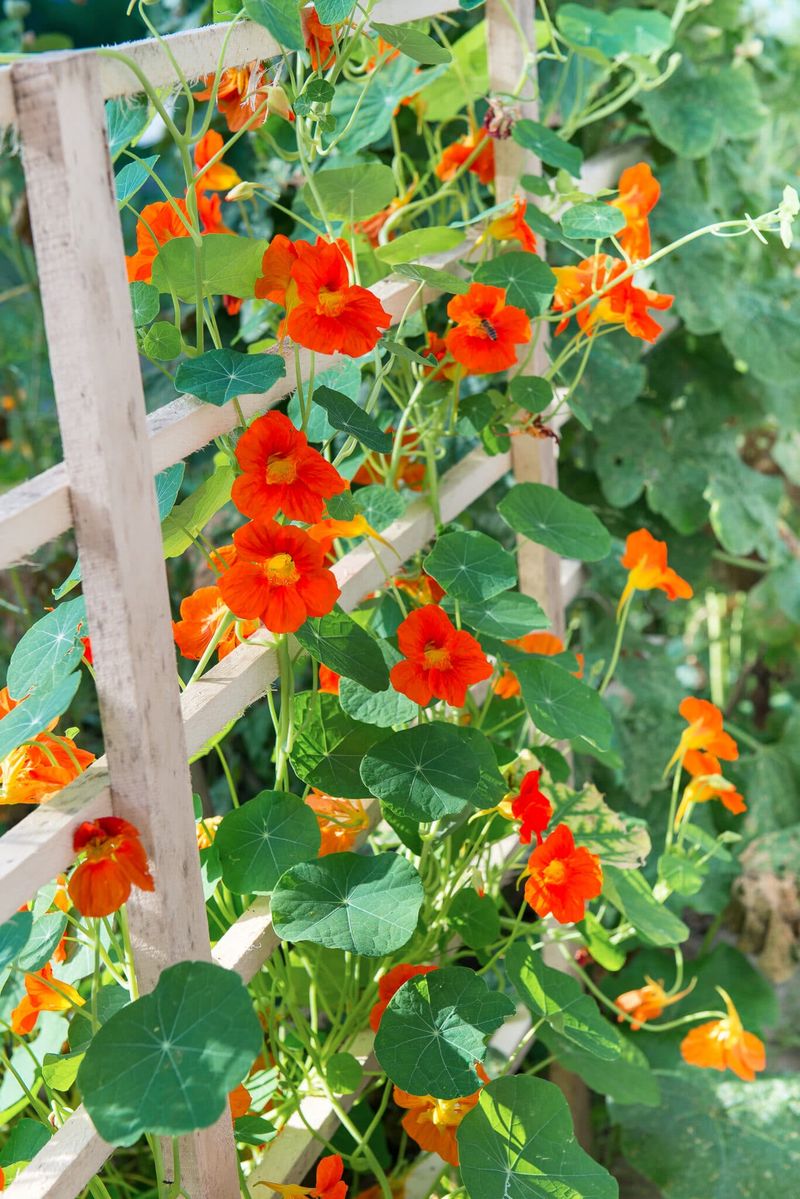
Imagine cucumbers sprawling across a trellis while nasturtiums bloom brightly below. Cucumbers benefit from nasturtium’s insect-repelling capabilities, creating a natural defense barrier. The nasturtium’s vibrant flowers add color and are edible, perfect for garnishing salads. This pairing maximizes vertical and horizontal space, making it ideal for compact gardens. In a quirky twist, nasturtiums attract pollinators, enhancing cucumber yield. Together, they provide a unique blend of beauty and practicality, offering a feast for both the eyes and palate.
Zucchini and Borage
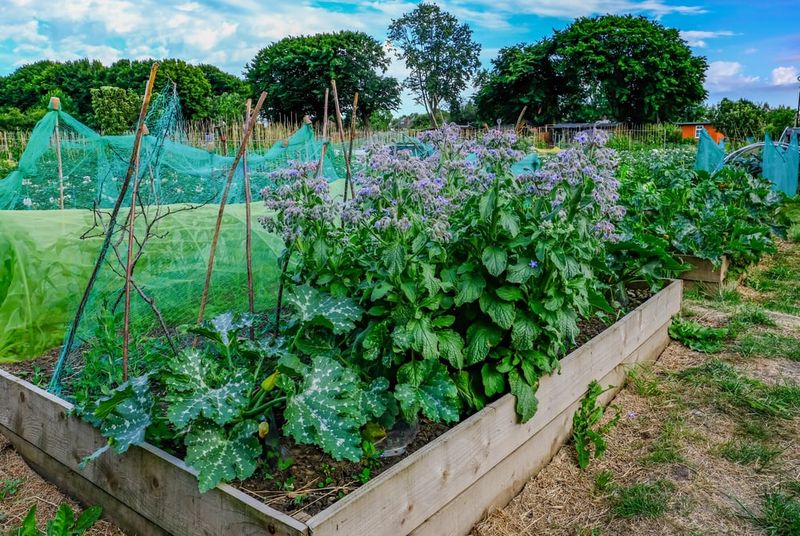
Picture a lush garden bed where zucchini plants spread their broad leaves, accompanied by borage’s star-shaped flowers. This partnership is a gardener’s delight. Borage attracts pollinators, boosting zucchini production, while also deterring pests. The borage flowers are edible, adding a cucumber-like flavor to dishes. Zucchini plants provide shade, creating a cooler microclimate that borage appreciates. This combination not only enhances productivity but also adds a splash of color, transforming a small garden into a vibrant, thriving oasis.
Spinach and Strawberries
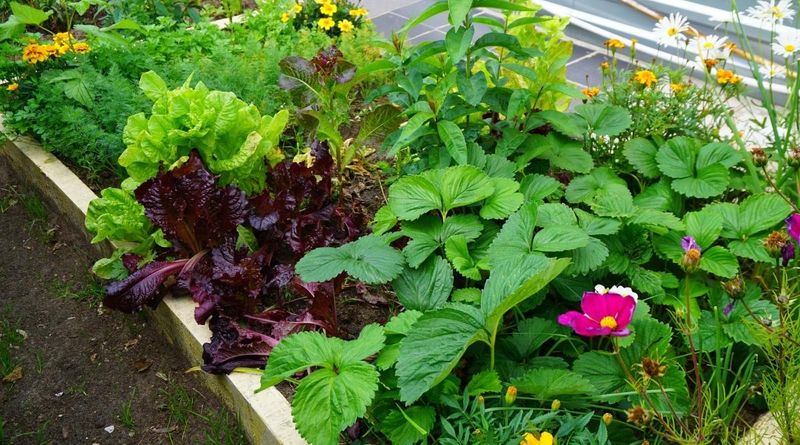
Combining spinach with strawberries might seem unusual, but their companionship is beneficial. Spinach provides ground cover, helping maintain soil moisture crucial for strawberries.
The strawberries, in return, attract pollinators, boosting spinach growth. Together, they create a visually appealing garden patch.
This pairing brings vibrant greens and reds, a delightful sight in any garden. Did you know? Spinach is known to deter certain pests that might otherwise feast on strawberries. This natural pest control is a bonus for organic gardeners.
Leeks and Celery
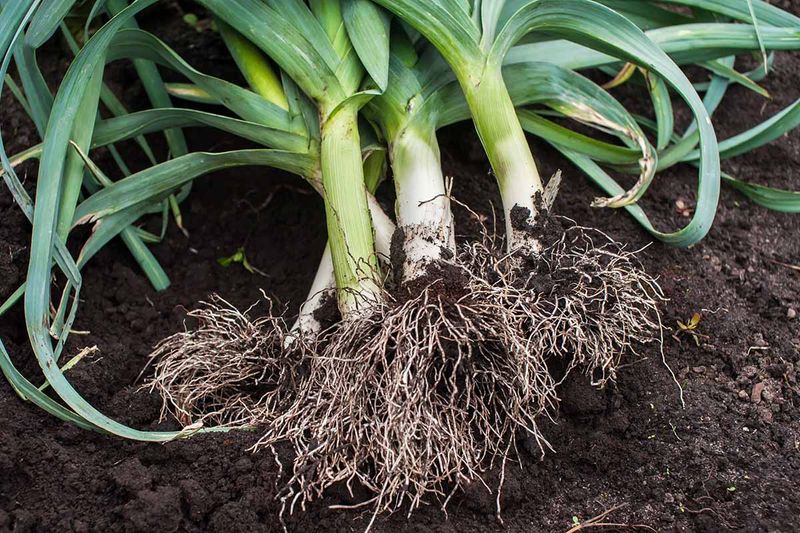
Leeks and celery, two unlikely partners, can thrive when grown together. Leeks with their tall stature provide shade protecting celery from excessive sun.
Celery, known for its aromatic quality, can ward off pests that typically target leeks. This symbiotic relationship enhances the productivity of both plants.
Both plants enjoy similar watering needs, making them easy to care for. Fun fact: Celery’s strong scent is often used in gardens to mask the smell of other plants, keeping unwanted insects at bay.
Corn and Pumpkins
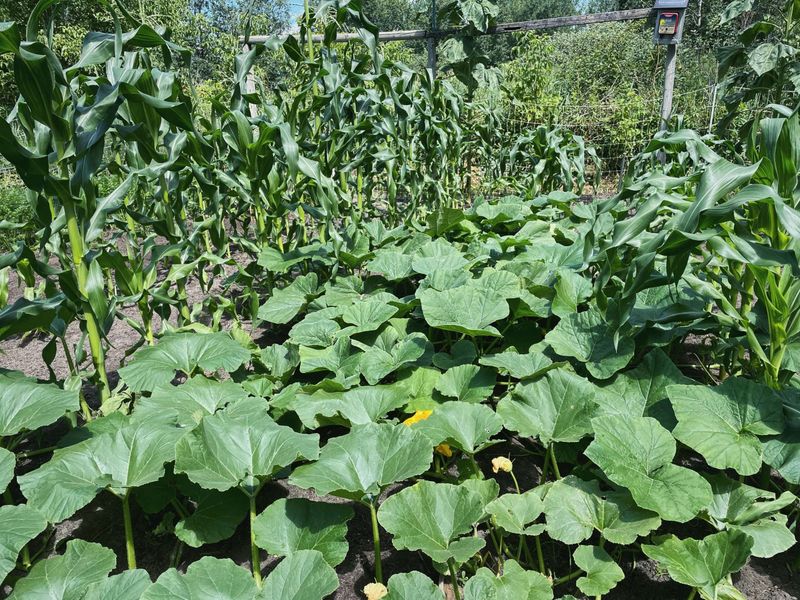
Historically known as part of the “Three Sisters” planting method, corn and pumpkins complement each other well. Corn provides a natural trellis for pumpkin vines to climb.
Pumpkins cover the ground, suppressing weeds and keeping the soil cool. This duo is efficient in small spaces.
Their combination supports soil health, reducing the need for additional fertilizers. A historical tidbit: Native Americans used this planting method to ensure bountiful harvests, demonstrating its effectiveness.
Kale and Chives
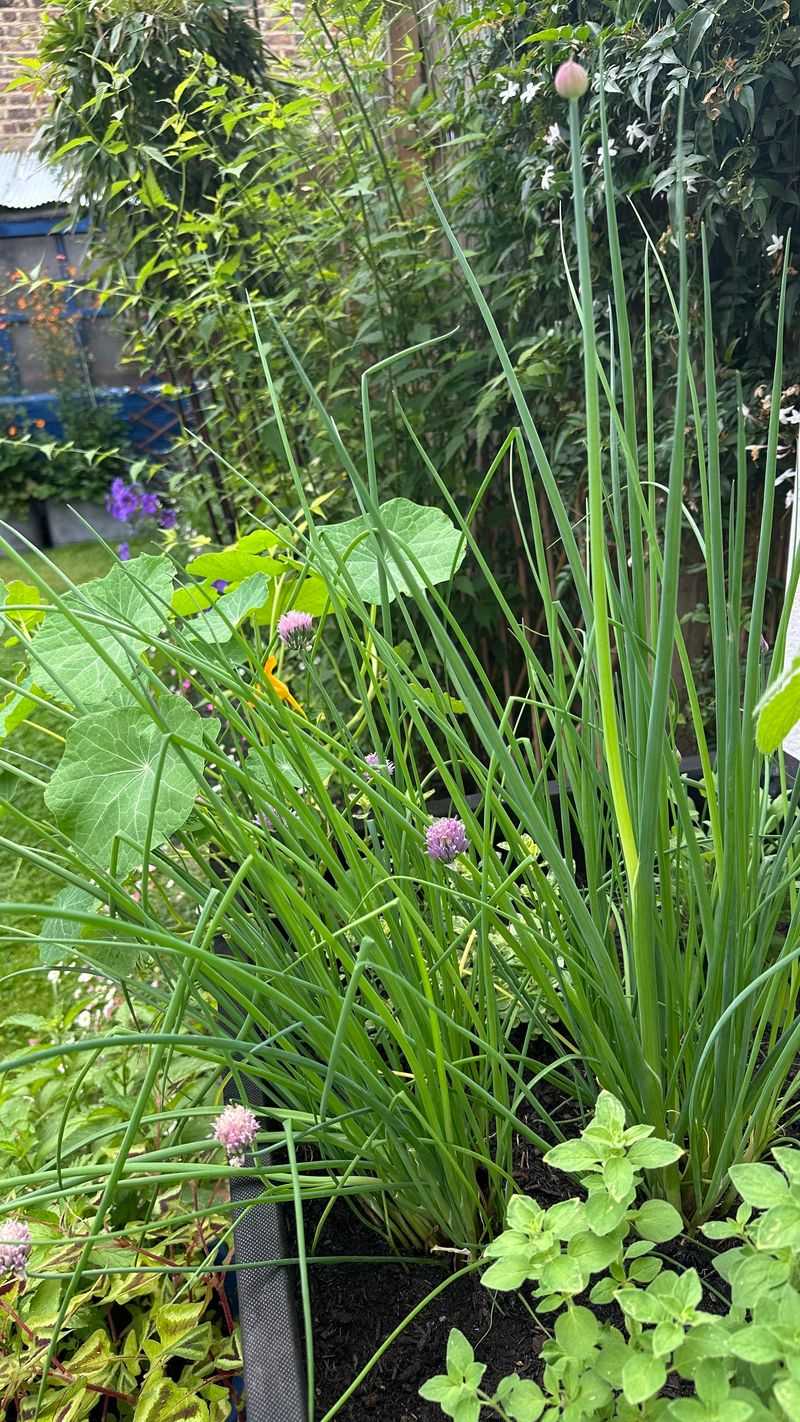
For a combination that’s both functional and flavorful, consider kale and chives. Kale’s broad leaves can protect chives from wind damage.
Chives, with their subtle onion-like aroma, deter pests that might target kale. This pairing offers a dynamic range of textures and colors in the garden.
Chives’ blossoms also attract beneficial insects, aiding in kale pollination. An interesting point: Chives have been used as a natural pest deterrent for centuries, making them a smart companion for many plants.
Peas and Radishes
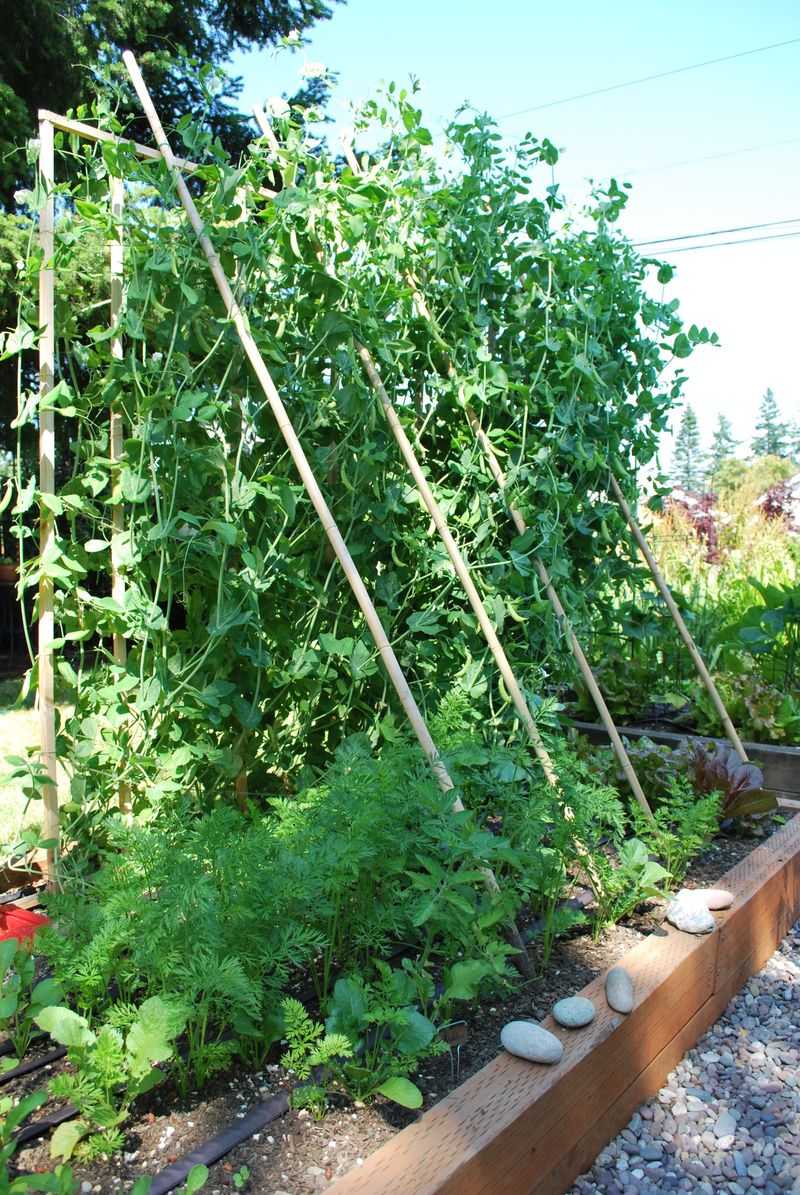
Peas and radishes make an efficient team in compact gardens. Peas utilize vertical space, leaving room for radishes to grow below.
Radishes’ quick growth cycle benefits from the nitrogen fixation provided by peas, resulting in healthier soil.
This combination maximizes harvests within the same growth season. Did you know? Radishes were once considered a staple food in ancient civilizations, prized for their quick and reliable growth.
Lettuce and Eggplant
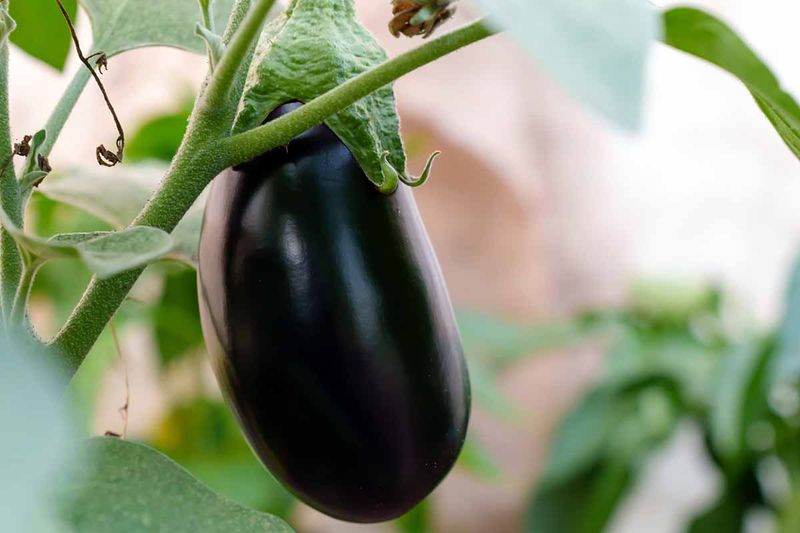
Lettuce and eggplant may not seem like an obvious pair, but they complement each other in the garden. Lettuce acts as a living mulch, preserving soil moisture for eggplants.
Eggplants provide partial shade, preventing lettuce from bolting quickly in warm weather. This creates a balanced garden environment.
Their contrasting leaf shapes add visual interest to garden beds. Fun fact: Eggplants belong to the nightshade family, which includes tomatoes and potatoes, known for their hardy nature.
Beans and Sunflowers
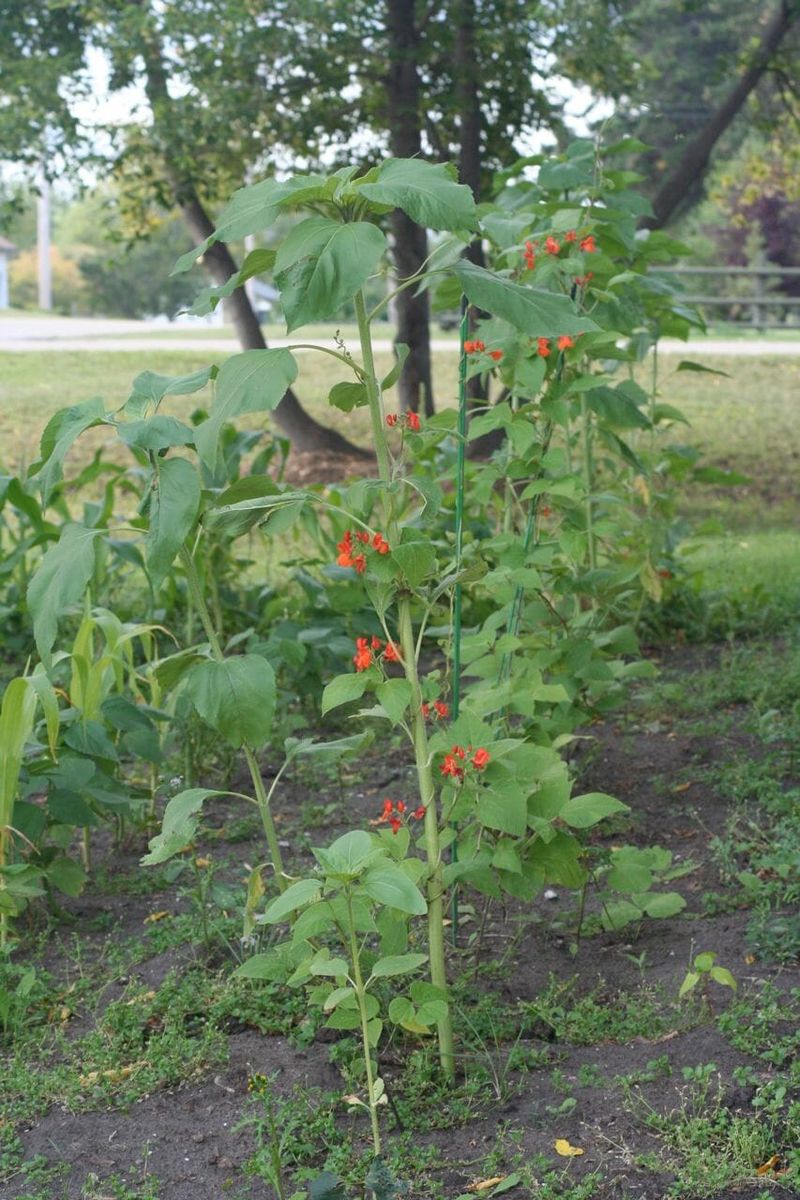
Beans and sunflowers make a striking pair in small gardens. Sunflowers act as natural supports for beans, allowing them to climb and reach sunlight.
Beans, in turn, enrich the soil with nitrogen, benefiting the sunflowers. This interdependence creates a sustainable growing environment.
Their vibrant flowers and lush greenery provide habitat for pollinators. Did you know? Sunflowers can grow several feet tall, making them excellent natural trellises for climbing plants like beans.
Brussels Sprouts and Thyme
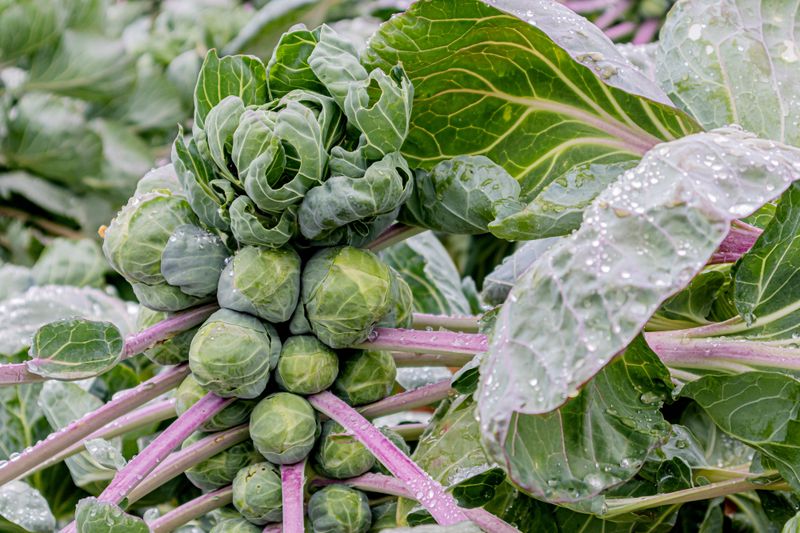
Brussels sprouts paired with thyme offer a practical and aromatic solution for gardens. Thyme’s fragrance repels insects that might target Brussels sprouts.
Brussels sprouts, with their robust growth, provide structural support for thyme, which spreads along the ground.
This combination ensures a healthy, pest-free garden environment. A quirky fact: Thyme has been used in traditional medicine for its antiseptic properties, adding another layer of benefit to its garden presence.
Onions and Beets
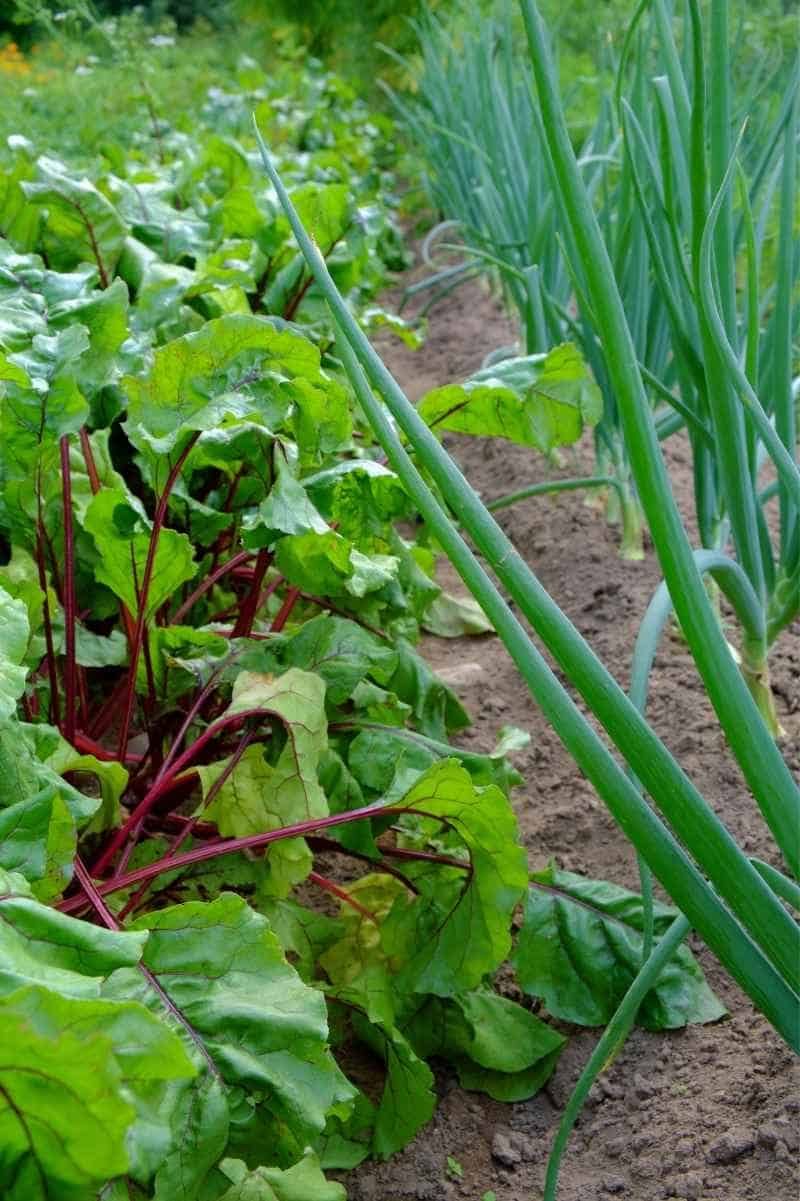
Onions and beets are a harmonious duo, thriving side by side. Onions’ pungent aroma deters pests that might otherwise attack beet leaves.
Beets contribute to soil health, loosening the soil for better root growth, benefiting onions. Together, they form a resilient garden setup.
Their complementary colors add an artistic touch to any garden patch. An intriguing tidbit: Onions have been cultivated for over 5,000 years, valued for their culinary and medicinal uses.
Broccoli and Dill
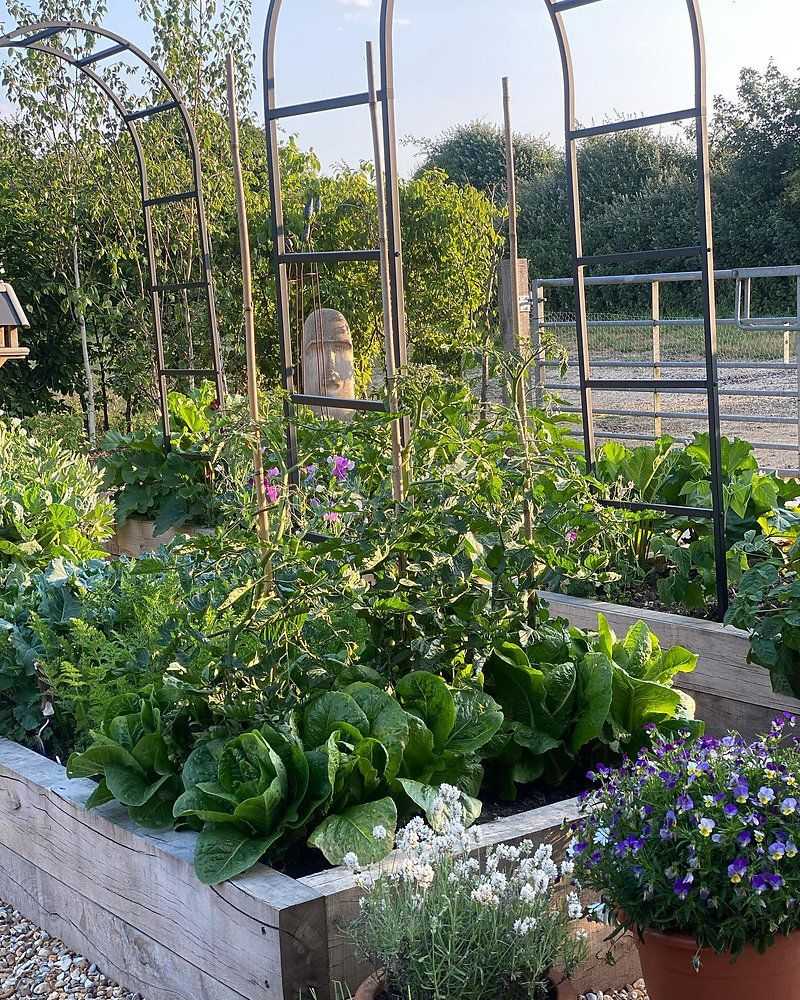
Broccoli and dill create a dynamic partnership in small gardens. Dill attracts beneficial insects that prey on broccoli pests.
Broccoli provides a sturdy growing environment for dill, which loves full sun exposure. This pairing enhances both growth and pest resistance.
Their textures and heights add a layered look to garden landscapes. Fun fact: Dill has been appreciated for its culinary uses, adding flavor to dishes while also supporting plant health.
Parsnips and Parsley
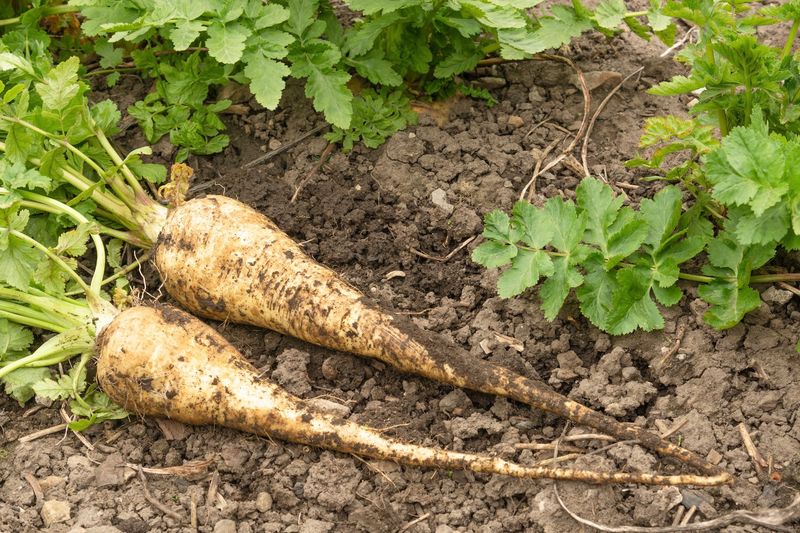
Parsnips and parsley, though sharing a name prefix, offer distinct benefits to each other. Parsnips improve soil structure, aiding parsley root development.
Parsley’s aromatic leaves deter pests, protecting parsnips. This combination ensures vigorous growth in limited space.
Their shared lineage adds a cohesive look to garden beds. A fun fact: Parsley, often used as a garnish, is packed with nutrients, making it more than just a decorative plant.
Artichokes and Fennel
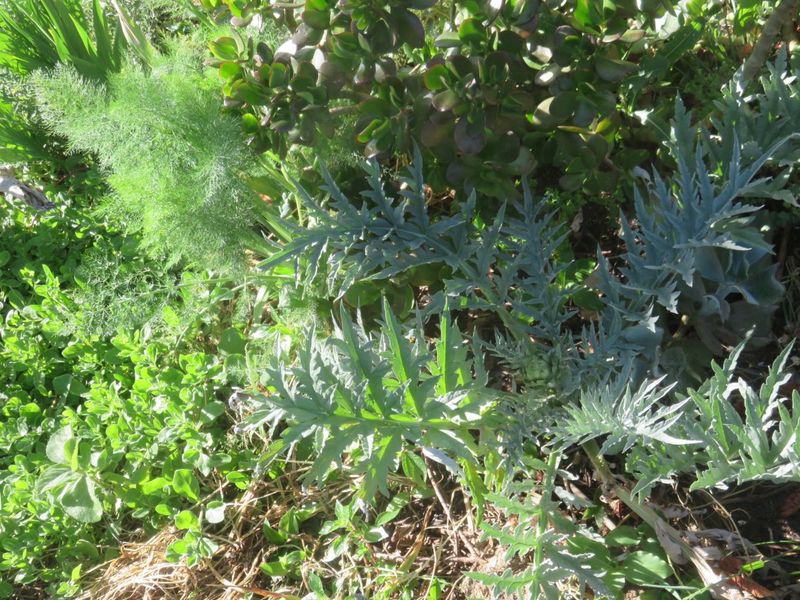
Artichokes and fennel, both Mediterranean plants, thrive when grown together. Artichokes offer shade, helping fennel retain moisture.
Fennel, in turn, attracts beneficial insects that improve artichoke health. This symbiosis enhances garden productivity and visual appeal.
Their unique foliage adds diversity to garden aesthetics. Did you know? Fennel has been used historically for its medicinal properties, believed to improve digestion and reduce inflammation.
Radicchio and Endive
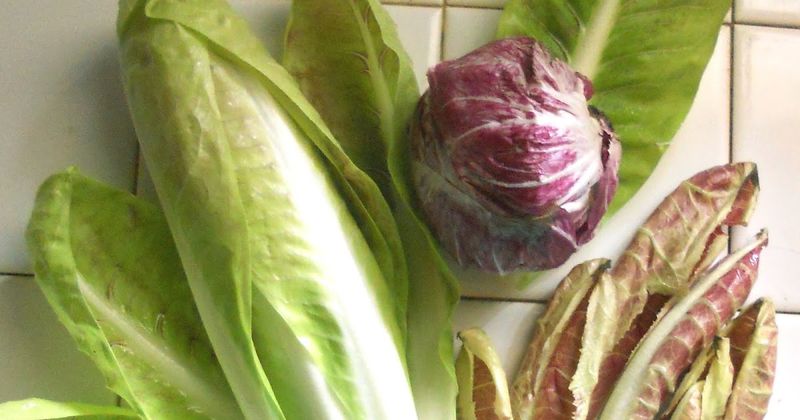
Radicchio and endive bring a touch of Italy to small gardens. Both thrive in similar conditions, making them perfect companions.
Radicchio’s bold colors contrast beautifully with endive’s curly leaves, creating a visually pleasing garden patch.
This duo is known for its ease of growth and maintenance. An interesting note: Both vegetables are popular in Italian cuisine, valued for their unique flavors and complementary textures.
Turnips and Sage
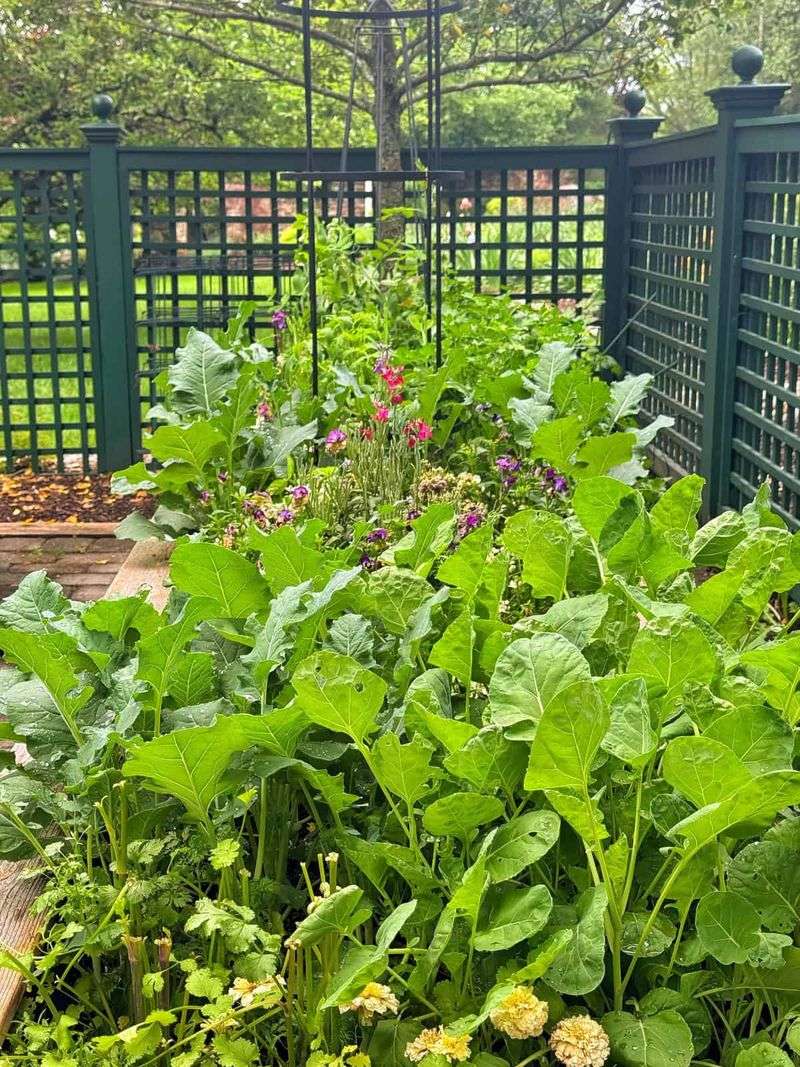
Turnips and sage, though unexpected, work harmoniously in gardens. Sage’s aromatic properties keep pests away from turnips.
Turnips, with their deep root systems, aerate the soil, benefiting sage growth. This pairing maximizes garden health and productivity.
Their contrasting forms create an attractive and functional garden bed. Fun fact: Sage has been used in traditional rituals for its purifying qualities, adding a mystical element to the garden.
Swiss Chard and Marigolds
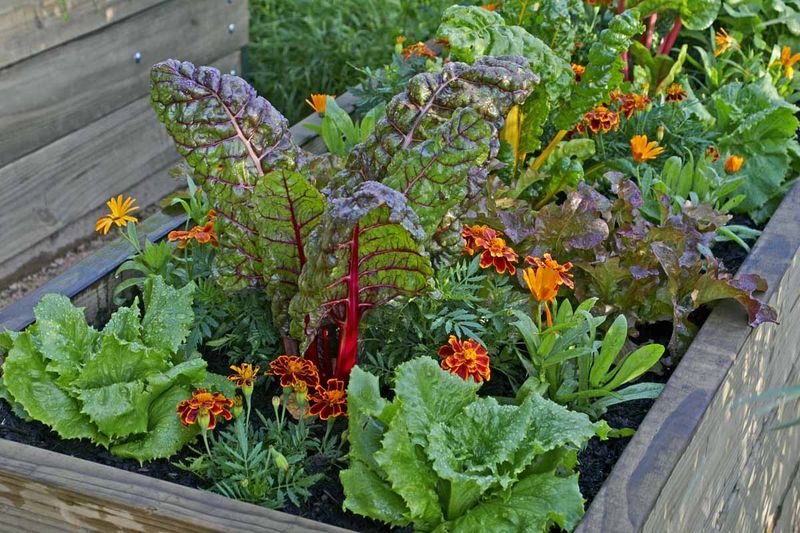
Swiss chard and marigolds form a colorful and practical pairing. Marigolds’ flowers attract pollinators, aiding Swiss chard growth.
Swiss chard provides a sturdy backdrop, accentuating marigold’s vibrant blooms. Together, they create a garden full of life and color.
This combination also deters harmful insects, protecting both plants. Did you know? Marigolds are often used in companion planting for their ability to repel nematodes, tiny pests that damage roots.