 Complete Gardening
Gardening enthusiasts often turn to mulch for its numerous benefits, including moisture retention, soil insulation, and weed control. However, not all mulches are created equal. Some prove to be less effective in suppressing weeds, leaving gardeners frustrated and gardens overrun. This article explores 28 mulches deemed least effective by experts, along with recommended alternatives that can truly keep those pesky weeds at bay.
1. Grass Clippings
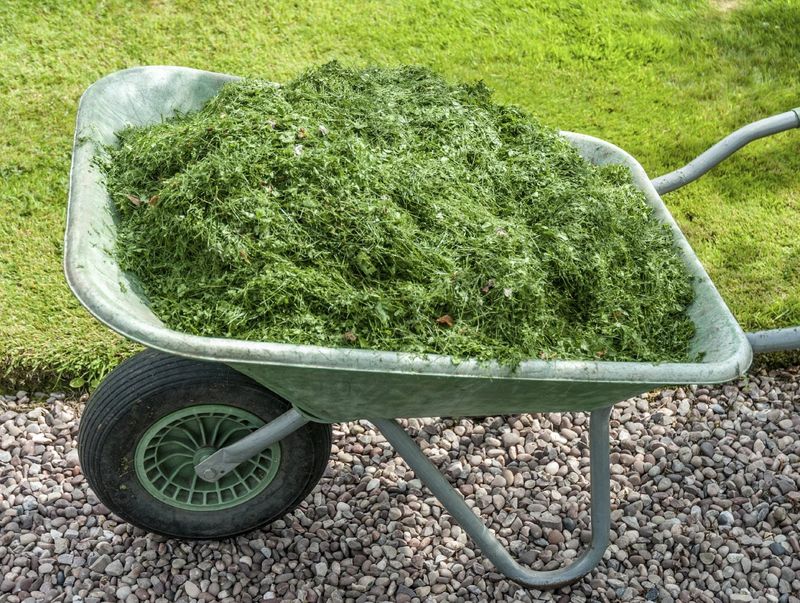
Fresh grass clippings might seem like a green solution, but they often fall short in weed control. Their tendency to mat down can create an inviting environment for weeds. Additionally, the decomposition process generates heat, which may not always benefit your plants.
Instead of relying solely on grass clippings, consider mixing them with leaves or using them as part of a compost blend. This combination can offer better results.
For those keen on natural solutions, experimenting with organic mulches like straw or bark might provide the weed suppression desired.
2. Pine Needles
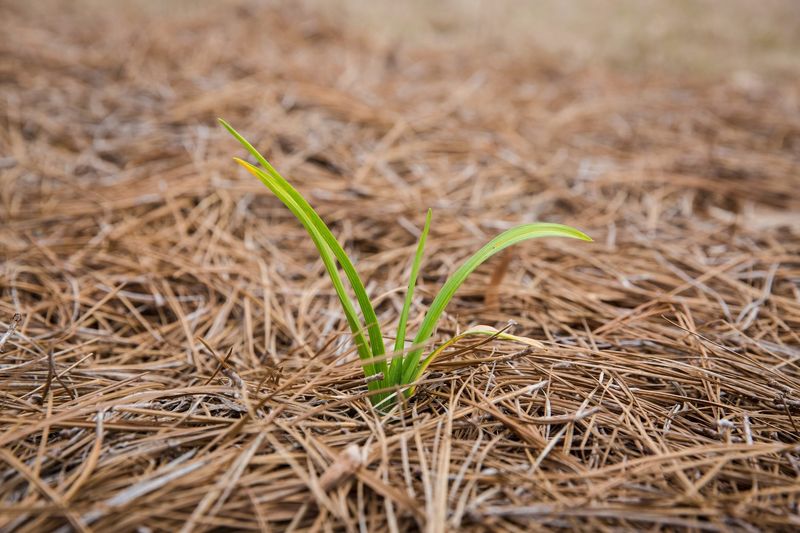
Pine needles give a quaint, woodland charm but often fail to combat weeds effectively. Their lightweight nature means they don’t form a dense barrier, allowing sunlight to reach the soil and encourage weed growth.
To improve their efficacy, mix pine needles with heavier organic materials. This adds weight and helps block sunlight. Alternatively, using them in tandem with a weed fabric can enhance their performance.
Consider experimenting with other mulches like wood chips for better weed suppression while maintaining that natural look.
3. Sawdust

Sawdust is often considered an inexpensive mulch, yet it tends to underperform in weed control. Its fine particles compact easily, preventing water from reaching plant roots and fostering an environment where weeds can thrive.
To mitigate these issues, blend sawdust with bulkier materials like straw. This can improve aeration and water permeability. Alternatively, using sawdust as a compost ingredient rather than direct mulch may yield better results.
For improved weed management, consider tried-and-true options like bark mulch or wood chips.
4. Hay
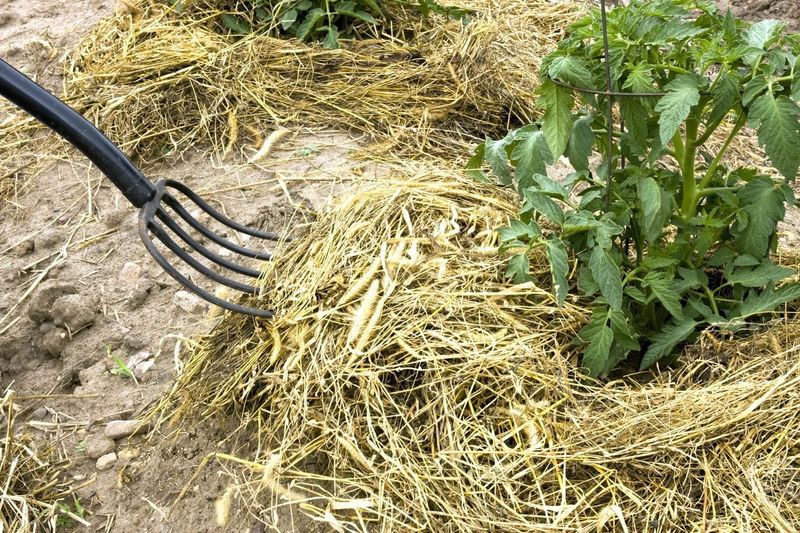
Hay is often used for mulch due to its availability and affordability. However, it frequently contains weed seeds that sprout once the hay is spread, undermining its purpose.
A more effective strategy involves using seed-free straw, which offers similar benefits without the unintended weed growth. Additionally, consider pre-treating hay by composting it to kill off any seeds.
Exploring alternatives like shredded bark or wood chips can provide superior weed suppression without the seed-related challenges of hay.
5. Cocoa Shells
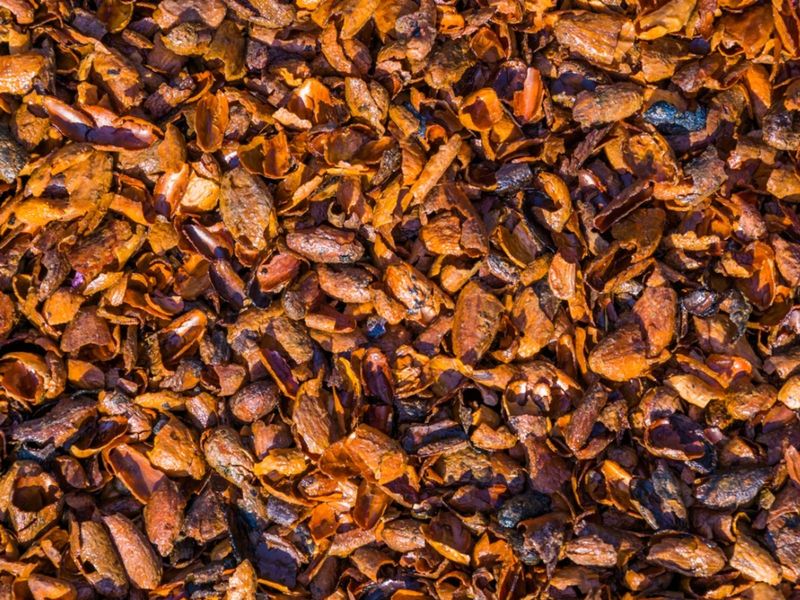
Cocoa shells bring a delightful aroma to the garden but may not be the best choice for weed control. These light shells can easily be moved by wind or rain, exposing the soil beneath to sunlight.
To enhance their weed-suppressing ability, consider combining cocoa shells with a heavier mulch layer or using them as a top dressing over more robust materials.
Explore using bark mulch instead, as its weight and structure provide more reliable weed control while maintaining aesthetic appeal.
6. Shredded Leaves
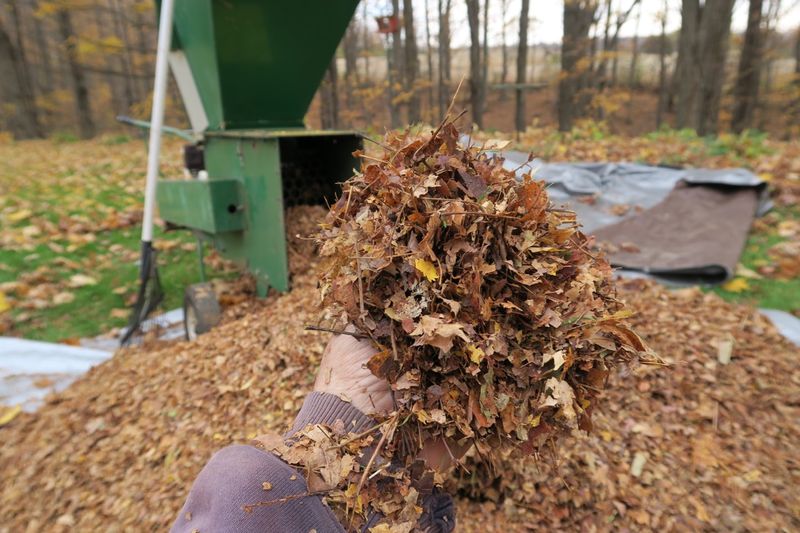
Using shredded leaves appeals to eco-conscious gardeners, but this mulch type often falls short in controlling weeds. Their tendency to compact and blow away reduces their effectiveness in blocking sunlight.
Mixing shredded leaves with sturdier materials like wood chips can improve their weed-blocking potential. Additionally, layering leaves with a heavier mulch can help keep them in place.
For a more robust solution, consider using bark mulch or straw, both of which provide better weed suppression while still supporting sustainable gardening practices.
7. Peat Moss
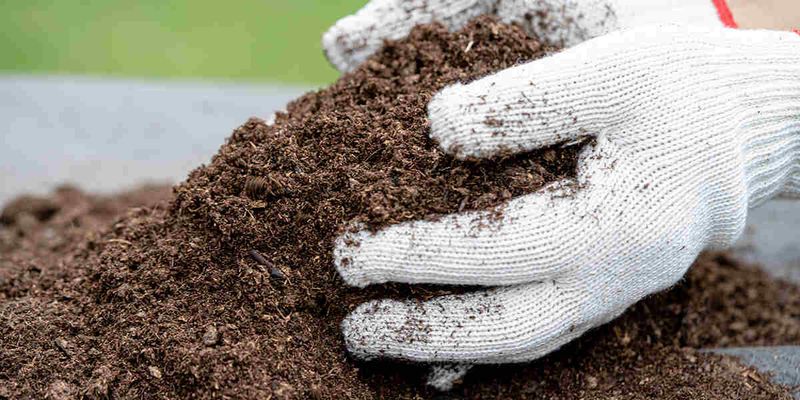
Peat moss is favored for its moisture retention, yet it struggles to act as an effective weed barrier. Its lightweight nature and tendency to dry out quickly allow weeds to push through easily.
To enhance its capabilities, peat moss can be mixed with more substantial mulches like straw or bark. This combination offers a denser cover that impedes weed growth.
Exploring alternatives such as wood chips or bark mulch can provide more reliable weed control while maintaining moisture retention benefits.
8. Compost
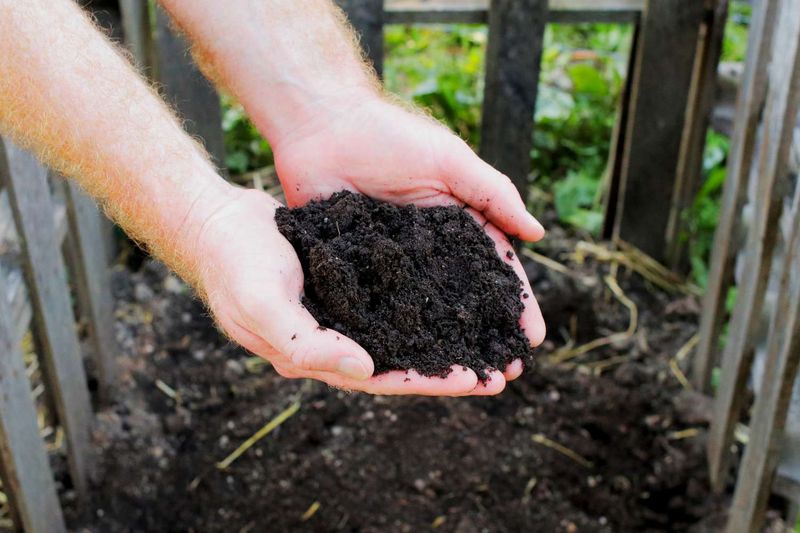
Compost enriches soil but often lacks in suppressing weeds effectively. Its nutrient-rich composition can inadvertently fuel weed growth if not managed carefully.
For better results, combine compost with a layer of coarser mulch such as wood chips or straw. This approach helps block light and prevent weed seeds from sprouting.
Alternatively, using compost as a soil amendment rather than a primary mulch can provide nutrients without encouraging weeds. Pair it with a more robust mulch for optimal weed control.
9. Straw
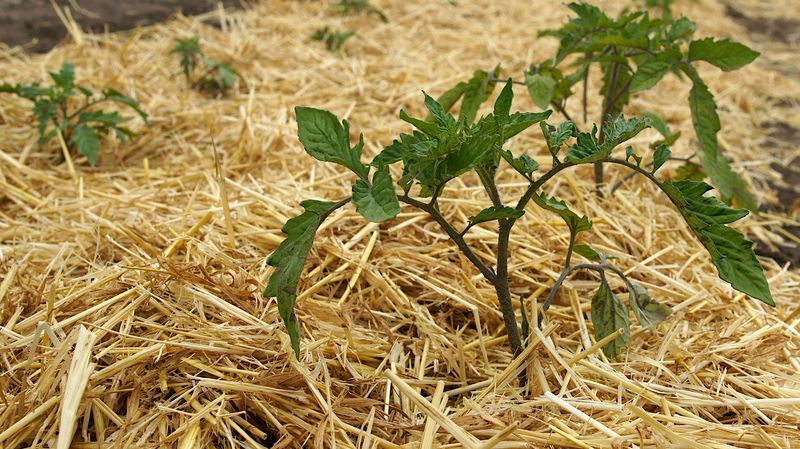
Straw is popular for its simplicity and affordability, but it often harbors weed seeds that sprout once spread. This can make it counterproductive for gardeners seeking weed control.
Consider using seed-free alternatives like shredded bark or pre-treated straw to eliminate the risk of weed growth. These options provide similar benefits without the unwanted seeds.
For enhanced protection, pair straw with a weed barrier beneath to thwart persistent weeds while retaining moisture and soil insulation.
10. Cardboard
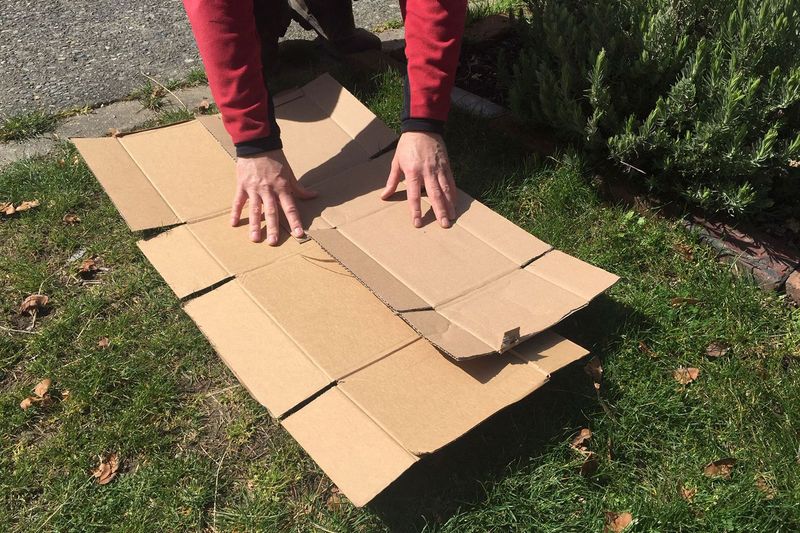
Cardboard is often lauded for its eco-friendly appeal, yet it may not always deliver in weed control. Over time, it breaks down, creating gaps for weeds to push through.
To improve its effectiveness, pair cardboard with a layer of heavier mulch such as wood chips or bark. This combination helps seal gaps and block sunlight.
For those seeking more enduring solutions, consider using landscape fabric or woven weed barriers, which provide better long-term weed suppression.
11. Plastic Sheets
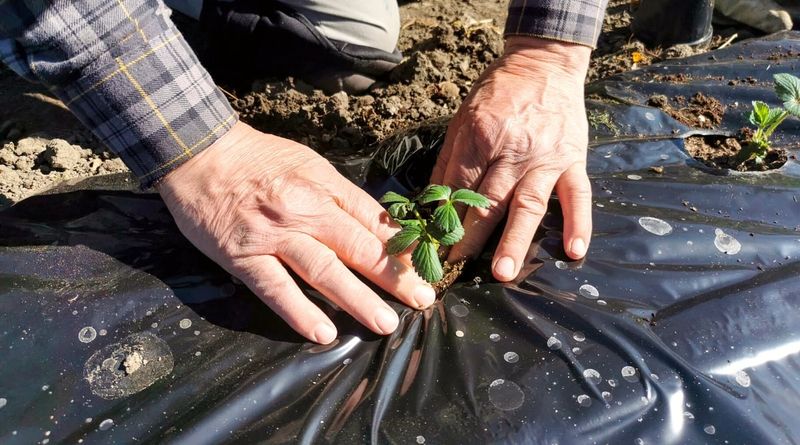
Plastic sheets promise weed control but often fall short in practice. They can trap heat and moisture, creating an environment conducive to weed growth near tears and edges.
Consider using breathable landscape fabric instead. This alternative allows water and air to reach the soil while effectively blocking weeds.
For a more natural approach, pair plastic sheets with organic mulches like straw or bark, offering enhanced aesthetics and better overall garden health.
12. Fabric Weed Barriers
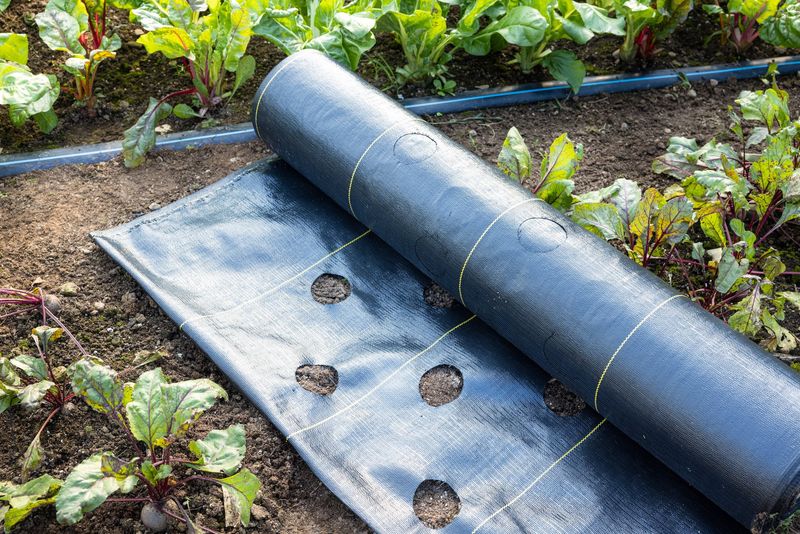
Fabric weed barriers are a popular choice but can disappoint when not installed properly. Weeds may exploit gaps or tears, pushing through the fabric over time.
To mitigate this, ensure a snug fit and pair the fabric with a thick layer of organic mulch. This combination reduces sunlight exposure and improves resilience.
For better results, consider using thicker, woven fabrics or exploring alternatives like densely packed wood chips, providing enhanced weed suppression and garden aesthetics.
13. Rubber Mulch

Rubber mulch, often used in playgrounds, is not the ideal choice for gardens. Its durability and weight can lead to compaction, hindering water penetration and encouraging weeds at the edges.
Instead, opt for organic alternatives like bark or wood chips. These mulches support healthier soil conditions and offer more reliable weed control.
For those who appreciate rubber mulch’s longevity, pairing it with a robust weed barrier underneath can mitigate some issues, though organic options remain superior for gardens.
14. Crushed Gravel
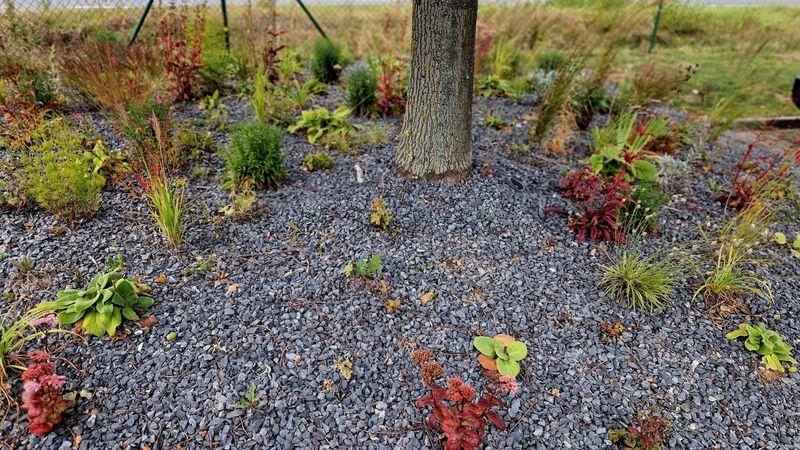
Crushed gravel adds texture to pathways but often fails in suppressing weeds in garden beds. Its loose nature leaves gaps for weeds to sprout and sunlight to penetrate.
Consider using a landscape fabric beneath the gravel to enhance its weed-blocking ability. This combination can reduce weed growth while maintaining the desired aesthetic.
For more effective weed control, explore alternatives like densely packed organic mulches, which provide a more consistent barrier against weeds.
15. Newspaper
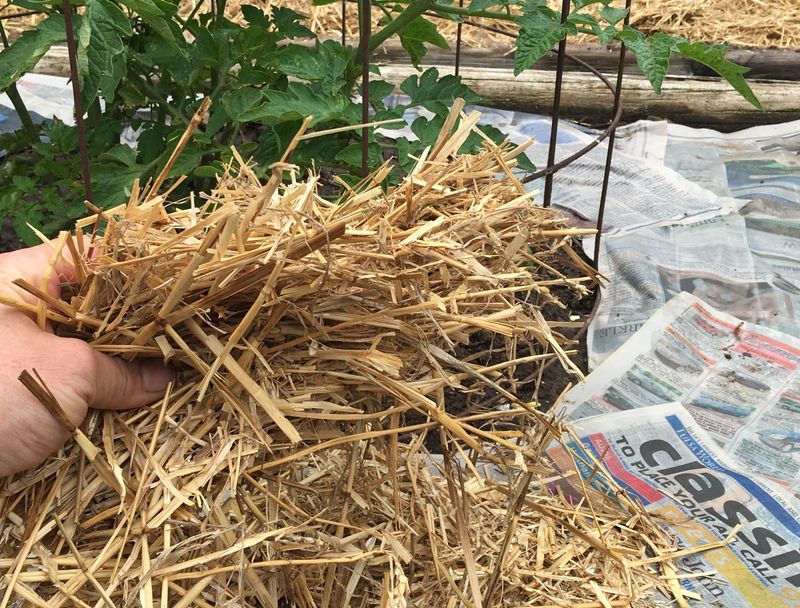
Newspaper mulch is a cost-effective and eco-friendly option, but it can struggle with weed control. Over time, it breaks down, allowing light and weeds to penetrate.
To enhance its effectiveness, couple newspaper with a thicker layer of organic mulch such as straw or bark. This combination offers a more durable barrier.
For those seeking a sustainable approach, consider using cardboard or fabric weed barriers, which provide enhanced weed suppression while maintaining environmental benefits.
16. Grass Hay
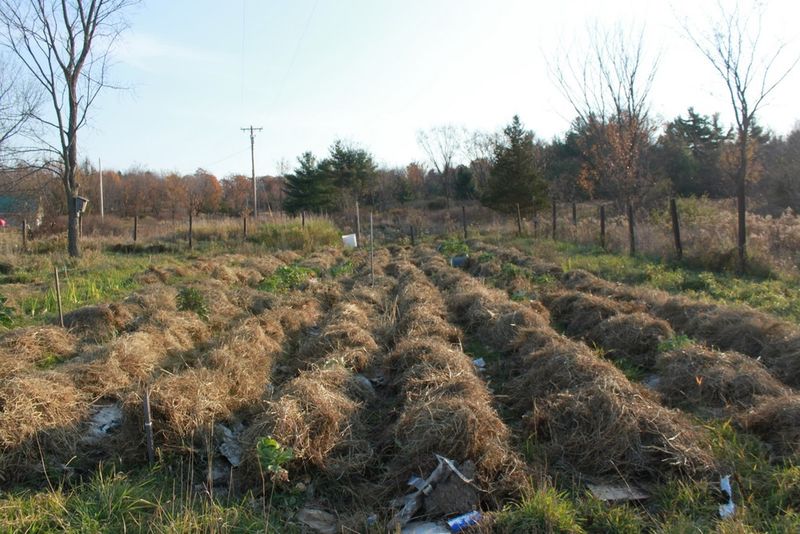
Grass hay is an affordable mulch but often contains weed seeds that germinate once spread, counteracting its intended purpose.
For better weed control, switch to seed-free alternatives like shredded bark or wood chips. These options offer similar benefits without the risk of unwanted weed growth.
Pre-treating grass hay by composting can also help eliminate seeds, making it a more viable option for those dedicated to using hay-based mulches.
17. Wood Shavings
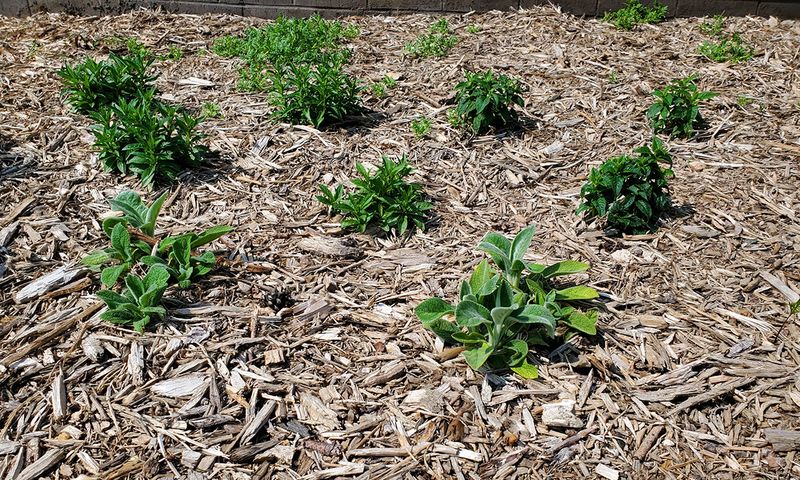
Wood shavings are frequently used for their aesthetic appeal, yet they often fall short in controlling weeds. Their lightweight nature can lead to quick decomposition and exposure of the soil.
To improve efficacy, combine wood shavings with a heavier mulch layer or use them in small, confined areas. This approach helps block sunlight and deter weeds.
For more reliable options, explore using bark mulch or wood chips, both known for their effective weed suppression and visual appeal.
18. River Rocks
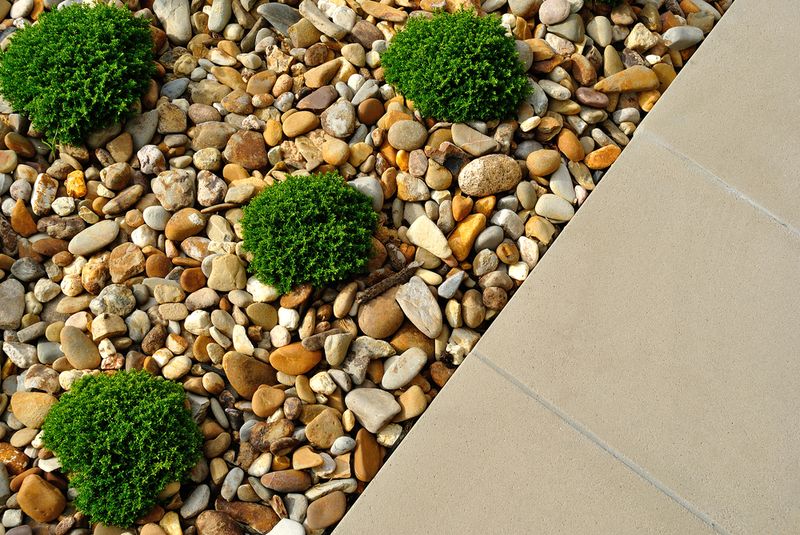
River rocks add a decorative touch to gardens but often fail to suppress weeds effectively. Their gaps provide ample space for weeds to take root and flourish.
Consider using a landscape fabric underneath to bolster weed control. This pairing can offer a more robust barrier while maintaining the aesthetic appeal of river rocks.
For those seeking more natural solutions, try using dense organic mulches, which provide a more consistent weed barrier and enhance soil health.
19. Bark Nuggets
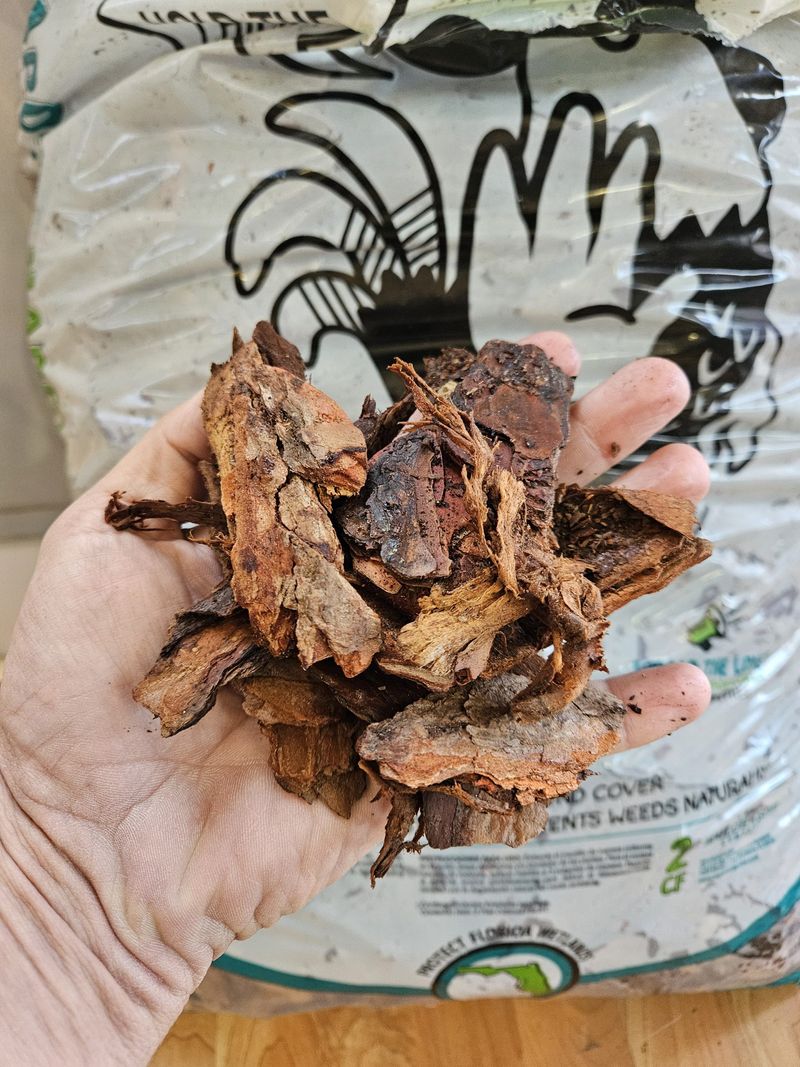
Bark nuggets offer a visually appealing mulch option, yet their size can create spaces that allow weeds to grow. Additionally, they decompose slowly, providing limited nutrient benefits.
To enhance their weed-blocking potential, pair bark nuggets with a layer of finer organic mulch. This combination reduces gaps and improves overall garden aesthetics.
Exploring alternatives like shredded bark or wood chips can provide a more uniform coverage and better weed suppression while maintaining visual appeal.
20. Eucalyptus Mulch
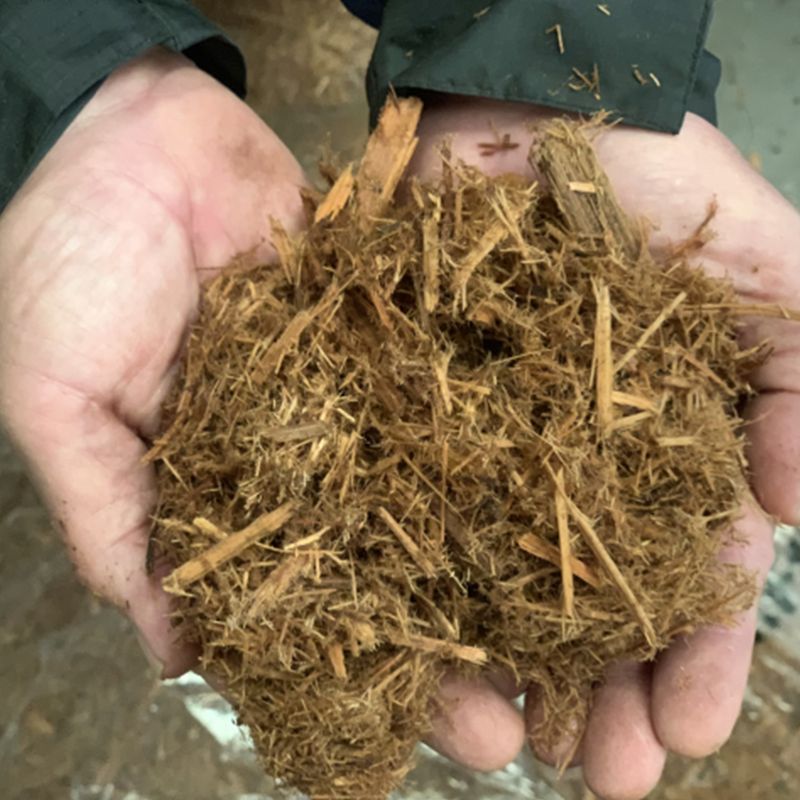
Eucalyptus mulch emits a pleasant aroma but often fails in weed suppression. Its coarse texture can leave gaps that allow weeds to thrive.
Enhance its weed-blocking ability by mixing eucalyptus mulch with denser materials like wood chips. This combination provides a more effective barrier against sunlight.
For those seeking aromatic mulches, consider using cedar mulch, known for its pest-repelling properties and superior weed suppression without sacrificing scent.
21. Cedar Shavings
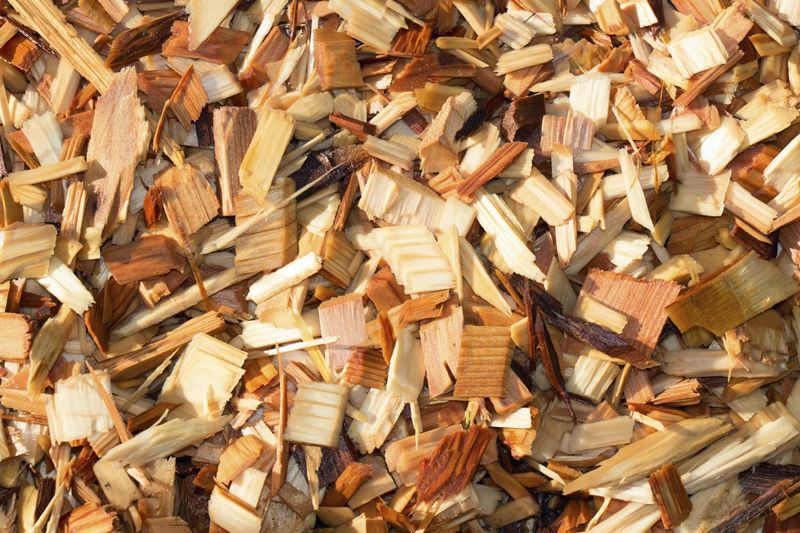
Cedar shavings are known for their pleasant aroma and pest-repelling properties but often fall short in weed control. Their loose structure allows gaps where weeds can flourish.
To improve cedar shavings’ performance, combine them with a more compact mulch layer. This can help seal gaps and block sunlight.
For enhanced weed suppression, explore using cedar bark mulch, which offers a more consistent coverage and retains the aromatic benefits cedar provides.
22. Nut Shell Mulch
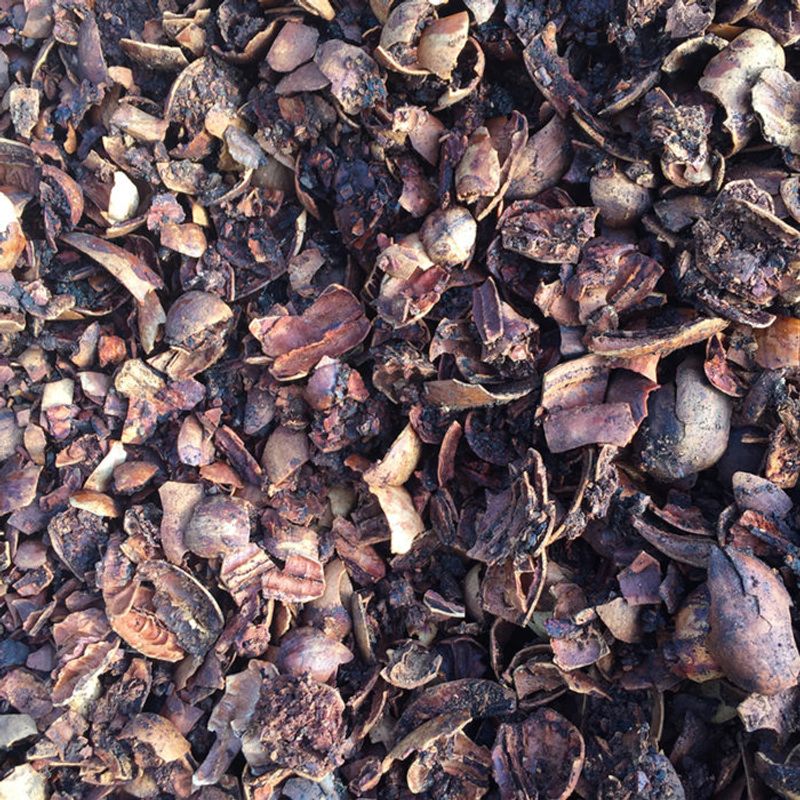
Nut shell mulch adds a unique texture to gardens but often struggles to suppress weeds effectively. Its irregular shapes create spaces where weeds can thrive.
Consider pairing nut shell mulch with a dense layer of organic mulch to fill gaps and block sunlight. This approach enhances its weed-blocking potential.
For those intrigued by nut-based mulches, explore using pecan shell mulch, which offers a more uniform coverage and improved weed suppression while maintaining a distinct appearance.
23. Grass Mat
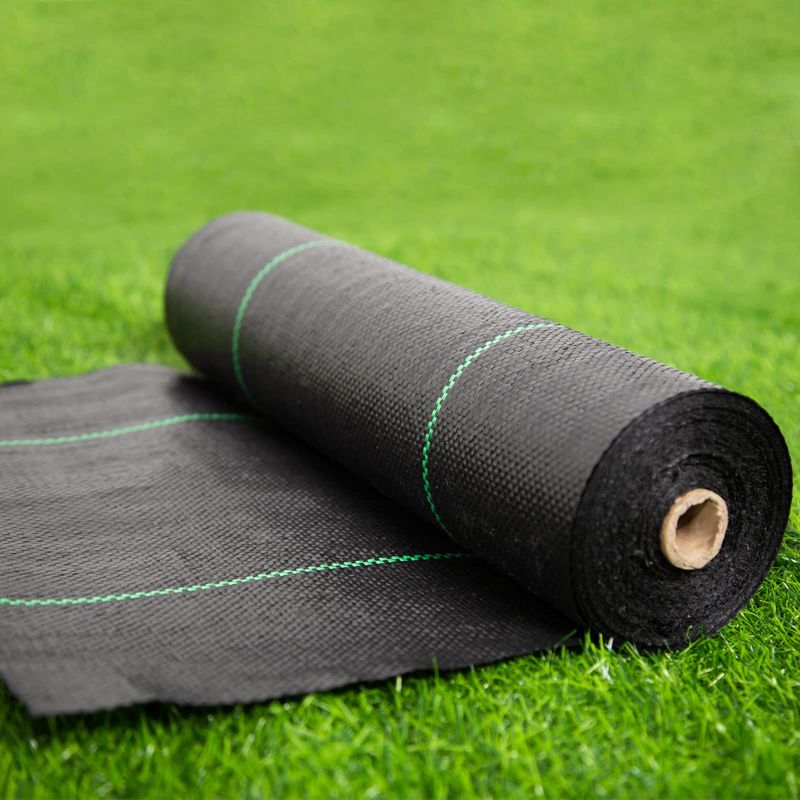
Grass mats provide a green solution but often fail in weed control. Over time, seams can separate, allowing weeds to push through and thrive.
To enhance their effectiveness, use grass mats in combination with a robust weed barrier beneath. This pairing helps seal gaps and deter weeds.
For more durable solutions, consider using woven weed barriers or organic mulches like straw or bark, which offer superior weed suppression while supporting healthy soil conditions.
24. Leaf Litter

Leaf litter creates a natural look but often underperforms in controlling weeds. As leaves decompose, they can compact and allow light to reach the soil.
To bolster its effectiveness, pair leaf litter with a heavier mulch layer that maintains coverage and blocks sunlight from reaching weed seeds.
For those seeking natural aesthetics, explore using shredded bark or wood chips instead, providing better weed control while preserving that rustic charm.
25. Wool Mulch
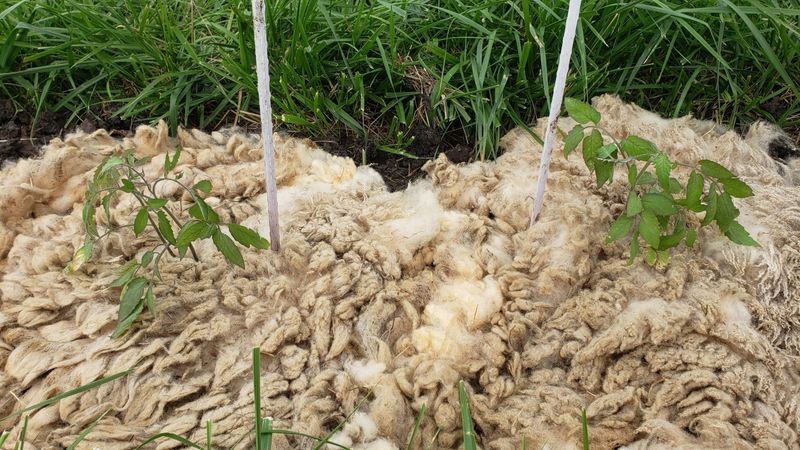
Wool mulch offers a sustainable option, yet its fibrous texture can leave spaces where weeds can thrive. Despite its insulation properties, it doesn’t always suppress weed growth effectively.
Improve its weed-blocking ability by combining wool mulch with a denser organic layer, such as wood chips or straw. This provides better coverage and sunlight blockage.
For a more robust solution, consider using organic mulches like bark or shredded wood, known for their superior weed suppression and environmental benefits.
26. Decorative Stones
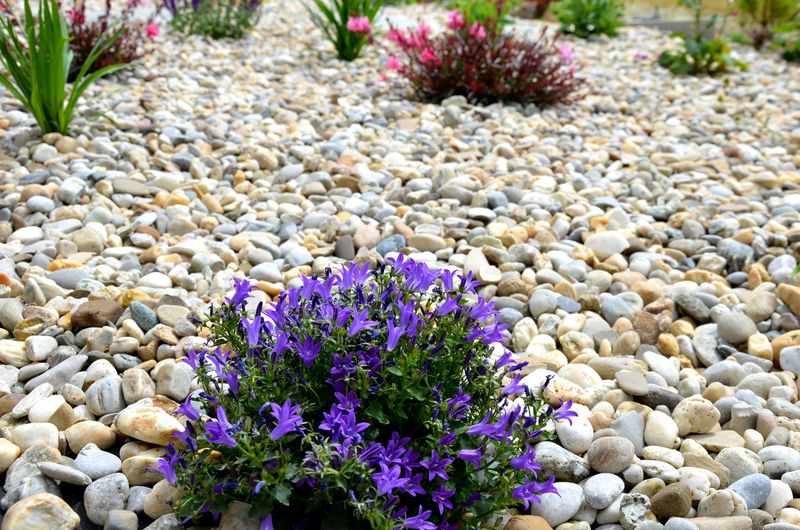
Decorative stones, while aesthetically pleasing, offer minimal weed control. They do not form a compact layer, allowing weeds to thrive in gaps. The stones’ heavy nature may also compact soil underneath, restricting plant growth. Decorative stones are best used in areas with minimal planting or as a design feature rather than a functional mulch. Consider bark chips or coconut coir as alternatives for better weed suppression.
Did you know? Decorative stones can increase soil temperature, leading to potential moisture loss. Thus, they serve better as an accessory rather than primary mulch.
27. Grass Clippings Mixed with Seeds
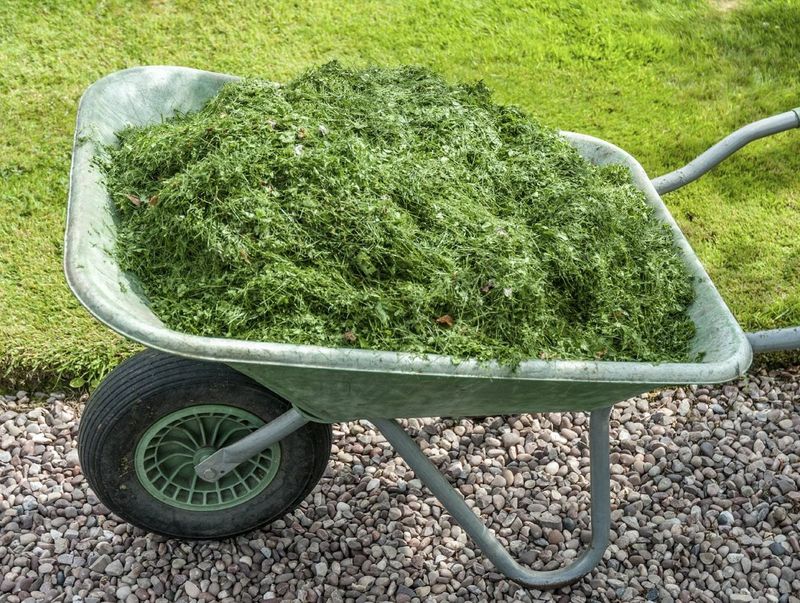
Using grass clippings mixed with seeds can inadvertently foster weed growth. As the clippings decompose, they release nutrients that can fuel both plant and weed growth alike. Additionally, if the clippings contain weed seeds, they may germinate, exacerbating the issue. Opt for seed-free grass clippings or aged compost to enhance weed control.
Fun fact: Fresh grass clippings generate heat as they break down, which can be beneficial in compost heaps but less so directly on soil where seed germination is a concern.
28. Untreated Wood Chips
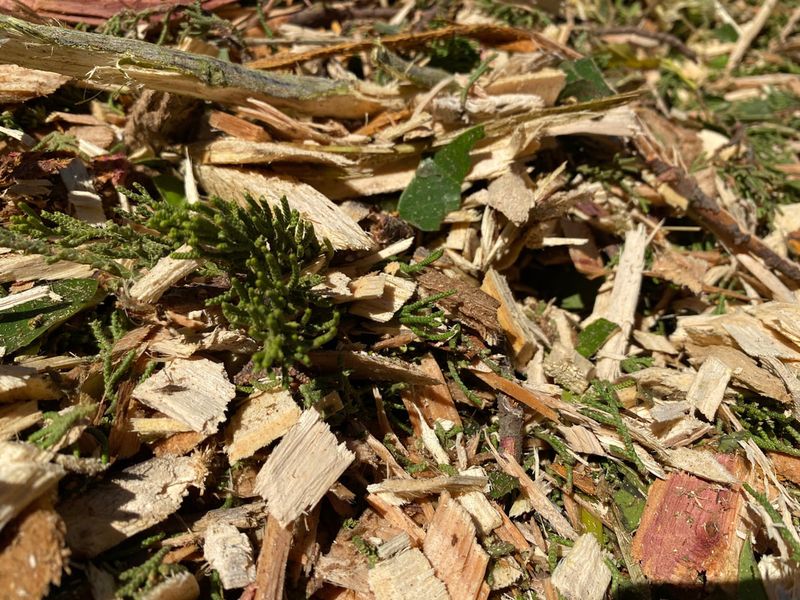
Untreated wood chips might eventually break down to enrich soil, but they provide little immediate weed control. Due to their irregular shape, they don’t compact well, allowing weeds to sprout through gaps. Untreated chips may also attract pests that serve more harm than good. Instead, try using dyed bark or straw mulch for a more effective barrier against weeds.
Interesting tidbit: Untreated wood chips can temporarily deplete soil nitrogen levels as they decompose, affecting plant health negatively in the short run.