
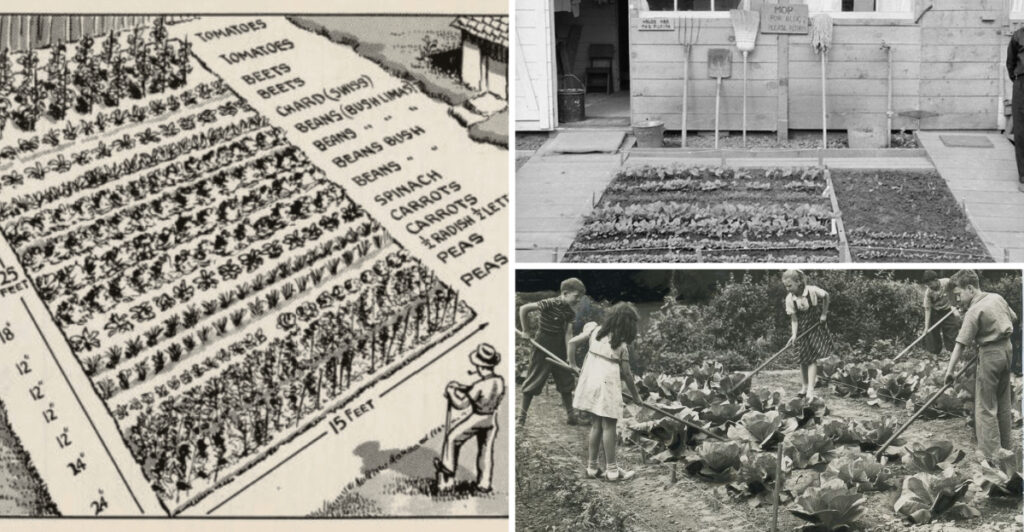
During World War II, victory gardens were a vital part of the home front effort. Citizens across the United States and other nations were encouraged to transform their backyards, empty lots, and public spaces into productive gardens. These gardens not only provided a significant portion of the vegetables needed during wartime but also fostered a sense of community and self-reliance. Today, with a growing interest in sustainability and self-sufficiency, the principles behind these gardens can be applied to modern gardening practices.
The Birth of Victory Gardens
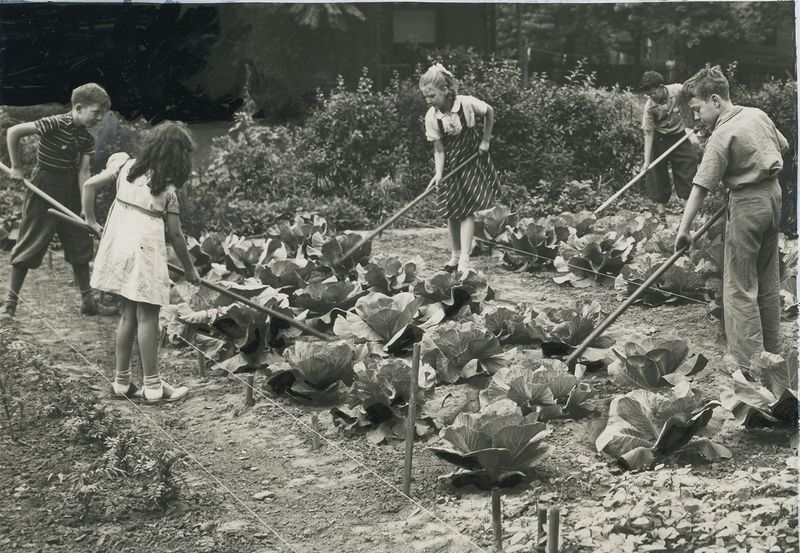
In the 1940s, victory gardens became a symbol of resilience. Families united to grow their own produce, easing the strain on public food supplies. Imagine a young couple, sleeves rolled up, guiding their children to plant seeds in a patch of earth. This was not just gardening; it was a patriotic duty.
The government promoted these efforts widely, using posters and community events. Neighbors exchanged tips and seeds, turning gardening into a social activity. Today, the legacy of these gardens reminds us of the power of community and self-sufficiency.
Did you know? By 1944, nearly 20 million gardens were planted in the U.S.
Tools of the Trade

Gardening in the 1940s required simple yet effective tools. Picture a well-worn spade, its handle smooth from use, or a sturdy hoe ready to turn the soil. These tools, though basic, were indispensable in creating thriving gardens.
Gardeners relied on what they had, often repurposing household items. Creativity was essential, as materials were often scarce due to the war effort.
Today, vintage tools are prized by collectors, but their functionality and charm remain unchanged. They remind us that simplicity and ingenuity can yield bountiful harvests.
Seeds of Hope
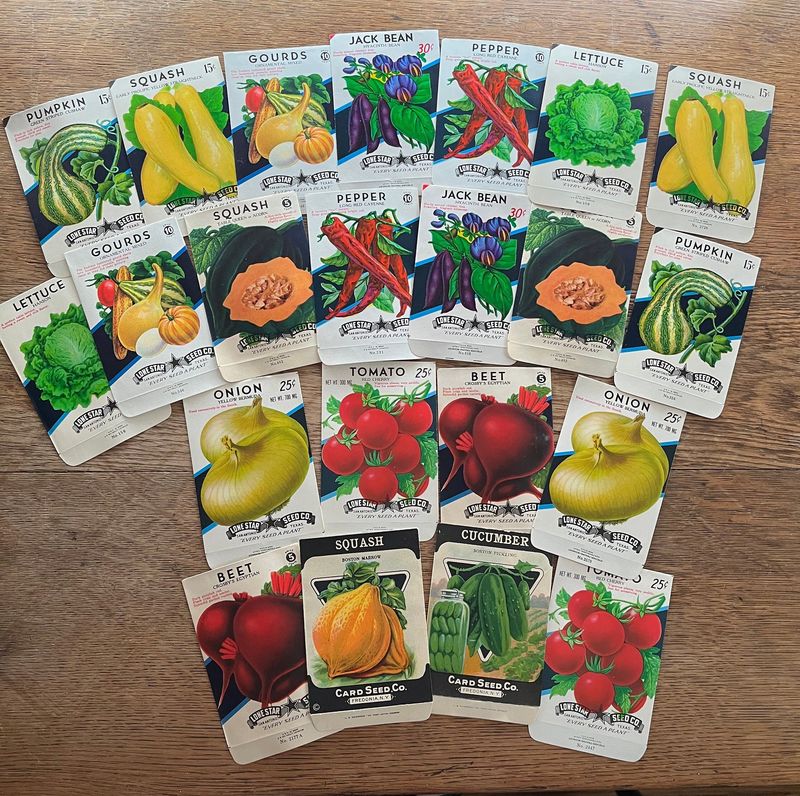
Seeds were the lifeblood of victory gardens. Imagine opening a packet of heirloom seeds, each one promising growth and nourishment. During the war, these seeds were distributed widely, encouraging even the novice gardener to start planting.
Many seeds were heirlooms, treasured for their reliability and taste. These seeds were not just about food; they represented hope and perseverance.
In today’s world, heirloom seeds are celebrated for their diversity and flavor, connecting us with the past as we cultivate our own gardens. Seed catalogs from the era are now collector’s items.
Garden Layout and Planning
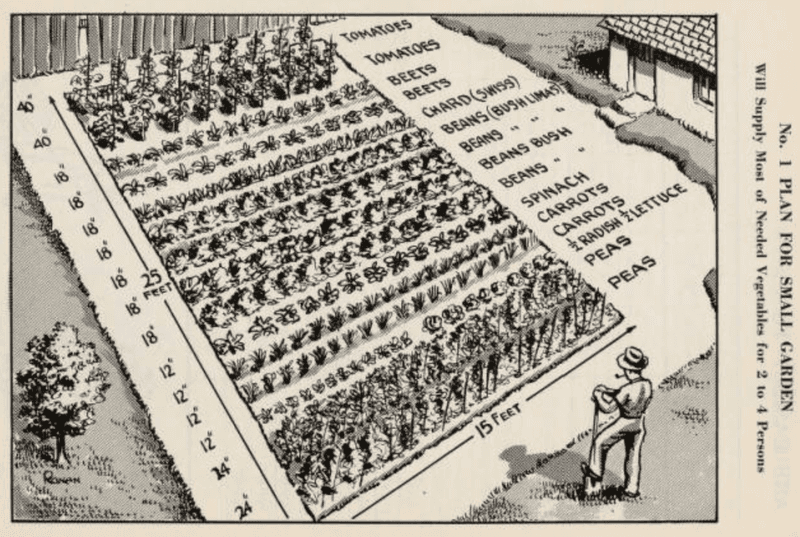
Planning was key to a successful garden. Imagine a carefully drawn sketch, detailing where each row of vegetables would grow. This was more than aesthetics; it was about maximizing yield and ensuring variety.
Paths were planned for easy access, and certain plants were paired together for mutual benefit. Community workshops often taught these techniques, fostering collaboration among neighbors.
Today, garden planning remains a crucial skill. Modern techniques often echo those wartime strategies, emphasizing efficiency and balance in the garden space.
Community Involvement
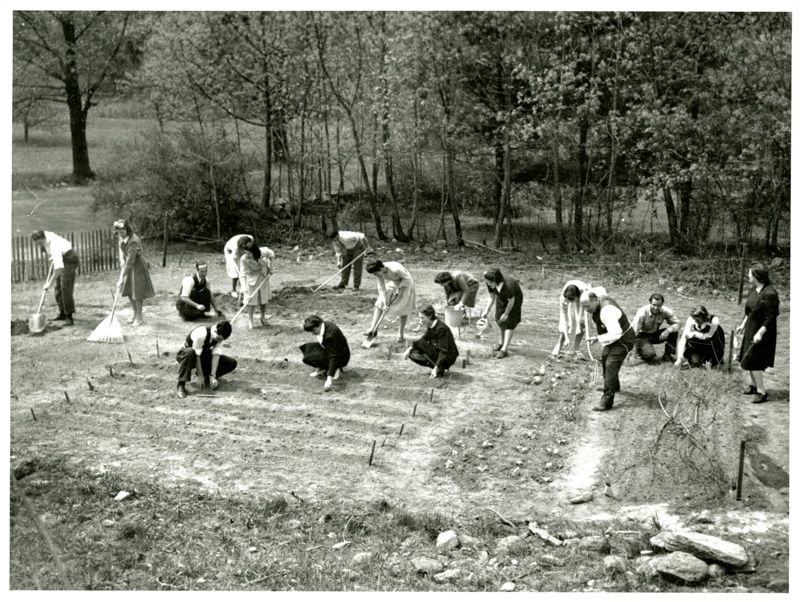
Community was at the heart of the victory garden movement. Picture a neighborhood gathering, where ideas and resources were exchanged freely. These meetings fostered unity and shared purpose, vital during challenging times.
Gardens were often planted in communal spaces, with everyone contributing labor and expertise. This sense of camaraderie helped sustain morale and supported the war effort in a tangible way.
Today, community gardens carry on this tradition, proving that when people work together, remarkable things grow. The legacy of these gardens is seen in the thriving community plots around the world.
Government Support and Propaganda
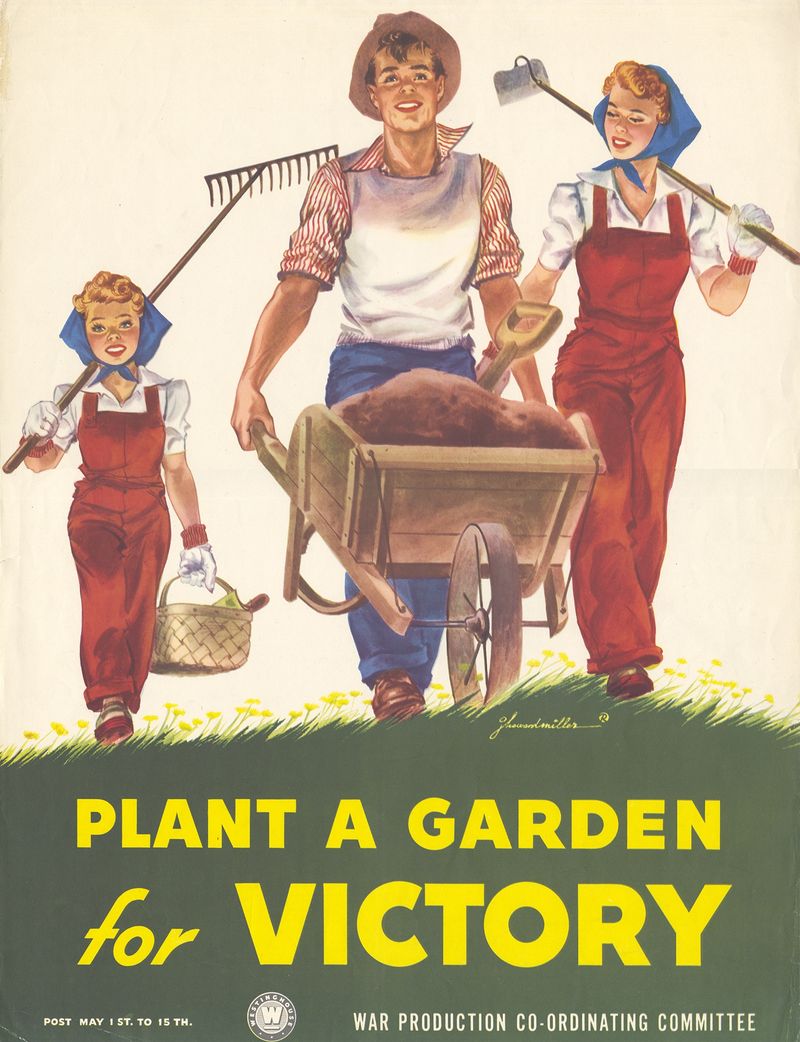
The government played a crucial role in promoting victory gardens. Imagine vibrant posters, with slogans urging citizens to “Grow Your Own” and support the war effort. These images were omnipresent, inspiring young and old alike.
Propaganda was not just about encouragement; it was a rallying call. Radio programs and pamphlets provided guidance on planting techniques and best practices.
Today, these posters are iconic, reminding us of a time when growing food was seen as a civic duty. They serve as a colorful testament to the power of visual messaging in societal mobilization.
Techniques and Skills
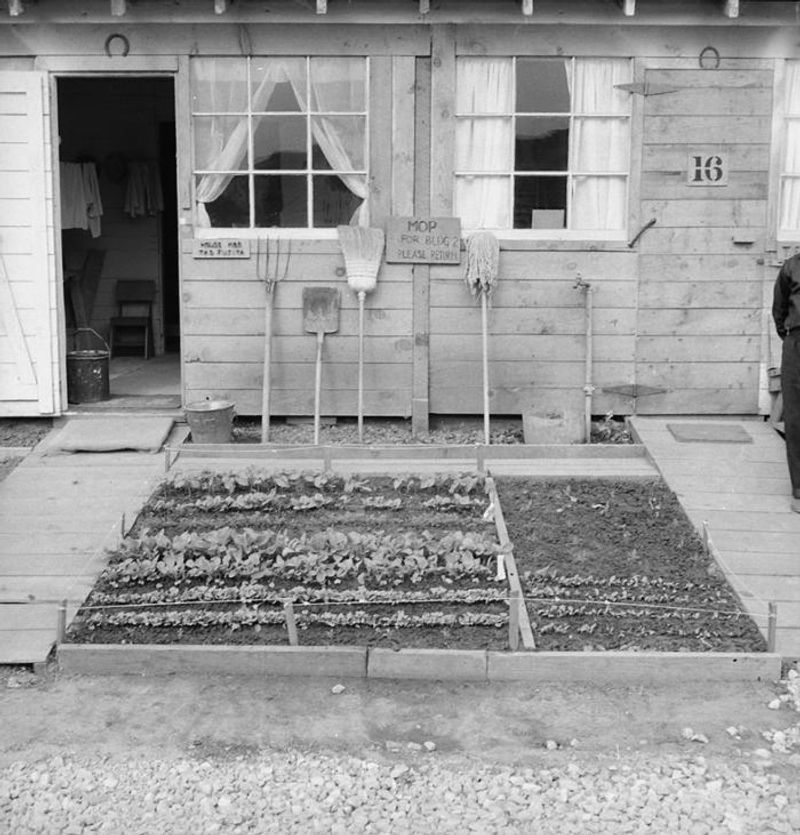
Gardening techniques from the 1940s continue to influence modern practices. Picture a seasoned gardener, demonstrating the art of planting to eager listeners. Techniques such as crop rotation, companion planting, and composting were widely taught.
These skills ensured gardens were productive and sustainable. Workshops and local experts were invaluable resources, helping amateurs become proficient gardeners.
Today, these methods are part of the sustainable movement, emphasizing the importance of earth-friendly practices. The wisdom of those gardeners still guides us as we strive for healthy, productive environments.
Harvesting and Sharing
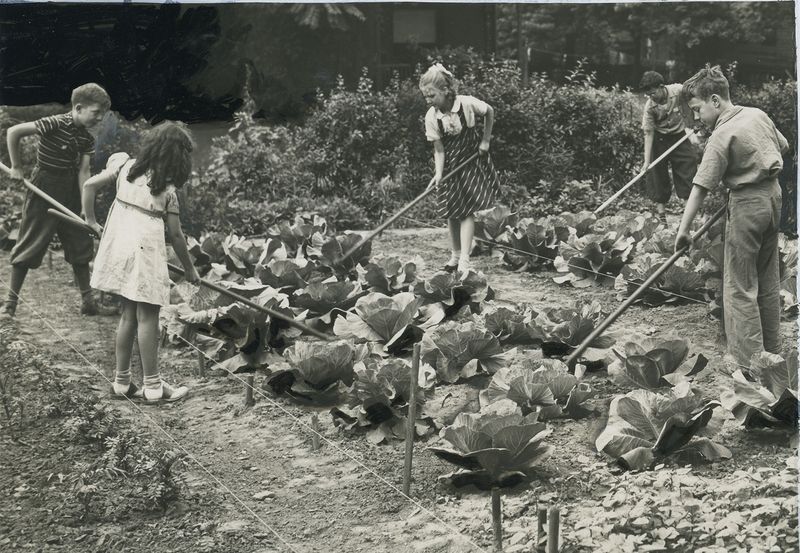
Harvest time was a celebration. Picture a family, baskets in hand, gathering the fruits of their labor. This was a moment of joy and satisfaction, knowing their efforts had paid off.
Excess produce was often shared with neighbors or donated to community kitchens, ensuring everyone benefited. This spirit of sharing reinforced community bonds and supported those in need.
Today, the tradition of sharing the bounty continues in many communities, reminding us of the generosity and cooperation born from those wartime gardens. The harvest remains a symbol of hope and abundance.
Preserving the Bounty
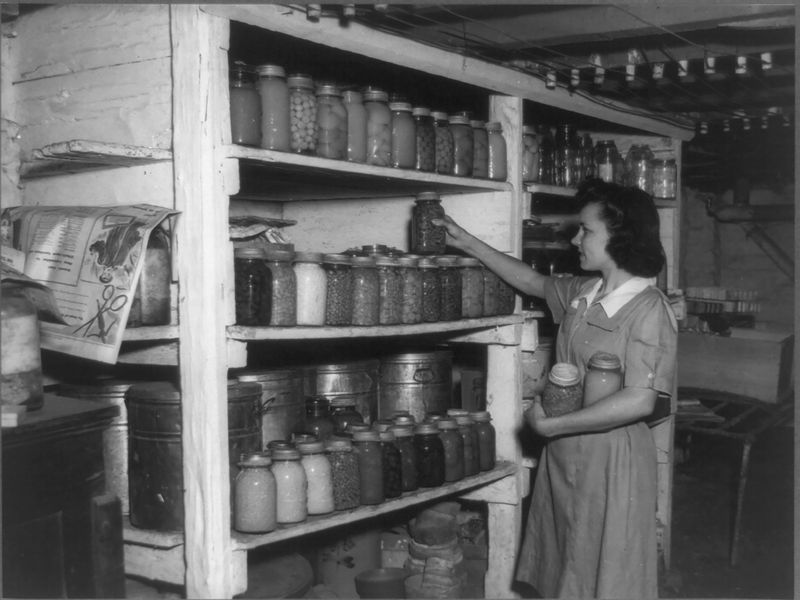
Preservation was key to making the most of a garden’s yield. Imagine a bustling kitchen, with jars lining the countertops, each filled with vibrant vegetables. Canning and drying were common methods, allowing families to enjoy their garden’s bounty year-round.
This practice reduced waste and ensured a steady food supply during leaner times. Homemakers became adept at these skills, passing them down through generations.
Today, preserving techniques are experiencing a resurgence, valued for their practicality and sustainability. They connect us to a time when resourcefulness was essential to survival.
The Modern Victory Garden Movement
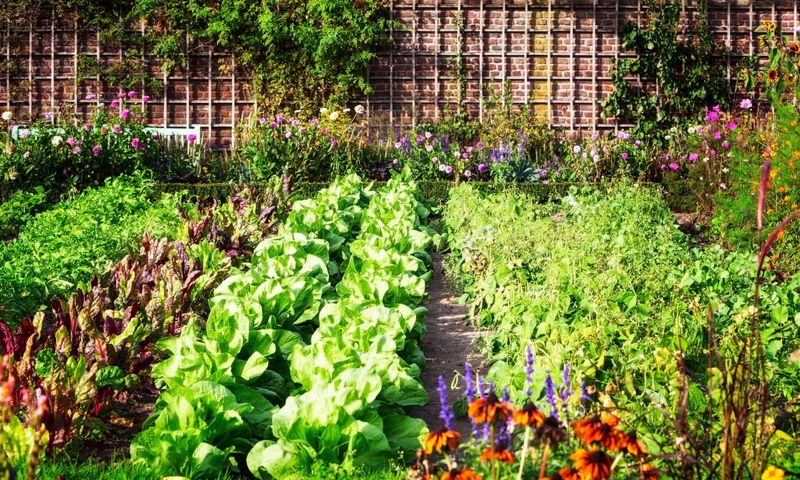
The spirit of victory gardens lives on in today’s urban gardening movement. Picture a vibrant community plot, where diverse plants thrive and neighbors work side by side. These modern gardens draw inspiration from the past, promoting sustainability and self-reliance.
In a world facing environmental challenges, these gardens offer a hopeful solution. They bring people together, nurture local ecosystems, and provide fresh produce to urban areas.
The legacy of the 1940s victory gardens endures, inspiring a new generation to cultivate their own patches of green and foster community bonds.
Companion Planting Techniques
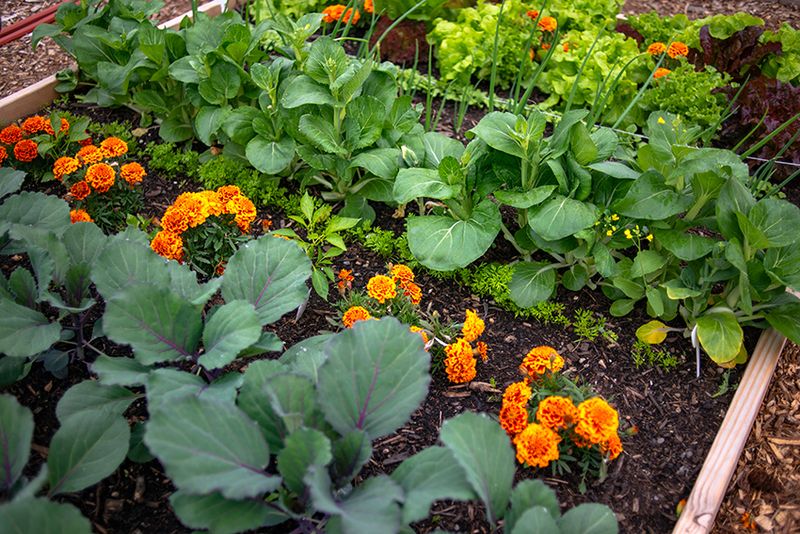
In the 1940s, gardeners found that planting certain vegetables together could lead to healthier crops. Known as companion planting, this technique involves growing plants that benefit each other. For instance, marigolds ward off pests when planted near tomatoes.
Today, you
Soil Enrichment Methods
In the 1940s, enriching the soil was a crucial step in Victory Gardens. Gardeners used compost made from kitchen scraps and leaves to boost soil fertility. This natural method ensured healthy growth of vegetables.
Today, you can replicate these methods by creating your own compost pile. Use organic waste like fruit peels and coffee grounds. It reduces waste and enriches your garden’s soil naturally.
Did you know? During wartime, community composting stations were common, promoting collective efforts. Modern gardeners can take inspiration by forming neighborhood composting stations.
Vertical Gardening Techniques
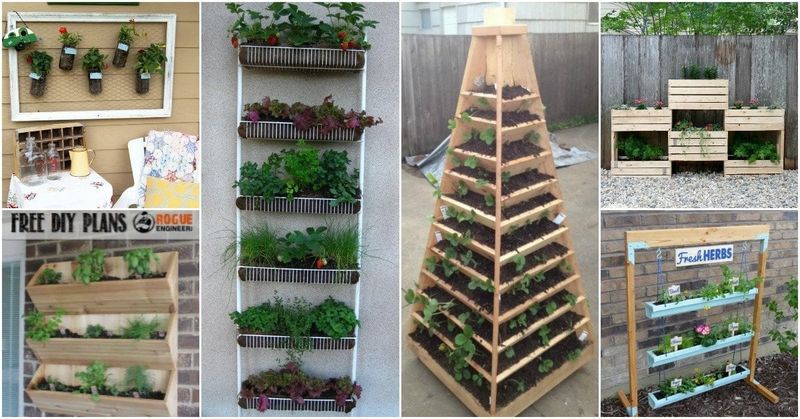
Victory Gardens often maximized small spaces using vertical gardening. Structures like trellises were employed to grow climbing plants, adding efficiency to even the tiniest plots.
You can adopt these techniques today by using vertical planters or wall-mounted containers. Perfect for urban settings, they enhance space utilization.
Interestingly, wartime ads promoted vertical gardening as a way to increase yields. This method remains popular, providing ample produce without requiring vast land.
Heirloom Seed Preservation
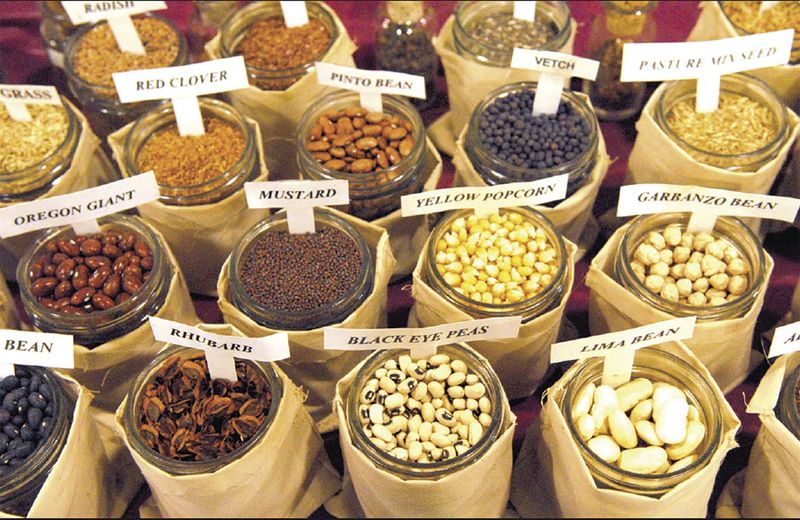
Heirloom seeds, passed down through generations, were treasured in Victory Gardens. These seeds, untouched by modern modifications, provided reliable harvests.
Consider preserving heirloom seeds for your garden. They ensure genetic diversity and often offer unique flavors.
During WWII, saving seeds from each harvest was common practice. Modern gardeners can ensure biodiversity by saving and sharing heirloom seeds. It’s a nod to the past and a step towards sustainable gardening.
Rainwater Harvesting Systems
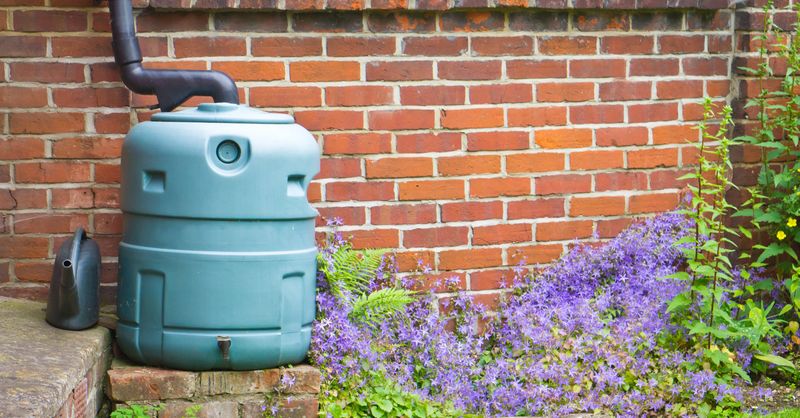
Rainwater harvesting was an innovative solution in Victory Gardens to conserve water. Barrels collected rain, providing an eco-friendly irrigation source.
You can embrace this environmentally friendly practice by installing rain barrels in your garden. It reduces water bills and supports sustainable gardening.
During the war, resourcefulness was key. Today, with growing environmental concerns, rainwater harvesting continues to be a practical and sustainable choice for gardeners.
Crop Rotation Practices
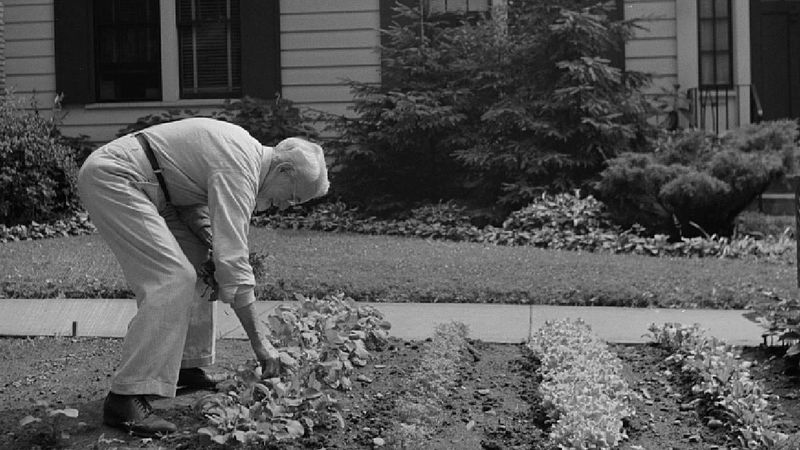
Crop rotation was a vital practice in Victory Gardens to maintain soil health. Different vegetables were planted in succession to prevent nutrient depletion.
Implementing crop rotation in your garden can improve soil structure and reduce pests. Rotate between legumes, leafy greens, and root vegetables for optimal results.
This method, rooted in wartime necessity, helps maintain soil fertility. It’s still a cornerstone of sustainable gardening today.
Wildlife-Friendly Gardening
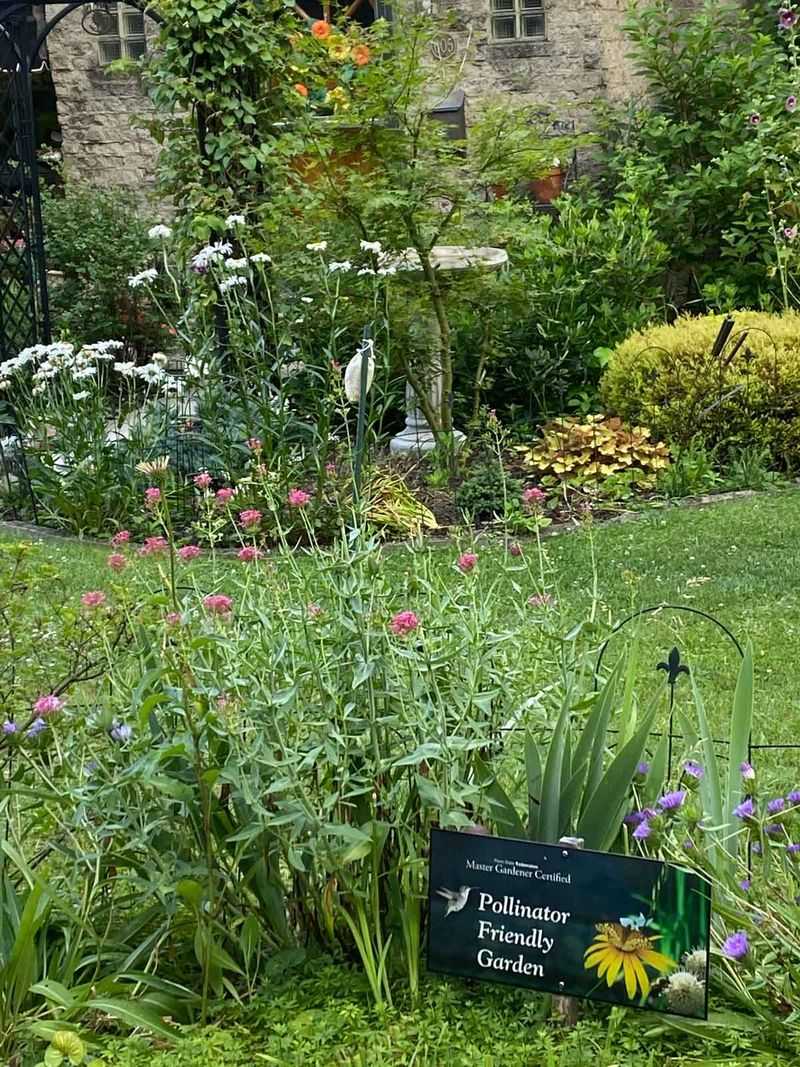
Victory Gardens were designed to support not just humans but also local wildlife. Incorporating native plants attracted beneficial insects and birds, creating a balanced ecosystem.
Consider planting wildflowers or installing birdhouses to invite beneficial wildlife into your garden. It supports biodiversity and pest control naturally.
Did you know? During wartime, some gardens even had beehives to aid pollination. Today, wildlife-friendly gardening enriches ecosystems and enhances garden productivity.
Herb Spirals for Flavor and Medicine
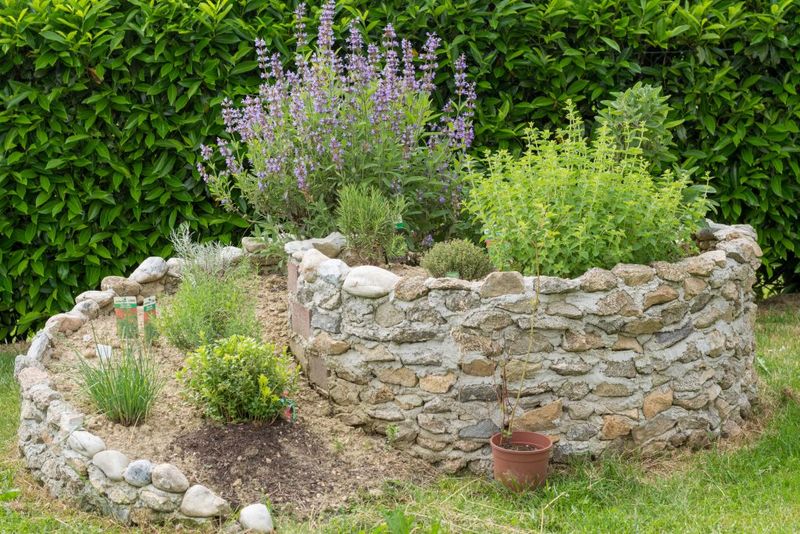
Herb spirals were a clever design in Victory Gardens, offering space-efficient ways to grow herbs for cooking and medicine. They optimize water use and create microclimates.
Building an herb spiral can be a fun and practical addition to your garden. It concentrates flavors and aromas in a compact space.
In the 1940s, these spirals provided essential herbs for culinary and medical uses. Today, they represent an innovative and aesthetic gardening technique.
Edible Flowers in Victory Gardens
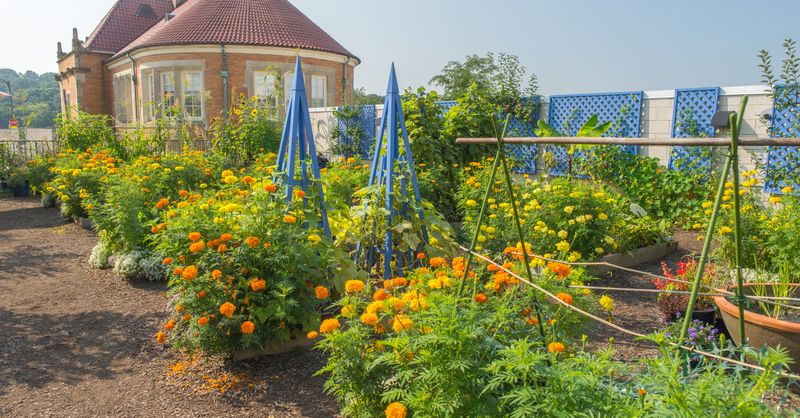
Edible flowers added beauty and nutrition to Victory Gardens. Varieties like nasturtiums and violets were common, providing both visual appeal and culinary uses.
Incorporate edible flowers in your garden for a splash of color and flavor. They are perfect for salads and garnishes.
During WWII, edible flowers were not just ornamental; they enriched diets. Today, they offer a delightful and nutritious addition to any garden.
Urban Rooftop Victory Gardens
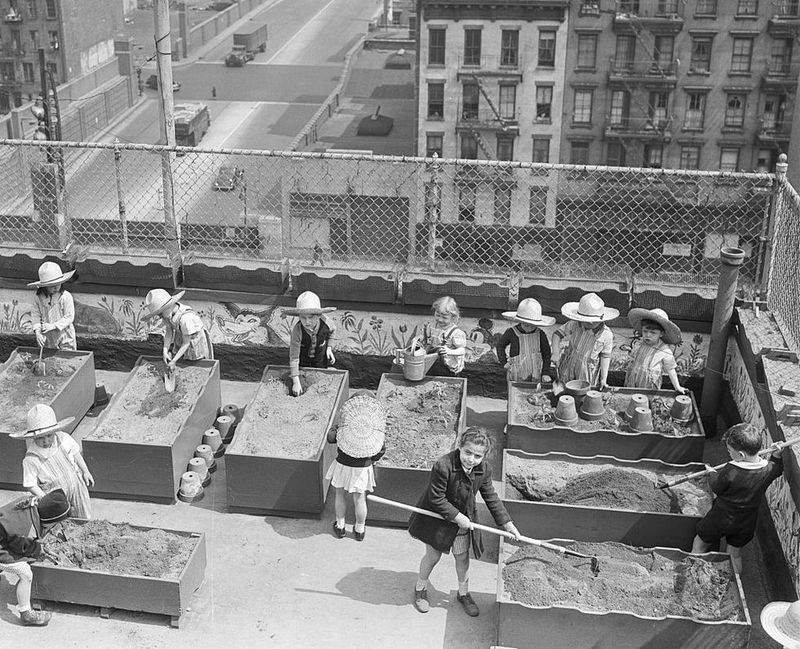
Urban dwellers during WWII turned rooftops into Victory Gardens. These elevated plots utilized unused space, providing fresh produce above the city.
Consider transforming your rooftop into a garden. It’s a creative way to grow vegetables in limited spaces.
Rooftop gardening was a wartime innovation. Today, it’s a testament to urban ingenuity, offering fresh food and green spaces in cities.
Perennial Vegetables for Sustained Harvest
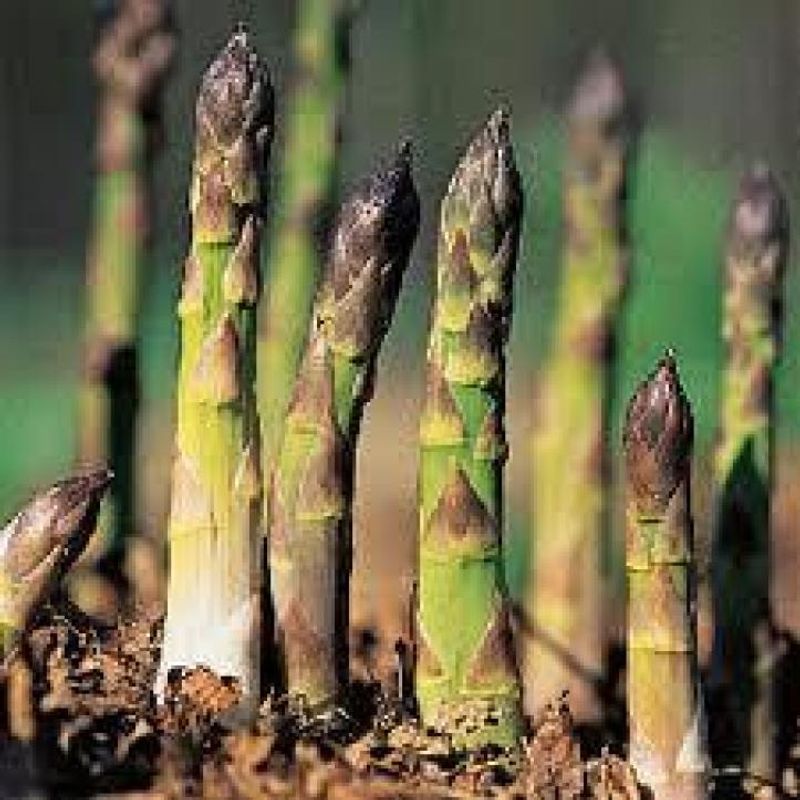
Perennial vegetables were a staple in Victory Gardens, providing reliable and sustained harvests. Varieties like asparagus and rhubarb returned each year without replanting.
Integrate perennial vegetables into your garden for continuous yields. They require less maintenance and offer long-term benefits.
These plants were vital during wartime for ongoing food supply. Today, they represent a sustainable choice for resilient gardens.
Mulching Techniques for Moisture Retention
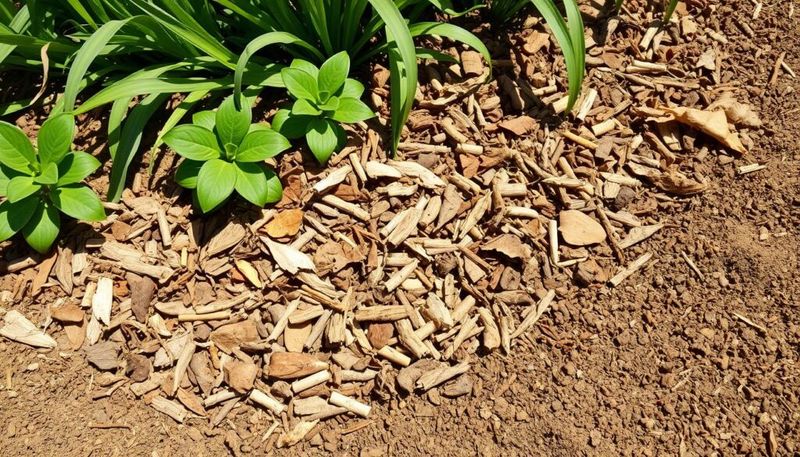
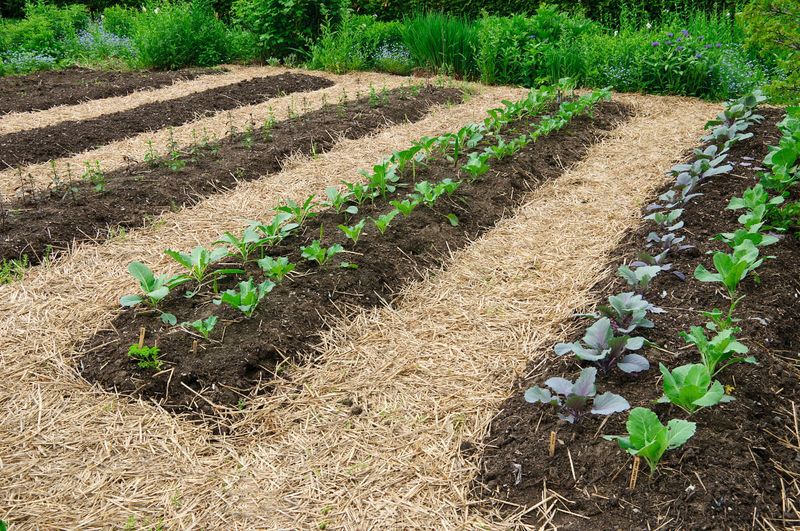
Mulching was a common practice in Victory Gardens to retain soil moisture and control weeds. Using straw or leaves, gardeners protected their plants.
Incorporate mulching in your garden for healthy soil and water conservation. It’s a simple yet effective method.
Wartime gardeners utilized mulching for its efficiency. It remains a popular technique to enhance garden productivity and sustainability today.
Holistic Pest Management
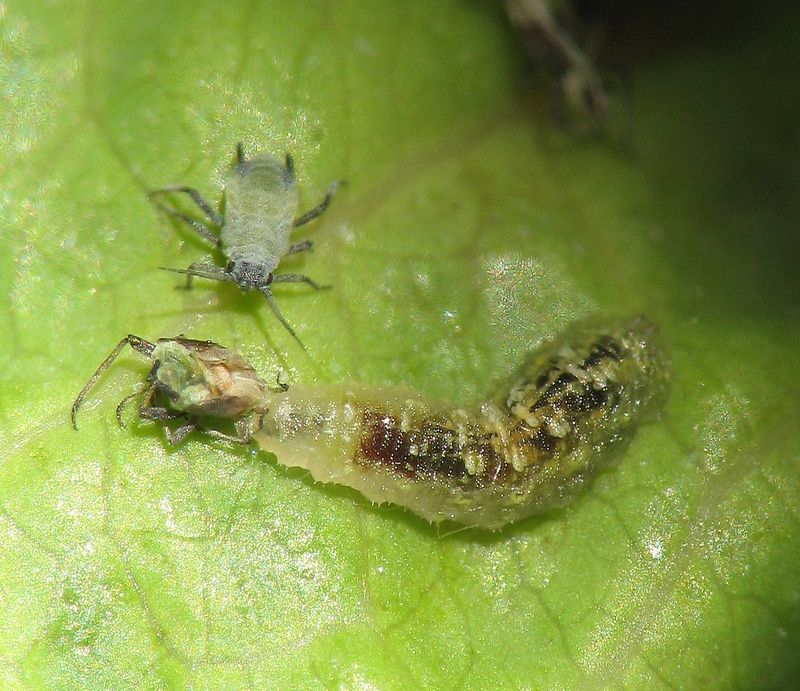
Victory Gardens employed holistic pest management using natural repellents like marigolds. These strategies minimized chemical use while protecting crops.
Adopting natural pest control, such as planting marigolds, can safeguard your garden organically. It’s effective and environmentally friendly.
During WWII, these techniques were crucial for maximizing harvests. Today, holistic pest management continues to support eco-friendly gardening.